

Ground Protection Mats Case Study examines how polyethylene mats were used to create a stable temporary access route across muddy, grassy, and soft ground. The solution improved vehicle traction, distributed wheel loads, and reduced damage to the original surface.
In wind power installation, construction, landscaping, utility maintenance, and outdoor equipment transportation projects, vehicles often need to travel across unpaved areas. Without suitable ground protection, trucks and machinery may slip, become stuck, create deep ruts, or damage grass and soil.
Ground Protection Mats Case Study: Project Background
The project was located in an outdoor equipment installation area without a complete paved access road. Several sections consisted mainly of soil and grass, and the ground became soft after rainfall.
Transport trucks, lifting equipment, and construction machinery needed to enter and leave the site frequently. Direct vehicle traffic caused several problems:
- Vehicles slipped or became stuck in muddy areas.
- Repeated heavy traffic created deep wheel ruts.
- Vehicle speed decreased and delayed equipment delivery.
- Grass and soil surfaces suffered visible damage.
- Steel road plates were too heavy for frequent relocation.
The project therefore required a temporary roadway system that could be installed quickly, moved as the work area changed, and removed without permanently altering the original ground.
Ground Protection Mat Solution
In this Ground Protection Mats Case Study, polyethylene ground protection mats were selected according to the vehicle width, turning radius, expected traffic frequency, and softness of the ground.
Before installation, workers removed sharp stones, metal debris, branches, and major surface irregularities. The mats were then positioned along the direction of vehicle travel.
Adjacent mats were secured with suitable connectors to reduce separation and movement. Additional coverage was provided in turning, parking, loading, and braking areas where greater lateral forces could occur.
For particularly soft sections, geotextile fabric or a basic support layer could also be installed beneath the mats to improve overall stability.
Product Design Features
The ground protection mats used in this project were manufactured from durable engineering-grade polyethylene. The material offers a practical combination of impact resistance, low water absorption, corrosion resistance, and manageable weight.
Anti-Slip Surface Pattern
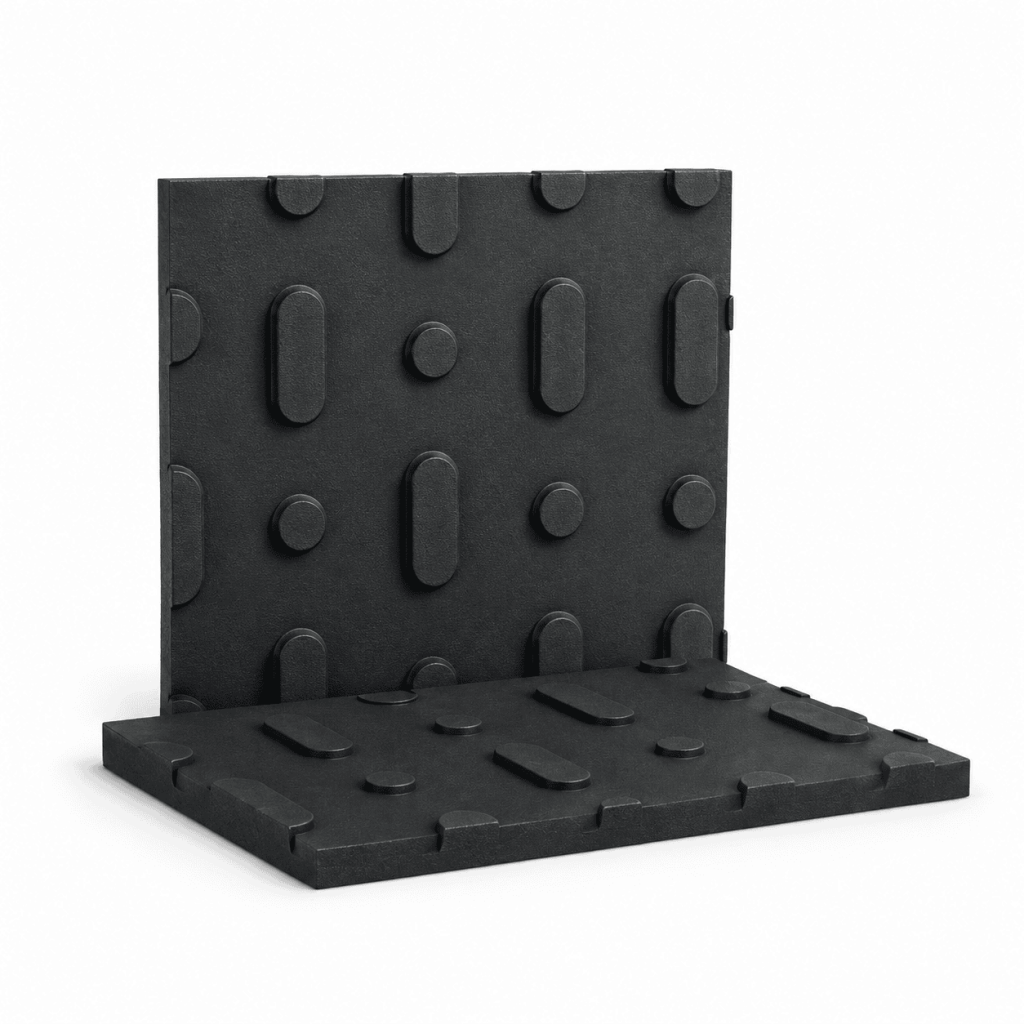
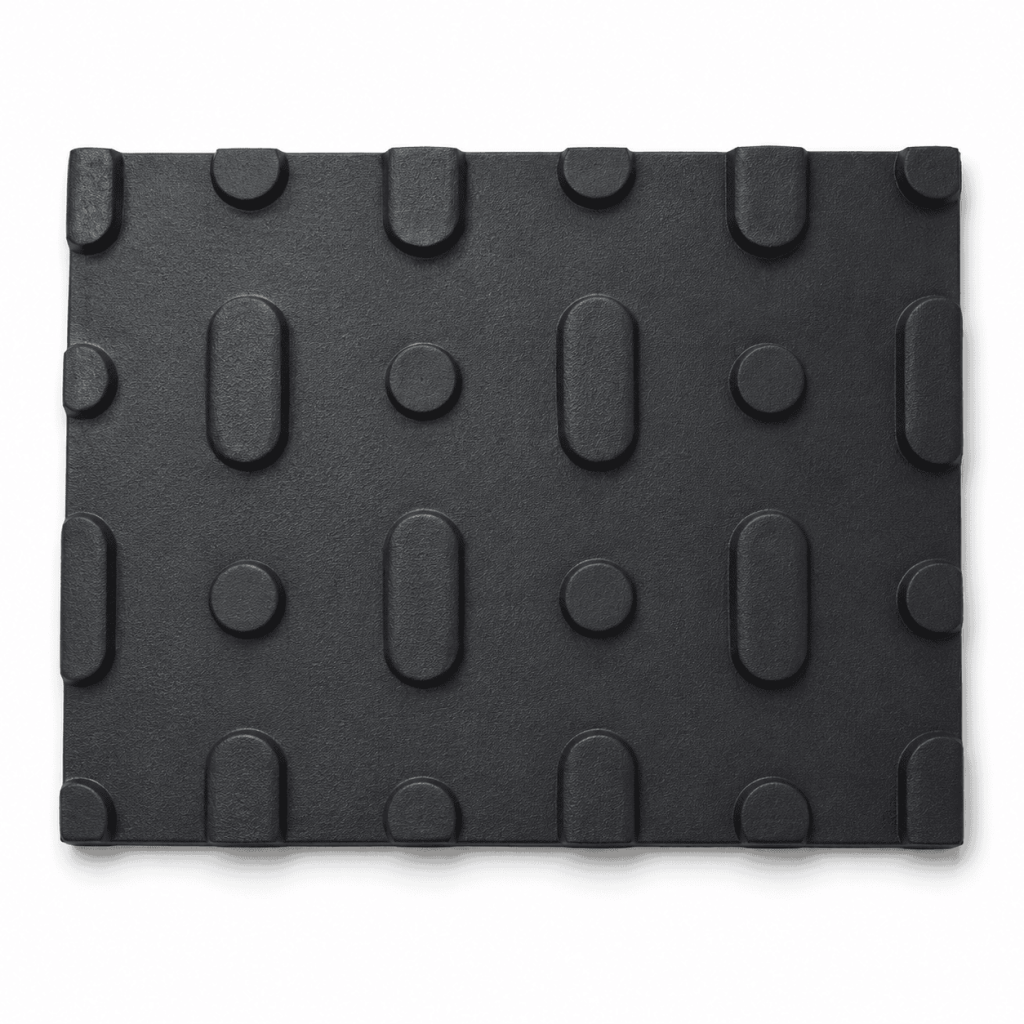
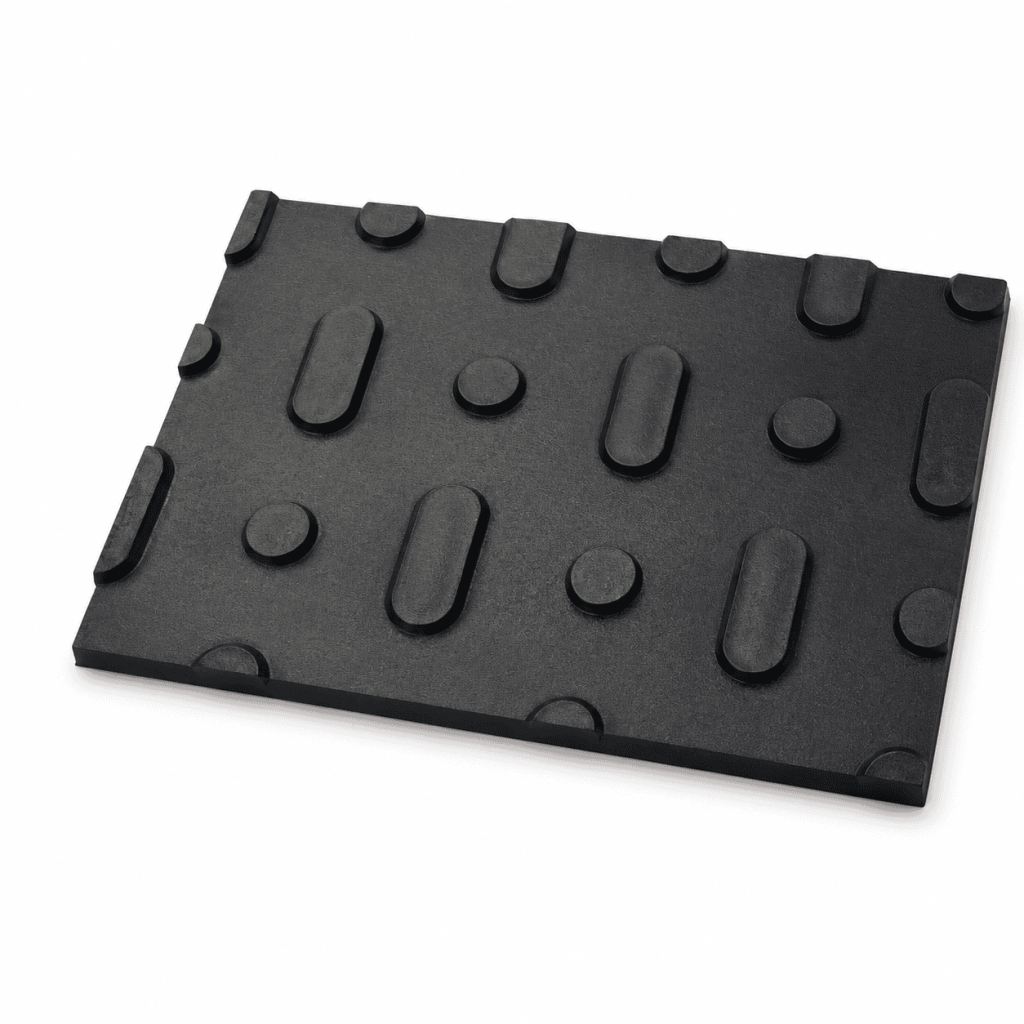
The raised surface pattern increases friction between vehicle tyres and the mat. This helps improve traction on wet, muddy, grassy, or dusty surfaces.
Connection System
Connection holes around the mat edges allow several panels to be joined together, creating a continuous temporary roadway or working platform.
Correct connection reduces gaps, misalignment, and sideways movement when vehicles travel across the surface.
Lightweight and Reusable Structure
Compared with traditional steel plates, polyethylene mats are easier to transport, position, remove, and reuse. Their lower weight can also reduce dependence on heavy lifting equipment during installation.
Project Installation Process
1. Measure the Access Route
The required length and width were calculated according to vehicle dimensions, wheelbase, turning radius, and travel direction. Additional width was allowed in turning and reversing areas.
2. Prepare the Ground
Sharp objects, large stones, and raised sections were removed to prevent concentrated pressure beneath the mats.
3. Install and Connect the Mats
The mats were placed in sequence along the planned route. Adjacent panels were aligned and secured using suitable connectors.
4. Reinforce High-Load Areas
Additional mats were installed in areas where vehicles frequently stopped, turned, accelerated, or carried out loading operations.
5. Carry Out Regular Inspections
During use, the connectors, mat positions, surface condition, and underlying ground were inspected regularly. Any displaced panels were adjusted promptly.
Ground Protection Mats Case Study Results
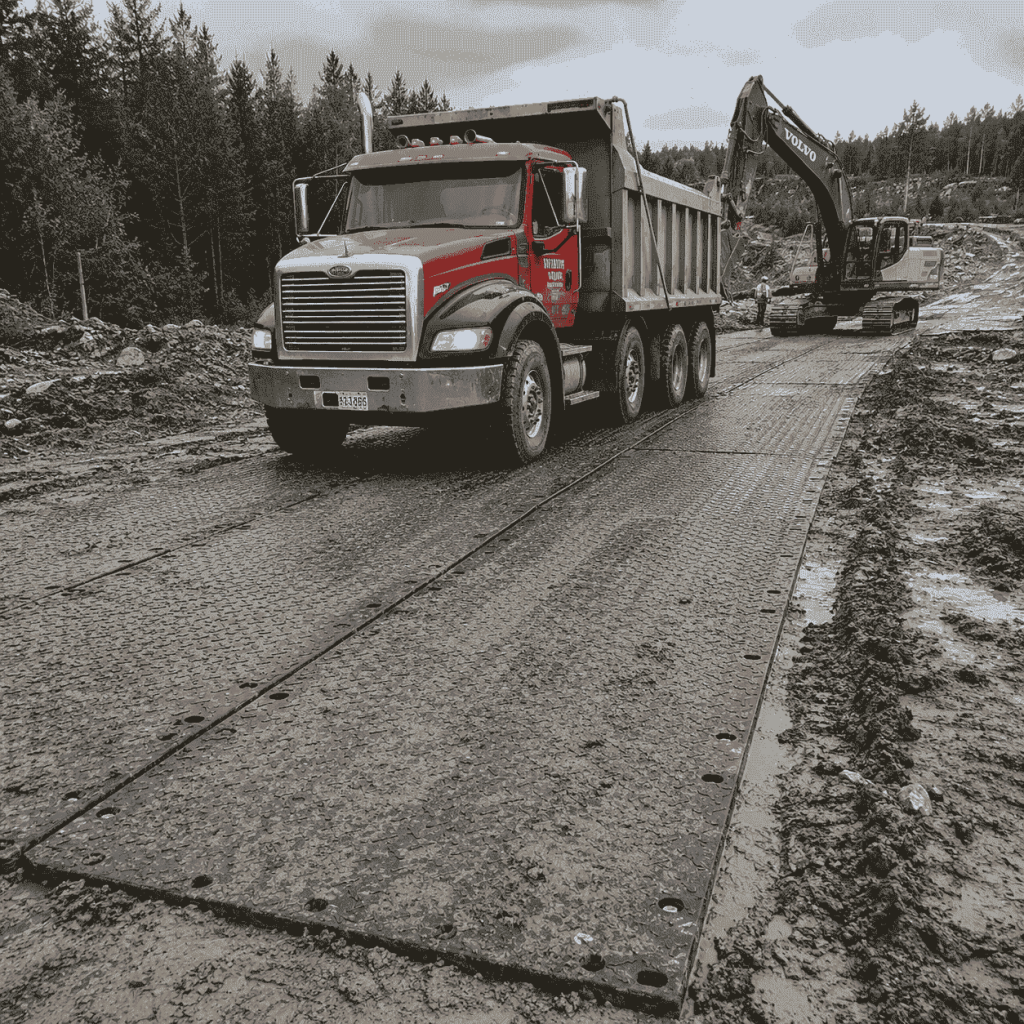
After installation, vehicle access across the muddy and grassy sections improved significantly. Transport trucks and construction machinery were able to enter the work area more safely and efficiently.
Vehicle slipping and wheel sinkage were reduced, particularly after rainfall. The mats distributed wheel loads over a larger surface area, helping reduce local ground settlement and deep rut formation.
As the project route changed, the mats could be disconnected and moved to another section. After the work was completed, they were removed, cleaned, and stored for future use.
The Ground Protection Mats Case Study also demonstrated that polyethylene mats were easier to relocate than heavy steel road plates and required less removal work than temporary gravel or concrete roads.
Advantages of Polyethylene Ground Protection Mats
- Lightweight: Easier to transport, handle, and install.
- Anti-slip surface: Improves tyre traction in wet and muddy conditions.
- Load distribution: Spreads wheel pressure across a wider surface area.
- Impact resistance: Suitable for repeated vehicle and equipment traffic.
- Corrosion resistance: Does not rust when exposed to rain, soil, or mud.
- Low water absorption: Suitable for humid and outdoor environments.
- Reusable design: Can be removed and installed on other projects.
- Ground protection: Reduces damage to grass, soil, and sensitive surfaces.
Typical Applications
Ground protection mats can be used in a wide range of industrial and outdoor projects, including:
- Wind turbine installation and maintenance routes
- Construction site temporary roadways
- Oilfield, mining, and exploration access routes
- Landscaping and grass protection projects
- Utility, telecommunications, and pipeline work
- Outdoor exhibitions and temporary events
- Heavy equipment working platforms
- Agricultural and forestry machinery access
- Emergency and temporary parking areas
How to Select Suitable Ground Protection Mats
Ground protection mats should be selected according to actual project conditions. Important factors include vehicle weight, tyre size, traffic frequency, ground moisture, turning requirements, mat thickness, surface pattern, and connection method.
For extremely soft, unstable, or uneven ground, additional foundation preparation may still be required. The mats should be used as part of a complete access solution based on the expected loads and site conditions.
Explore our ground protection mats for temporary roadways, construction access, grass protection, and soft-ground vehicle routes.
These products are also commonly described as access mats , which are used to create temporary roadways and working surfaces over unstable or environmentally sensitive ground.
Project Conclusion
This Ground Protection Mats Case Study shows how reusable polyethylene mats can improve temporary vehicle access while reducing slipping, wheel sinkage, surface rutting, and damage to the original ground.
The mats can be installed, connected, relocated, removed, and reused as the project route changes. For temporary roadways, equipment platforms, grass protection, and vehicle access across soft ground, they provide a practical alternative to heavy steel plates, gravel roads, and permanent concrete surfaces.
Mat dimensions, thickness, colour, surface pattern, handle design, and connection systems can be selected according to vehicle loads, ground conditions, and project requirements.