
Nylon Bushing Application in Conveyor Roller Support Systems

Project Background

A manufacturing company operated several belt conveyors and chain plate conveyors for continuous material handling. The conveyor rollers rotated for long periods under frequent starts, stops, and changing loads.

In the original structure, the metal shaft contacted the roller bore directly. Continuous metal-to-metal friction gradually enlarged the roller bore and caused visible wear on the shaft. As the clearance increased, the rollers began to shake during operation, producing abnormal noise and reducing conveyor stability.

Some conveyors were also installed in humid working environments. The original metal components were prone to rust, which increased running resistance and occasionally caused the rollers to jam. Frequent lubrication, adjustment, and replacement interrupted normal production.

Original Problems

  • Direct friction between the metal shaft and roller bore caused rapid wear.
  • Increasing clearance resulted in roller vibration and operating noise.
  • Humid conditions caused corrosion and occasional jamming.
  • Frequent lubrication and maintenance increased equipment downtime.

Nylon Bushing Solution

Based on the roller inner diameter, shaft diameter, installation length, operating load, and working environment, nylon bushings were machined and installed between the roller and the metal shaft.

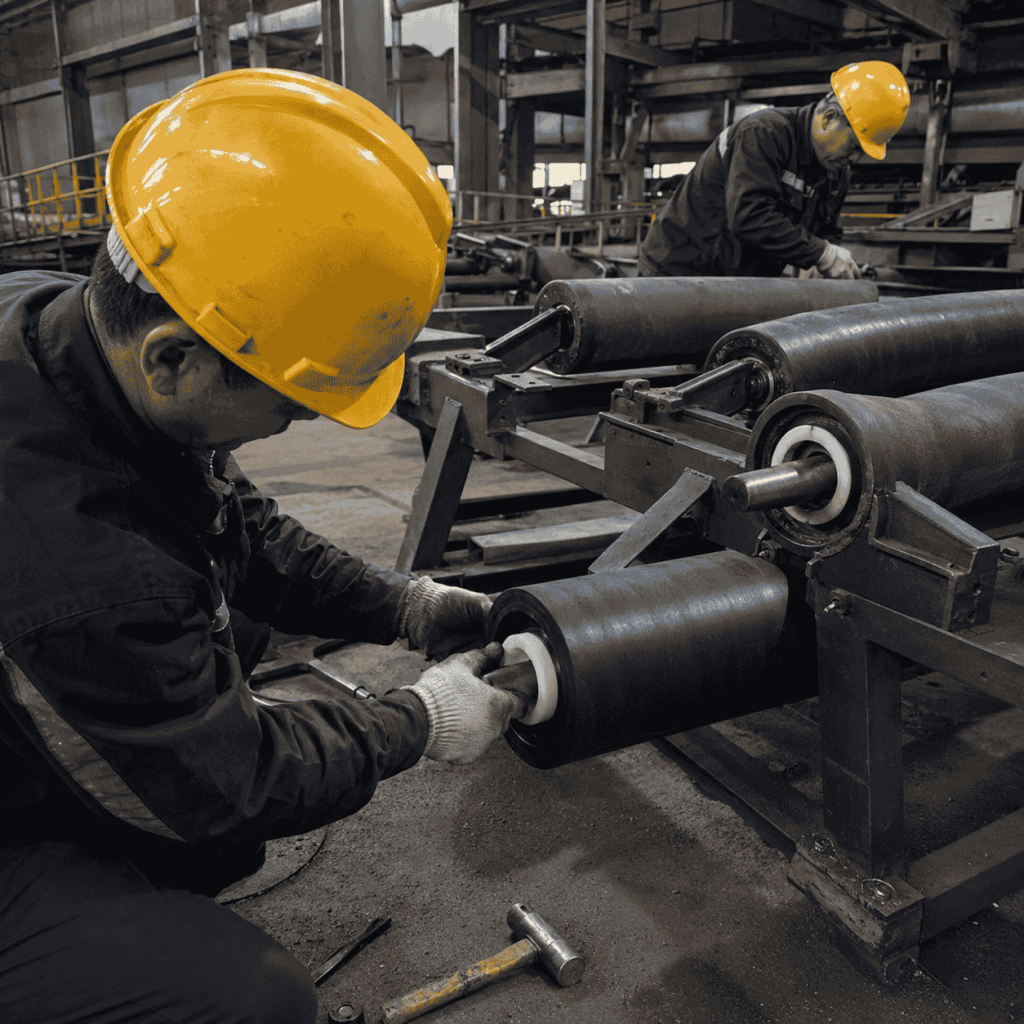
Workers installing nylon bushings in conveyor rollers
Technicians install nylon bushings during conveyor roller maintenance.

The bushings created an independent sliding surface, replacing direct metal-to-metal contact with friction between the metal shaft and nylon. This helped protect both the shaft and the roller bore from premature wear.

During machining, the inner diameter, outer diameter, concentricity, and fitting clearance were controlled according to the assembly requirements. Proper clearance ensured smooth rotation while preventing excessive movement. The edges of the bushings were chamfered to simplify installation and reduce the risk of damaging the roller bore during assembly.

Why Nylon Was Selected

Nylon is commonly used for engineering plastic components such as bushings, rollers, gears, guide blocks, and wear parts.

For this conveyor application, nylon provided good wear resistance, self-lubricating performance, impact resistance, and a lower-friction contact surface. These properties allowed the rollers to operate smoothly while reducing the need for frequent lubrication.

Unlike ordinary metal bushings, nylon does not rust. It is therefore more suitable for conveyor systems operating in humid or occasionally wet environments. Its ability to absorb minor impacts also helps reduce vibration and noise caused by hard contact between metal components.

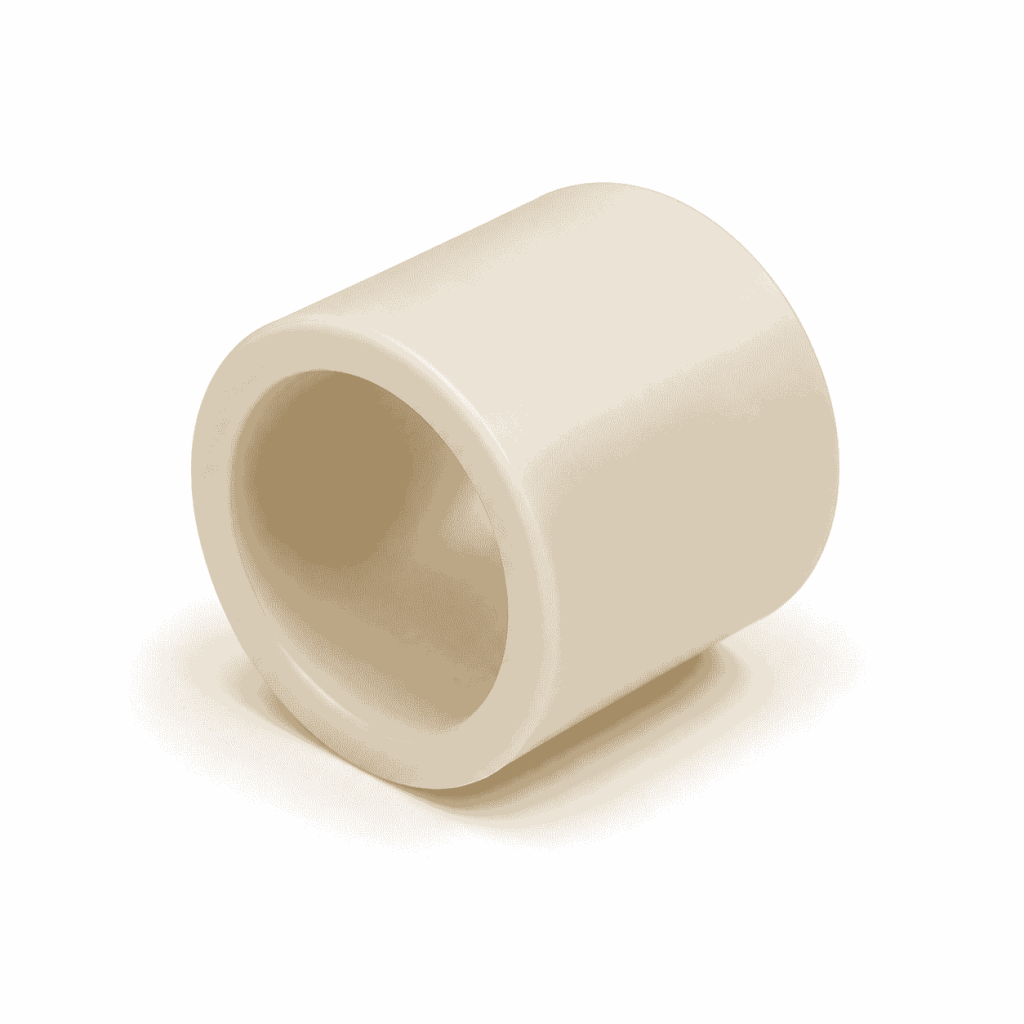
Natural-colored nylon bushing for conveyor roller applications
Wear-resistant nylon bushing designed for conveyor rollers and rotating shafts.

Project Results

After the nylon bushings were installed, the rollers operated more smoothly, and direct wear between the shaft and roller bore was reduced. Roller vibration and abnormal operating noise were also noticeably improved.

The bushings became replaceable wear components. When wear occurred, maintenance personnel could replace the nylon bushings without replacing the complete roller or metal shaft. This helped reduce spare-part costs and shorten maintenance time.

The conveyor required less frequent lubrication and adjustment, improving the stability of continuous operation. The solution was then applied to additional roller positions with similar operating conditions.

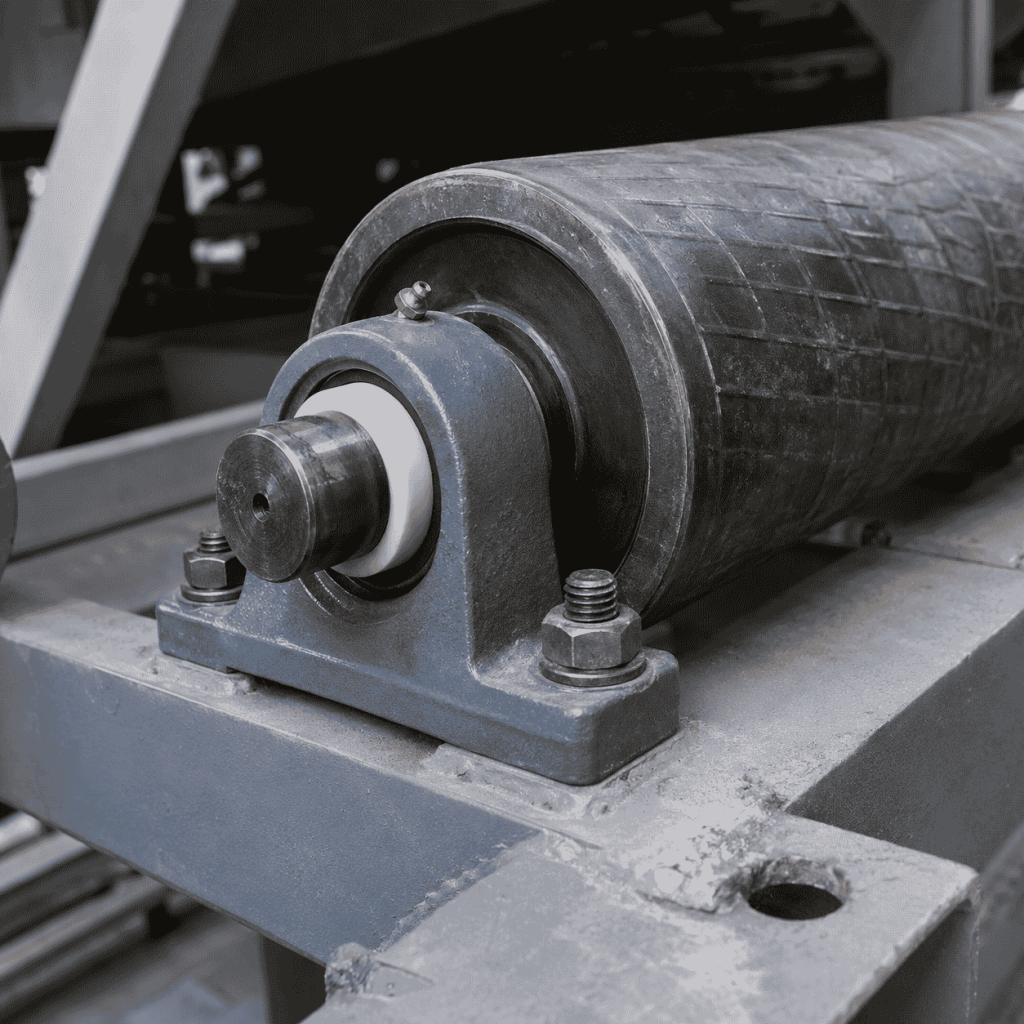
Nylon bushing installed in a conveyor roller shaft support
A nylon bushing installed between the conveyor roller shaft and support housing.

Project Summary

This project used nylon bushings to create a wear-resistant sliding surface between the conveyor roller and metal shaft. The modification helped address shaft wear, enlarged roller bores, vibration, noise, corrosion, and frequent maintenance.

We can manufacture nylon bushings in different sizes and structures according to equipment drawings, samples, loads, operating speeds, and working environments. Machining and production schedules are arranged to maintain product quality while meeting the required delivery date.

Picture of Author : Hone xi
Author : Hone xi

Wear-resistant UHMWPE sheets, liners, wear strips, guide rails and CNC machined plastic components for industrial equipment.

Facebook
Twitter
LinkedIn
Pinterest
Products
We Love to Hear From You

Need UHMWPE sheets & custom plastic machined/OEM parts?Send specs & material needs, free quote within 24h.