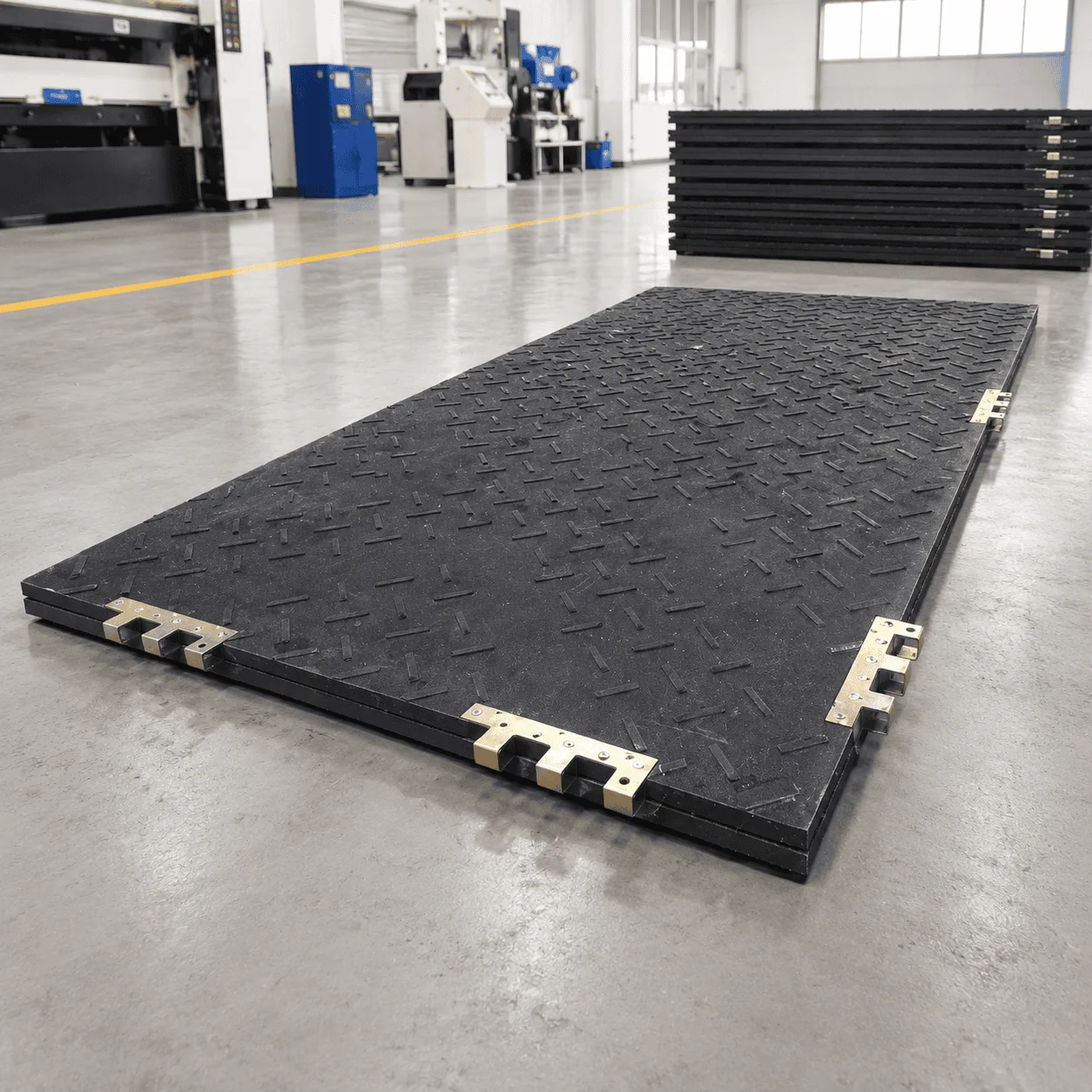
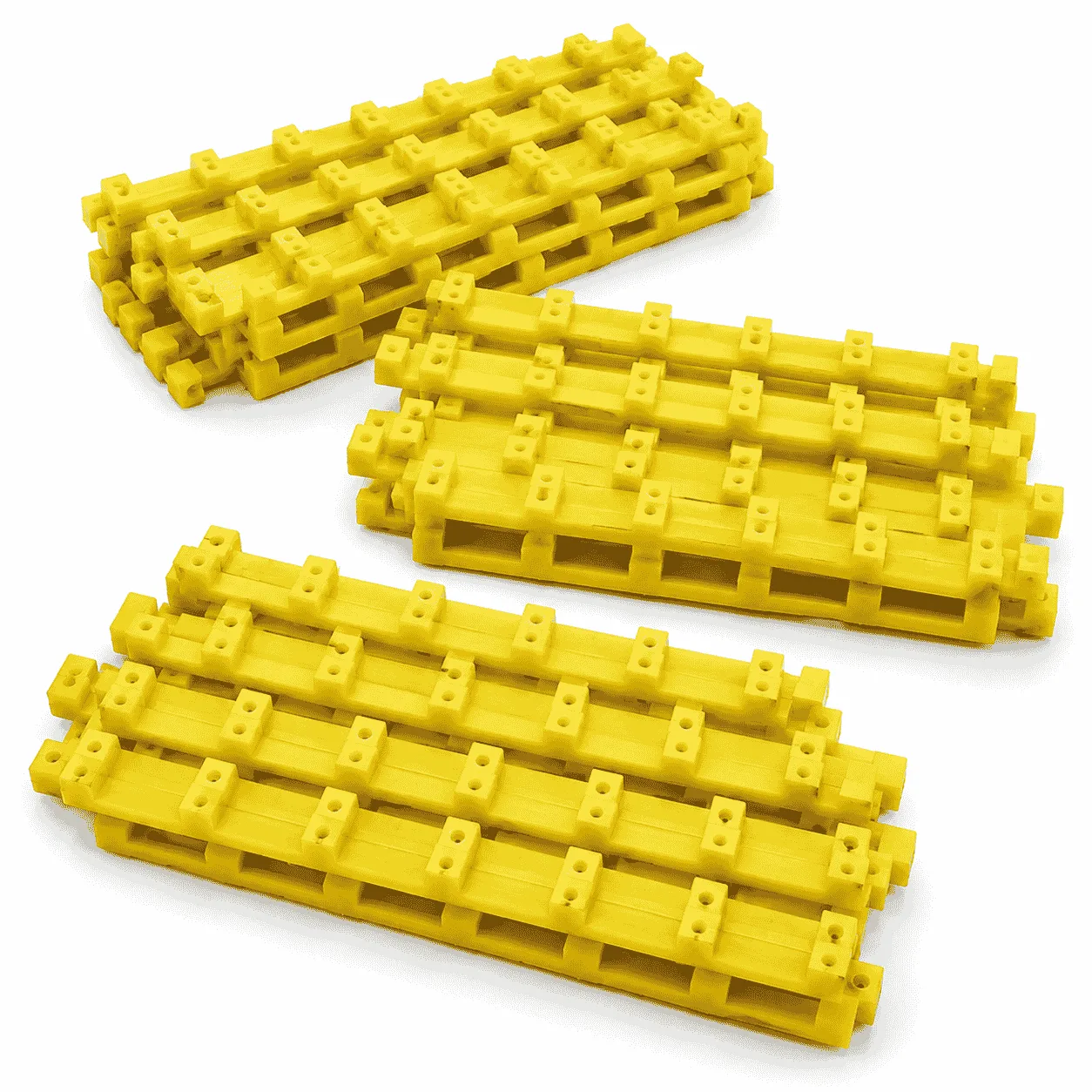
Heavy Duty Ground Protection Mats are durable UHMWPE composite panels designed for temporary vehicle access across muddy, wet, sandy, soft, or sensitive ground.
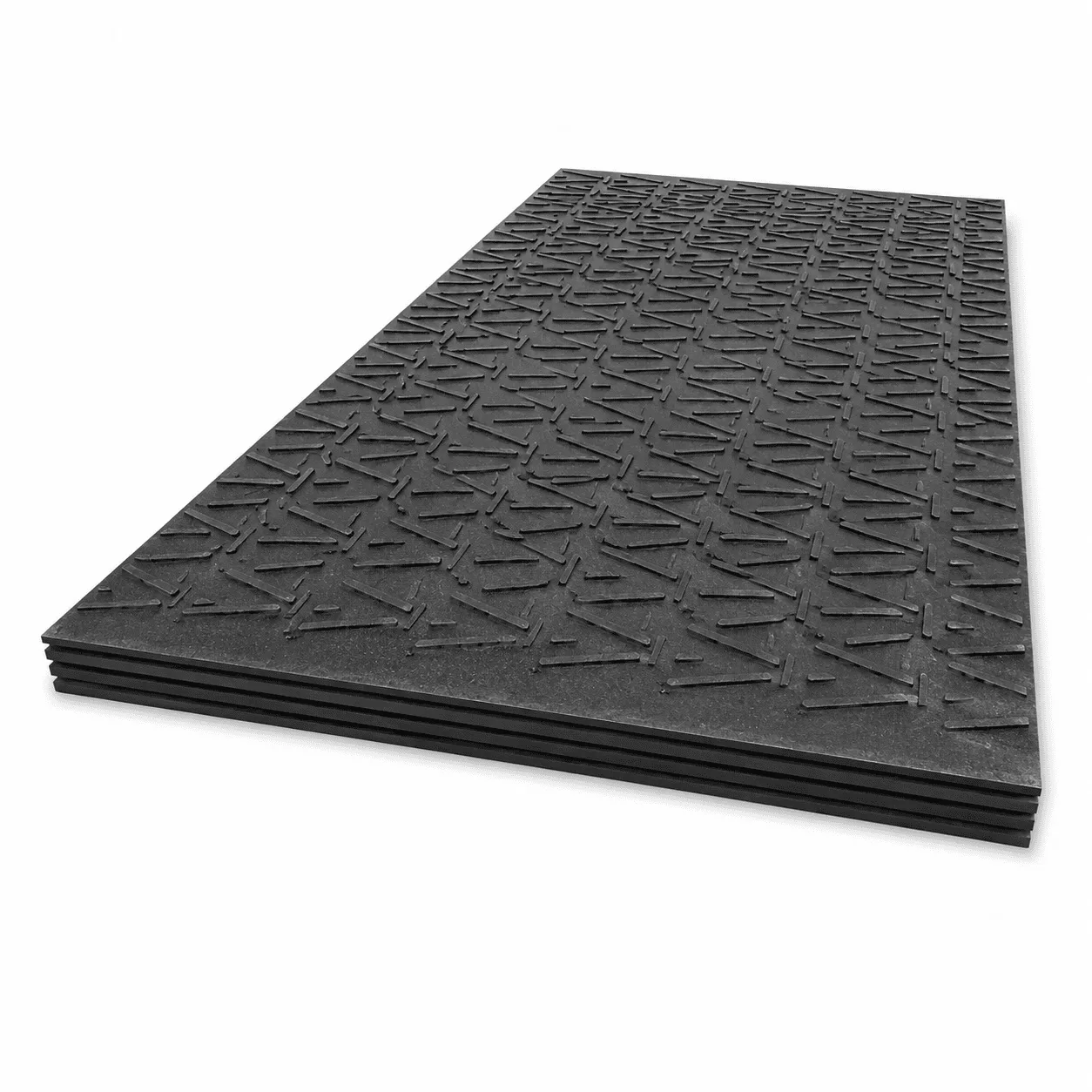
The standard heavy-duty size is approximately 4500 × 2000 × 38 mm. Each panel features a raised anti-slip traction surface and can be joined with quick connectors to create continuous temporary access routes.
Suitable for vehicle routes, equipment access, loading areas, grass protection, storage yards, and temporary parking access, these reusable mats provide a practical alternative to conventional steel road plates.
Heavy Duty Ground Protection Mats are large-format panels designed to create stable temporary access routes across soft, muddy, wet, sandy, uneven, or sensitive ground. Manufactured from durable UHMWPE composite material, these heavy-duty mats provide a practical alternative to conventional steel road plates where corrosion resistance, impact strength, repeated use, and easier handling are important.
The standard heavy-duty model measures approximately 4500 mm long, 2000 mm wide, and 38 mm thick. The large 4.5 m × 2 m working area allows each panel to cover more ground with fewer joints between neighboring mats. This makes the product suitable for temporary vehicle routes, equipment access areas, storage yards, loading zones, grass protection, temporary parking routes, and other locations where the original ground requires additional protection.
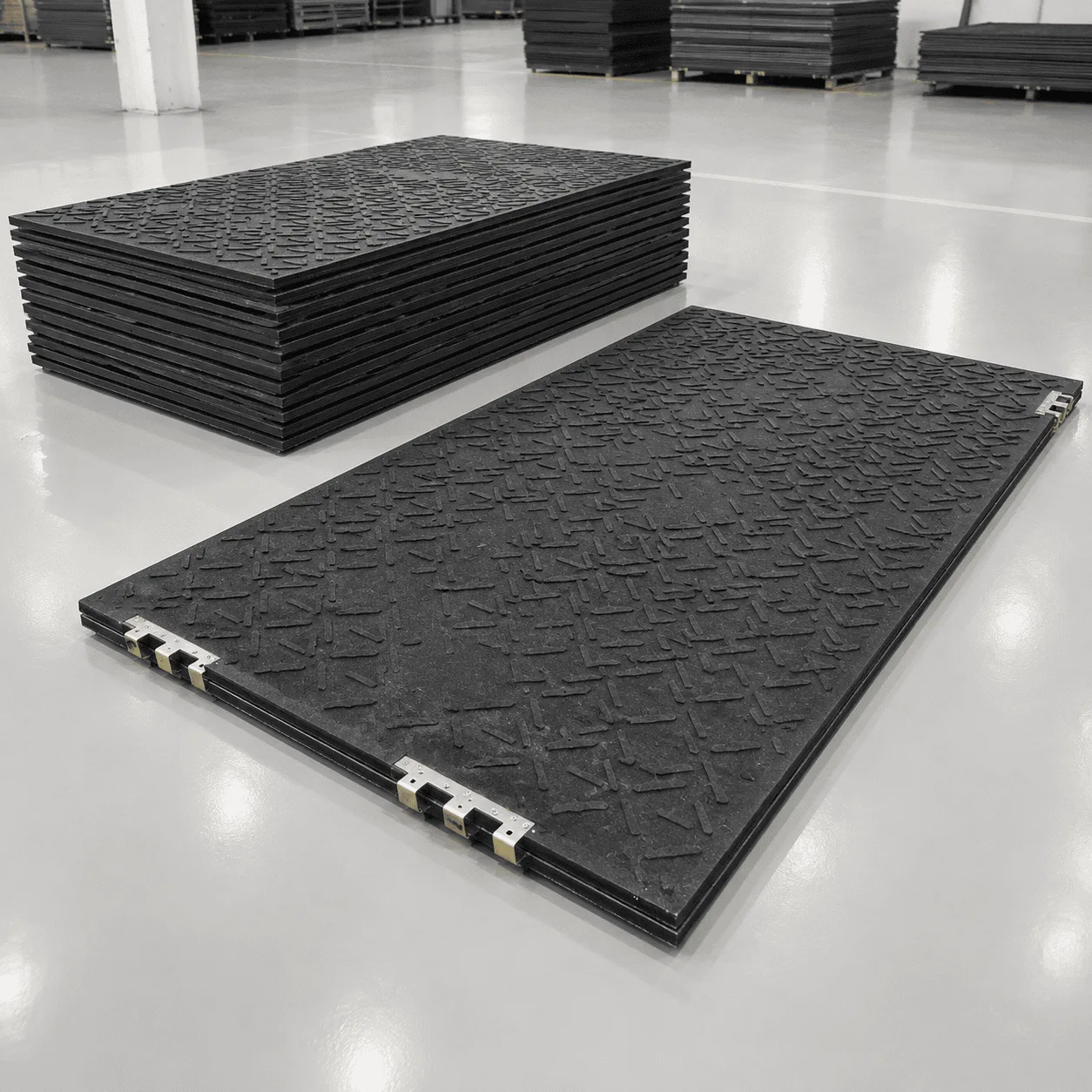
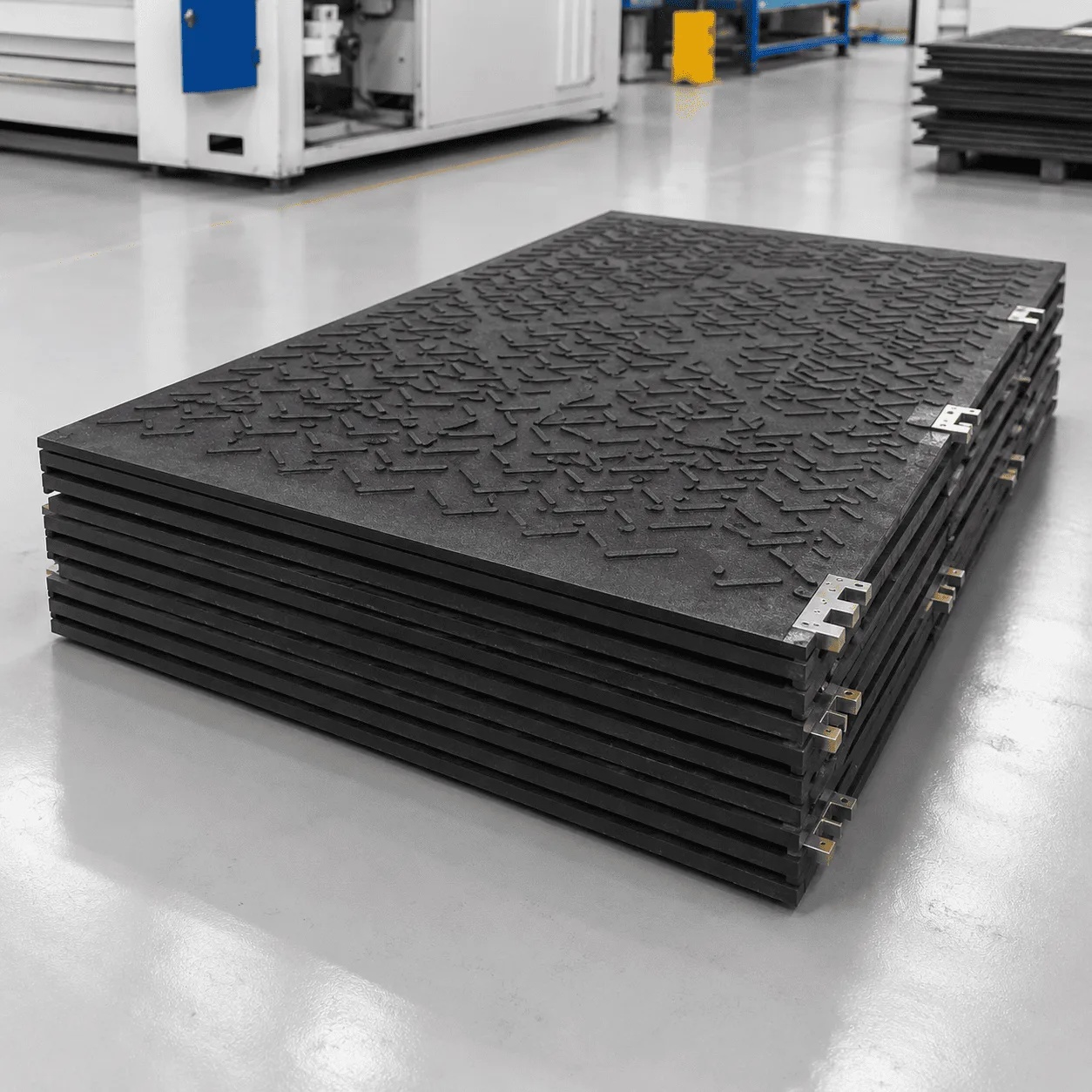
The upper surface features a raised anti-slip traction pattern designed to improve contact between vehicle tires and the mat. Individual panels can be joined with suitable quick connectors to create a continuous temporary roadway. Under appropriate ground preparation, installation, load distribution, and operating conditions, the referenced heavy-duty system can be used for high-load applications of up to approximately 180 tons.
The following specifications are based on the heavy-duty temporary access mat shown:
In addition to the 4500 × 2000 × 38 mm heavy-duty model, other temporary mat formats may include approximately 2440 × 1220 × 12 mm for lighter access requirements and 5900 × 2000 × 28 mm for medium-duty temporary roadway applications.
The correct panel size and thickness should be selected according to vehicle type, axle load, tire contact area, ground condition, traffic frequency, required road width, turning movement, and installation method.
These Heavy Duty Ground Protection Mats are produced from a strong UHMWPE-based composite material. Compared with conventional steel road plates, the polymer material does not rust and provides good resistance to water, moisture, and many common outdoor conditions.
This makes the panels suitable for repeated use in locations exposed to rain, mud, wet soil, grass, or outdoor storage environments. The material also has low water absorption, helping the mats maintain stable physical performance during repeated wet and dry operating cycles.
UHMWPE-based materials are widely used in industrial applications where impact resistance, wear resistance, and durability are important. The tough material structure helps the panel withstand repeated vehicle movement and changing ground conditions when the mats are correctly selected and installed.
You can also explore our UHMWPE material and ground protection solutions for other industrial plastic products and application options.
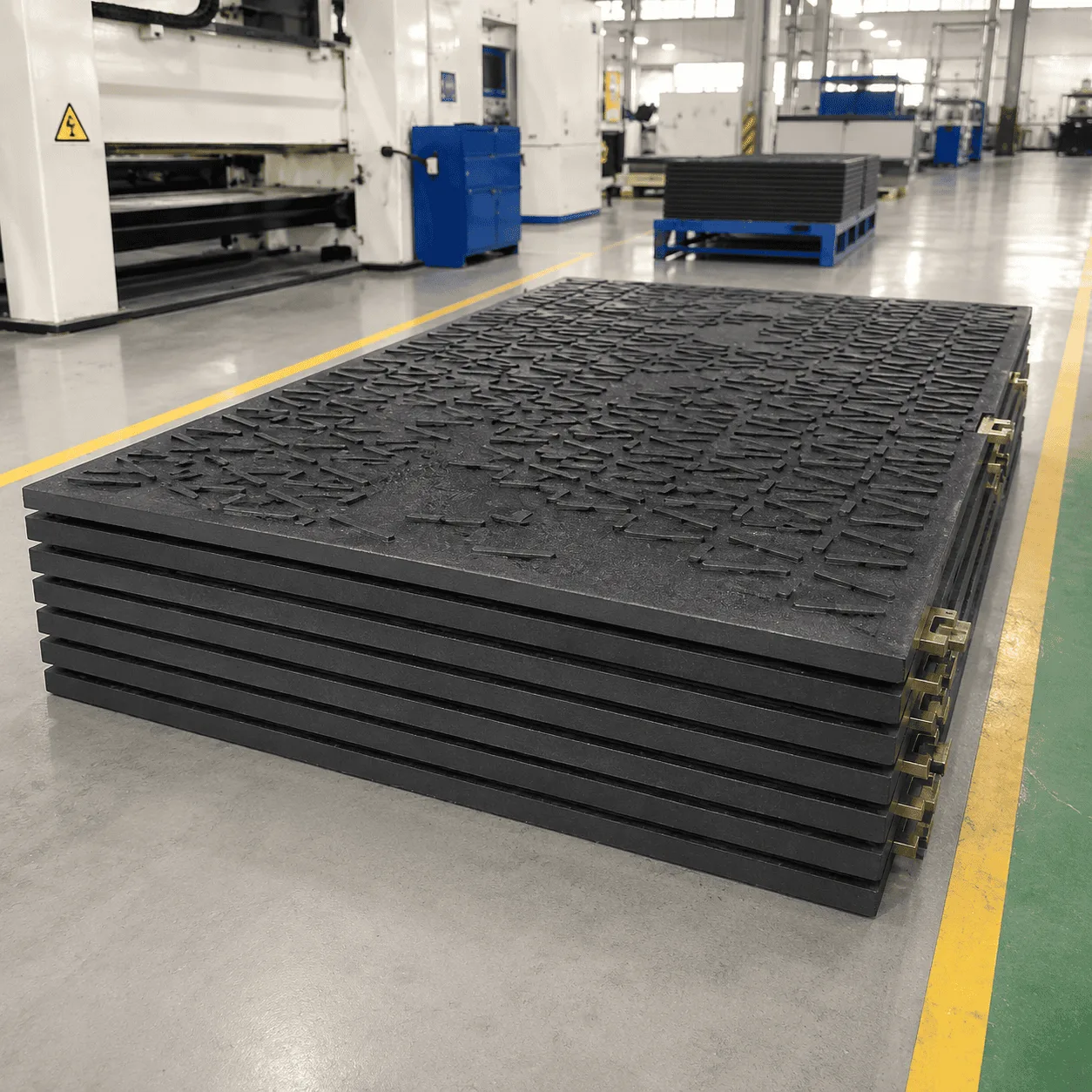
The surface of the mat is manufactured with a raised traction pattern. This structure increases contact between tires and the mat surface and helps vehicles move more steadily along temporary access routes.
This surface design is particularly useful when the original ground is soft, wet, muddy, sandy, or uneven. Instead of allowing vehicle tires to travel directly over the original ground, the mats create a defined driving surface and distribute traffic movement over a broader area.
The traction pattern also supports repeated vehicle movement across the temporary route. For better performance, large sharp stones, metal debris, and severe unsupported voids should be removed before installation.
Individual Heavy Duty Ground Protection Mats can be joined using suitable quick connectors. Connecting neighboring panels helps maintain route alignment and reduces unnecessary movement between adjacent mats.
For longer access routes, multiple panels can be installed in sequence to form a continuous temporary road. Where additional road width is required, mats can also be arranged side by side.
The final layout should consider:
Correct alignment and secure connection are especially important where heavy vehicles or repeated traffic are involved.
The standard heavy-duty panel measures approximately 4500 × 2000 mm. The large surface area reduces the number of panels and connection points required for long temporary access routes.
The 38 mm thick structure is designed for demanding temporary access and ground protection applications where thinner lightweight mats may not provide sufficient support.
The polymer-based material does not rust when exposed to rain, wet soil, mud, or other common outdoor conditions. This reduces problems associated with corrosion during repeated outdoor use and storage.
The tough UHMWPE composite structure provides good resistance to repeated impact and vehicle movement. This is important for temporary routes that experience frequent traffic.
After use, the panels can be removed, transported, stored, and installed again for another application, depending on their condition.
The raised traction pattern helps improve tire contact and provides a more stable driving surface compared with direct vehicle movement over soft or muddy ground.
The connector system allows individual panels to be joined into longer or wider temporary routes according to actual access requirements.
The mats can be installed to create defined temporary access routes across soft or unstable surfaces. They are suitable for trucks, transport vehicles, mobile machinery, and other equipment requiring temporary passage.
Repeated vehicle movement on wet or muddy ground may cause tires to sink and damage the original surface. The panels create a separation layer between vehicles and the ground.
The mats can be used where temporary vehicle access is required across grass, landscaped areas, outdoor event spaces, or other surfaces that need protection from direct tire contact.
Large-format Heavy Duty Ground Protection Mats can be used for equipment transport routes and temporary machinery access where the existing ground is unsuitable for repeated direct traffic.
The panels can provide temporary access around loading locations, storage yards, logistics areas, and equipment movement zones.
The mats can be arranged to form vehicle routes, service paths, temporary parking access areas, and logistics passages for outdoor events and temporary facilities.
Before installing the mats, remove large sharp stones, metal objects, and other debris that may create concentrated pressure points beneath the panel.
Deep holes, severe surface steps, and large unsupported areas should be leveled where practical. Better ground preparation provides more uniform support beneath the panels.
Place the first panel according to the required vehicle travel direction. Additional panels can then be positioned in sequence. Align the connection points and secure neighboring panels with the appropriate connectors.
For wider routes, multiple rows of panels can be installed side by side. The route width should be determined according to vehicle width, turning requirements, and traffic conditions.
For general information about internationally recognized material and performance testing methods, refer to ASTM International.
Different applications may require different panel sizes and thicknesses. Common examples include:
The 4500 × 2000 × 38 mm heavy-duty format is particularly suitable where larger ground coverage, fewer joints, strong panel construction, and frequent heavy vehicle access are required.
Selecting the correct mat should not be based only on the stated load capacity. Actual operating conditions can significantly affect product performance.
Important selection factors include:
For heavy-duty applications, providing detailed operating information before selecting the panel size can help determine a more suitable ground protection solution.
Heavy Duty Ground Protection Mats combine large panel dimensions, corrosion resistance, impact resistance, low water absorption, an anti-slip surface, and a reusable connection system.
Compared with direct vehicle travel over muddy, sandy, grassy, or sensitive ground, the mats provide a more defined temporary access route. Compared with conventional steel plates, the polymer-based construction avoids rust and can simplify repeated transport and installation.
The standard 4500 × 2000 × 38 mm heavy-duty model is suitable for applications requiring large ground coverage and a strong temporary access surface.
For temporary vehicle routes, heavy equipment access, muddy ground protection, grass protection, storage yards, loading areas, and temporary parking access, these Heavy Duty Ground Protection Mats provide a durable and reusable solution.
Check drawings for full specifications and confirm materials according to service conditions to prevent product defects.
Inspect all key processing steps and fully verify dimensions, holes, grooves and fitting surfaces.
Deburr, chamfer and clean products for easy installation. Ensure uniform quality among batch products.
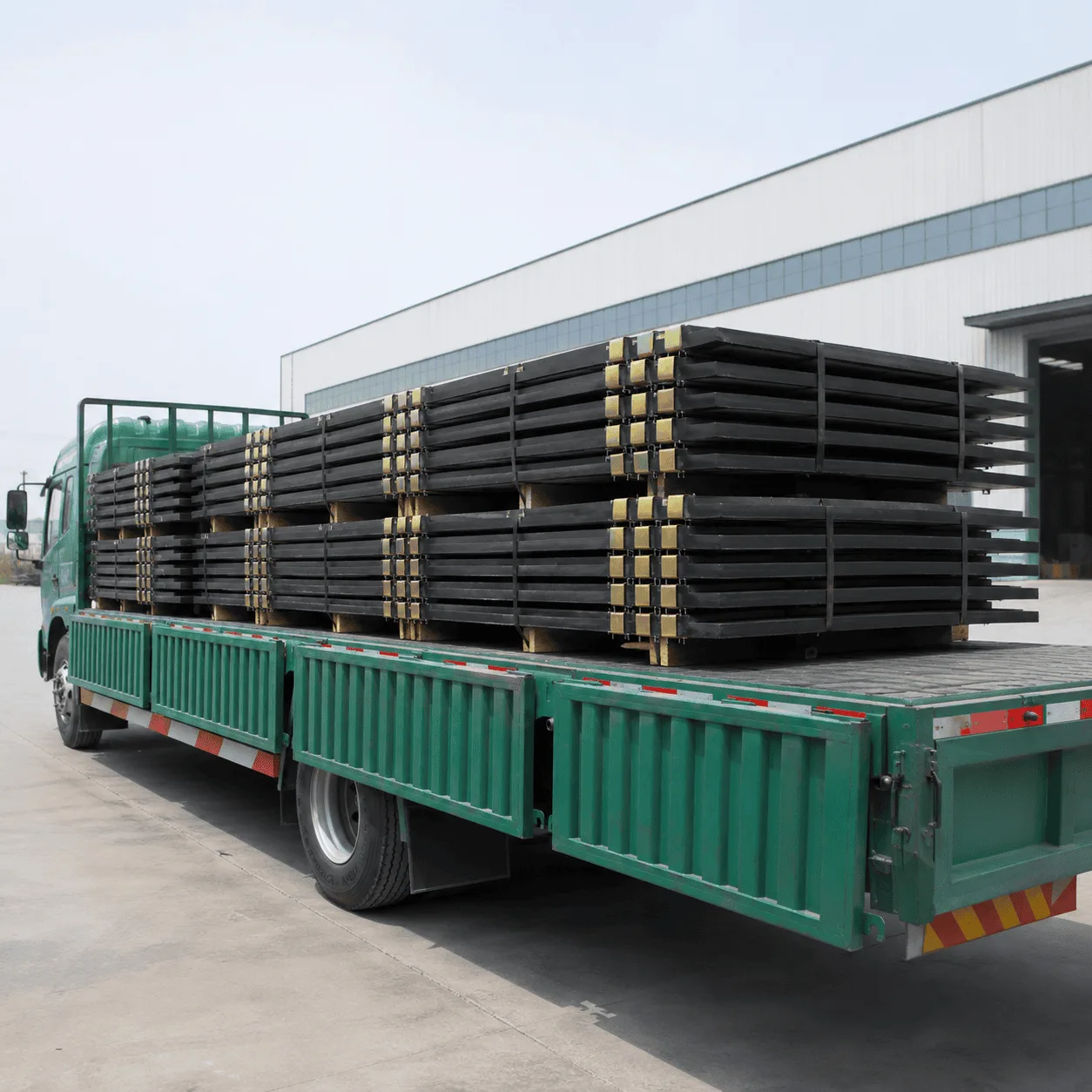
Choose appropriate packaging solutions based on product features to protect goods from collision, deformation and mixing during transit.
Unlike metal parts, engineering plastic components still require strict control over dimensions, holes, edges, surface, materials and assembly performance for equipment use.
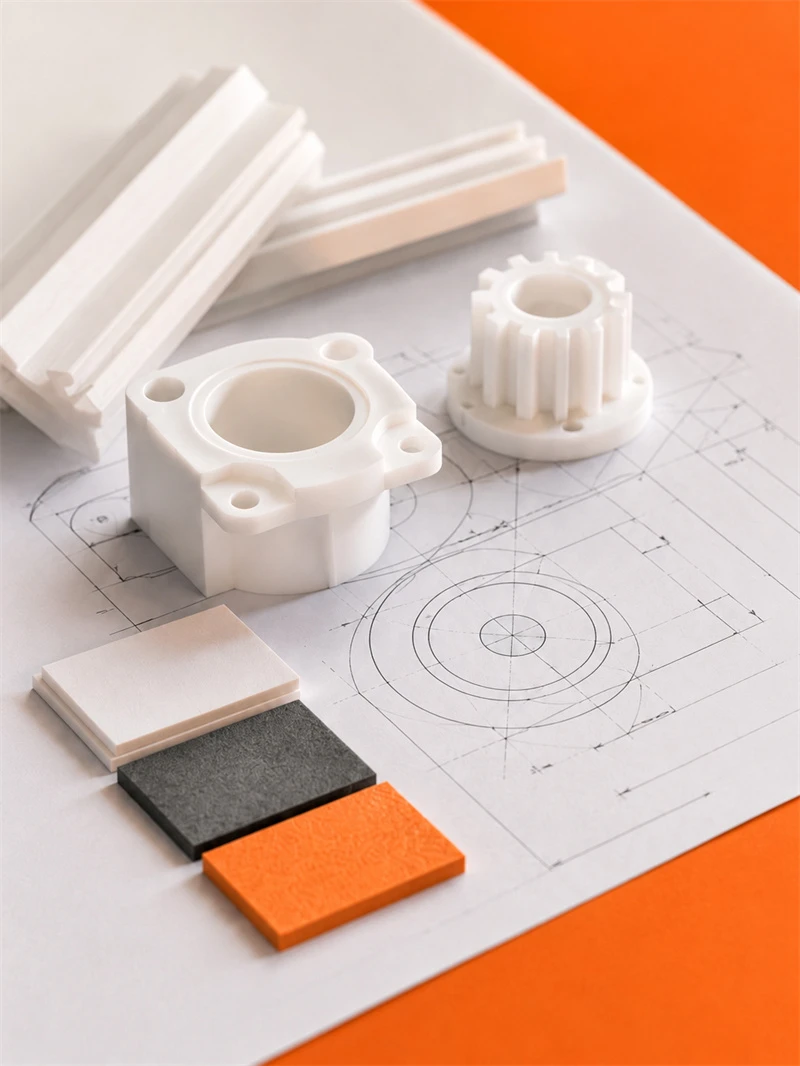
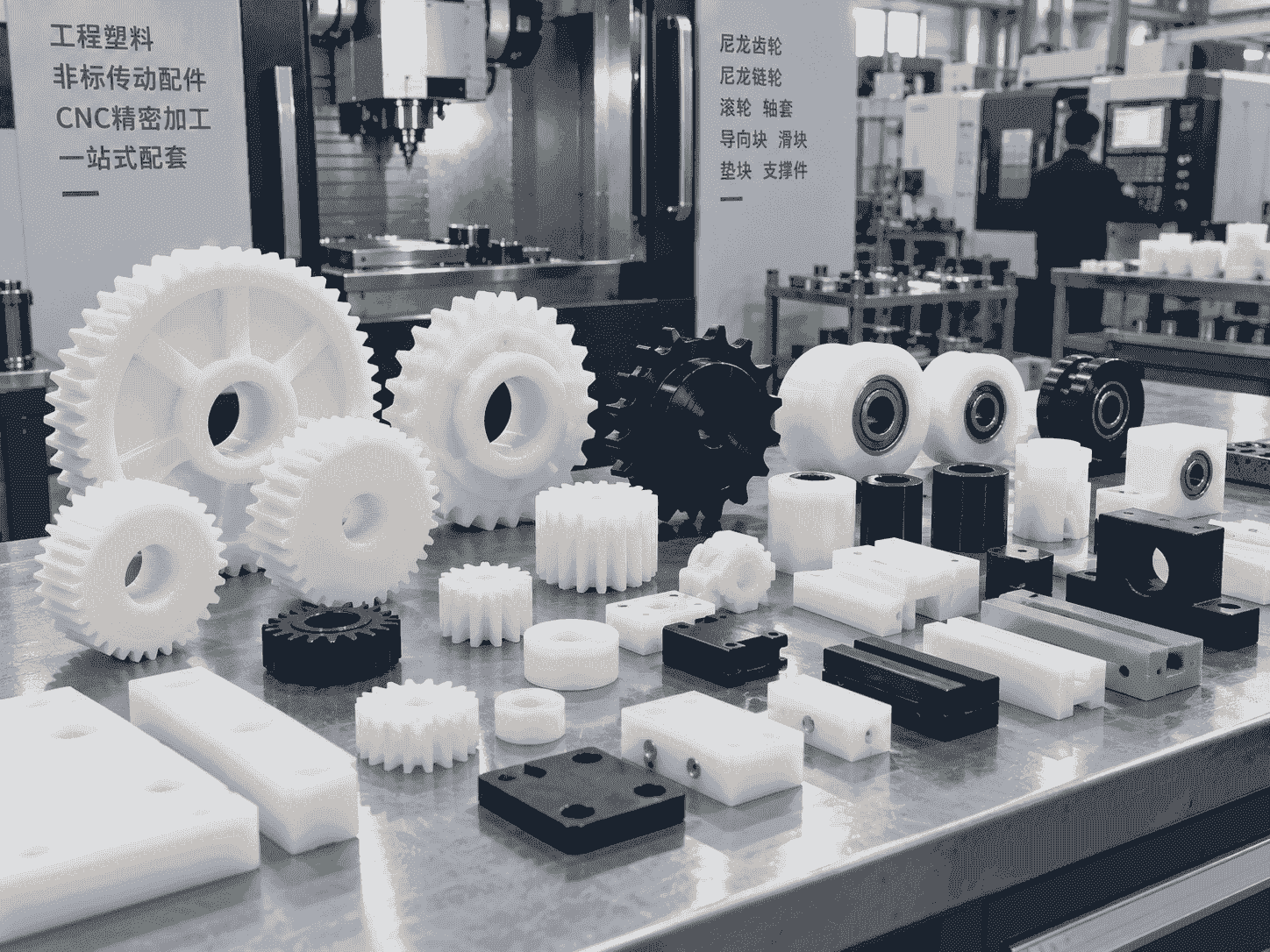
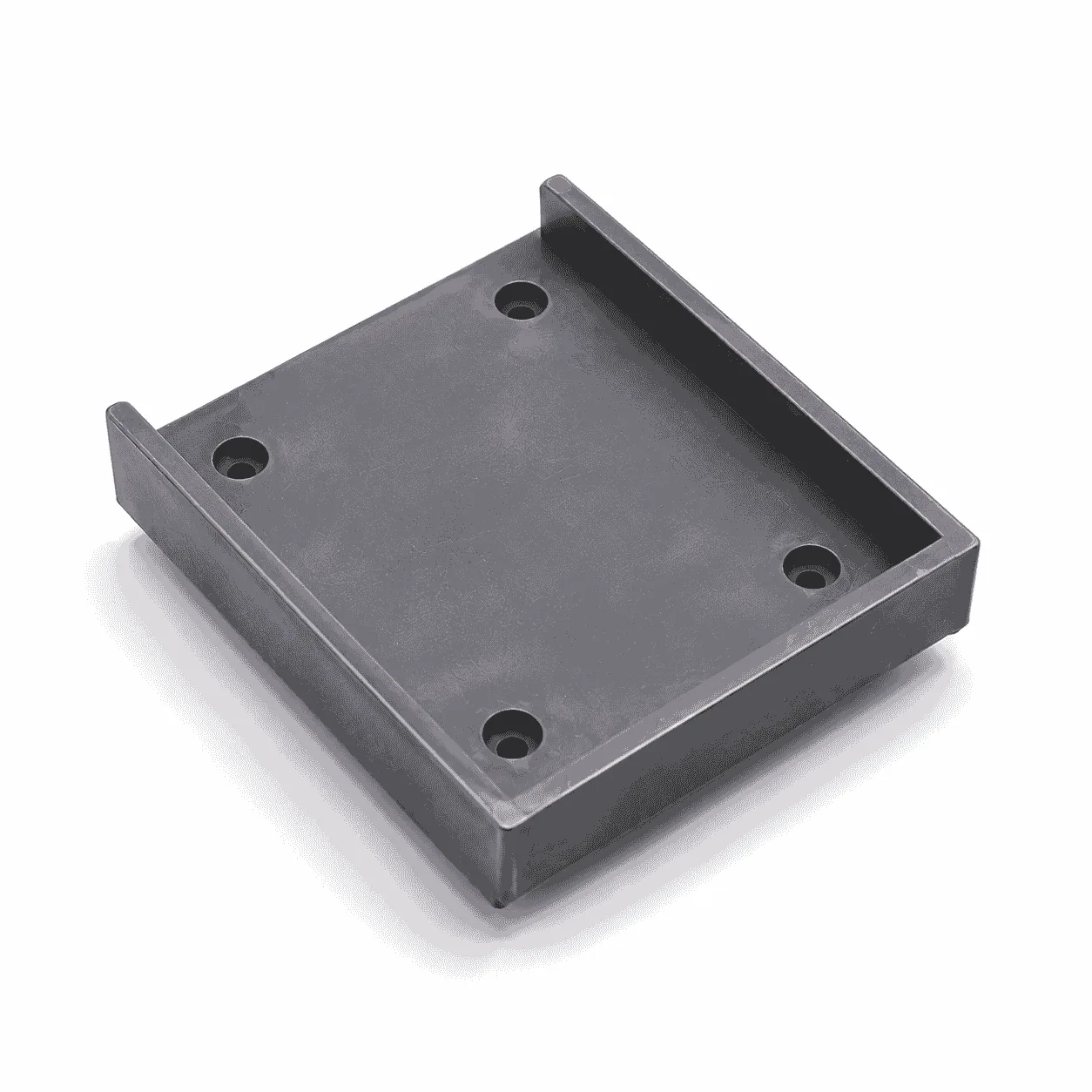
Engineering plastic parts suit friction, guide, support, buffer, anti-corrosion and insulation areas. We supply UHMWPE, POM, PA, PP/PE components for conveyor, food, mining, machinery, chemical and cable systems, with custom OEM service available.
Stay updated with our latest industry insights, company updates and featured articles.

Engineering plastics are increasingly used in industrial machinery, automated production lines, conveyor systems, packaging equipment, and food-processing machines. Materials such as nylon, UHMWPE, POM, and

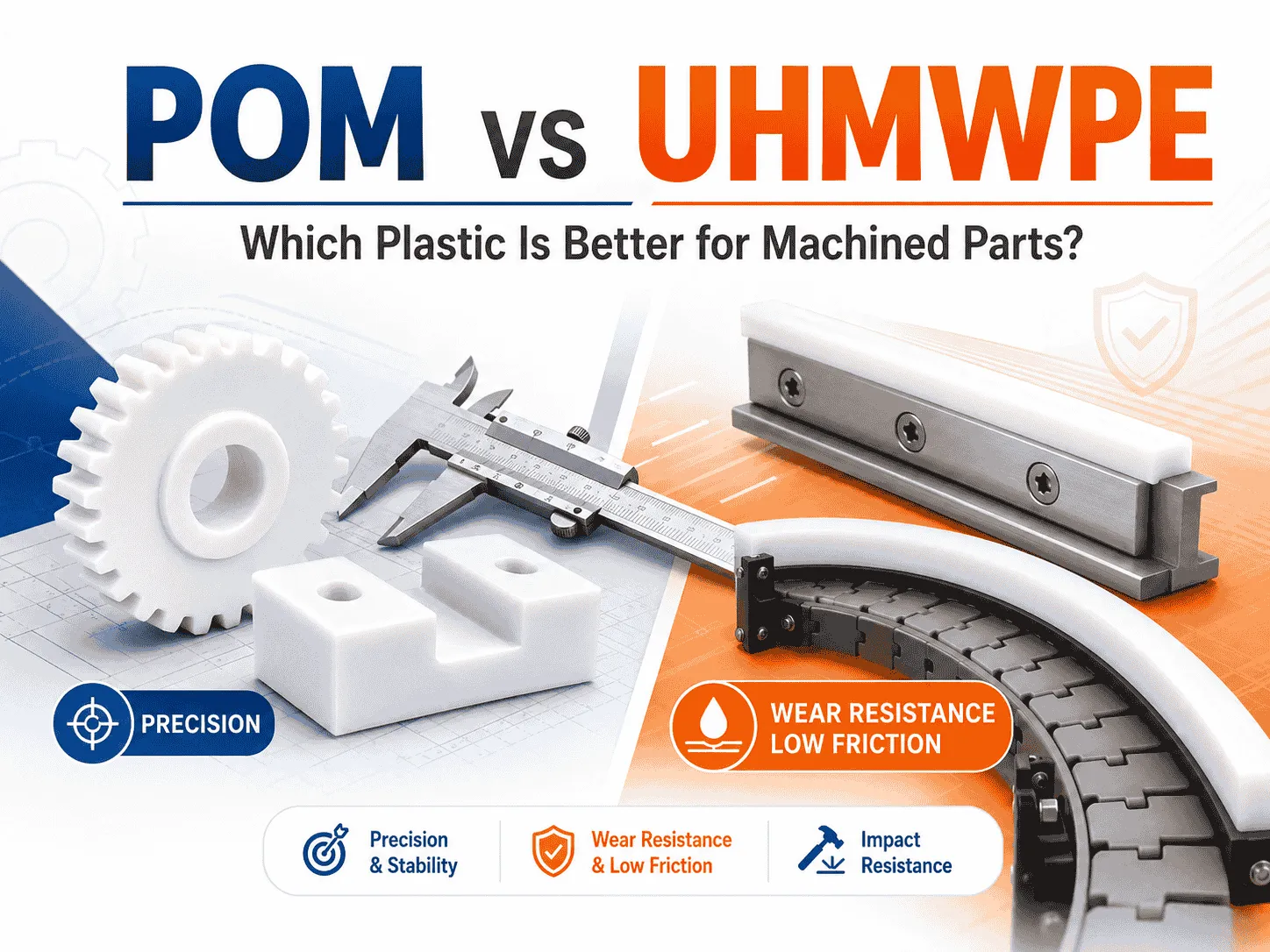
Both are lightweight, corrosion-resistant, wear-resistant, and suitable for CNC machining. However, they perform very differently

Wear is a common cause of failure in conveyor systems, packaging machinery, automated equipment, mining

CNC machining is widely used to produce plastic prototypes, low-volume parts, replacement components, jigs, fixtures,

Both are lightweight, corrosion-resistant, wear-resistant, and suitable for CNC machining. However, they perform very differently

Wear is a common cause of failure in conveyor systems, packaging machinery, automated equipment, mining

CNC machining is widely used to produce plastic prototypes, low-volume parts, replacement components, jigs, fixtures,
Need UHMWPE sheets & custom plastic machined/OEM parts?Send specs & material needs, free quote within 24h.