5%-30% Borated Polyethylene Neutron Shielding Sheet

Borated Polyethylene Neutron Shielding Sheet is a hydrogen-rich polymer shielding material designed for neutron moderation and absorption in nuclear, medical, research and industrial radiation-protection systems.

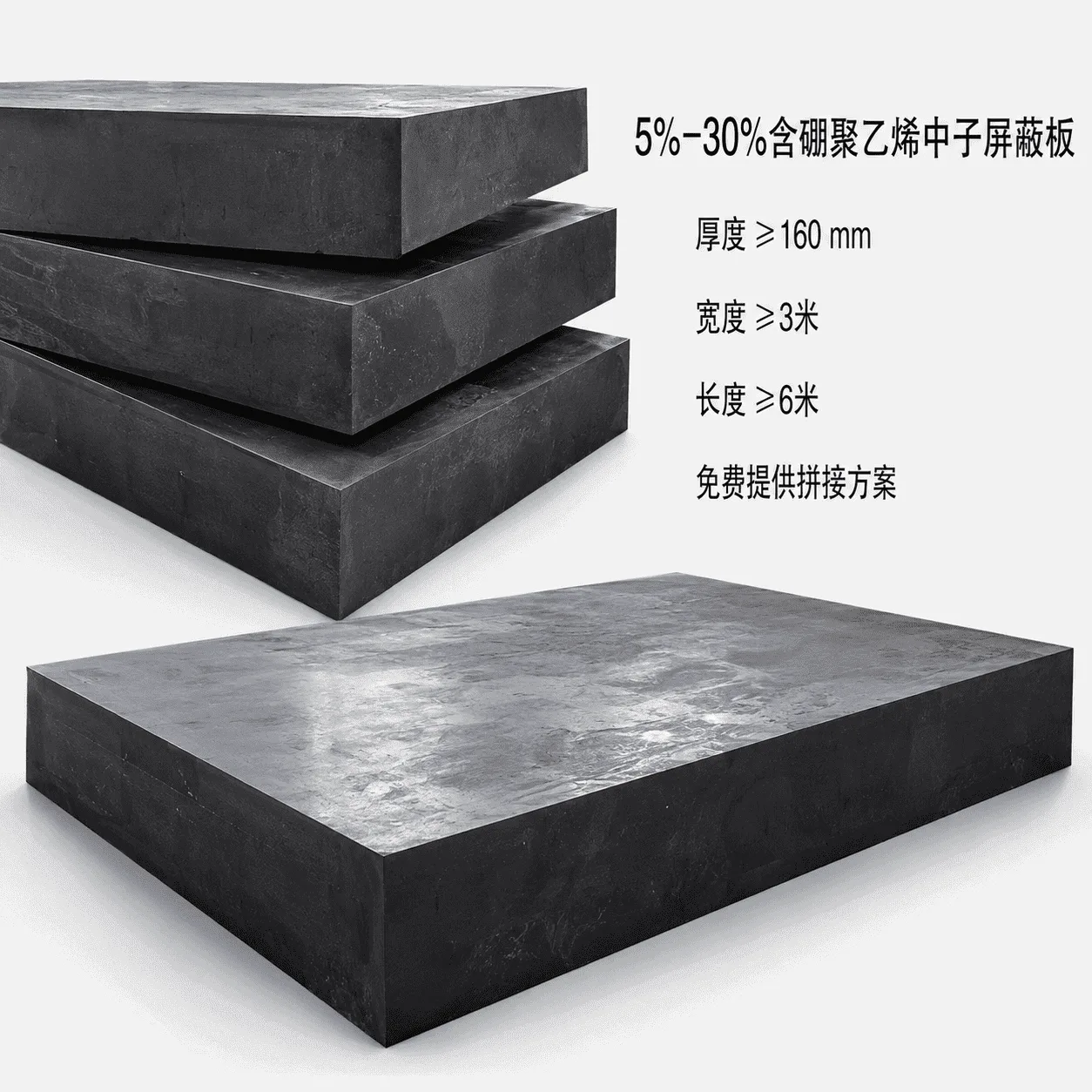
Nominal boron options can include 5%, 10%, 15%, 20% and 30%, subject to the approved material formula and test report. The supplier and purchaser must confirm whether the stated percentage represents elemental boron content or the loading of a boron-containing compound such as boron carbide.

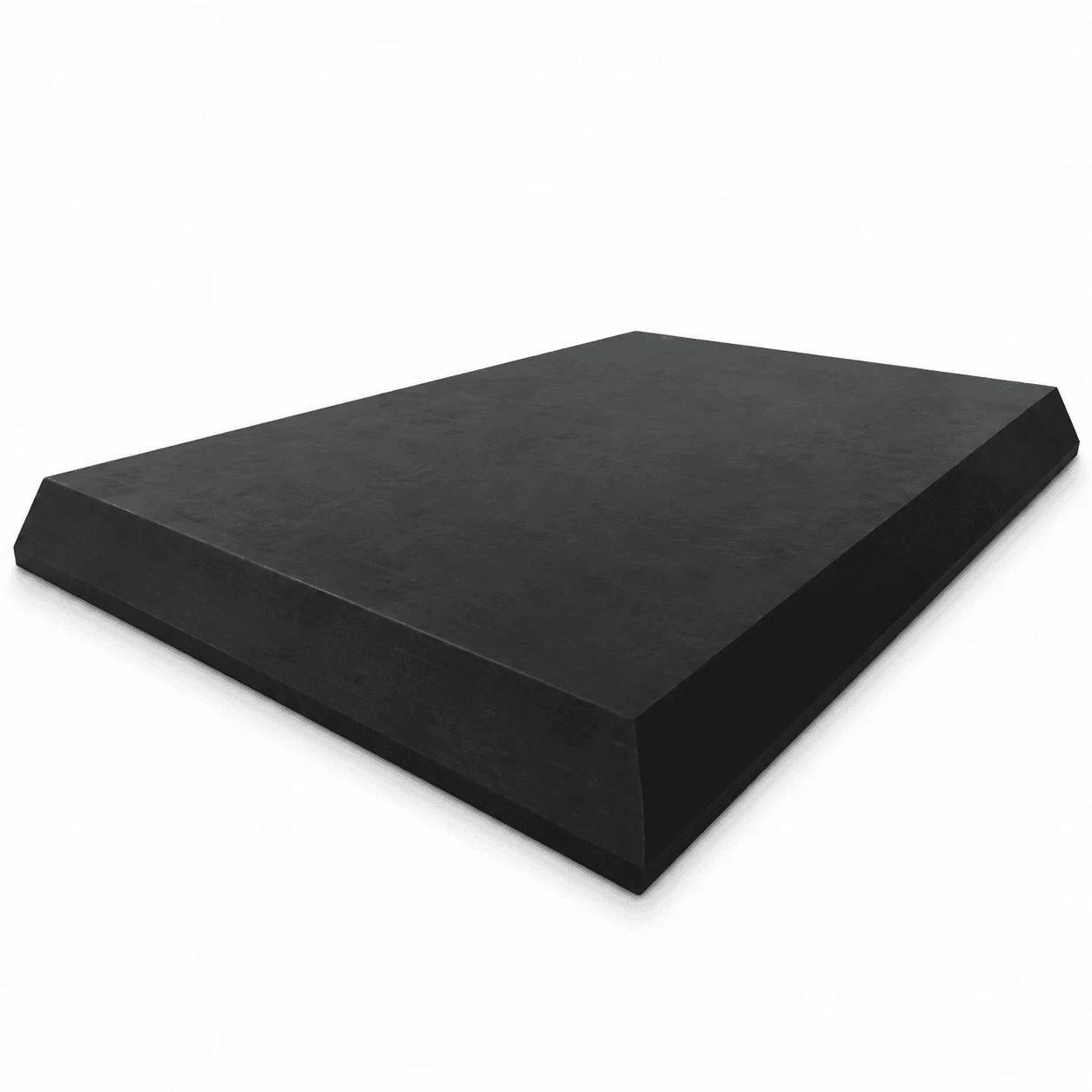
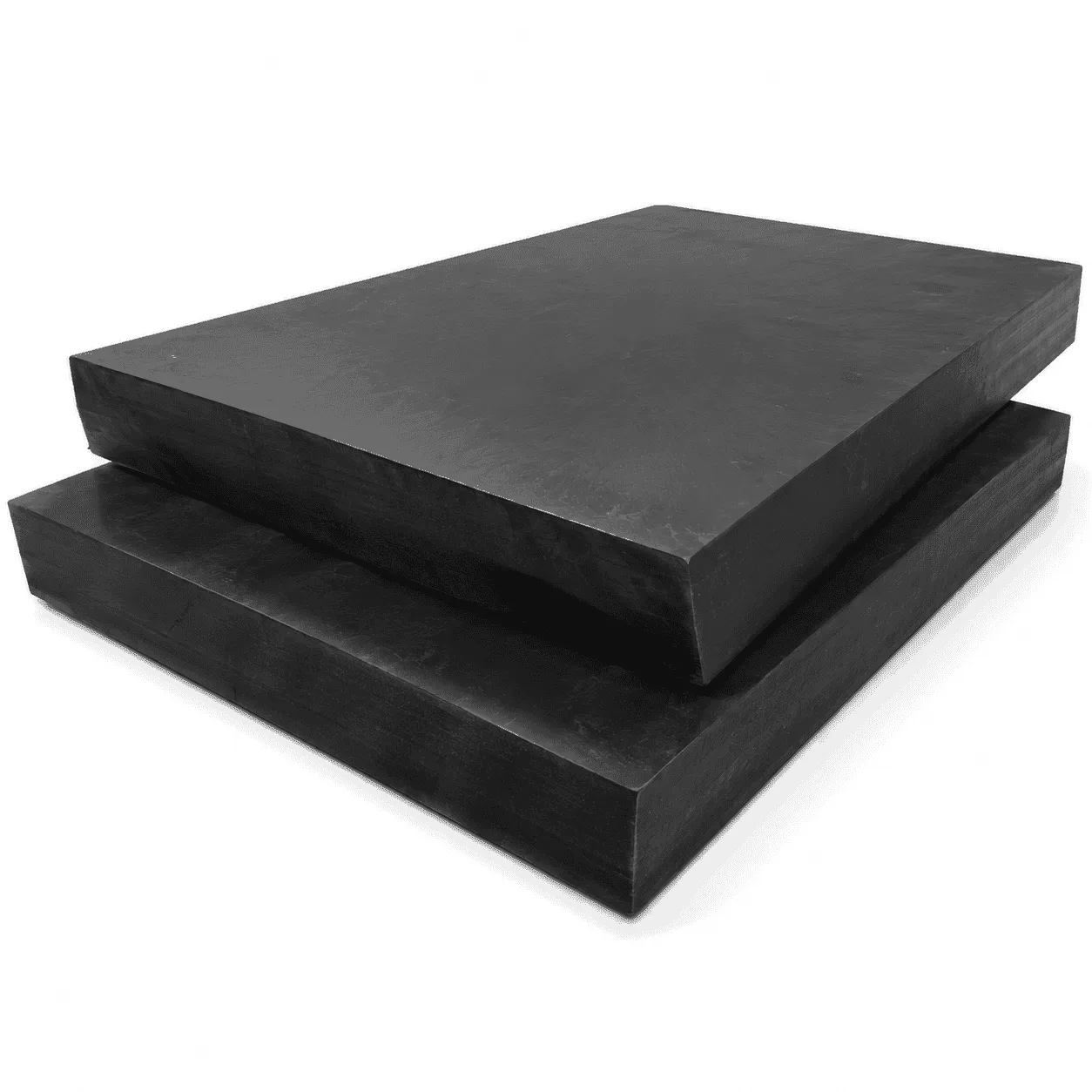
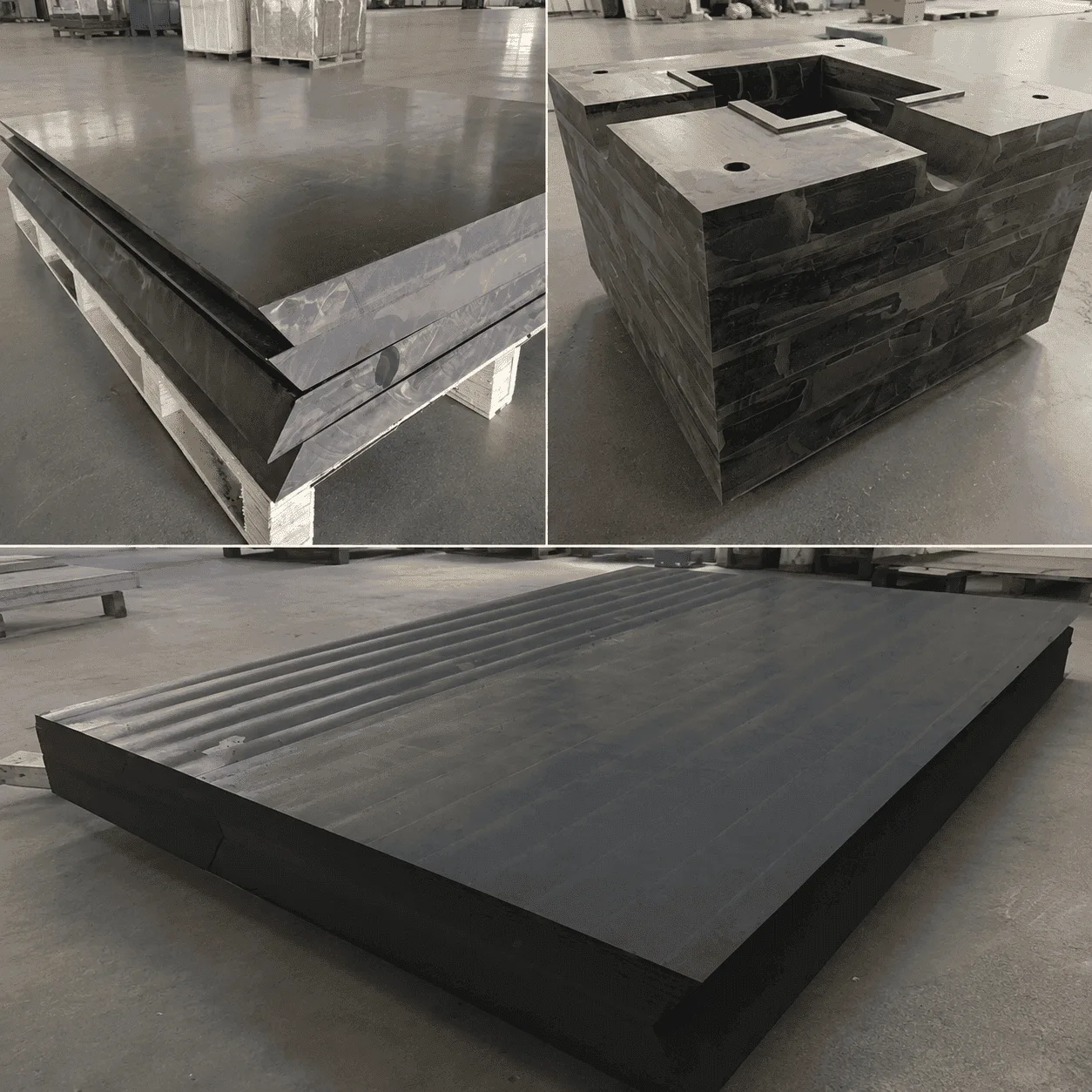
Common reference sheet sizes include approximately 1000 × 2000 mm, 1219 × 2438 mm and 1220 × 2440 mm. Practical thicknesses generally range from approximately 10 to 200 mm, while project-specific molded blocks up to approximately 300 mm require separate production, weight and flatness evaluation.

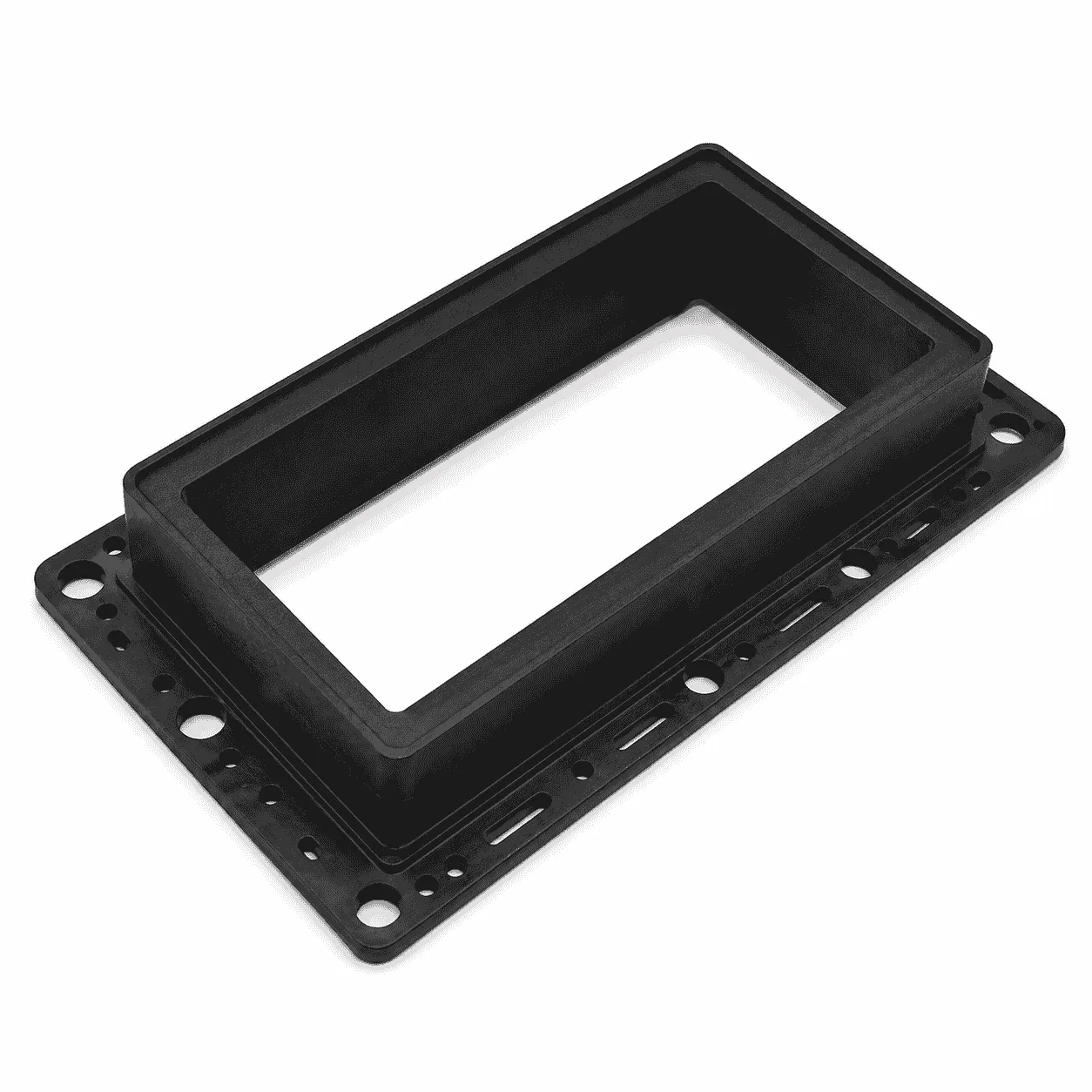
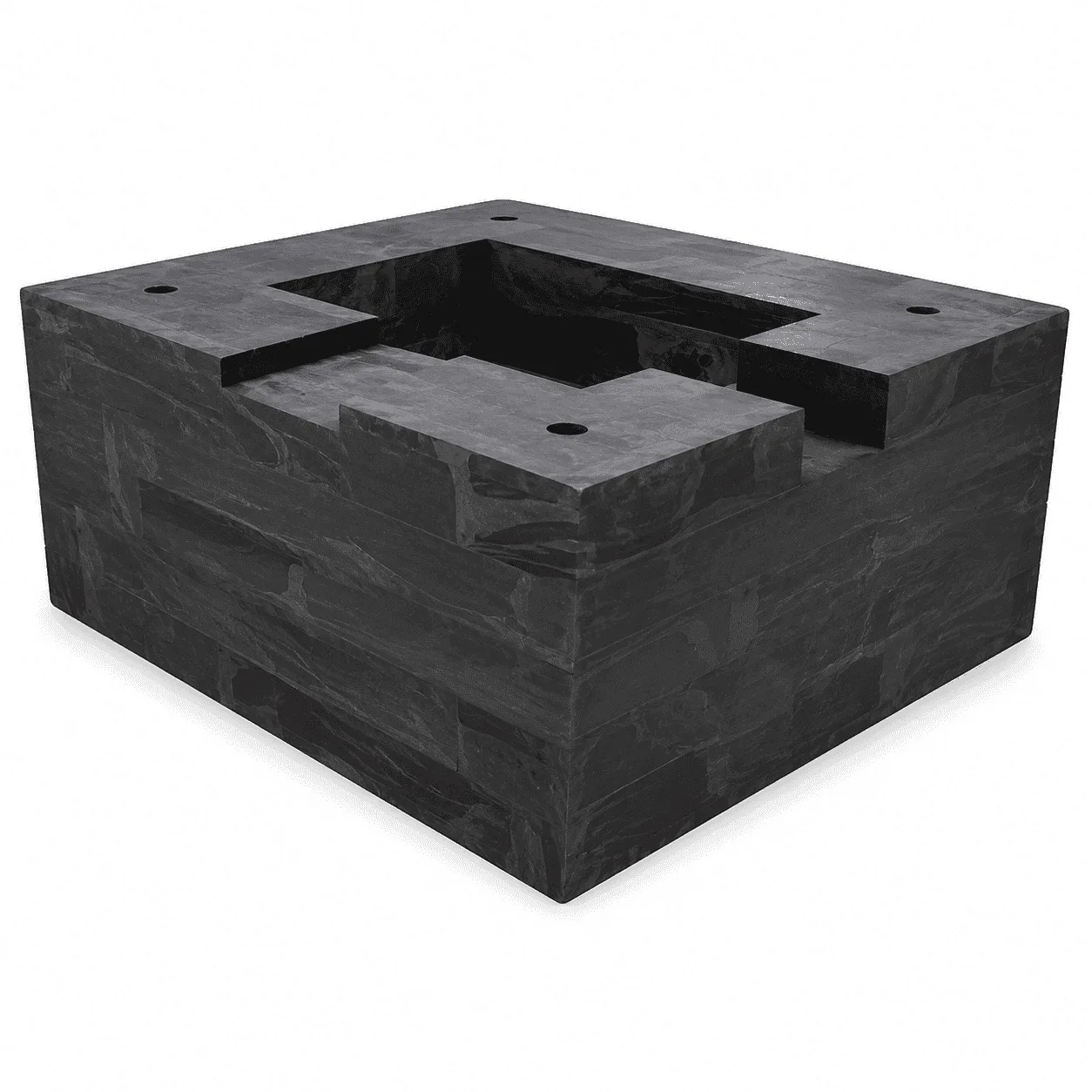
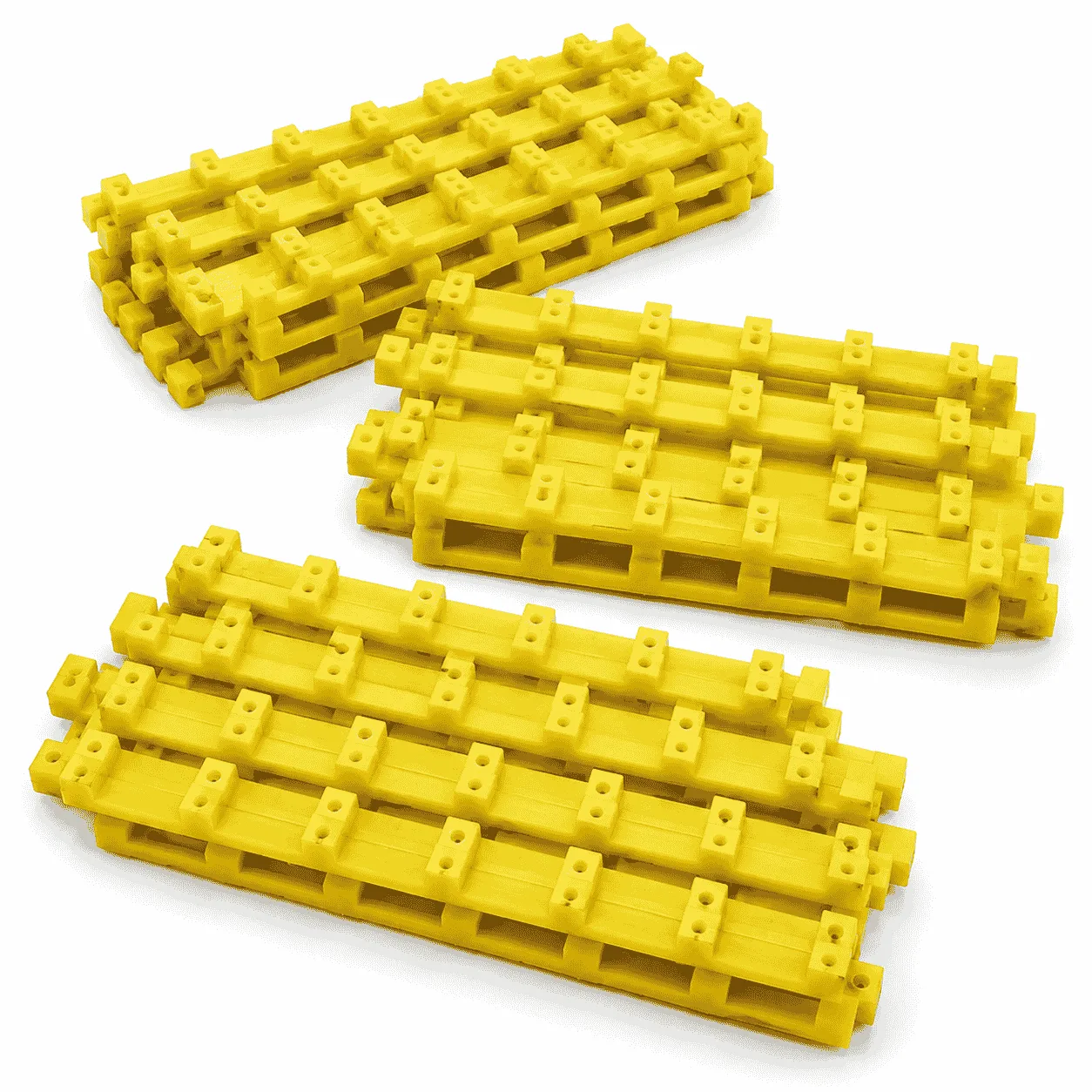
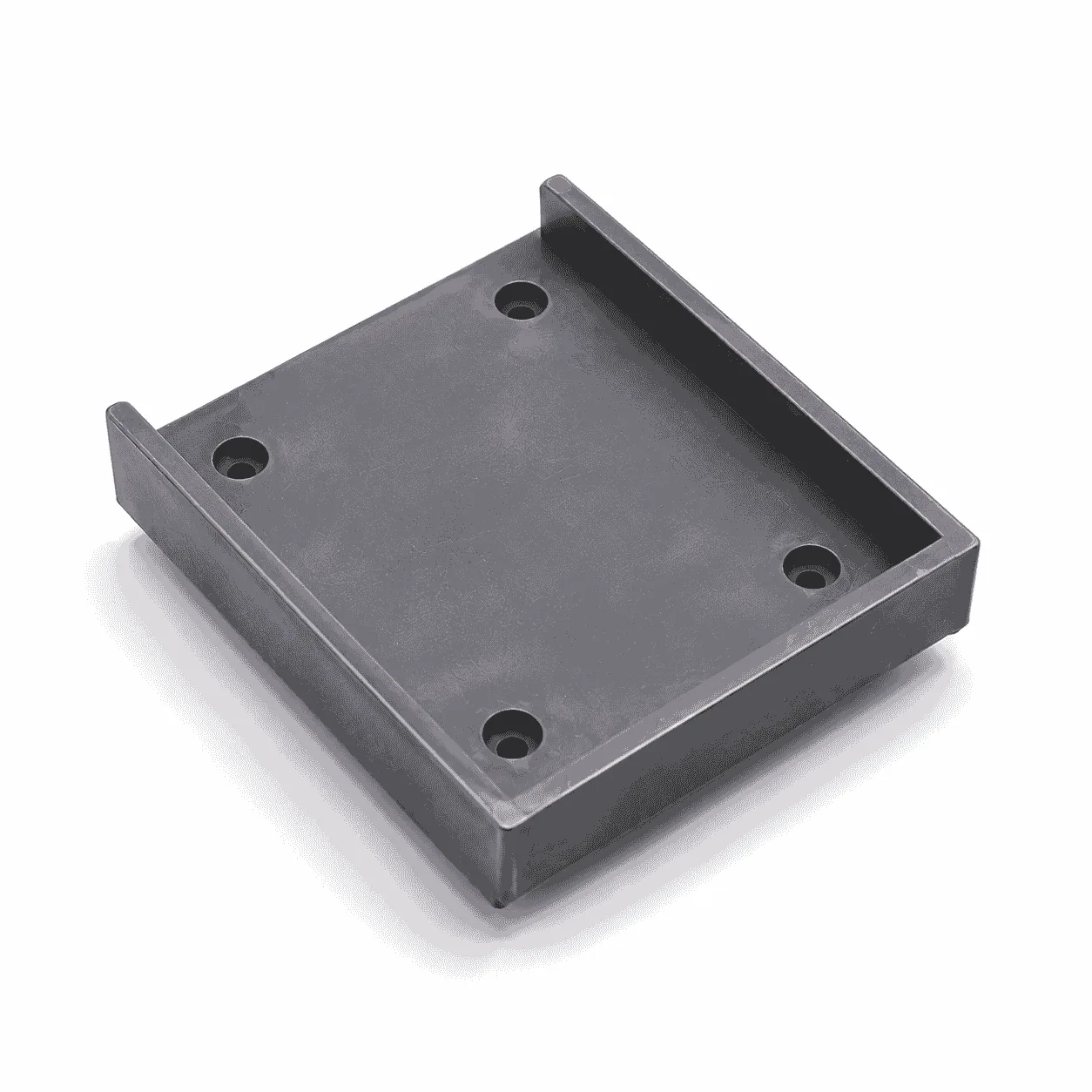
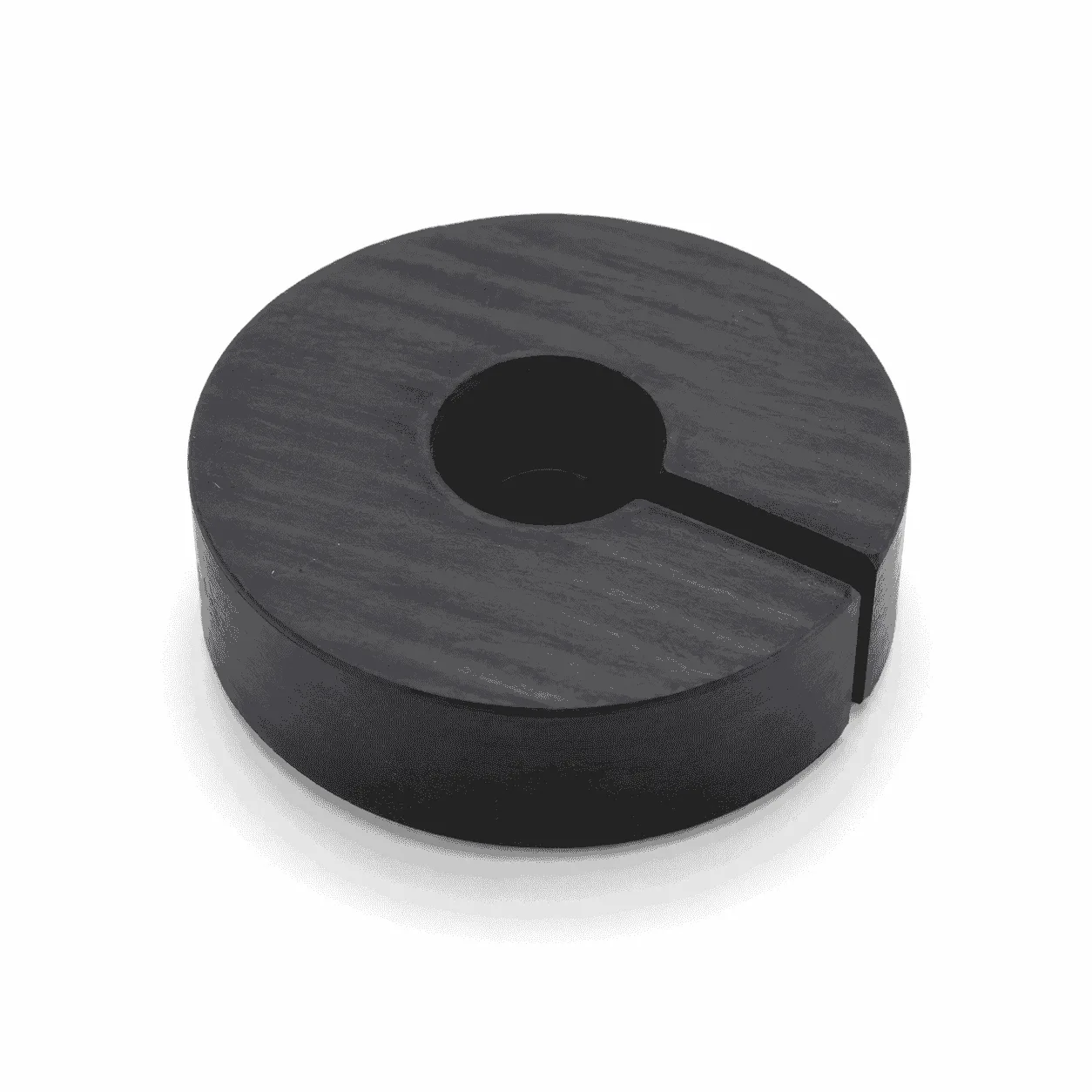
The material can be supplied as full sheets, cut panels, shielding blocks or CNC-machined components with holes, grooves, stepped joints and overlapping seams. Final boron content, shielding thickness and installation structure must be determined by a qualified radiation-shielding engineer.

Share :

Description

Product Description

Borated Polyethylene Neutron Shielding Sheet for Radiation Protection

Borated Polyethylene Neutron Shielding Sheet is a hydrogen-rich polymer composite developed for neutron moderation and thermal-neutron absorption in nuclear, medical, research and industrial radiation-protection systems.

The polyethylene matrix contains a high proportion of hydrogen. Hydrogen-rich materials help reduce neutron energy through repeated elastic scattering.

After fast neutrons have been slowed, the incorporated boron-bearing component helps absorb thermal neutrons. Boron-10 is the principal naturally occurring boron isotope responsible for neutron absorption.

The material can be manufactured as flat sheets, thick blocks, cut panels, interlocking shielding sections or CNC-machined components.

Nominal boron options may include 5%, 10%, 15%, 20% and 30%. The exact grade must be confirmed by the approved material specification and test report.

The stated percentage must clearly identify whether it refers to elemental boron by weight or the total addition of a boron-containing compound such as boron carbide.

For a general explanation of neutron behavior and shielding, visit the Neutron Radiation overview on Wikipedia.

Additional information about boron-containing neutron-absorbing materials is available from the Boron Carbide overview on Wikipedia.

What Is a Borated Polyethylene Neutron Shielding Sheet?

A Borated Polyethylene Neutron Shielding Sheet is a composite shielding panel consisting of a polyethylene matrix and a distributed boron-bearing additive.

The polyethylene portion is primarily used to moderate or slow fast neutrons because of its hydrogen content.

The boron-bearing component is primarily used to capture the lower-energy thermal neutrons produced during the moderation process.

This combination allows one material to perform both neutron moderation and neutron absorption functions.

The product should not automatically be described as a complete solution for X-ray or gamma-ray shielding.

Where significant photon radiation is present, the complete shielding structure may also require steel, lead, concrete or another suitable high-density material. The required layer sequence must be determined through shielding calculations.

Borated Polyethylene Neutron Shielding Sheet Specifications

The Borated Polyethylene Neutron Shielding Sheet can be produced in different boron grades, dimensions and machining configurations.

The following values are practical product references. They are not a replacement for an approved shielding calculation or project specification.

Product Name 5%-30% Borated Polyethylene Neutron Shielding Sheet
Base Material HDPE, HMWPE or UHMWPE according to the approved formula
Neutron-Absorbing Additive Natural boron, boron carbide or another approved boron-bearing compound
Nominal Boron Grades 5%, 10%, 15%, 20% or 30%, subject to formula confirmation
Percentage Definition Elemental boron or boron-compound loading must be stated clearly
Common Reference Size Approximately 1000 × 2000 mm
Imperial Reference Size Approximately 1219 × 2438 mm
Metric Reference Size Approximately 1220 × 2440 mm
Large Project Size Approximately 1500 × 3000 mm, subject to manufacturing feasibility
Practical Thickness Range Approximately 10–200 mm
Extra-Thick Project Range Approximately 200–300 mm, subject to sheet area and molding capacity
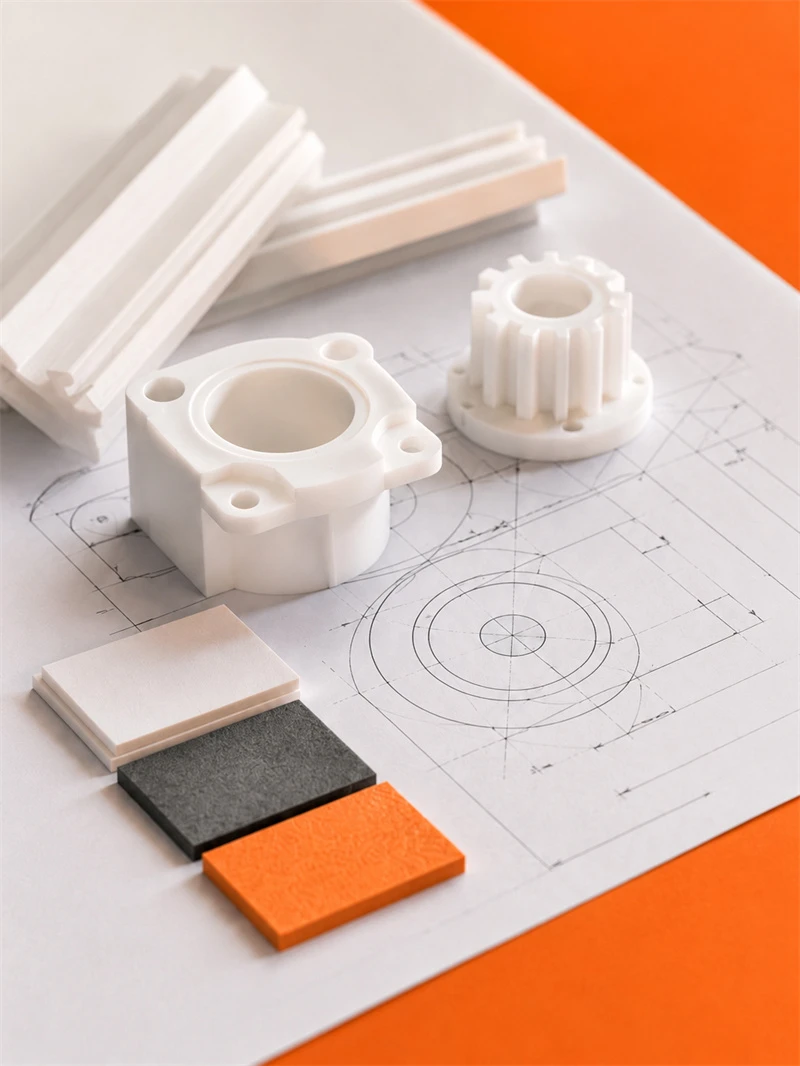
Standard Color Black, dark gray, purple or formula-specific color
Optional Supply Forms Full sheet, cut panel, shielding block or finished machined component
Machining Services Cutting, drilling, milling, grooving, counterboring and stepped-joint machining
Main Function Neutron moderation and thermal-neutron absorption
Project Requirement Shielding calculation, material verification and installation inspection

A standard commercial reference specification is approximately 1219 × 2438 × 25.4 mm for a 5% boron grade.

Larger dimensions and thicknesses should be treated as project-specific rather than standard stock.

Very thick sheets require longer heating and controlled cooling cycles. Panel weight, flatness, internal consistency and lifting requirements must be evaluated together.

How Borated Polyethylene Neutron Shielding Works

Neutron shielding normally involves more than simply placing a dense material in front of the radiation source.

Fast neutrons can penetrate many conventional materials. Hydrogen-rich materials such as polyethylene are effective moderators because neutron collisions with hydrogen nuclei reduce neutron energy.

After the neutron has been slowed to a lower energy level, boron can absorb it more efficiently.

This moderation-and-absorption process is the main operating principle of a Borated Polyethylene Neutron Shielding Sheet.

The actual attenuation performance depends on the neutron-energy spectrum, boron isotope distribution, hydrogen content, material density, shielding thickness and installation geometry.

The finished shielding design must therefore be based on calculations or testing for the actual source and facility.

7 Proven Benefits of Borated Polyethylene Neutron Shielding Sheet

  • Combined neutron functions: The polyethylene matrix moderates neutrons while the boron-bearing additive absorbs thermal neutrons.
  • Multiple boron grades: Different nominal boron contents can be selected according to project calculations and available installation space.
  • Machinable construction: Panels can be cut, drilled, milled and machined into complex shielding components.
  • Low water absorption: Polyethylene absorbs very little moisture and does not rust.
  • Modular installation: Sheets and blocks can be assembled into walls, doors, containers and shielding enclosures.
  • Reduced component weight: The material is generally lighter than an equivalent-volume metal shielding panel.
  • Custom joint design: Overlapping, stepped and interlocking edges can reduce direct radiation streaming through panel joints.

5% Borated Polyethylene Grade

The 5% boron grade is a widely used commercial configuration for neutron-shielding sheets.

It provides hydrogen for fast-neutron moderation and a controlled boron concentration for thermal-neutron absorption.

The exact density and neutron properties depend on the base polyethylene, boron source, mixing process and final measured composition.

A certificate should identify the boron percentage, total density, production batch and applicable test method.

The 5% grade should not be selected solely because it is common. The required thickness must still be determined by project calculations.

10%–20% Borated Polyethylene Grades

Intermediate boron grades can be considered where a higher neutron-absorber concentration is required or where installation space is limited.

Increasing the boron content changes the composite density, processing behavior and mechanical properties.

A higher boron percentage does not automatically mean that the complete shield can be made proportionally thinner.

The final performance depends on both neutron moderation and neutron absorption.

Removing too much polyethylene from the formulation may reduce the amount of hydrogen available for moderating higher-energy neutrons.

30% Borated Polyethylene Grade

A nominal 30% boron grade can be considered for specialized neutron-absorption or criticality-control applications.

The specification must state whether 30% refers to natural elemental boron or to the addition of a boron-containing filler.

This distinction has a significant effect on the final material composition and shielding calculation.

High-loading products may have different machining characteristics, density, brittleness and dimensional tolerances from standard 5% sheets.

A representative sample and technical data sheet should be approved before producing a complete project batch.

Boron Carbide Filled Polyethylene

Boron carbide is a boron-containing ceramic material commonly considered for neutron-absorbing applications.

It can be dispersed inside a polyethylene matrix to create a composite shielding panel.

The mixing and molding process must distribute the filler consistently throughout the finished sheet.

Areas with insufficient filler concentration may reduce the uniformity of neutron-absorption performance.

Material homogeneity should therefore be controlled through documented production procedures and appropriate testing.

HDPE and UHMWPE Base Materials

HDPE provides useful rigidity, processing performance, low water absorption and dimensional stability for many shielding-sheet applications.

UHMWPE can provide increased impact resistance and wear performance, although it normally requires a different molding and machining process.

The choice of base material should consider shielding requirements, boron loading, sheet thickness, mechanical loading and project budget.

The base-polymer designation should be listed in the quotation and final technical documentation.

Medical Accelerator Vault Applications

Borated polyethylene can be used as one component of shielding doors and barriers for selected high-energy medical accelerator facilities.

High-energy accelerator systems may produce secondary neutrons under certain operating conditions.

The shielding door may combine borated polyethylene with lead, steel or another material to address different radiation types.

Layer thicknesses, door construction and joint design must follow the facility’s approved radiation-protection calculation.

The product page must not state that one standard sheet thickness is suitable for every treatment facility.

Nuclear Research and Laboratory Applications

The material can be manufactured into shielding panels, instrument enclosures, detector surrounds and removable blocks for research environments.

Possible applications include neutron generators, research reactors, neutron-detection systems and experimental beam facilities.

The exact configuration depends on source energy, operating duration, occupied-area limits and installation geometry.

Movable blocks should include suitable lifting points or handling frames where required.

Nuclear Storage and Transport Components

A Borated Polyethylene Neutron Shielding Sheet can be incorporated into selected storage containers, transport casks and shielding enclosures.

The polyethylene component is normally only one part of the complete engineered assembly.

The complete system may also include structural steel, stainless steel, lead, concrete or other shielding materials.

Transport and storage systems must comply with the applicable design, testing and regulatory requirements for their jurisdiction.

Shielding Doors, Walls and Enclosures

Sheets can be installed inside modular walls, sliding doors, swing doors and equipment enclosures.

Multiple layers can be stacked to reach the calculated total shielding thickness.

The layer arrangement should avoid continuous straight gaps through the complete shielding structure.

Panel joints can be offset between successive layers to reduce neutron streaming.

Fasteners, supporting frames and access openings must be included in the shielding evaluation.

Stepped and Overlapping Joint Design

Direct gaps between adjacent shielding panels can create a radiation-streaming path.

Stepped, tongue-and-groove, overlapping or staggered-joint structures can reduce a direct line of sight through the shield.

The required overlap depth should be defined by the approved project drawing.

Machining tolerances should allow the sections to fit together without creating large gaps.

The joint structure should remain accessible for installation inspection and future maintenance.

CNC Machining Services

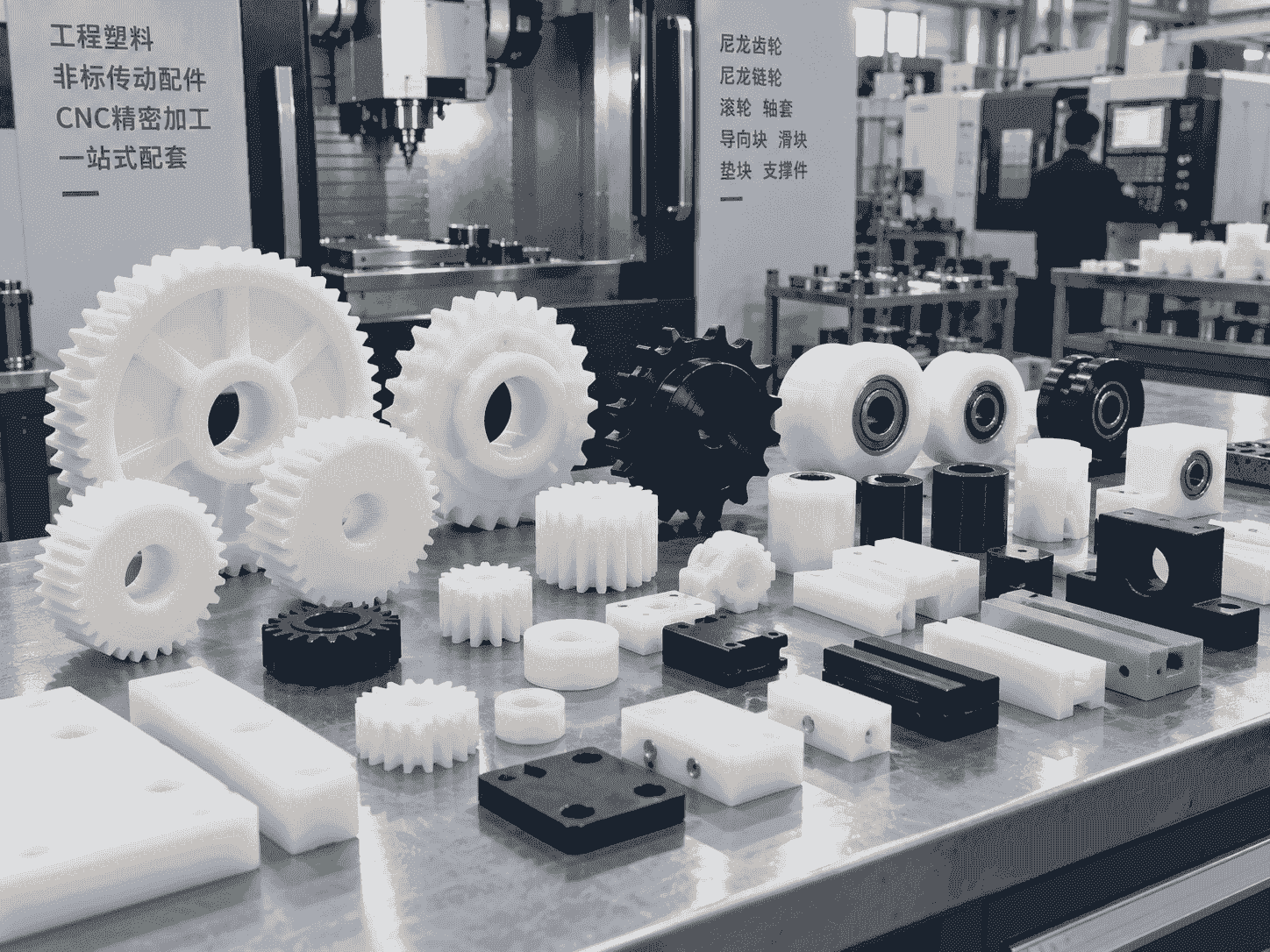
The shielding sheet can be supplied as a full panel or machined into a finished component.

Available operations can include:

  • Length and width cutting
  • Surface planing
  • Hole drilling
  • Counterboring and countersinking
  • Stepped-edge machining
  • Tongue-and-groove machining
  • Overlapping-joint machining
  • Curved-profile cutting
  • Mounting-slot machining
  • Edge rounding and deburring

Cutting tools and machining parameters should be selected according to the polyethylene grade and boron loading.

Machining dust and chips should be collected and handled according to the applicable workplace procedures and material safety information.

Mounting Holes and Fastener Design

Through-holes, blind holes, recessed fasteners and elongated slots can be machined according to the project drawing.

Hole positions should retain sufficient material between the opening and the sheet edge.

Fasteners should distribute clamping pressure without causing excessive local deformation.

Large washers, sleeves or backing plates can be considered where concentrated fixing pressure is present.

The design should also accommodate normal thermal expansion of the polyethylene material.

Thermal Expansion Considerations

Polyethylene expands and contracts more than steel as temperature changes.

This movement becomes important on long panels, thick shielding walls and structures attached to metal frames.

Suitable clearances, elongated holes or sliding fixing arrangements may be required.

The sheet should not be rigidly restricted at every point without considering dimensional movement.

The required allowance depends on panel length, operating-temperature range and mounting structure.

Gamma and X-Ray Shielding Considerations

Borated Polyethylene Neutron Shielding Sheet is primarily selected for neutron moderation and absorption.

It should not automatically be promoted as a replacement for lead, steel or high-density concrete in gamma-ray or X-ray shielding.

Neutron interactions can also produce secondary photon radiation.

A complete mixed-field shielding design may therefore require separate high-density layers for photon attenuation.

The order and thickness of every layer must be determined by a qualified shielding specialist.

Installation Requirements

  1. Confirm the approved shielding drawings and panel identification numbers.
  2. Inspect the supporting frame, wall or container structure.
  3. Position the panels according to the specified layer sequence.
  4. Stagger or overlap panel joints where required.
  5. Install the specified fasteners without excessive compression.
  6. Check all penetrations, corners, doors and service openings.
  7. Record panel grades, batch numbers and installation positions.
  8. Complete the required radiation survey or acceptance inspection.

The installation should not be changed without review because moving one panel or creating a new opening may affect the shielding performance.

Quality Documents and Test Reports

Radiation-shielding projects require more information than a basic product name and nominal dimension.

Available project documentation should identify:

  • Base-polymer grade
  • Boron source or boron-containing additive
  • Definition of the stated boron percentage
  • Measured boron content
  • Total material density
  • Hydrogen-content information where required
  • Batch number and production date
  • Length, width and thickness inspection
  • Material homogeneity information
  • Applicable test method or third-party report

The purchaser should confirm the required documentation before production begins.

Storage and Transportation

Full panels should be stored horizontally on a flat and evenly supported surface.

Uneven stacking or unsupported edges can cause long-term deformation.

Machined joints and finished edges should be protected from impact during transportation.

Very thick panels require suitable lifting equipment and evenly distributed lifting points.

Batch labels and material identification should remain attached until installation and acceptance are complete.

How to Select a Borated Polyethylene Neutron Shielding Sheet

When selecting a Borated Polyethylene Neutron Shielding Sheet, first provide the neutron source type, energy spectrum, required dose limit and installation geometry to the project’s radiation-shielding specialist.

Confirm the required elemental boron content or approved boron-compound loading.

Specify the base polymer, sheet length, width, thickness, quantity and machining requirements.

Provide drawings for stepped joints, mounting holes, service penetrations and complete assemblies.

Do not select the shielding thickness only from a product catalogue or a previous unrelated project.

Final shielding performance should be confirmed through approved calculations, material documentation and installation testing.

Learn more about our polyethylene sheets and engineering-plastic machining capabilities on the Honsee engineering plastic manufacturer website.

The Borated Polyethylene Neutron Shielding Sheet provides a machinable, modular and hydrogen-rich material solution for neutron moderation and absorption in properly engineered radiation-protection systems.

Quality Control

Quality Control and Delivery Standards

Drawing & Material Check

Check drawings for full specifications and confirm materials according to service conditions to prevent product defects.

Machining Quality Control

Inspect all key processing steps and fully verify dimensions, holes, grooves and fitting surfaces.

Finishing & Batch Control

Deburr, chamfer and clean products for easy installation. Ensure uniform quality among batch products.

Packaging & Delivery

Choose appropriate packaging solutions based on product features to protect goods from collision, deformation and mixing during transit.

Processing Quality Control of Engineering Plastics Parts

Unlike metal parts, engineering plastic components still require strict control over dimensions, holes, edges, surface, materials and assembly performance for equipment use.

application

Applications for Engineering Plastic Parts

Engineering plastic parts suit friction, guide, support, buffer, anti-corrosion and insulation areas. We supply UHMWPE, POM, PA, PP/PE components for conveyor, food, mining, machinery, chemical and cable systems, with custom OEM service available.

Our Blog

Latest News & Knowledge

Stay updated with our latest industry insights, company updates and featured articles.

We Love to Hear From You

Need UHMWPE sheets & custom plastic machined/OEM parts?Send specs & material needs, free quote within 24h.