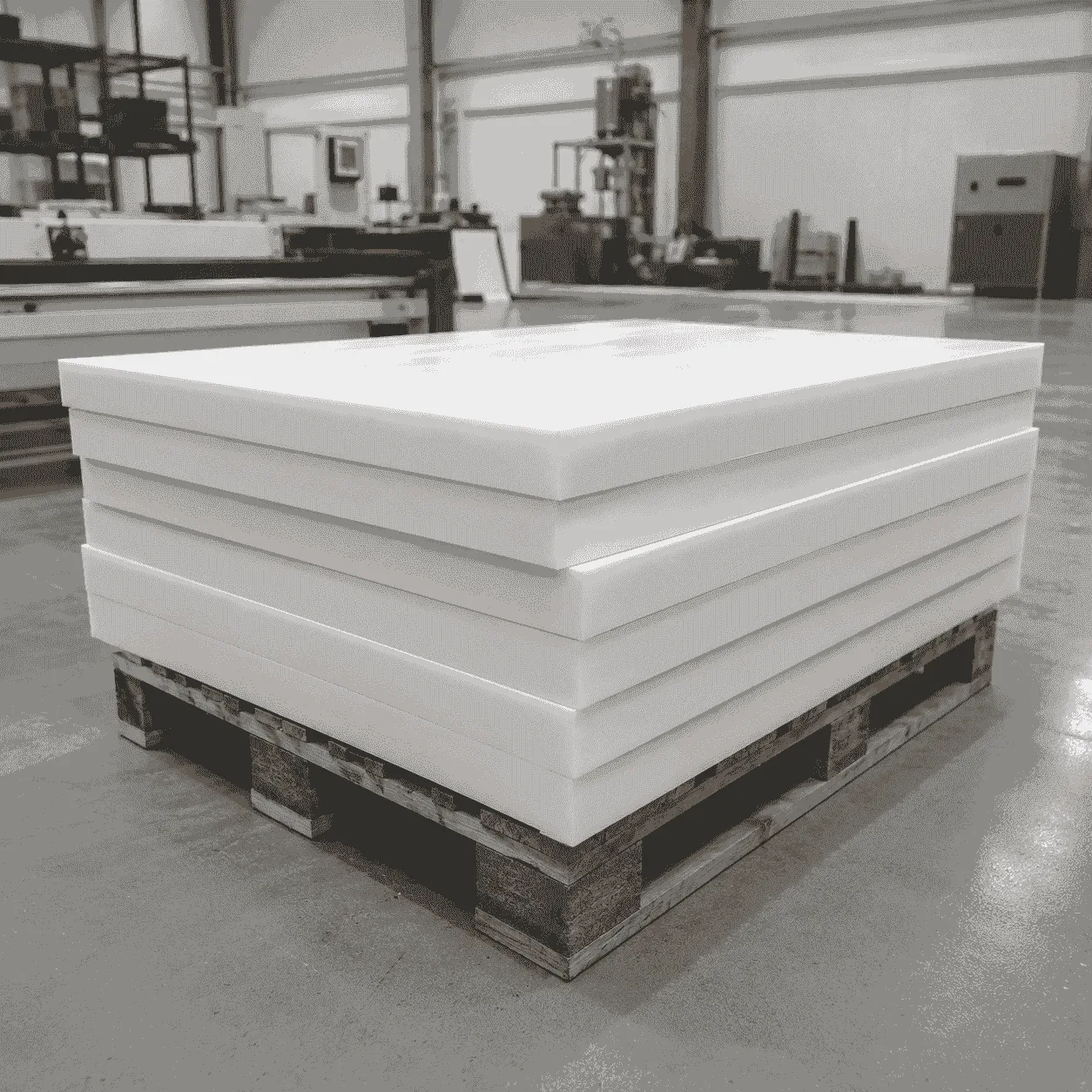
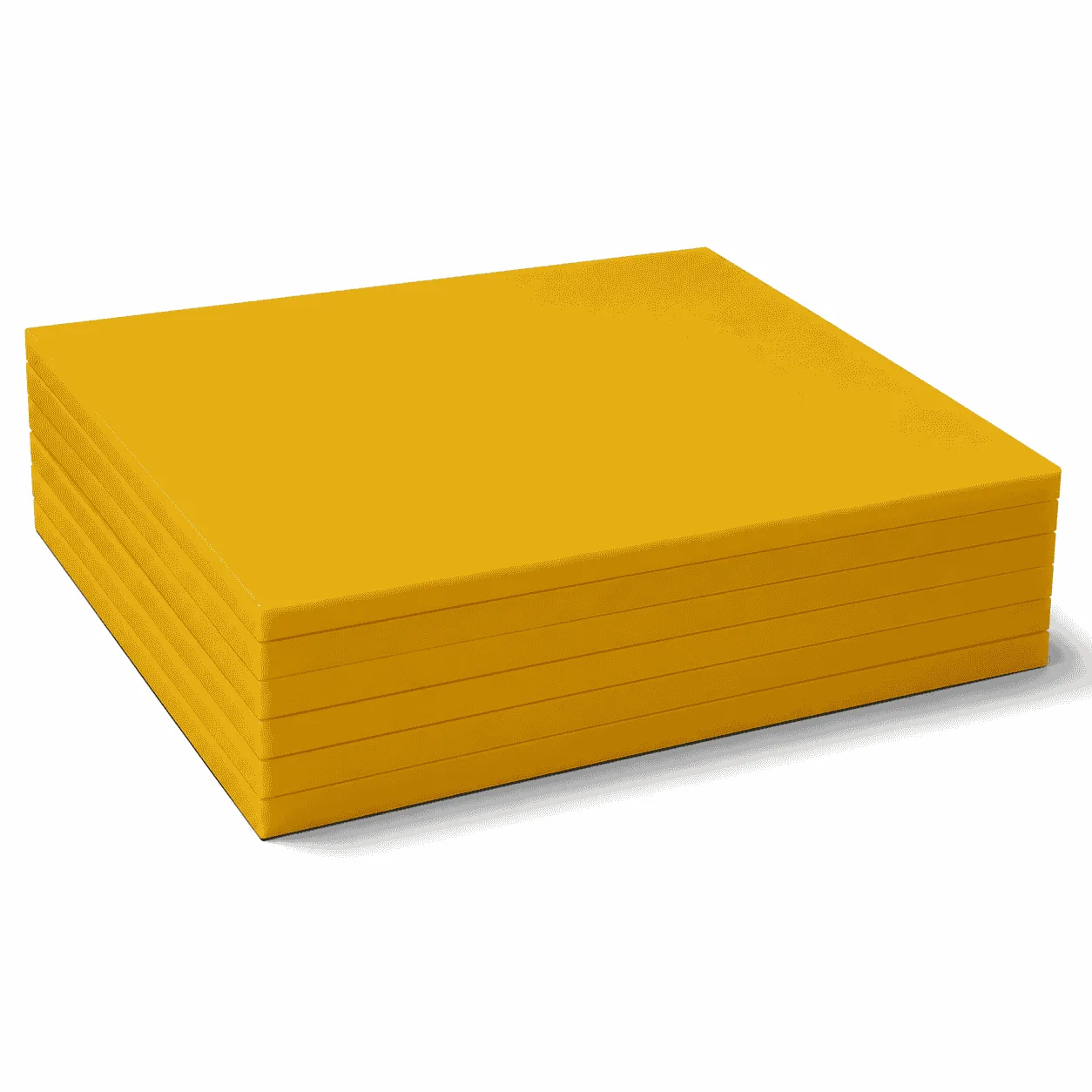
Boron-Loaded HDPE Neutron Radiation Shielding Sheet

HDPE Neutron Radiation Shielding Sheet is a hydrogen-rich high-density polyethylene panel containing uniformly dispersed boron-based material. The HDPE matrix helps moderate fast neutrons, while the boron-containing component helps absorb thermalized neutrons.

The material is suitable for neutron shielding walls, radiation protection doors, equipment enclosures, nuclear storage systems, laboratory shielding, medical accelerator facilities and neutron source containers.

Different boron formulations, panel thicknesses, sheet dimensions, joint structures and CNC-machined configurations are available according to project drawings, shielding calculations and installation requirements.

Share :

Description

Product Description

HDPE Neutron Radiation Shielding Sheet with Boron

HDPE Neutron Radiation Shielding Sheet is an engineered high-density polyethylene panel developed for neutron radiation protection applications. It combines a hydrogen-rich HDPE matrix with uniformly dispersed boron-containing material, providing fast-neutron moderation and thermal-neutron absorption within one lightweight and machinable plastic sheet.

When fast neutrons enter the material, collisions with hydrogen nuclei in the polyethylene matrix help reduce their energy. After the neutrons have been slowed to thermal or lower-energy levels, the boron-containing component helps capture them. This combined moderation-and-absorption mechanism makes the sheet suitable for neutron shielding walls, equipment enclosures, storage containers, access doors and removable protection panels.

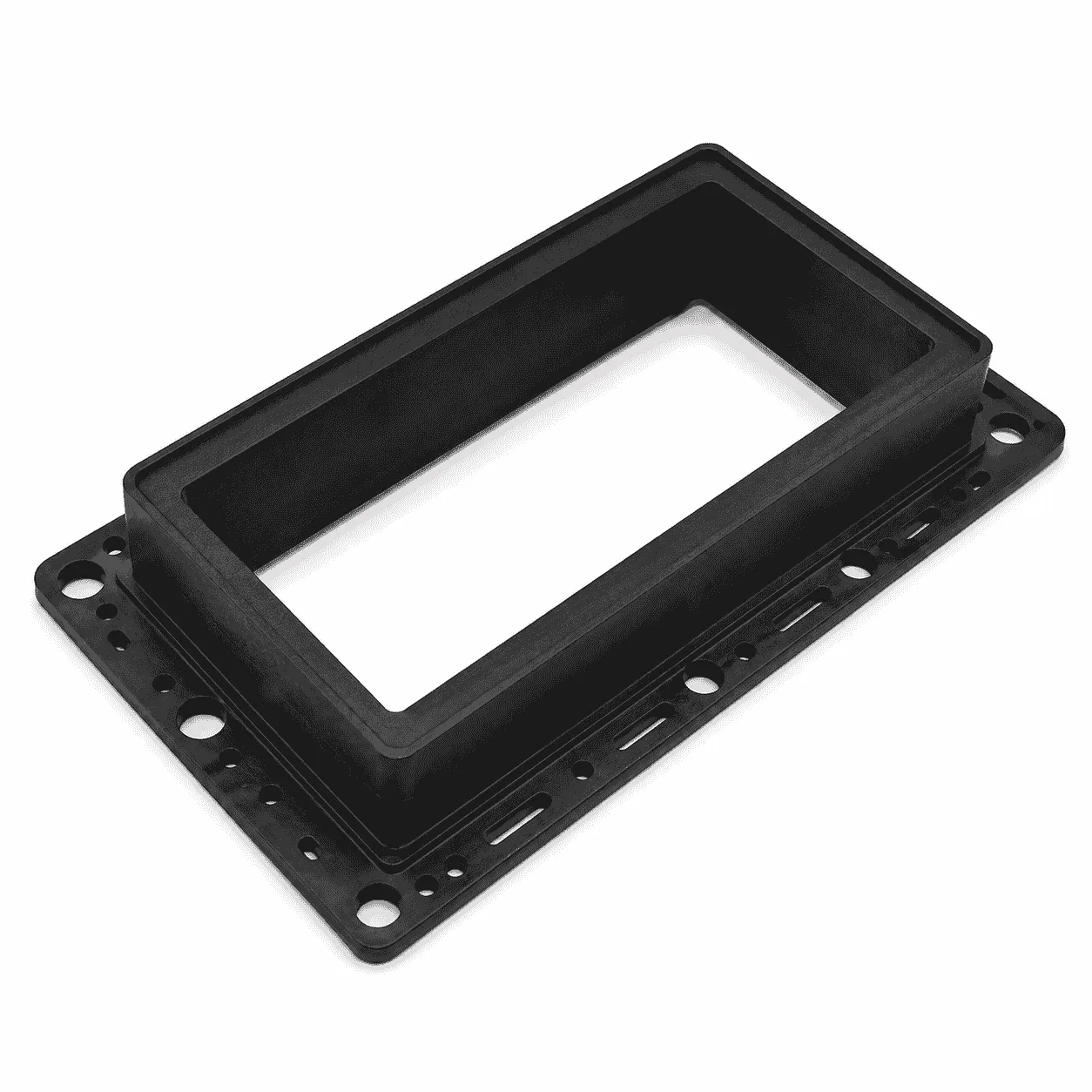
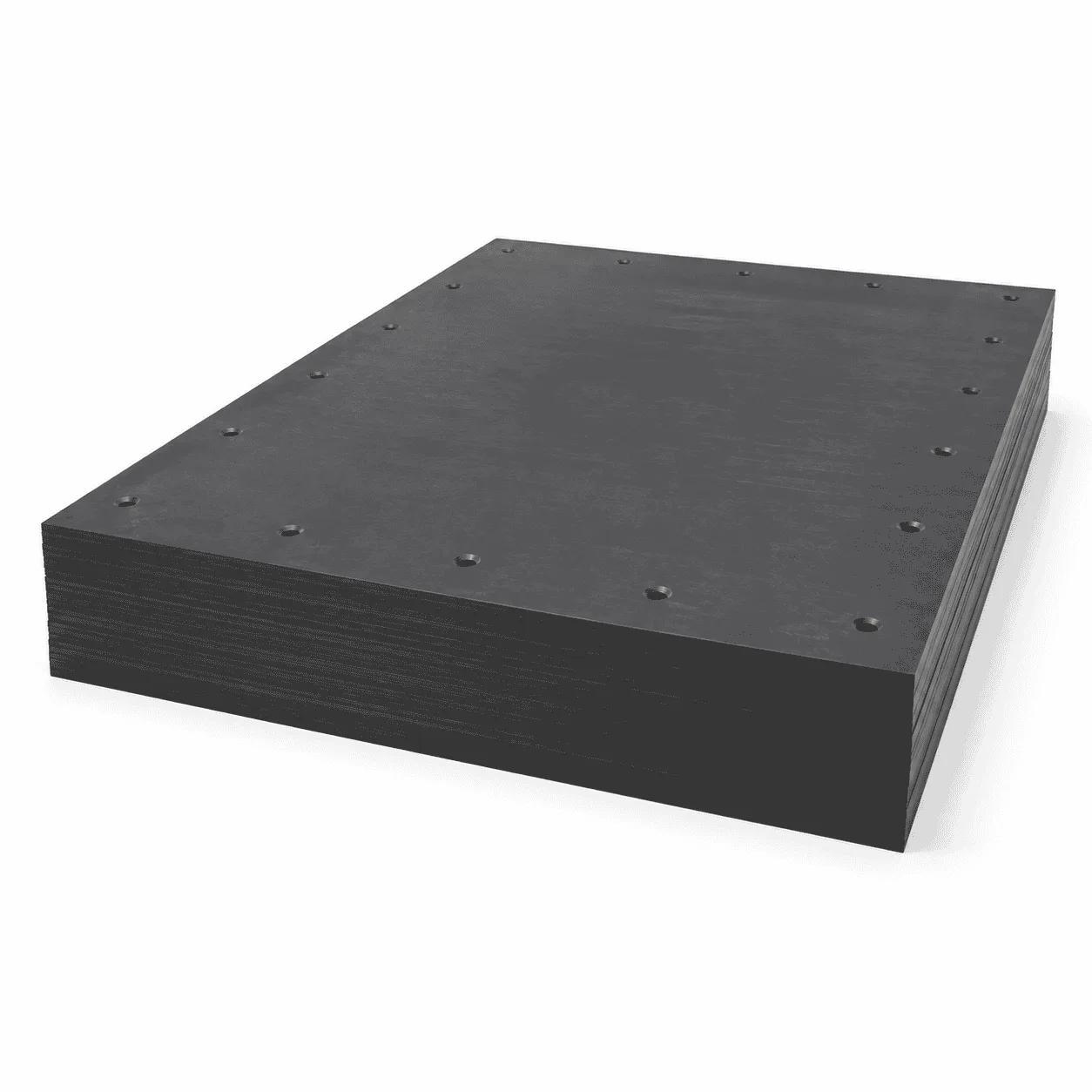
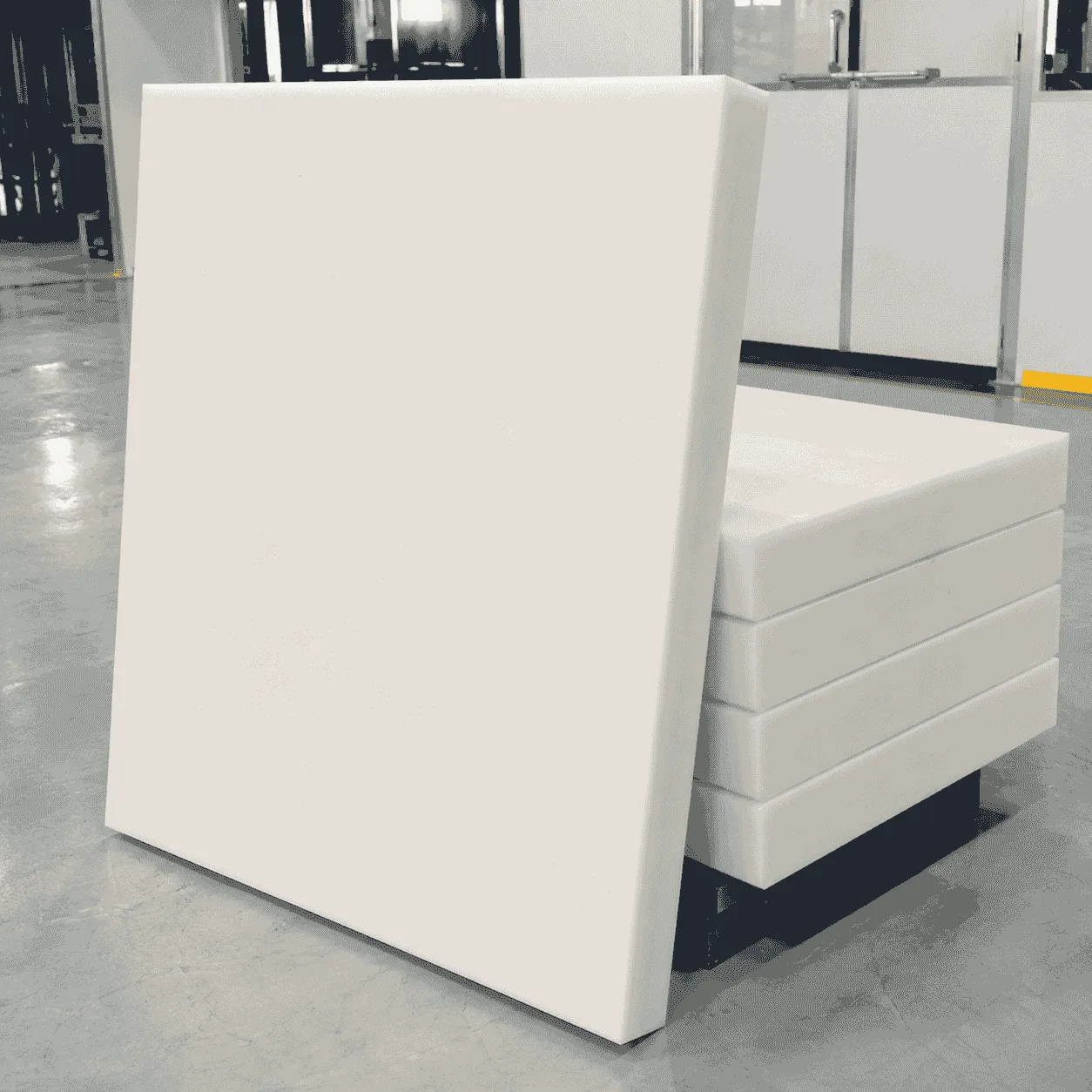
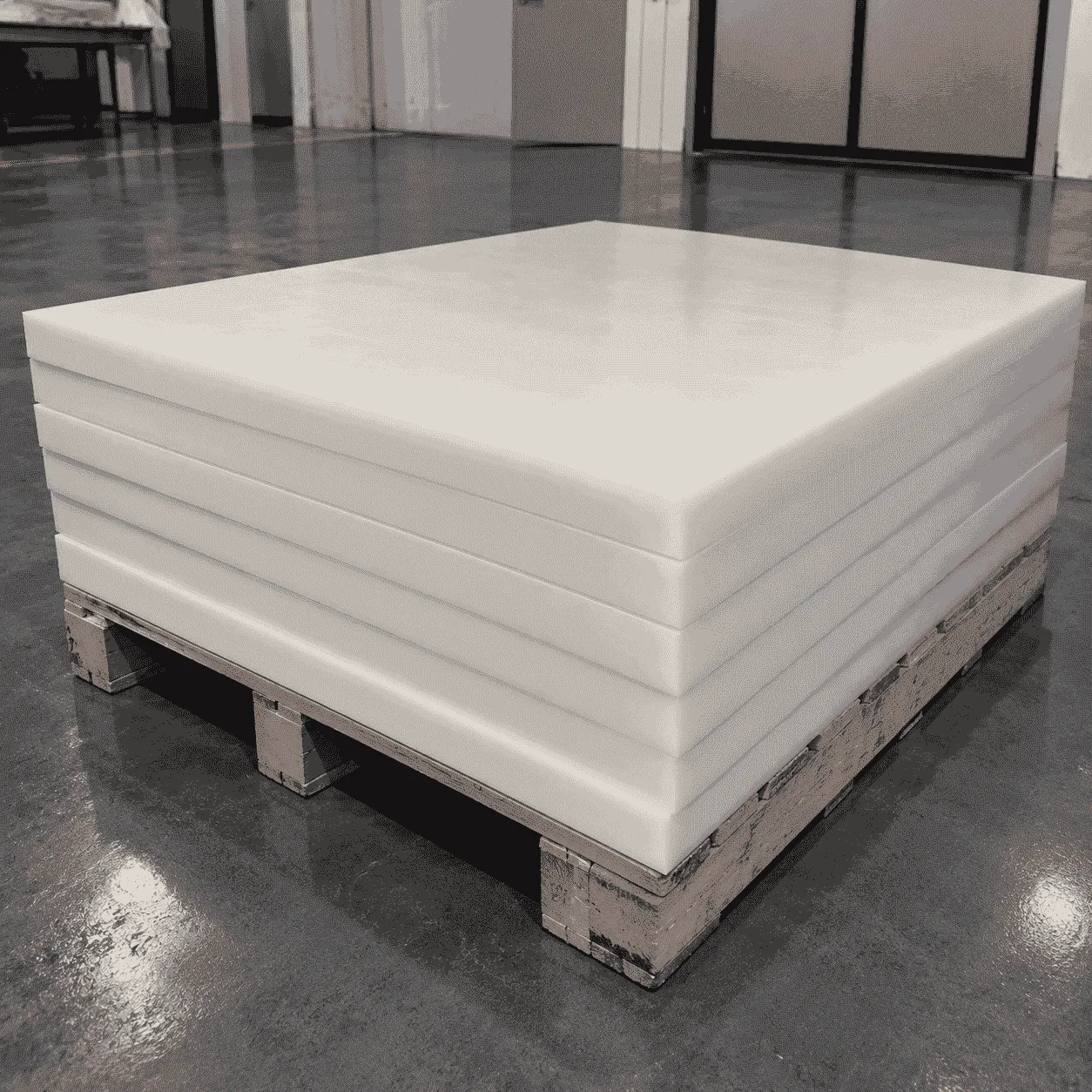
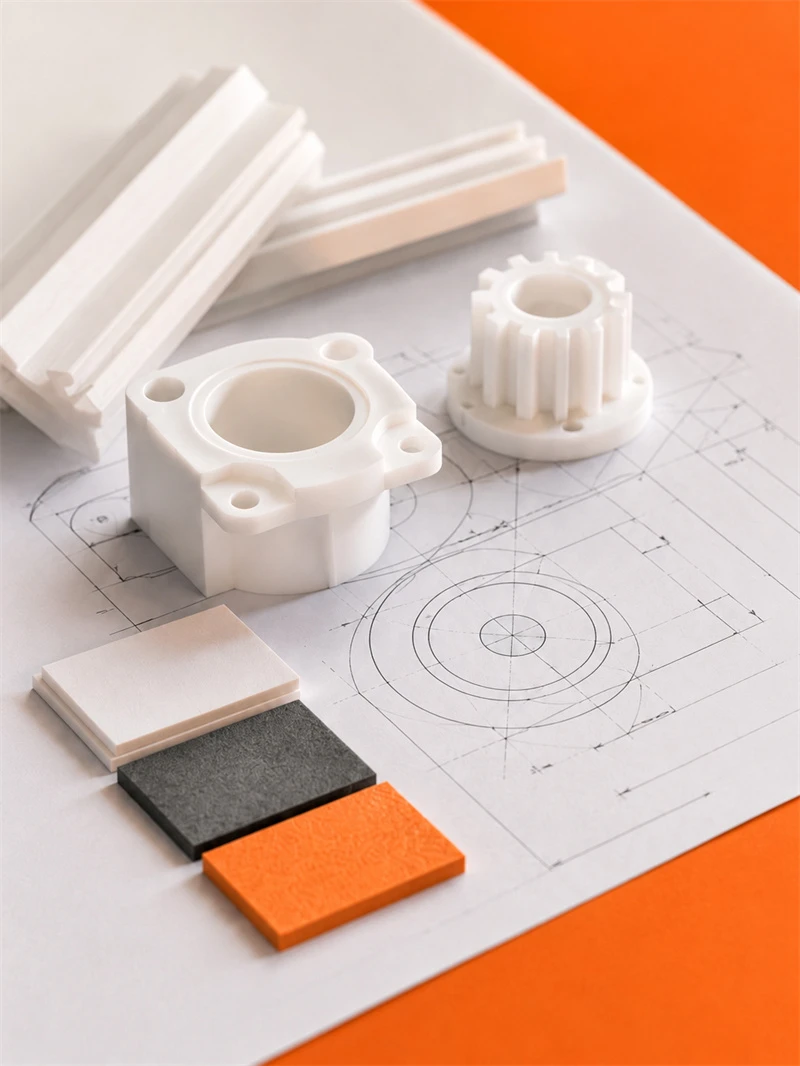
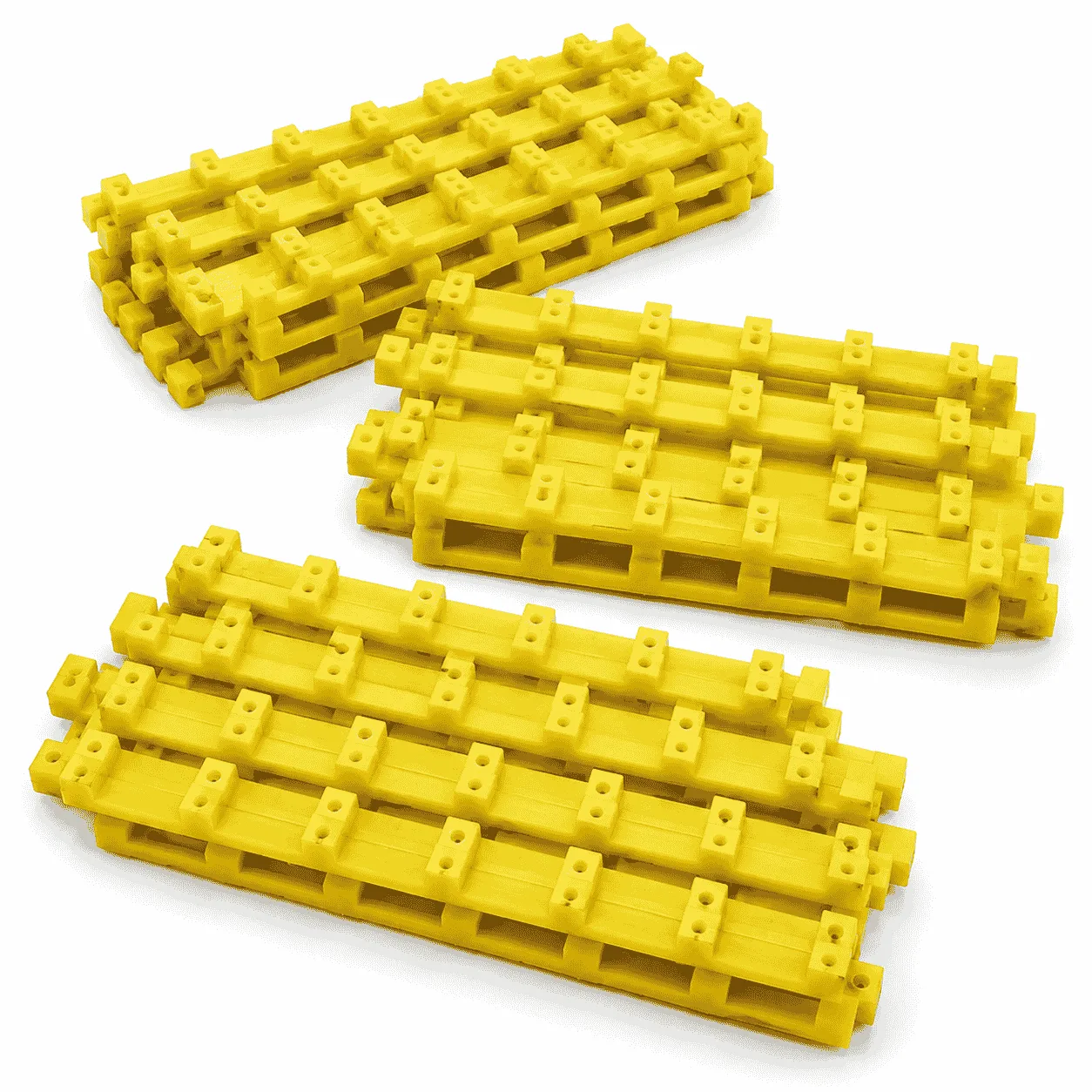
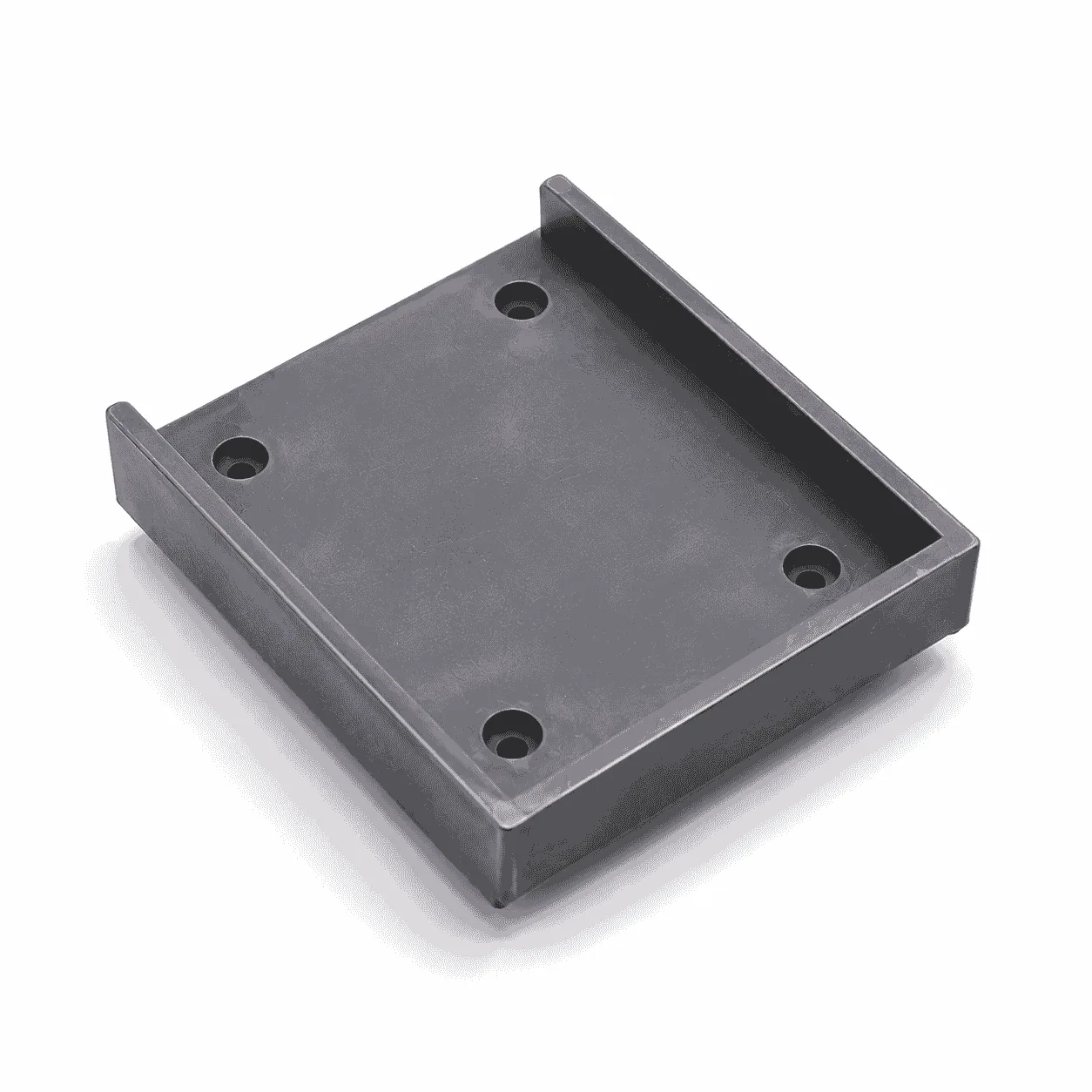
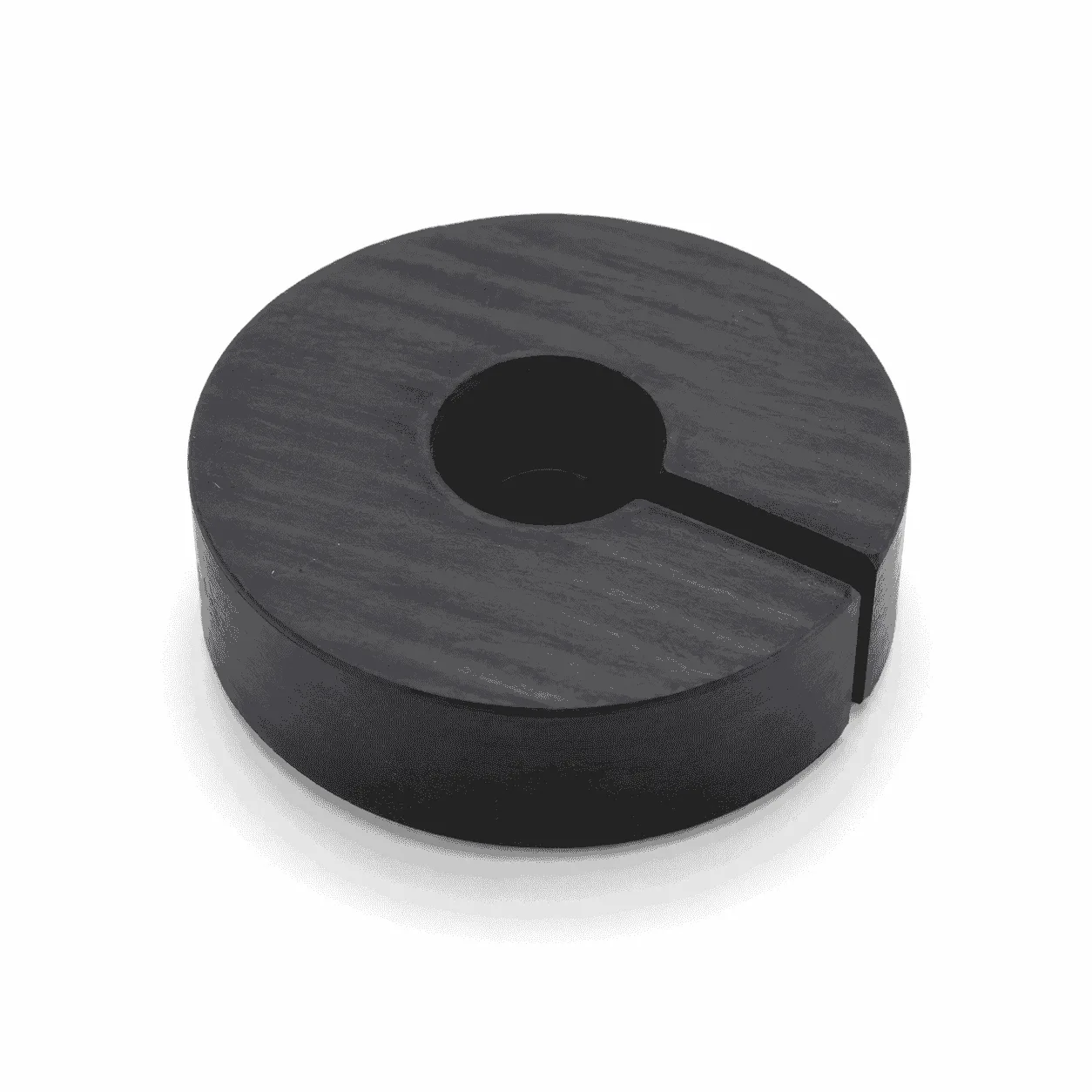
The product can be supplied as a complete molded sheet, cut-to-size shielding panel, thick shielding block or finished CNC-machined component. Boron formulation, sheet thickness, panel dimensions, edge structure, mounting holes and installation grooves can be manufactured according to project drawings.

General background information is available from the
Wikipedia explanation of neutron radiation
and the
Wikipedia explanation of high-density polyethylene.

How Does HDPE Neutron Radiation Shielding Sheet Work?

Fast-Neutron Moderation

High-density polyethylene contains a large proportion of hydrogen atoms. Because the mass of a hydrogen nucleus is close to the mass of a neutron, collisions between fast neutrons and hydrogen nuclei can transfer a considerable amount of neutron energy.

Repeated collisions gradually reduce the neutron energy. The HDPE matrix therefore acts primarily as a neutron-moderating material. Actual moderation performance depends on the neutron energy spectrum, source intensity, sheet thickness, material density and the design of the complete shielding assembly.

Thermal-Neutron Absorption

After fast neutrons have been slowed, the boron-containing material helps absorb the resulting thermal neutrons. Boron-10 has a strong thermal-neutron capture capability and is widely used in neutron-absorbing materials.

The boron-containing phase should be distributed uniformly throughout the polyethylene matrix. Controlled raw-material preparation, mixing, molding, cooling and inspection help reduce local variations in composition and shielding performance.

More information about the material characteristics of boron is available in the
Wikipedia explanation of boron.

Combined Neutron Moderation and Capture

Unmodified polyethylene can slow fast neutrons because of its hydrogen-rich structure. Adding a boron-containing compound allows the sheet to absorb more of the thermal neutrons created during the moderation process.

HDPE Neutron Radiation Shielding Sheet therefore combines two complementary functions within one panel: reducing fast-neutron energy and capturing moderated neutrons. The required panel thickness and boron formulation must still be determined through professional shielding calculations.

Main Advantages of HDPE Neutron Radiation Shielding Sheet

  • High hydrogen content: Helps reduce the energy of fast neutrons.
  • Boron-loaded formulation: Helps absorb thermal neutrons following moderation.
  • Lower installation weight: Easier to handle and machine than many metal shielding components.
  • Low water absorption: Suitable for many indoor and controlled industrial environments.
  • Good chemical resistance: Resists many commonly encountered acids, alkalis and salts.
  • Non-rusting material: Normally requires no conventional anti-corrosion coating.
  • Good impact resistance: Suitable for panels, covers, doors and removable components.
  • Electrical insulation: Standard HDPE is generally electrically insulating unless modified.
  • Convenient machining: Can be cut, drilled, planed, milled, grooved and CNC-machined.
  • Custom panel joints: Available with stepped, overlapping and tongue-and-groove edges.
  • Flexible supply forms: Full sheets, cut panels, blocks and finished components.
  • Project-specific production: Dimensions and structures can be manufactured from drawings.

Typical Applications

HDPE Neutron Radiation Shielding Sheet is mainly used in facilities and equipment where neutron radiation must be moderated and absorbed.

  • Neutron radiation shielding walls
  • Nuclear research laboratories
  • Neutron source storage areas
  • Nuclear storage and transport containers
  • Radiation shielding doors
  • Removable shielding access panels
  • Medical accelerator shielding structures
  • Cyclotron and isotope-production facilities
  • Neutron detection and calibration rooms
  • Particle accelerator facilities
  • Neutron-generating equipment enclosures
  • Hot-cell auxiliary shielding components
  • Nuclear material handling equipment
  • Shielding cabinets and equipment housings
  • Research reactor auxiliary components
  • Multilayer neutron and gamma shielding systems

Additional HDPE, UHMWPE and custom-machined engineering plastic products are available through our
engineering plastic sheet and machining product center.

Typical HDPE Neutron Radiation Shielding Sheet Specifications

Product Name Boron-Loaded HDPE Neutron Radiation Shielding Sheet
Focus Keyword HDPE Neutron Radiation Shielding Sheet
Base Material High-density polyethylene
Main Shielding Function Fast-neutron moderation and thermal-neutron absorption
Common Nominal Boron Options 1%, 2%, 5%, 10%, 15%, 20% or project-specified formulation
Common Product Option 5% nominal boron-loaded HDPE
Common Thickness Range 10–150 mm
Heavy-Duty Plate Option More than 150 mm and up to approximately 200 mm after feasibility review
Extra-Thick Option Up to approximately 300 mm for selected dimensions after molding review
Common Sheet Size 1000 × 2000 mm
Optional Sheet Sizes 1220 × 2440 mm and 1500 × 3000 mm
Custom Dimensions Available according to mold capacity, thickness and project drawings
Standard Appearance Natural white, off-white or formulation-dependent color
Optional Colors Black, green, blue or project-specified colors
Processing Services Cutting, planing, drilling, milling, countersinking, grooving and CNC machining
Supply Form Full sheets, cut panels, shielding blocks and finished machined components

The specifications listed above are common manufacturing options rather than fixed values for every order. Maximum sheet length, width and thickness cannot always be combined in one panel. Final dimensions should be confirmed according to mold capacity, boron formulation, machining allowance, dimensional tolerance and transportation conditions.

Boron Content and Formulation

HDPE Neutron Radiation Shielding Sheet can be produced with different nominal boron contents according to the required neutron absorption performance. A 5% nominal boron-loaded formulation is commonly requested, while lower or higher percentages can be evaluated for specific projects.

The purchase specification must clearly define what the stated percentage represents. It may refer to:

  • Elemental boron content by weight
  • Boron carbide content by weight
  • Boron oxide content by weight
  • Total content of another boron-containing compound
  • Natural boron or isotope-enriched boron

These definitions are not interchangeable. A panel containing 5% boron carbide does not contain the same amount of elemental boron as a panel specified as 5% elemental boron.

Different formulations can also affect material density, mechanical strength, impact resistance, color, surface finish, dimensional stability and machining performance. The required formulation should therefore be confirmed through the project specification before production.

Available Thickness Options

10–30 mm Shielding Panels

Relatively thin panels can be used as supplementary shielding layers, equipment covers, cabinet liners and components in multilayer radiation shielding assemblies. Thin sheets normally require continuous support or installation on a rigid frame.

30–100 mm Neutron Shielding Plates

This thickness range is suitable for laboratory partitions, equipment enclosures, radiation protection doors and removable shielding panels.

100–200 mm Heavy-Duty Plates

Thicker plates provide greater shielding depth and additional machining allowance. They can be processed into container walls, shielding blocks, access-door components and deeply machined structures.

Extra-Thick Molded Components

Extra-thick HDPE Neutron Radiation Shielding Sheet or molded blocks may be evaluated for shielding plugs and specialized equipment. Production feasibility depends on overall dimensions, formulation, mold capacity, cooling requirements and dimensional tolerances.

Custom Cutting and CNC Machining

HDPE Neutron Radiation Shielding Sheet can be supplied as a complete molded panel or processed into finished components according to customer drawings and installation dimensions.

Available processing services include:

  • Rectangular panel cutting
  • Surface planing and thickness calibration
  • Outside-profile machining
  • Through-hole drilling
  • Blind-hole drilling
  • Countersunk mounting holes
  • Counterbored holes
  • Cable and pipe openings
  • Installation slots
  • Positioning grooves
  • Stepped panel edges
  • Overlapping shielding joints
  • Tongue-and-groove joints
  • Interlocking panel structures
  • Machining positions for metal inserts
  • Finished CNC-machined shielding components

Panel Joint and Installation Design

Neutron shielding performance can be reduced by direct gaps between adjoining panels. Particular attention should be given to panel joints, corners, doors, mounting holes, cable openings, pipe penetrations and ventilation channels.

Depending on the shielding design, adjoining panels may use:

  • Stepped joints
  • Overlapping joints
  • Tongue-and-groove structures
  • Interlocking edges
  • Staggered multilayer joints
  • Recessed installation structures

The required overlap width, step depth and installation clearance should be determined according to the radiation direction, panel thickness, supporting structure and professional shielding calculations.

HDPE expands and contracts more than metal when the temperature changes. Large shielding panels should therefore be installed with suitable expansion allowance. Elongated mounting holes, floating fasteners or appropriate panel gaps may be required.

Neutron Shielding and Gamma Shielding

HDPE Neutron Radiation Shielding Sheet is primarily intended for neutron moderation and thermal-neutron absorption. It should not automatically be described as a complete standalone shielding material for X-rays, primary gamma rays or every type of ionizing radiation.

Neutron capture reactions and the original radiation source may also produce photon radiation. When significant gamma-ray or X-ray radiation is present, the complete shielding system may require lead, steel, tungsten-containing material or another high-density layer.

The arrangement and thickness of each shielding layer must be determined according to the neutron energy spectrum, photon energy, source intensity, operating time, permitted dose rate and installation distance.

General information about matching shielding methods to different radiation types is available in the
Wikipedia explanation of radiation protection.

Important Shielding Design Factors

The required thickness cannot be selected only according to the nominal boron percentage or panel dimensions. Professional shielding calculations should consider:

  • Radiation source type
  • Fast- and thermal-neutron energy spectrum
  • Neutron source intensity
  • Gamma-ray or X-ray energy
  • Operating duration
  • Distance from the source
  • Permitted external dose rate
  • Required shielding attenuation
  • Panel thickness and material density
  • Boron percentage and percentage definition
  • Panel-joint structure
  • Door and access-opening design
  • Cable, pipe and ventilation penetrations
  • Arrangement of additional shielding materials

Quality Control

Quality control for HDPE Neutron Radiation Shielding Sheet may include raw-material verification, formulation control, molding-process inspection, dimensional measurement, surface inspection and finished-component inspection.

Project-specific inspection items can include:

  • Boron compound identification
  • Nominal boron percentage
  • Definition of the stated percentage
  • Material density
  • Sheet length and width
  • Overall thickness
  • Dimensional tolerances
  • Flatness
  • Surface appearance
  • Hole and groove dimensions
  • Machined-profile dimensions
  • Material batch identification
  • Required inspection documentation

Information Required for a Quotation

To prepare an accurate quotation for HDPE Neutron Radiation Shielding Sheet, please provide:

  • Required nominal boron percentage
  • Definition of the boron percentage
  • Required boron-containing compound
  • Sheet length and width
  • Required finished thickness
  • Order quantity
  • Required material density
  • Color requirements
  • Dimensional tolerances
  • Panel-joint structure
  • Machining drawings
  • Installation requirements
  • Inspection-document requirements
  • Packaging requirements
  • Project delivery destination

The final boron formulation, panel thickness, joint structure and multilayer shielding arrangement should be reviewed by a qualified radiation protection engineer, health physicist, medical physicist or other authorized project professional before manufacturing and installation.

Quality Control

Quality Control and Delivery Standards

Drawing & Material Check

Check drawings for full specifications and confirm materials according to service conditions to prevent product defects.

Machining Quality Control

Inspect all key processing steps and fully verify dimensions, holes, grooves and fitting surfaces.

Finishing & Batch Control

Deburr, chamfer and clean products for easy installation. Ensure uniform quality among batch products.

Packaging & Delivery

Choose appropriate packaging solutions based on product features to protect goods from collision, deformation and mixing during transit.

Processing Quality Control of Engineering Plastics Parts

Unlike metal parts, engineering plastic components still require strict control over dimensions, holes, edges, surface, materials and assembly performance for equipment use.

application

Applications for Engineering Plastic Parts

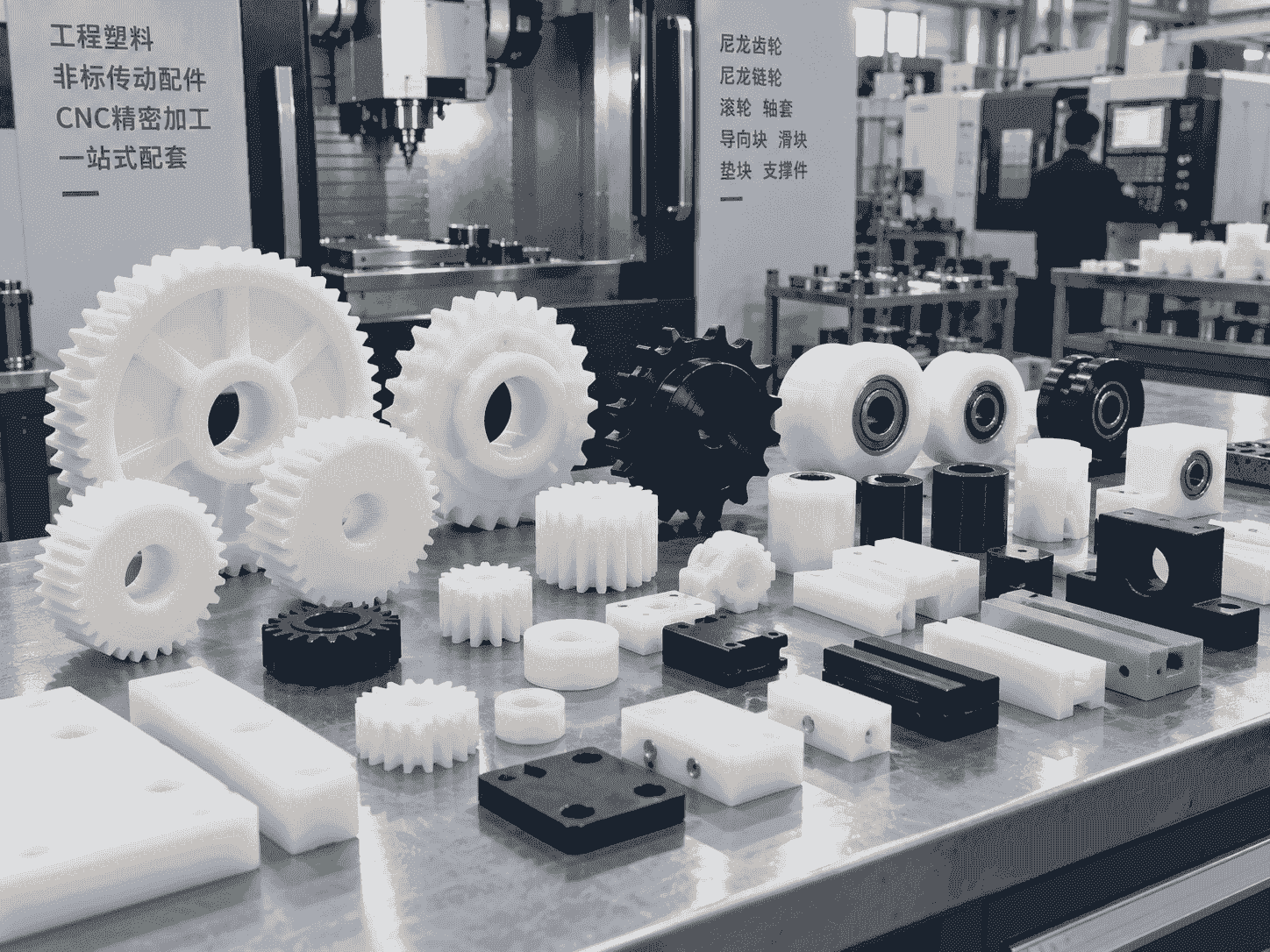
Engineering plastic parts suit friction, guide, support, buffer, anti-corrosion and insulation areas. We supply UHMWPE, POM, PA, PP/PE components for conveyor, food, mining, machinery, chemical and cable systems, with custom OEM service available.

Our Blog

Latest News & Knowledge

Stay updated with our latest industry insights, company updates and featured articles.

We Love to Hear From You

Need UHMWPE sheets & custom plastic machined/OEM parts?Send specs & material needs, free quote within 24h.