CNC Machined Filling Machine Parts

CNC Machined Filling Machine Parts include custom bottle star wheels, guide plates, curved side guides, transfer plates, wear strips and positioning components used in filling, capping, labeling, conveying and packaging equipment.

Available in UHMWPE, POM, nylon, PP and other engineering plastics, with custom bottle profiles, guide curves, mounting holes, thicknesses and installation structures manufactured according to drawings or physical samples.

category Brand:
Share :

Description

Product Description

CNC Machined Filling Machine Parts for Bottling and Packaging Lines

CNC Machined Filling Machine Parts are custom engineering plastic components used for bottle guiding, spacing, positioning, transfer, changeover and wear protection in filling, capping, labeling, conveying and packaging equipment.

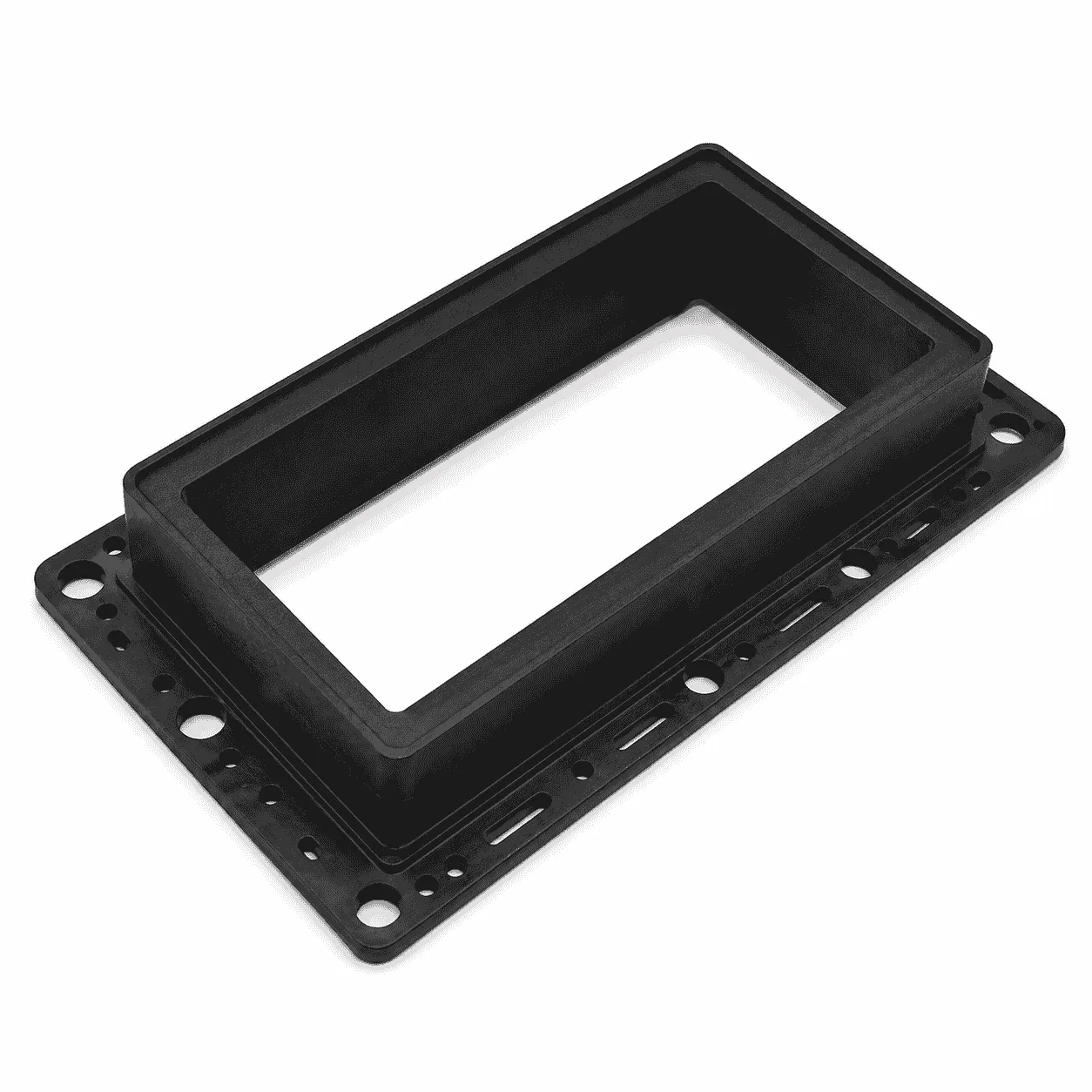
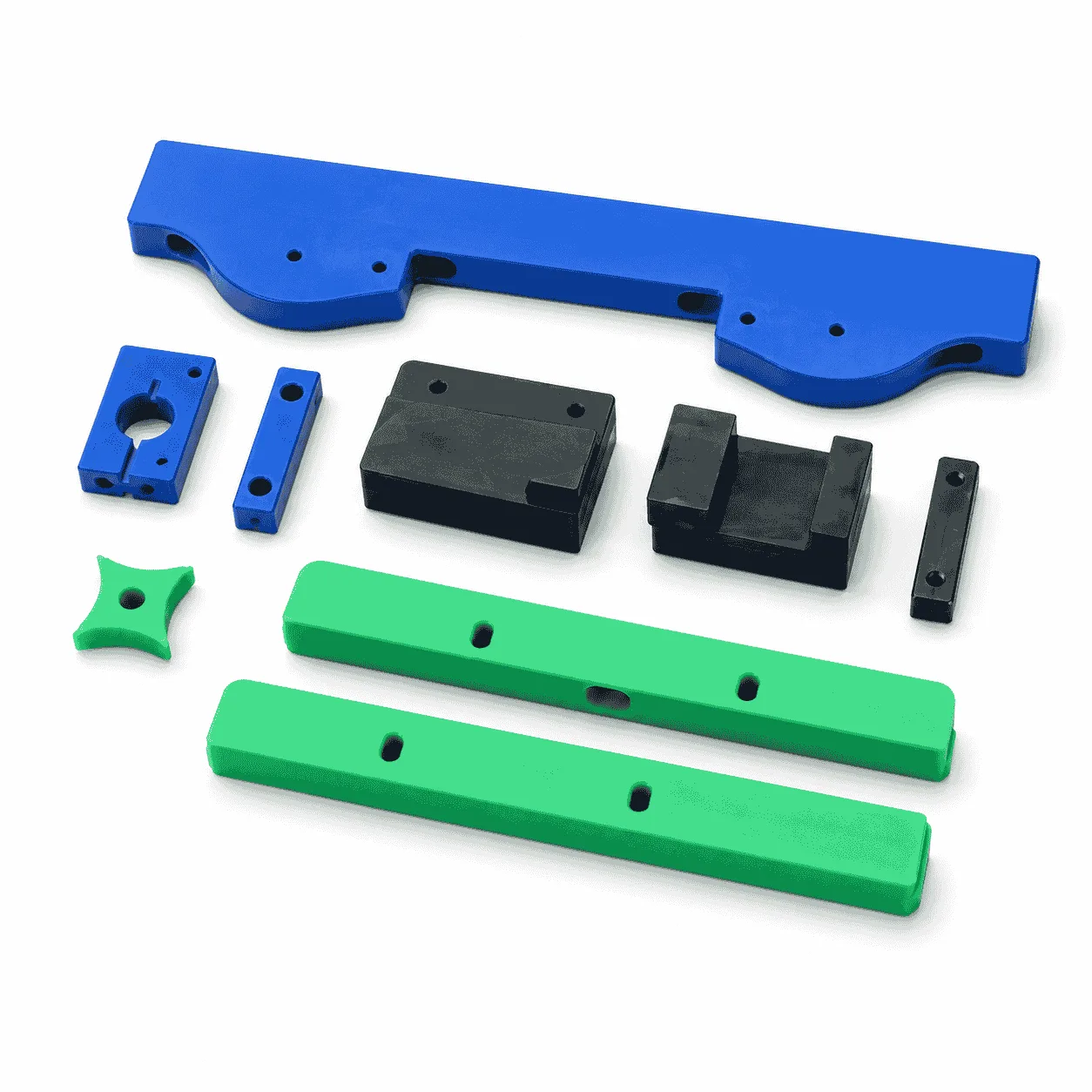
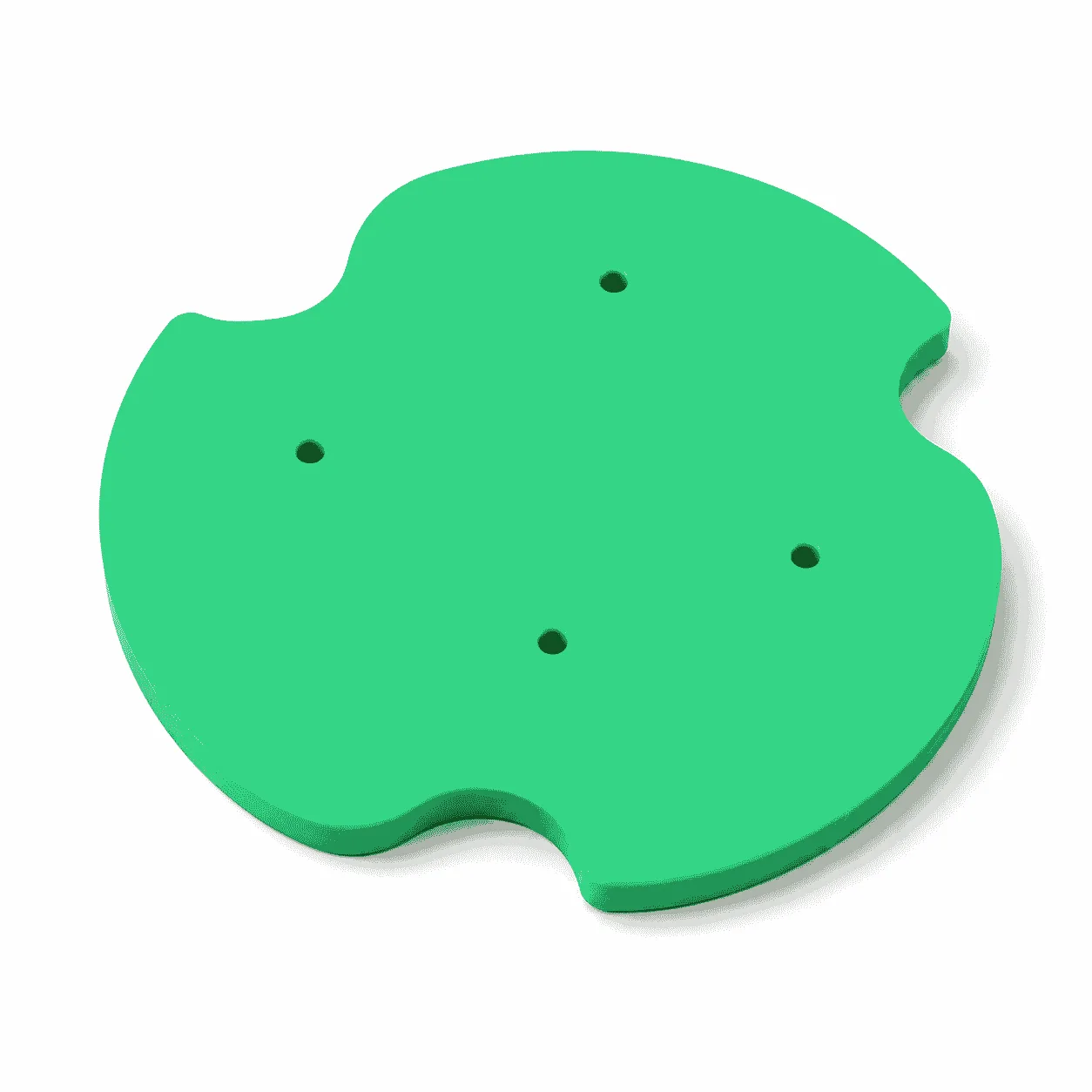
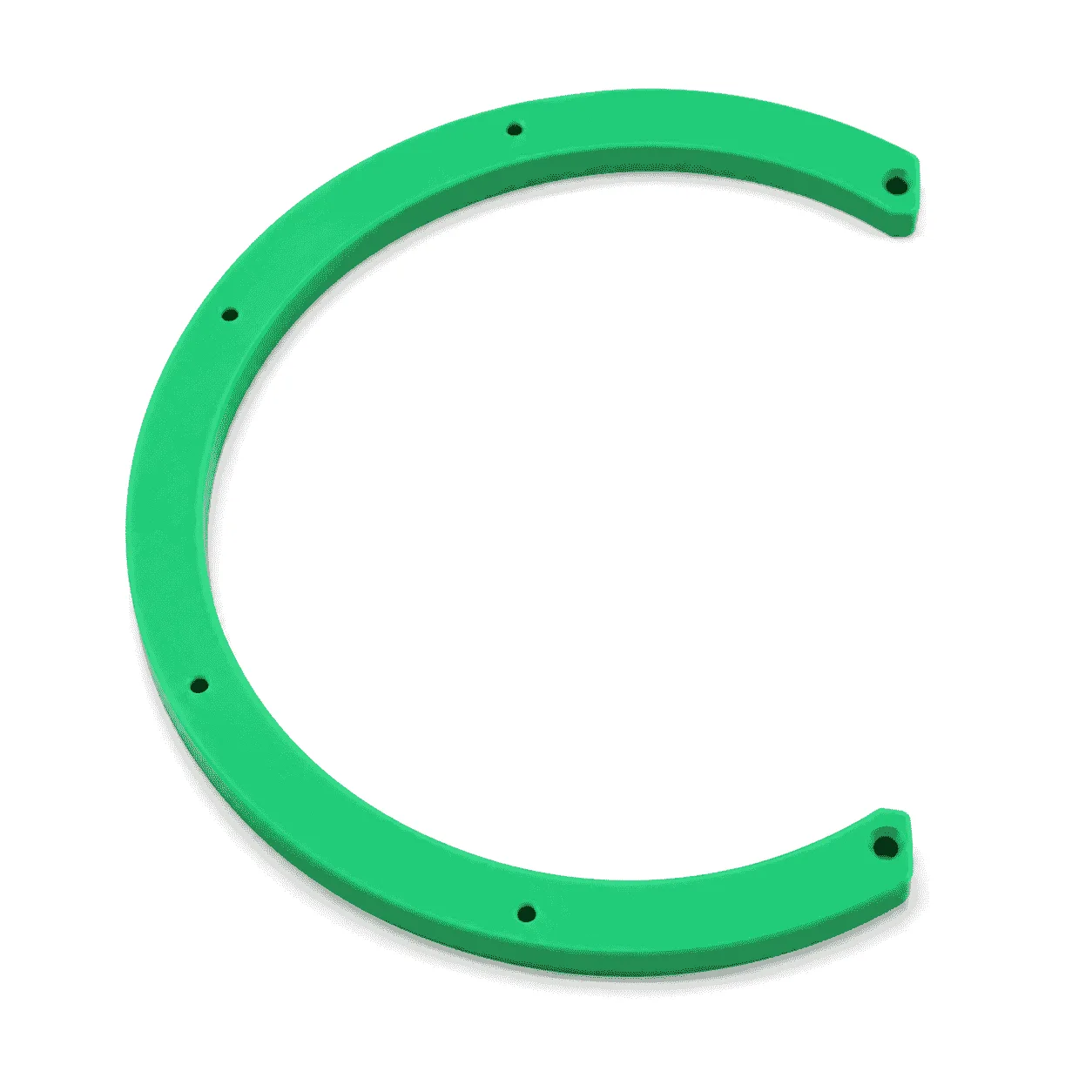
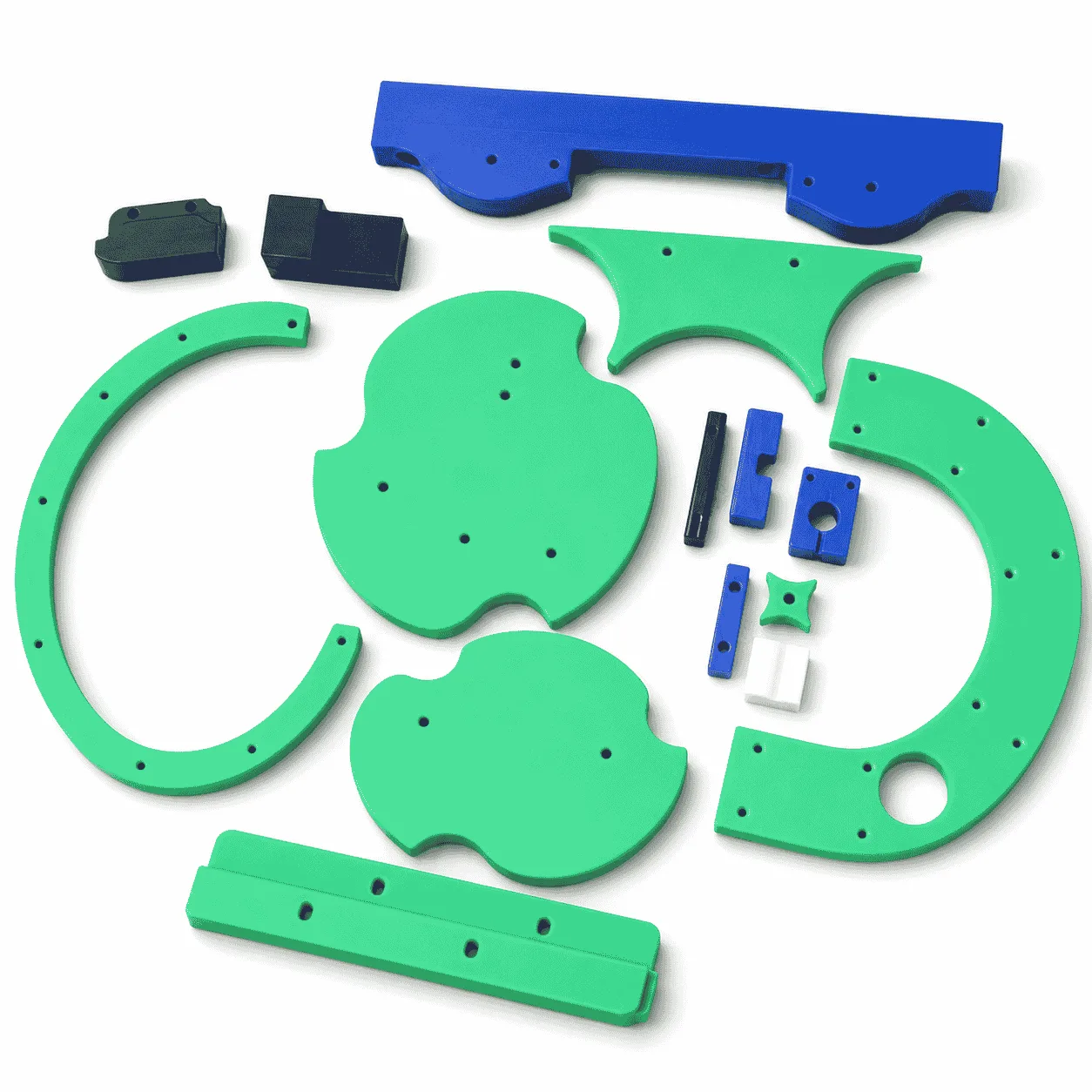
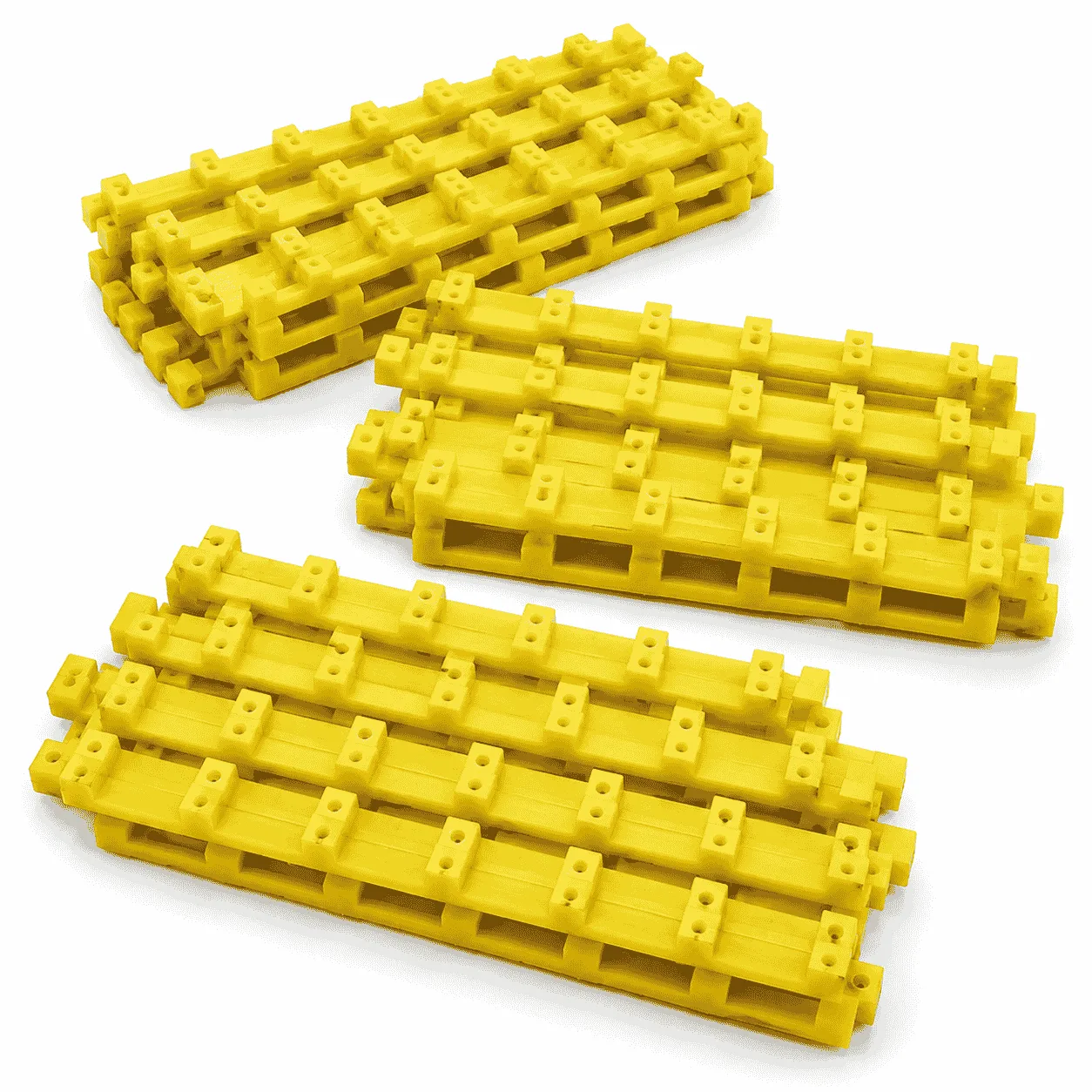
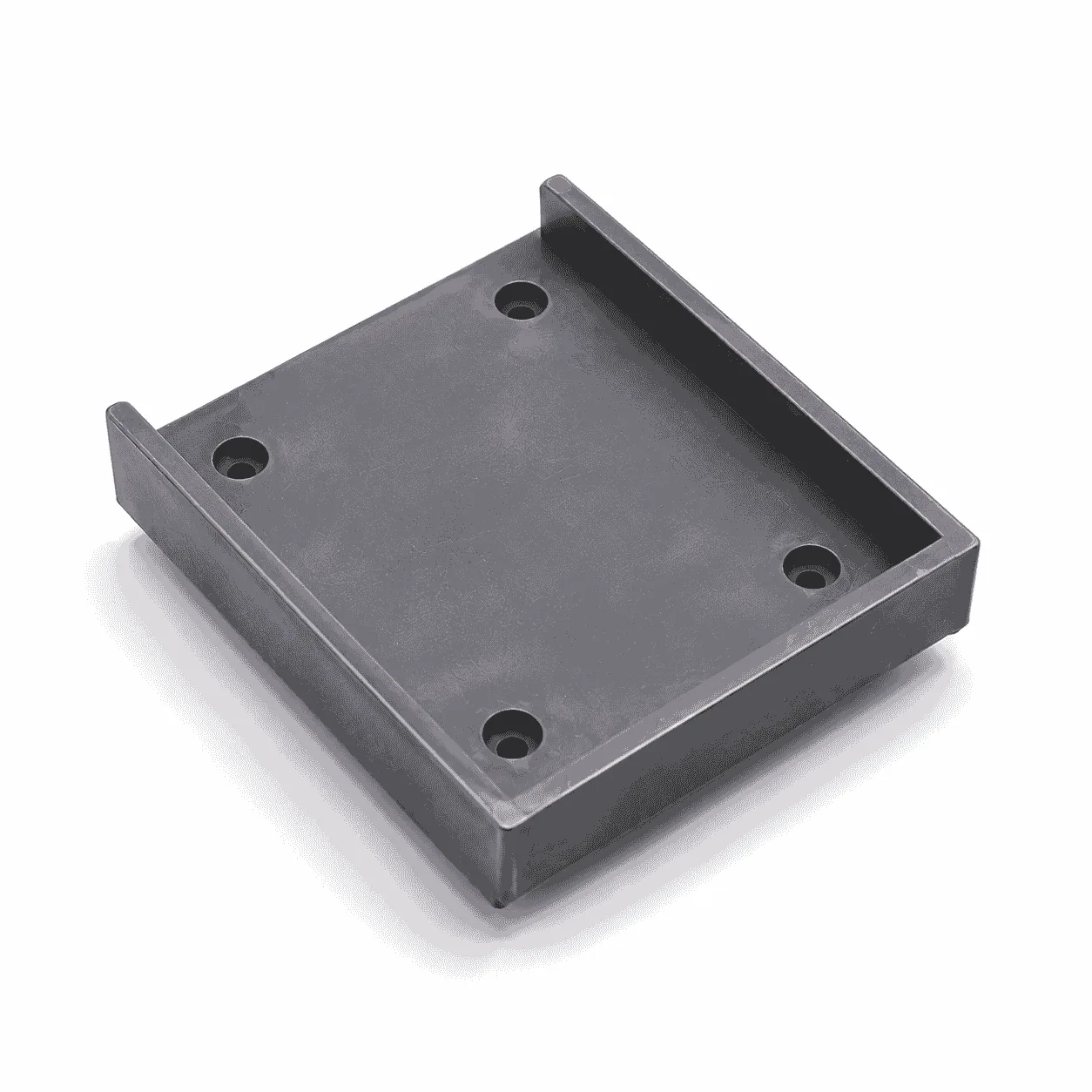
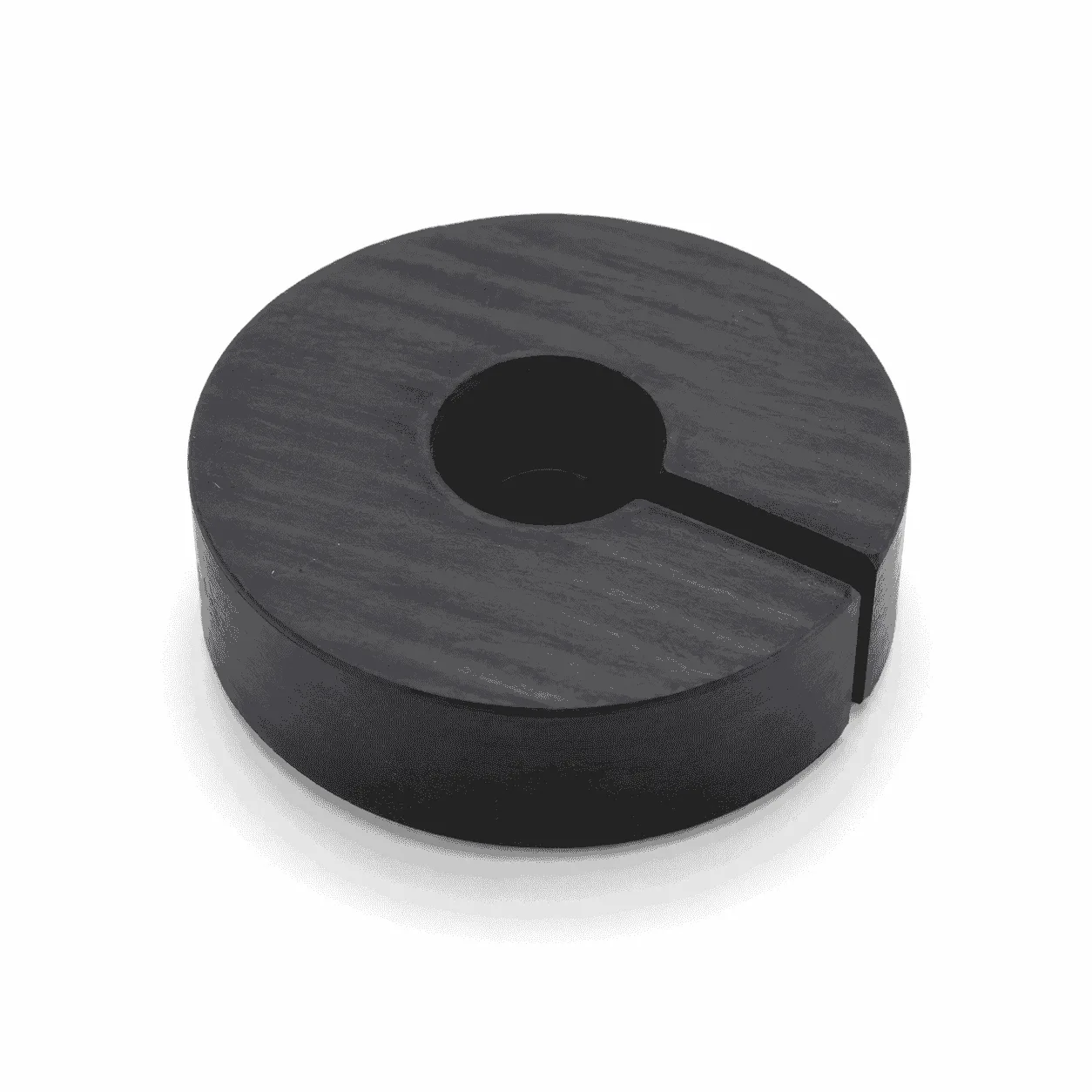
The photographed products include several different machined structures, such as circular transfer plates, bottle-profile guide plates, curved side guides, mounting plates, wear strips, positioning blocks and small supporting components. Each part can be manufactured according to the bottle shape, equipment model, installation position and required container movement path.

Depending on the operating conditions, CNC Machined Filling Machine Parts can be produced from UHMWPE, POM, nylon, polypropylene or other engineering plastics. The exact material cannot be identified from color or appearance alone. Green, blue, black or white plastic parts should not automatically be described as food grade without the corresponding material documentation.

Common Types of CNC Machined Filling Machine Parts

A filling or bottling line normally uses several types of replaceable plastic components. The parts shown in the image may include:

  • Bottle star wheels and transfer wheels
  • Bottle neck guide plates
  • Bottle body guide plates
  • Curved side guide rails
  • Infeed and discharge guide components
  • Container changeover plates
  • Transition and transfer plates
  • Wear strips and sliding supports
  • Positioning and limiting blocks
  • Equipment mounting plates
  • Spacers, inserts and small support components

The exact purpose of each component should be confirmed from the complete equipment assembly, technical drawing, original sample or installation position.

Main Functions of CNC Machined Filling Machine Parts

Bottle and Container Guidance

Profiled guide plates and curved side guides help bottles, jars, cans and other containers follow the required movement path. The guide profile can be matched to the bottle diameter, neck, shoulder or body shape.

Container Spacing

Star wheels and profiled transfer plates separate continuously arriving containers and maintain the spacing required by filling nozzles, capping heads, labeling stations and inspection equipment.

Container Positioning

Accurately machined profiles help position containers beneath filling nozzles, capping heads, inspection cameras, coding devices or label applicators. Correct positioning reduces shaking, collision and misalignment during operation.

Product Transfer

Engineering plastic transfer components guide containers between conveyors, star wheels, filling stations and discharge sections. Continuous and smooth transition surfaces can help reduce tipping, jamming and sudden impact.

Equipment Changeover

When one production line processes several bottle sizes or container formats, removable CNC Machined Filling Machine Parts can be replaced to match a different bottle diameter, height, neck or body profile.

Wear Protection

Replaceable plastic wear components isolate moving containers and mechanical structures from the original metal frame. This helps reduce direct wear on expensive equipment surfaces.

Noise Reduction

Engineering plastics can reduce hard contact between containers and metal equipment, helping lower impact noise and vibration transmission under suitable operating conditions.

Container Surface Protection

A smooth plastic contact surface is less likely to scratch printed bottles, painted containers, aluminum cans and molded plastic packaging than an unfinished or damaged metal edge.

Why Use Engineering Plastics for Filling Machine Parts?

Traditional metal guide and transfer components may create excessive noise, container scratching, corrosion or frequent lubrication requirements. Properly selected engineering plastics provide a lightweight and replaceable contact surface for filling and packaging machinery.

  • Reduces direct contact between containers and metal structures
  • Helps protect printed and polished packaging surfaces
  • Reduces equipment noise and vibration
  • Does not rust like ordinary carbon steel
  • Reduces the weight of removable change parts
  • Allows complex bottle profiles to be CNC machined
  • Simplifies replacement of worn guide components
  • Supports production-line changes between bottle sizes
  • Can reduce lubrication requirements in suitable positions
  • Allows small-batch and repeat-batch production

Material Options for CNC Machined Filling Machine Parts

The material should be selected according to sliding speed, mechanical load, dimensional accuracy, impact, moisture, cleaning chemicals, operating temperature and food-contact requirements.

UHMWPE Filling Machine Parts

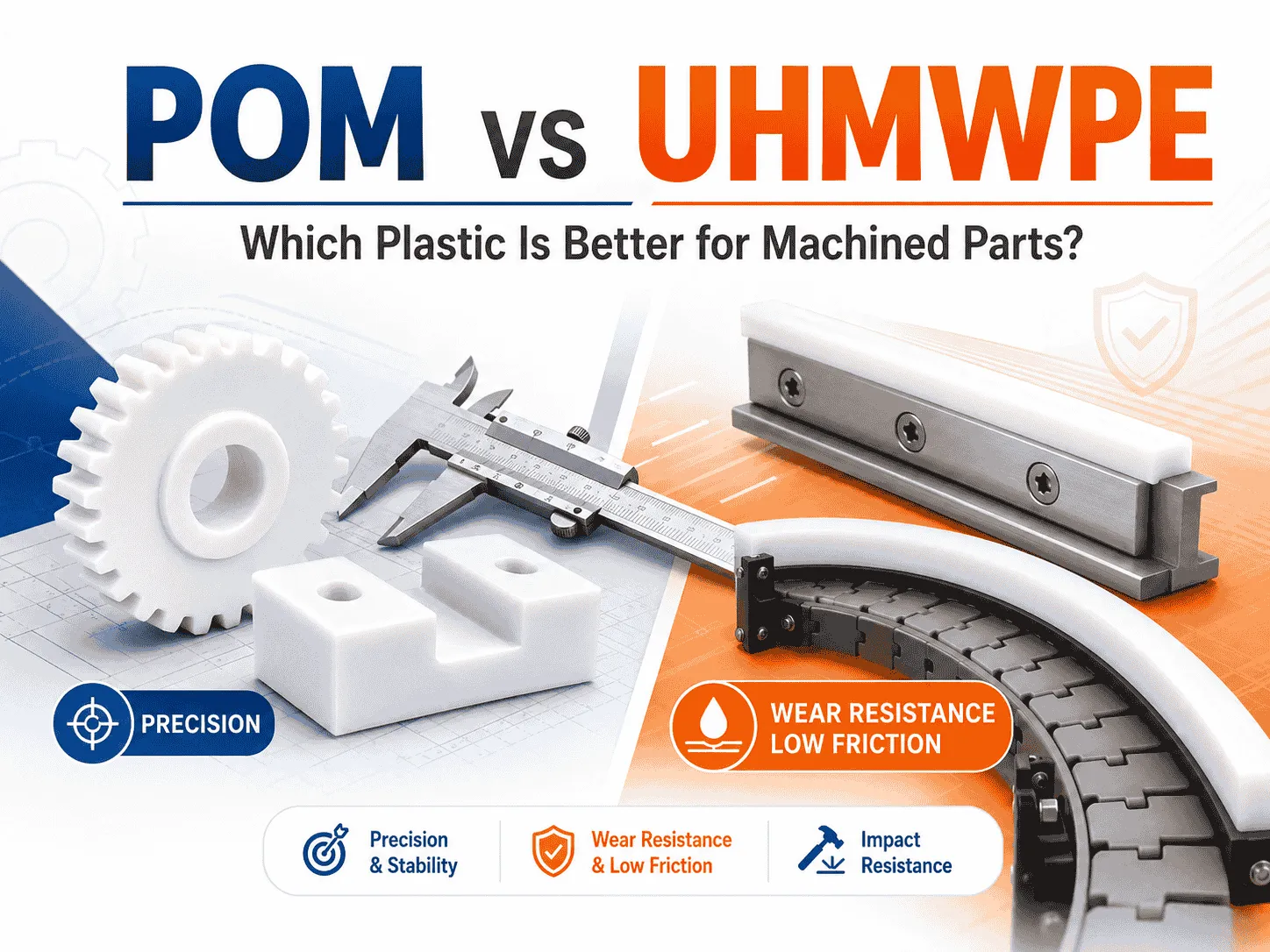
UHMWPE Sheet is commonly used for bottle guides, star wheels, wear strips and transfer components requiring low friction, impact resistance and low moisture absorption.

Wikipedia provides a general explanation of ultra-high-molecular-weight polyethylene.

Typical advantages include:

  • Low-friction working surface
  • Good abrasion resistance
  • High impact resistance
  • Very low moisture absorption
  • Good performance in wet environments
  • Reduced risk of scratching container surfaces
  • Suitable for guide and sliding components

UHMWPE has lower stiffness than POM and some nylon grades. Thin sections, narrow mounting areas and heavily loaded structures should therefore be reviewed before material selection.

POM Filling Machine Parts

Polyoxymethylene POM Sheet is often selected for positioning blocks, spacers, small guide components, bushings and parts requiring greater stiffness or tighter machining tolerances.

General material information is available from Wikipedia’s explanation of polyoxymethylene.

Typical advantages include:

  • Good dimensional stability
  • Higher rigidity than UHMWPE
  • Good CNC machining accuracy
  • Smooth machined surfaces
  • Suitable for detailed profiles and holes
  • Good sliding performance in suitable conditions

POM should be evaluated carefully where strong acids, oxidizing chemicals or high-temperature sterilization processes are involved.

Nylon Filling Machine Parts

Polyamide PA Nylon Sheet can be used for load-bearing guide blocks, rollers, supports and mechanical parts requiring strength, toughness and wear resistance.

Nylon belongs to the polyamide material family.

Typical advantages include:

  • Good mechanical strength
  • Good toughness
  • Wear resistance
  • Impact absorption
  • Suitable for thicker load-bearing components
  • Machinable into complex mechanical profiles

Nylon absorbs more moisture than UHMWPE and POM. Moisture exposure, dimensional change and installation clearance should be considered for precision bottling and filling machinery.

Polypropylene Filling Machine Parts

Polypropylene PP Sheet can be considered for chemical-resistant guide plates, covers, partitions and lightly loaded machine components.

General information about the material is available from Wikipedia’s explanation of polypropylene.

Typical advantages include:

  • Low material weight
  • Good resistance to many acids and alkalis
  • Low moisture absorption
  • Easy cutting and machining
  • Suitable for selected wet and chemical environments

PP is generally less rigid and less wear-resistant than POM or selected nylon grades. The load, mounting structure and operating temperature should be checked before use.

Problems Solved by CNC Machined Filling Machine Parts

Incorrectly designed, damaged or worn filling machine components can cause bottles to shake, fall, collide, jam or enter the filling station in the wrong position.

Correctly designed CNC Machined Filling Machine Parts can help address the following problems:

  • Bottle jamming at the infeed section
  • Unstable spacing between containers
  • Bottles tipping during transfer
  • Container scratching caused by metal guides
  • Excessive production-line noise
  • Incorrect positioning below filling nozzles
  • Misalignment during capping or labeling
  • Rapid wear of the original equipment frame
  • Difficult changeover between bottle formats
  • Incorrect mounting caused by inaccurate hole positions
  • Vibration caused by poorly machined rotating parts
  • Production interruption caused by unavailable replacement parts

Applications of CNC Machined Filling Machine Parts

CNC Machined Filling Machine Parts are used in different types of packaging machinery, filling equipment and automated production lines.

Typical equipment may include:

  • Water filling machines
  • Beverage bottling lines
  • Juice filling equipment
  • Dairy product bottling lines
  • Edible oil filling machines
  • Daily chemical liquid filling equipment
  • Cosmetic filling and packaging machines
  • Pharmaceutical bottle handling equipment
  • Bottle rinsing machines
  • Rotary filling machines
  • Capping and sealing machines
  • Labeling machines
  • Bottle inspection systems
  • Conveyor transfer stations
  • Automated container sorting equipment

For components intended for beverage, food sorting or food-processing equipment, more application information is available from our Food Machinery page.

Wikipedia also provides general background information about packaging and labeling.

Custom Bottle Profiles and Change Parts

The shape of a filling machine component must match the actual container. A small difference in bottle diameter, shoulder shape, neck position or body profile can affect bottle entry, positioning and transfer.

CNC Machined Filling Machine Parts can be produced for:

  • Round bottles
  • Square bottles
  • Oval bottles
  • Flat containers
  • PET bottles
  • HDPE bottles
  • Glass bottles
  • Metal cans
  • Wide-mouth jars
  • Special-shaped packaging containers

For production lines handling several bottle formats, each component can be marked with its bottle specification, equipment position, installation direction or part number to simplify identification and replacement.

CNC Machining Capabilities

Our CNC Plastic Machining service supports filling machine star wheels, bottle guide plates, wear strips, transfer components and other replacement parts manufactured according to drawings or physical samples.

Available machining operations include:

  • CNC milling of bottle-shaped profiles
  • Large circular plate machining
  • Inner and outer arc machining
  • Guide-groove machining
  • Through-hole machining
  • Counterbore machining
  • Long-slot machining
  • Threaded-hole machining
  • Locating-pin hole machining
  • Chamfering and rounded-edge finishing
  • Thickness calibration
  • Metal insert installation
  • Part numbering and batch identification
  • Prototype and repeat-batch production

Information Required Before Production

To manufacture CNC Machined Filling Machine Parts correctly, the following information should be provided or confirmed:

  • Complete 2D or 3D technical drawings
  • Original physical sample when drawings are unavailable
  • Equipment brand and model
  • Installation position and direction
  • Container diameter and overall dimensions
  • Bottle neck, shoulder and body profile
  • Required production-line speed
  • Rotation or conveying direction
  • Mounting-hole diameter and spacing
  • Locating-hole position and tolerance
  • Required engineering plastic grade
  • Material color
  • Operating temperature
  • Cleaning chemicals and cleaning method
  • Direct or indirect food-contact requirements
  • Required material declarations or compliance documents

Reproducing Parts from Physical Samples

When the original equipment drawing is unavailable, CNC Machined Filling Machine Parts can be reproduced from existing physical samples. However, wear, deformation and damaged edges on an old component should not be copied directly.

Before machining, the original design dimensions should be evaluated by checking:

  • Symmetrical features
  • Matching equipment surfaces
  • Existing mounting and locating holes
  • Bottle profile and operating clearance
  • Wear direction and remaining dimensions
  • Assembly relationships with adjacent components
  • Possible deformation of the original plastic part

When possible, the original bottle or container should also be provided so that the guide clearance and product-contact profile can be checked together.

Machining and Quality Control

Filling machine components often contain circular profiles, thin walls, curved bottle pockets and multiple locating holes. The machining process should control deformation, burrs, hole position and surface finish.

Important inspection items include:

  • Overall length, width and thickness
  • Outer and inner diameters
  • Bottle pocket dimensions
  • Guide profile and curve continuity
  • Mounting-hole diameter and center distance
  • Locating-hole accuracy
  • Concentricity of rotating components
  • Flatness and parallelism
  • Edge chamfers and burr condition
  • Surface finish
  • Batch dimensional consistency

For rotating star wheels and transfer plates, the central mounting structure, concentricity and weight distribution should be checked to reduce vibration during operation.

Installation Recommendations

  • Clean the equipment mounting surface before installation.
  • Confirm the part number and installation direction.
  • Check the bottle travel path before fully tightening the fasteners.
  • Avoid excessive bolt-tightening force on plastic parts.
  • Use suitable washers to distribute fastening pressure.
  • Allow reasonable clearance for dimensional and thermal changes.
  • Rotate or move the equipment manually before starting production.
  • Check that containers enter and leave each station smoothly.
  • Inspect the components regularly for uneven wear and loose fasteners.

Food-Contact and Hygiene Considerations

Color alone does not prove that CNC Machined Filling Machine Parts are food-contact compliant. Suitability depends on the resin grade, additives, colorants, manufacturing records and applicable compliance documents.

For parts used in food, beverage or pharmaceutical equipment, the following should be confirmed:

  • Whether the contact is direct or indirect
  • Type of food, beverage or pharmaceutical product
  • Contact duration
  • Operating and cleaning temperature
  • Cleaning and sterilization methods
  • Chemical compatibility with cleaning agents
  • Target country or market
  • Required material declarations and test reports
  • Surface finish and hygienic cleaning requirements

Deep grooves, small holes and sharp internal corners should be reviewed carefully when the components are installed in areas requiring frequent hygienic cleaning.

Product Summary

CNC Machined Filling Machine Parts are custom engineering plastic components designed for bottle guiding, spacing, positioning, transfer, changeover and equipment wear protection.

UHMWPE, POM, nylon, PP and other engineering plastics can be selected according to the required friction, wear resistance, rigidity, machining accuracy, moisture resistance, chemical compatibility and cleaning conditions.

Star wheels, bottle guide plates, transfer plates, curved guide rails, wear strips, positioning blocks and other irregular components can be manufactured according to drawings, physical samples, bottle specifications and actual equipment operating conditions.

Quality Control

Quality Control and Delivery Standards

Drawing & Material Check

Check drawings for full specifications and confirm materials according to service conditions to prevent product defects.

Machining Quality Control

Inspect all key processing steps and fully verify dimensions, holes, grooves and fitting surfaces.

Finishing & Batch Control

Deburr, chamfer and clean products for easy installation. Ensure uniform quality among batch products.

Packaging & Delivery

Choose appropriate packaging solutions based on product features to protect goods from collision, deformation and mixing during transit.

Processing Quality Control of Engineering Plastics Parts

Unlike metal parts, engineering plastic components still require strict control over dimensions, holes, edges, surface, materials and assembly performance for equipment use.

application

Applications for Engineering Plastic Parts

Engineering plastic parts suit friction, guide, support, buffer, anti-corrosion and insulation areas. We supply UHMWPE, POM, PA, PP/PE components for conveyor, food, mining, machinery, chemical and cable systems, with custom OEM service available.

Our Blog

Latest News & Knowledge

Stay updated with our latest industry insights, company updates and featured articles.

We Love to Hear From You

Need UHMWPE sheets & custom plastic machined/OEM parts?Send specs & material needs, free quote within 24h.