CNC Machined Nylon Shaft Bushing for Reliable Shaft Support
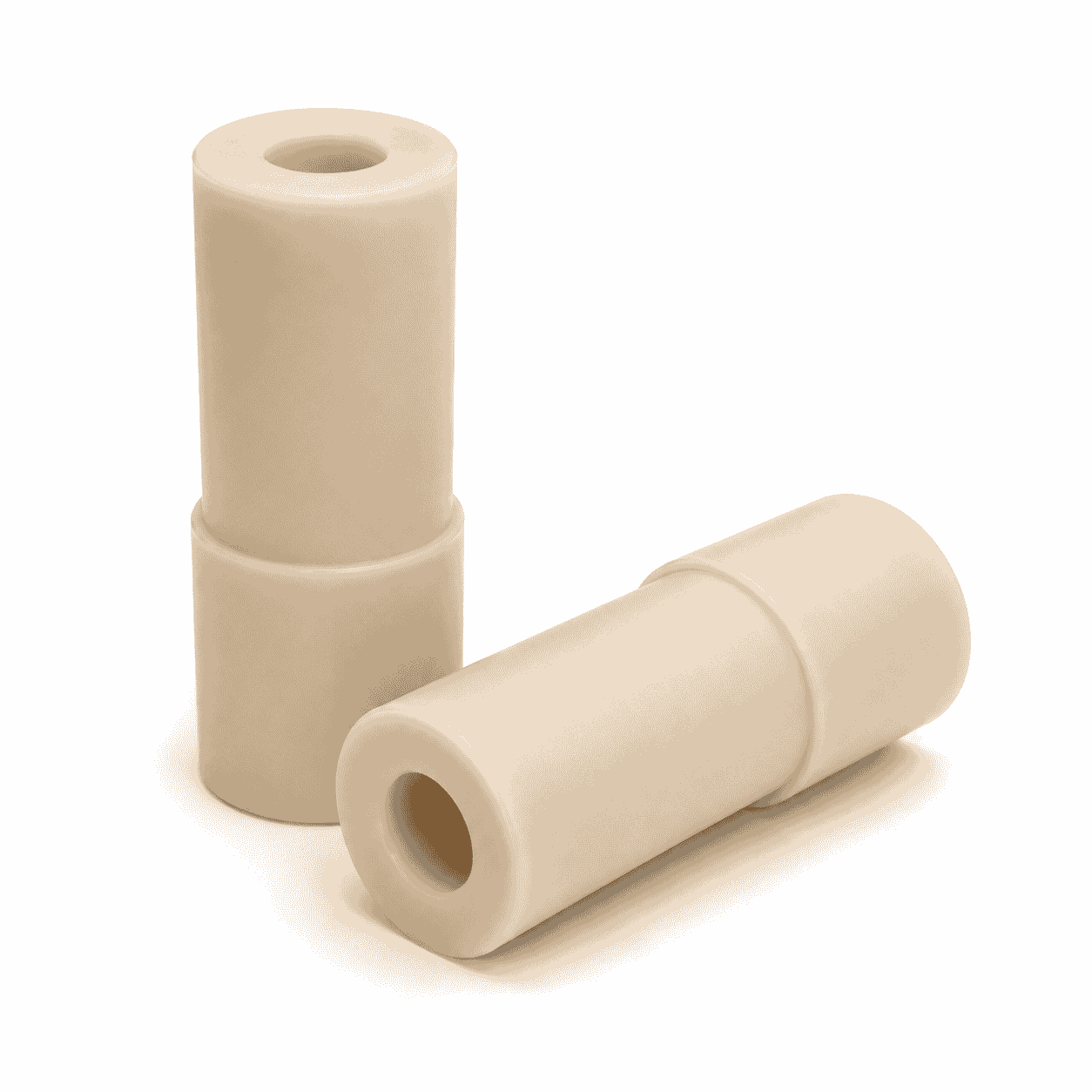
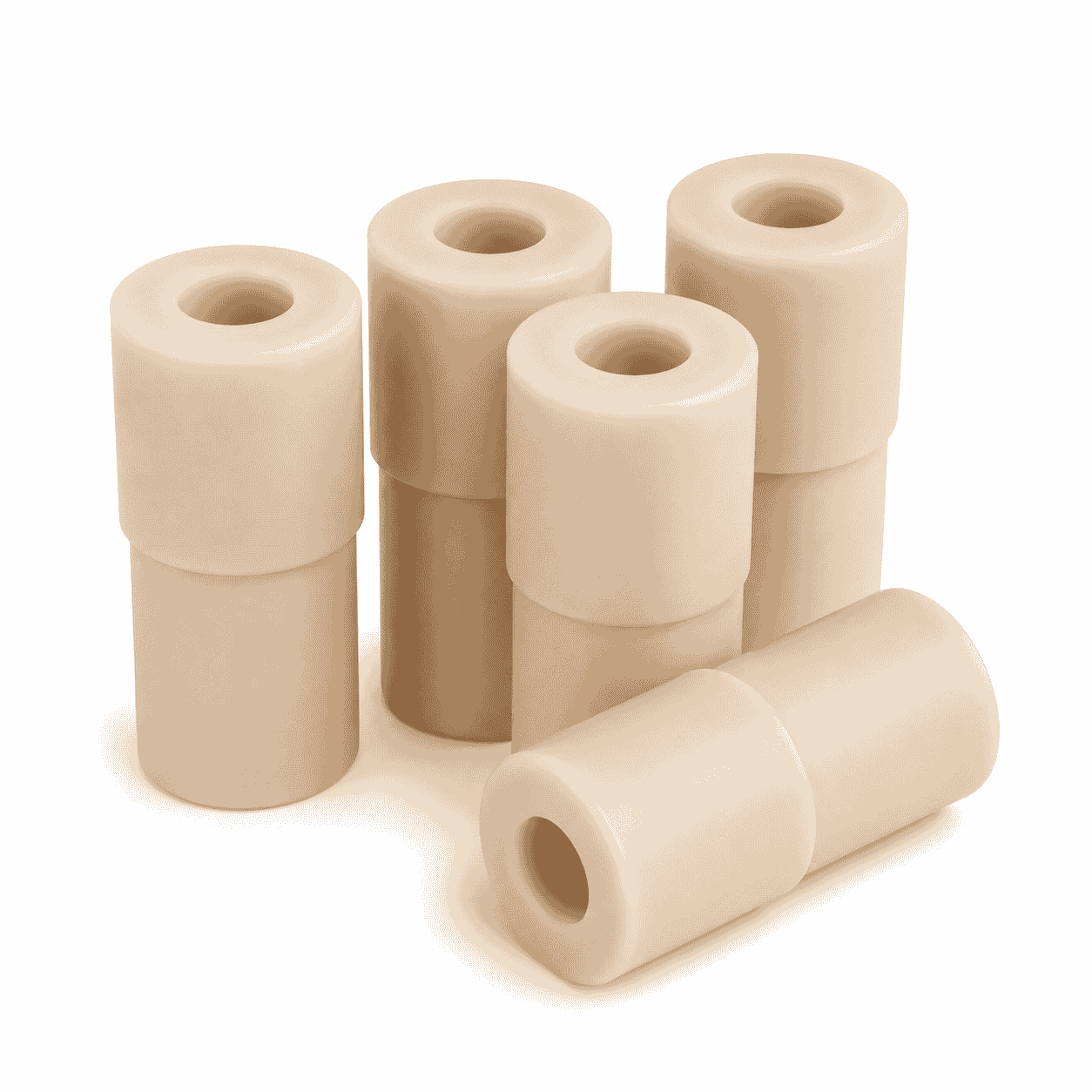
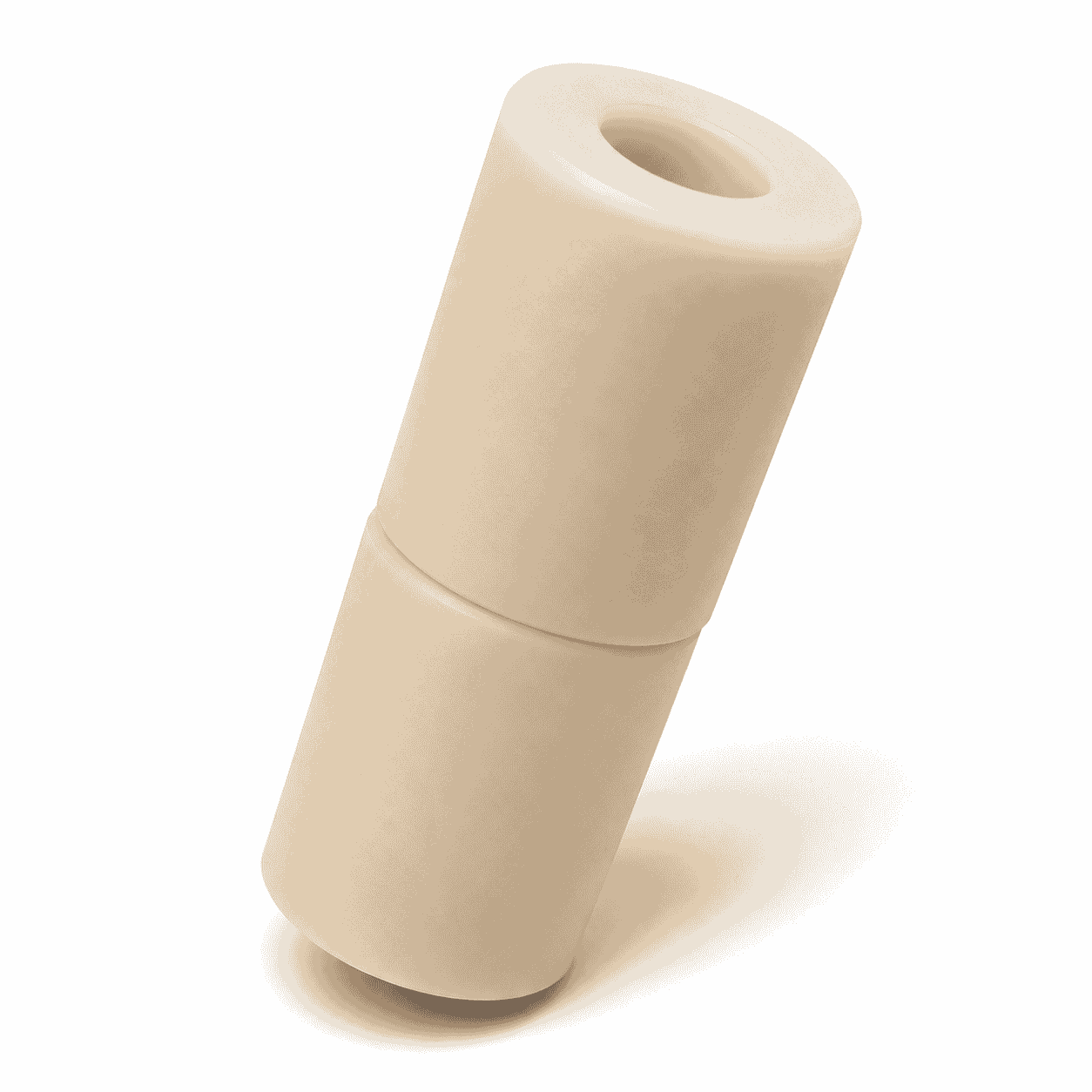
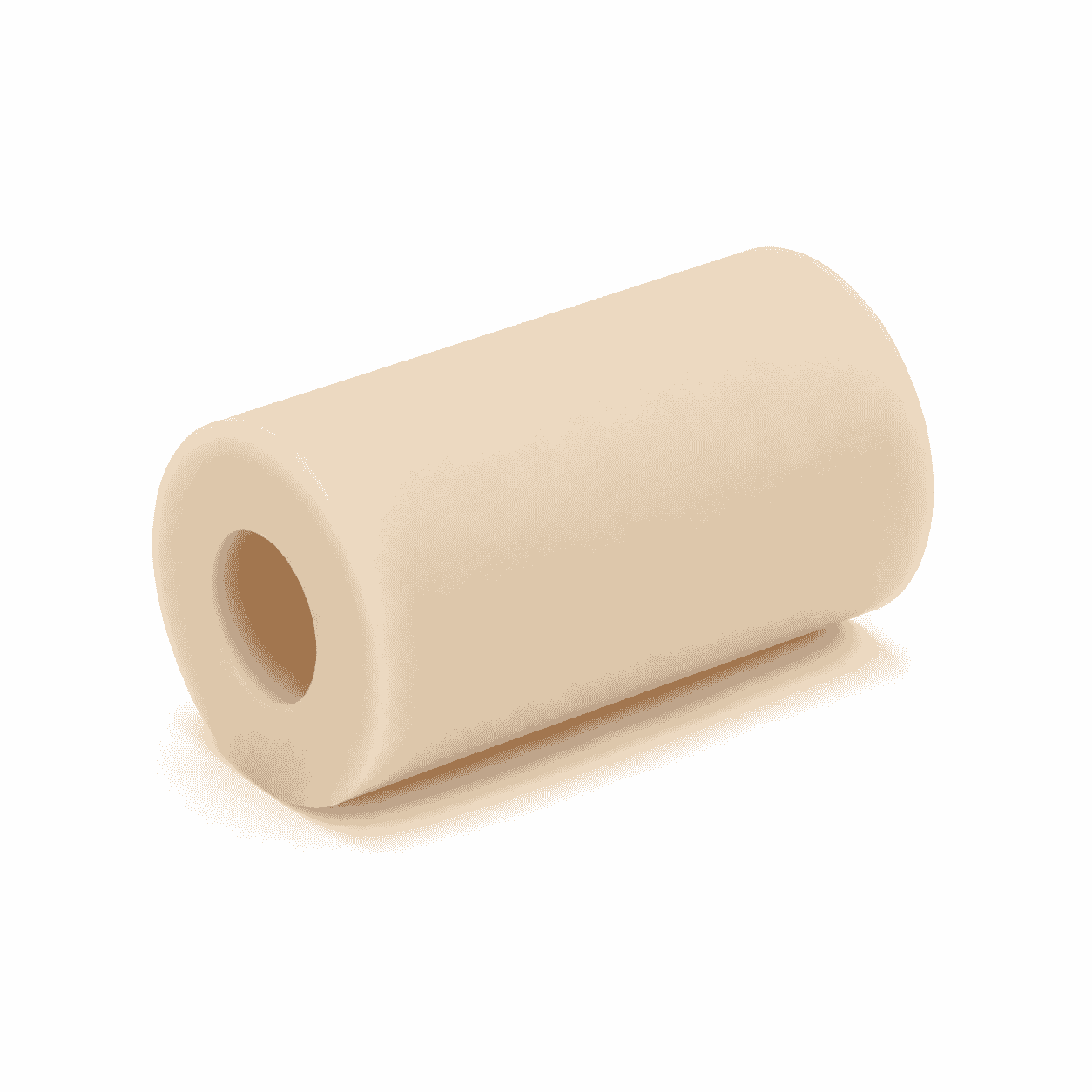
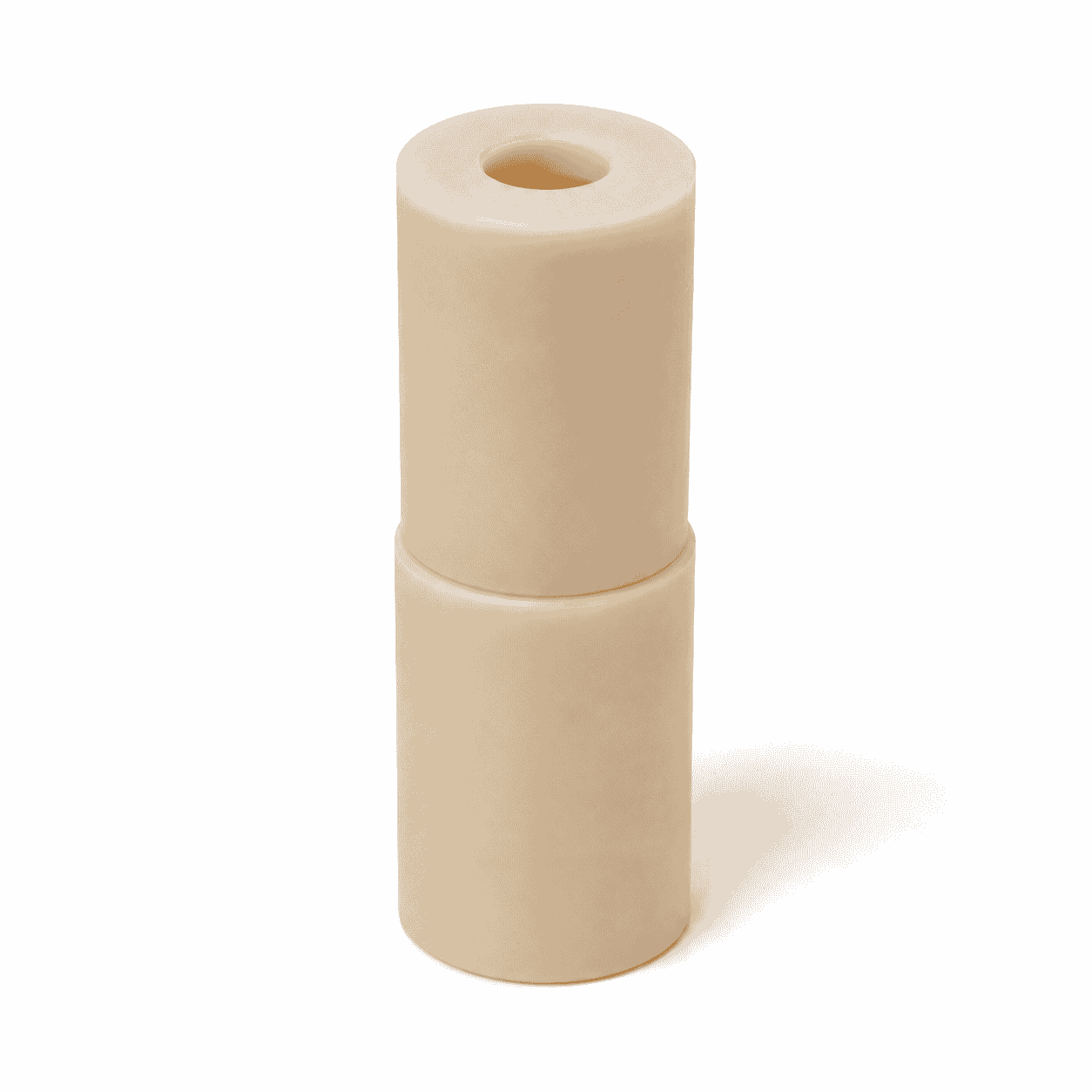
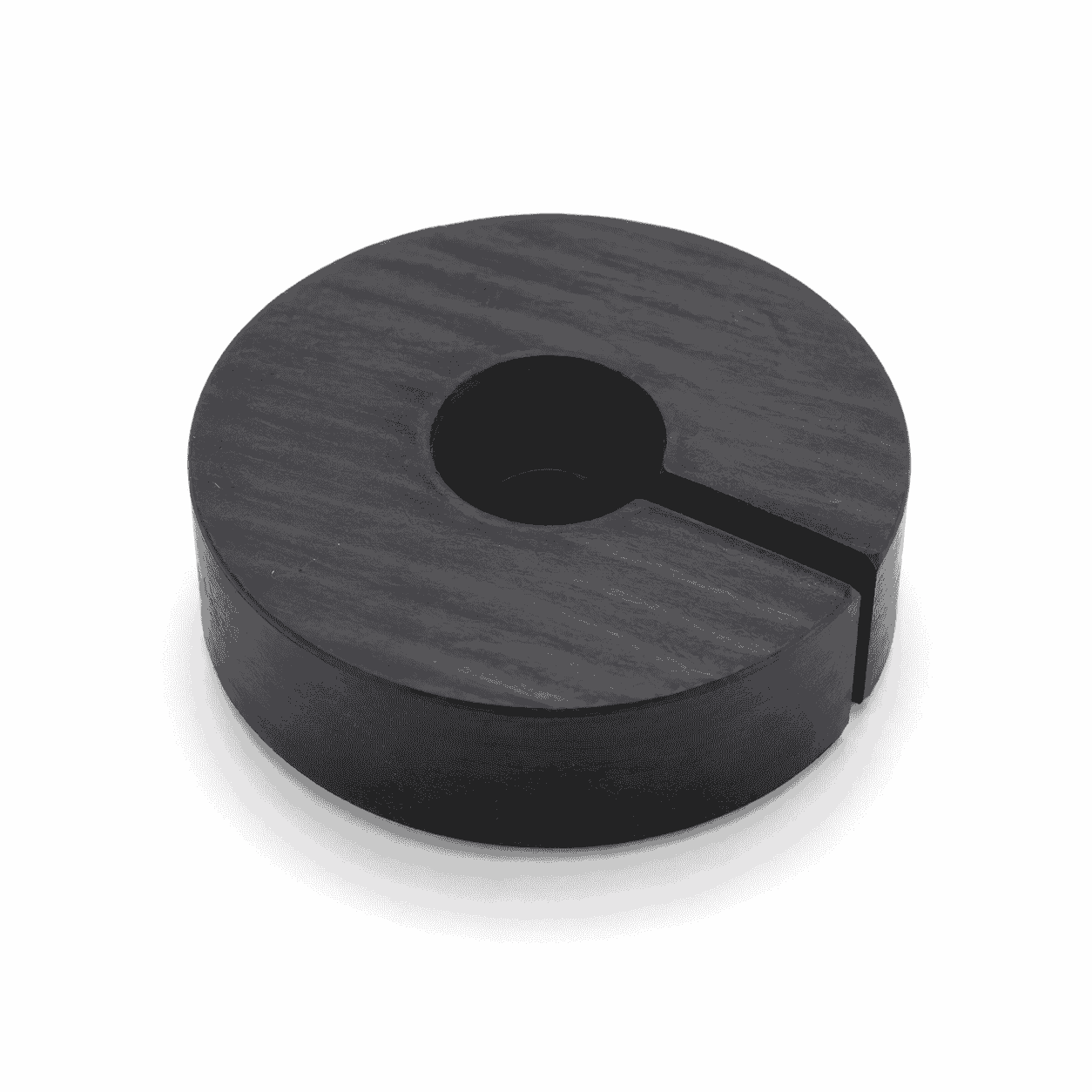
The CNC Machined Nylon Shaft Bushing is a cylindrical engineering plastic component used to support, guide, isolate or position a shaft, pin, roller or other moving mechanical part. The products shown in the image have natural-colored nylon bodies, precision-machined center bores and straight or stepped outer profiles.
Depending on the equipment structure, the component may function as a sleeve bearing, shaft guide, wear bushing, spacer sleeve, positioning sleeve or replaceable protective liner. The final function depends on the fit between the inner bore and shaft, the fit between the outside diameter and housing, the operating load and the type of relative movement.
The pictured batch includes several diameters and lengths, indicating that the bushings can be produced for different shafts, mounting holes and equipment assemblies. The image does not confirm a universal size, nylon grade, dimensional tolerance or load rating. Final specifications must follow the approved drawing, physical sample or verified installation dimensions.
How the CNC Machined Nylon Shaft Bushing Works
A shaft bushing is normally installed between a moving shaft or pin and a surrounding housing. It provides a replaceable contact surface and helps control the position of the shaft while allowing rotary, oscillating or limited linear movement.
In a rotary application, the shaft surface slides against the inner bore of the bushing. In a guide application, the bushing maintains shaft alignment and reduces direct contact between metal parts. It may also be used as a spacer to control the distance between two mechanical components.
A plain bearing is a bearing structure without rolling elements, and a sleeve bushing is one common form of a plain bearing. General information about this structure is available from the Wikipedia explanation of plain bearings.
The installation clearance is an important design parameter. Excessive clearance may cause vibration, impact, unstable positioning and uneven wear. Insufficient clearance may create excessive friction, heat generation or restricted shaft movement.
Material Options for Nylon Shaft Bushings
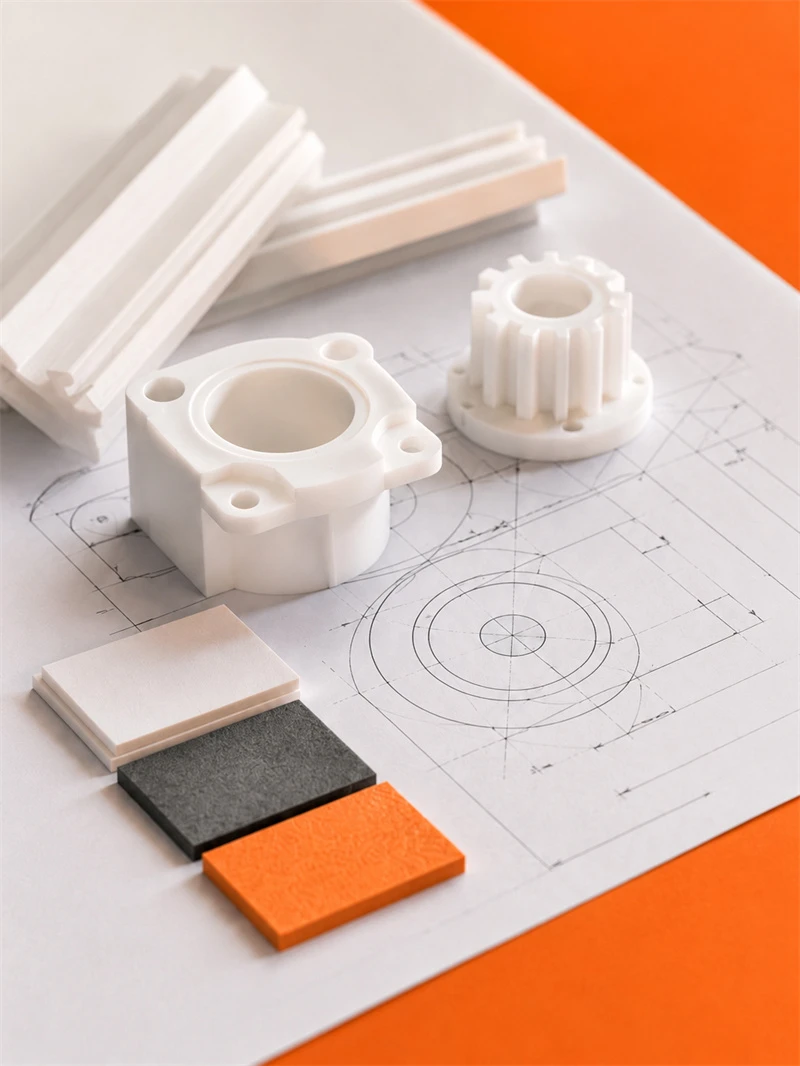
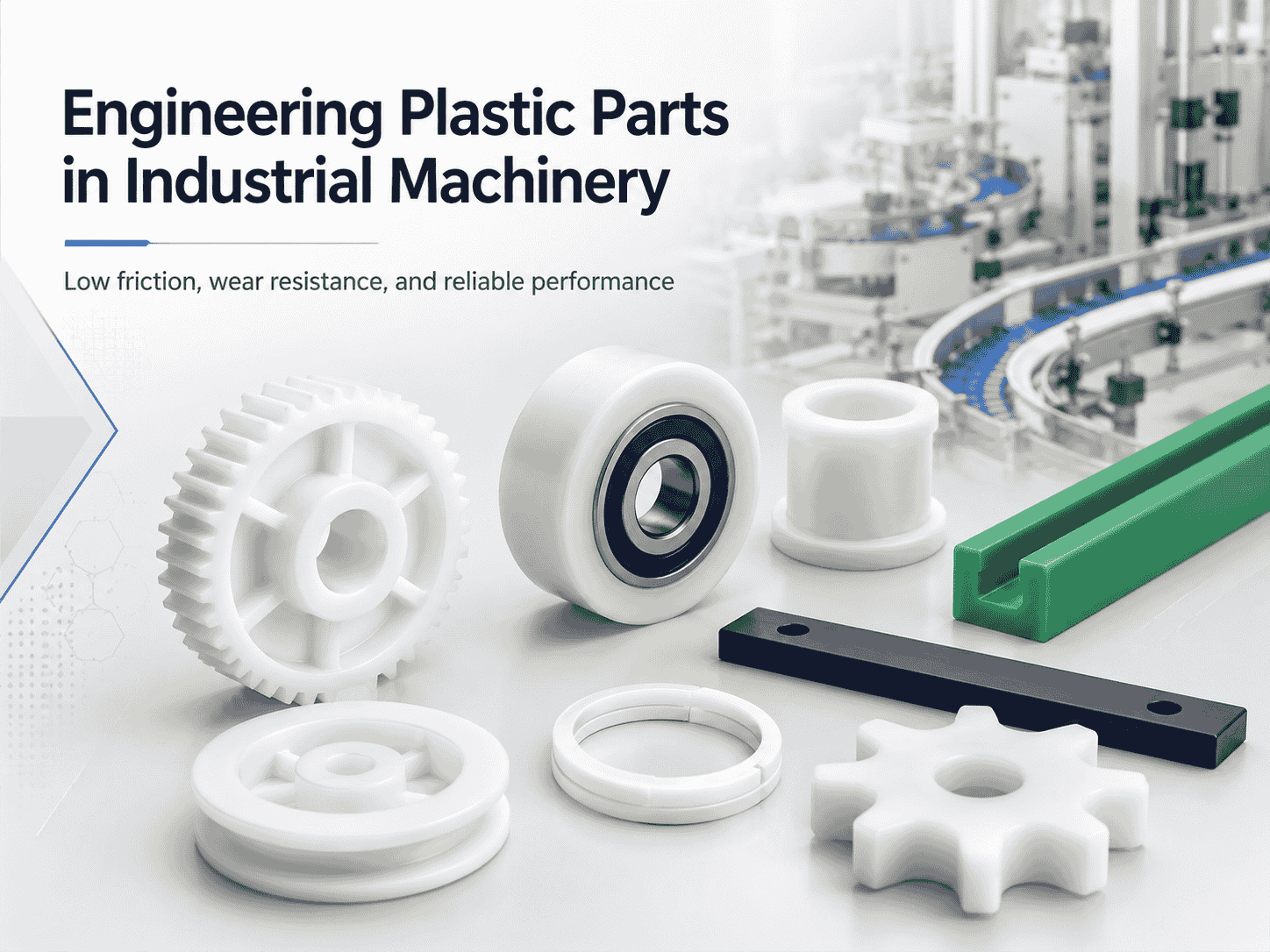
This product can be machined from Polyamide PA Nylon Rod. Available options may include PA6 nylon, cast MC nylon, PA66 nylon, oil-filled nylon, MoS₂-filled nylon and other modified polyamide grades.
Nylon is a family of synthetic polymers characterized by repeating amide linkages. Different nylon grades provide different combinations of strength, toughness, wear resistance, rigidity and machinability. General material information is available from the Wikipedia explanation of nylon.
PA6 can be considered for general-purpose mechanical bushings requiring balanced toughness and wear performance. Cast MC nylon may be suitable for larger-diameter or thicker-walled sleeves, while PA66 may be considered when greater rigidity and mechanical strength are required.
Oil-filled nylon and MoS₂-modified nylon may be evaluated for applications involving repeated sliding, oscillating motion or reduced external lubrication. The correct material should be selected according to load, movement speed, temperature, humidity, shaft material, lubrication conditions and required service life.
Natural or cream color does not independently identify the nylon grade. Products with a similar appearance may use different base materials or additives. Where a specific material is required, the grade should be confirmed through the raw-material specification rather than color alone.
7 Proven Benefits of the CNC Machined Nylon Shaft Bushing
- Reduced metal-to-metal contact: the nylon sleeve provides a replaceable contact surface between the shaft and housing.
- Good wear performance: suitable nylon grades can withstand repeated rotary, oscillating and sliding contact under approved conditions.
- Lower operating noise: nylon can reduce impact and friction noise compared with selected metal contact arrangements.
- Corrosion-free body: nylon does not rust when exposed to humid air, water or routine equipment cleaning.
- Lower component weight: nylon bushings are generally lighter than equivalent solid metal sleeves.
- Flexible machining: the bore, outside diameter, steps, shoulders, grooves and holes can be produced according to drawings.
- Replaceable wear component: a worn bushing can often be replaced without replacing the complete shaft or housing.
Straight and Stepped Bushing Structures
A straight sleeve bushing has a consistent outside diameter and is usually installed inside a cylindrical housing. A stepped bushing includes one or more diameter changes that can provide axial positioning, installation depth control or engagement with different sections of the housing.
Available structural options include:
- Straight cylindrical sleeve bushing
- Stepped outside-diameter bushing
- Stepped inner-bore bushing
- Shouldered positioning sleeve
- Flanged nylon bushing
- Thin-wall wear sleeve
- Thick-wall support bushing
- Split bushing structure
- Lubrication grooves inside the bore
- Radial lubrication or positioning holes
A flange or positioning shoulder can help control the axial position of the bushing and prevent it from moving completely through the housing. A stepped bore may be used to accommodate different shaft diameters, retain a spacer or provide installation clearance.
Typical Applications
The CNC Machined Nylon Shaft Bushing can be used in machinery requiring shaft guidance, wear isolation, spacing or low-noise movement. Typical applications may include:
- Conveyor rollers and guide mechanisms
- Packaging and filling machinery
- Automation equipment
- Agricultural machinery
- Textile and printing equipment
- Material-handling systems
- Door and movable-panel mechanisms
- Industrial hinges and pivot points
- Roller shafts and support pins
- Construction machinery auxiliary mechanisms
- Mining and conveying equipment
- Mechanical maintenance replacement parts
The same cylindrical component may be used as a spacer rather than a rotating bearing. The actual purpose must therefore be confirmed from the equipment assembly rather than determined only from its appearance.
Fit and Clearance Considerations
The inner bore controls the fit with the shaft or pin. A rotating shaft normally requires sufficient operating clearance to avoid binding, while a stationary pin or press-fit installation may require a different tolerance arrangement.
The outside diameter controls how the bushing fits into the equipment housing. It may use a clearance fit, transition fit, interference fit, adhesive retention or mechanical retaining structure depending on the design.
Nylon can absorb moisture and may change dimensions in humid or water-contact environments. Moisture exposure, operating temperature and thermal expansion should therefore be considered when specifying precision shaft clearances.
Because engineering plastics can deform under long-term load, wall thickness, contact pressure and unsupported length should also be reviewed. A thin-walled bushing should not be forced into an incorrectly sized housing without considering the resulting bore contraction.
CNC Machining Capabilities
Through our CNC Plastic Machining service, the CNC Machined Nylon Shaft Bushing can be produced by turning, boring, drilling, milling, grooving, tapping, cutting, chamfering and deburring.
Available machining details include:
- Outside diameter and overall length
- Inner bore diameter
- Wall thickness
- Straight or stepped outer diameter
- Straight or stepped inner bore
- Flanges and positioning shoulders
- Internal and external grooves
- Radial or axial holes
- Threaded holes
- Keyways and locating slots
- Chamfers and rounded transitions
- Surface-finish requirements
Products can be manufactured according to technical drawings, physical samples or verified installation dimensions. For replacement parts, providing the original shaft diameter, housing bore, movement type and operating environment helps reduce the risk of incorrect fit.
Production and Quality Inspection
For batch production, first-piece inspection should be completed before continuous machining. Important dimensions include the inside diameter, outside diameter, overall length, step position, shoulder width, wall thickness, concentricity and end-face perpendicularity.
The inner bore should be checked for burrs, sharp edges and excessive machining marks. Bore edges can be chamfered to simplify shaft installation and reduce the risk of scraping the mating surface.
During production, dimensional sampling helps control variation caused by tool wear, material temperature and internal material stress. Parts with different sizes or drawing numbers should be separated to avoid mixing during equipment assembly.
Where the finished tolerance is particularly important, the components may require sufficient conditioning or stress-relief time before final machining and inspection.
Operating and Maintenance Considerations
The bushing should be inspected periodically for bore wear, cracking, deformation, looseness, abnormal noise and restricted shaft movement. Excessive wear may increase shaft clearance and reduce positioning accuracy.
Lubrication requirements depend on the nylon grade, load, speed and shaft surface. Ordinary nylon should not automatically be described as permanently maintenance-free. External lubrication or a modified bearing-grade nylon may still be required for demanding operating conditions.
The shaft surface should be kept smooth and free from sharp damage. A rough, corroded or contaminated shaft may accelerate wear even when the bushing material is correctly selected.
Information Required Before Production
To manufacture the CNC Machined Nylon Shaft Bushing accurately, please provide the inside diameter, outside diameter, overall length, step dimensions, material grade, fitting tolerance and required quantity.
Please also provide the shaft material, housing material, movement type, rotation or sliding speed, radial load, working temperature, humidity, lubrication method and expected service life where available.
The image is provided as an appearance and batch-production reference only. It does not confirm a universal standard size, nylon grade, fit tolerance or load capacity. Final material, dimensions and application suitability must follow the approved drawing, physical sample and actual operating conditions.