CNC Machined Nylon Turnover Roller Shaft

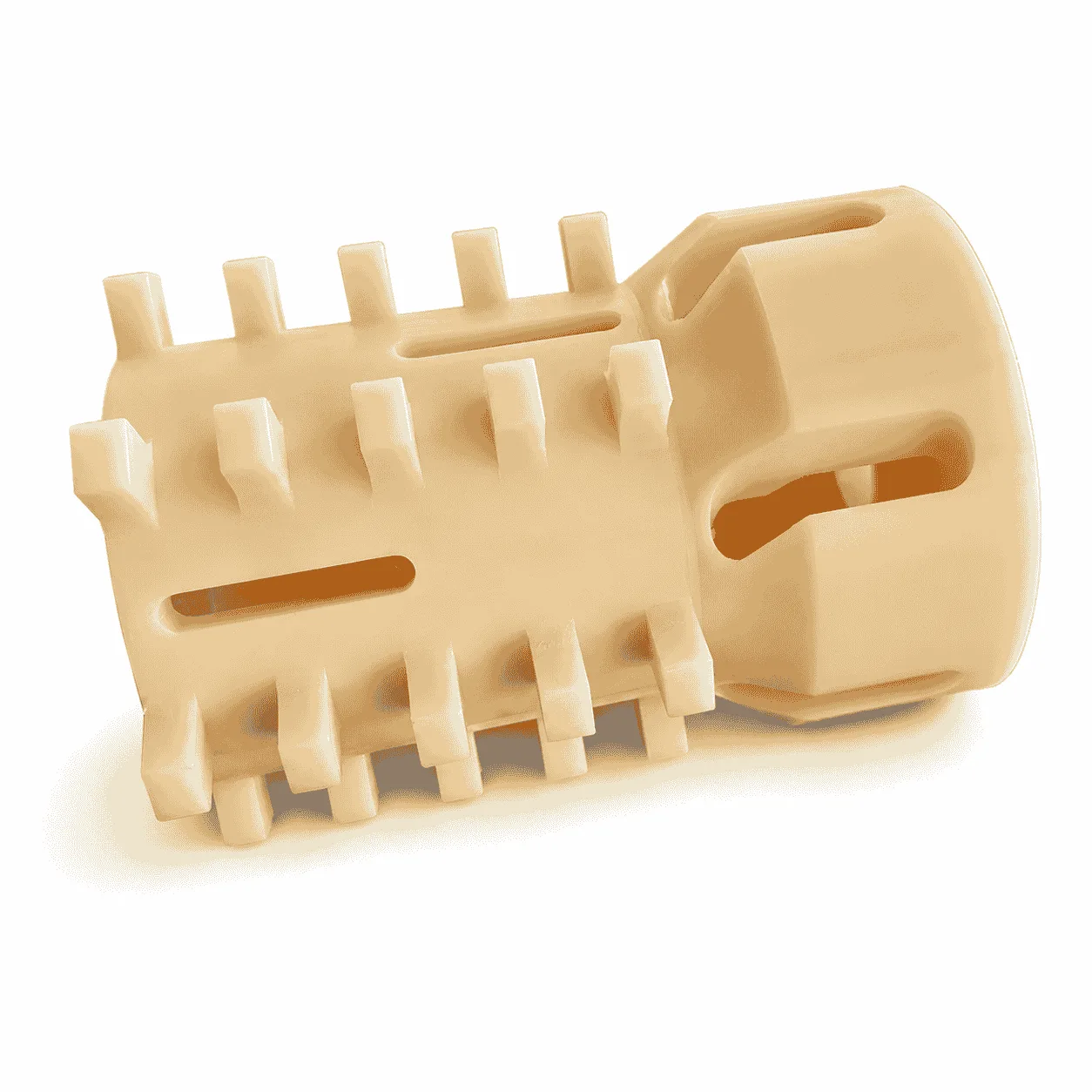
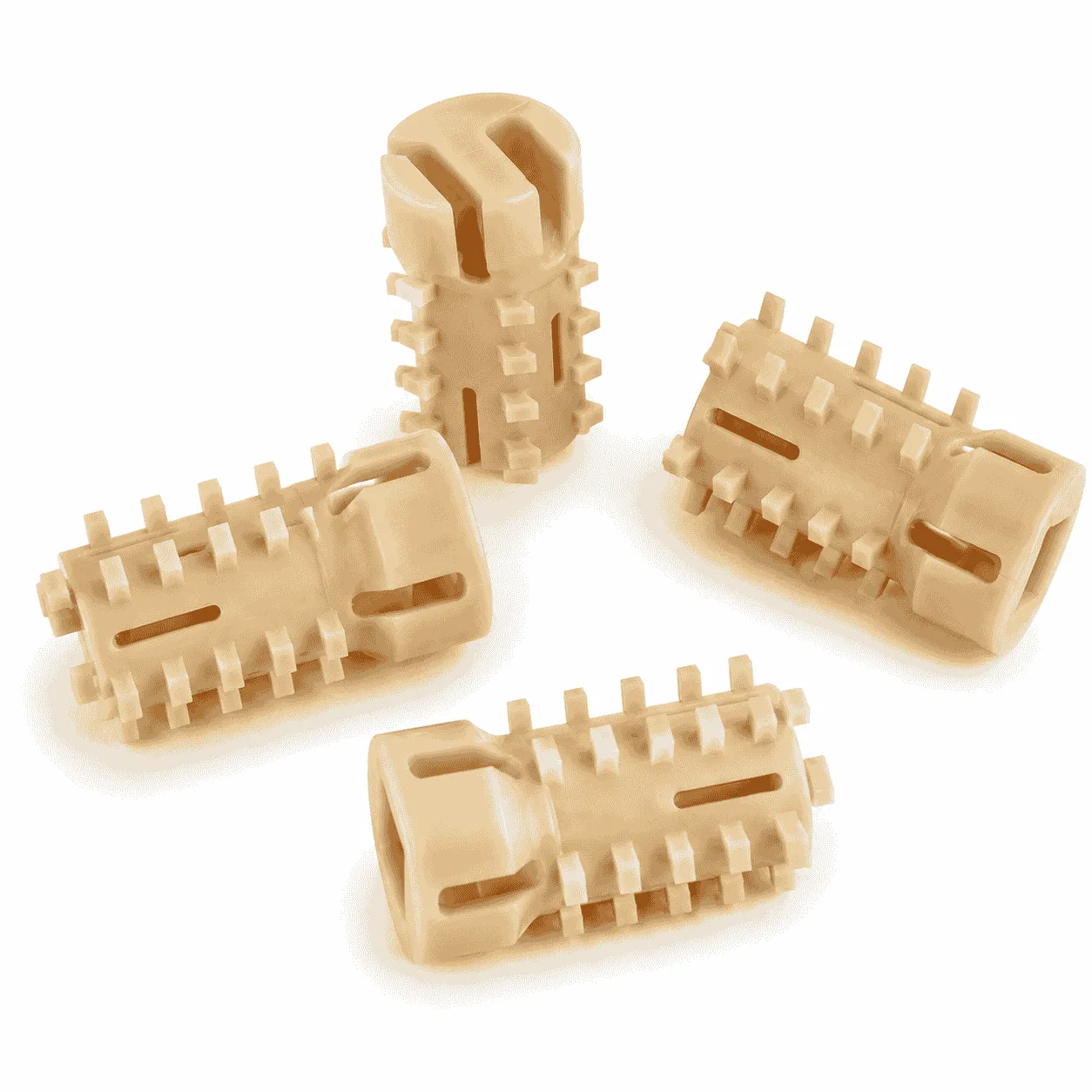
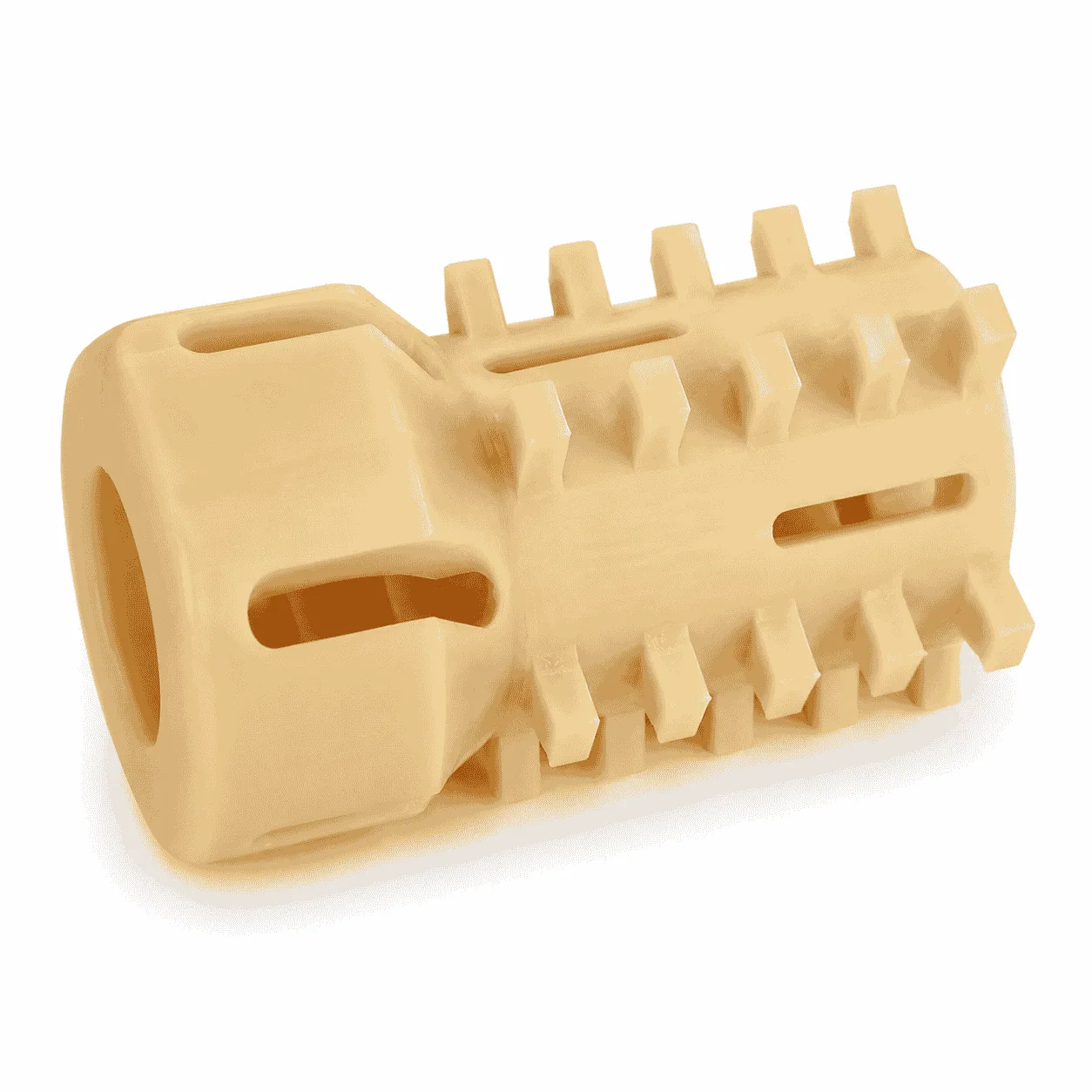
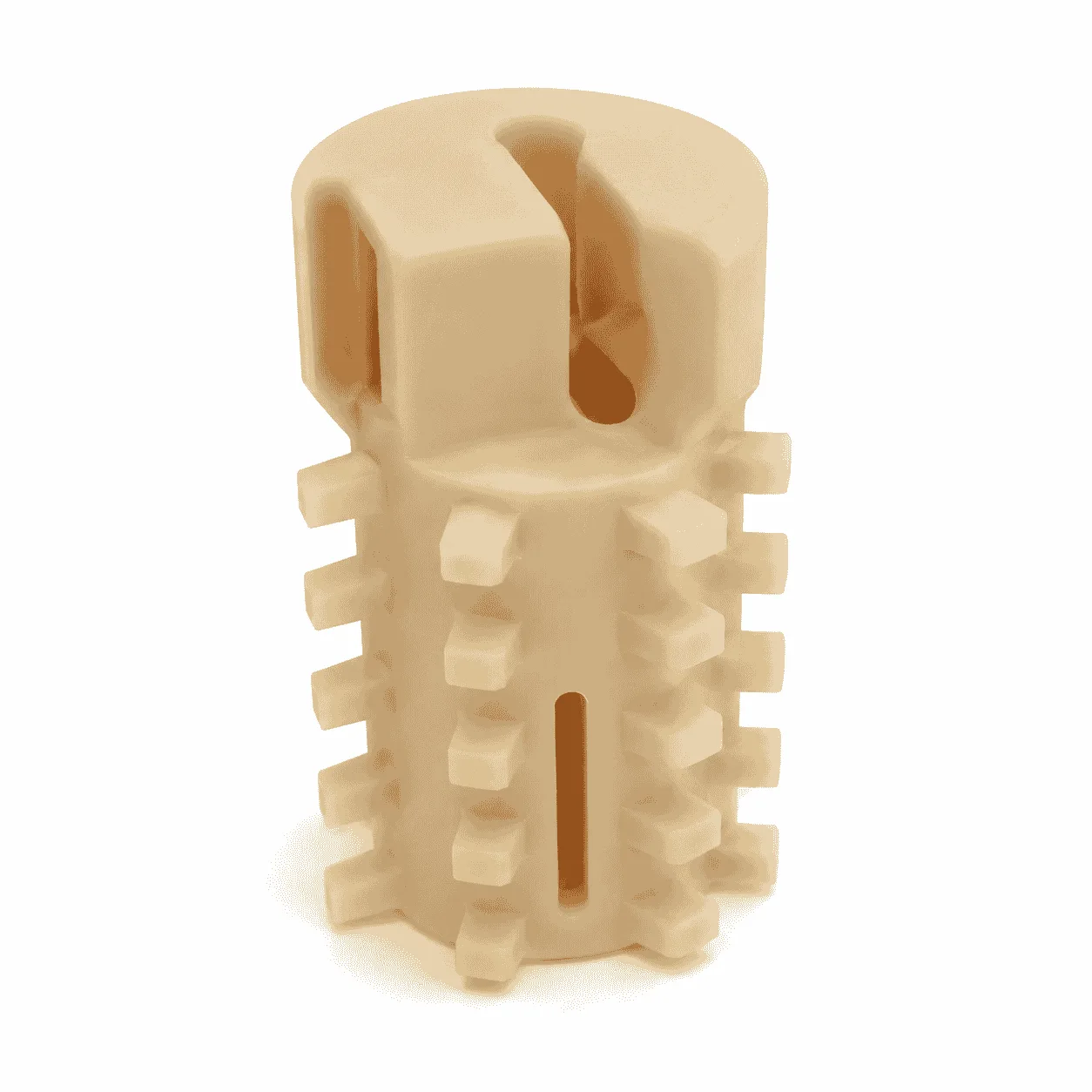
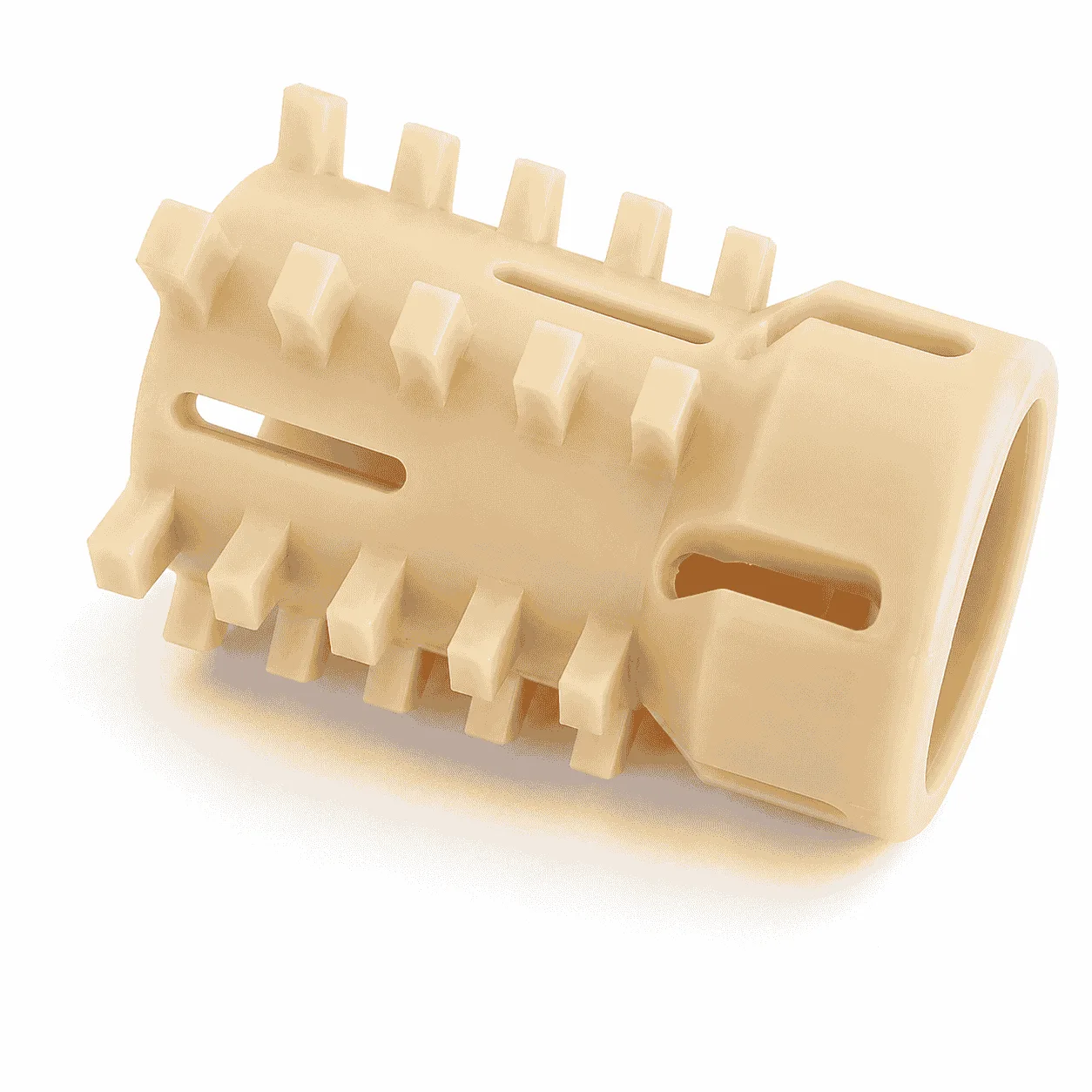
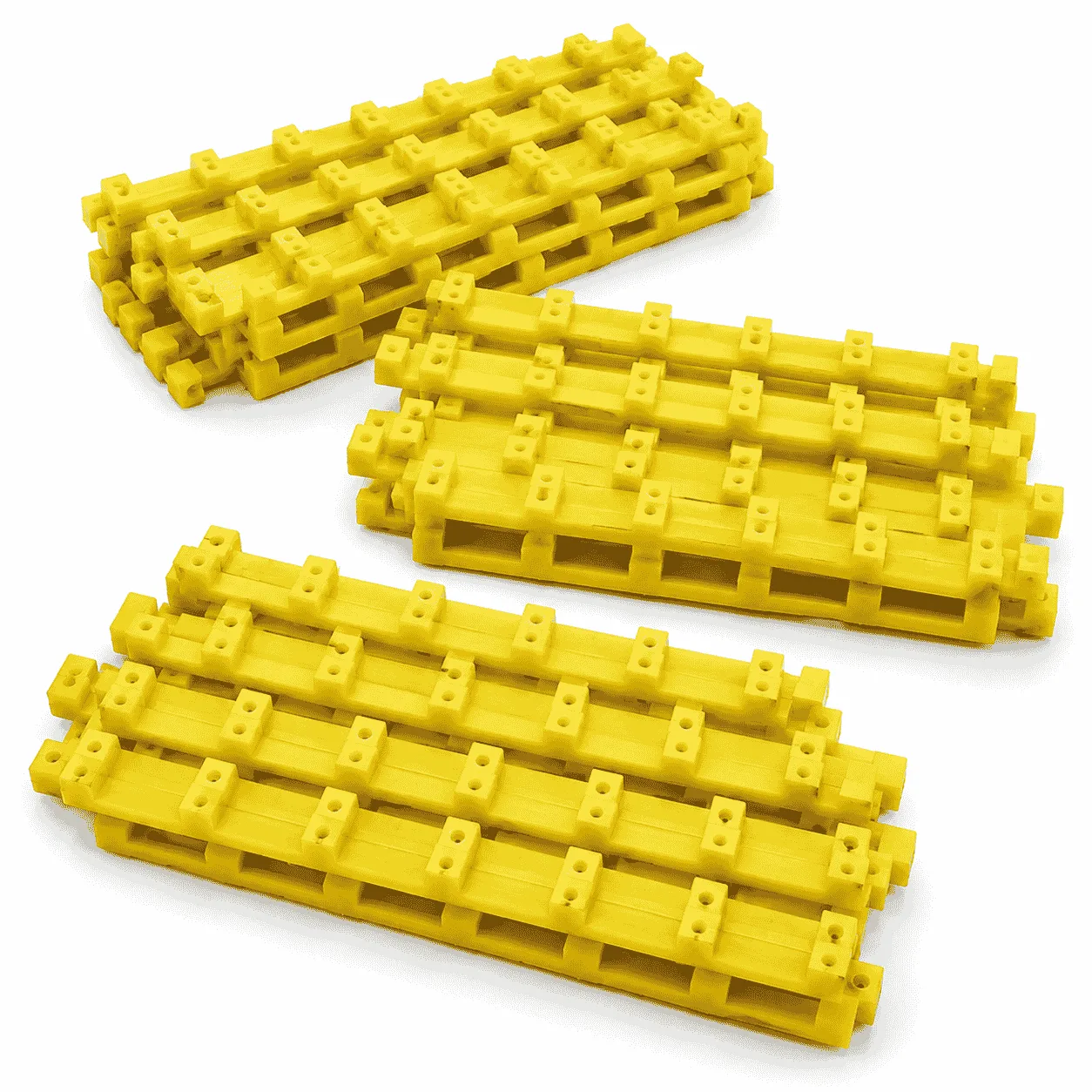
Nylon Turnover Roller Shaft is a custom CNC-machined component featuring staggered raised lugs, elongated slots and irregular curved profiles. It can be used to turn, separate, push, guide or redistribute materials in conveying and automated handling equipment.

Available in MC nylon, PA6, PA66 and modified wear-resistant nylon, with custom dimensions, lug arrangements, shaft holes, slots and connection structures manufactured according to drawings or physical samples.

category Brand:
Share :

Description

Product Description

Nylon Turnover Roller Shaft for Material Handling Equipment

Nylon Turnover Roller Shaft is a custom CNC-machined engineering plastic component used in conveying, sorting, processing and automated material-handling equipment. Its profiled body, staggered raised lugs, elongated slots and curved end structure can help turn, separate, push, guide or agitate products during equipment operation.

The component shown is manufactured as a one-piece irregular nylon roller. Multiple raised lugs are arranged around the main body to create controlled contact with the conveyed material. The elongated slots and stepped curved surfaces can be used for installation, positioning, weight reduction, movement clearance or matching with adjacent equipment structures.

Because each machine uses a different drive, mounting and contact structure, the final function, dimensions, material grade and machining tolerance of the Nylon Turnover Roller Shaft should be confirmed according to the equipment drawing, physical sample and actual operating conditions.

Structural Features of the Nylon Turnover Roller Shaft

This Nylon Turnover Roller Shaft is different from a conventional smooth cylindrical roller. Its irregular outer profile is designed to perform specific mechanical movements during rotation.

Typical structural features may include:

  • One-piece CNC-machined nylon body
  • Multiple staggered turning or pushing lugs
  • Longitudinal and transverse raised profiles
  • Elongated installation or adjustment slots
  • Stepped and curved end structures
  • Machined locating and clearance surfaces
  • Chamfered edges to reduce sharp contact
  • Custom shaft holes, keyways or connection structures

The number, height, spacing and angle of the raised lugs can be adjusted according to the size, shape and movement requirements of the material being processed.

Main Functions of a Nylon Turnover Roller Shaft

Depending on the equipment design, the Nylon Turnover Roller Shaft may perform one or several mechanical functions.

Material Turning

As the roller rotates, the raised lugs contact the material at different positions. This movement can help turn or reposition products so that different surfaces face upward during inspection, cleaning, processing or packaging.

Material Separation

The staggered lug structure can create controlled spacing between adjacent products. This helps reduce product accumulation and allows materials to enter the next processing station more evenly.

Guiding and Positioning

The curved surfaces and profiled sections can guide products along a predetermined path. They may also help maintain product direction and reduce uncontrolled lateral movement.

Controlled Pushing

During rotation, the raised parts can push products forward at intervals. This function may be useful where continuous conveyor movement must be converted into controlled or intermittent material movement.

Agitation and Mixing

In selected processing equipment, the protruding structures can gently disturb or redistribute materials, helping prevent stacking, bridging or uneven accumulation.

Surface Protection

Compared with exposed steel parts, the nylon contact surface is less likely to scratch, dent or damage many processed products, painted components and plastic containers.

Why Use Nylon for Turnover Roller Shafts?

Nylon is a family of engineering polyamide materials. It can be processed into complex mechanical components and provides a practical combination of mechanical strength, toughness, wear resistance and machinability.

More nylon material options are available from our Polyamide PA Nylon Sheet category.

Good Wear Resistance

The raised lugs and working surfaces may repeatedly contact products or adjacent machine components. Engineering nylon provides good wear resistance in many moderate-speed industrial applications.

Reduced Product Damage

Nylon is softer than steel and can provide a less aggressive contact surface. This helps reduce scratching, marking and hard impact when turning or conveying suitable products.

Impact Toughness

The material can absorb part of the impact generated when products contact the raised lugs. This helps reduce brittle failure and sudden damage under suitable working loads.

Lower Operating Noise

Replacing certain metal contact components with a Nylon Turnover Roller Shaft can reduce hard collision, vibration transmission and operating noise.

Lower Component Weight

Nylon is lighter than most metals. A lightweight turnover roller can reduce handling difficulty and may decrease the rotational inertia applied to the equipment drive system.

Corrosion Resistance

Nylon does not rust and can be used in many general industrial environments involving humidity, lubricating oil and routine equipment cleaning. Chemical compatibility should still be checked for strong acids, strong alkalis or special solvents.

Complex CNC Machining

Raised lugs, slots, steps, curved surfaces, shaft holes and irregular profiles can be manufactured through computer numerical control machining.

Available Nylon Material Options

The appropriate nylon grade should be selected according to load, rotational speed, impact frequency, working temperature, humidity, lubrication and dimensional tolerance.

  • MC Nylon: Suitable for large and complex machined rollers requiring good strength and wear resistance.
  • PA6 Nylon: A practical option for general industrial turning, guiding and conveying components.
  • PA66 Nylon: Provides higher rigidity and heat resistance for selected applications.
  • Oil-Filled Nylon: Suitable where improved sliding performance and reduced friction are required.
  • Molybdenum Disulfide Nylon: Offers improved hardness, wear performance and dimensional stability in suitable conditions.
  • High Wear-Resistant Nylon: Used where the raised working surfaces experience frequent contact or abrasion.

The beige appearance shown in the image does not by itself confirm whether the component is MC nylon, PA6, PA66 or another modified nylon grade. Material identification should be based on production records or customer specifications.

Problems Solved by Nylon Turnover Roller Shafts

Traditional metal turnover components may cause product scratching, high impact noise, corrosion, excessive weight and rapid wear of mating components. A properly designed Nylon Turnover Roller Shaft can help solve these problems.

  • Reduces hard metal contact with processed products
  • Helps turn or reposition materials during conveying
  • Creates more consistent spacing between products
  • Reduces scratching and surface marking
  • Helps lower vibration and operating noise
  • Reduces the weight of rotating equipment components
  • Provides a replaceable wear component for equipment maintenance
  • Allows complex functional profiles to be produced in one component
  • Reduces corrosion problems associated with exposed steel components

Typical Applications

Nylon Turnover Roller Shaft components can be used in different types of conveyor systems and industrial machinery.

Possible applications include:

  • Product turning and repositioning equipment
  • Automated conveyor production lines
  • Sorting and grading machines
  • Cleaning and washing equipment
  • Packaging and inspection machines
  • Fruit and vegetable processing equipment
  • Container and component conveying systems
  • Material separation and feeding equipment
  • Automation and robotic handling systems
  • Special-purpose industrial machinery

These are possible application categories rather than a confirmed use of the photographed component. The exact installation position and function must be determined from the complete equipment assembly.

Custom CNC Machining Capabilities

Our CNC Plastic Machining service supports prototype and batch production of Nylon Turnover Roller Shaft components according to drawings, physical samples and equipment requirements.

Available machining operations include:

  • CNC milling of irregular outer profiles
  • CNC turning of cylindrical and stepped sections
  • Machining of staggered raised lugs
  • Long-slot and clearance-slot machining
  • Drilling, boring and shaft-hole machining
  • Keyway and locating-groove machining
  • Chamfering and rounded-edge finishing
  • Threaded-hole and insert installation
  • Part numbering and batch identification
  • Sample reproduction and repeat batch production

Information Required Before Production

To manufacture the Nylon Turnover Roller Shaft correctly, the following information should be confirmed before production:

  • Overall length and maximum diameter
  • Main body dimensions and wall thickness
  • Quantity and arrangement of raised lugs
  • Lug height, width, spacing and angle
  • Slot length, width, depth and position
  • Central shaft-hole diameter
  • Keyway or drive-connection dimensions
  • Installation direction and rotation direction
  • Rotational speed and operating frequency
  • Material size, weight and surface condition
  • Working load and impact requirements
  • Operating temperature and humidity
  • Required material grade and color
  • Critical dimensional tolerances

Machining and Quality Inspection

A complex Nylon Turnover Roller Shaft contains multiple thin lugs, deep slots and uneven material sections. The machining sequence must therefore be arranged carefully to reduce deformation, local stress and dimensional deviation.

During production, the main body diameter, overall length, lug spacing, lug height, slot position, shaft-hole size, concentricity and connection surfaces should be inspected.

The edges of the raised lugs should be deburred and finished according to the product-contact requirements. Excessively sharp edges may damage conveyed products, while excessive rounding may affect turning and pushing performance.

For repeat batch production, consistent machining references, inspection fixtures and part-number management can help maintain interchangeability and reduce installation problems.

Important Design Considerations

Nylon can absorb moisture from the surrounding environment. Moisture absorption may affect the dimensions, rigidity and mechanical properties of the finished component. Installation clearance should therefore be determined according to the roller size, nylon grade, humidity and required operating accuracy.

For continuously rotating components, the rotational balance, shaft connection, load distribution and raised-lug arrangement should also be checked. An uneven profile may create vibration when operating at an unsuitable speed.

Applications involving high temperature, high rotational speed, severe impact or very tight dimensional tolerances require a separate material and structural evaluation before production.

Product Summary

The Nylon Turnover Roller Shaft is a complex CNC-machined component designed to turn, guide, separate, push or redistribute materials in industrial equipment. Its staggered raised lugs, elongated slots and irregular curved profile can be manufactured according to the required movement path and equipment structure.

With suitable material selection and machining control, the component can help reduce product scratching, equipment noise, component weight and direct metal contact while providing reliable operation in conveyor and automated handling systems.

Quality Control

Quality Control and Delivery Standards

Drawing & Material Check

Check drawings for full specifications and confirm materials according to service conditions to prevent product defects.

Machining Quality Control

Inspect all key processing steps and fully verify dimensions, holes, grooves and fitting surfaces.

Finishing & Batch Control

Deburr, chamfer and clean products for easy installation. Ensure uniform quality among batch products.

Packaging & Delivery

Choose appropriate packaging solutions based on product features to protect goods from collision, deformation and mixing during transit.

Processing Quality Control of Engineering Plastics Parts

Unlike metal parts, engineering plastic components still require strict control over dimensions, holes, edges, surface, materials and assembly performance for equipment use.

application

Applications for Engineering Plastic Parts

Engineering plastic parts suit friction, guide, support, buffer, anti-corrosion and insulation areas. We supply UHMWPE, POM, PA, PP/PE components for conveyor, food, mining, machinery, chemical and cable systems, with custom OEM service available.

Our Blog

Latest News & Knowledge

Stay updated with our latest industry insights, company updates and featured articles.

We Love to Hear From You

Need UHMWPE sheets & custom plastic machined/OEM parts?Send specs & material needs, free quote within 24h.