CNC Machined Plastic Trench Drain Cover

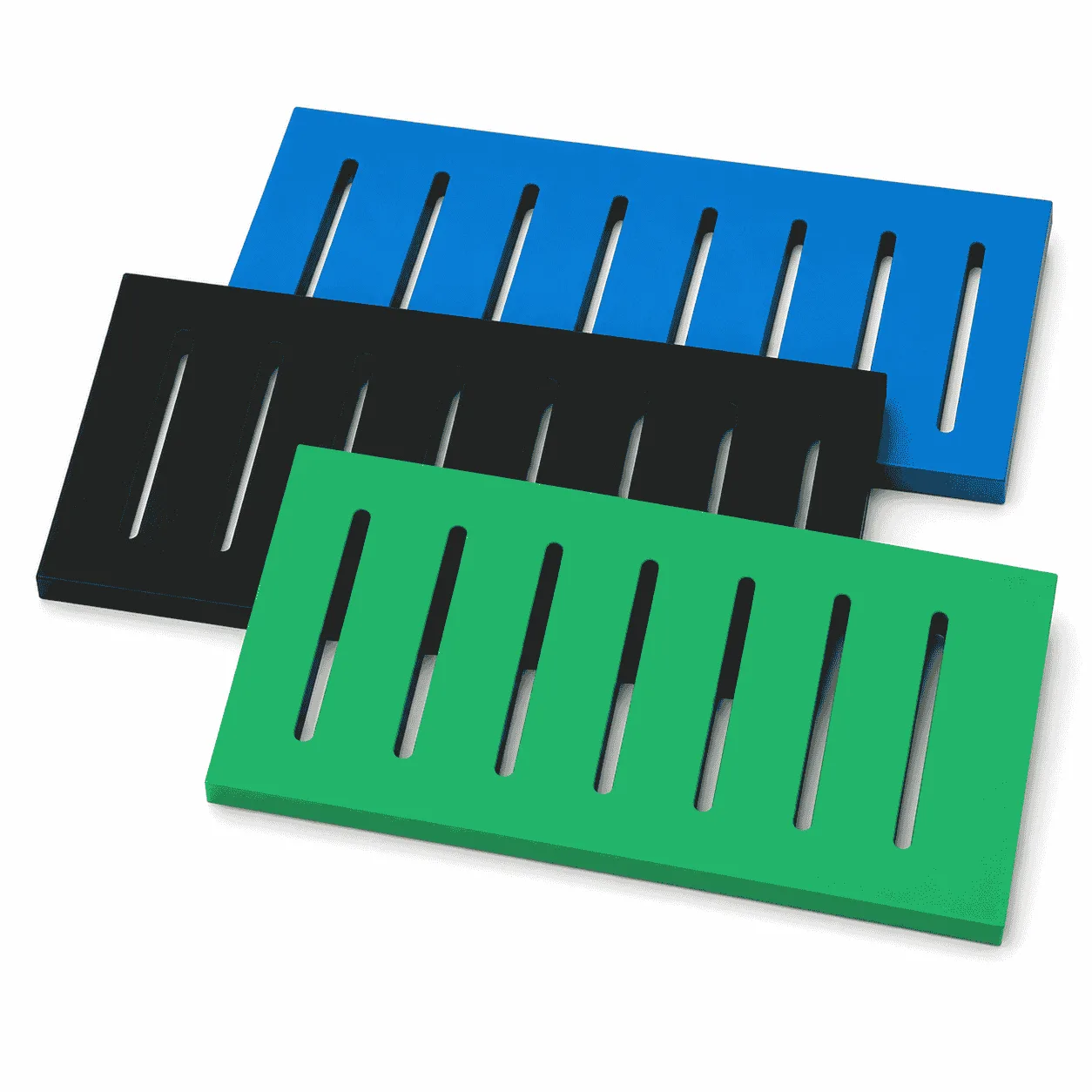
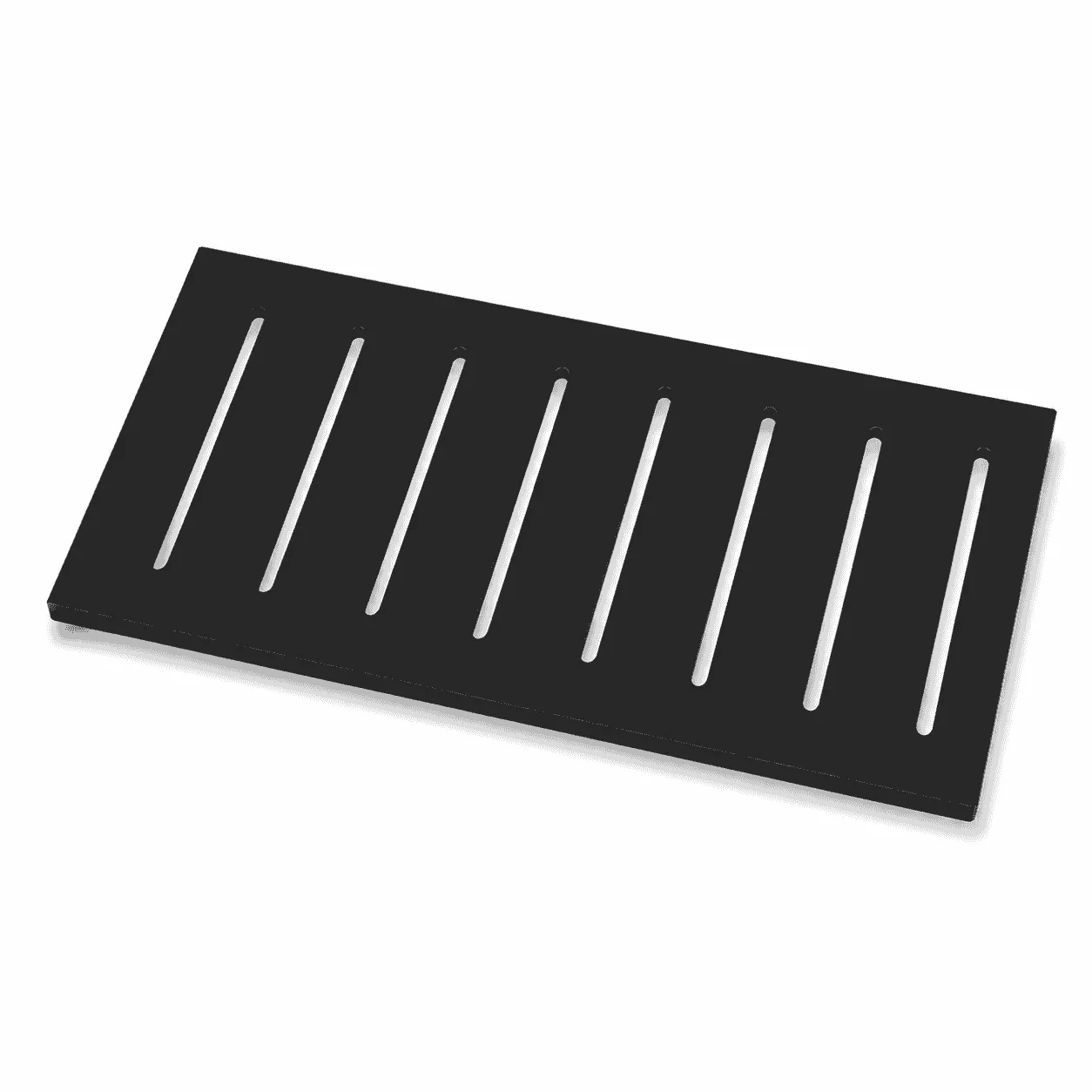
CNC Machined Plastic Trench Drain Cover is a custom slotted engineering plastic panel used to cover industrial drainage channels, allow liquid collection and help prevent larger debris from entering the trench.

Available in PP, UHMWPE, HDPE and other engineering plastics, with custom dimensions, thicknesses, drainage slots, mounting holes and colors manufactured according to drawings or site measurements.

category Brand:
Share :

Description

Product Description

CNC Machined Plastic Trench Drain Cover

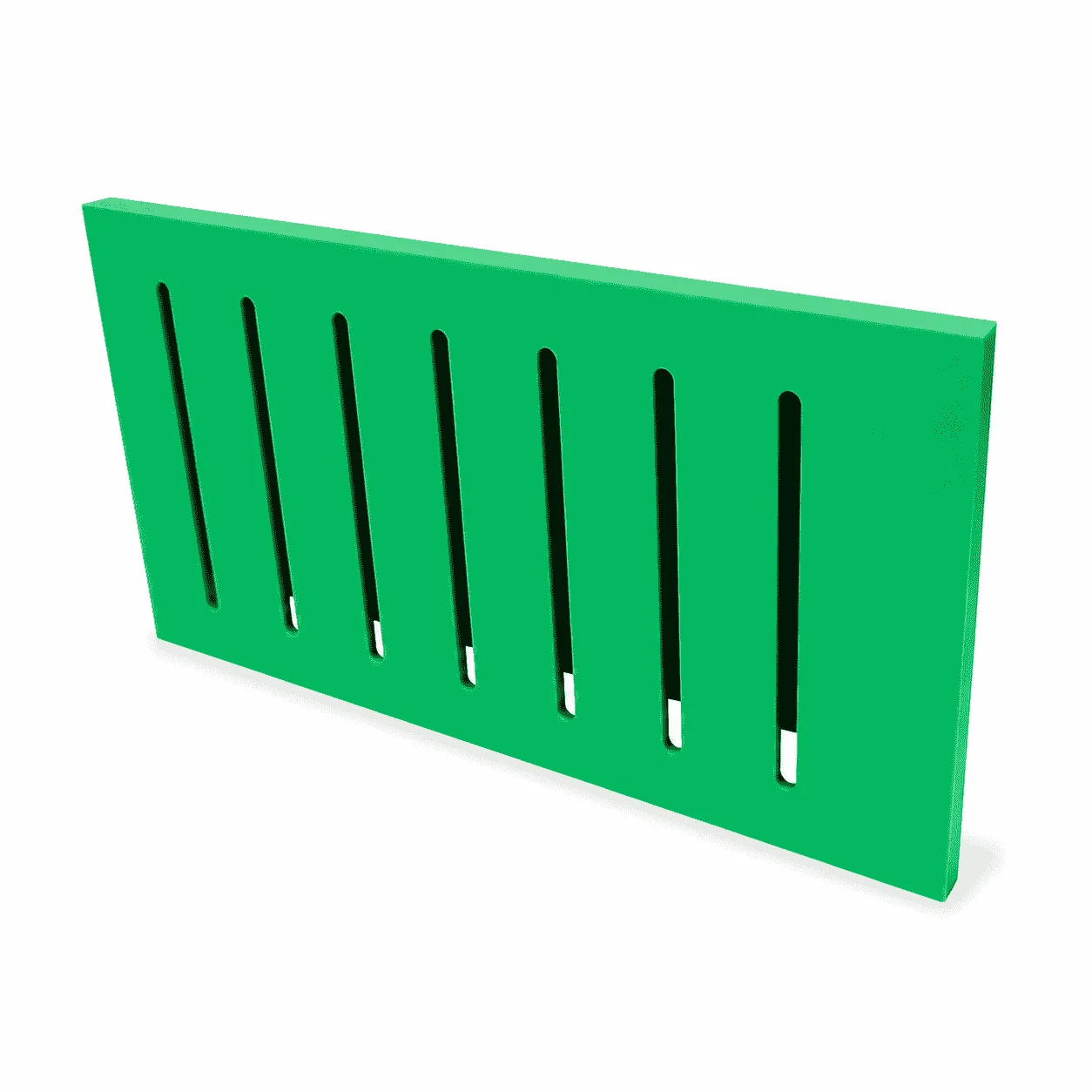
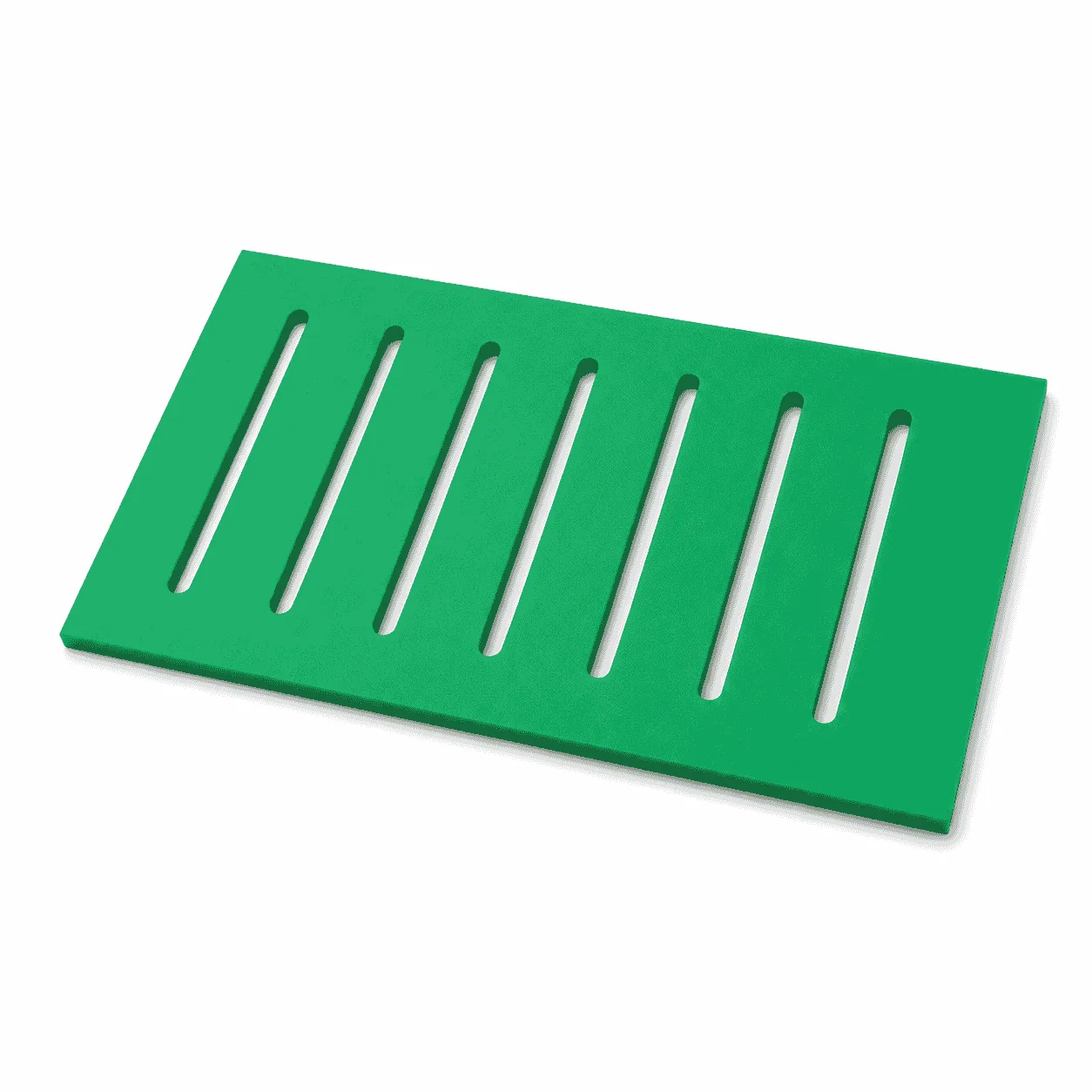
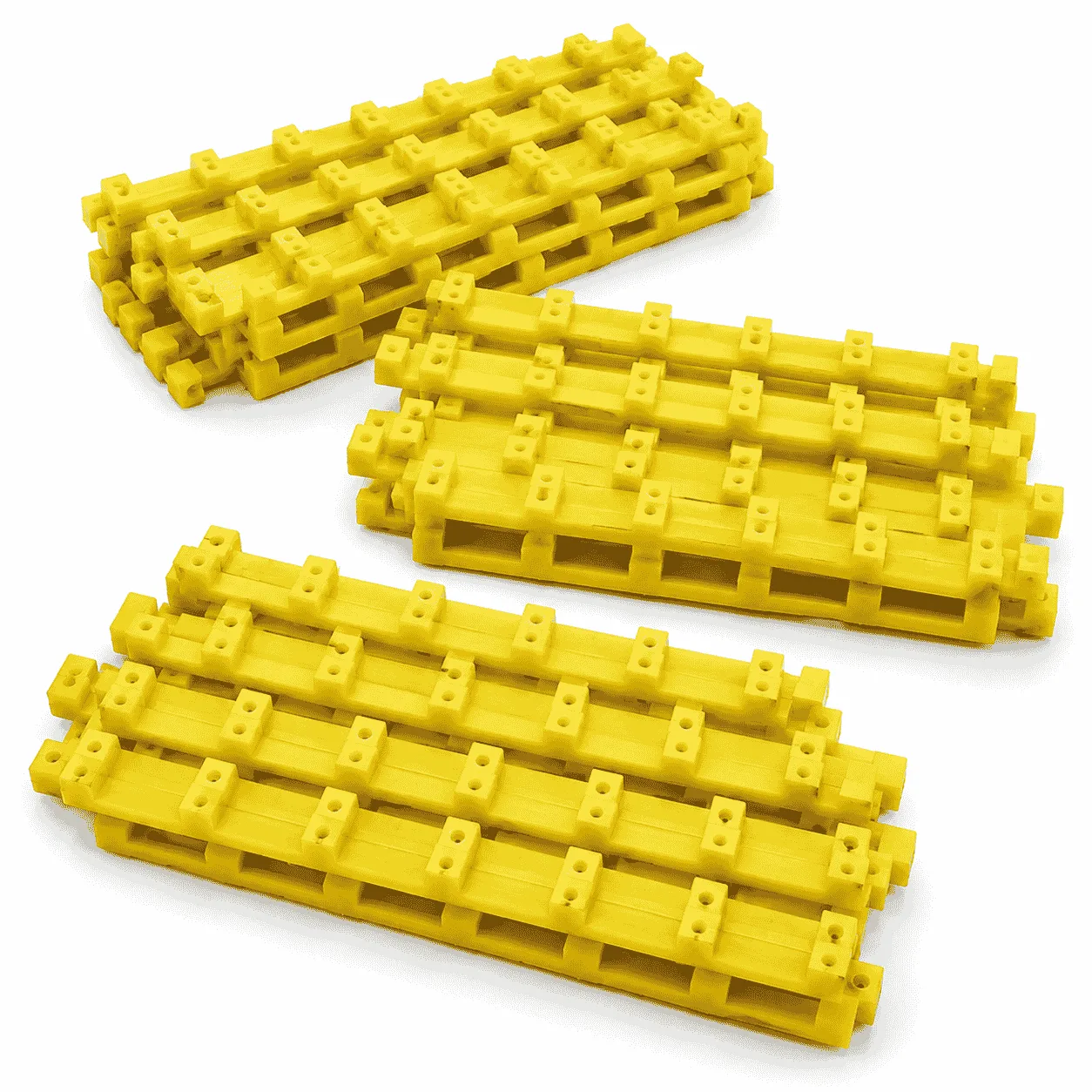
CNC Machined Plastic Trench Drain Cover is a custom engineering plastic panel designed to cover trench drains, drainage channels, liquid collection grooves and equipment floor openings. Its elongated drainage slots allow water and suitable process liquids to enter the channel while helping prevent larger debris and accidental objects from falling into the trench.

The cover can be manufactured in different lengths, widths, thicknesses, colors and slot arrangements according to the drainage channel dimensions, supporting structure and operating environment. It provides a lightweight and corrosion-resistant alternative to selected steel, galvanized steel, stainless steel, wood or fiberglass covers.

A trench drain is a channel-shaped floor drainage system normally fitted with a cover or grating. The cover must be matched to the drainage capacity, installation method and expected traffic load.

Structure of the CNC Machined Plastic Trench Drain Cover

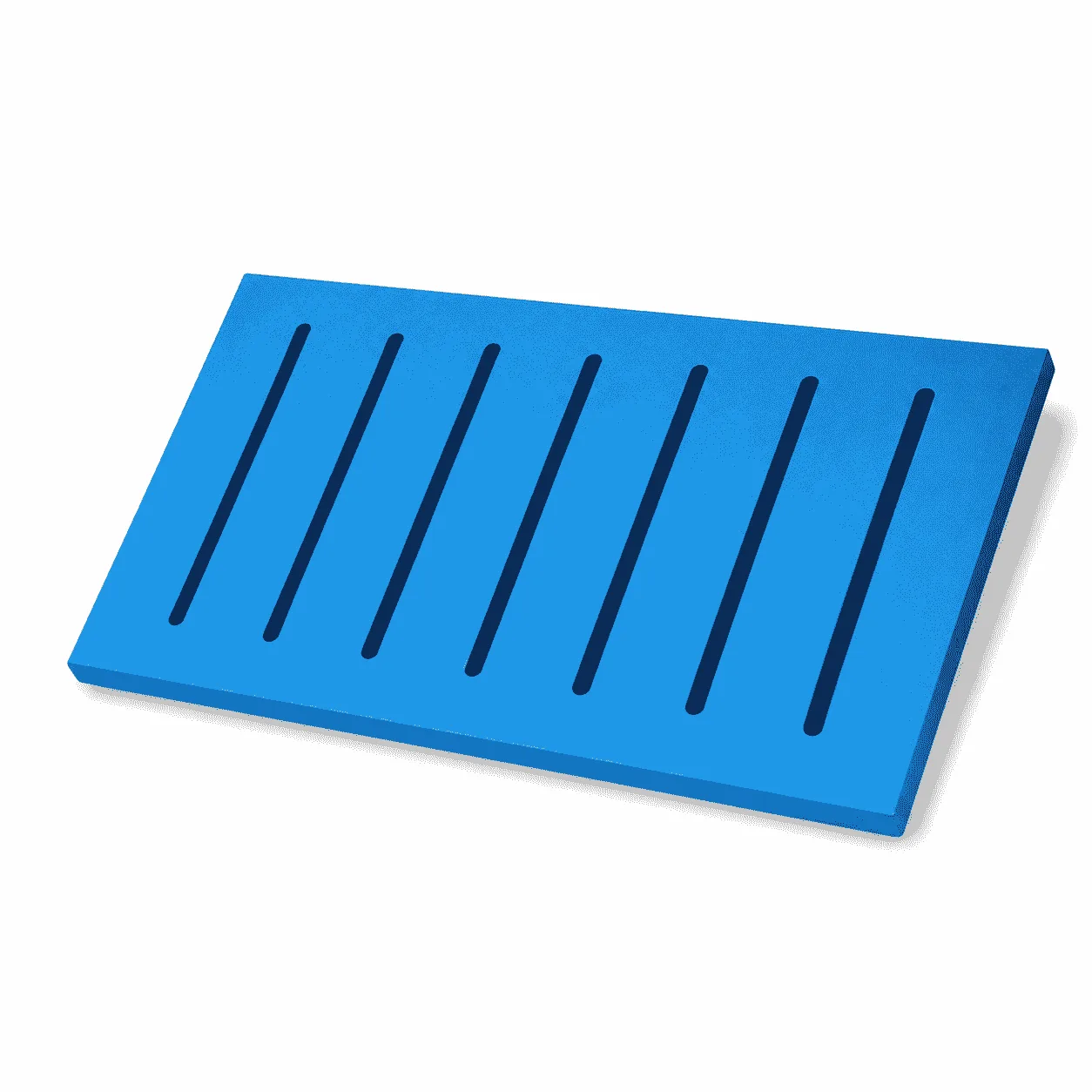
The cover uses a flat rectangular structure with multiple longitudinal drainage slots. Depending on the installation requirements, the panel can be produced as a removable cover, fixed cover or modular cover section.

Available structural features include:

  • Rectangular or custom-profile panel
  • Longitudinal drainage slots
  • Transverse or staggered slot arrangements
  • Rounded slot ends to reduce stress concentration
  • Mounting holes or elongated adjustment slots
  • Chamfered or rounded outer edges
  • Recessed bolt holes
  • Locating grooves and supporting steps
  • Single-piece or modular panel construction
  • Optional identification and installation markings

The drainage-slot width, length, spacing and total open area can be adjusted according to the expected liquid flow, debris size and cleaning requirements.

Main Functions

Drainage and Liquid Collection

The slots allow water, cleaning liquid, condensation and selected process fluids to enter the drainage channel. The required open area should be calculated according to the expected flow rate and channel capacity.

Trench Protection

The panel covers an open drainage channel and helps prevent tools, packaging materials and larger debris from entering the trench.

Walking-Surface Continuity

When correctly supported and designed for the required load, the cover creates a more continuous surface over the drainage channel. The load rating must be confirmed before pedestrian or trolley use.

Equipment Protection

Covering the trench helps reduce the risk of components, fasteners and production materials falling into the drainage system, where they may cause blockage or interfere with cleaning.

Convenient Inspection and Maintenance

Removable cover sections allow operators to inspect, clean and maintain the drainage channel without dismantling the surrounding floor or equipment structure.

Area Identification

Different colors can be used to identify production areas, cleaning zones, equipment sections or installation positions. Color identification does not indicate a specific material grade or compliance level.

Material Options

The material should be selected according to load, supporting span, liquid type, operating temperature, cleaning method, chemical exposure and dimensional requirements.

Polypropylene Trench Drain Cover

Polypropylene PP Sheet can be used for drain covers requiring low weight, low moisture absorption and resistance to many acids and alkalis.

General information about this thermoplastic is available from Wikipedia’s explanation of polypropylene.

Typical characteristics include:

  • Low material weight
  • Low moisture absorption
  • Resistance to many acids and alkalis
  • No rust in wet environments
  • Easy cutting, drilling and slot machining
  • Available in different colors
  • Suitable for many general drainage environments

PP has limited stiffness compared with metal. Panel thickness, support spacing and continuous load must therefore be evaluated carefully.

UHMWPE Trench Drain Cover

UHMWPE Sheet may be selected where impact resistance, wear resistance and low moisture absorption are important.

Wikipedia provides a general explanation of ultra-high-molecular-weight polyethylene.

Typical characteristics include:

  • High impact resistance
  • Good wear resistance
  • Very low moisture absorption
  • Low-friction surface
  • Resistance to many general chemicals
  • Reduced operating and impact noise
  • Good performance in wet environments

UHMWPE is flexible compared with steel and may deform gradually under sustained load. It normally requires adequate thickness, short supporting spans or additional structural support.

HDPE Trench Drain Cover

HDPE can be considered for general-purpose covers requiring moisture resistance, chemical resistance and economical fabrication. Its suitability depends on plate thickness, temperature and load.

Why Use an Engineering Plastic Drain Cover?

Metal drain covers are widely used where high structural strength is required, but they may experience corrosion, high weight and noise in wet or chemically exposed environments. An engineering plastic cover can provide several advantages in suitable installations.

  • Corrosion resistance: The plastic panel does not rust like ordinary carbon steel.
  • Lower weight: Large panels are easier to lift, remove and reinstall during cleaning.
  • Reduced noise: Plastic can reduce impact noise compared with loose metal covers.
  • Custom slot machining: Drainage openings can be matched to the required flow and debris size.
  • Electrical insulation: Most unfilled engineering plastics are electrically insulating.
  • Custom colors: Panels can be produced in colors suitable for equipment or area identification.
  • Convenient replacement: Individual damaged cover sections can be replaced separately.

Problems Addressed by Plastic Trench Drain Covers

A properly designed CNC Machined Plastic Trench Drain Cover can help address the following operating and maintenance problems:

  • Corrosion of ordinary steel drain covers
  • Heavy covers that are difficult to remove during cleaning
  • Excessive noise caused by loose metal gratings
  • Large debris entering and blocking the drainage channel
  • Inaccurate cover dimensions that do not match the trench
  • Insufficient drainage caused by unsuitable slot arrangements
  • Sharp metal edges that may damage cleaning equipment
  • Difficulty distinguishing different drainage or processing areas
  • Frequent replacement in wet or chemically exposed environments

Typical Applications

CNC Machined Plastic Trench Drain Cover components can be used in industrial locations where liquid drainage, corrosion resistance and convenient cleaning are required.

Typical applications include:

  • Food-processing workshops
  • Beverage production areas
  • Packaging and filling workshops
  • Equipment washing areas
  • Chemical-processing facilities
  • Water-treatment equipment rooms
  • Industrial production floors
  • Machinery maintenance areas
  • Laboratories and testing rooms
  • Warehouse drainage channels
  • Livestock and agricultural facilities
  • General wet-processing environments

Related application information is available from our Food Machinery and Chemical Equipment pages.

For food, beverage or pharmaceutical environments, the exact resin grade, additives, colorants and compliance documentation must be confirmed separately.

Custom Drainage-Slot Options

The drainage openings can be machined according to liquid flow, solid-particle size and cleaning requirements.

  • Long straight drainage slots
  • Short staggered drainage slots
  • Round drainage holes
  • Mixed hole and slot arrangements
  • Different slot widths in one panel
  • Reduced openings in pedestrian-contact areas
  • Increased open area for higher liquid flow
  • Rounded slot ends for improved structural continuity

Excessively wide or closely spaced slots can reduce panel strength. The remaining material width between adjacent openings should be checked according to the plate thickness and working load.

Custom Manufacturing Options

The CNC Machined Plastic Trench Drain Cover can be manufactured according to drainage-channel drawings, site measurements or original samples.

Available options include:

  • Custom panel length and width
  • Custom plate thickness
  • Drainage-slot width, length and spacing
  • Blue, green, black, white or other colors
  • Mounting holes and adjustment slots
  • Recessed bolt holes
  • Edge chamfers and rounded corners
  • Locating steps and support grooves
  • Section numbers and installation marks
  • Single panels and repeat batch production

CNC Machining

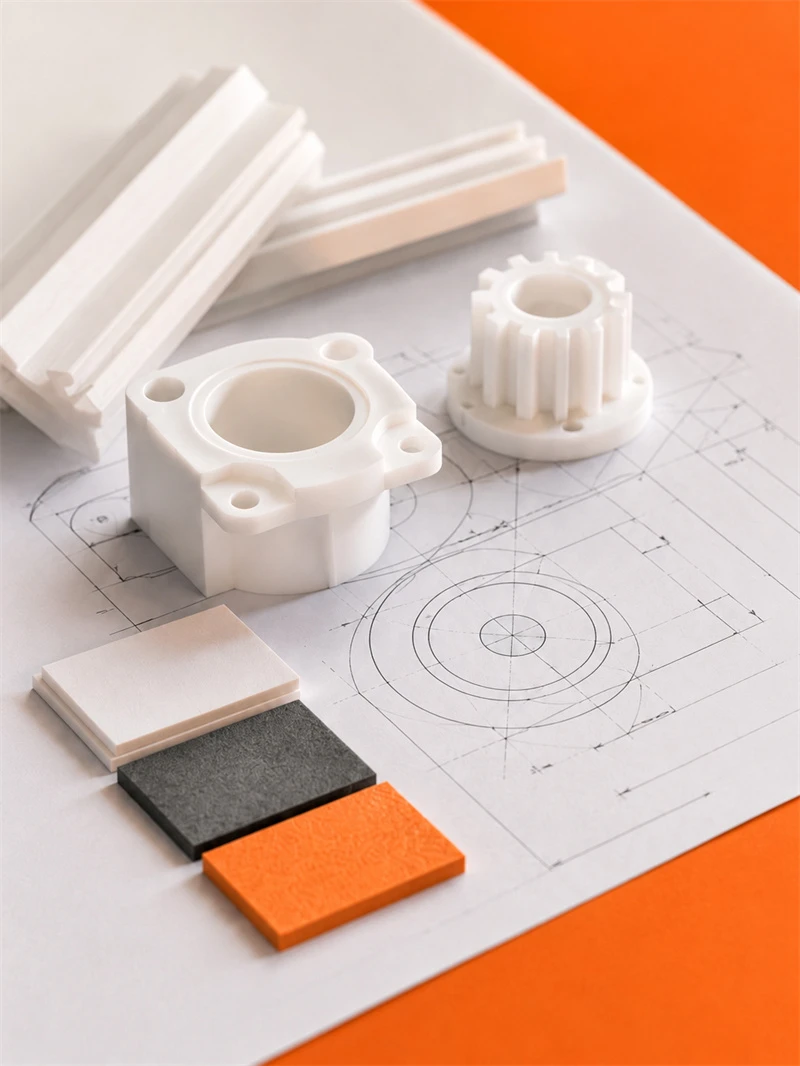
Our CNC Plastic Machining service supports plastic drain covers manufactured from technical drawings, original samples or measured channel dimensions.

Available machining processes include:

  • Panel cutting and thickness calibration
  • CNC routing of drainage slots
  • Through-hole and counterbore machining
  • Long adjustment-slot machining
  • Outer-profile milling
  • Edge chamfering and corner rounding
  • Locating-groove machining
  • Surface deburring and cleaning
  • Part numbering and batch identification

The principles of programmed machine-tool processing are described in Wikipedia’s article about computer numerical control.

Load and Support Requirements

The load capacity of a plastic trench cover cannot be determined from material name or plate thickness alone. It is affected by:

  • Material grade
  • Panel thickness
  • Unsupported span
  • Support width on both sides
  • Slot width and spacing
  • Operating temperature
  • Static or repeated load
  • Pedestrian, trolley or vehicle traffic
  • Long-term material creep

Standard plastic panels should not be used for forklifts, vehicles or other heavy traffic unless the complete structure has been specifically designed and verified for that load.

Where higher loads are expected, possible solutions include increased plate thickness, reduced support span, additional cross supports, reinforcing frames or alternative structural materials.

Slip-Resistance Considerations

A smooth plastic surface may become slippery when contaminated with water, oil or cleaning liquid. Applications requiring regular foot traffic may need:

  • Textured or machined anti-slip surfaces
  • Additional surface grooves
  • Reduced unsupported panel movement
  • Suitable footwear and workplace controls
  • Regular removal of oil and process residue

The elongated drainage slots alone should not be treated as a certified anti-slip structure.

Information Required Before Production

To manufacture a CNC Machined Plastic Trench Drain Cover correctly, the following information should be confirmed:

  • Drainage-channel length and clear width
  • Available support width on both sides
  • Required panel length, width and thickness
  • Maximum unsupported span
  • Expected pedestrian or equipment load
  • Drainage flow requirement
  • Required slot width and spacing
  • Liquid type and chemical composition
  • Operating and cleaning temperature
  • Indoor or outdoor installation
  • Required material grade
  • Color requirement
  • Mounting-hole dimensions
  • Required compliance documentation

Quality Inspection

Important inspection items include:

  • Overall length, width and thickness
  • Drainage-slot length and width
  • Slot spacing and position
  • Mounting-hole dimensions
  • Panel flatness
  • Outer-profile dimensions
  • Edge and corner condition
  • Surface burrs
  • Material and color consistency
  • Batch dimensional consistency

Finished covers should be cleaned and deburred so that the slots and edges do not retain machining chips or create unnecessary sharp contact points.

Installation Recommendations

  • Measure the complete drainage channel before production.
  • Provide continuous and level supporting surfaces.
  • Confirm the installation direction and panel numbers.
  • Avoid leaving excessive unsupported span.
  • Use washers when fixing the cover with bolts.
  • Avoid excessive tightening that may deform the plastic.
  • Allow suitable clearance for thermal dimensional changes.
  • Check the cover for movement before opening the area for use.
  • Inspect the panel regularly for cracks, deformation and loose fasteners.
  • Replace damaged sections before continued use.

Cleaning and Maintenance

The cover can be removed periodically to clean the trench and inspect the supporting structure. Slot openings should be kept clear of packaging material, sediment and other debris.

Cleaning chemicals must be compatible with the selected plastic material. High-temperature steam, strong oxidizing agents and concentrated chemicals should be reviewed before material selection.

Product Summary

CNC Machined Plastic Trench Drain Cover is a custom slotted engineering plastic panel used to cover drainage channels and provide controlled liquid entry, debris protection and convenient maintenance access.

PP, UHMWPE, HDPE and other engineering plastics can be selected according to chemical exposure, impact, moisture, temperature and structural requirements.

Panel dimensions, thickness, drainage slots, mounting holes, colors and supporting structures can be manufactured according to drawings, original samples and actual installation conditions.

Quality Control

Quality Control and Delivery Standards

Drawing & Material Check

Check drawings for full specifications and confirm materials according to service conditions to prevent product defects.

Machining Quality Control

Inspect all key processing steps and fully verify dimensions, holes, grooves and fitting surfaces.

Finishing & Batch Control

Deburr, chamfer and clean products for easy installation. Ensure uniform quality among batch products.

Packaging & Delivery

Choose appropriate packaging solutions based on product features to protect goods from collision, deformation and mixing during transit.

Processing Quality Control of Engineering Plastics Parts

Unlike metal parts, engineering plastic components still require strict control over dimensions, holes, edges, surface, materials and assembly performance for equipment use.

application

Applications for Engineering Plastic Parts

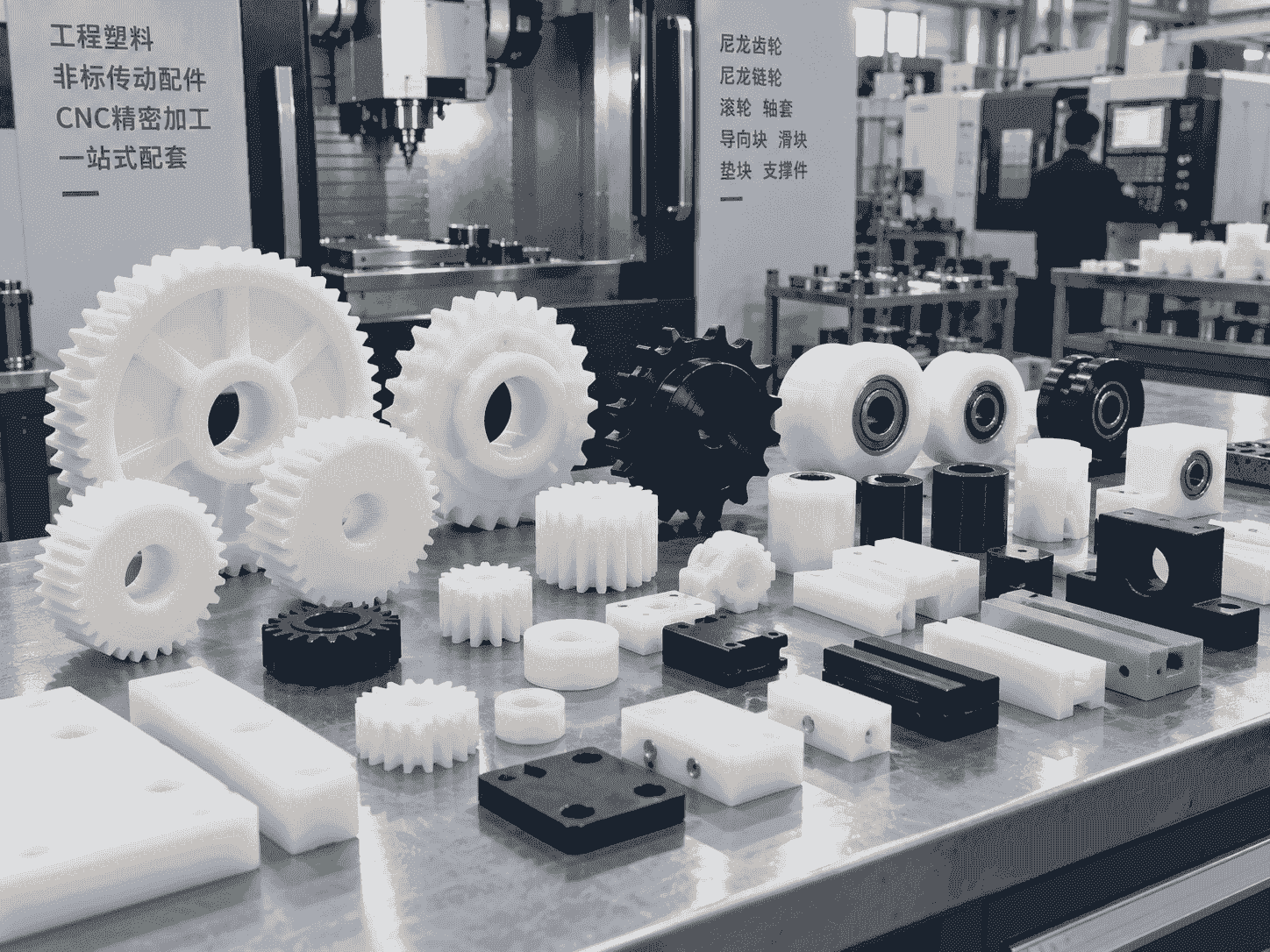
Engineering plastic parts suit friction, guide, support, buffer, anti-corrosion and insulation areas. We supply UHMWPE, POM, PA, PP/PE components for conveyor, food, mining, machinery, chemical and cable systems, with custom OEM service available.

Our Blog

Latest News & Knowledge

Stay updated with our latest industry insights, company updates and featured articles.

We Love to Hear From You

Need UHMWPE sheets & custom plastic machined/OEM parts?Send specs & material needs, free quote within 24h.