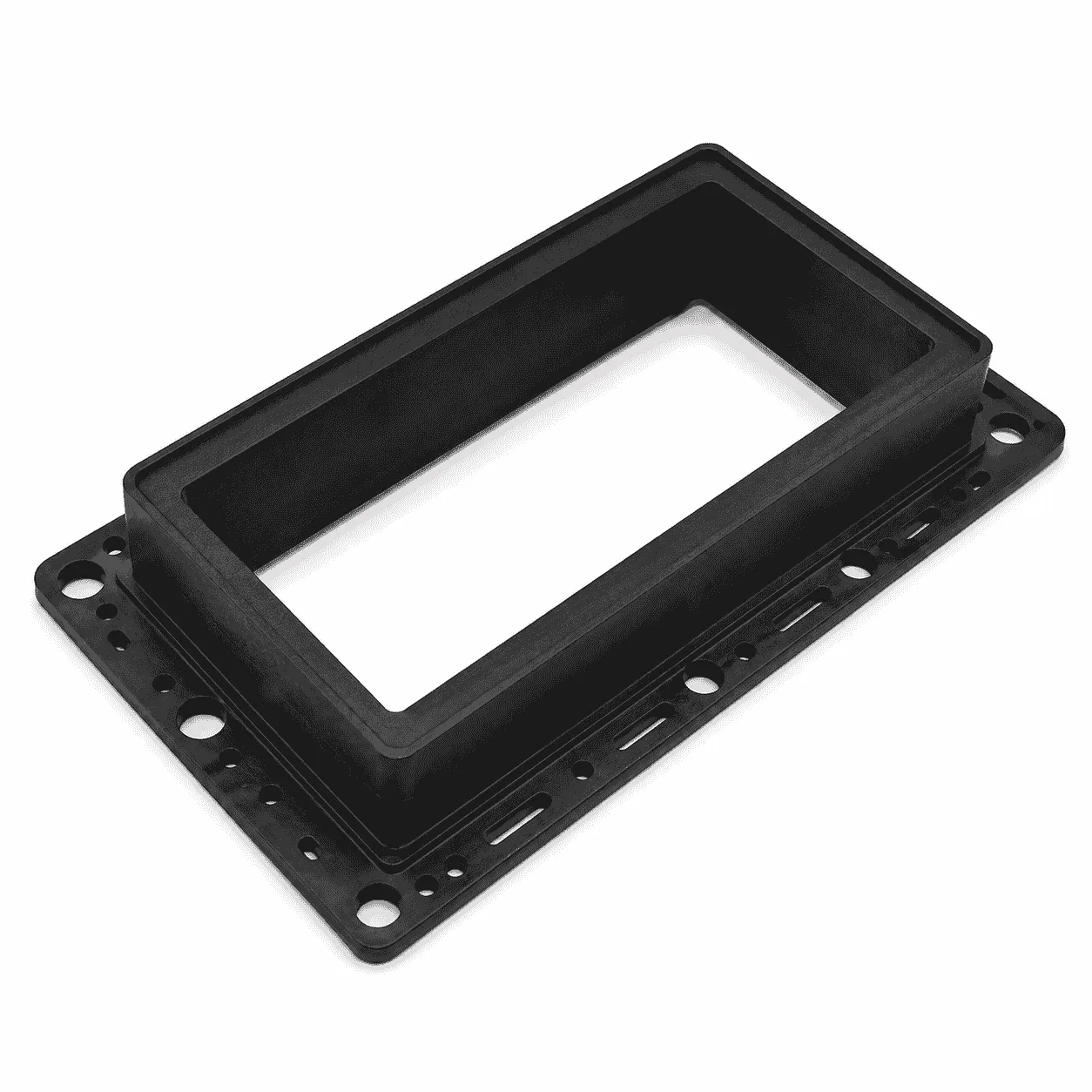
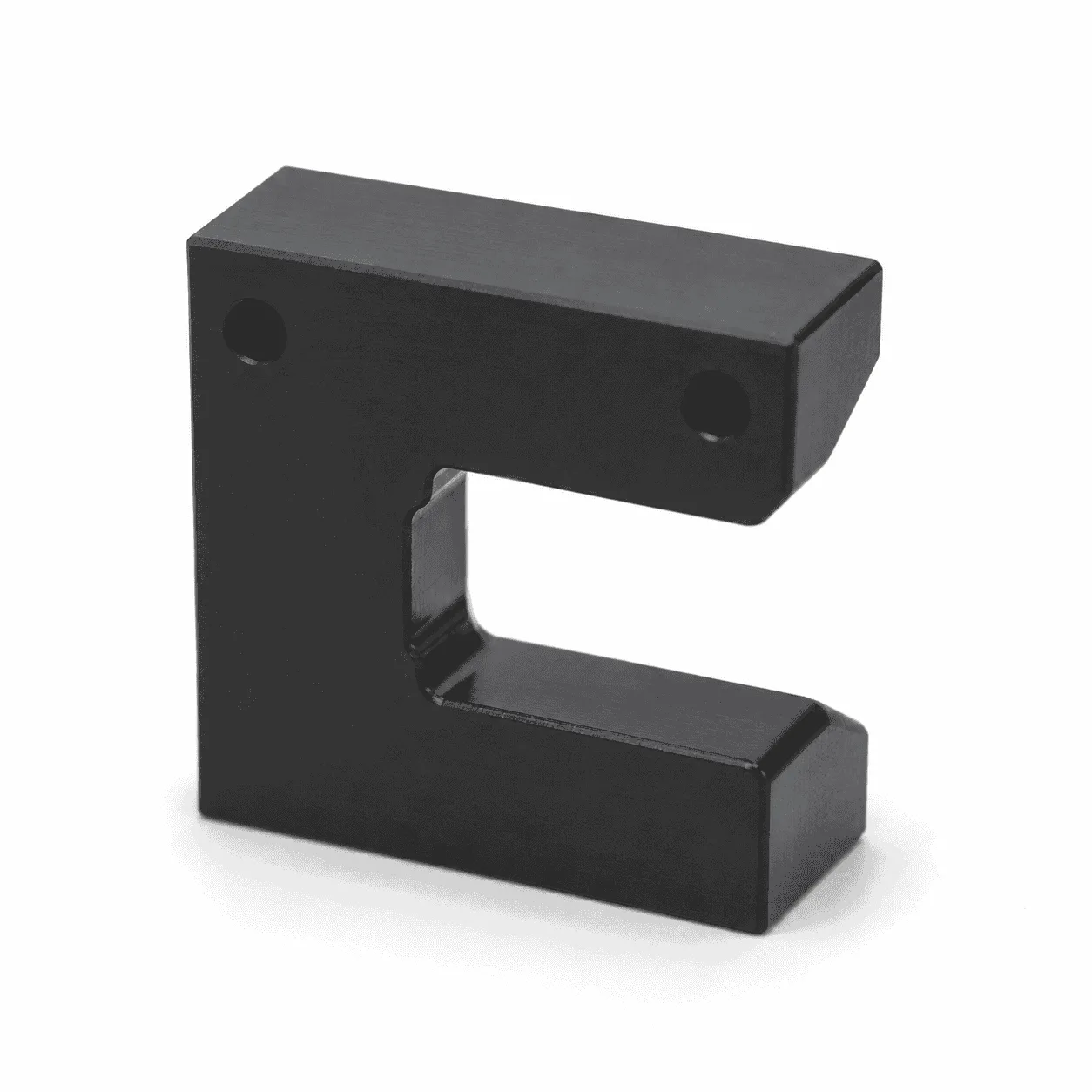
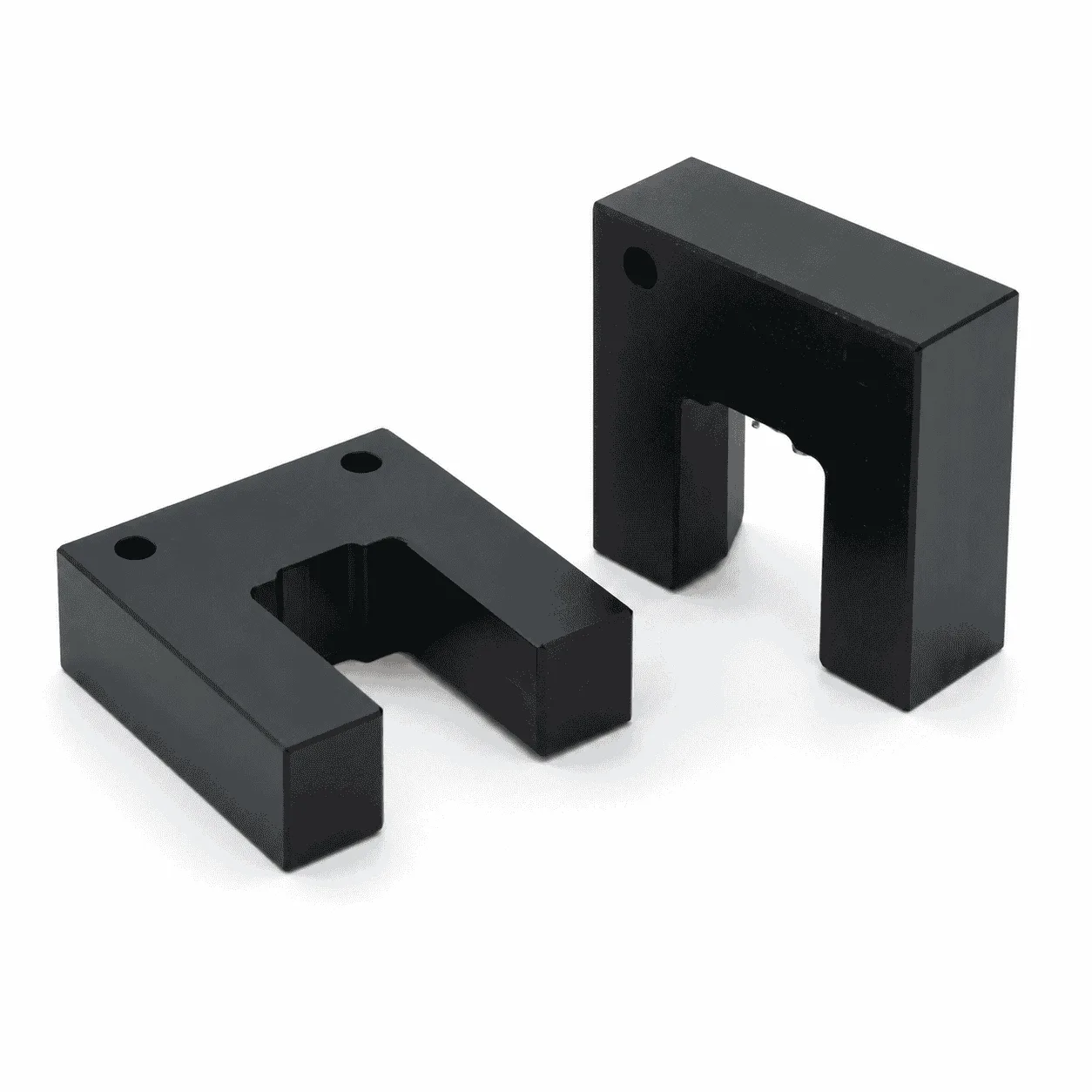
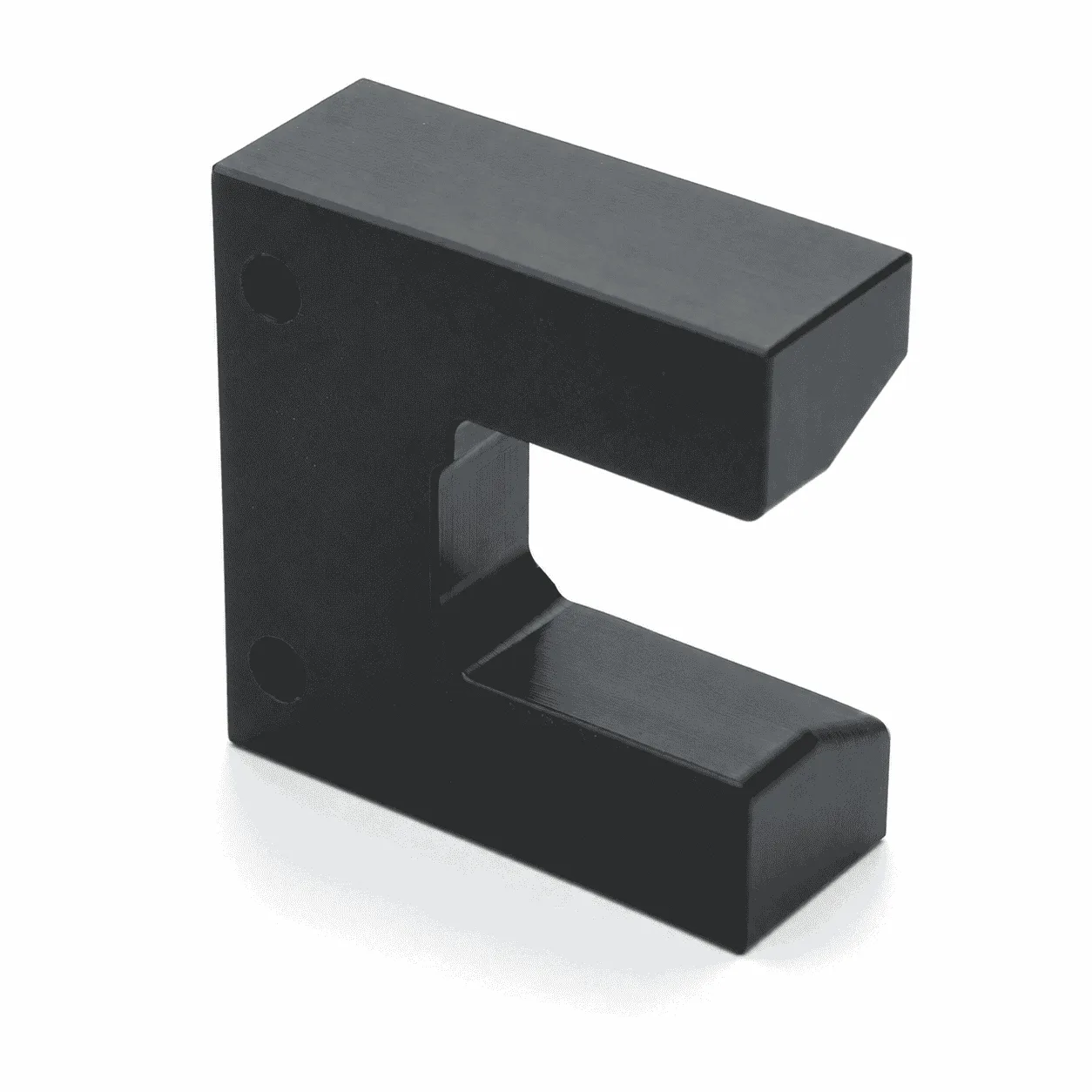
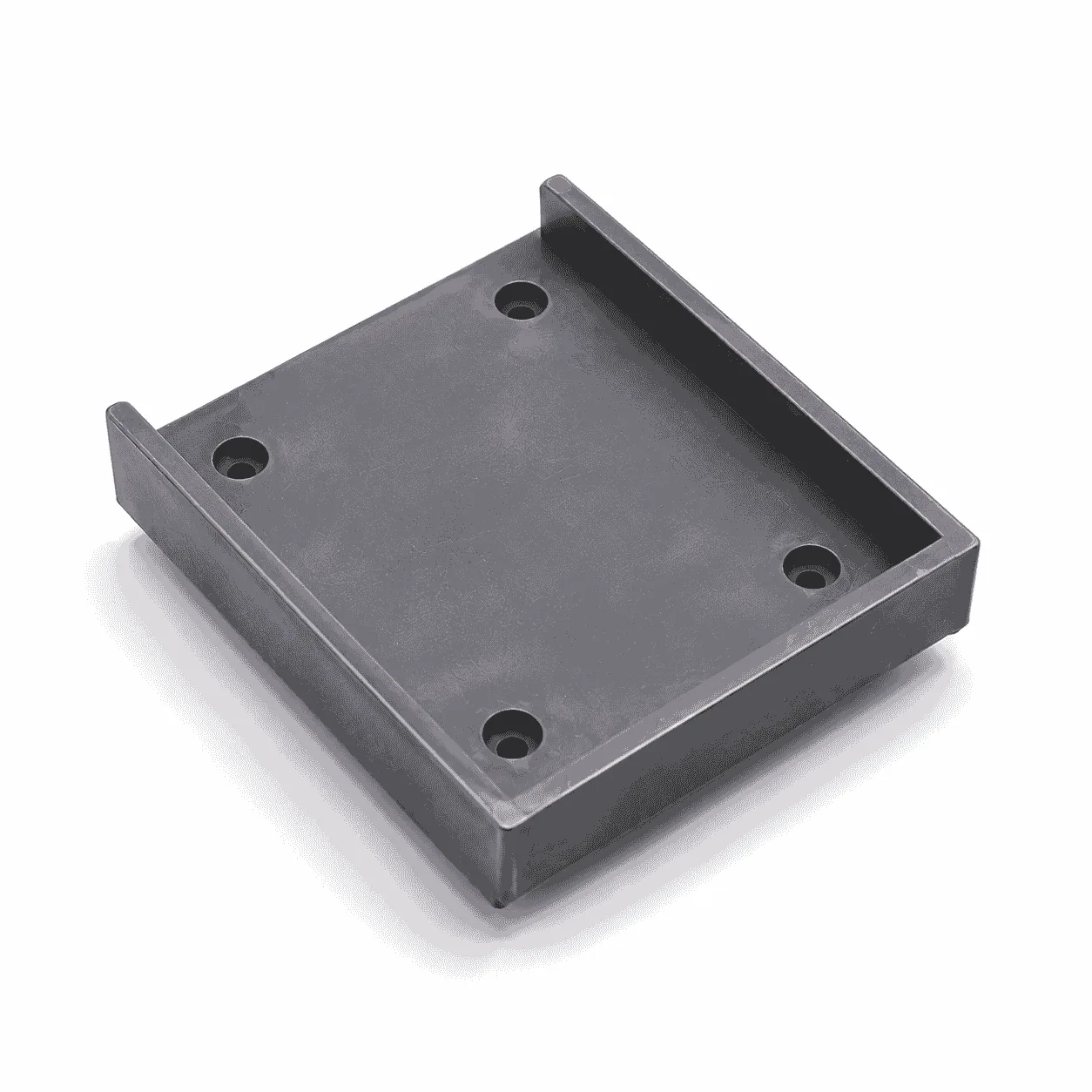
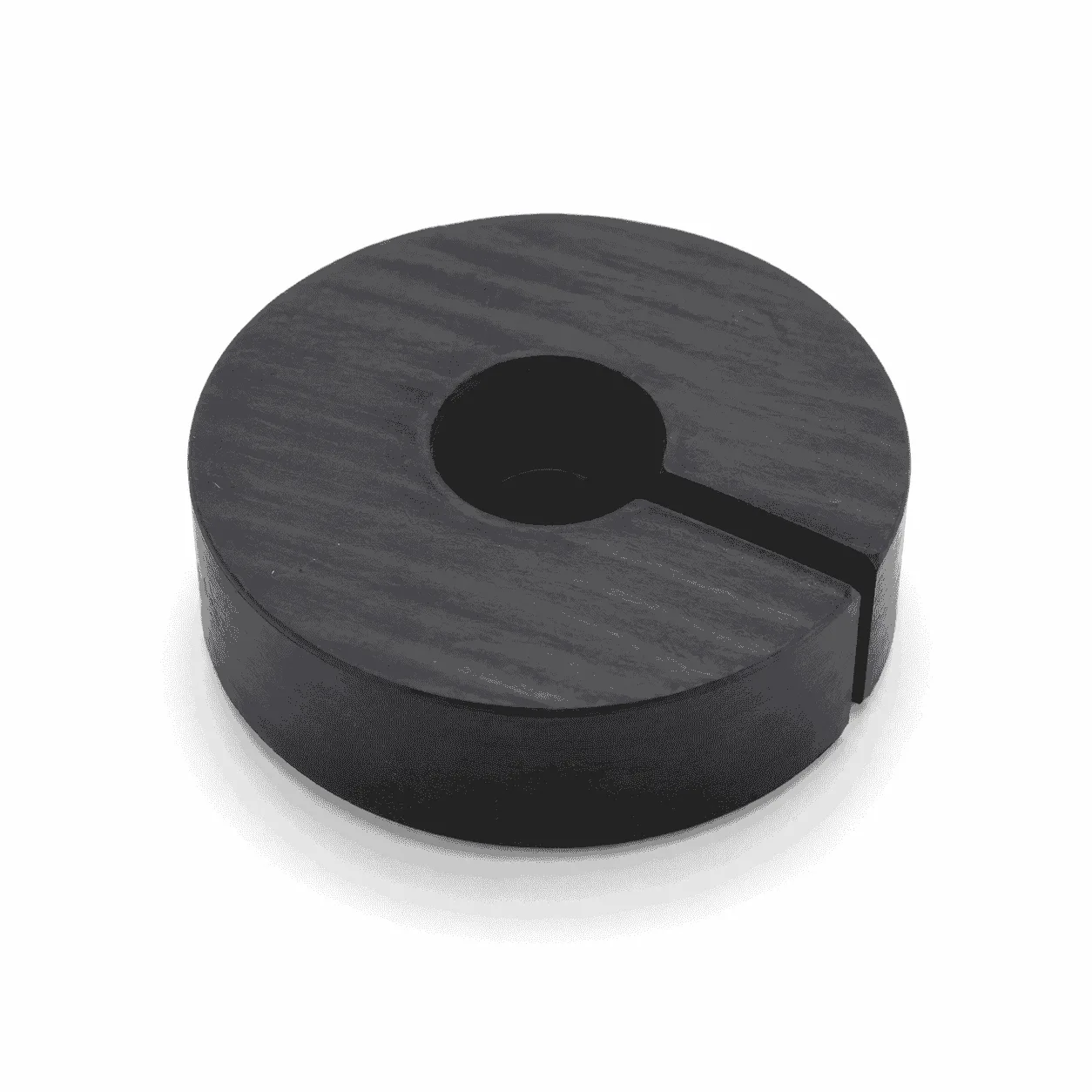
CNC Machined POM Slider Block

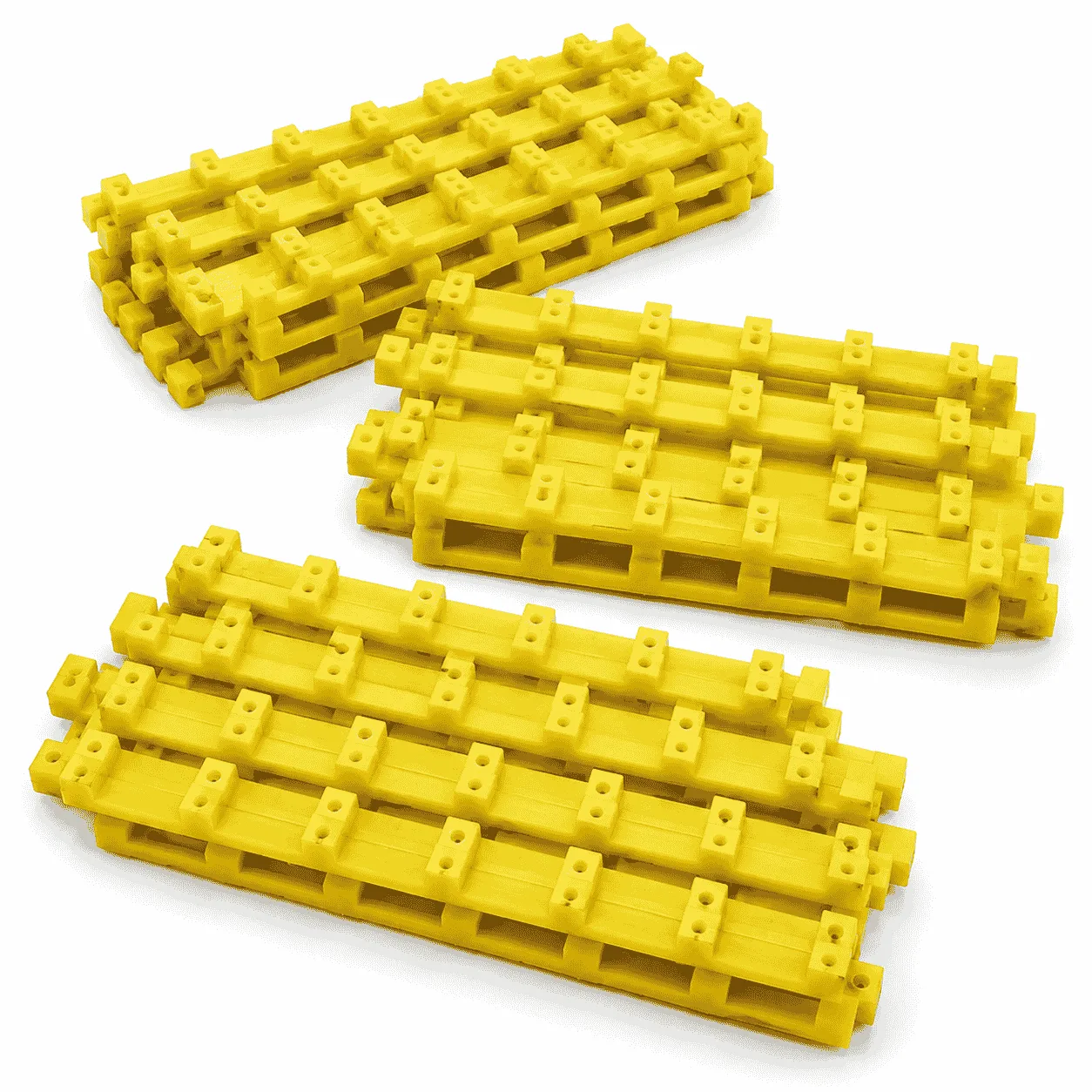
CNC Machined POM Slider Block is a custom engineering plastic component used for low-friction sliding, guidance, positioning, clearance control and wear protection in automation and industrial machinery.

The open profile, internal guide surfaces, mounting holes and overall dimensions can be manufactured according to equipment drawings or physical samples. POM-C and POM-H material options are available according to the required stiffness, accuracy and operating conditions.

category Brand:
Share :

Description

Product Description

CNC Machined POM Slider Block for Industrial Guide Systems

CNC Machined POM Slider Block is a custom engineering plastic component used for sliding guidance, positioning, support, clearance control and wear protection in automation equipment and industrial machinery.

The open-sided body allows the slider to fit around a corresponding guide rail, support beam, shaft housing or mechanical frame. Accurately machined internal surfaces maintain the required movement path, while the mounting holes allow the component to be secured to a moving carriage or fixed equipment structure.

The opening size, internal guide profile, overall dimensions, mounting-hole positions and working clearance can be manufactured according to technical drawings, physical samples and actual equipment conditions.

Structure of the CNC Machined POM Slider Block

The CNC Machined POM Slider Block uses an open U-shaped or C-shaped profile rather than a completely enclosed bore. This design allows the component to engage with a guide structure while retaining space for equipment installation, adjustment or movement.

Available structural features include:

  • U-shaped or C-shaped open body
  • Flat or stepped internal guide surfaces
  • Through holes and counterbored mounting holes
  • Locating holes and positioning surfaces
  • Clearance grooves for adjacent equipment components
  • Chamfered or rounded entry edges
  • Single-piece or matched-pair construction
  • Left-hand and right-hand slider configurations
  • Replaceable contact or wear surfaces
  • Optional threaded metal inserts

The internal opening can be produced with different widths, depths, steps and contact positions. Appropriate running clearance should be provided when the slider moves along a rail or when the surrounding equipment experiences dimensional changes.

Main Functions of a CNC Machined POM Slider Block

Linear Guidance

The machined internal surfaces guide the connected mechanical component along a defined movement path. This helps reduce lateral movement, tilting and uncontrolled displacement.

Sliding Support

The POM slider supports part of the load generated by the moving assembly and distributes contact across the corresponding guide surface.

Clearance Control

The slider can maintain the designed distance between moving and fixed equipment structures. Correct clearance helps reduce shaking without creating excessive sliding resistance.

Wear Isolation

The replaceable plastic component prevents direct contact between two metal structures. This helps protect guide rails, frames and moving assemblies from premature wear.

Mechanical Positioning

The profiled opening and locating surfaces help maintain the position of a carriage, bracket, cover, sliding frame or other equipment component.

Noise Reduction

POM contact surfaces can reduce hard metal-to-metal impact and vibration transmission, helping lower operating noise in suitable applications.

Replaceable Maintenance Component

When the working surface becomes worn, the POM slider can be replaced separately instead of replacing or repairing the complete metal guide structure.

Why Use POM for Slider Blocks?

POM, also known as polyoxymethylene or acetal, is an engineering thermoplastic commonly used for precision mechanical components requiring stiffness, low friction and dimensional stability.

General information about the material is available from Wikipedia’s explanation of polyoxymethylene.

More information about available machining material is available from our Polyoxymethylene POM Acetal Sheet category.

Good Dimensional Stability

POM maintains more stable machining dimensions than many moisture-sensitive engineering plastics. It is suitable for slider blocks requiring controlled guide clearances and repeatable installation dimensions.

High Rigidity

The material provides good structural rigidity for compact guide blocks, locating components and mechanical sliders. This helps the internal profile retain its intended shape under suitable loads.

Low-Friction Surface

POM provides useful sliding performance against many metal and plastic mating surfaces. It can reduce sliding resistance in properly designed guide systems.

Wear Resistance

The material is suitable for components that experience repeated sliding contact. Actual service life depends on load, speed, surface finish, temperature and lubrication conditions.

Accurate CNC Machining

POM can be turned, milled, drilled, bored, slotted and tapped to produce detailed internal profiles, holes and locating surfaces.

Low Moisture Absorption

Compared with nylon, POM generally experiences less moisture-related dimensional change, making it suitable for applications where guide clearance and fit are important.

Good Surface Finish

Sharp tools and suitable machining parameters can produce smooth working surfaces, helping reduce scratching and uneven friction during movement.

Electrical Insulation

Standard unfilled POM is electrically insulating and can be considered where electrical isolation between mechanical components is required.

POM-C and POM-H Material Options

The CNC Machined POM Slider Block can be produced from POM copolymer or POM homopolymer according to the mechanical and environmental requirements.

POM-C Copolymer

POM-C is commonly selected for general industrial sliders, guide blocks and precision machined components. It provides balanced dimensional stability, machinability and chemical resistance for many equipment applications.

POM-H Homopolymer

POM-H can be considered where greater stiffness, mechanical strength or fatigue performance is required. Material selection should still consider section thickness, operating temperature and chemical exposure.

The exact POM grade should be confirmed through the material specification rather than by product color. Black, white or other colors do not independently identify the polymer grade.

Typical Applications

CNC Machined POM Slider Block components can be used in different types of automation equipment and industrial machinery.

Typical applications include:

  • Automated linear movement equipment
  • Mechanical guide rail systems
  • Packaging and filling machinery
  • Assembly and inspection equipment
  • Sliding doors and protective covers
  • Telescopic mechanical structures
  • Material-handling equipment
  • Robotic positioning assemblies
  • Conveyor adjustment mechanisms
  • Machine-tool protective structures
  • Industrial fixtures and tooling
  • Replaceable guide and wear components

The final application should be determined according to the complete assembly drawing, load direction and corresponding guide structure.

Problems Solved by POM Slider Blocks

A correctly designed CNC Machined POM Slider Block can help address common problems in mechanical sliding and guide systems:

  • Direct wear between metal guide components
  • Excessive clearance and movement between assemblies
  • Abnormal noise caused by metal-to-metal contact
  • Scratching of machined guide surfaces
  • Difficult lubrication in compact equipment positions
  • Corrosion of ordinary steel slider components
  • High weight of solid metal guide blocks
  • Expensive repairs to the original equipment frame
  • Inaccurate positioning caused by worn guide components
  • Difficult replacement of integrated metal structures

The actual improvement depends on material grade, load, movement speed, guide-surface condition, installation accuracy and working clearance.

Custom Design Options

Each CNC Machined POM Slider Block can be produced according to the corresponding guide structure and equipment requirements.

Custom options include:

  • Overall length, width and height
  • Internal opening width and depth
  • U-shaped or C-shaped profiles
  • Flat, stepped or curved guide surfaces
  • Sliding and installation clearance
  • Mounting-hole diameter and spacing
  • Through holes, blind holes and counterbores
  • Threaded holes and metal inserts
  • Locating grooves and support steps
  • Chamfered and rounded contact edges
  • Left-hand and right-hand structures
  • Matched slider sets
  • Part numbers and installation markings
  • Black, natural white or other colors

CNC Machining Capabilities

Our CNC Plastic Machining service supports POM slider blocks manufactured according to 2D drawings, 3D models and physical samples.

Wikipedia provides a general explanation of computer numerical control and programmed machine-tool operation.

Available machining processes include:

  • CNC milling of external and internal profiles
  • Open-slot and guide-channel machining
  • Through-hole and counterbore machining
  • Threaded-hole machining
  • Locating-hole and pin-hole machining
  • Step and clearance-groove machining
  • Mounting-surface calibration
  • Chamfering and corner rounding
  • Metal insert installation
  • Laser or CNC part-number marking
  • Prototype and repeat-batch production

Machining Considerations

POM is suitable for precision machining, but uneven wall thickness, excessive clamping pressure and unsuitable machining sequences can affect the final dimensions.

Important machining considerations include:

  • Using sharp and suitable cutting tools
  • Providing sufficient workpiece support
  • Avoiding excessive clamping deformation
  • Controlling heat during continuous machining
  • Maintaining consistent machining datums
  • Machining matched slider components together when required
  • Deburring internal corners and mounting holes
  • Allowing stabilization before final inspection when necessary

Large differences in wall thickness should be reduced where possible. Rounded internal corners can also help reduce local stress concentration.

Information Required Before Production

To manufacture a CNC Machined POM Slider Block correctly, the following information should be provided or confirmed:

  • Complete 2D drawing or 3D model
  • Original physical sample when drawings are unavailable
  • Corresponding guide rail or equipment dimensions
  • Overall slider dimensions
  • Internal opening and guide profile
  • Required sliding clearance
  • Movement direction and travel distance
  • Static and dynamic working load
  • Movement speed and operating frequency
  • Mounting-hole diameter and spacing
  • Bolt type and fastening method
  • Operating temperature
  • Chemical and cleaning environment
  • Required POM grade and color
  • Critical dimensional tolerances

Production from Physical Samples

When the original drawing is unavailable, a replacement POM slider can be produced from an existing physical sample. However, wear, compression and deformation on the used component should be evaluated before reproducing its dimensions.

Important sample inspection items include:

  • Original internal guide dimensions
  • Wear direction and contact areas
  • Symmetry of the open profile
  • Mounting-hole positions
  • Original operating clearance
  • Relationship with the mating guide rail
  • Compressed or permanently deformed sections
  • Required assembly and removal space

Providing the mating rail, frame dimensions or assembly drawing helps prevent worn dimensions from being copied directly.

Quality Inspection

Important inspection items for a CNC Machined POM Slider Block include:

  • Overall length, width and height
  • Internal opening width and depth
  • Guide-surface profile
  • Mounting-hole diameter and center distance
  • Counterbore diameter and depth
  • Parallelism between guide surfaces
  • Perpendicularity of mounting surfaces
  • Sliding clearance
  • Matched-component alignment
  • Edge chamfer and burr condition
  • Batch dimensional consistency

Where possible, the completed slider should be checked with the mating rail, inspection gauge or corresponding dimensional model before delivery.

Installation Recommendations

  • Clean the guide rail and mounting surfaces before installation.
  • Confirm the slider number and installation direction.
  • Check the working clearance before fully tightening the fasteners.
  • Tighten mounting bolts gradually and evenly.
  • Avoid excessive fastening pressure on unsupported POM sections.
  • Use suitable washers or threaded inserts where pressure is concentrated.
  • Move the equipment manually through its complete travel before powered operation.
  • Check for interference, tilting and abnormal resistance.
  • Inspect the slider regularly for uneven wear and loose fasteners.
  • Replace damaged components before continued equipment operation.

Important Design Considerations

The load capacity and service life of a CNC Machined POM Slider Block cannot be determined from material name or external dimensions alone. They are affected by contact area, wall thickness, movement speed, operating temperature, bolt preload and continuous working load.

POM may deform under excessive sustained pressure, particularly at elevated temperatures. Heavy-load applications may require larger support surfaces, increased section thickness, additional guide points or metal reinforcement.

Applications involving strong acids, oxidizing chemicals, continuous high temperature or very high impact should be evaluated separately before material selection.

Product Summary

CNC Machined POM Slider Block is a custom engineering plastic guide component used for sliding support, positioning, clearance control and wear isolation in automation equipment and industrial machinery.

The open profile, internal guide surfaces, mounting holes, overall dimensions, running clearance and material grade can be manufactured according to drawings, physical samples and actual equipment operating conditions.

With suitable structural design and machining control, the POM slider can help reduce friction, operating noise, metal-surface wear and maintenance costs while maintaining repeatable mechanical guidance.

Quality Control

Quality Control and Delivery Standards

Drawing & Material Check

Check drawings for full specifications and confirm materials according to service conditions to prevent product defects.

Machining Quality Control

Inspect all key processing steps and fully verify dimensions, holes, grooves and fitting surfaces.

Finishing & Batch Control

Deburr, chamfer and clean products for easy installation. Ensure uniform quality among batch products.

Packaging & Delivery

Choose appropriate packaging solutions based on product features to protect goods from collision, deformation and mixing during transit.

Processing Quality Control of Engineering Plastics Parts

Unlike metal parts, engineering plastic components still require strict control over dimensions, holes, edges, surface, materials and assembly performance for equipment use.

application

Applications for Engineering Plastic Parts

Engineering plastic parts suit friction, guide, support, buffer, anti-corrosion and insulation areas. We supply UHMWPE, POM, PA, PP/PE components for conveyor, food, mining, machinery, chemical and cable systems, with custom OEM service available.

Our Blog

Latest News & Knowledge

Stay updated with our latest industry insights, company updates and featured articles.

We Love to Hear From You

Need UHMWPE sheets & custom plastic machined/OEM parts?Send specs & material needs, free quote within 24h.