Custom Polyurethane Wheel Liner

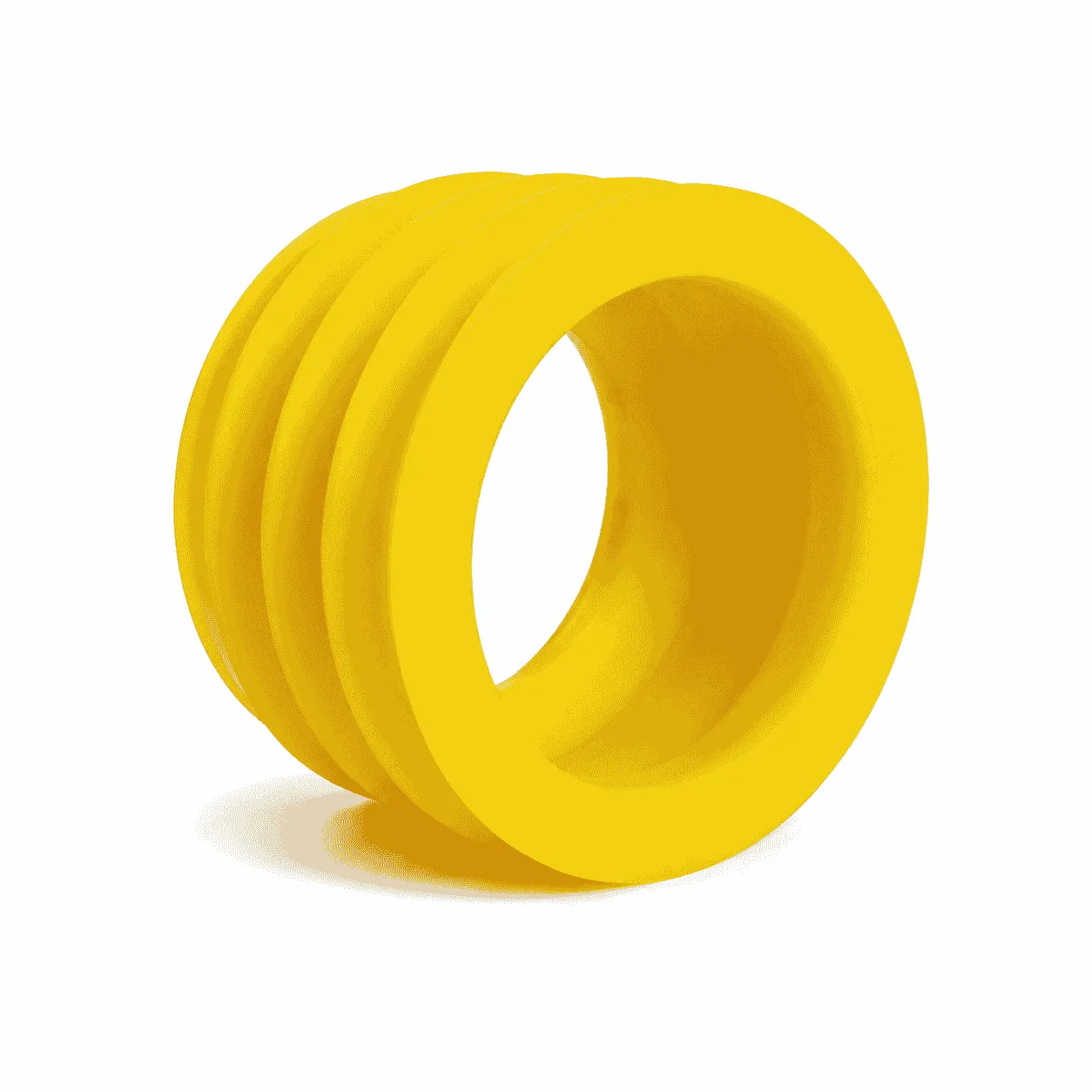
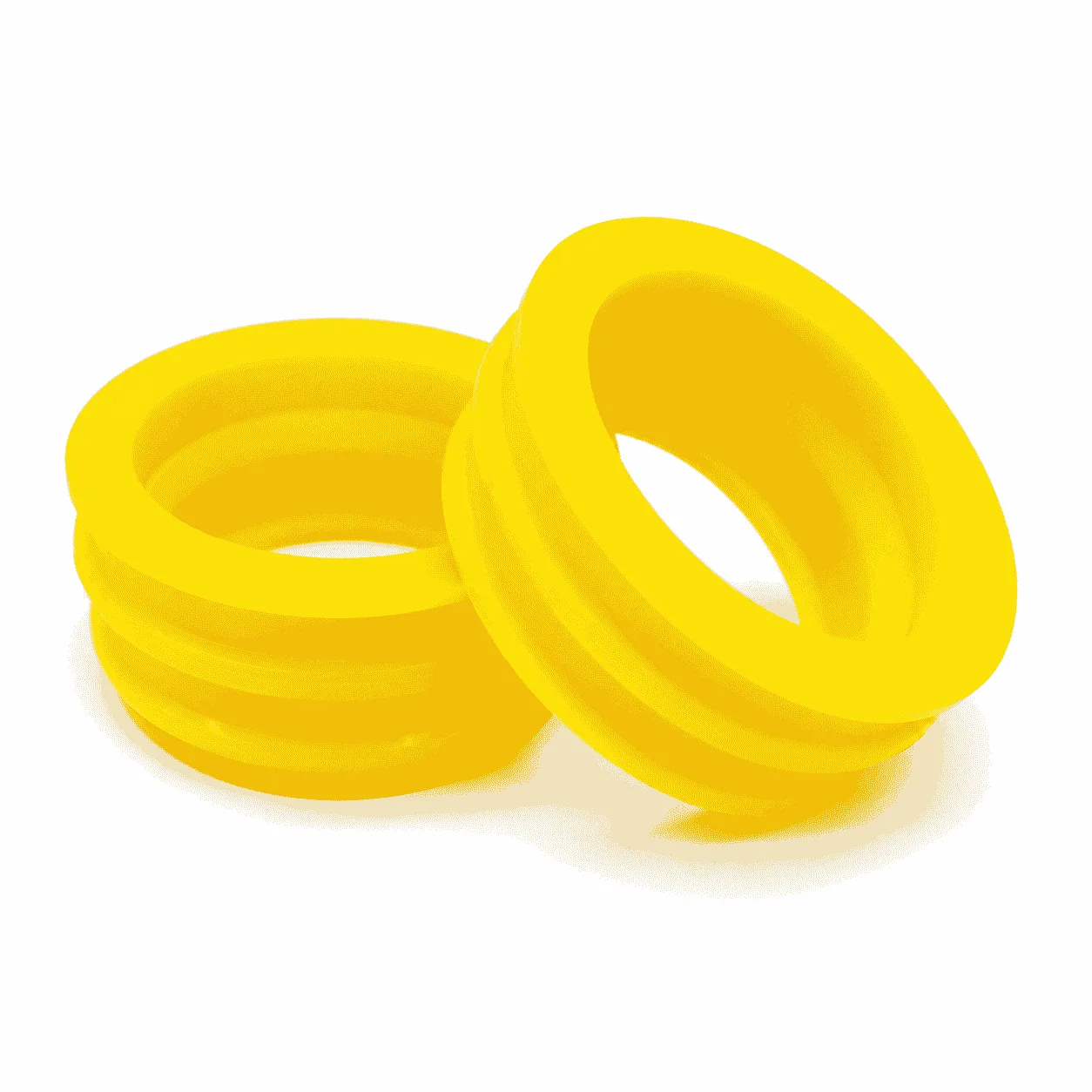
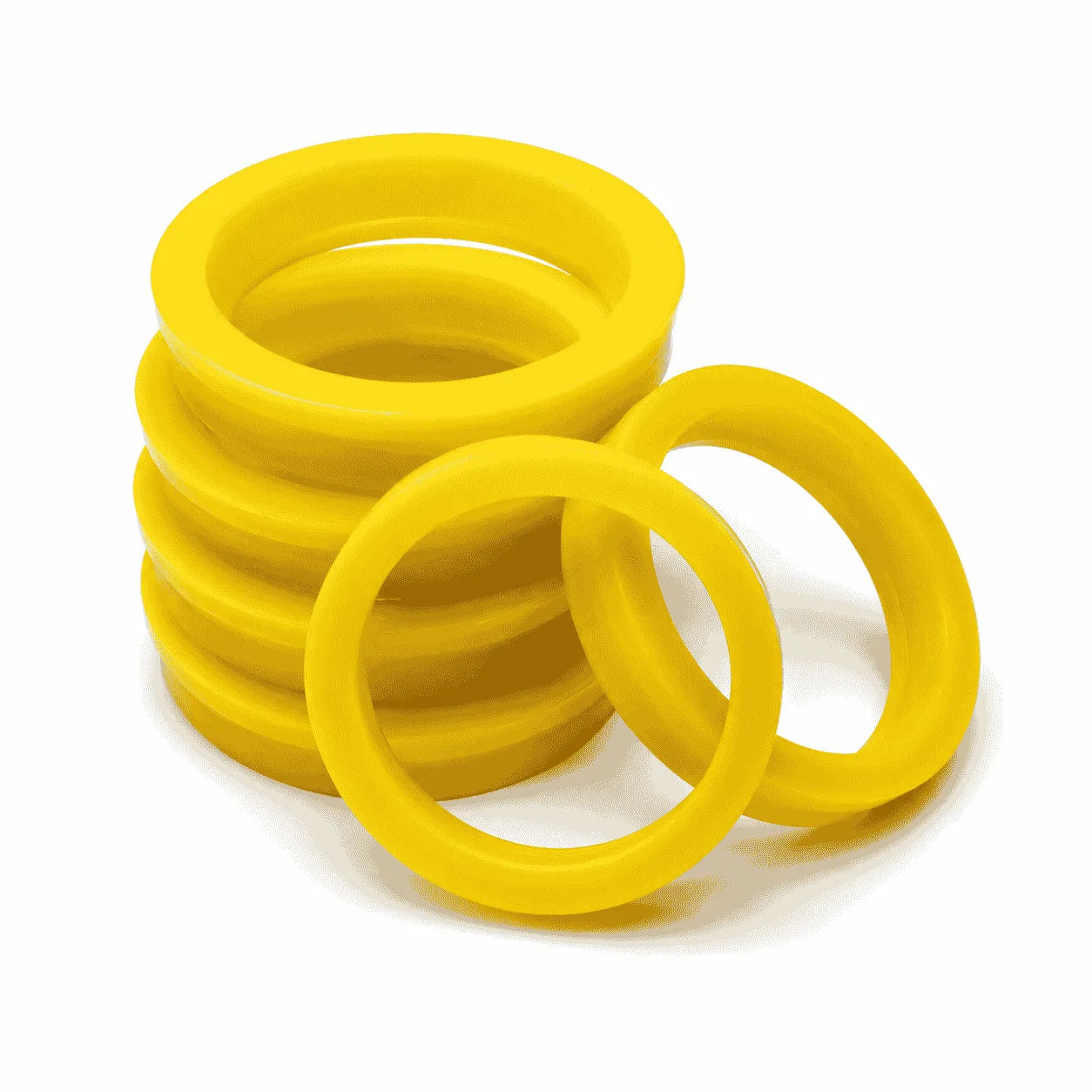
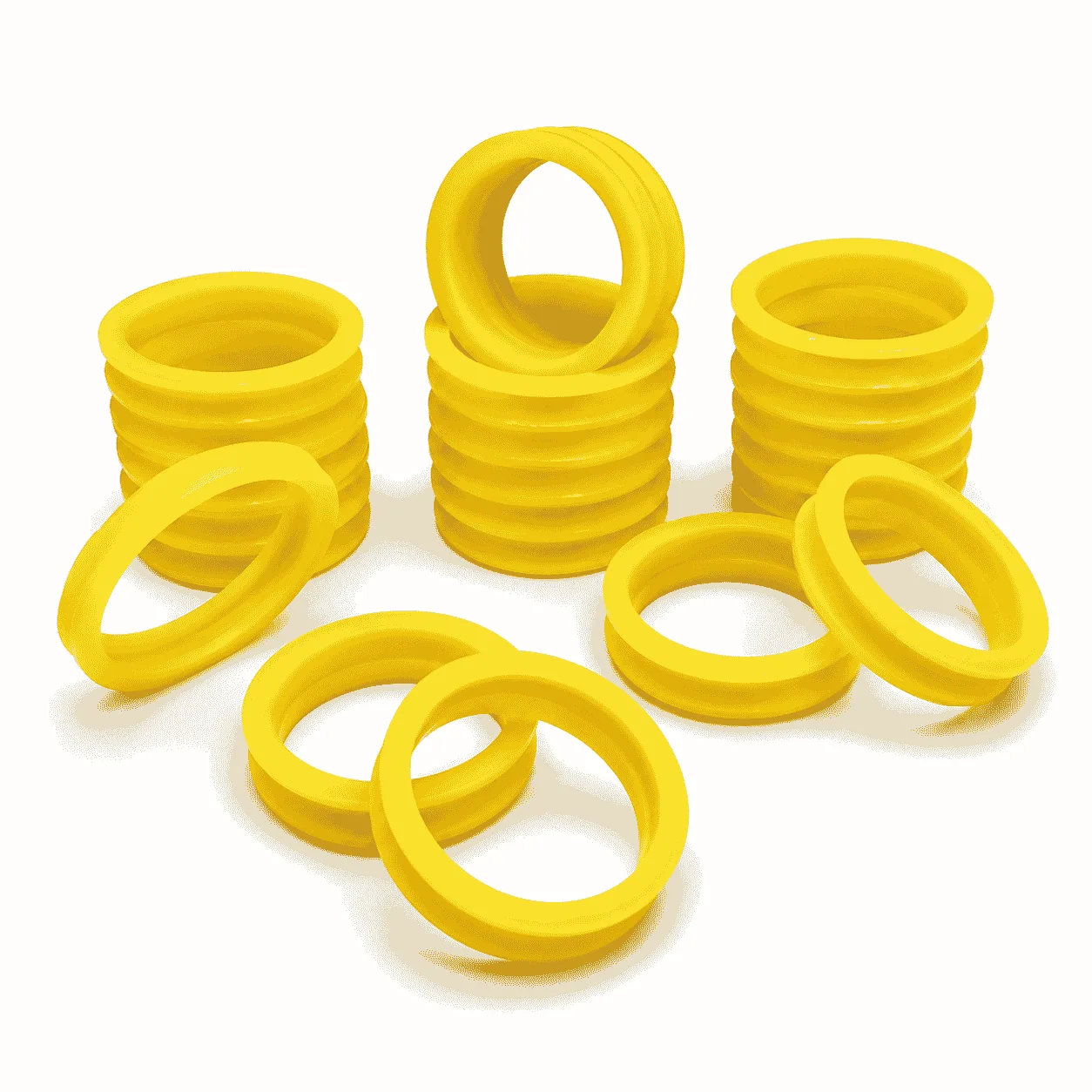
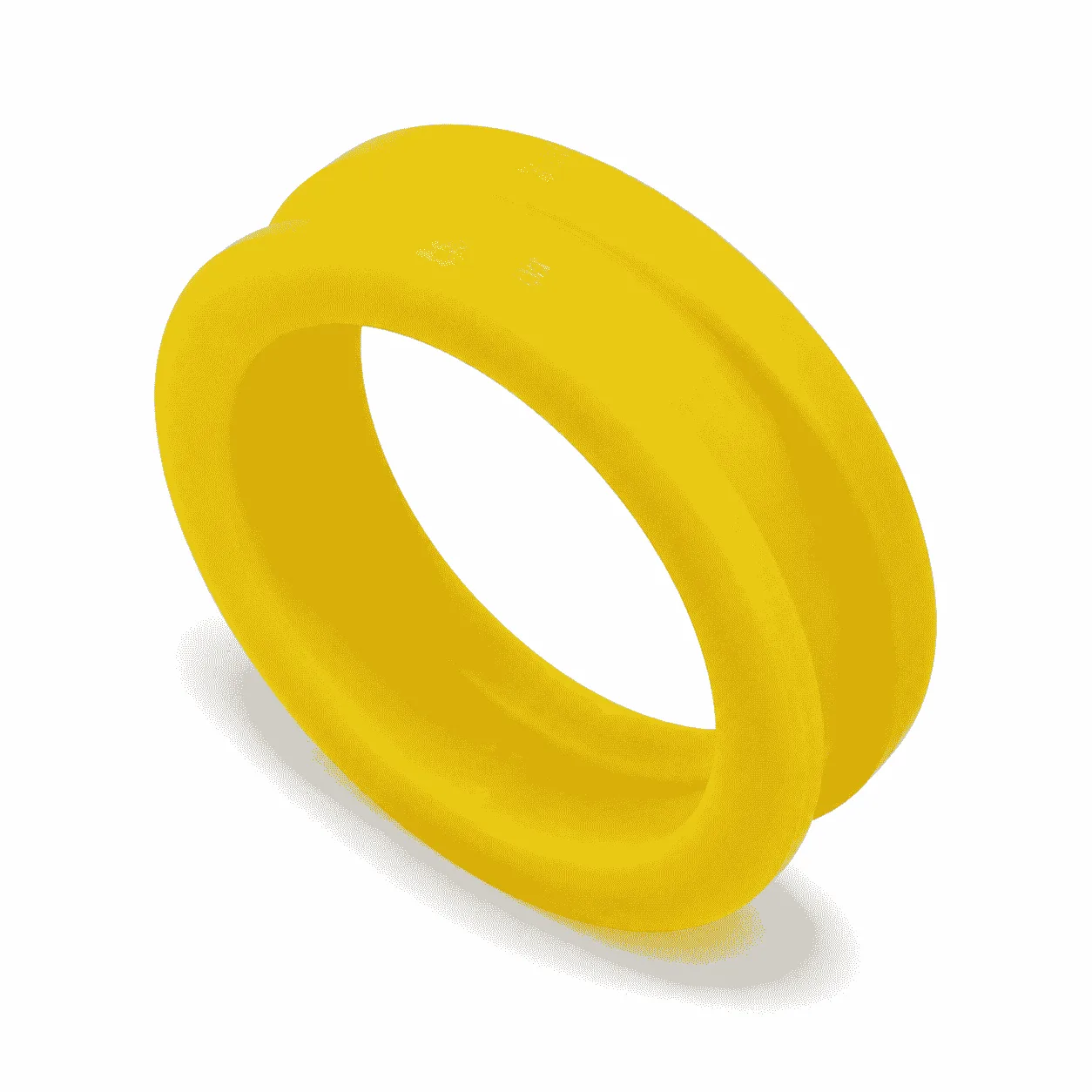
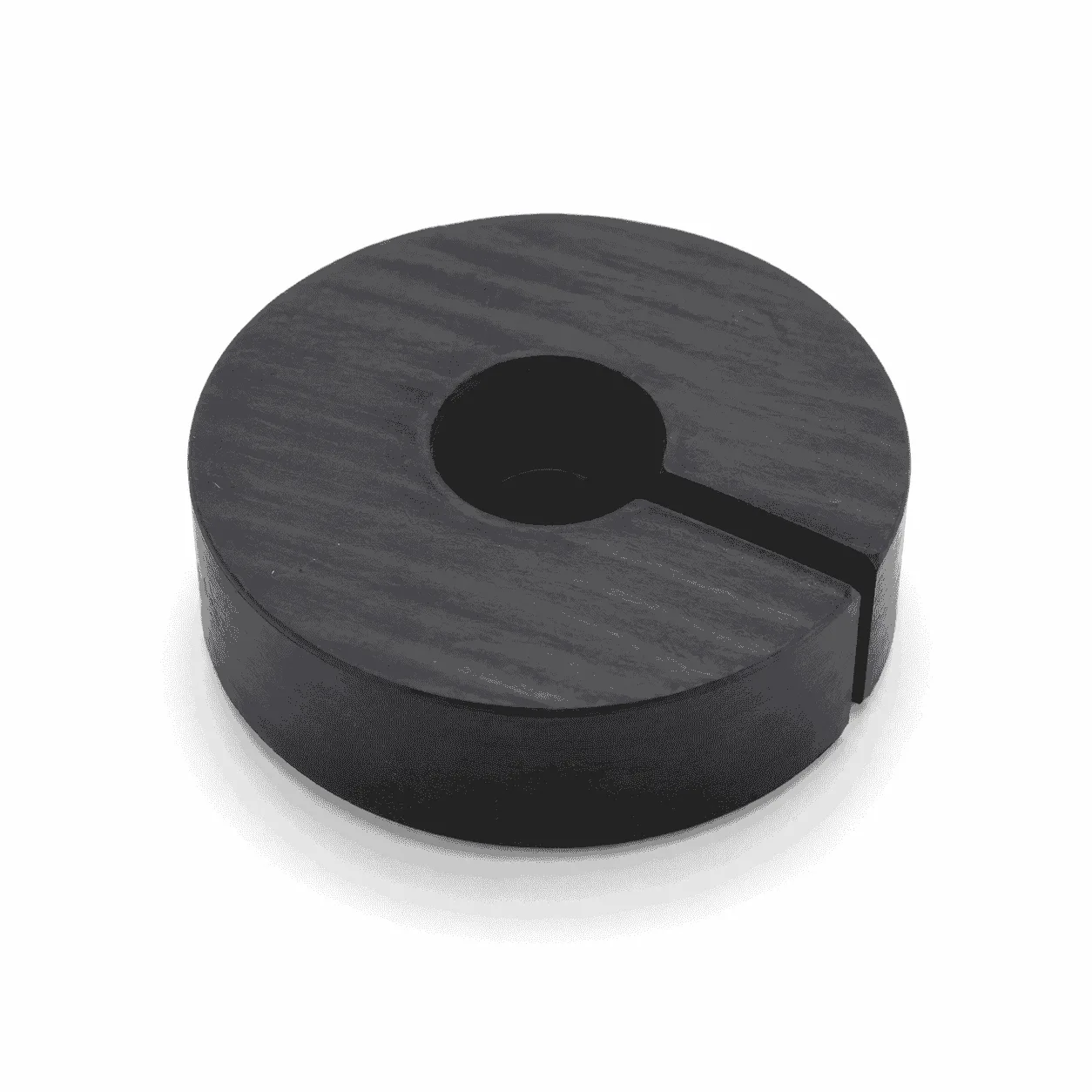
Custom Polyurethane Wheel Liner is a molded or cast annular wear component used in guide wheels, support wheels and industrial rotating assemblies. It provides elastic cushioning, wear resistance, reduced contact noise and protection for mating components. Diameter, width, hardness, fitting structure and surface details can be manufactured according to drawings or samples.

category Brand:
Share :

Description

Product Description

Custom Polyurethane Wheel Liner is a replaceable annular component designed to provide a wear-resistant and elastic contact layer for industrial wheels and rotating assemblies. It can be installed in guide wheels, support wheels, traction wheels, pressure wheels and other mechanical components that require cushioning, controlled friction and reduced direct contact between rigid parts.

The wheel liner is generally manufactured from cast or molded polyurethane elastomer. Its outside diameter, inside diameter, width, wall thickness, hardness and installation structure can be produced according to customer drawings, samples or equipment dimensions. After molding, the inner bore, end face, steps, grooves and fitting surfaces can be finish-machined when tighter assembly requirements are needed.

Custom Polyurethane Wheel Liner Structure

The product uses an annular structure that allows it to fit around or inside a matching wheel body, hub or support component. Depending on the equipment design, the wheel liner may be manufactured as a straight ring, stepped ring, flanged ring or grooved ring.

The inner surface can be designed for interference fitting, adhesive bonding, mechanical positioning or assembly with a corresponding metal wheel body. Dimensional tolerances should be selected according to the installation method, working load, rotational speed and expected deformation during operation.

Polyurethane hardness can also be adjusted. A relatively softer formulation provides more cushioning and surface protection, while a harder formulation generally offers lower deformation and greater support under load. The final hardness should be selected according to the actual equipment conditions rather than product color alone.

7 Benefits of Custom Polyurethane Wheel Liner

  • Wear-resistant contact surface: Suitable for repeated rolling, guiding and supporting operations where the wheel liner is exposed to continuous friction.
  • Elastic cushioning: The polyurethane structure can absorb part of the impact generated during equipment starting, stopping or passing over joints.
  • Reduced operating noise: The elastic liner helps reduce harsh contact noise compared with direct contact between rigid components.
  • Protection of mating parts: It helps reduce scratches, indentation and localized impact on rails, wheels or contacted workpieces.
  • Replaceable wear component: A worn liner can be replaced separately when the wheel structure permits, helping preserve the main wheel body.
  • Custom hardness and dimensions: Diameter, width, wall thickness, hardness and installation details can be matched to different equipment.
  • Flexible structural design: Steps, flanges, locating edges, grooves and other functional structures can be incorporated according to the drawing.

Applications of Custom Polyurethane Wheel Liner

Custom Polyurethane Wheel Liner products can be used in conveyor systems, lifting equipment, automated production lines, guide wheel assemblies, material handling equipment and general industrial machinery. Depending on the installation structure, they may function as replaceable wear rings, cushioning liners, support wheel liners, guide wheel liners or protective contact rings.

Typical applications include equipment that requires repeated wheel-to-rail contact, controlled rolling resistance, impact reduction or protection of the contacted surface. The exact application should be determined according to the wheel structure, load, speed, working temperature and surrounding medium.

Related application information is available on our
Conveyor Systems
and
Industrial Machinery
pages.

Custom Polyurethane Wheel Liner Manufacturing

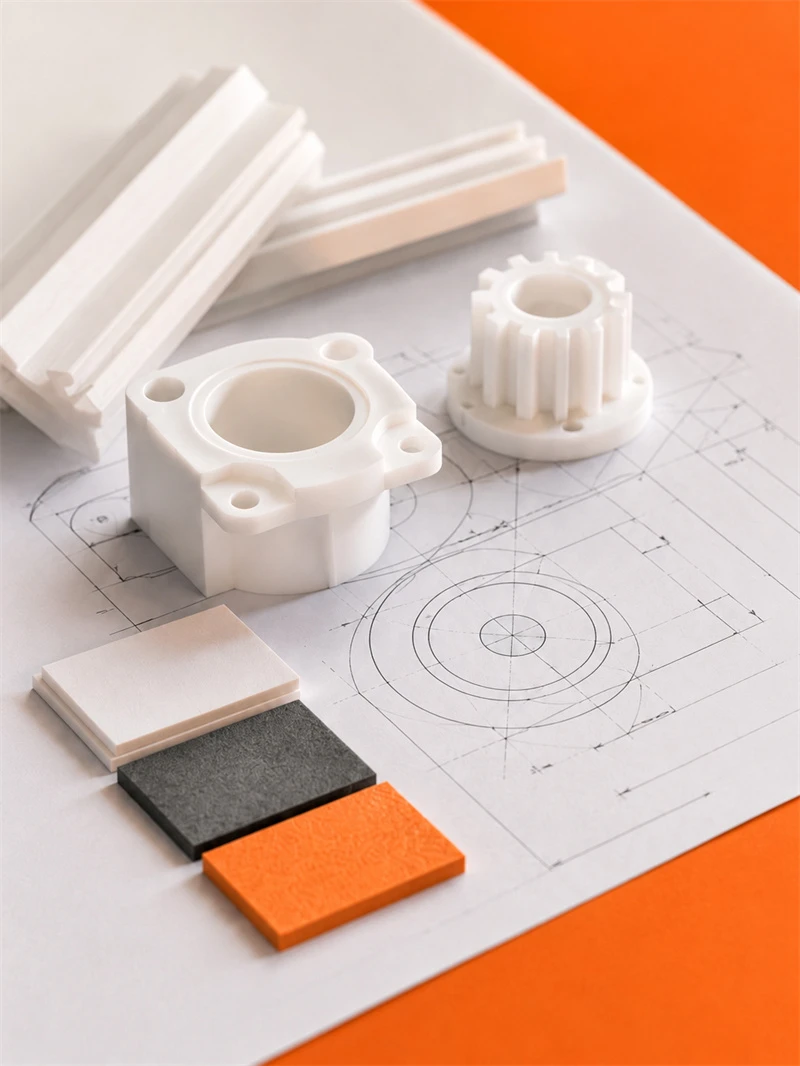
Production can be arranged according to complete technical drawings, physical samples or confirmed equipment dimensions. Common manufacturing steps include mold preparation, polyurethane casting or molding, curing, demolding, dimensional inspection and finish machining of critical fitting surfaces.

For products with tighter assembly requirements, the inner diameter, outer diameter, end face, width and concentricity should be checked after curing and machining. Batch products should also be inspected for dimensional consistency, surface defects and deformation before packaging.

Our
CNC Plastic Machining
service supports turning, milling, drilling, boring, grooving, chamfering and batch processing of custom industrial components.

Material Selection Considerations

Polyurethane is a broad group of polymers that can be formulated into materials with different hardness, elasticity and application characteristics. Basic information about the material is available from
Wikipedia’s Polyurethane overview.

The elastic response of this type of material is also related to the general behavior of elastomers. Additional information is available from
Wikipedia’s Elastomer overview.

The appropriate formulation must be selected according to the actual operating environment. Exposure to oils, solvents, acids, alkalis, water, outdoor weather, elevated temperatures or high-speed continuous rotation should be confirmed before production. Different polyurethane formulations do not provide identical resistance to every medium or working condition.

Information Required for Quotation

Please provide the outside diameter, inside diameter, width, wall thickness, hardness, installation method, operating load, rotational speed, temperature, quantity and dimensional tolerance. A technical drawing or physical sample is recommended for wheel liners with stepped bores, locating edges, grooves or special fitting requirements.

Quality Control

Quality Control and Delivery Standards

Drawing & Material Check

Check drawings for full specifications and confirm materials according to service conditions to prevent product defects.

Machining Quality Control

Inspect all key processing steps and fully verify dimensions, holes, grooves and fitting surfaces.

Finishing & Batch Control

Deburr, chamfer and clean products for easy installation. Ensure uniform quality among batch products.

Packaging & Delivery

Choose appropriate packaging solutions based on product features to protect goods from collision, deformation and mixing during transit.

Processing Quality Control of Engineering Plastics Parts

Unlike metal parts, engineering plastic components still require strict control over dimensions, holes, edges, surface, materials and assembly performance for equipment use.

application

Applications for Engineering Plastic Parts

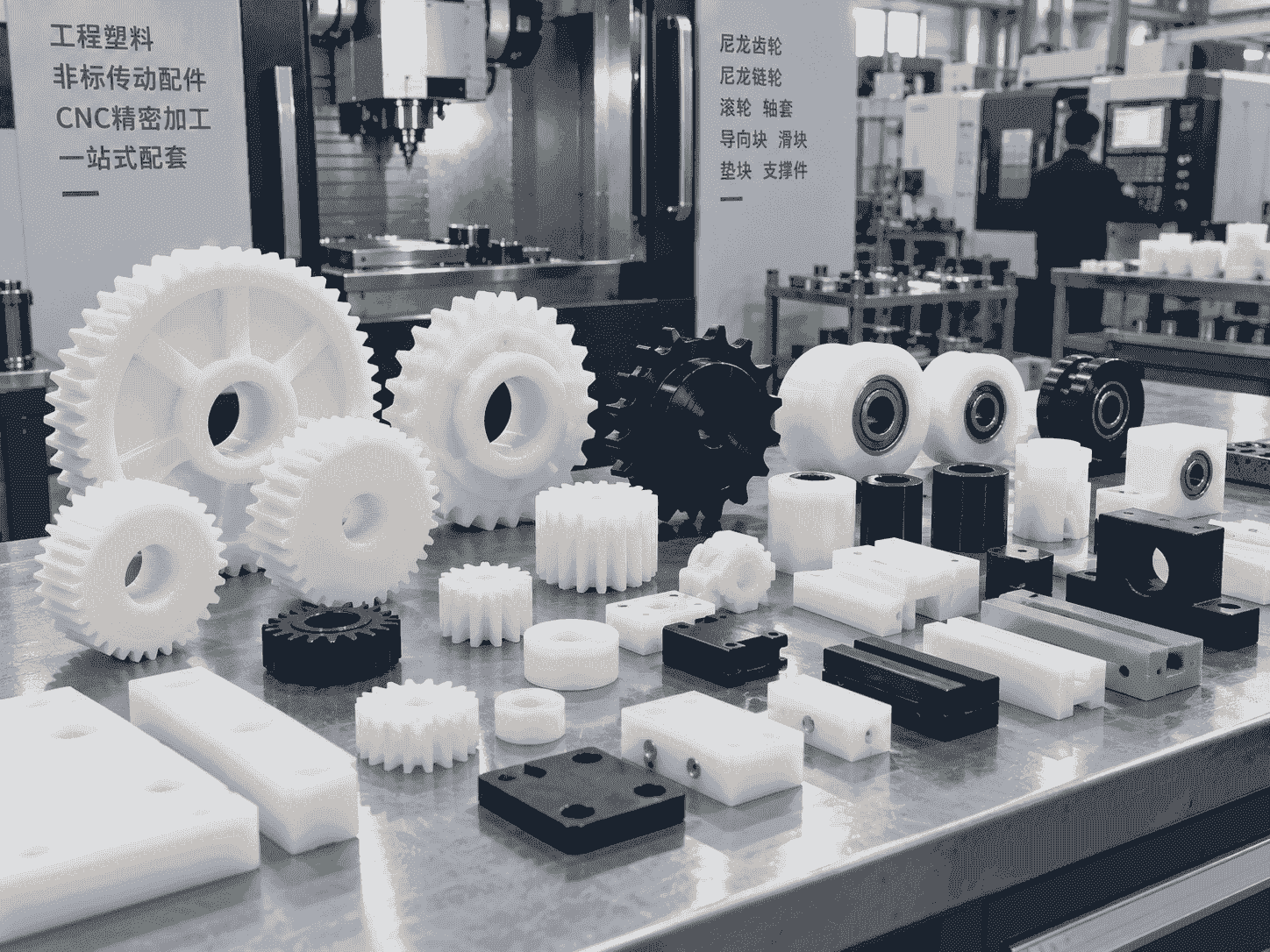
Engineering plastic parts suit friction, guide, support, buffer, anti-corrosion and insulation areas. We supply UHMWPE, POM, PA, PP/PE components for conveyor, food, mining, machinery, chemical and cable systems, with custom OEM service available.

Our Blog

Latest News & Knowledge

Stay updated with our latest industry insights, company updates and featured articles.

We Love to Hear From You

Need UHMWPE sheets & custom plastic machined/OEM parts?Send specs & material needs, free quote within 24h.