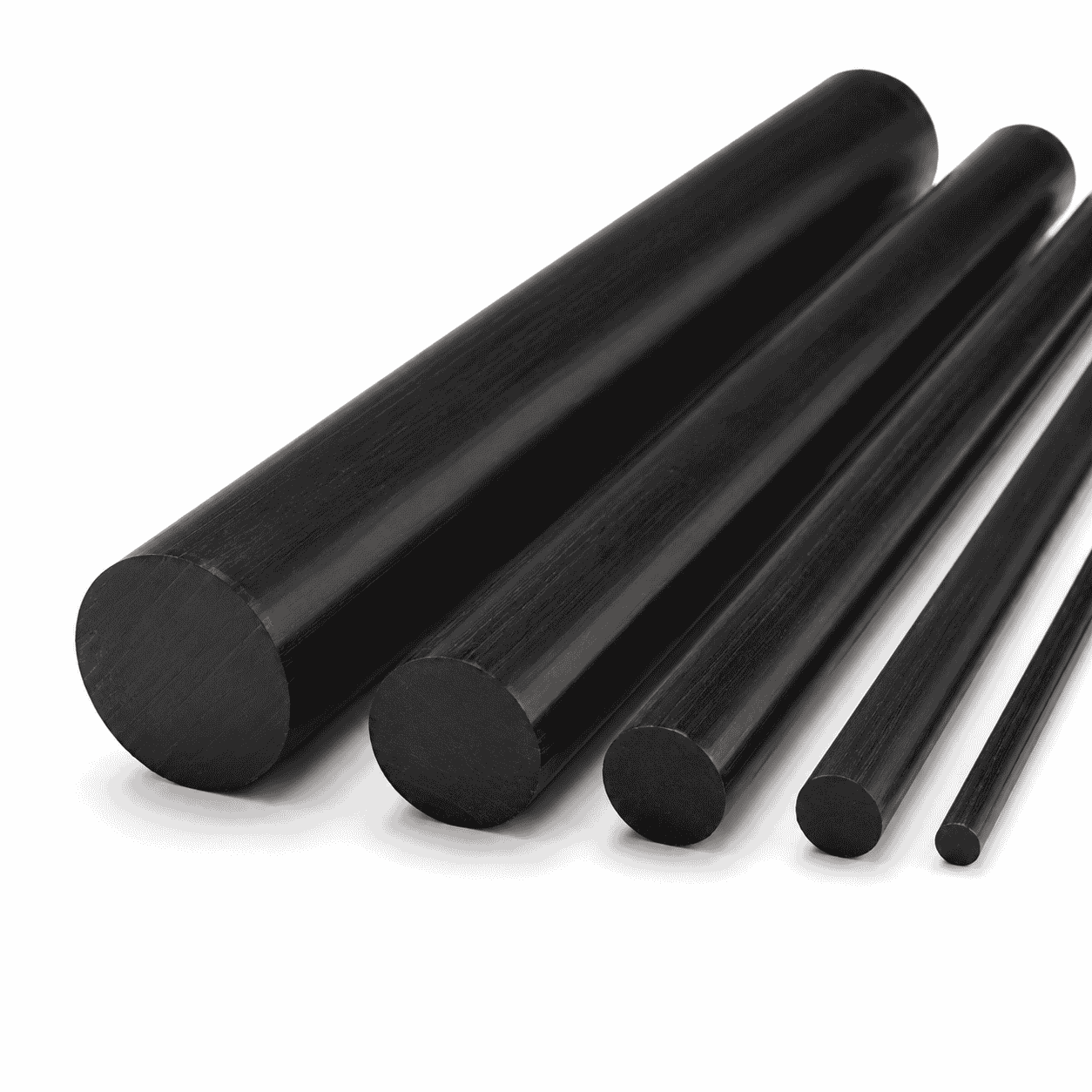
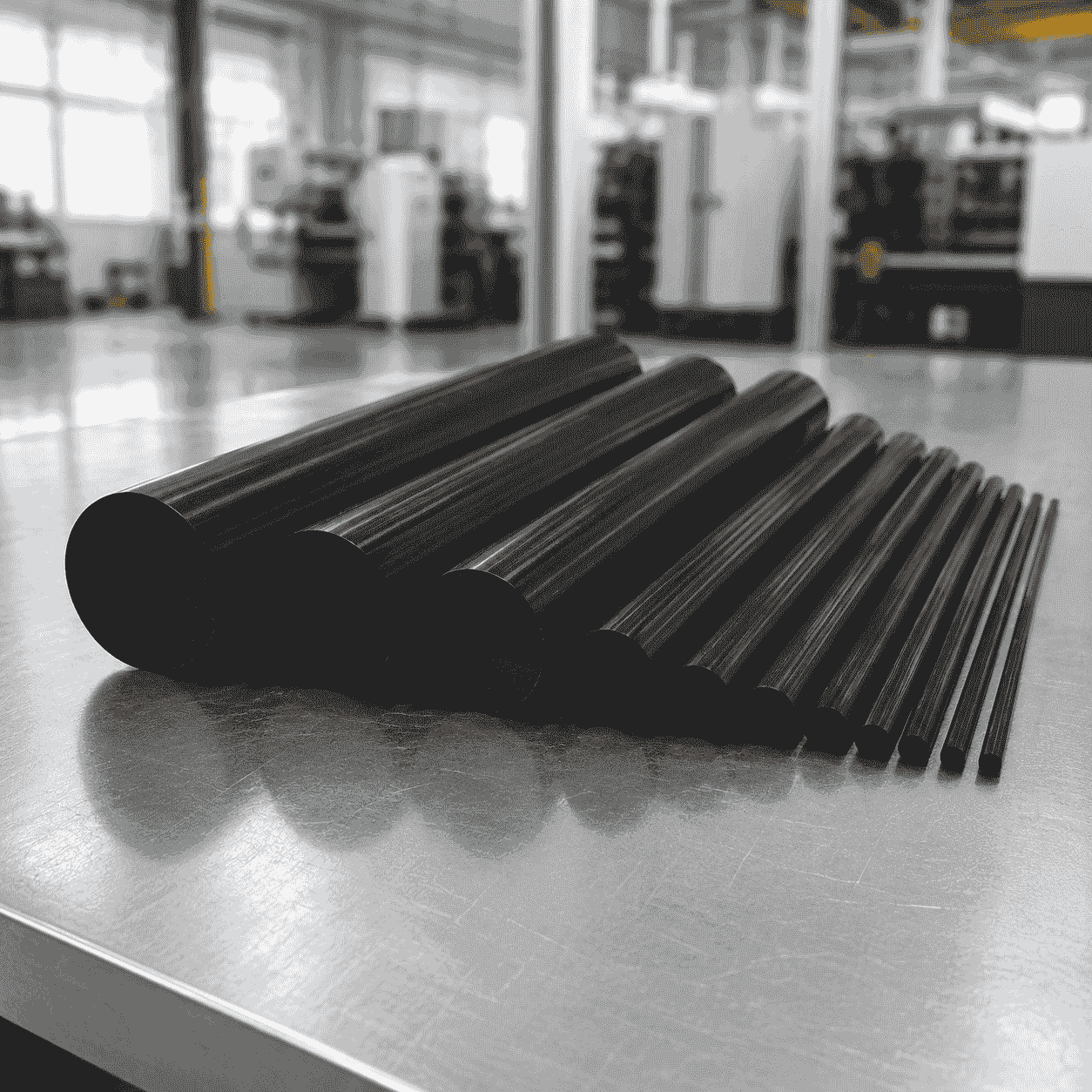
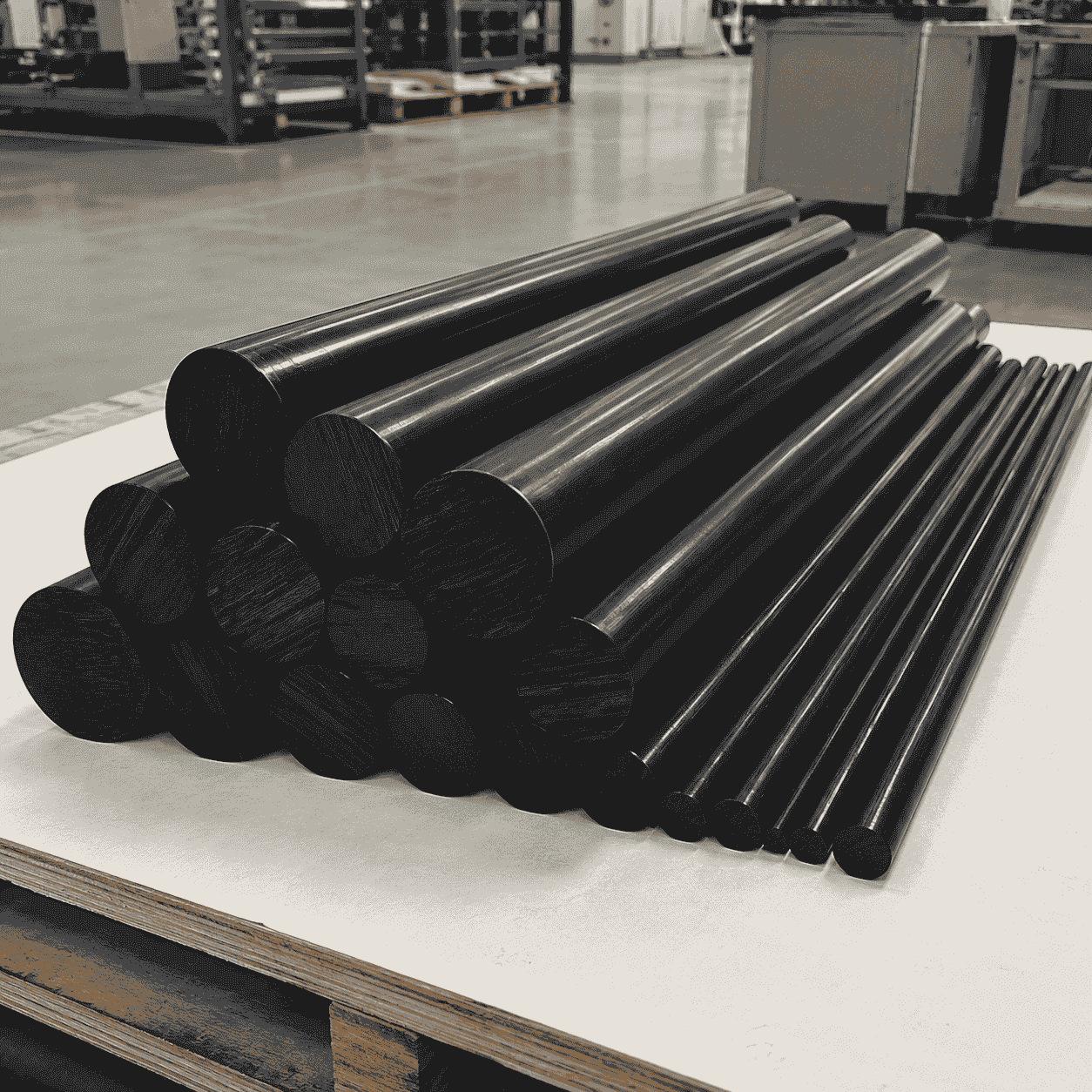
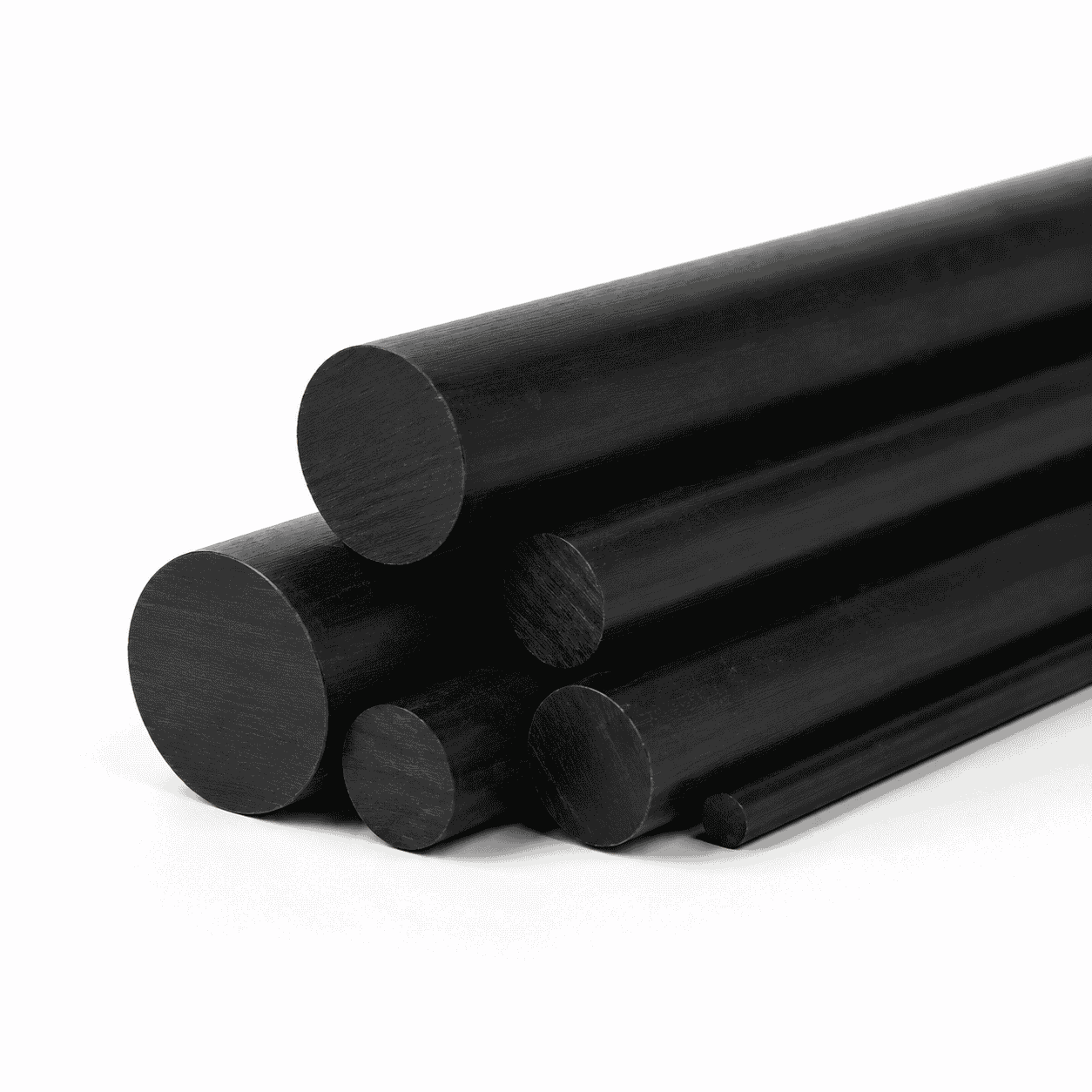
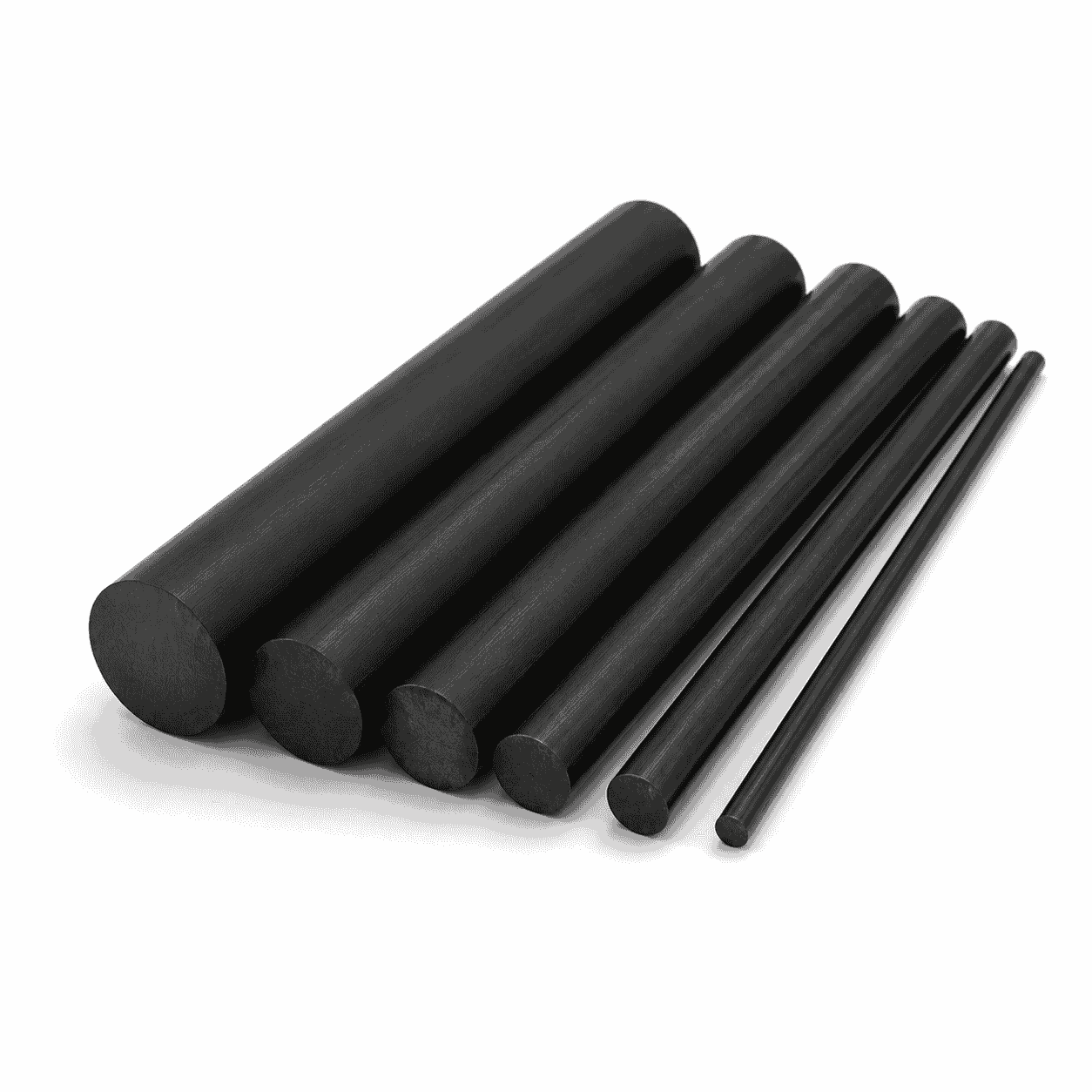
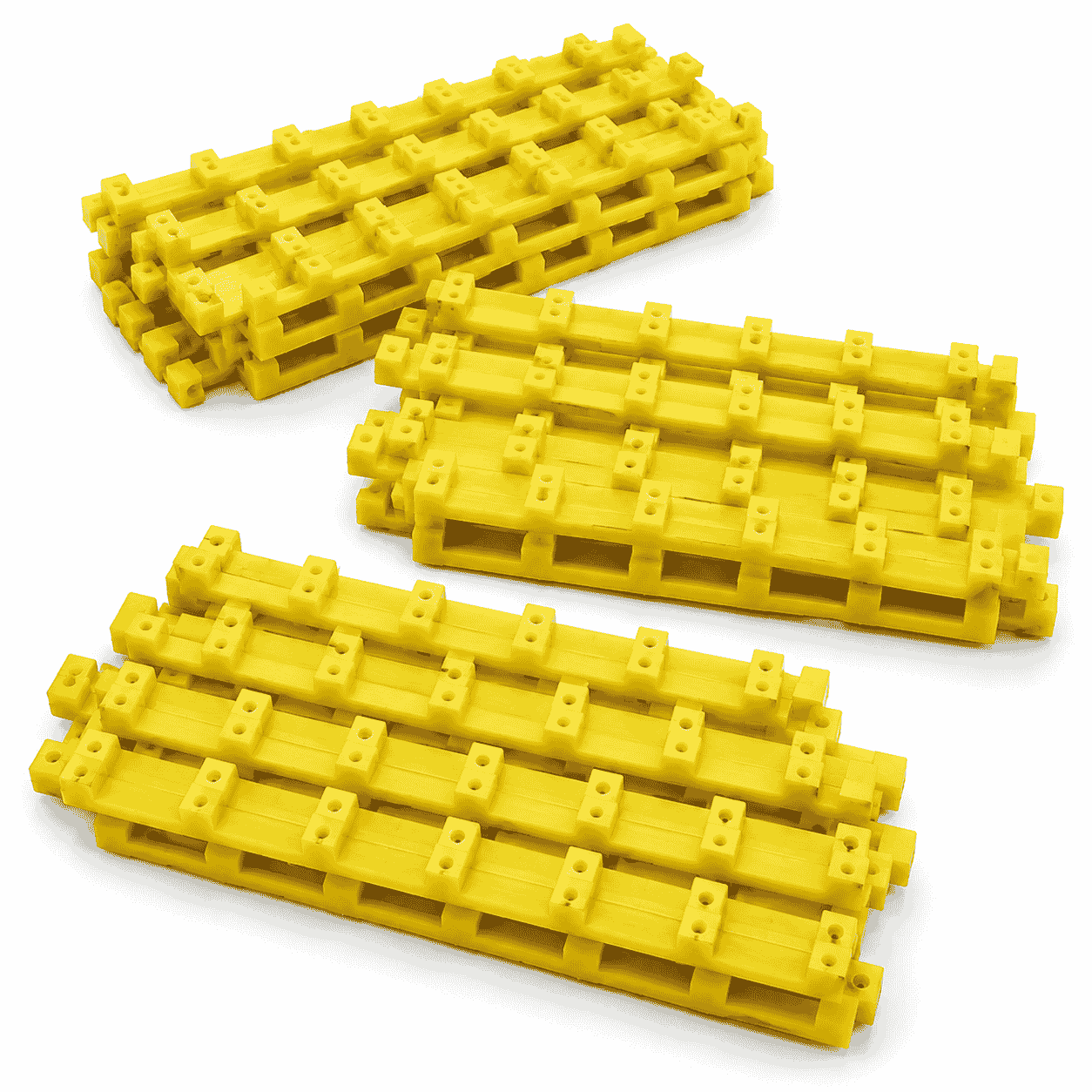
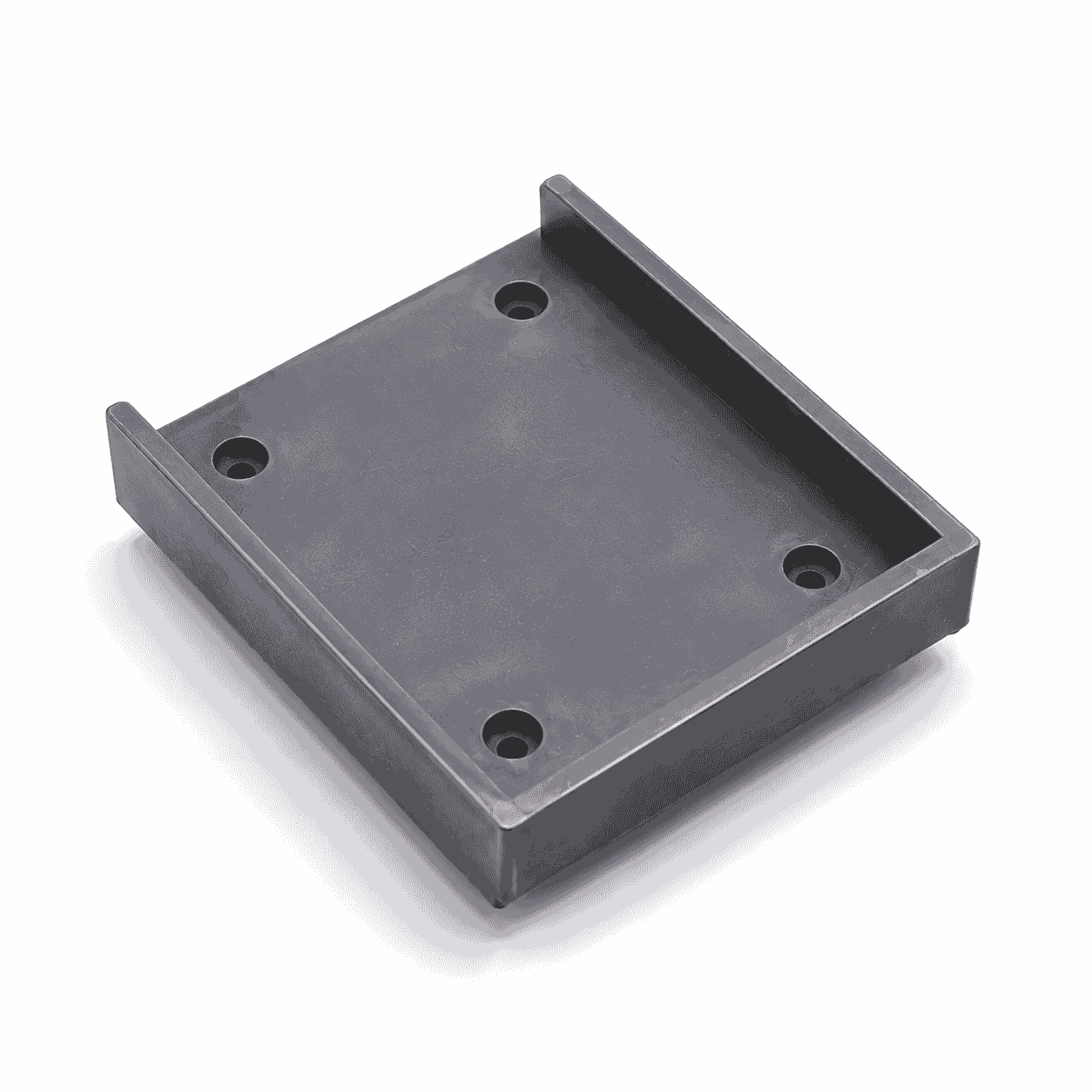
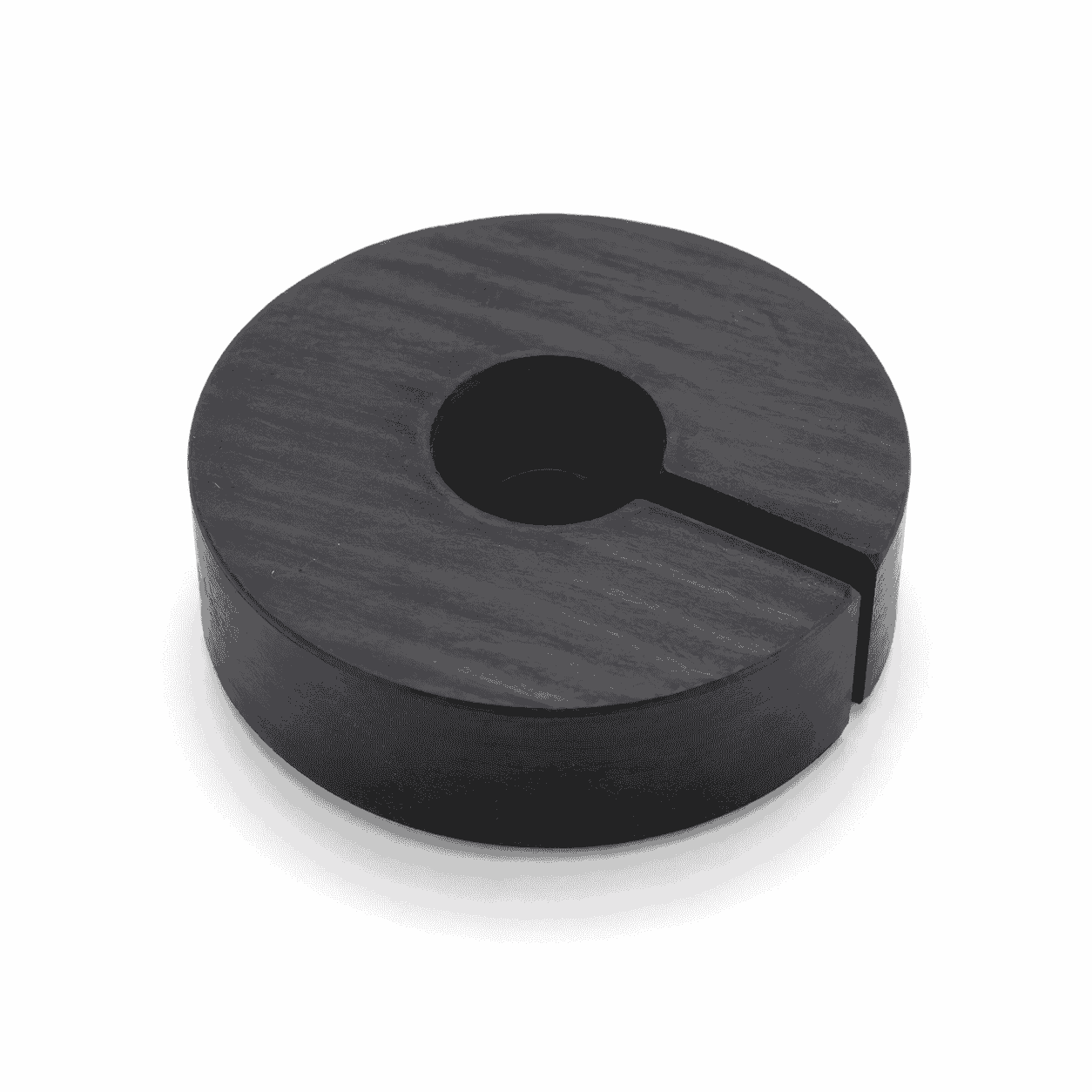
Flame Retardant PP Rod is a modified polypropylene round bar produced from a flame-retardant polypropylene formulation. It is designed for machining industrial plastic components that require the lightweight construction, chemical resistance and low moisture absorption of polypropylene, together with improved resistance to ignition and flame propagation compared with ordinary PP rod.
Standard polypropylene is a combustible thermoplastic material. A Flame Retardant PP Rod is normally produced by adding a suitable flame-retardant system or using a specially modified polypropylene compound. The modification helps slow flame development under specified testing conditions, but it does not make the material completely non-combustible or fireproof.
The actual fire performance depends on the material formulation, rod diameter, finished-part thickness, machining structure and test method. If a project requires a particular flame-retardant classification, the required standard and corresponding test documentation should be confirmed before production.
Flame Retardant PP Rod Features
- Improved flame resistance compared with ordinary polypropylene rod
- Lightweight and easier to handle than many metal materials
- Good resistance to many acids, alkalis and chemical solutions
- Low moisture absorption and good corrosion resistance
- Suitable for turning, milling, drilling, boring and CNC machining
- Available in multiple diameters and cut lengths
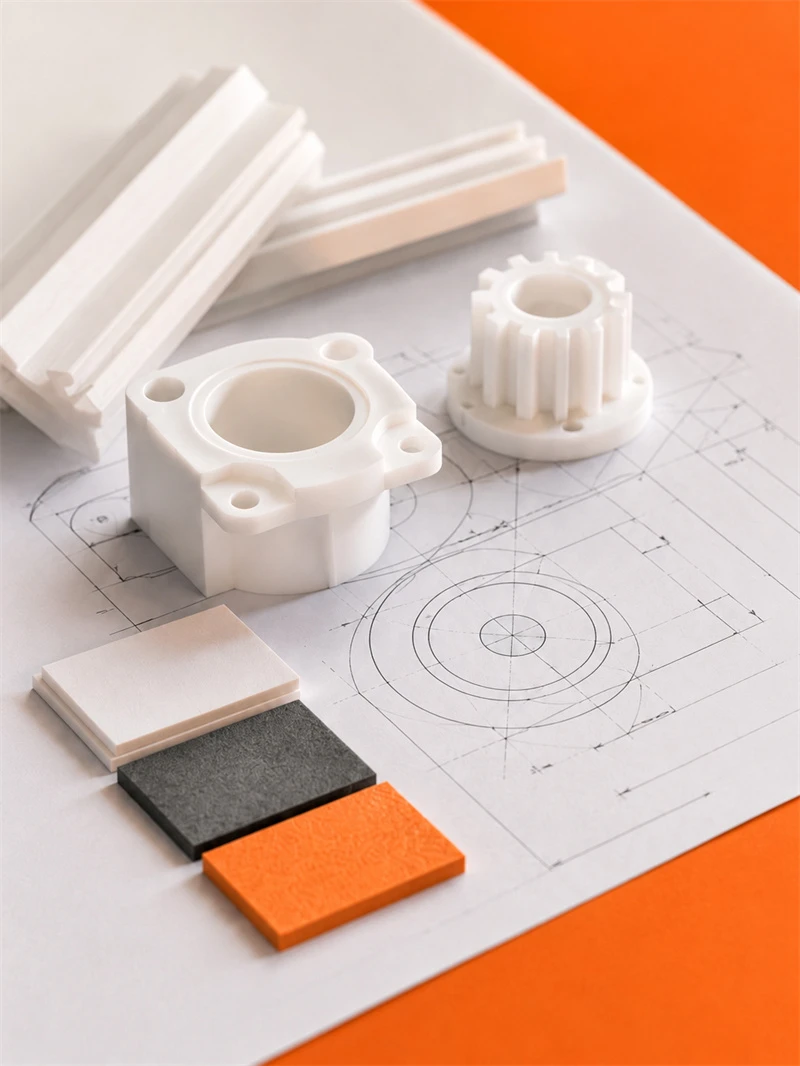
- Suitable for machining non-standard industrial plastic components
- Does not rust in humid or corrosive working environments
- Material grade can be selected according to application requirements
The addition of a flame-retardant system may change the mechanical properties, colour, density, welding behaviour and machining performance of polypropylene. Therefore, a flame-retardant grade should not be treated as identical to an ordinary PP rod without reviewing the corresponding technical data.
Flame Retardant PP Rod Reference Diameters
Based on the supplied specification image, the common reference diameters of Flame Retardant PP Rod include:
- Ø10 mm
- Ø12 mm
- Ø15 mm
- Ø20 mm
- Ø25 mm
- Ø30 mm
- Ø35 mm
- Ø40 mm
- Ø45 mm
- Ø50 mm
- Ø55 mm
- Ø60 mm
- Ø65 mm
- Ø70 mm
- Ø75 mm
- Ø80 mm
- Ø85 mm
- Ø90 mm
- Ø100 mm
- Ø110 mm
- Ø120 mm
- Ø130 mm
- Ø140 mm
- Ø150 mm
- Ø160 mm
- Ø180 mm
- Ø200 mm
Flame Retardant PP Rod Reference Lengths
The common reference lengths shown in the supplied image are:
Rods can also be cut into shorter blanks according to the required machining dimensions. The cutting allowance, finished-part length, machining allowance and end-face requirements should be confirmed before production.
Custom Manufacturing Range
The reference manufacturing range shown in the supplied image is approximately:
- Diameter: Ø10–Ø300 mm
- Length: cut according to customer requirements
Diameters above approximately Ø200 mm are generally treated as non-stock or compression-moulded production specifications. Large-diameter rods may have different minimum order quantities, dimensional tolerances, production cycles and internal stress conditions compared with standard extruded rods.
The sizes above are reference manufacturing dimensions rather than guaranteed inventory specifications. Final availability depends on the flame-retardant grade, diameter, length, colour, order quantity, tolerance and production schedule.
Flame Retardant PP Rod Applications
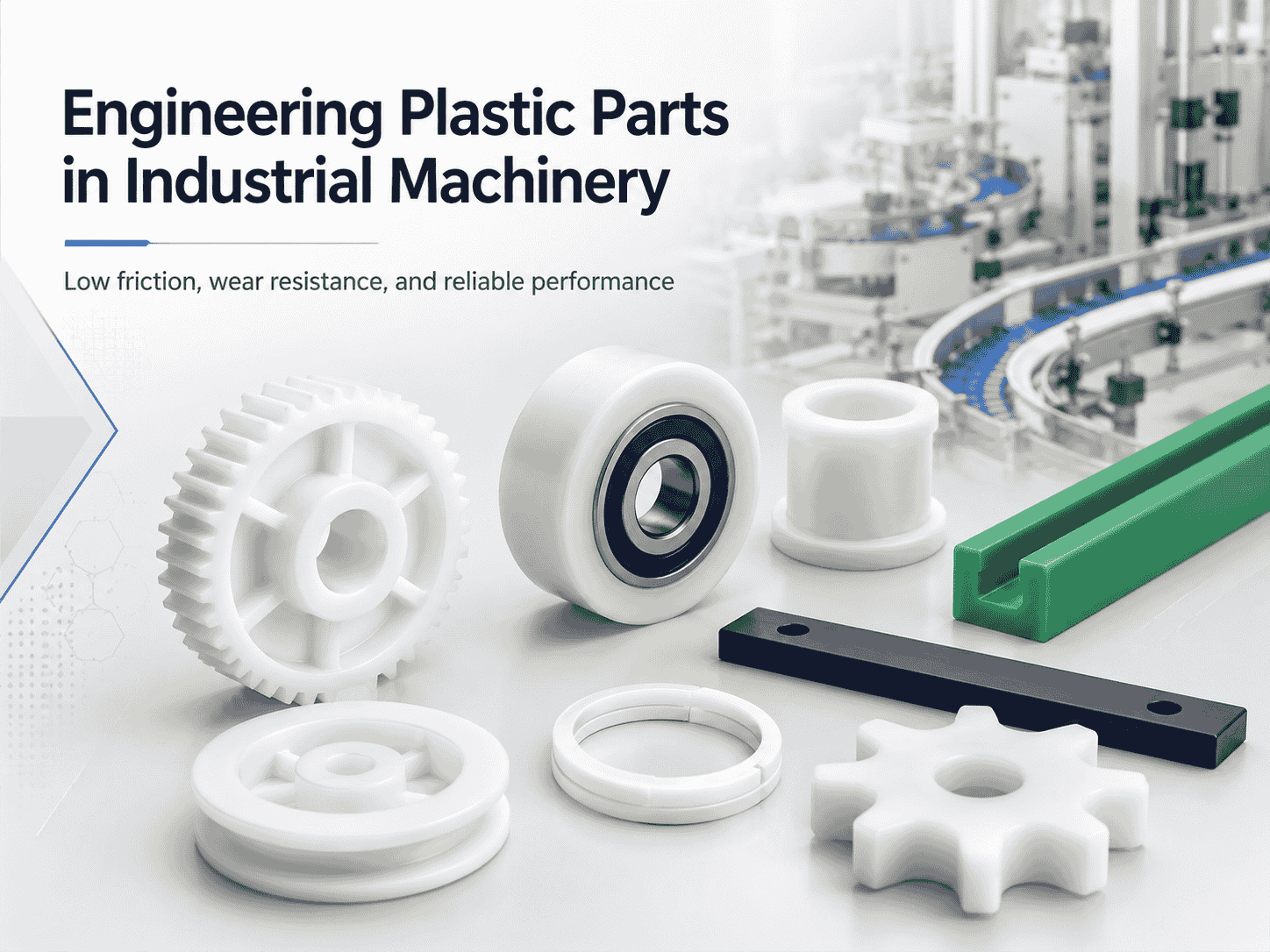
Flame Retardant PP Rod is commonly used as machining stock for industrial components where ordinary polypropylene does not provide the required flame behaviour. Typical applications include:
- Chemical equipment bushings and sleeves
- Electrical equipment support and isolation components
- Equipment spacers and positioning blocks
- Valve and pump plastic components
- Flanges, washers and sealing support parts
- Ventilation equipment accessories
- Laboratory equipment components
- Protective equipment parts
- Custom turned polypropylene components
- CNC-machined industrial plastic parts
For electrical equipment applications, flame-retardant performance does not automatically confirm a specific electrical insulation rating. Electrical properties, tracking resistance, dielectric strength and the required certification should be confirmed separately when these factors are important.
Flame Retardant PP Rod Machining
Flame Retardant PP Rod can be processed by turning, drilling, boring, milling, grooving, threading and CNC machining. It is suitable for producing round parts, stepped shafts, sleeves, rollers, flanges, spacers and other components according to drawings or samples.
Polypropylene has lower stiffness and greater thermal expansion than many metal materials. Suitable cutting parameters, clamping force and machining allowance should therefore be used to reduce deformation, overheating and dimensional variation.
For large-diameter or precision-machined parts, sufficient stress-relief time may be required between rough machining and finish machining. Drawings should clearly identify the finished dimensions, tolerances, concentricity, surface finish, holes, grooves and installation requirements.
Flame-Retardant Rating and Documentation
The name Flame Retardant PP Rod does not represent one universal flame-retardant rating. Different polypropylene compounds may use different flame-retardant systems and may achieve different results under different test standards.
When ordering, customers should confirm the required flame-retardant standard, tested specimen thickness, material colour, operating temperature and end-use environment. A rating obtained from one specimen thickness or material formulation should not automatically be applied to every rod diameter or finished component.
Claims such as a particular UL 94 classification should only be used when the selected material grade is supported by the corresponding test report or certification. The colour and appearance of a rod cannot be used to determine whether it is flame retardant.
Ordering Information
To select the correct Flame Retardant PP Rod, customers should provide the following information:
- Required diameter and length
- Required quantity
- Required flame-retardant standard or classification
- Operating temperature and working environment
- Chemical medium and concentration
- Machining drawings and dimensional tolerances
- Colour and surface requirements
- Required test report or material documentation
For standard polypropylene rod materials and related machining information, visit our internal
Polypropylene PP Rod
page.
For general material information, refer to the Wikipedia explanations of
Polypropylene
and
Flame Retardant.