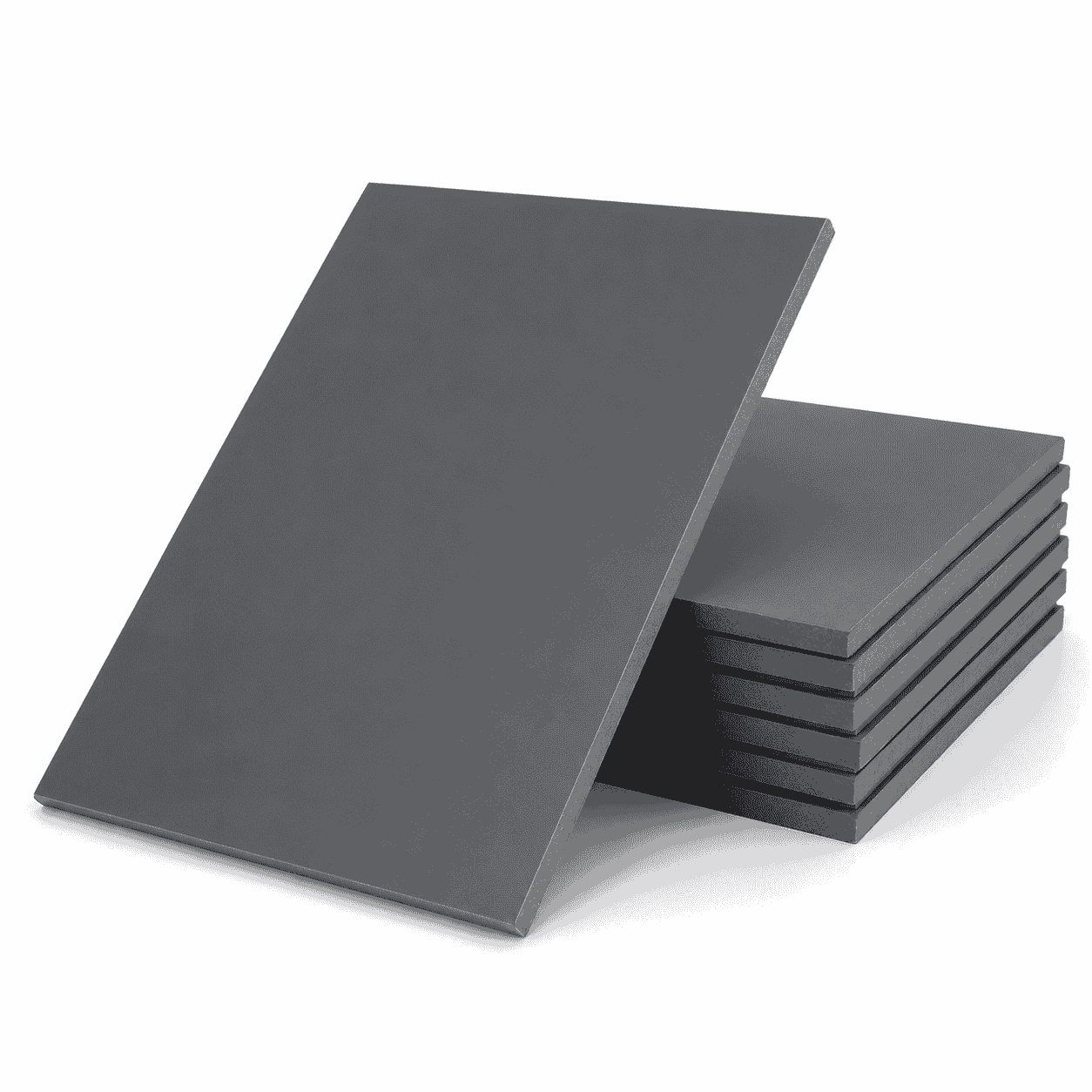
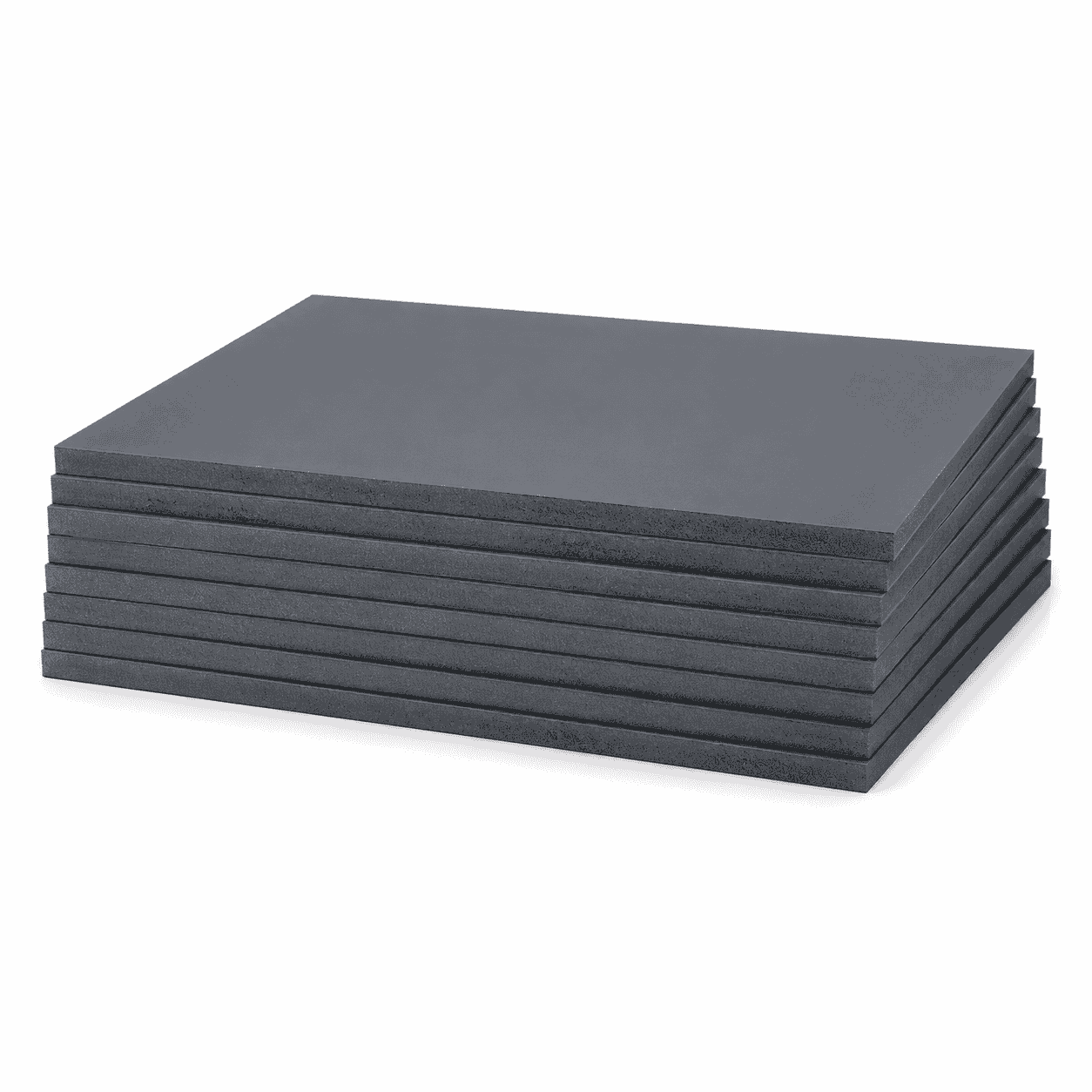
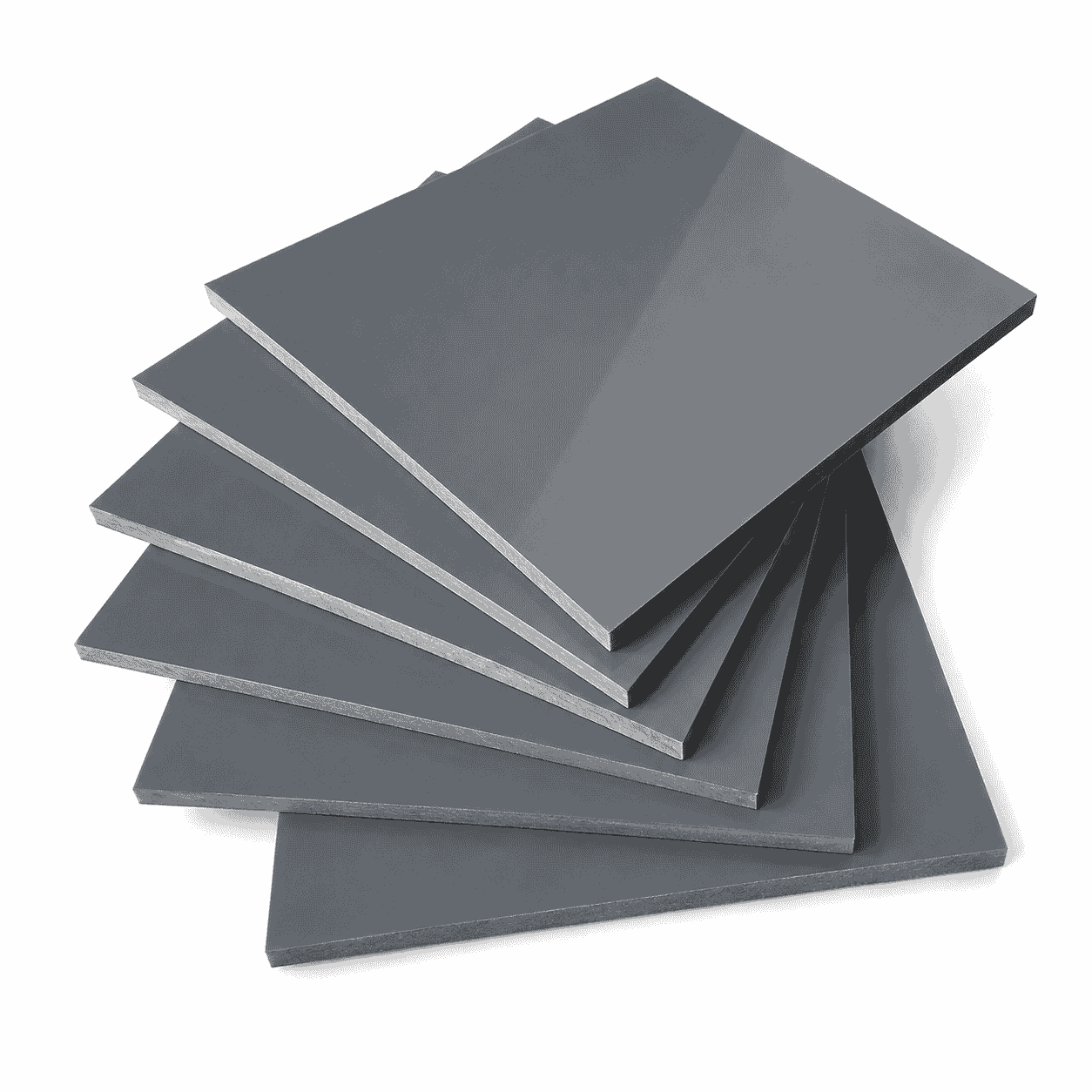
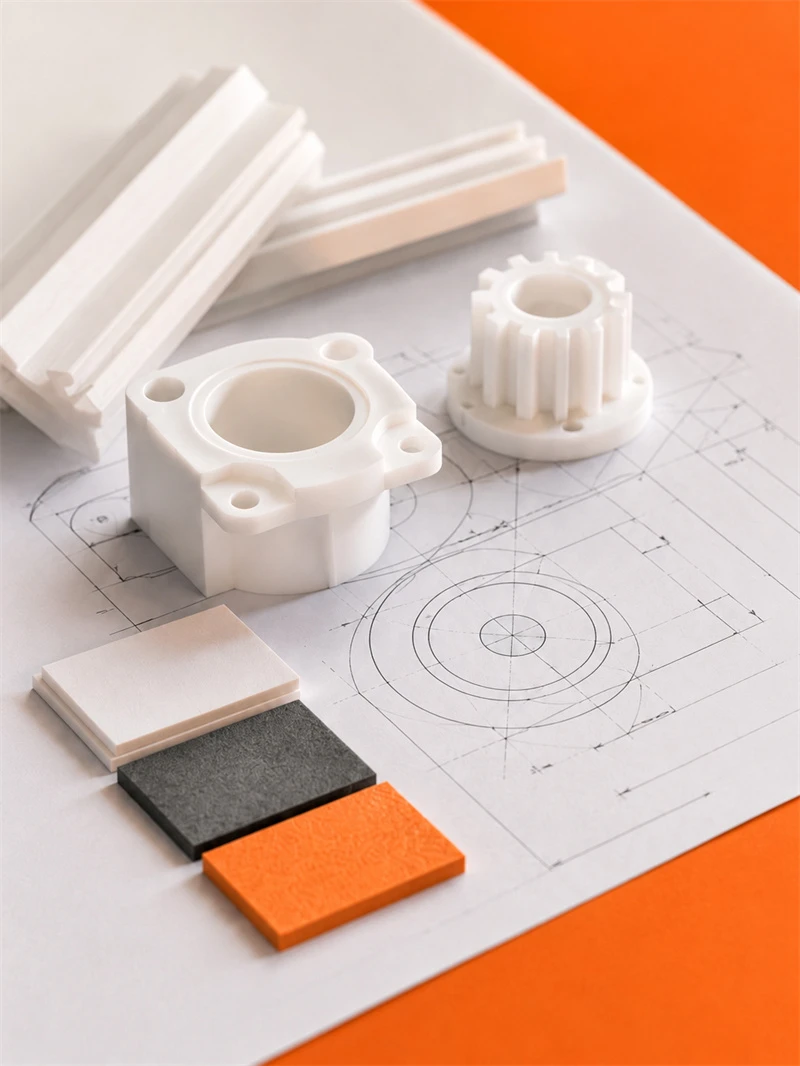
Flame Retardant PP Sheet is a modified polypropylene plastic sheet manufactured with a flame-retardant formulation to reduce ignition tendency and slow flame propagation compared with ordinary polypropylene sheet. It combines the lightweight construction, chemical resistance and fabrication performance of polypropylene with improved fire behaviour for industrial equipment, chemical processing systems, ventilation components, protective panels and equipment partitions.
Standard polypropylene is a combustible thermoplastic material. The flame-retardant version is produced by incorporating a suitable flame-retardant system into the polypropylene resin during material preparation. Depending on the formulation, the additives may work by reducing heat release, interrupting the combustion process or forming a protective layer when exposed to heat. However, Flame Retardant PP Sheet should not be described as completely non-combustible or fireproof.
Flame Retardant PP Sheet Features
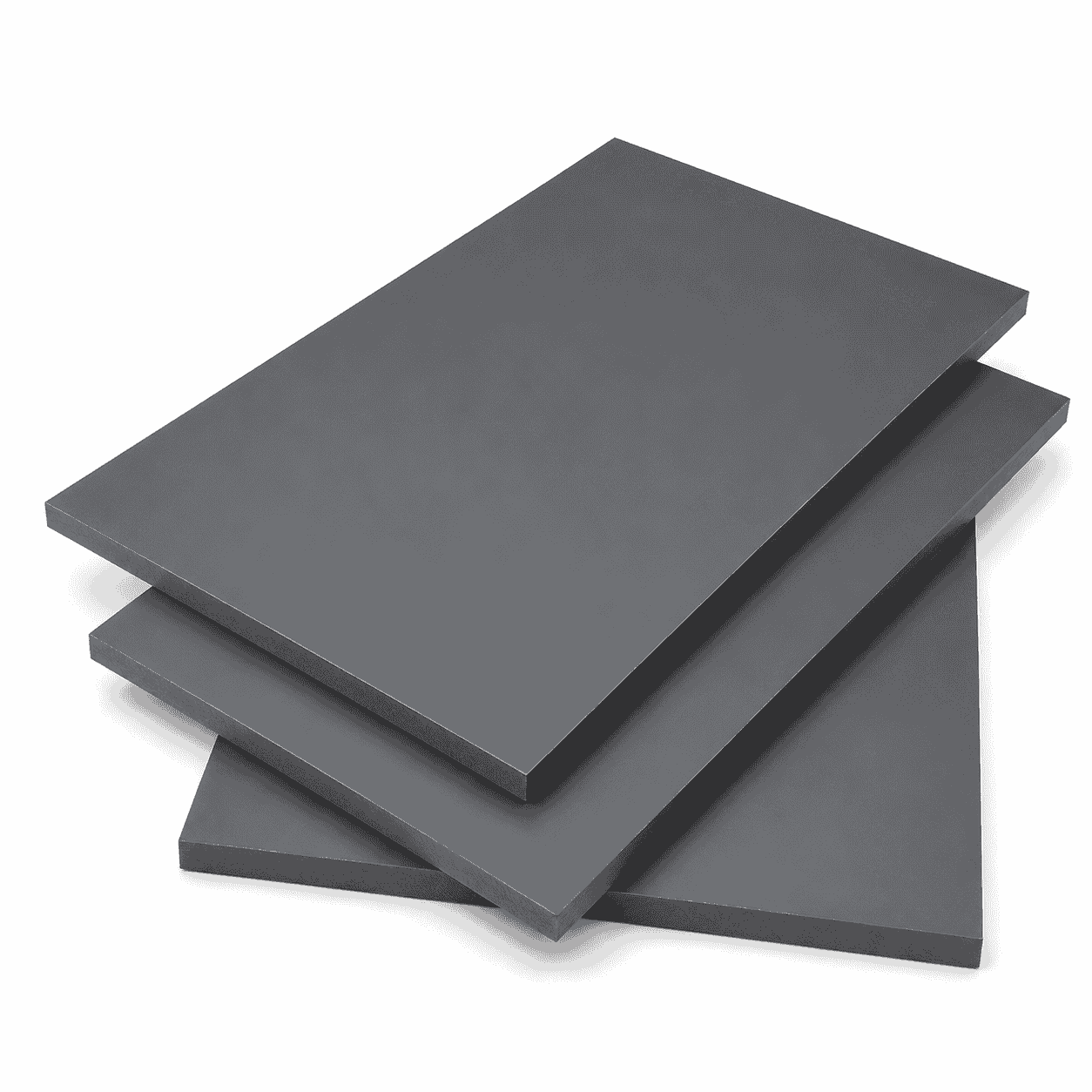
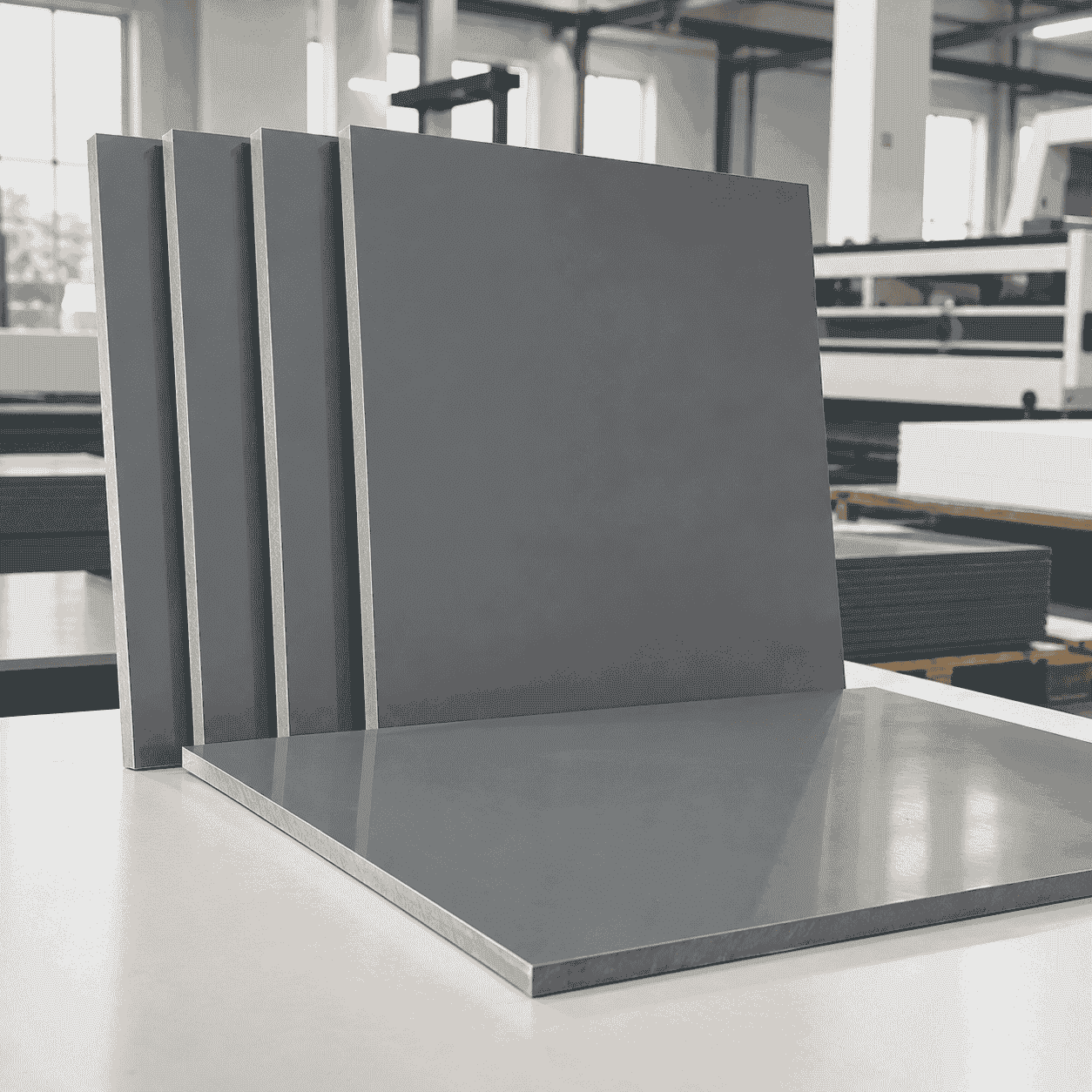
Flame Retardant PP Sheet is selected for industrial applications that require the processing advantages of polypropylene together with improved resistance to ignition and flame spread. The material is commonly supplied in dark grey, although other colours may be discussed according to the material formulation and production quantity.
- Improved flame resistance compared with standard PP sheet
- Good resistance to many acids, alkalis and chemical solutions
- Low moisture absorption and good resistance to humid environments
- Lightweight compared with metal equipment panels
- Suitable for cutting, drilling, milling, routing and CNC machining
- Can be processed through suitable polypropylene welding methods
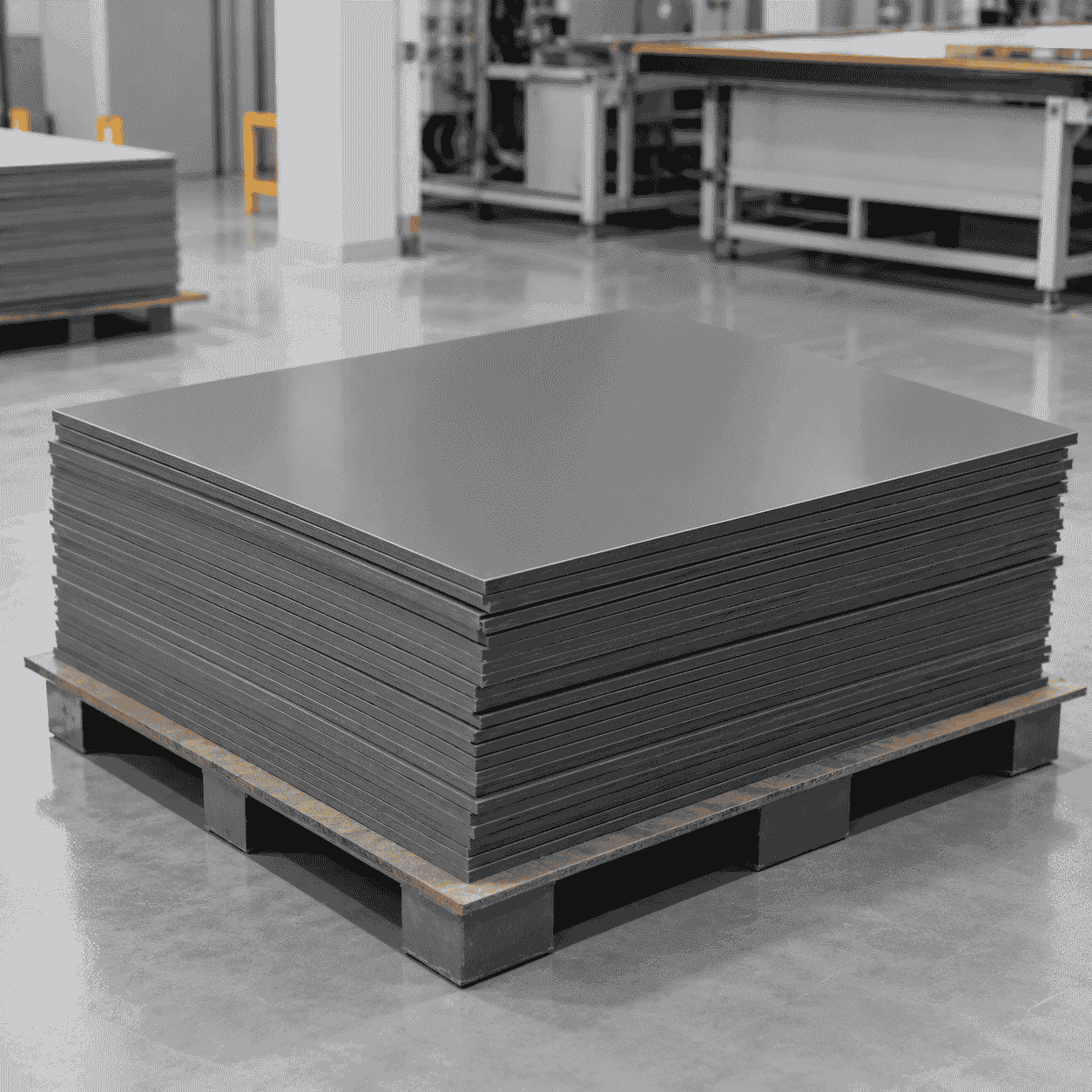
- Suitable for full-sheet supply and cut-to-size fabrication
- Available in different dimensions and thicknesses
- Dark grey appearance commonly used for industrial equipment
The actual performance depends on the resin grade, flame-retardant formulation, sheet thickness, processing method and operating environment. The chemical resistance and mechanical properties should be evaluated according to the concentration of the chemical medium, operating temperature, load and exposure time.
Flame Retardant PP Sheet Reference Sizes
Based on the supplied product specification image, the following dimensions can be used as reference sizes for Flame Retardant PP Sheet. These specifications represent commonly offered market options rather than guaranteed inventory for every grade.
1220 × 2440 mm Flame Retardant PP Sheet
- 1220 × 2440 × 4 mm
- 1220 × 2440 × 5 mm
- 1220 × 2440 × 6 mm
- 1220 × 2440 × 8 mm
- 1220 × 2440 × 10 mm
- 1220 × 2440 × 12 mm
1500 × 3000 mm Flame Retardant PP Sheet
- 1500 × 3000 × 4 mm
- 1500 × 3000 × 5 mm
- 1500 × 3000 × 6 mm
- 1500 × 3000 × 8 mm
- 1500 × 3000 × 10 mm
The sizes above are reference manufacturing dimensions. Final availability should be confirmed according to the required flame-retardant grade, colour, sheet thickness, production quantity and delivery schedule. Thickness tolerance, length tolerance, width tolerance and surface condition should also be confirmed before production.
Full sheets can be supplied for equipment fabrication, while smaller panels and shaped parts can be cut according to drawings. Where large panels are used, sheet thickness should be selected according to panel span, supporting structure, load, operating temperature and installation method.
Flame Retardant PP Sheet Applications
Flame Retardant PP Sheet can be used in industrial environments where ordinary PP sheet may not meet the required fire-performance specification. Typical applications include:
- Chemical processing equipment panels
- Electroplating equipment and tank components
- Laboratory equipment and protective panels
- Industrial ventilation ducts and covers
- Air treatment and exhaust treatment equipment
- Wastewater treatment equipment components
- Electrical equipment covers and internal partitions
- Equipment guards and protective housings
- Machine side panels and corrosion-resistant partitions
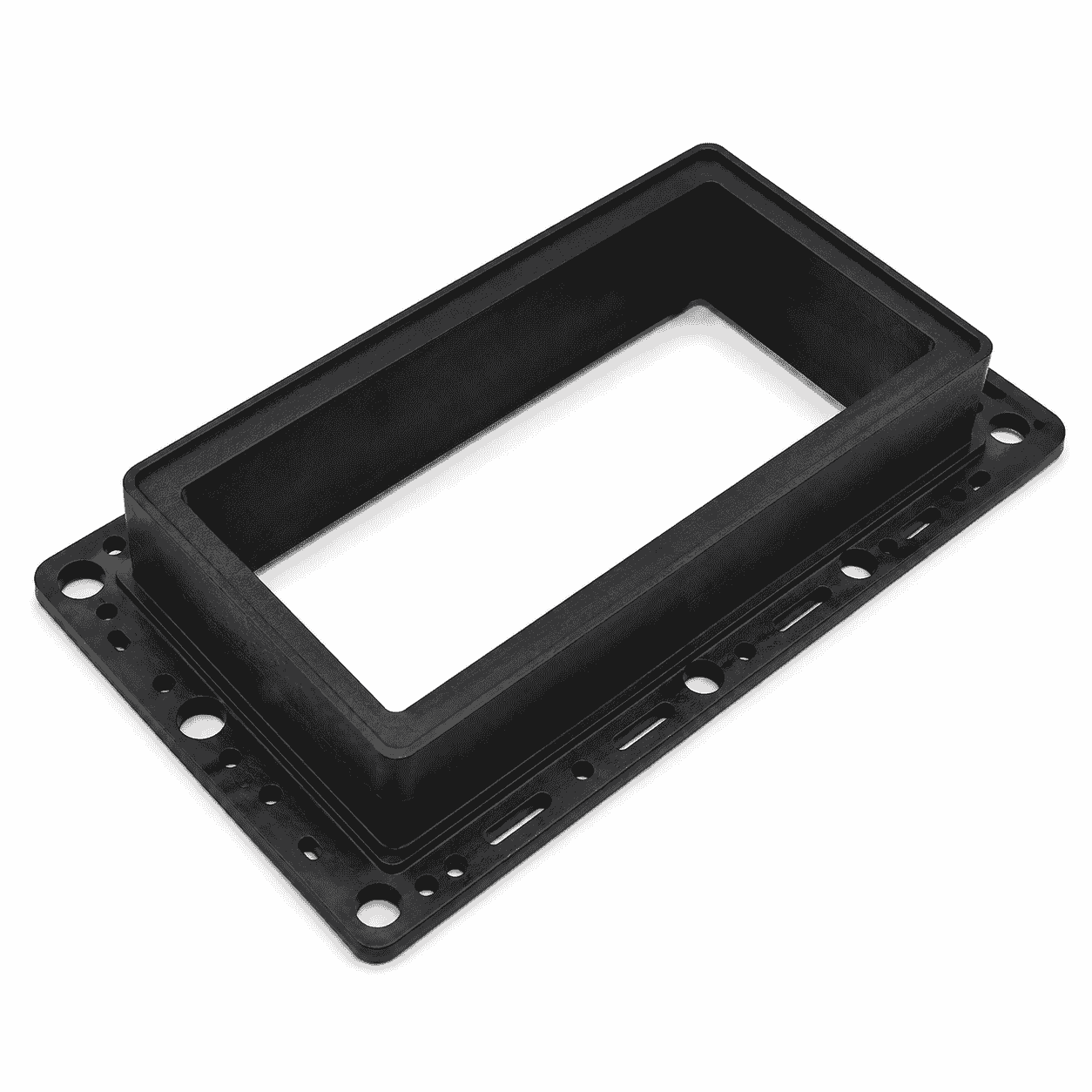
- Custom CNC-machined polypropylene components
For chemical tanks, ventilation systems or wastewater equipment, the sheet grade should be selected according to both fire-performance requirements and chemical compatibility. A material that performs well with one chemical medium may not be suitable for another concentration or operating temperature.
Flame Retardant PP Sheet Processing
Flame Retardant PP Sheet can be processed by sawing, cutting, drilling, milling, routing, grooving, chamfering and CNC machining. It may also be fabricated into tanks, ducts, covers, partitions and equipment housings using suitable polypropylene welding processes.
When welded structures are required, a compatible flame-retardant polypropylene welding rod should be selected. An ordinary PP welding rod may produce a weld area with different fire behaviour from the base sheet. The welding material, welding temperature, joint design and fabrication procedure should therefore be confirmed before batch production.
Machining and welding can also affect the finished component. Sharp internal corners, excessive residual stress, unsuitable fasteners and unsupported large spans may cause deformation or cracking during installation. Drawings should clearly identify all dimensions, holes, grooves, welding areas, tolerances and assembly requirements.
Flame-Retardant Grade and Test Reports
The term Flame Retardant PP Sheet describes a modified PP material with improved combustion performance, but it does not identify a specific certified rating by itself. Different formulations and sheet thicknesses may produce different test results.
If the project requires a particular flame-retardant classification, the customer should confirm the required testing standard before ordering. The supplier should then verify whether the selected material grade and tested thickness meet that requirement. A test result obtained from one thickness should not automatically be applied to every other thickness.
Dark grey colour alone does not prove that a polypropylene sheet is flame retardant. Product colour, product name and appearance cannot replace a flame-retardant test report, material specification or batch documentation. Claims such as a specific UL 94 rating should only be used when supported by corresponding documentation.
Ordering Information
When ordering Flame Retardant PP Sheet, the following information should be provided:
- Required sheet length and width
- Required thickness and thickness tolerance
- Required colour and surface condition
- Required flame-retardant standard or classification
- Chemical medium and operating temperature
- Full-sheet or cut-to-size requirements
- Machining, drilling or welding requirements
- Required quantity and delivery schedule
For standard polypropylene sheet materials and related machining options, visit our internal
Polypropylene PP Sheet
page.
For general material information, refer to the Wikipedia explanations of
Polypropylene
and
Fire-Safe Polymers.
These pages provide general background information about polypropylene and flame-retardant polymer systems.