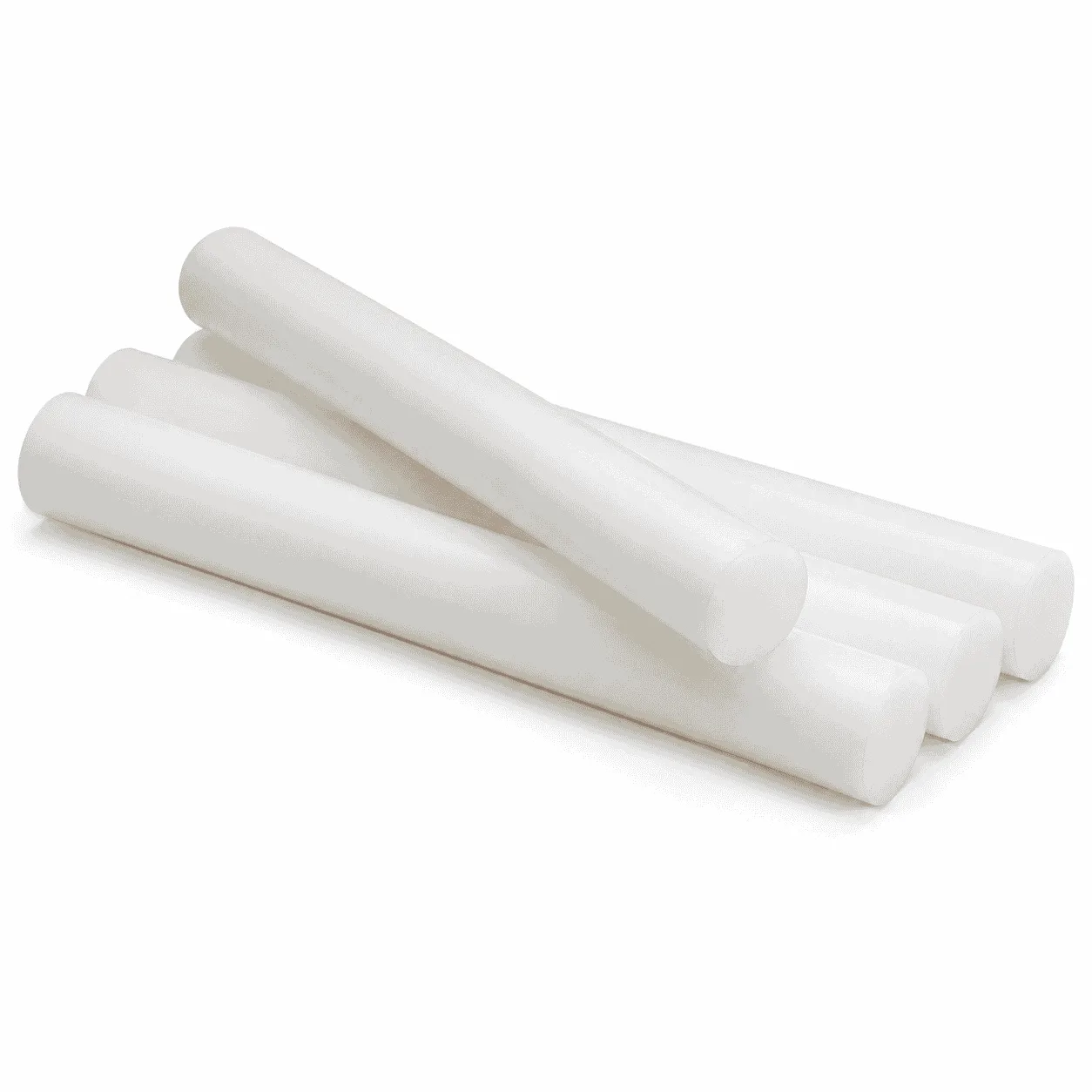
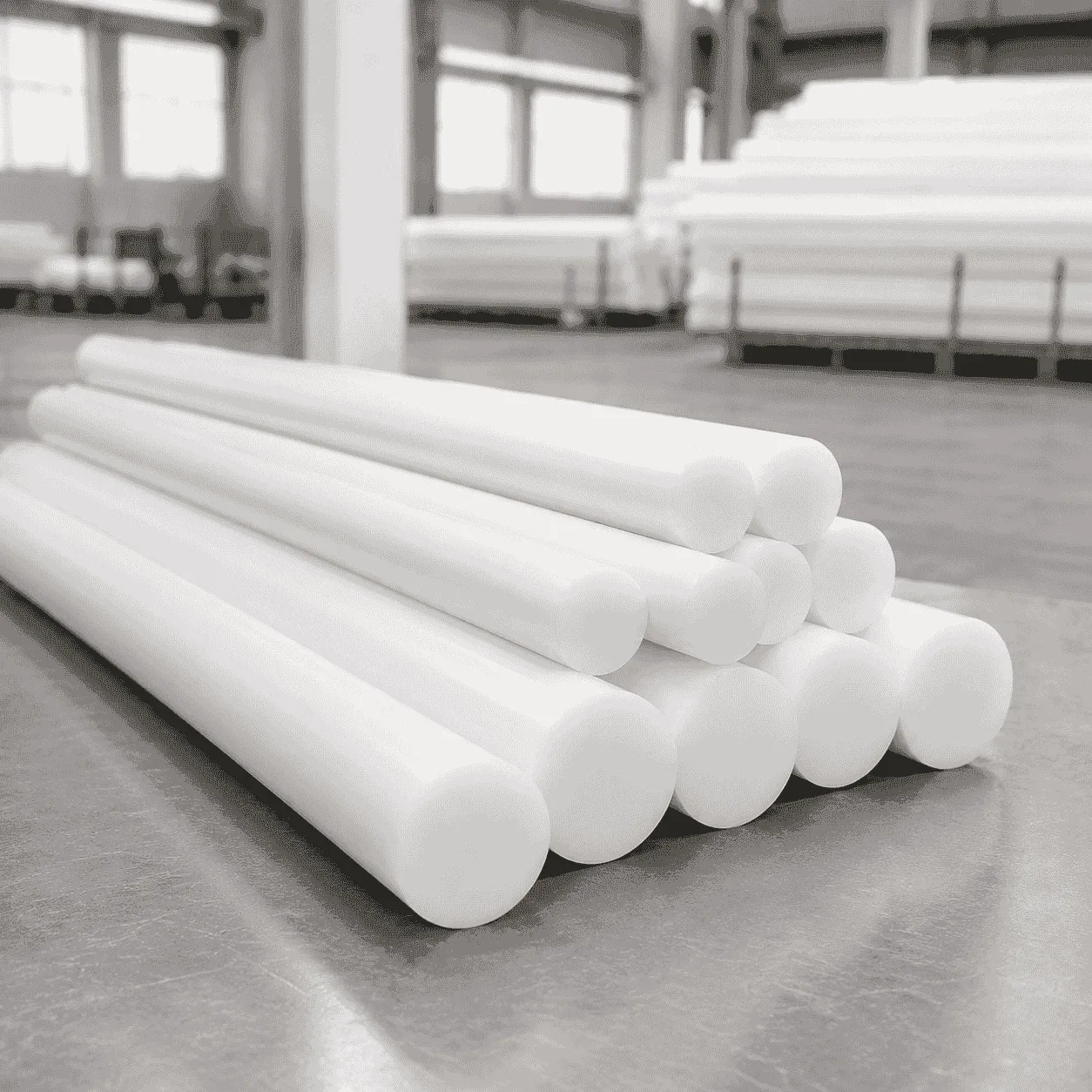
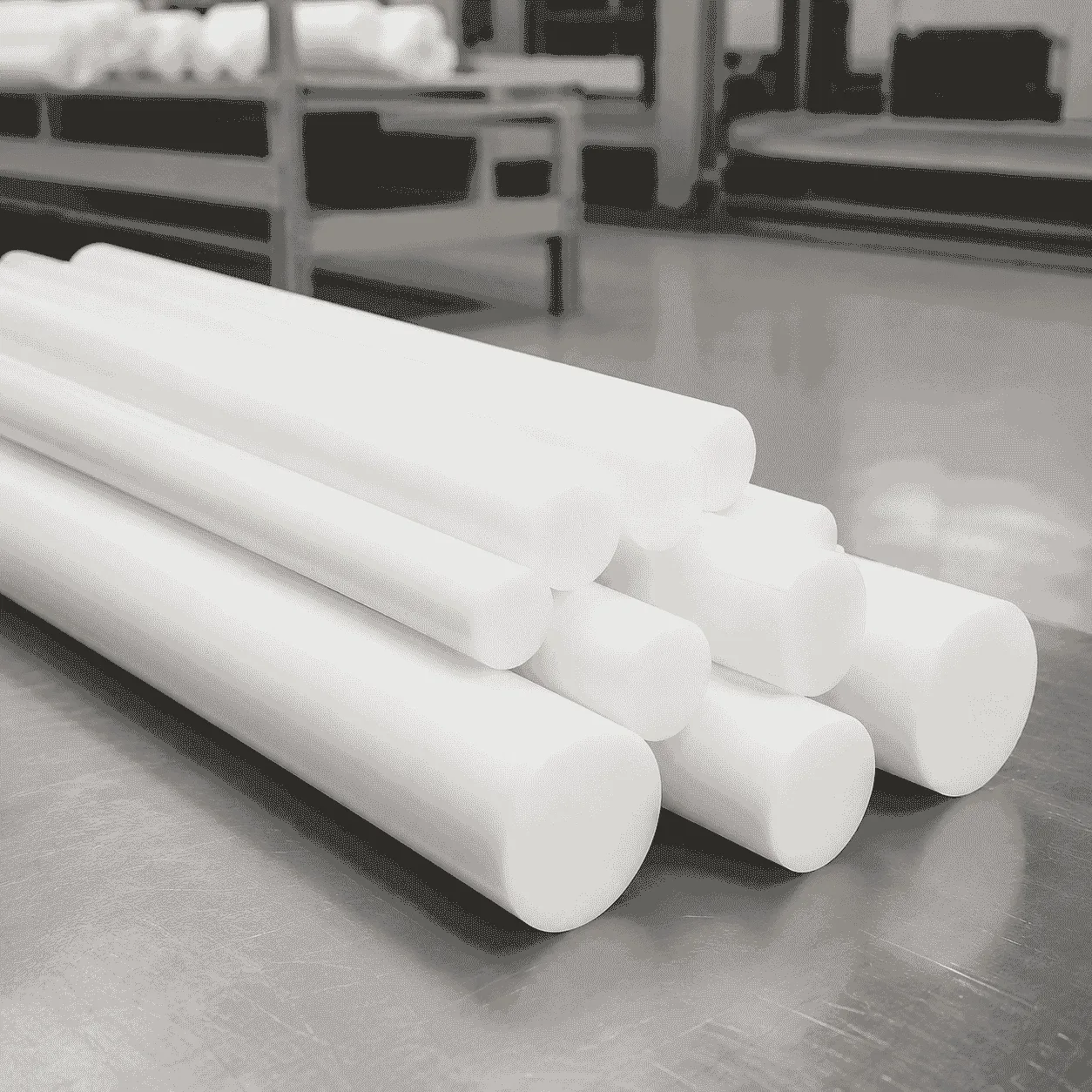
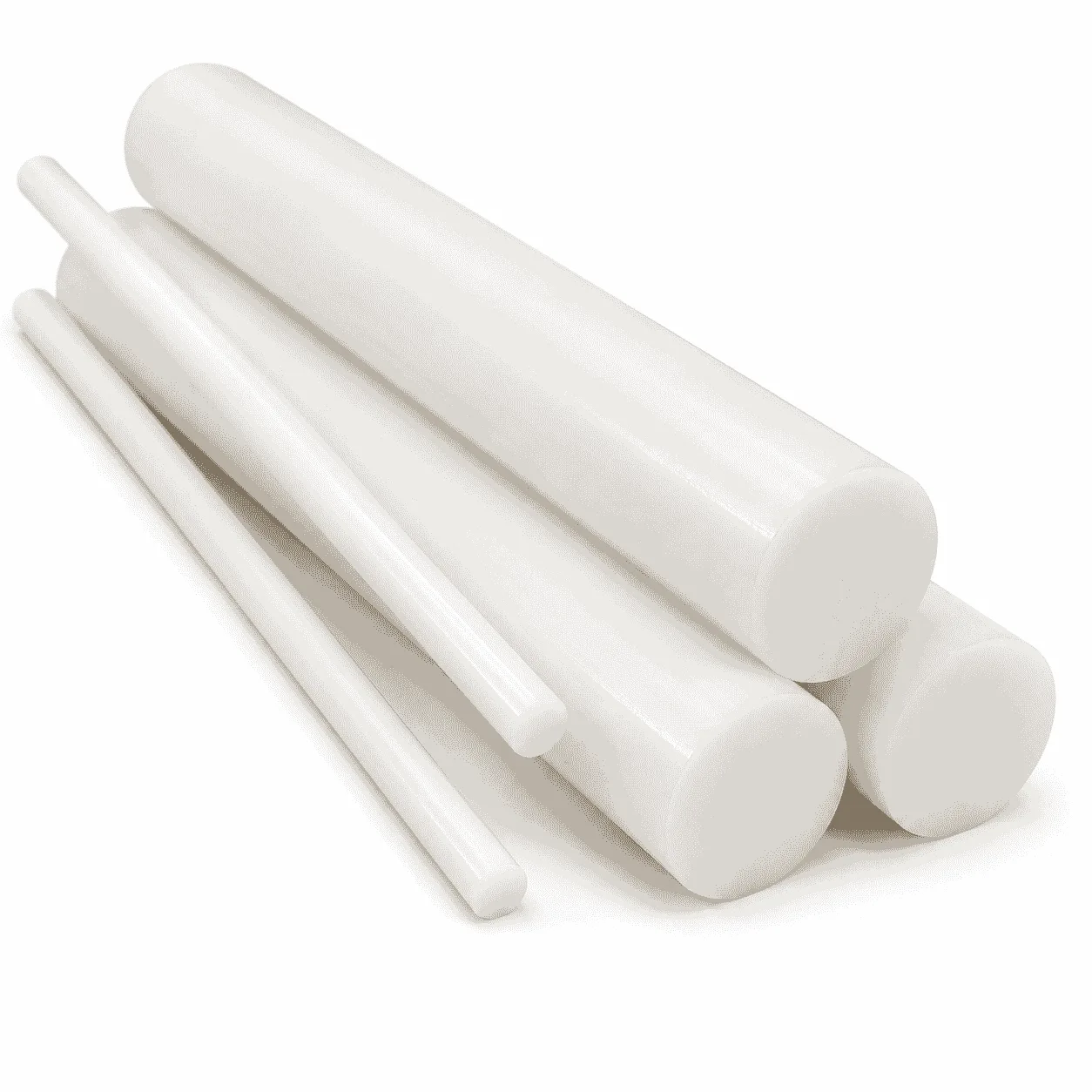
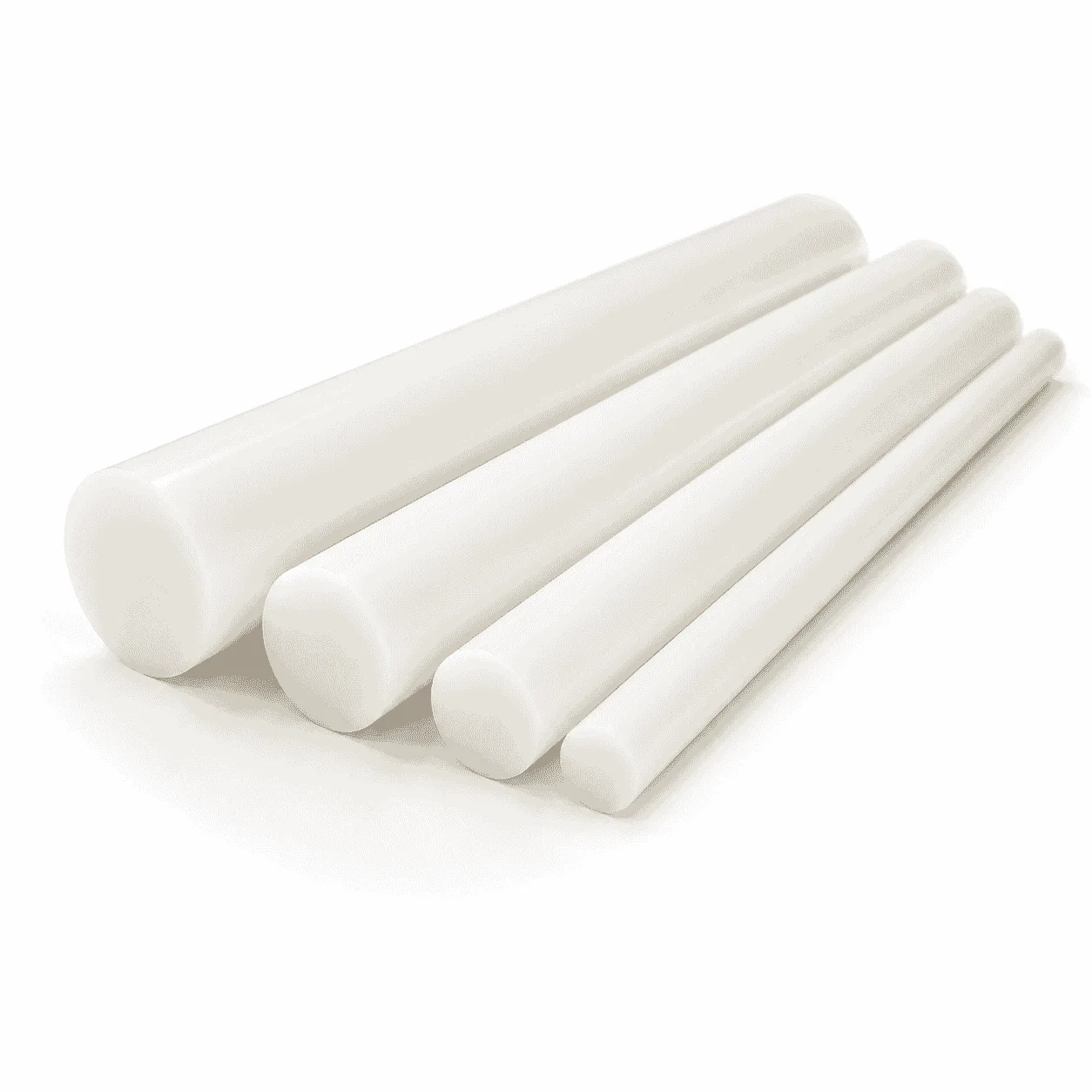
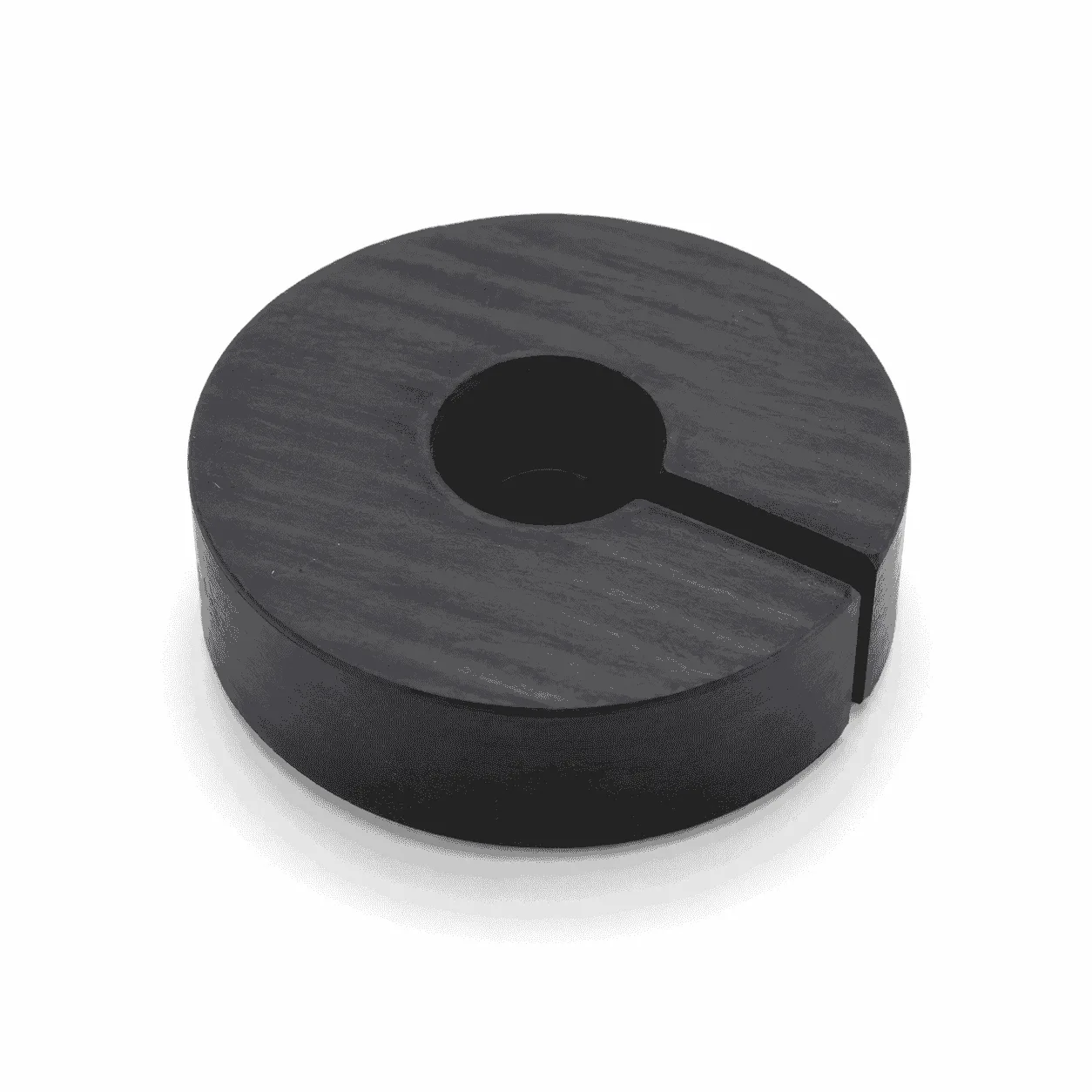
食品接触用白色PE聚乙烯圆棒是以符合相应食品接触要求的聚乙烯树脂为主要原料,经挤出、模压或其他成型工艺生产的圆柱形塑料棒材。产品可作为机械加工坯料,通过数控车削、铣削、钻孔、镗孔、开槽、切断和螺纹加工,制作食品设备中的轴套、隔套、滚轮、导向套、挡圈、支撑柱及其他非标准塑料零件。
聚乙烯通常简称PE,具有吸水率低、重量较轻、不易生锈、耐多种酸碱盐溶液和便于机械加工等特点。在食品加工、饮料灌装、包装输送和清洗设备中,PE零件可以减少部分金属锈蚀和润滑污染问题,并便于拆卸、冲洗和更换。
需要注意的是,“食品接触用”并不是仅根据材料颜色或名称作出的判断。材料是否适合具体食品接触场景,需要同时核验基础树脂、白色色母、加工助剂、生产过程、设备清洁状态、食品类型、接触温度、接触时间以及相应声明或检测资料。
食品接触用白色PE聚乙烯圆棒的主要特点
适用于相应食品接触场景
选用符合项目要求的聚乙烯树脂、色母和添加剂体系后,棒材可用于相应食品加工和包装设备零件。具体适用范围应以材料供应商提供的符合性声明、检测报告和实际接触条件为依据。
同一种PE材料在不同食品类型、温度和接触时间下,其适用结论可能不同。涉及油脂类食品、酸性食品、酒精类介质、热水或长时间接触时,应单独确认。
吸水率较低
聚乙烯不容易因吸收水分产生明显膨胀,适合用于潮湿、冲洗频繁和接触水溶液的设备环境。对于内孔配合、滚轮外径和轴套间隙要求较高的零件,还需考虑温度变化和机械加工应力造成的尺寸变化。
材料本体不易生锈
PE属于非金属材料,不会像普通碳钢一样因潮湿和清洗环境产生锈蚀,可减少部分设备位置的锈斑和金属腐蚀问题。与其配合使用的轴、螺栓、嵌件和设备框架仍应采用适合食品设备环境的材料。
耐多种清洗介质
聚乙烯对多种水溶液、稀酸、稀碱和盐溶液具有一定耐受能力,可适应部分设备冲洗和清洁过程。具体能否接触某种清洗剂或消毒介质,应结合成分、浓度、温度、作用时间和材料牌号确认。
便于机械加工
白色PE圆棒可进行车削、铣削、钻孔、镗孔、开槽、倒角、切断和螺纹加工,适合制作圆柱形、环形、阶梯形以及带内孔、台阶、槽口和法兰结构的食品机械零件。
便于观察清洁状态
白色表面便于发现油污、残渣、金属粉尘和局部磨损,有利于设备清洁检查和日常维护。但白色容易显现污渍,储存、加工和包装过程中应注意清洁防护。
聚乙烯材料基础说明
聚乙烯是一种应用范围较广的热塑性树脂,可用于包装、化工、机械制造和食品设备等领域。有关材料的基础知识,可以参考百度百科聚乙烯词条。
食品设备使用的PE棒材可以采用高密度聚乙烯、超高分子量聚乙烯或其他经过确认的聚乙烯材料。不同类型在刚性、耐磨性、冲击性能、摩擦系数和机械加工表现方面存在差异。
食品接触用HDPE棒材
以高密度聚乙烯为基体的白色棒材通常具有较好的刚性、低吸水性和耐多种化学介质性能,可用于一般隔套、支撑套、定位套、轴套和设备连接件。
食品接触用UHMWPE棒材
以超高分子量聚乙烯为基体的棒材通常具有较好的耐磨、抗冲击和低摩擦性能,适合加工导向滚轮、耐磨套、滑动件和输送设备零件。其尺寸控制和切削方式与普通HDPE有所不同。
食品接触用与普通白色PE棒的区别
普通白色PE棒和食品接触用白色PE棒在外观上可能非常接近,但原料来源、色母体系、添加剂、生产管理和资料要求可能不同,不能仅凭颜色或触感进行区分。
- 食品接触用材料需要确认基础树脂来源;
- 白色色母和加工助剂需符合对应要求;
- 生产过程需要避免非食品接触材料污染;
- 应明确接触食品类型和使用条件;
- 必要时提供符合性声明或检测资料;
- 普通白色PE不能默认用于食品接触。
白色外观不等于食品级
市场中常将白色塑料简单称为“食品级”,这种判断并不准确。白色只表示产品外观,不能证明基础树脂、色母、添加剂和生产过程符合食品接触要求。
确认材料时,应核对具体材料牌号、生产批次、原料声明和检测资料。加工完成后的零件还应避免接触油污、非适配切削液、金属粉尘和其他污染物。
常见规格与供货形式
食品接触用白色PE聚乙烯圆棒可根据生产条件提供不同直径、长度、材料类型和白色色调。实际可供规格需要结合材料牌号、生产工艺、采购数量和库存情况确认。
- 不同直径的白色PE实心圆棒;
- 标准长度整棒或按要求切段;
- 食品接触用HDPE或UHMWPE材料;
- 本白色、乳白色及确认后的指定色调;
- 原始棒材或完成加工的成品零件;
- 单件样品、小批量及批量供货。
棒材在成型、冷却和储存过程中可能存在一定的直径、圆度、直线度和长度偏差。用于精密轴套、滚轮和配合零件时,应根据成品尺寸、同轴度和加工方式预留合理余量。
更多相关材料可以查看站内的工程塑料板材与棒材页面。
可加工的食品设备零件
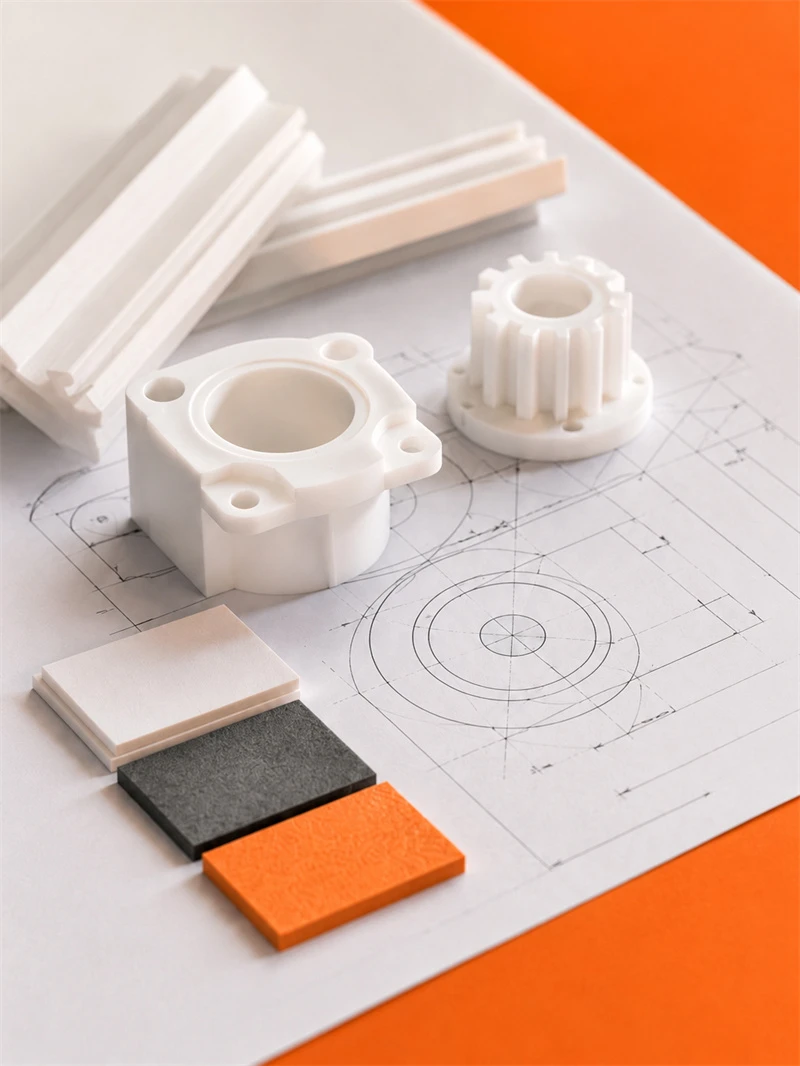
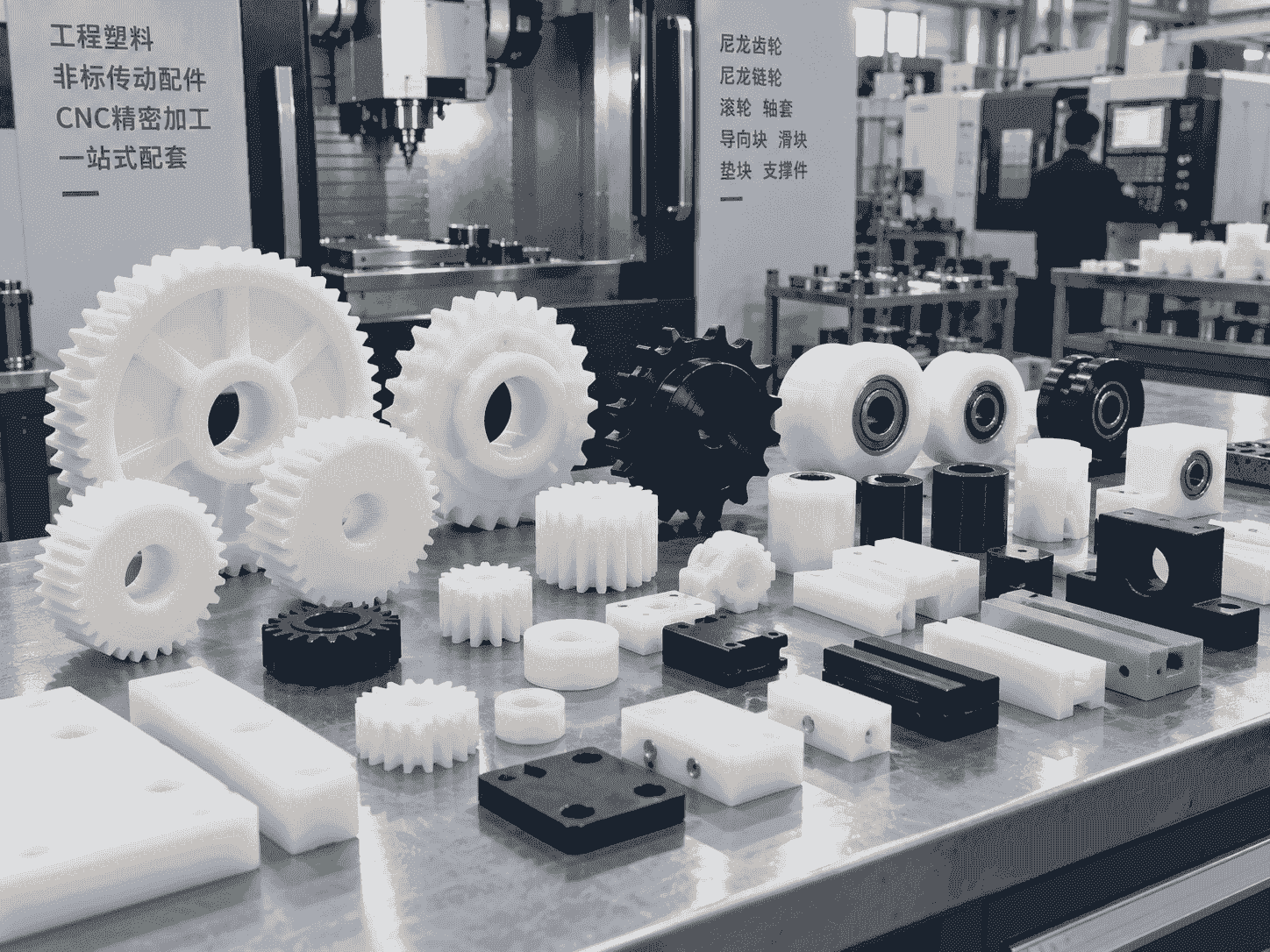
食品接触用白色PE圆棒适合加工圆柱形、环形、阶梯形和带孔槽结构的塑料零件。具体零件是否适用,需要结合载荷、速度、温度、食品类型和清洗方式综合确认。
- 食品输送设备轴套和衬套;
- 灌装设备定位套和隔套;
- 包装机械导向滚轮;
- 输送线支撑柱和连接柱;
- 设备挡圈和间隔环;
- 管路支撑套和连接套;
- 清洗设备导向件;
- 分选设备塑料滚轮;
- 装配工装定位套;
- 饮料设备辅助配件;
- 乳制品设备非标准零件;
- 其他食品机械塑料加工件。
CNC机械加工方式
食品接触用白色PE聚乙烯圆棒可使用数控车床、加工中心、铣床、钻床和锯切设备进行加工。常见流程包括棒材下料、装夹找正、外圆车削、端面加工、内孔加工、开槽、螺纹加工、毛刺清理和尺寸检验。
车削加工
数控车削适合加工外圆、内孔、端面、台阶、锥面和环形槽。加工时应使用锋利刀具,合理控制转速、进给量、装夹压力和局部温升。
钻孔与镗孔
棒材可以加工通孔、盲孔、沉孔和阶梯孔。深孔加工时应及时排屑,避免切屑缠绕、孔壁划伤和局部温升造成孔径变化。
铣削与开槽
铣削可用于加工平面、键槽、定位槽、侧孔和异形结构。圆棒装夹时应设置稳定的定位和支撑,减少加工过程中的转动和位置偏移。
螺纹与嵌件加工
具有足够尺寸和壁厚的PE零件可以加工内外螺纹。需要频繁拆装或承受较大锁紧力时,可采用贯穿螺栓或与食品设备要求相匹配的金属嵌件。
相关加工设备和工艺能力可以查看站内的CNC塑料加工服务页面。
食品接触零件加工清洁控制
用于食品设备的PE零件在加工过程中,应与普通工业材料、回收材料和含有不明添加剂的材料进行区分,减少交叉污染风险。
- 加工前清洁设备工作台和夹具;
- 使用状态良好的专用或清洁刀具;
- 避免使用不适配的切削液和润滑剂;
- 及时清理金属粉尘和塑料切屑;
- 加工后进行去毛刺和表面清洁;
- 成品使用清洁包装材料隔离;
- 保留材料牌号和生产批次标识。
机械加工注意事项
PE材料具有一定弹性,导热性和刚性与金属不同,加工时需要控制切削温度和装夹压力,避免零件出现弹性回缩和尺寸变化。
- 使用锋利刀具,减少材料挤压和拉扯;
- 根据HDPE或UHMWPE类型调整加工参数;
- 深孔加工时及时排屑;
- 避免装夹力过大造成棒材变形;
- 细长棒材增加尾座或中心架支撑;
- 薄壁套筒采用分阶段加工方式;
- 控制毛刺和尖锐边缘;
- 关键尺寸在温度稳定后复检。
尺寸稳定性与装配间隙
聚乙烯的热膨胀和弹性变形通常高于金属。用于轴套、滚轮、导向套和精密配合件时,不能完全照搬金属零件的公差和装配间隙。
加工精度要求较高的零件时,可以采用粗加工、静置和精加工相结合的方式,使材料温度和内部应力逐步稳定。装配设计还应考虑设备清洗温度和运行温度变化。
摩擦、磨损与滚轮应用
HDPE和UHMWPE在耐磨、摩擦和承载方面存在差异。普通HDPE适合一般隔套、定位套和低载荷零件;对耐磨和低摩擦要求较高时,可以选择经过确认的食品接触用UHMWPE。
用于滚轮、轴套和滑动件时,应明确载荷、转速、对磨材料、表面粗糙度、清洗频率和连续运行时间。实际使用寿命不能仅根据材料名称确定。
常见应用领域
食品接触用白色PE聚乙烯圆棒及其加工件常用于需要耐潮湿、便于清洁和避免金属锈蚀的设备,主要包括:
- 食品加工生产线;
- 饮料灌装和封口设备;
- 包装、分选和输送机械;
- 肉制品和水产加工设备;
- 烘焙食品辅助机械;
- 乳制品生产设备;
- 果蔬清洗和分级设备;
- 瓶装及罐装输送系统;
- 设备清洗和消毒装置;
- 其他食品机械非标准零件。
接触食品类型与使用条件
材料是否适合食品接触,应根据具体食品类型确认。水性食品、油脂类食品、酸性食品、酒精类食品和干性食品对材料的要求可能不同。
还需要明确接触方式是直接接触还是间接接触,接触状态是短时间、重复接触还是长期接触,以及使用过程中是否存在高温、清洗或消毒环节。
清洗与消毒注意事项
食品设备中的PE零件可以使用适配的清洗方法,但清洗剂浓度、温度和作用时间应根据材料牌号确认。过高温度或强氧化性消毒介质可能影响材料表面和尺寸稳定性。
零件表面如出现深划痕、裂纹、明显磨损或难以清洁的孔隙,应评估是否继续使用。设备结构设计时应尽量减少卫生死角和难以排水的位置。
使用温度与长期承载说明
PE不属于高温工程塑料。随着温度升高,材料刚性、尺寸稳定性和长期承载能力可能下降。热水清洗、高温灌装或靠近加热部件的位置,应根据具体牌号确认使用条件。
短时间耐受温度不能直接作为长期使用温度。用于长期受压的隔套、轴套和支撑柱时,还需要考虑材料蠕变,并合理设计零件厚度和支撑面积。
特殊性能说明
食品接触性能不代表材料自动具备阻燃、抗静电、导电、耐候、抗菌或耐高温性能。需要多种功能时,应选择对应复合材料,并核验完整材料体系的符合性和检测资料。
食品接触用材料也不等于所有食品和所有温度条件下均可使用。实际选材应根据完整工况和法规要求确认。
加工前需要确认的参数
- 棒材直径和长度;
- HDPE、UHMWPE或其他PE类型;
- 白色色调和表面要求;
- 直接接触或间接接触食品;
- 接触食品的类型和性质;
- 接触温度、时间和使用频率;
- 清洗剂、消毒剂和清洗温度;
- 二维图纸或三维模型;
- 关键尺寸、公差和装配要求;
- 载荷、转速和摩擦方式;
- 所需符合性声明或检测资料;
- 成品包装和清洁要求。
质量检查内容
棒材生产或到货后,可以根据采购要求检查直径、长度、圆度、直线度、颜色和表面状态。产品表面不应存在影响加工、清洁和使用的明显裂纹、严重划伤、大面积气泡或明显杂质。
对食品接触性能有明确要求时,应核对材料牌号、原料声明、生产批次及相应资料,避免与普通工业PE棒、回收材料或其他改性材料混放。
零件加工完成后,应按照图纸检查外径、内孔、长度、同轴度、槽位和装配尺寸,并检查毛刺、尖角和表面清洁状态。
储存与搬运建议
食品接触用白色PE聚乙烯圆棒应存放在干燥、清洁的位置,避免接触油污、灰尘、异味物质和非食品接触材料。
棒材应平放或采用多点支撑,减少长期存放造成的弯曲。不同材料牌号、直径和生产批次应分类存放,并保留材料标识和批次信息。
常见问题
白色PE圆棒都属于食品级吗?
不是。白色只代表外观,是否适合食品接触需要核验基础树脂、色母、添加剂、生产过程和相关符合性资料。
食品接触用PE棒一定是HDPE吗?
不一定。根据零件用途,可以采用符合要求的HDPE、UHMWPE或其他聚乙烯材料,应根据材料牌号确认。
可以加工食品机械轴套和滚轮吗?
可以,但需要根据载荷、转速、摩擦方式、工作温度和清洗条件选择合适的PE类型及零件结构。
机械加工后还符合食品接触要求吗?
材料本体符合要求并不代表加工过程自动符合要求。加工设备、刀具、切削介质、清洁方法和包装过程都应避免污染。
可以用于高温食品设备吗?
不能仅根据PE名称判断。PE不属于高温工程塑料,高温接触或热水清洗环境应根据具体材料牌号和使用时间进行评估。
食品接触用PE棒是否具有抗菌性能?
不能默认具有抗菌性能。需要抗菌功能时,应选择对应改性材料,并核验添加剂体系和相关检测资料。
可以按照图纸加工非标准零件吗?
可以根据二维图纸、三维模型或实物样品进行车削、铣削、钻孔、镗孔、开槽、螺纹和异形结构加工。
产品供货说明
食品接触用白色PE聚乙烯圆棒可作为食品加工、饮料灌装、包装输送、清洗设备和分选机械中非标准塑料零件的加工材料。可根据项目要求确认棒材直径、长度、PE类型、食品接触条件和后续加工内容,并按照最终技术要求完成下料、CNC加工、清洁、尺寸检验和包装。