Modular Kids Floorball Rink Boards

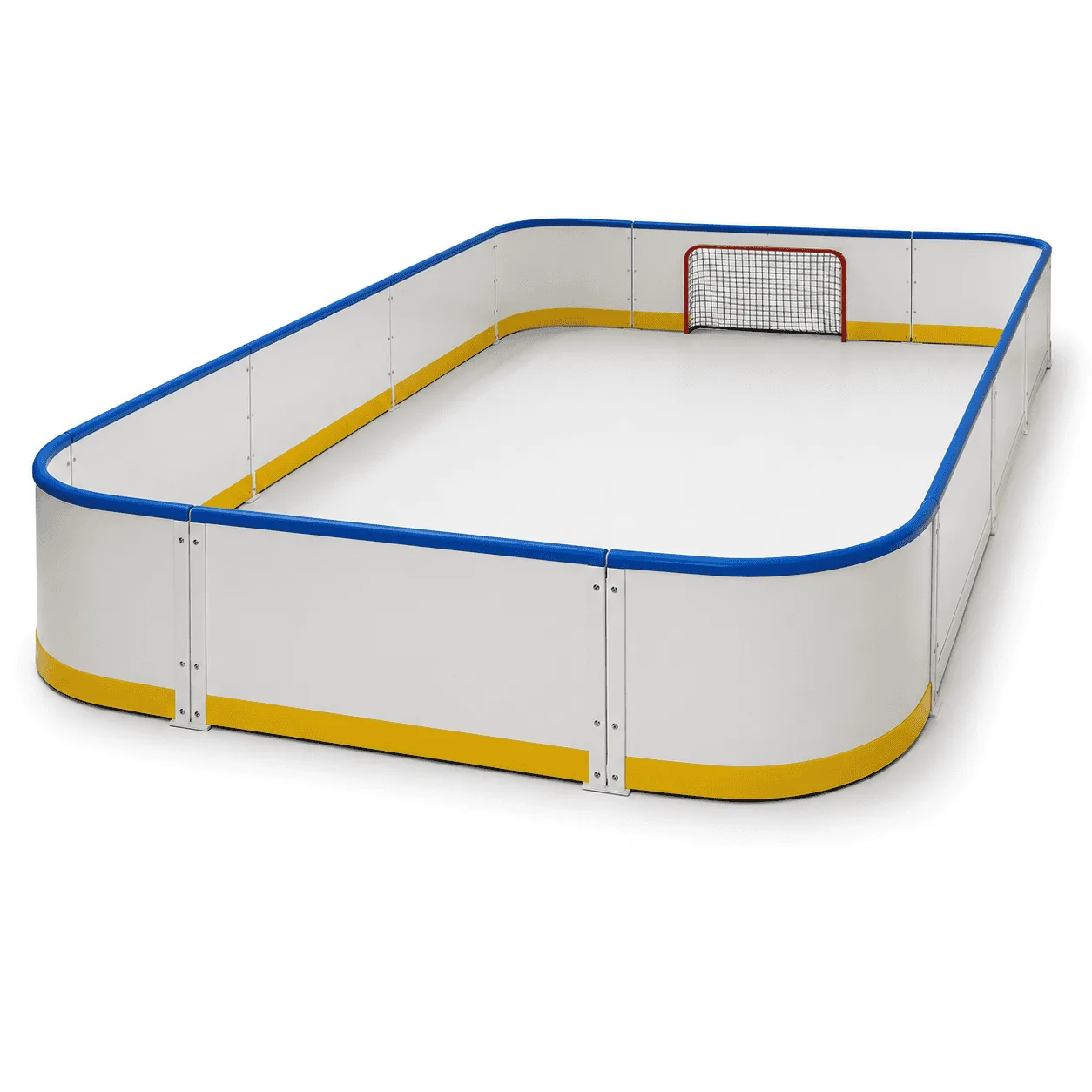
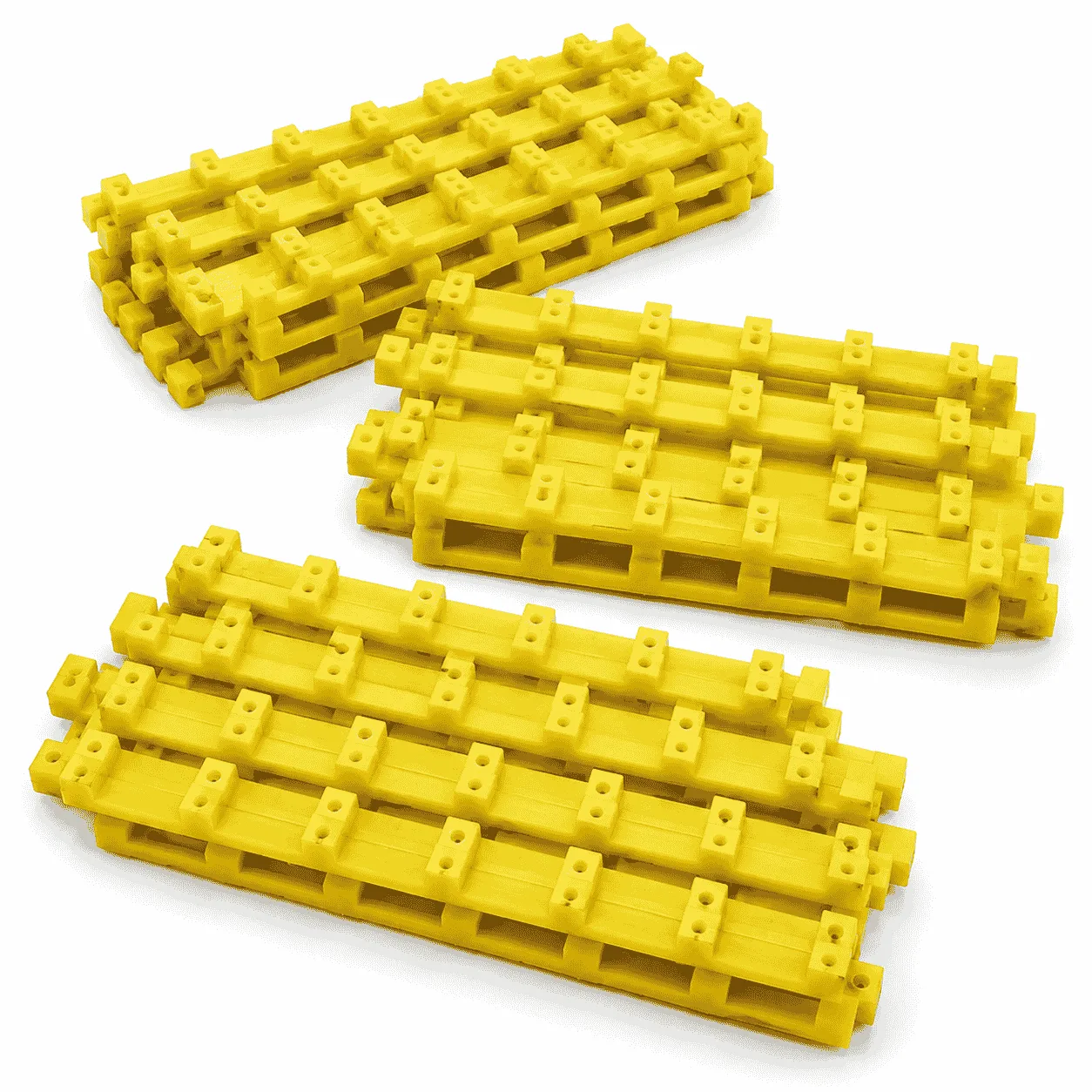
Kids Floorball Rink Boards are modular plastic barrier panels designed for children’s floorball training, school sports activities, indoor playgrounds, sports clubs and recreational game areas.

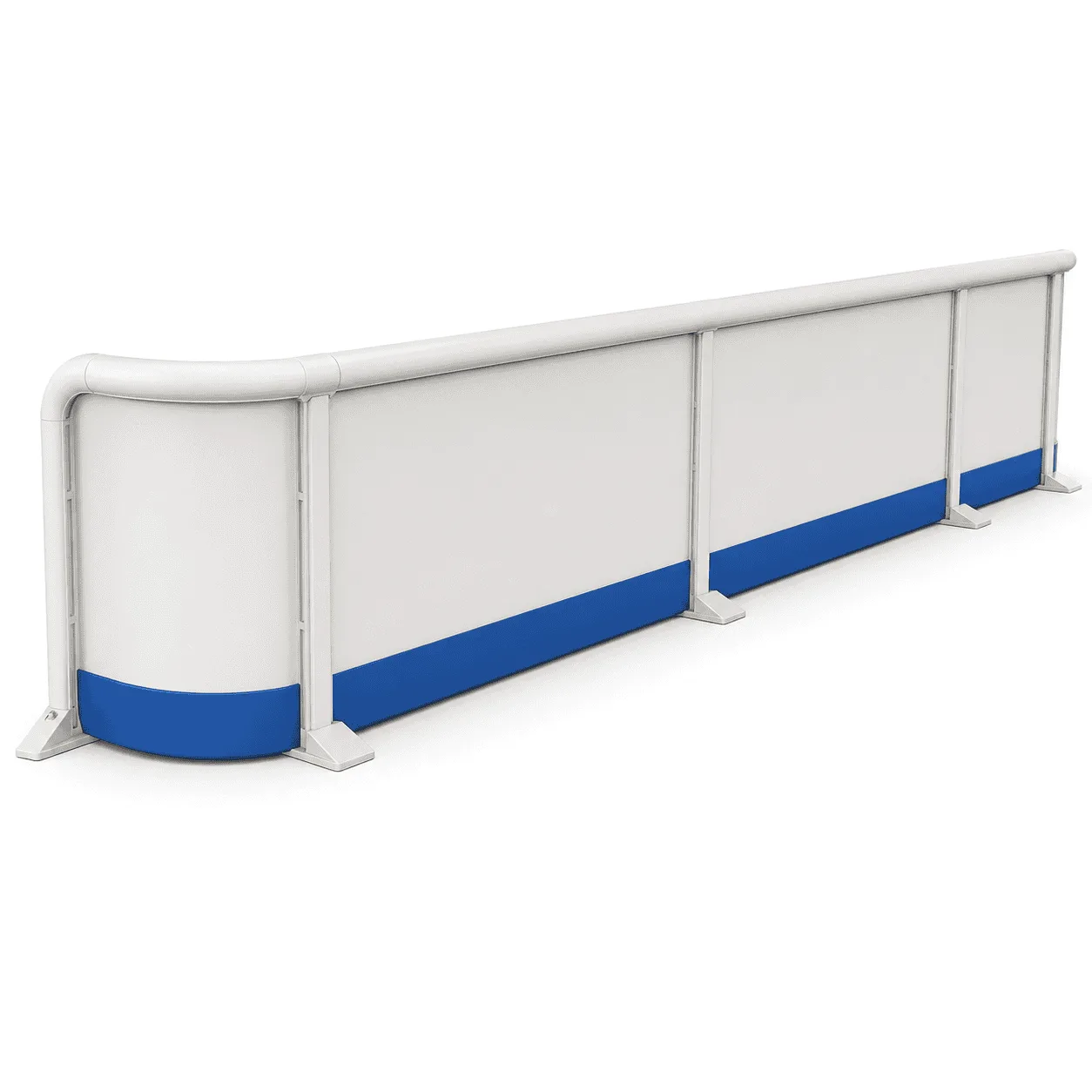
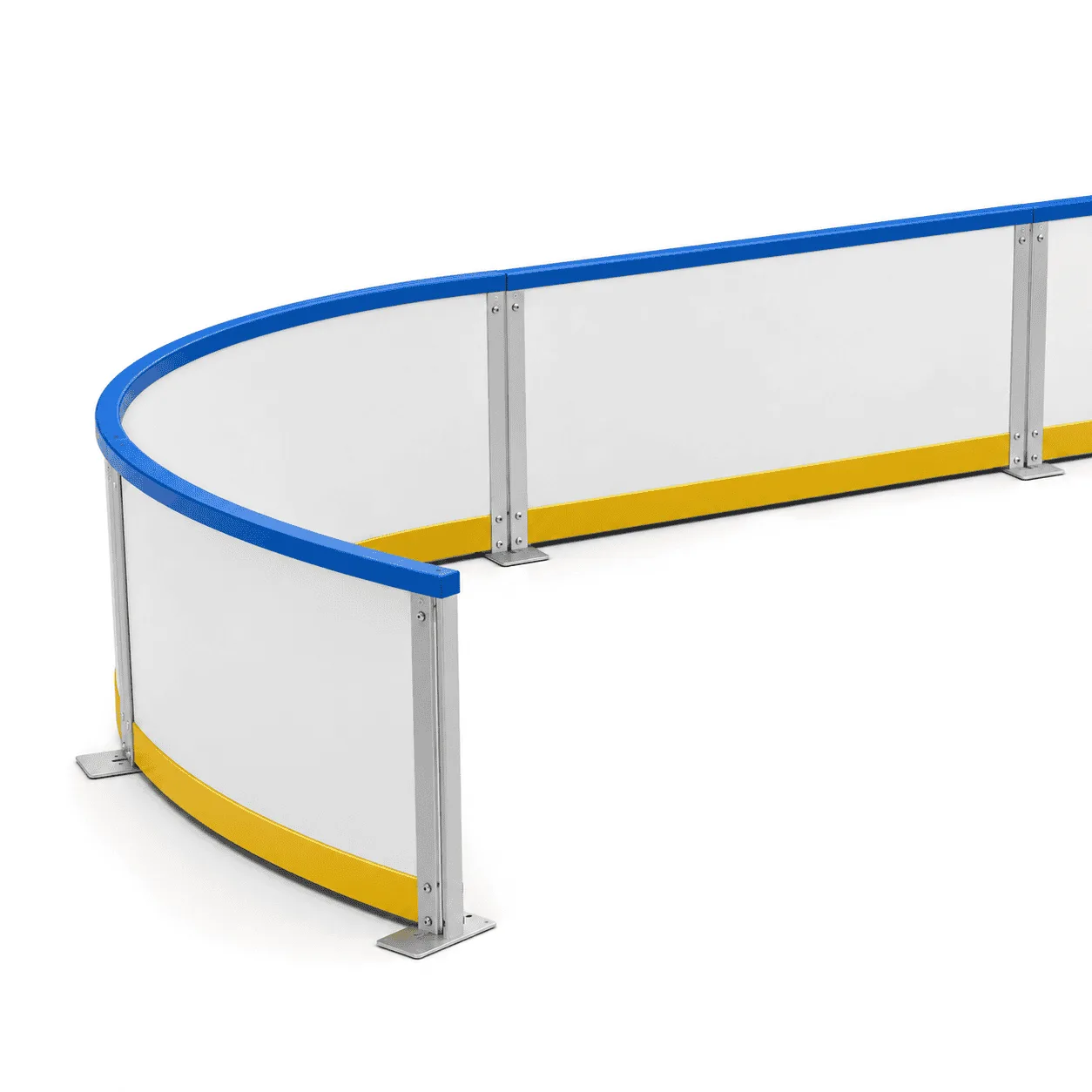
The system can include straight 1000 mm and 2000 mm sections, rounded corner modules, top handrails and simple panel connectors. A competition-style board height is approximately 500 mm, while compact children’s layouts can be arranged according to the available floor area.

Smooth HDPE or impact-resistant polyethylene surfaces, rounded edges and replaceable modules make the system easy to assemble, transport, clean and store. Final rink dimensions and structural requirements should be confirmed according to the children’s age group, venue and intended activity.

category Brand:
Share :

Description

Product Description

Kids Floorball Rink Boards for Schools and Children’s Sports Areas

Kids Floorball Rink Boards are modular perimeter barrier panels designed for children’s floorball training, school sports lessons, indoor playgrounds, community centers and recreational game areas. The connected panels create a clearly defined playing area while helping keep the lightweight floorball inside the rink.

The system can include straight plastic board sections, rounded corner modules, top handrails, floor-level supports and simple mechanical connectors. Individual panels can be assembled before training and dismantled for transportation or storage when the activity has finished.

The playing-side surface is commonly manufactured from HDPE or another impact-resistant polyethylene material. These engineering plastics provide low water absorption, good impact performance, a smooth surface and convenient cleaning.

Floorball is an indoor team sport played with lightweight sticks and a hollow plastic ball. For a general explanation of the sport, equipment and playing area, visit the Floorball overview on Wikipedia.

What Are Kids Floorball Rink Boards?

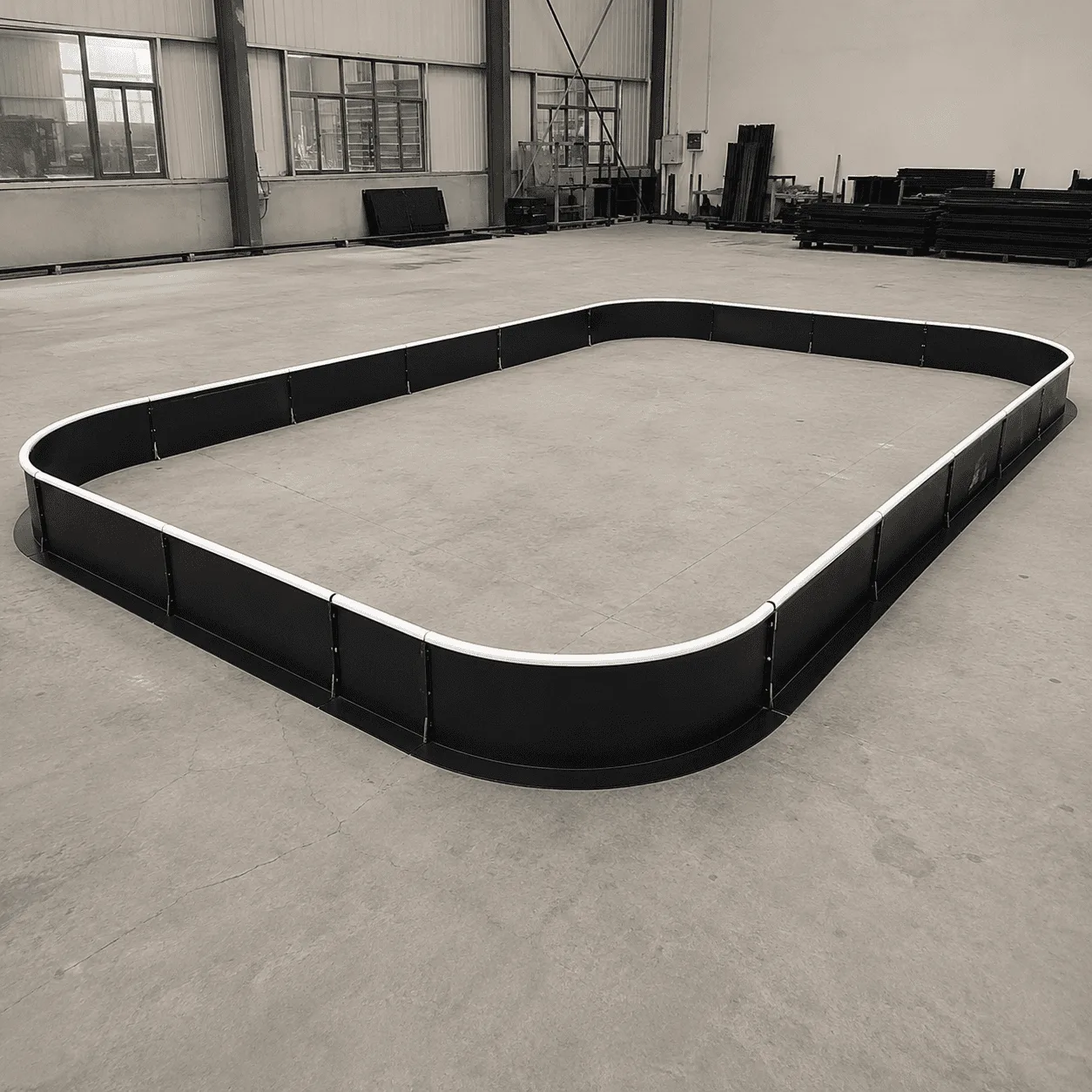
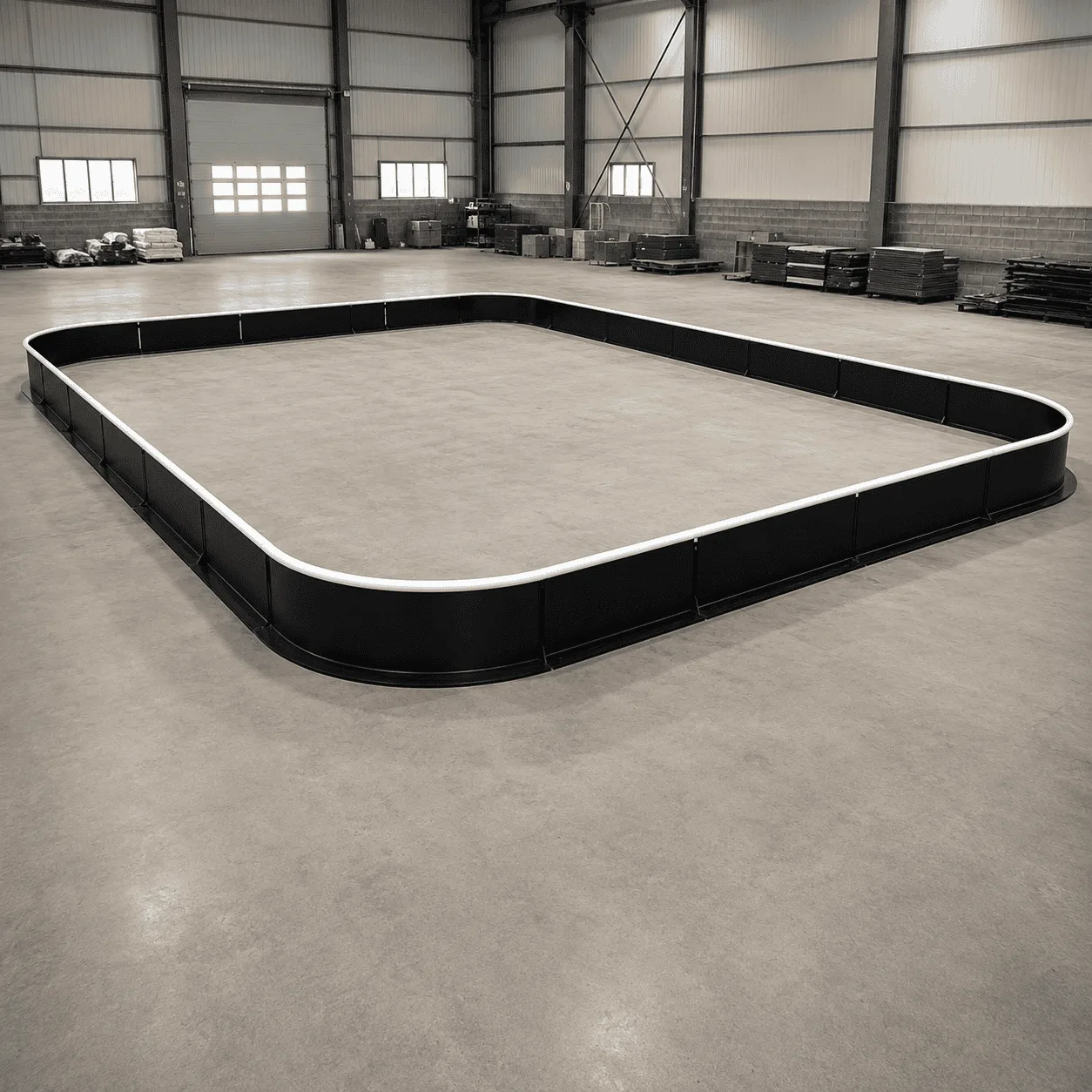
Kids Floorball Rink Boards form a low continuous boundary around a children’s floorball court. Straight modules create the long and short sides of the playing area, while curved or segmented sections form the rounded corners.

The boards help prevent the ball from frequently leaving the court and allow players to use the perimeter during passing and ball-control exercises. A clearly defined rink can also help coaches organize children into smaller training groups.

The modular construction is suitable for venues where a permanent sports barrier is unnecessary. Panels can be installed temporarily in gymnasiums, school halls, exhibition areas and suitable indoor recreational spaces.

Main Components of the Floorball Rink System

A complete children’s floorball rink system can include:

  • Straight plastic rink-board sections
  • Short transition or infill panels
  • Rounded or segmented corner modules
  • Smooth playing-side impact panels
  • Protective top handrails
  • Floor-level support structures
  • Panel-to-panel connectors
  • Removable locking pins or bolts
  • Optional entrance or gate sections
  • Optional advertising or school-logo panels
  • Optional storage and transportation racks
  • Optional anti-slip floor supports

The final component arrangement should be selected according to the available floor area, required rink shape, player age and frequency of assembly.

Kids Floorball Rink Boards Sizes and Specifications

Kids Floorball Rink Boards can be supplied in different module lengths and rink layouts. The following specifications are practical reference options and should not be treated as certified dimensions for every project.

Product Name Modular Kids Floorball Rink Boards
Facing Material HDPE or impact-resistant polyethylene
Standard Board Height Reference Approximately 500 mm
Typical Height Tolerance Approximately 500 ± 10 mm for competition-style systems
Long Straight Module Approximately 2000 mm
Short Straight Module Approximately 1000 mm
Optional Module Range Approximately 500–2000 mm
Typical Plastic Panel Thickness Approximately 4–10 mm, depending on the structure
Competition-Style Corner Radius Approximately 2000–2500 mm
Children’s Corner Design Rounded or segmented according to the compact rink layout
Standard Color White
Optional Colors Black, orange, blue, red, yellow or mixed color combinations
Connection Type Locking pin, bolt, slot or quick mechanical connector
Installation Type Portable, removable or semi-permanent
Suitable Surface Level sports flooring, wood flooring or another firm indoor surface

The appropriate module length depends on transportation space, storage conditions and the number of people available for installation. Two-meter sections reduce the total number of joints, while one-meter sections are easier to carry and arrange in smaller children’s activity areas.

The final panel thickness and supporting structure should be selected according to the board material, module length, expected impact and connector design.

Standard and Compact Rink Layouts

A standard floorball playing area is approximately 40 × 20 metres and is enclosed by boards with rounded corners. A smaller competition rink may measure approximately 36 × 18 metres.

Children’s lessons and recreational activities do not always require a full-size court. Compact project layouts may include:

  • Approximately 10 × 5 m for introductory activities
  • Approximately 12 × 6 m for small training groups
  • Approximately 16 × 8 m for school practice
  • Approximately 20 × 10 m for larger youth activities
  • Approximately 22 × 11 m for compact multi-sport use
  • Approximately 24 × 14 m for an extended training layout

These compact dimensions are project examples rather than universal competition specifications. The final layout should be selected according to the number of children, venue size, supervision requirements and local sports rules.

Example Full Rink Module Configuration

A larger competition-style system may use a combination of two-meter sections, one-meter sections and four rounded corner modules. An example configuration can include approximately 52 two-meter panels, four one-meter panels and four corner sections.

The exact number of panels depends on the corner radius, gate position, connector design and final rink dimensions. Compact children’s courts require fewer modules and may use additional short sections to achieve the required length.

Before production, the complete court perimeter should be calculated from the approved layout drawing.

7 Proven Benefits for Children’s Floorball

  • Clear playing boundary: The connected boards help children understand the limits of the activity area.
  • Improved ball containment: The low barrier reduces the number of balls rolling into surrounding walkways.
  • Rounded corner layout: Curved or segmented corners help maintain continuous ball movement around the rink.
  • Modular installation: Individual panels can be arranged for different room sizes and training formats.
  • Replaceable sections: A damaged panel or connector can be replaced without rebuilding the complete system.
  • Easy cleaning: Smooth polyethylene surfaces can be wiped using suitable non-abrasive cleaning methods.
  • Convenient storage: Removable sections can be stacked or placed on storage racks after use.

Impact-Resistant Polyethylene Panels

HDPE and other suitable polyethylene materials are commonly used for sports-board facing because they combine useful impact strength with low water absorption.

The plastic surface does not rust and can withstand regular contact from lightweight floorballs, sticks and normal training activity. It can also be cut, drilled and machined according to the required connector and handrail positions.

The material grade and thickness should be selected according to the module structure. Thin panels may require additional rear reinforcement, while thicker panels provide greater rigidity but increase the weight of each section.

Smooth Playing-Side Surface

The playing side of the board should have a smooth and continuous finish. Exposed sharp fasteners, projecting metal parts and large gaps should be avoided on the court-facing surface.

Fasteners can be countersunk or positioned on the outside of the playing area where the structure permits. Panel edges and corners should be finished to remove sharp machining marks.

A smooth surface also makes it easier to remove dust, shoe marks and normal sports-hall contamination.

Rounded Corners for Continuous Play

Rounded corners allow the lightweight floorball to travel around the edge of the rink instead of becoming trapped in a sharp ninety-degree corner.

A competition-style rink generally uses four curved corner sections. Compact children’s courts may use molded curved modules or several shorter angled sections to create a rounded transition.

The corner radius should match the total court dimensions. Each corner module should align smoothly with the adjacent straight boards.

Protective Top Handrail

A top handrail covers the upper edge of the floorball board and provides a finished surface. It can be manufactured from polyethylene or another suitable impact-resistant material.

The handrail should have rounded external edges and should remain securely attached during use. Black, orange, blue and other contrasting colors can be used to make the rink boundary more visible.

Individual handrail sections can be replaced if they become damaged or heavily worn.

Lightweight Modular Construction

Children’s floorball systems are commonly designed so that individual modules can be carried and positioned without heavy lifting equipment.

A typical two-meter board section may weigh approximately 8–10 kg depending on the material thickness, frame structure and handrail. A one-meter section may weigh approximately 4–5 kg.

These weights are general project references. The actual module weight should be calculated after the material, panel thickness, reinforcement and connector structure have been confirmed.

Simple Panel Connection System

Adjacent boards can be joined using locking pins, bolts, molded slots or another quick mechanical connection. The selected connector should maintain panel alignment while allowing the system to be dismantled when required.

Connectors should be positioned so that children do not have direct access to sharp ends or projecting hardware on the playing side.

Before each activity, staff should check that all connections are fully engaged and that no panel has moved out of alignment.

Optional Entrance and Gate Sections

An entrance section can be included to make it easier for children, teachers and coaches to enter the rink without stepping over the boards.

The gate width can be selected according to the venue and user group. Compact pedestrian gates may have a clear opening of approximately 700–900 mm.

Gate hinges, latches and connectors should remain outside the primary playing surface wherever possible. The gate should close securely and align with the surrounding boards.

School and Youth Training Applications

Kids Floorball Rink Boards can be used in a range of children’s sports and educational environments, including:

  • Primary and secondary school sports lessons
  • Children’s floorball clubs
  • Youth training academies
  • Indoor sports halls
  • Community recreation centers
  • Children’s activity centers
  • School holiday programs
  • Sports exhibitions
  • Shopping-center activity areas
  • Temporary youth tournaments
  • Indoor multi-sport courts
  • Floor-hockey training activities

The rink can be divided into smaller areas when several groups need to practise at the same time.

Use for Introductory Floorball Training

A compact rink gives younger players a smaller area in which to practise basic passing, ball control, shooting and positioning.

The surrounding boards keep the ball active for longer and reduce interruptions caused by balls leaving the playing area. Coaches can therefore spend more time demonstrating skills and organizing repeated exercises.

Training intensity, court size and team numbers should be adjusted according to the age and experience of the children.

Indoor Installation Requirements

The boards should be installed on a level, clean and stable indoor floor. Loose objects, screws and sharp debris should be removed before the modules are positioned.

Support feet should not obstruct emergency exits, walkways or spectator areas. Rubber pads or suitable protective components can be placed beneath the boards when the original sports floor requires additional protection.

Enough clearance should remain around the outside of the rink for teachers, coaches and staff to move safely.

Assembly Process

The court outline should first be measured and marked on the floor. Straight modules, corner sections and the entrance panel can then be positioned according to the layout drawing.

Adjacent boards should be connected and aligned before the complete perimeter is closed. Panel height, playing-side transitions and connector positions should be checked during assembly.

After installation, staff should inspect the complete rink for loose boards, exposed hardware, unstable sections and sharp edges.

Dismantling and Storage

After use, the rink can be dismantled in the reverse installation order. Small connectors and locking pins should be stored in labeled containers.

Plastic board sections should be supported evenly during storage. Panels should not be placed against sharp metal components that could scratch or deform the playing surface.

A suitable storage rack can keep straight boards, corner sections and gate modules organized for the next installation.

Cleaning and Routine Inspection

The plastic surfaces can be cleaned using water, a soft cloth and a suitable neutral cleaner. Strong solvents, metal scrapers and aggressive abrasive tools should be avoided.

Routine inspections should cover:

  • Plastic panel surfaces
  • Top handrail condition
  • Panel-to-panel connections
  • Corner-module alignment
  • Support feet and floor contact
  • Gate hinges and latches
  • Fastener positions
  • Sharp or damaged edges

Loose hardware should be tightened before continued use. Cracked panels, damaged connectors or unstable modules should be repaired or replaced.

Manufacturing and Quality Inspection

The board panels can be manufactured through sheet cutting, molding and CNC machining processes. Production operations may include panel cutting, drilling, countersinking, edge finishing and handrail machining.

Important inspection items include overall module length, board height, panel thickness, edge radius, hole position and connector alignment.

Trial assembly can be carried out before shipment to check the connections between straight sections, rounded corners and gate modules.

Competition Use and Product Certification

A floorball rink intended for official competition should meet the applicable International Floorball Federation rules and material requirements.

A product should not be described as IFF-approved unless the specific rink model has completed the required testing and certification process.

Children’s recreational and school systems can follow the general height and rounded-corner design while using a smaller layout, provided that the final structure is suitable for the intended venue and activity.

How to Select Kids Floorball Rink Boards

When selecting Kids Floorball Rink Boards, consider the available room size, age group, number of players, required portability, module weight and available storage space.

Shorter sections are suitable for compact rooms and frequent layout changes. Longer sections reduce the number of joints and can shorten installation time in larger sports halls.

The plastic material, panel thickness, handrail design, corner radius and connection method should be confirmed together before production.

Learn more about our HDPE sheets, UHMWPE materials and engineering plastic manufacturing capabilities on the Honsee engineering plastic manufacturer website.

Kids Floorball Rink Boards provide a modular, reusable and easy-to-maintain playing boundary for schools, youth clubs, indoor sports halls and children’s recreational floorball activities.

Quality Control

Quality Control and Delivery Standards

Drawing & Material Check

Check drawings for full specifications and confirm materials according to service conditions to prevent product defects.

Machining Quality Control

Inspect all key processing steps and fully verify dimensions, holes, grooves and fitting surfaces.

Finishing & Batch Control

Deburr, chamfer and clean products for easy installation. Ensure uniform quality among batch products.

Packaging & Delivery

Choose appropriate packaging solutions based on product features to protect goods from collision, deformation and mixing during transit.

Processing Quality Control of Engineering Plastics Parts

Unlike metal parts, engineering plastic components still require strict control over dimensions, holes, edges, surface, materials and assembly performance for equipment use.

application

Applications for Engineering Plastic Parts

Engineering plastic parts suit friction, guide, support, buffer, anti-corrosion and insulation areas. We supply UHMWPE, POM, PA, PP/PE components for conveyor, food, mining, machinery, chemical and cable systems, with custom OEM service available.

Our Blog

Latest News & Knowledge

Stay updated with our latest industry insights, company updates and featured articles.

We Love to Hear From You

Need UHMWPE sheets & custom plastic machined/OEM parts?Send specs & material needs, free quote within 24h.