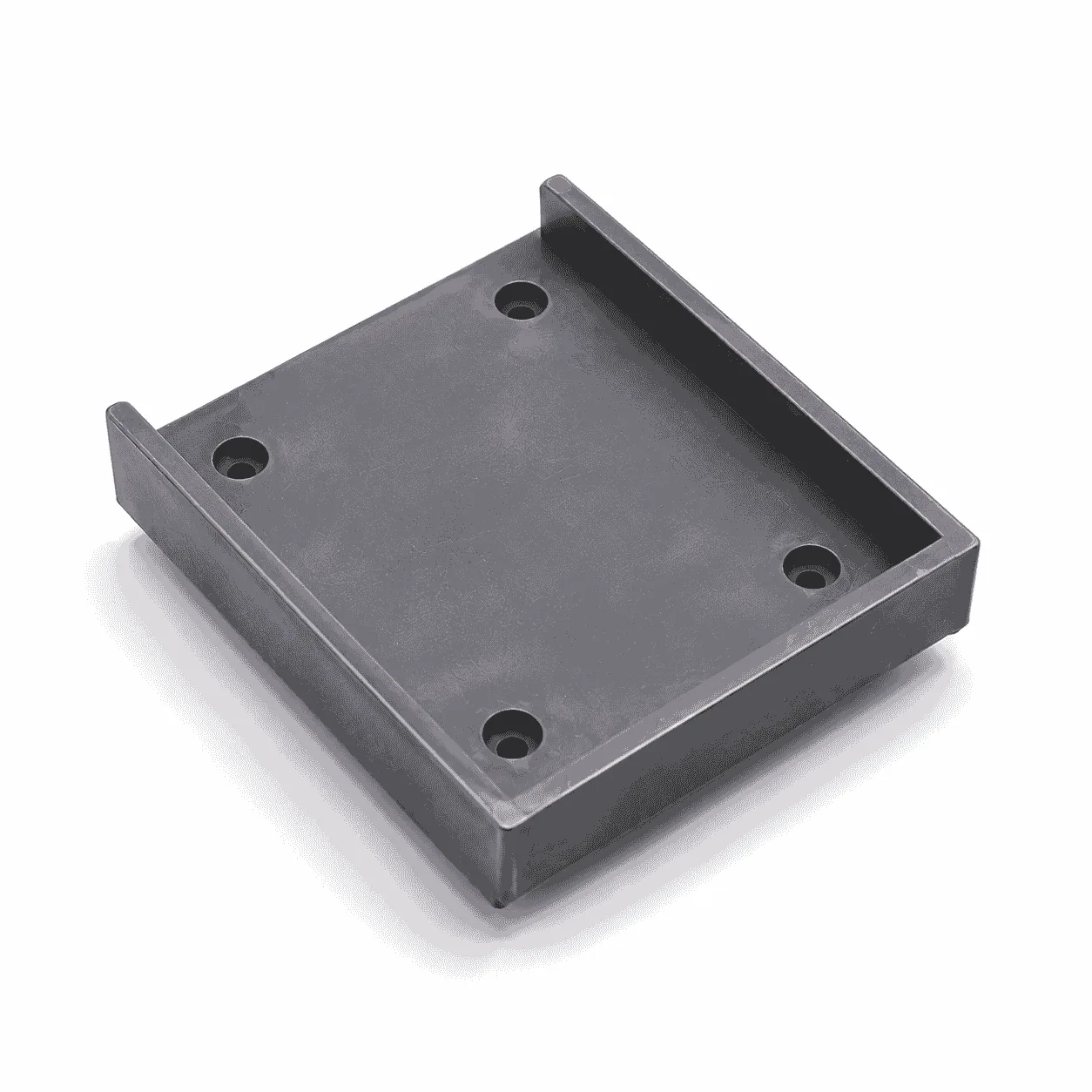
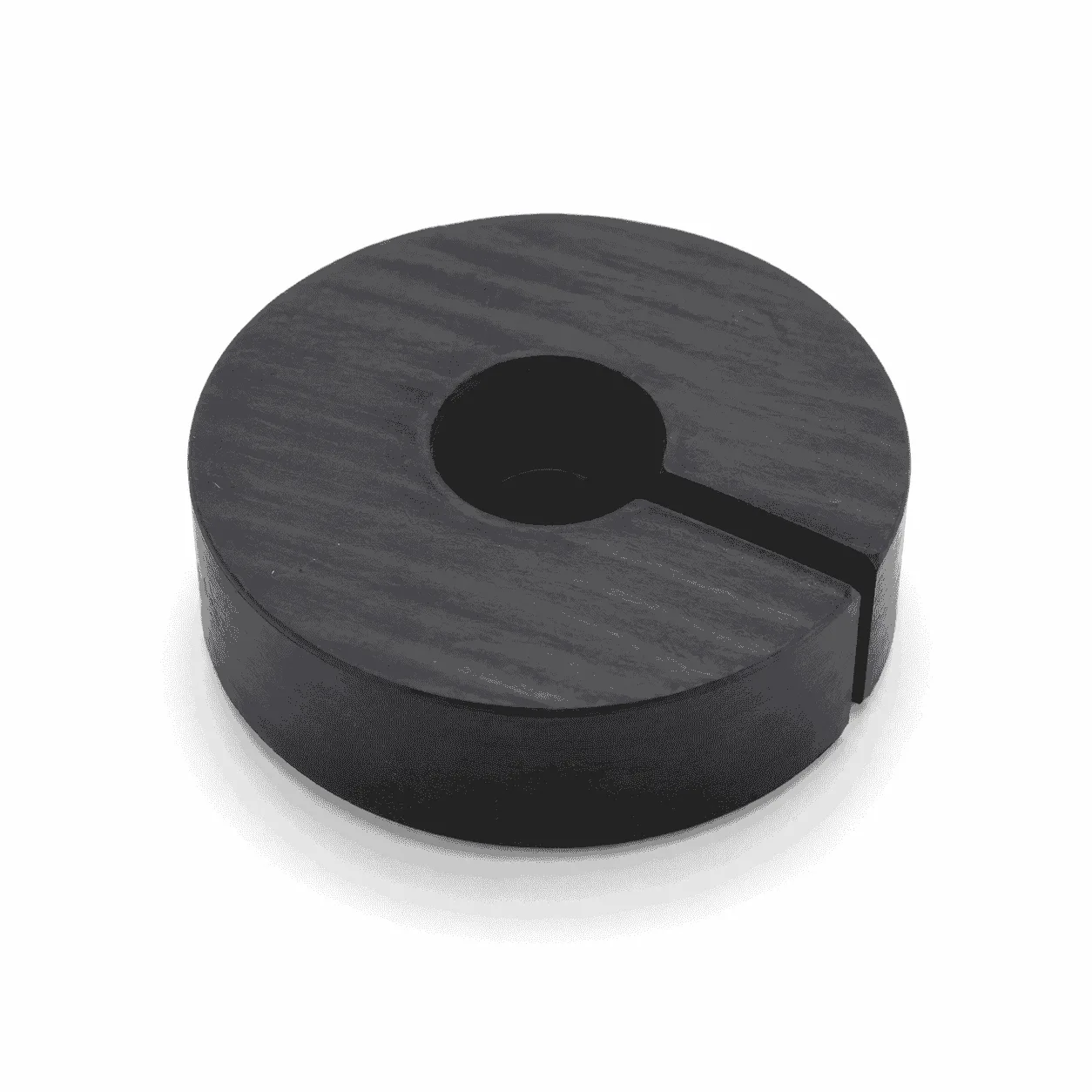
Non-Stick UHMWPE Trailer Liner

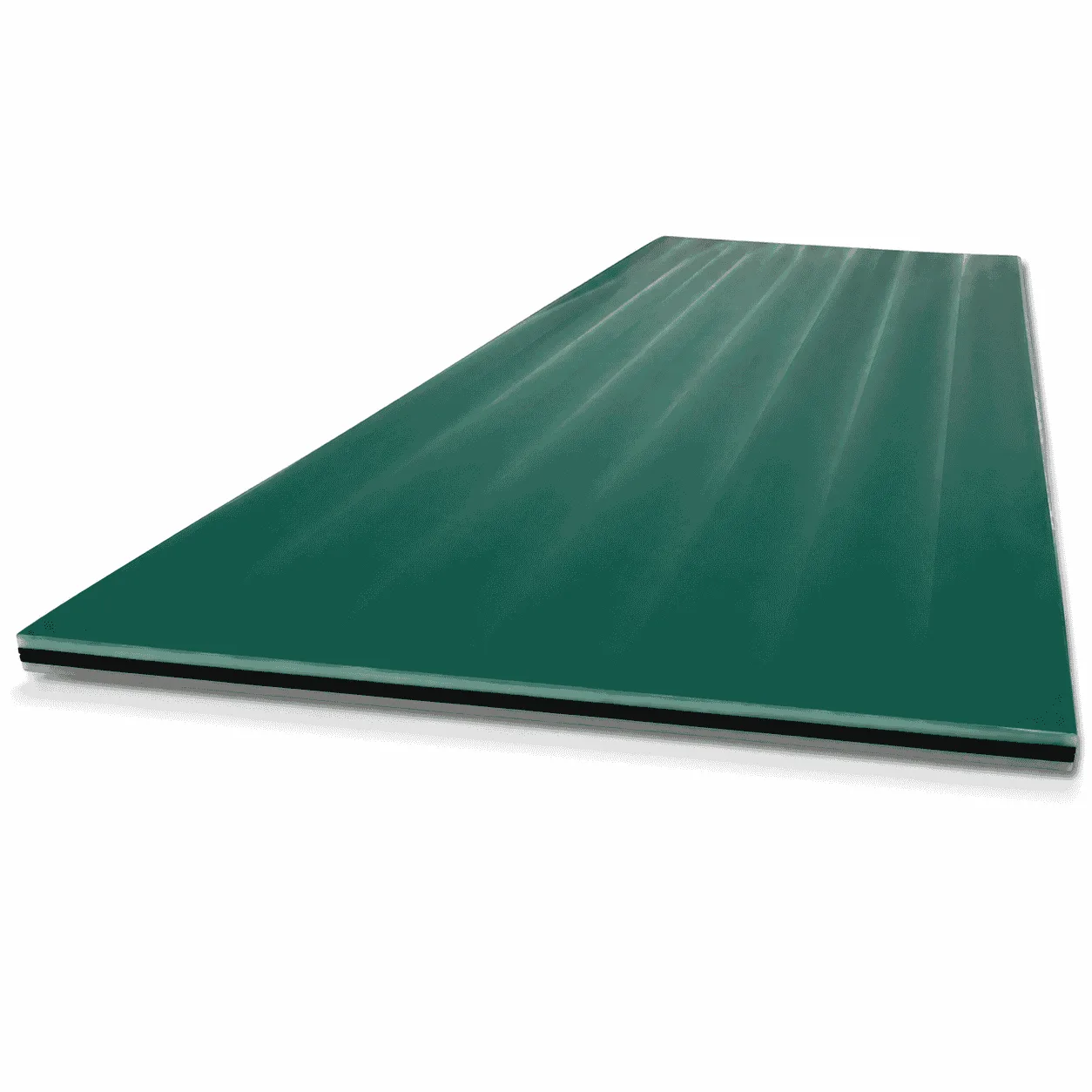
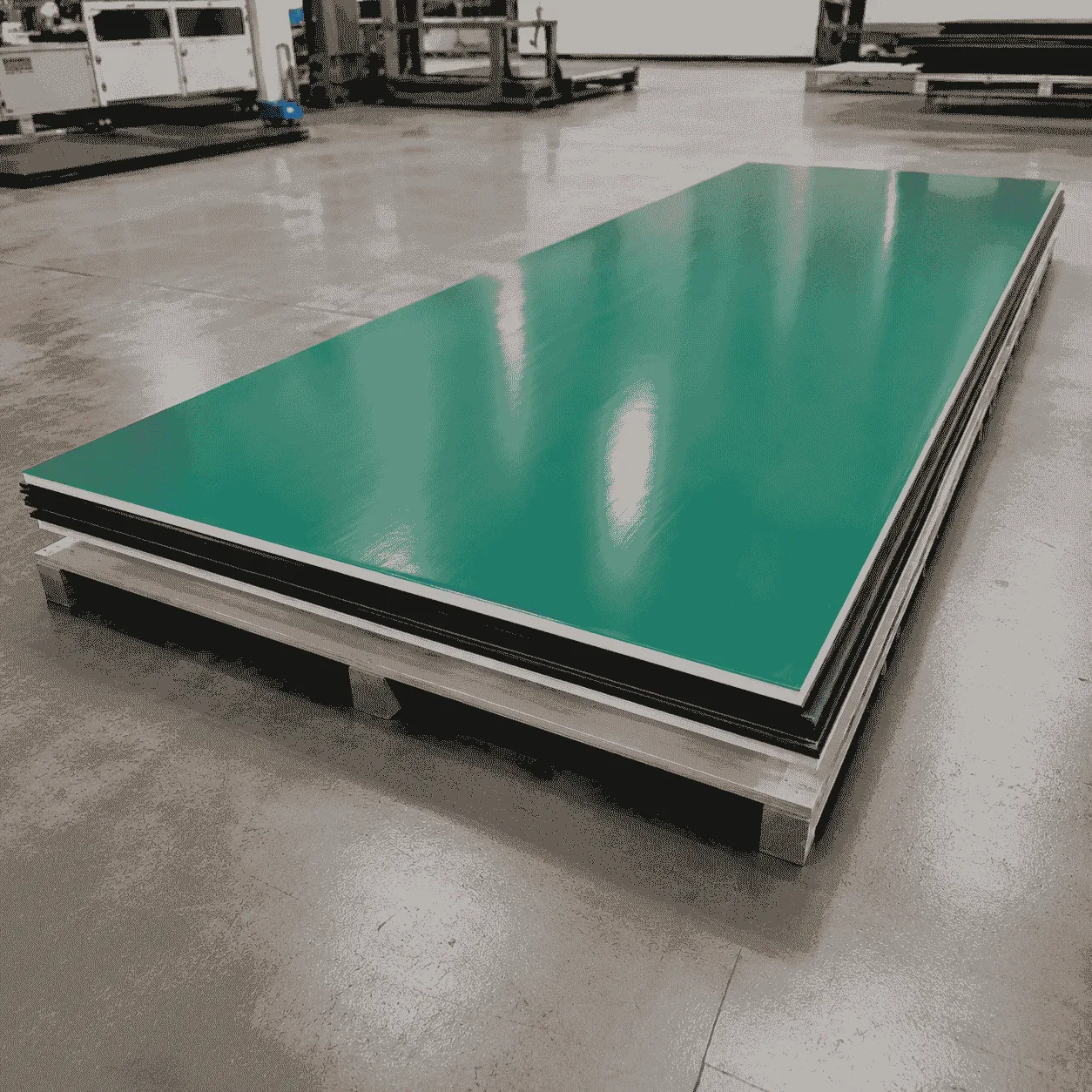
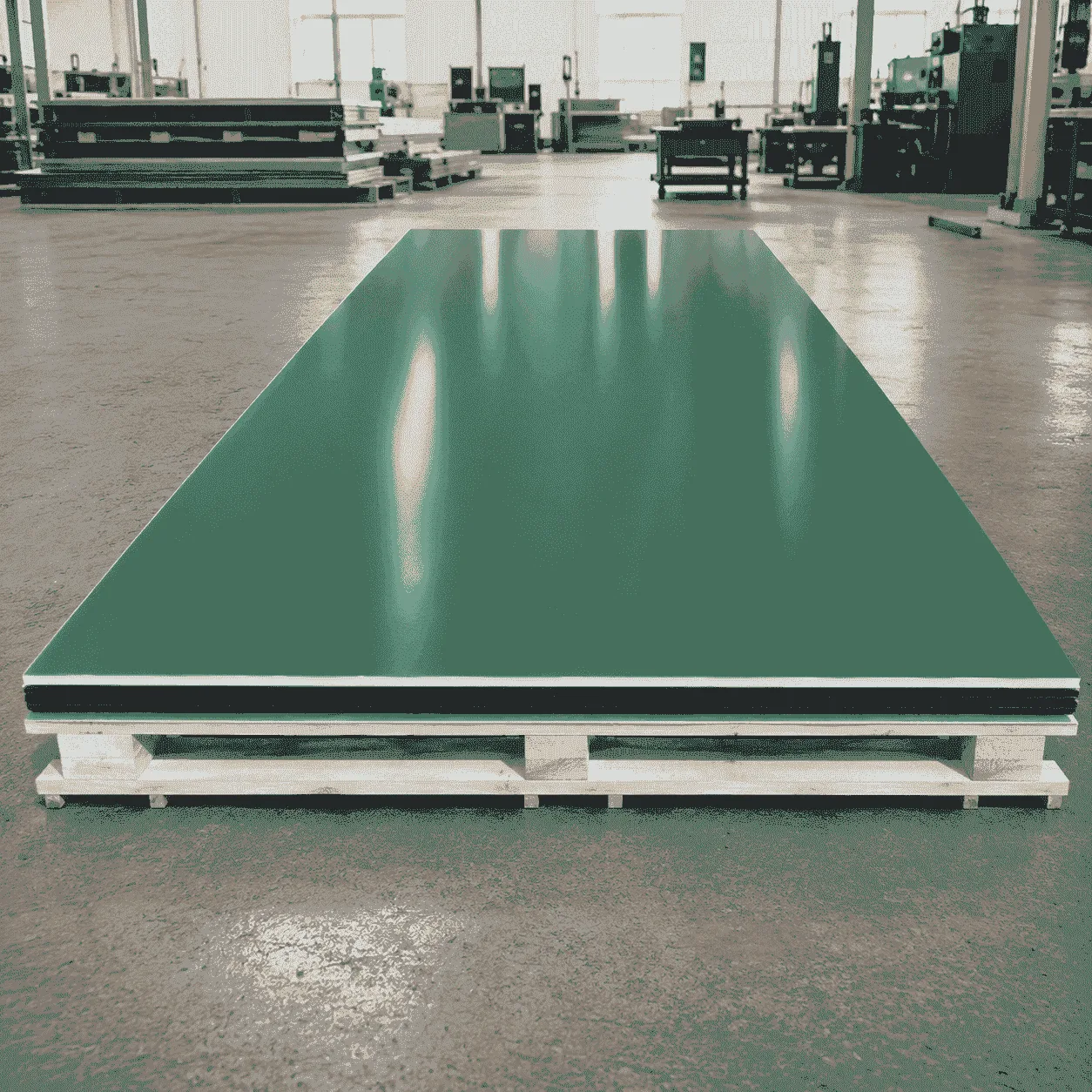
Non-Stick UHMWPE Trailer Liner is a low-friction, wear-resistant engineering plastic lining designed for dump trailers, tipper bodies, bulk-material trailers and transport containers.

The UHMWPE liner helps reduce direct contact between cargo and the metal trailer body, supporting smoother unloading while protecting the floor and sidewalls from abrasion, repeated impact, moisture and corrosion exposure.

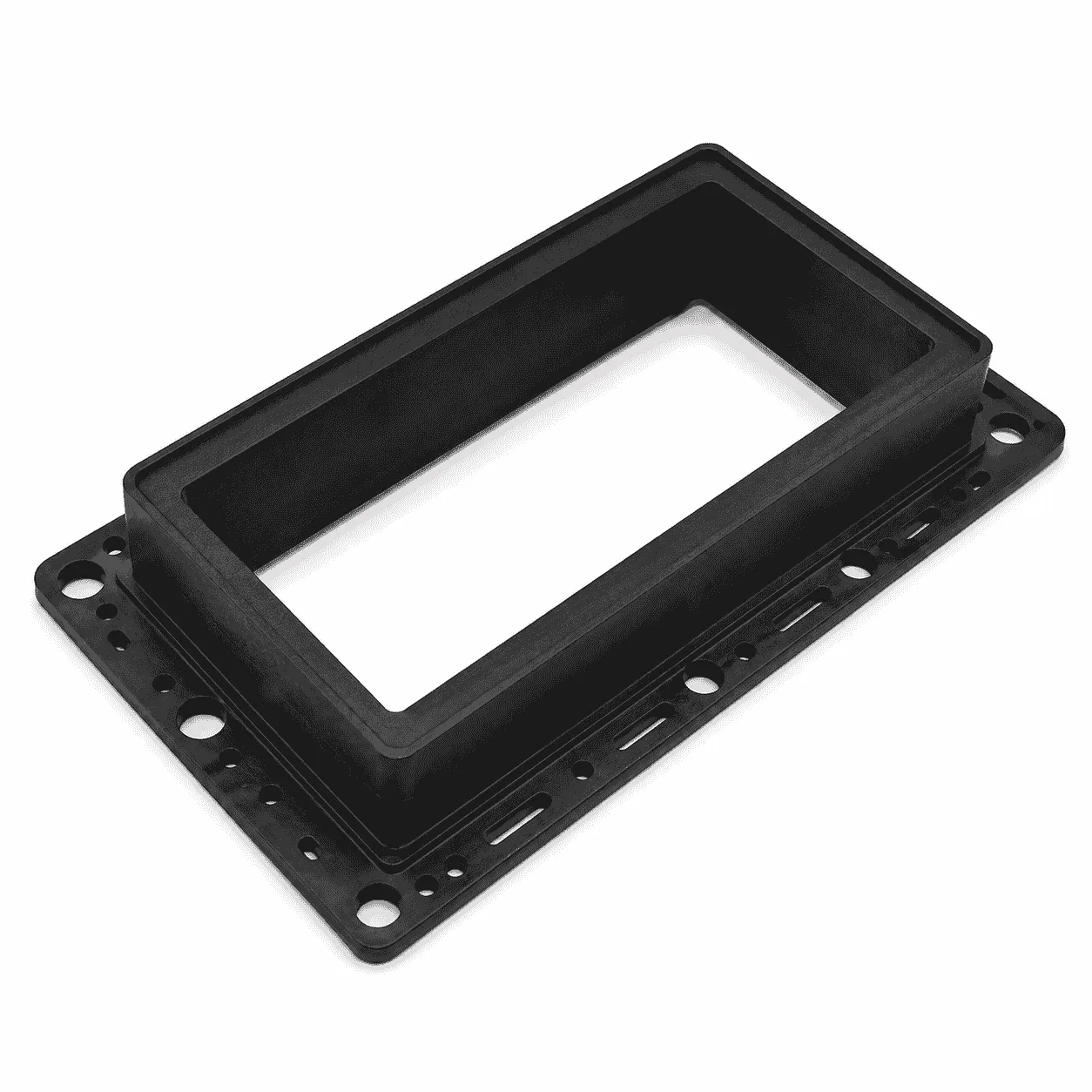
Standard and large-format panels are available in custom thicknesses, colors and dimensions. Mounting holes, countersinks, expansion slots, stepped joints and CNC-machined profiles can be produced according to trailer drawings and installation requirements.

Share :

Description

Product Description

Non-Stick UHMWPE Trailer Liner for Smooth Material Discharge

Non-Stick UHMWPE Trailer Liner is a heavy-duty engineering plastic lining manufactured from ultra-high-molecular-weight polyethylene. It is developed for dump trailers, tipper bodies, bulk-material transport vehicles and containers exposed to abrasive cargo, repeated impact, moisture and frequent loading and unloading.

The liner creates a replaceable working surface between the transported material and the metal trailer body. Its smooth, low-friction surface can help reduce material adhesion, unloading resistance and direct abrasion against the steel floor and sidewalls.

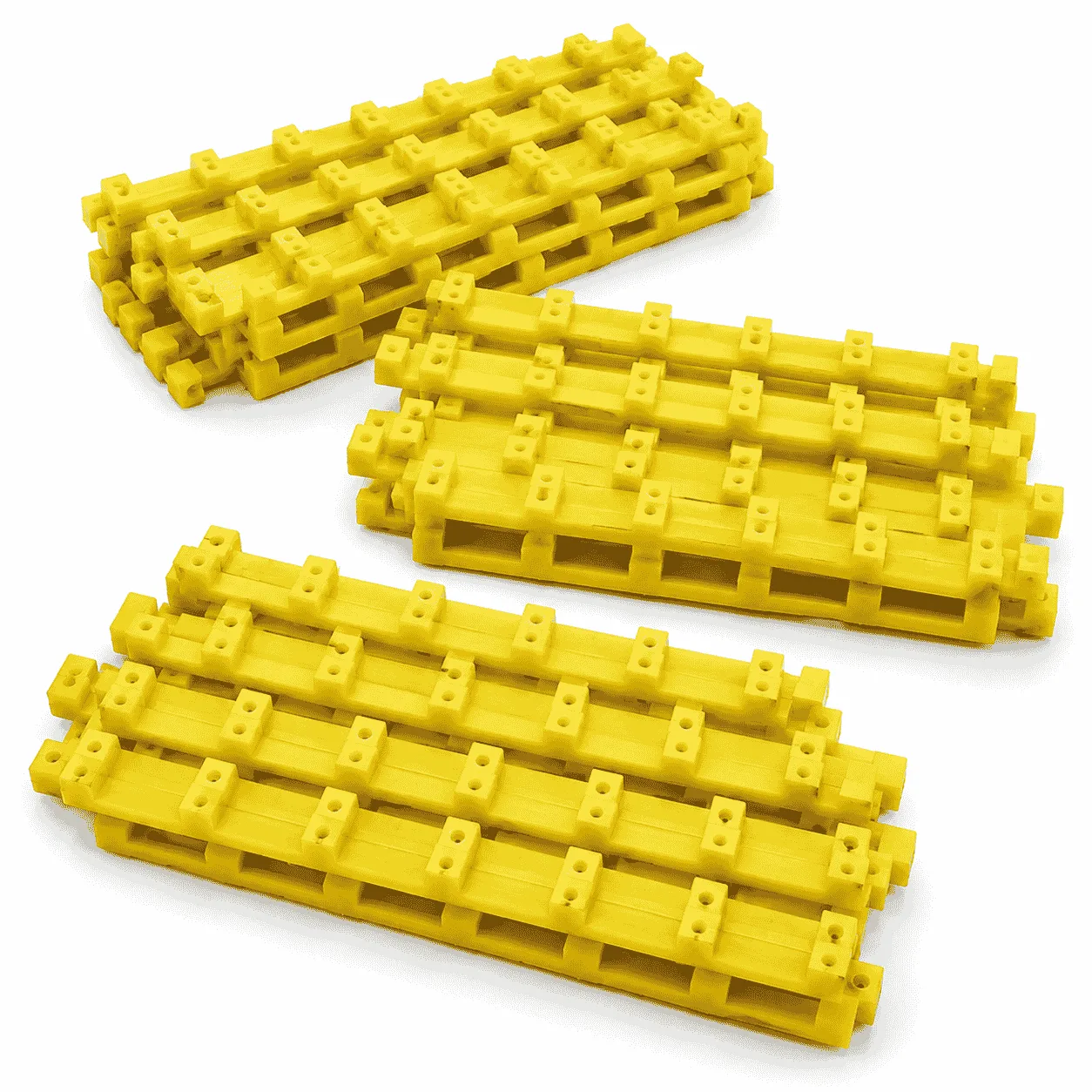
The product can be supplied as a complete molded sheet, cut-to-size floor liner, sidewall panel, wear strip or finished CNC-machined component. Length, width, thickness, mounting-hole positions, countersinks, expansion slots and panel-edge structures can be manufactured according to customer drawings.

General information about the base material is available in the
Wikipedia explanation of ultra-high-molecular-weight polyethylene.
Information about friction, lubrication and wear is available in the
Wikipedia explanation of tribology.
Additional background information about vehicle-bed protection is available in the
Wikipedia explanation of truck bed liners.

What Is a Non-Stick UHMWPE Trailer Liner?

A Non-Stick UHMWPE Trailer Liner is a solid polyethylene panel installed over the metal floor or sidewalls of a trailer. It functions as a low-friction, replaceable wear surface and separates the cargo from the supporting steel structure.

UHMWPE contains extremely long molecular chains that contribute to toughness, impact resistance, low moisture absorption and resistance to repeated sliding wear. These characteristics make the material suitable for trailers carrying grain, feed, fertilizer, aggregates, coal, minerals, waste and other bulk materials.

The term “non-stick” describes the liner’s relatively smooth and low-friction material-contact surface. It does not mean the liner is completely non-adhesive under every operating condition.

Actual discharge performance depends on the transported material, moisture content, particle size, trailer angle, surface condition, liner thickness, temperature and body design.

How Does the UHMWPE Trailer Liner Improve Unloading?

Reduced Sliding Resistance

The smooth UHMWPE working surface helps reduce resistance between the cargo and the trailer body. This can support faster and more consistent material movement as the trailer is raised or unloaded.

Lower sliding resistance may also reduce the amount of material left on the trailer floor after discharge. Performance varies according to cargo type, moisture, compaction and unloading angle.

Reduced Material Buildup

Rust, weld seams, scratches and worn coatings on a steel trailer floor can create areas where wet or fine materials accumulate. A correctly installed liner covers much of the uneven metal surface and provides a more uniform cargo-contact area.

Sticky clay, wet soil, sludge and high-moisture materials may still require a suitable trailer angle, vibration equipment, mechanical assistance or regular cleaning.

Protection of the Metal Trailer Body

The liner reduces direct contact between the cargo and the steel body. This helps protect the floor and sidewalls from abrasion, scratching and repeated impact.

Because the lining is replaceable, worn panels can be removed without replacing the complete trailer body.

Reduced Carry-Back

Material remaining inside the trailer after unloading adds unnecessary return weight and may require manual cleaning. A smooth UHMWPE surface can help reduce carry-back in suitable bulk-material applications.

The final result depends on material adhesion, moisture, trailer geometry and the condition of the liner surface.

Main Advantages of Non-Stick UHMWPE Trailer Liner

Excellent Wear Resistance

Non-Stick UHMWPE Trailer Liner is suitable for repeated contact with abrasive bulk materials. It can be used for trailers transporting grain, feed, sand, aggregates, minerals, coal, fertilizer, waste and manufactured products.

Actual service life depends on cargo hardness, particle shape, loading height, material-flow rate, contact pressure, liner thickness and installation quality.

High Impact Strength

The tough UHMWPE structure helps the lining withstand repeated loading impact without easily cracking under appropriate operating conditions.

This is particularly useful around loading zones and trailer floors where materials are dropped from conveyors, buckets, hoppers or loading equipment.

Low-Friction Surface

The low-friction working surface helps cargo slide over the liner with less resistance than rough, rusted or damaged steel surfaces.

Reduced friction can support smoother unloading and help limit scratching of packaged or finished products transported inside the trailer.

Self-Lubricating Performance

UHMWPE provides a naturally low-friction sliding surface and normally does not require continuous oil or grease lubrication.

This simplifies routine maintenance and avoids adding lubricants to the trailer cargo area.

Low Water Absorption

UHMWPE absorbs very little moisture compared with many conventional engineering materials. The liner does not swell significantly because of routine rain, humidity or wash-down exposure.

Corrosion Resistance

The plastic liner does not rust and normally requires no anti-corrosion paint or surface coating.

It also helps isolate the cargo from areas of the steel body that may otherwise be exposed to moisture, salts or corrosive materials.

Chemical Resistance

UHMWPE resists many commonly encountered acids, alkalis, salts and industrial chemicals.

Compatibility should be evaluated separately when the liner will contact strong oxidizing agents, specialized solvents, concentrated chemicals or elevated-temperature cargo.

Noise and Vibration Reduction

Installing UHMWPE between cargo and the metal trailer structure can help reduce direct metal-contact noise and vibration during loading, transport and unloading.

Reduced Trailer Maintenance

The replaceable liner protects the trailer body from direct wear. Worn areas can be repaired by replacing individual panels instead of rebuilding the complete metal floor.

Convenient Cutting and Machining

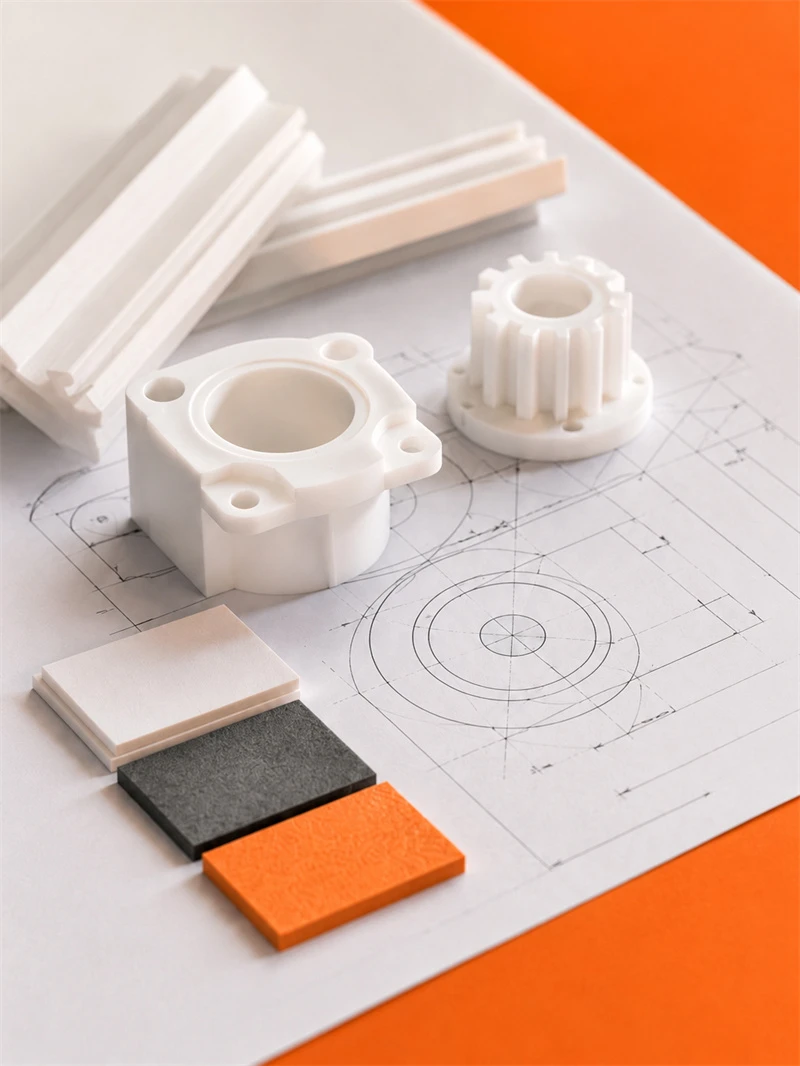
Non-Stick UHMWPE Trailer Liner can be cut, planed, drilled, milled, grooved and CNC-machined. Panels can be produced with countersunk holes, recessed fastener positions, expansion slots, stepped edges and custom openings.

Key Product Benefits

  • Low-friction unloading surface: Helps reduce cargo drag and material buildup.
  • Excellent abrasion resistance: Suitable for repeated contact with bulk materials.
  • High impact strength: Helps withstand loading shock and vibration.
  • Reduced carry-back: Can help limit material remaining after unloading.
  • Self-lubricating performance: Normally requires no continuous oil or grease.
  • Low water absorption: Suitable for humid, rainy and wash-down environments.
  • Corrosion resistance: Does not rust and normally requires no protective coating.
  • Trailer-body protection: Reduces direct abrasion against the steel floor and sidewalls.
  • Replaceable liner panels: Worn sections can be replaced independently.
  • Noise reduction: Helps reduce direct cargo-to-metal contact noise.
  • Large-format availability: Helps reduce the number of panel joints.
  • Custom machining: Mounting holes, slots, steps and edge profiles are available.

Typical Applications

Non-Stick UHMWPE Trailer Liner is suitable for transport equipment carrying abrasive, wet, sticky or difficult-to-discharge materials.

  • Dump-trailer floor liners
  • Tipper-trailer body liners
  • Dump-truck bed liners
  • Walking-floor trailer wear panels
  • Bulk-grain trailer liners
  • Animal-feed transport trailers
  • Fertilizer trailer liners
  • Coal and mineral transport bodies
  • Sand and aggregate trailers
  • Waste and recycling trailers
  • Sludge and wet-material transport bodies
  • Agricultural trailers
  • Truck-body sidewall liners
  • Rail-wagon wear liners
  • Bulk-material containers
  • Storage-bin and bunker liners
  • Hopper and chute liners
  • Custom vehicle wear components

Additional UHMWPE sheets, liner panels and CNC-machined engineering plastic components are available through our
UHMWPE sheet and engineering plastic product center.

Typical Non-Stick UHMWPE Trailer Liner Specifications

Product NameNon-Stick UHMWPE Trailer Liner
Focus KeywordNon-Stick UHMWPE Trailer Liner
Base MaterialUltra-high-molecular-weight polyethylene
Common Material DesignationPE-UHMW, PE1000 or UHMWPE
Standard ColorsGreen, black, natural white or project-specified color
Optional StructureSingle-color, dual-color or project-specified liner construction
Main FunctionsFriction reduction, wear protection, impact protection and smoother unloading
Common Trailer-Liner Thickness6–30 mm
Heavy-Duty Liner Thickness30–50 mm
Thick Plate OptionMore than 50 mm for selected wear and impact components after feasibility review
Common Sheet Size1220 × 2440 mm
Optional Sheet Sizes1000 × 3000 mm, 1200 × 3000 mm, 1200 × 4000 mm and 1500 × 3000 mm
Large-Format OptionsApproximately 1500 × 4000 mm, 1800 × 6000 mm or 2000 × 6000 mm for selected thicknesses
Surface OptionsSmooth, planed, lightly textured or project-specified machined surface
Available GradesStandard, virgin, enhanced wear-resistant, UV-stabilized or project-specified grades
Processing ServicesCutting, planing, drilling, countersinking, slotting, grooving and CNC machining
Supply FormFull sheets, floor panels, sidewall liners, wear strips and finished components

The dimensions listed above are common production options rather than guaranteed combinations. Maximum length, width and thickness cannot always be manufactured together in one panel.

Final dimensions should be confirmed according to trailer-body measurements, mold capacity, liner thickness, flatness requirements, machining allowance and transportation conditions.

Available Thickness Options

6–10 mm Lightweight Trailer Liners

Thin liners are suitable for relatively light cargo, sidewall protection and applications with continuous metal backing support.

Thin panels normally require closer fastener spacing and an even supporting surface.

10–20 mm General-Purpose Trailer Liners

This is a commonly selected range for grain, feed, fertilizer, packaging materials and general bulk-material trailers.

It provides a practical balance between liner weight, wear allowance and installation flexibility.

20–30 mm Heavy-Wear Trailer Liners

Thicker panels can be selected for aggregates, minerals, waste, coal and applications involving greater impact or abrasive wear.

30–50 mm Heavy-Duty Plates

Heavy-duty panels can be evaluated for loading zones, highly abrasive cargo, impact areas and special vehicle components.

Additional thickness increases liner weight and may affect trailer payload, fastener design and installation requirements.

Single-Color and Dual-Color Trailer Liners

Single-Color UHMWPE Trailer Liner

Single-color liners have a generally consistent color throughout the material thickness and are suitable for standard trailer floors and sidewalls.

Dual-Color UHMWPE Trailer Liner

Dual-color panels can use contrasting surface and core layers. The different color can act as a visual wear indicator when the upper working layer becomes thinner.

The layer thickness, color combination and wear-indicator function should be confirmed before manufacturing. A dual-color appearance alone does not identify a specific material grade.

Standard and Modified UHMWPE Grades

Standard UHMWPE Trailer Liner

Standard UHMWPE is suitable for general sliding wear, unloading and trailer-body protection applications.

Virgin UHMWPE Grade

A virgin-material formulation can be selected where consistent appearance, traceability or project-specific documentation is required.

Enhanced Wear-Resistant Grade

An enhanced wear formulation can be evaluated for abrasive minerals, aggregates, waste and trailers requiring longer replacement intervals.

UV-Stabilized Grade

A UV-stabilized formulation can be specified for trailers continuously exposed to outdoor sunlight. Color alone does not confirm UV resistance.

Antistatic or Conductive Grade

Where electrostatic accumulation is a concern, a separately formulated antistatic or conductive UHMWPE grade may be required.

The required resistance range, test method, testing voltage and environmental conditions should be specified before manufacturing.

Custom Cutting and CNC Machining

Non-Stick UHMWPE Trailer Liner can be supplied as a full molded sheet, cut-to-size liner panel or finished installation component.

Available processing services include:

  • Full-sheet edge trimming
  • Trailer-floor panel cutting
  • Sidewall-liner cutting
  • Surface planing and thickness calibration
  • Through-hole drilling
  • Blind-hole drilling
  • Countersunk mounting holes
  • Counterbored bolt positions
  • Elongated expansion slots
  • Recessed fastener structures
  • Drainage or cleaning openings
  • Positioning grooves
  • Stepped panel edges
  • Overlapping joints
  • Tongue-and-groove edges
  • Wheel-arch and equipment cut-outs
  • Curved or tapered outside profiles
  • Finished CNC-machined components

Panel Joint and Edge Design

Trailer-liner joints should be arranged according to the direction of cargo movement. Exposed upstream edges can catch bulk materials and increase local wear.

Depending on the body structure, panels can use overlapping edges, stepped joints, tongue-and-groove profiles or staggered panel layouts.

Large-format panels can reduce the number of joints, but installation access, thermal expansion, panel weight and replacement convenience must also be considered.

Installation Recommendations

Non-Stick UHMWPE Trailer Liner can be installed using countersunk bolts, recessed fasteners, mechanical clamps, backing plates or trailer-specific mounting structures.

The supporting metal floor should be clean, reasonably flat and capable of supporting the liner evenly. Sharp weld beads, projecting fasteners and damaged metal should be repaired before installation.

UHMWPE expands and contracts more than steel when temperature changes. Suitable expansion clearance should be provided around panel edges, mounting holes and joints.

Fasteners should not be excessively tightened because concentrated pressure can deform the liner around bolt holes.

Fastener heads should be recessed below or level with the working surface to reduce cargo-catching points and protect the fasteners from direct abrasion.

Factors Affecting Unloading Performance

  • Cargo type and composition
  • Particle size and particle shape
  • Material moisture content
  • Clay, oil or adhesive contamination
  • Trailer lifting angle
  • Floor and sidewall geometry
  • Liner surface condition
  • Operating temperature
  • Liner thickness and grade
  • Panel-joint arrangement
  • Fastener condition
  • Cleaning and maintenance frequency

Factors Affecting Liner Service Life

  • Hardness and abrasiveness of the cargo
  • Loading height and impact angle
  • Loading and unloading frequency
  • Material-flow speed
  • Selected UHMWPE formulation
  • Liner thickness
  • Supporting-floor condition
  • Fastener spacing and installation quality
  • Outdoor UV exposure
  • Chemical and salt exposure
  • Remaining liner thickness
  • Inspection and replacement schedule

Quality Inspection

Quality inspection can be completed according to trailer drawings and project requirements. Typical inspection items include:

  • UHMWPE material-grade identification
  • Standard or modified formulation confirmation
  • Single-color or dual-color structure confirmation
  • Panel length and width
  • Overall thickness
  • Finished thickness after planing
  • Dimensional tolerances
  • Surface appearance
  • Color consistency
  • Flatness
  • Hole diameter and position
  • Countersink or counterbore dimensions
  • Expansion-slot dimensions
  • Edge-profile dimensions
  • Production-batch identification
  • Required material documentation

Information Required for a Quotation

To prepare an accurate quotation for Non-Stick UHMWPE Trailer Liner, please provide:

  • Trailer type and body structure
  • Trailer-floor length and width
  • Sidewall dimensions if lining is required
  • Required liner thickness
  • Required quantity
  • Required color or dual-color structure
  • Transported material type
  • Particle size and moisture content
  • Loading height and loading method
  • Loading and unloading frequency
  • Operating-temperature range
  • Indoor or outdoor exposure
  • Required mounting-hole pattern
  • Fastener and panel-joint structure
  • Required dimensional tolerances
  • Trailer drawings or measured dimensions
  • Required inspection documents
  • Packaging and delivery destination

The final Non-Stick UHMWPE Trailer Liner grade, dimensions, thickness, panel layout and fastening method should be confirmed according to the trailer structure, transported material and production-feasibility review before manufacturing.

Quality Control

Quality Control and Delivery Standards

Drawing & Material Check

Check drawings for full specifications and confirm materials according to service conditions to prevent product defects.

Machining Quality Control

Inspect all key processing steps and fully verify dimensions, holes, grooves and fitting surfaces.

Finishing & Batch Control

Deburr, chamfer and clean products for easy installation. Ensure uniform quality among batch products.

Packaging & Delivery

Choose appropriate packaging solutions based on product features to protect goods from collision, deformation and mixing during transit.

Processing Quality Control of Engineering Plastics Parts

Unlike metal parts, engineering plastic components still require strict control over dimensions, holes, edges, surface, materials and assembly performance for equipment use.

application

Applications for Engineering Plastic Parts

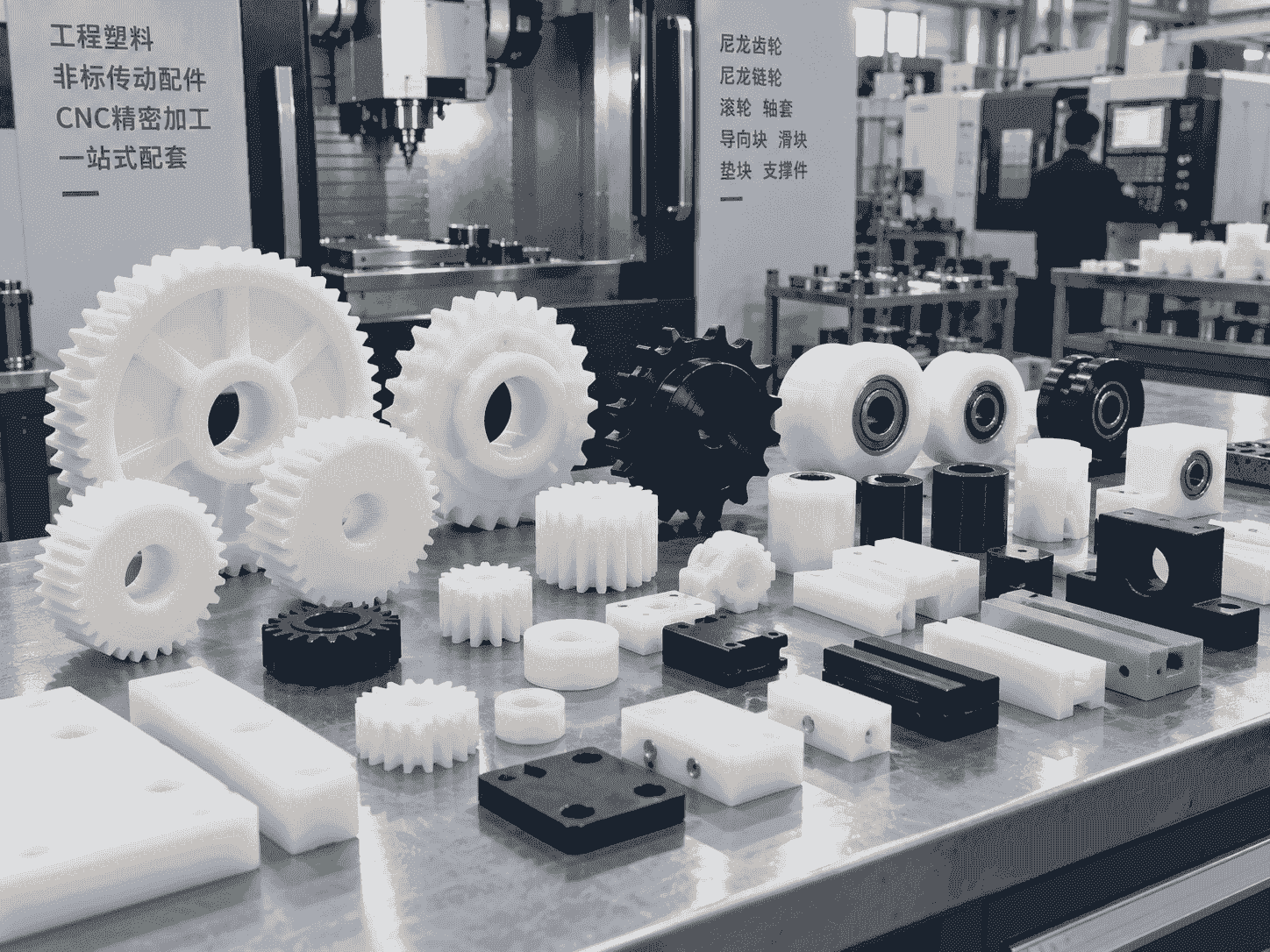
Engineering plastic parts suit friction, guide, support, buffer, anti-corrosion and insulation areas. We supply UHMWPE, POM, PA, PP/PE components for conveyor, food, mining, machinery, chemical and cable systems, with custom OEM service available.

Our Blog

Latest News & Knowledge

Stay updated with our latest industry insights, company updates and featured articles.

We Love to Hear From You

Need UHMWPE sheets & custom plastic machined/OEM parts?Send specs & material needs, free quote within 24h.