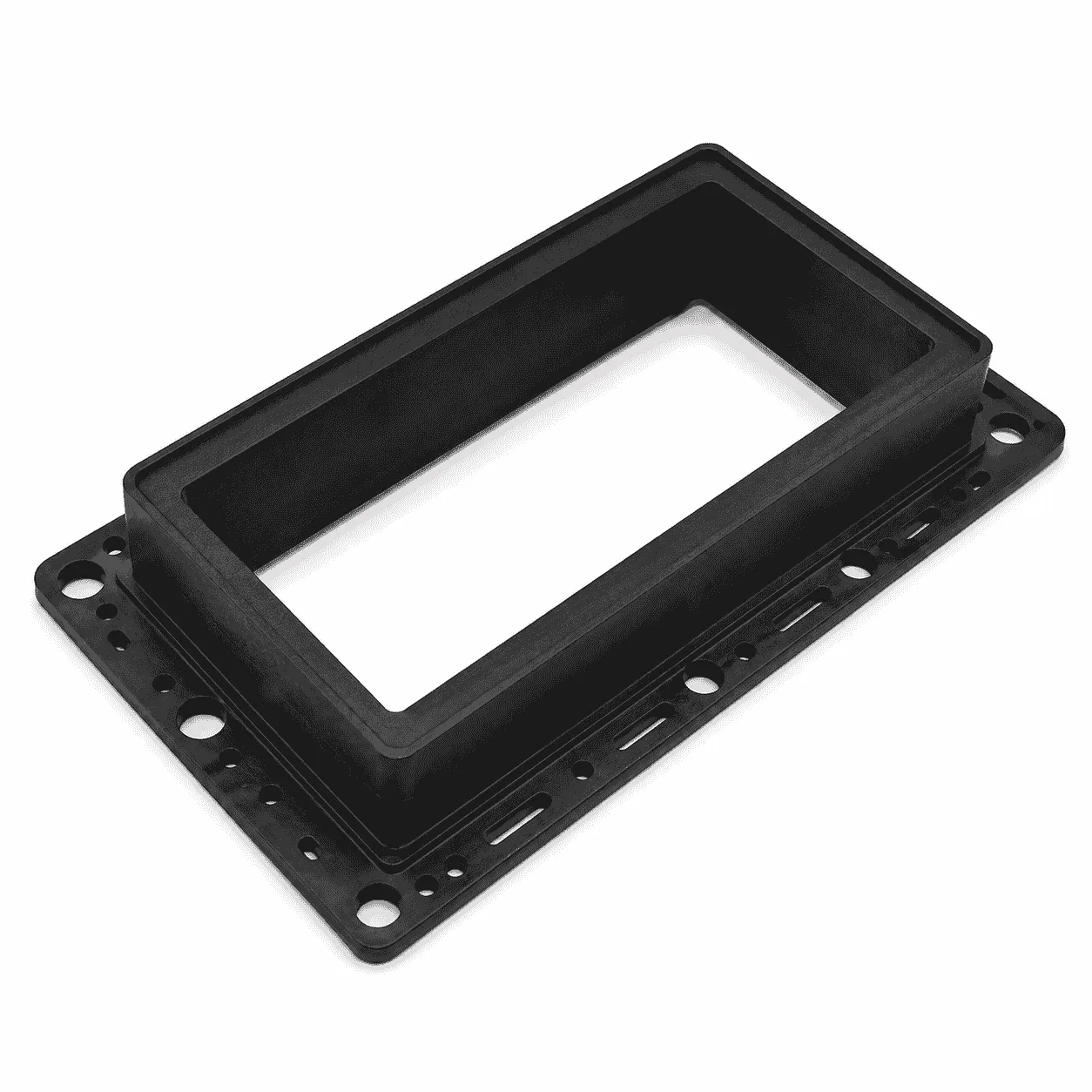
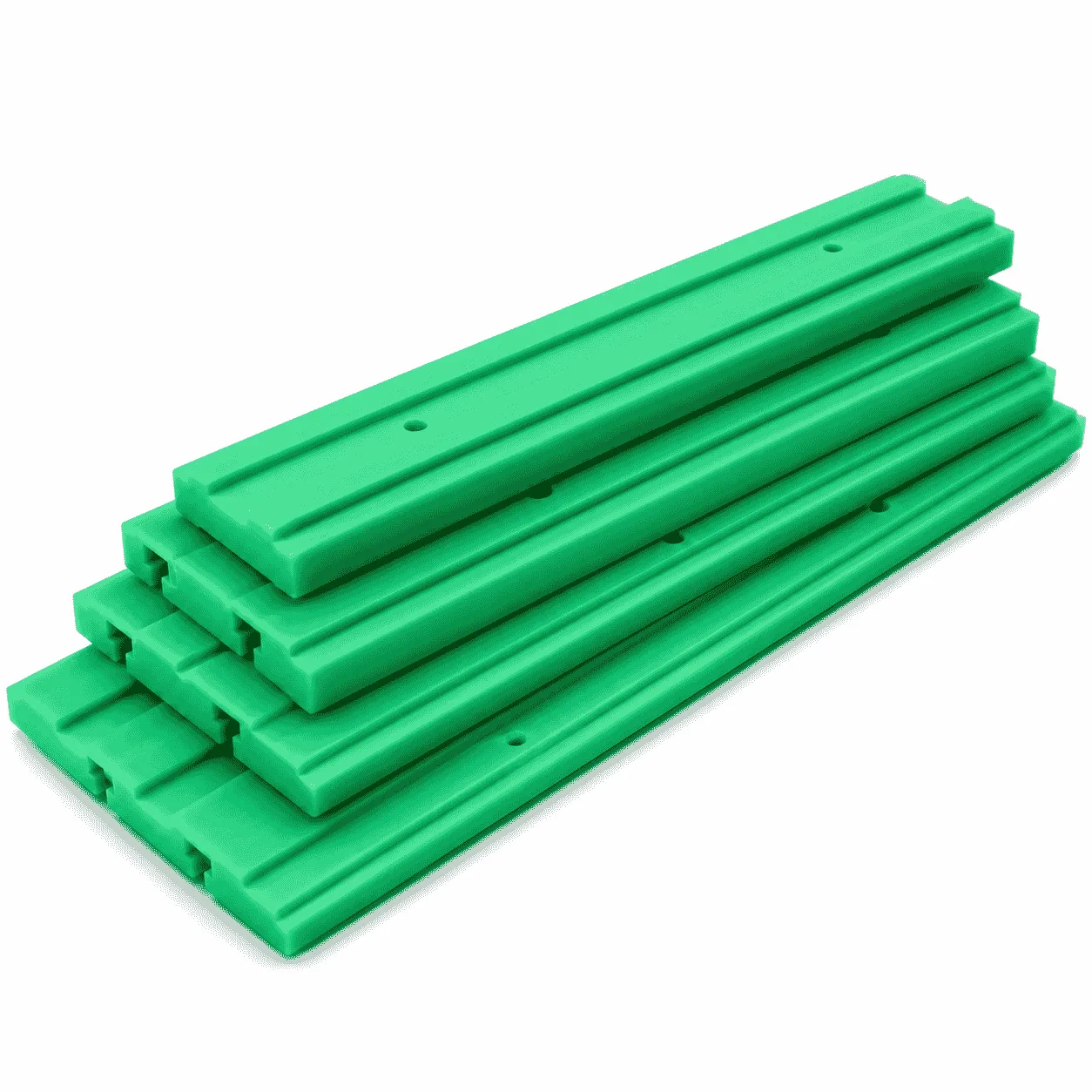
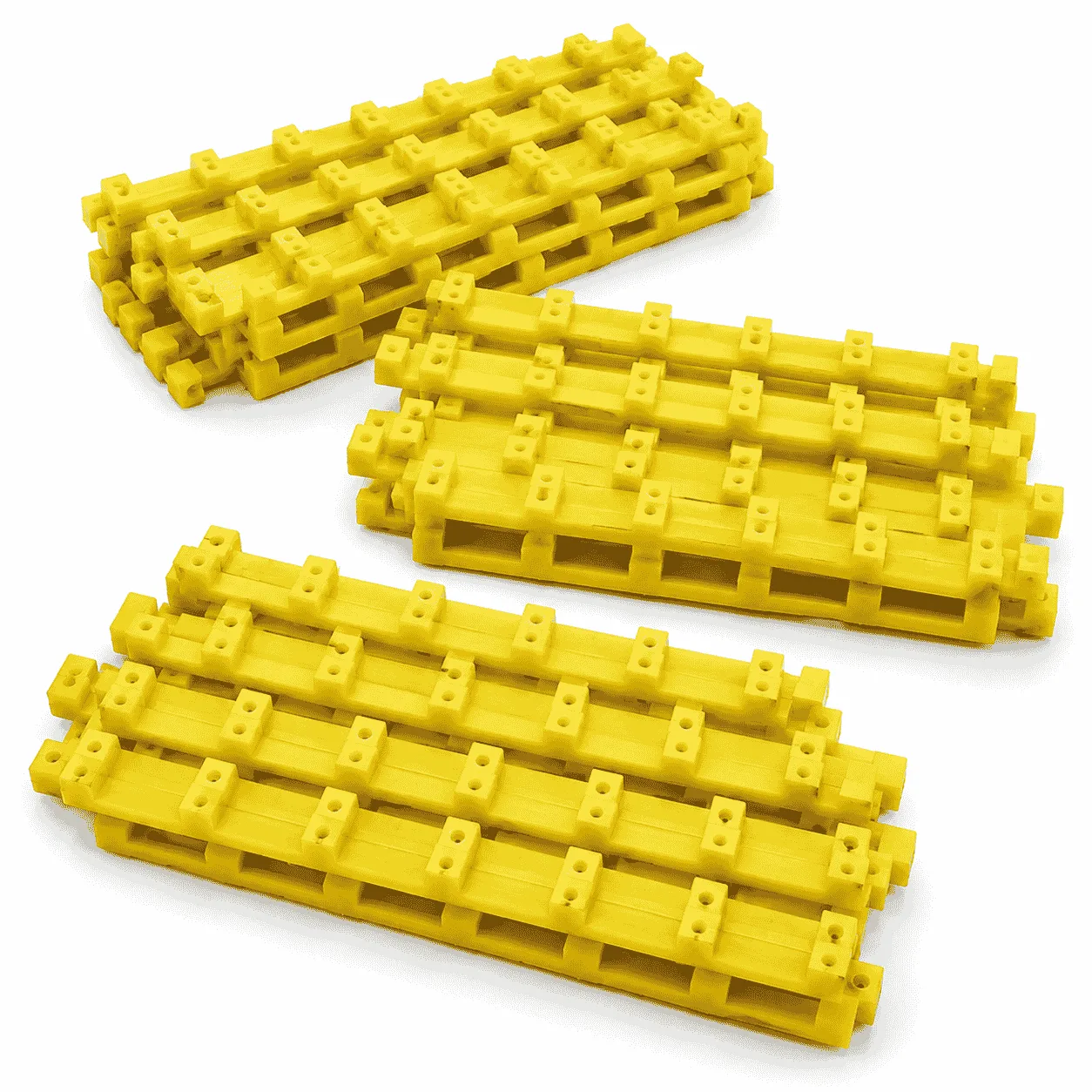
Nylon Chain Guide Rail is a strong, wear-resistant engineering plastic profile used to support and position roller chains in conveyor and transmission systems. Available profile types include CT, TU, TS, CTU, CTS, U, CU, K, CK, CKG, ETA and T. PA6, MC nylon, PA66 and modified self-lubricating grades can be selected according to the chain specification, load, speed, temperature and installation conditions.
Nylon Chain Guide Rail is an engineering plastic guide component used to support, position and control roller chains in conveyor and mechanical transmission systems. It provides a stable running path for the chain, helping reduce unwanted lateral movement, vibration, impact and direct contact between the moving chain and the metal machine frame.
The guide body can be manufactured from PA6 nylon, MC cast nylon, PA66 nylon or a modified self-lubricating nylon grade, depending on the operating load, speed, temperature, humidity and dimensional requirements. Nylon offers good mechanical strength, abrasion resistance, impact toughness and machining performance, making it suitable for chain guides that require greater rigidity and load-supporting capability.
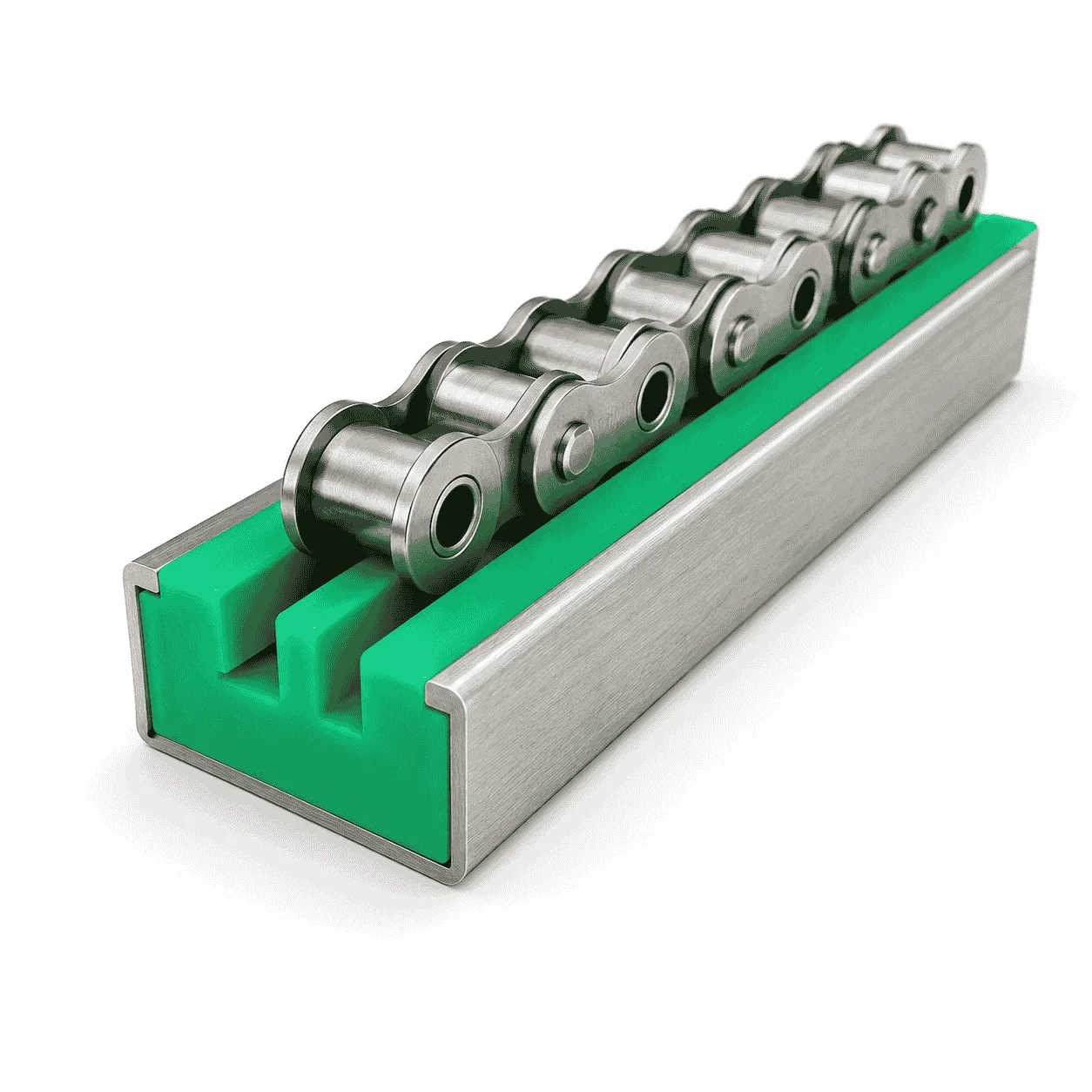
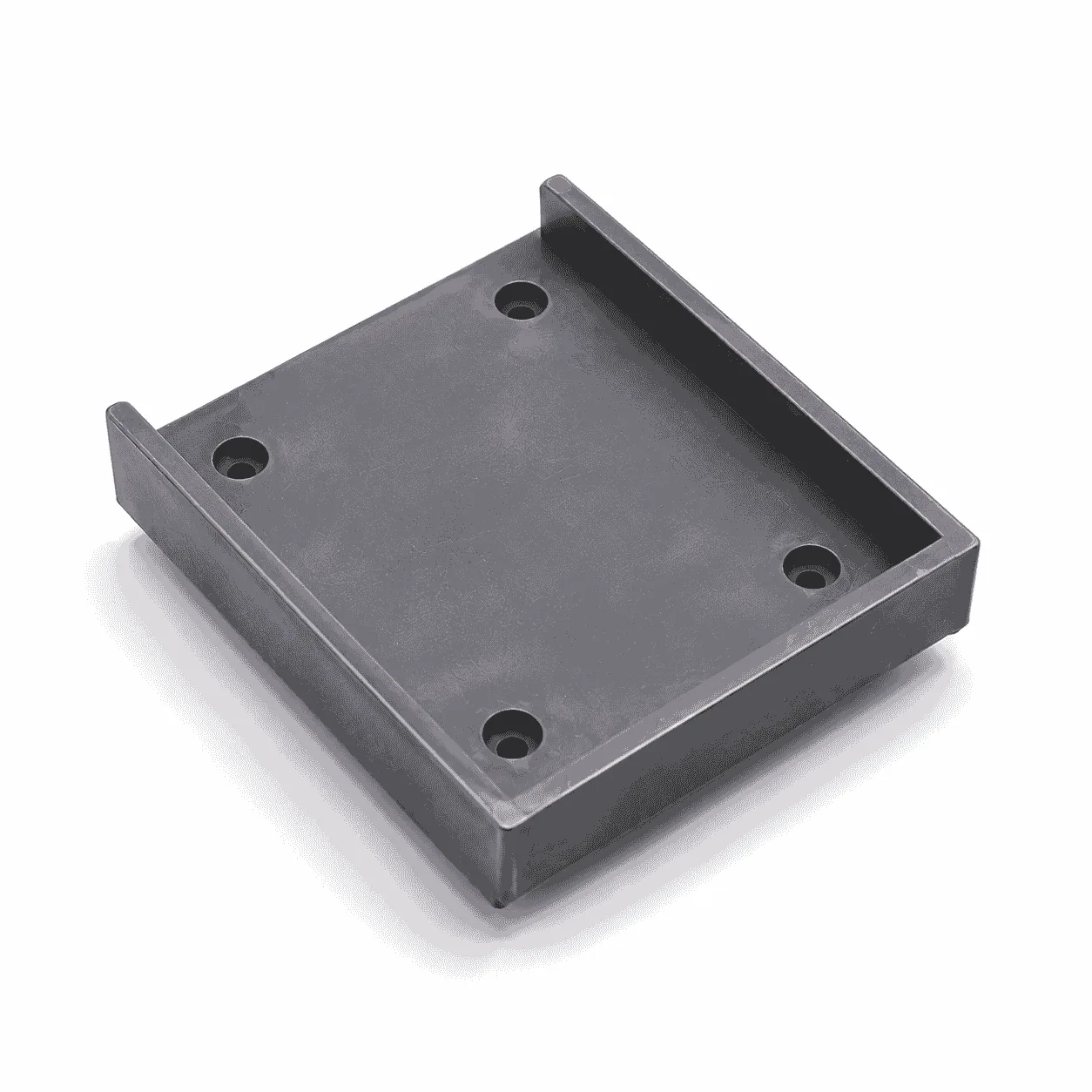
A complete chain-guide assembly may consist of a solid nylon profile, a machined nylon insert or a nylon guide assembled with a stainless-steel or galvanized-steel support channel. The final structure should be selected according to the chain specification, mounting method, conveyor layout and available installation space.
Customers can view additional nylon material options in our
PA Nylon Sheet
category. Guide profiles, mounting holes, grooves, steps and special-shaped components can also be manufactured through our
CNC Plastic Machining
service. Additional equipment applications are available on our
Conveyor Systems
page.
For general material information, refer to the
Wikipedia explanation of Nylon 6.
Information about the chain structure and operating principle is available in the
Wikipedia explanation of roller chain.
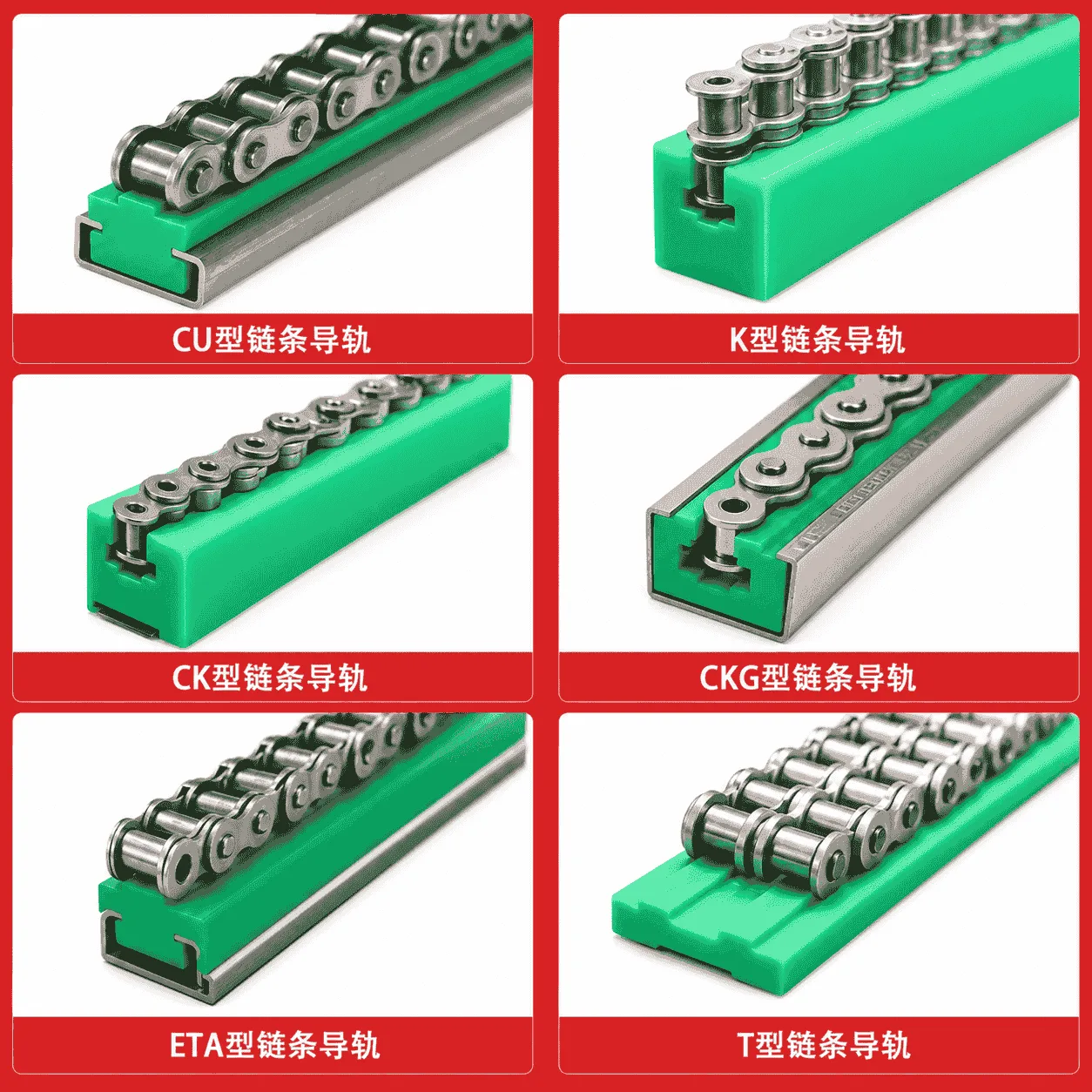
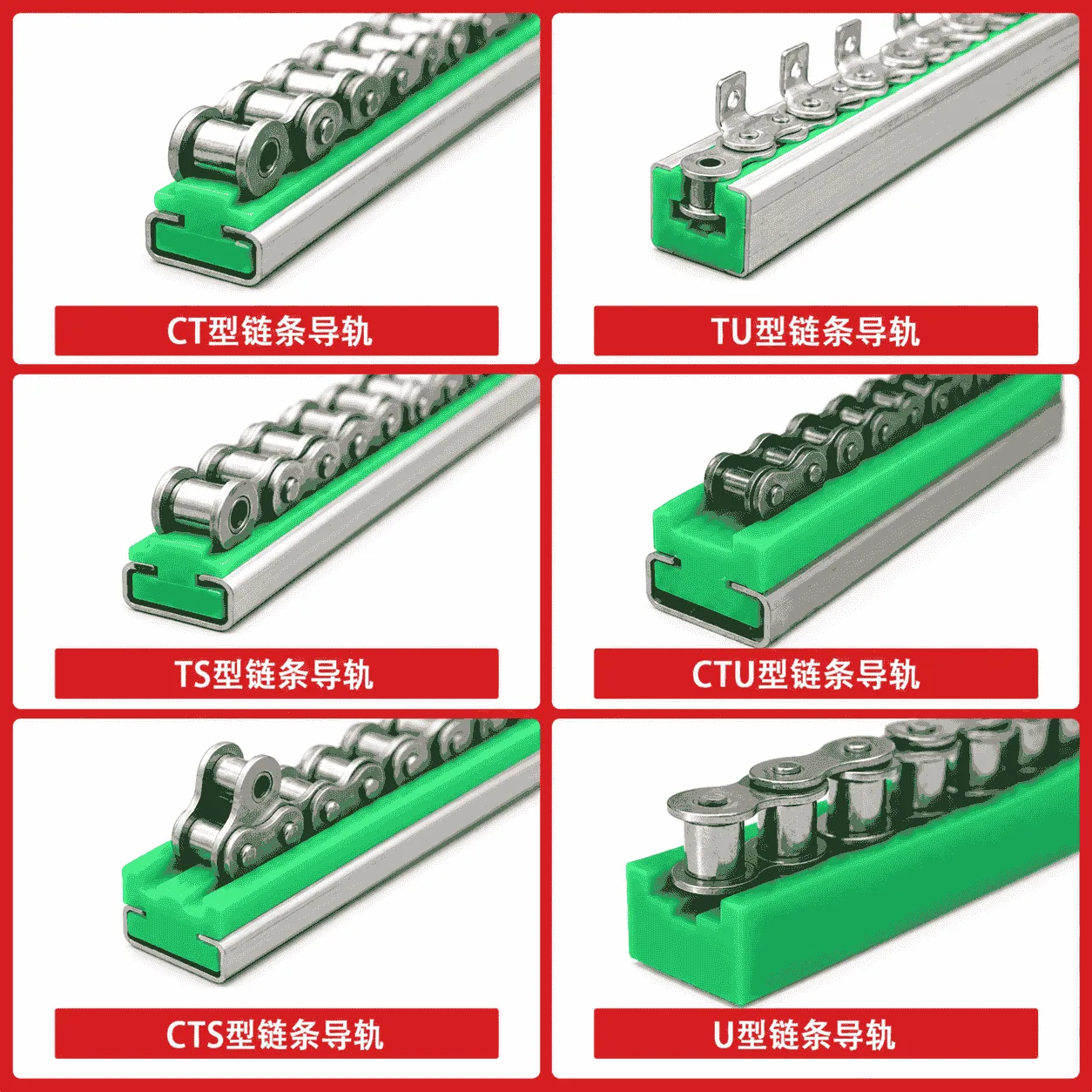
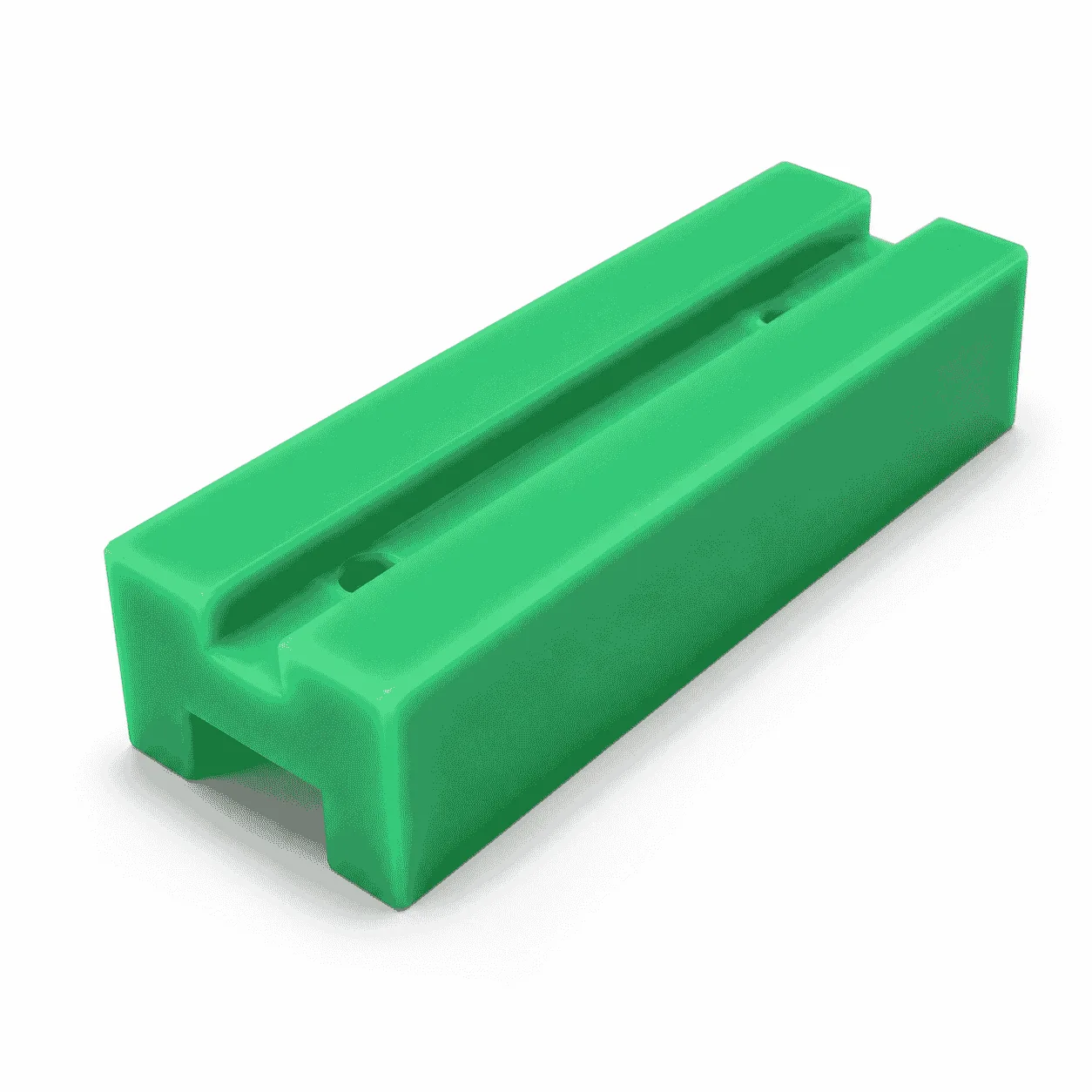
The supplied product reference shows 12 manufacturable profile categories: CT, TU, TS, CTU, CTS, U, CU, K, CK, CKG, ETA and T. These codes are used to distinguish different guide cross-sections, chain-running positions and metal support structures.
The profile codes should be treated as product references rather than universal dimensional standards. Different suppliers may use the same code for profiles with different dimensions. Before production, the cross-sectional drawing, chain specification or physical sample should be confirmed.
| Profile Type | Reference Structure | Typical Selection Consideration |
|---|---|---|
| CT Type | Compact nylon insert fitted into a C-shaped metal support channel | Suitable for modular conveyor frames and replaceable guide inserts |
| TU Type | Raised center guide structure with metal side support | Suitable for chains requiring elevated positioning and controlled support |
| TS Type | Low-profile flat nylon guide strip | Suitable for restricted mounting height and compact conveyor structures |
| CTU Type | Tall nylon profile assembled inside a supporting metal channel | Suitable where increased guide height and lateral chain support are required |
| CTS Type | Recessed center guide with a metal backing profile | Suitable for stable chain positioning in supported conveyor structures |
| U Type | Solid nylon profile with a U-shaped chain-running groove | Suitable for straightforward chain alignment and direct mounting |
| CU Type | Combined nylon guide and formed metal support rail | Suitable for continuous supported chain-running applications |
| K Type | Solid rectangular nylon body with an upper chain channel | Suitable for direct mounting and applications requiring a rigid guide body |
| CK Type | Compact nylon guide assembled with a narrow metal support | Suitable for conveyor layouts with limited installation space |
| CKG Type | Deep chain channel with raised side-positioning surfaces | Suitable where additional lateral control and chain retention are required |
| ETA Type | Stepped nylon guide profile with a supporting metal structure | Suitable for special chain heights and stepped equipment frames |
| T Type | Wide flat nylon guide with multiple supporting surfaces | Suitable for wide chains, multi-row chains and broad supporting areas |
The profile shown in the image can be produced as a nylon-only component or as a complete nylon-and-metal assembly. Available metal support options may include stainless steel, galvanized steel or another specified material. Metal grade, thickness and surface finish should be confirmed according to the working environment.
| Material Option | Main Characteristics | Typical Selection Conditions |
|---|---|---|
| PA6 Nylon | Good strength, toughness, wear resistance and machinability | General industrial chain guides and machined guide profiles |
| MC Cast Nylon | Suitable for thick sections, large components and heavy-duty machining | Large guide blocks, thick profiles and load-supporting components |
| PA66 Nylon | Higher rigidity and temperature capability than many standard PA6 grades | Compact components requiring increased stiffness |
| Oil-Filled Nylon | Modified for improved sliding performance and reduced friction | Chain guides exposed to repeated sliding and limited lubrication |
| Self-Lubricating Nylon | Contains friction-reducing additives depending on the selected grade | Applications requiring lower friction and reduced maintenance |
| Glass-Fiber-Reinforced Nylon | Higher rigidity and reduced deformation, but potentially more abrasive | Structural guide supports rather than direct sliding surfaces unless evaluated |
Standard nylon should not automatically be described as food grade, flame retardant, anti-static, conductive or self-lubricating. These properties require a corresponding modified grade and supporting technical documentation.
Nylon Chain Guide Rail is suitable for machinery in which roller chains require stable positioning, structural support or controlled lateral movement. Typical application areas include:
During continuous operation, a roller chain may move sideways, vibrate, sag or strike the metal machine frame. Incorrect chain positioning can increase noise, accelerate component wear, damage the support structure and cause unstable conveying.
A correctly selected Nylon Chain Guide Rail creates a controlled running path for the chain. It supports the chain at the required height, limits unwanted lateral movement and reduces direct contact with surrounding metal components.
The guide rail does not replace correct conveyor adjustment. Chain tension, sprocket alignment, shaft position, lubrication, conveyor load and installation accuracy must also be checked. Excessive chain tension, insufficient lubrication or incorrect sprocket alignment may cause rapid wear even when a guide rail is installed.
To manufacture the correct guide profile, customers should provide the following information:
The guide can be produced from nylon sheet, plate, bar, block or preformed profile. Depending on the structure and order quantity, manufacturing methods may include CNC machining, profile machining, molding or extrusion followed by secondary processing.
Available processing operations include:
Nylon absorbs moisture from the surrounding environment. Moisture absorption may change the material’s dimensions, stiffness and mechanical performance. This characteristic must be considered when the guide is used in humid, submerged, wash-down or close-tolerance environments.
For precision guide profiles, customers should provide the expected operating humidity, installation clearance and dimensional tolerance. Appropriate machining allowance and installation clearance can help prevent excessive tightness or chain jamming after the material absorbs moisture.
Long guide sections should also include suitable allowance for thermal expansion. Mounting holes and slots should not restrict all dimensional movement unless the structure has been specifically designed for fixed installation.
Nylon is generally considered when the guide requires higher rigidity, greater structural strength, thicker load-supporting sections or accurate CNC-machined features. MC nylon is especially practical for thick blocks and large machined guide components.
UHMWPE may be more suitable when extremely low sliding friction, very low moisture absorption, quiet operation and high abrasion resistance are the primary requirements. The correct material should therefore be selected according to load, speed, temperature, humidity, chain contact pressure and required dimensional stability.
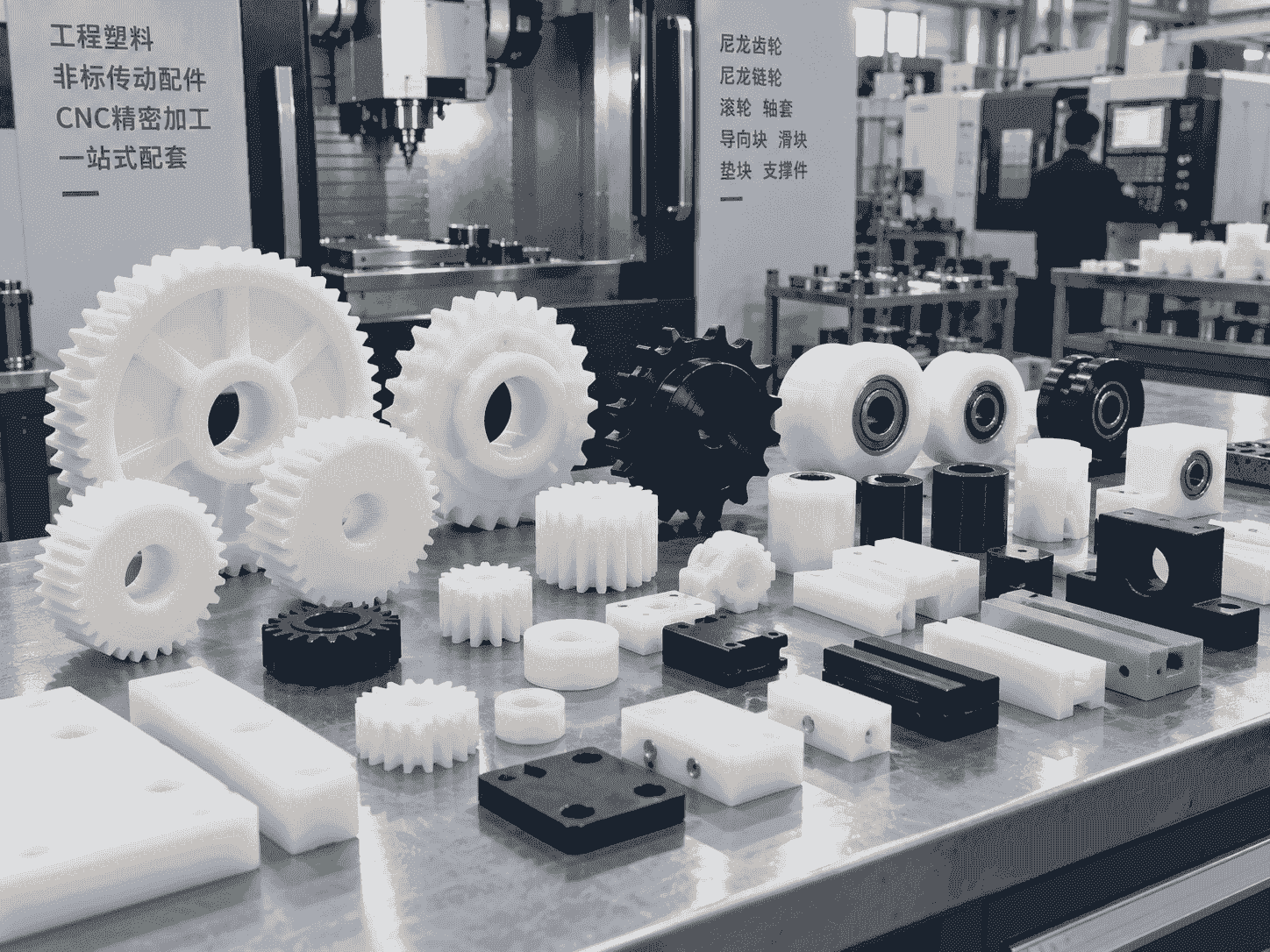
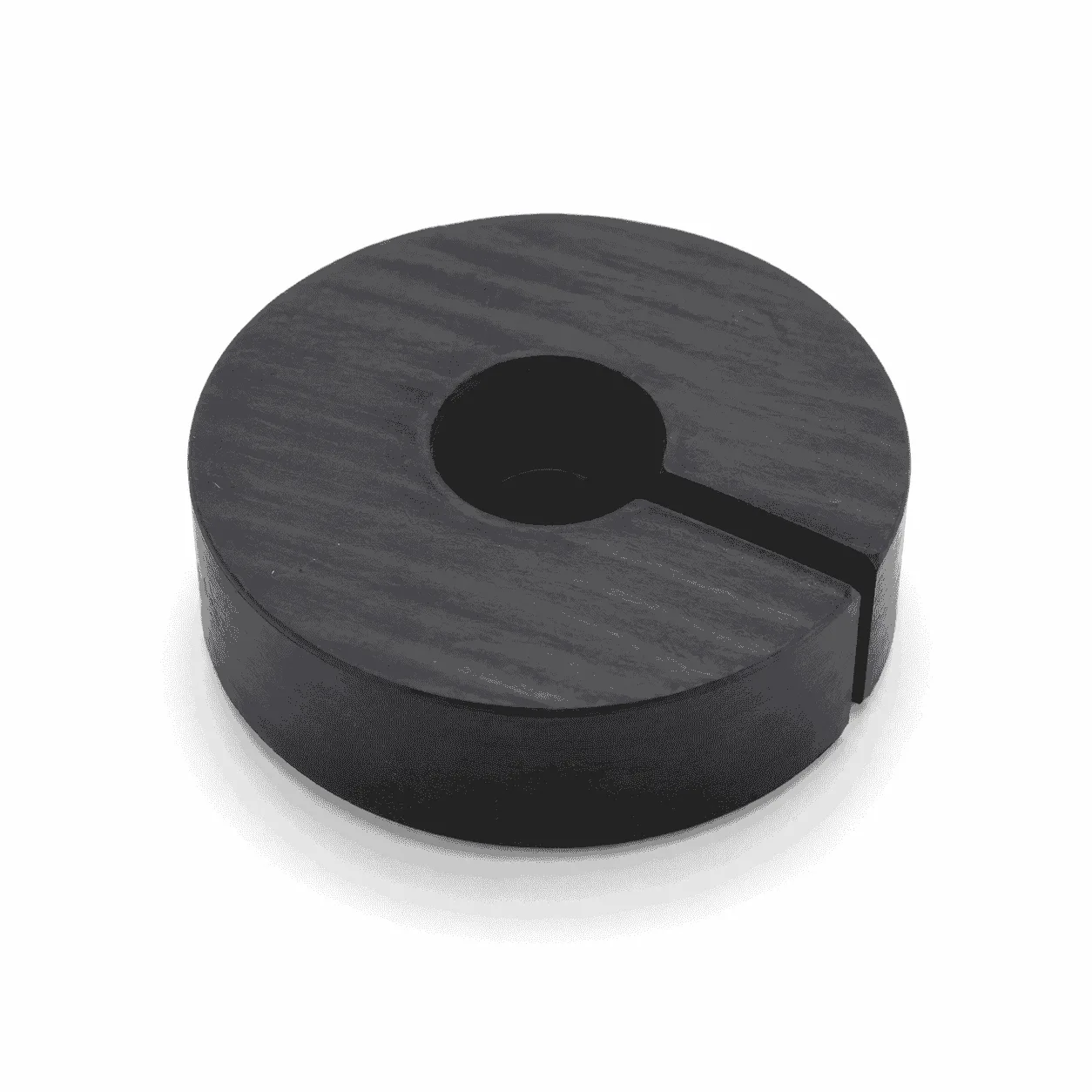
We have experience machining nylon guide rails, chain guides, wear strips, sliding blocks, rollers, gears, bushings and other engineering plastic components. Our factory is equipped with cutting equipment, CNC machining centers, milling machines, lathes, drilling equipment and dimensional inspection tools.
According to the customer’s chain specification and operating conditions, we can review the material grade, guide cross-section, chain clearance, support structure, mounting-hole position and processing method before production. This helps reduce problems such as incorrect fitting, excessive clearance, chain jamming, profile deformation and mounting-position errors.
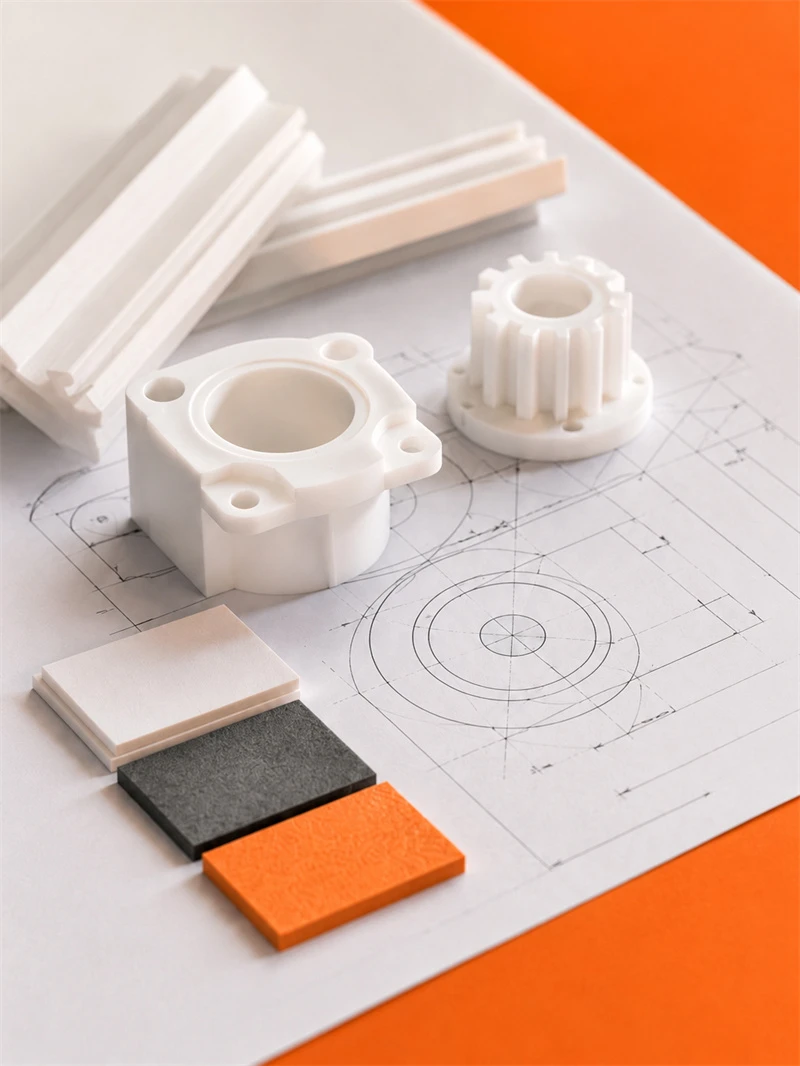
Customers can provide a 2D drawing, 3D model, chain sample, existing guide sample or equipment dimensions. Individual replacement parts, small batches and continuous production orders can be arranged according to the confirmed technical requirements.
During production, we inspect the guide dimensions, running groove, mounting holes, fitting surfaces, overall length and metal support structure. Finished components are deburred and cleaned to support consistent installation quality and scheduled delivery.
Common options include PA6 nylon, MC cast nylon, PA66 nylon, oil-filled nylon and modified self-lubricating nylon. The appropriate grade depends on load, speed, temperature, humidity and friction conditions.
Reference types include CT, TU, TS, CTU, CTS, U, CU, K, CK, CKG, ETA and T. Final dimensions must be confirmed using a cross-sectional drawing, chain specification or physical sample.
Yes. Depending on the profile structure, the nylon guide can be assembled with stainless-steel, galvanized-steel or another specified metal support channel.
Yes. Length cutting, drilling, counterboring, slotting, step machining and special end processing can be completed according to installation drawings.
Nylon can be used in some humid environments, but its moisture absorption must be considered. Installation clearance, tolerance and material grade should be confirmed before production.
No. Color is primarily used for product identification. Food-contact applications require a suitable material grade and supporting compliance documentation.
Check drawings for full specifications and confirm materials according to service conditions to prevent product defects.
Inspect all key processing steps and fully verify dimensions, holes, grooves and fitting surfaces.
Deburr, chamfer and clean products for easy installation. Ensure uniform quality among batch products.
Choose appropriate packaging solutions based on product features to protect goods from collision, deformation and mixing during transit.
Unlike metal parts, engineering plastic components still require strict control over dimensions, holes, edges, surface, materials and assembly performance for equipment use.
Engineering plastic parts suit friction, guide, support, buffer, anti-corrosion and insulation areas. We supply UHMWPE, POM, PA, PP/PE components for conveyor, food, mining, machinery, chemical and cable systems, with custom OEM service available.
Stay updated with our latest industry insights, company updates and featured articles.

Engineering plastics are increasingly used in industrial machinery, automated production lines, conveyor systems, packaging equipment, and food-processing machines. Materials such as nylon, UHMWPE, POM, and

Both are lightweight, corrosion-resistant, wear-resistant, and suitable for CNC machining. However, they perform very differently

Wear is a common cause of failure in conveyor systems, packaging machinery, automated equipment, mining

CNC machining is widely used to produce plastic prototypes, low-volume parts, replacement components, jigs, fixtures,

Both are lightweight, corrosion-resistant, wear-resistant, and suitable for CNC machining. However, they perform very differently

Wear is a common cause of failure in conveyor systems, packaging machinery, automated equipment, mining

CNC machining is widely used to produce plastic prototypes, low-volume parts, replacement components, jigs, fixtures,
Need UHMWPE sheets & custom plastic machined/OEM parts?Send specs & material needs, free quote within 24h.