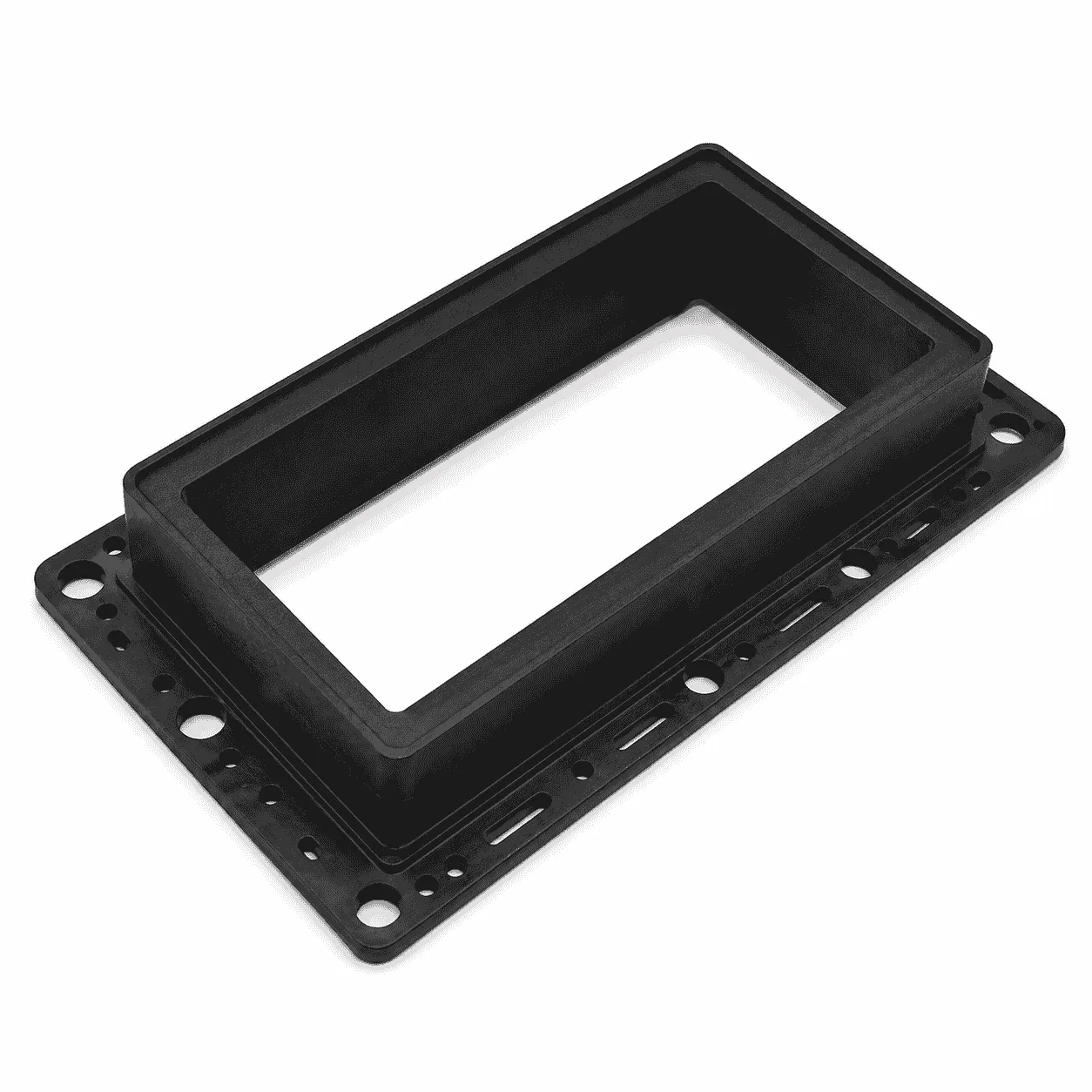
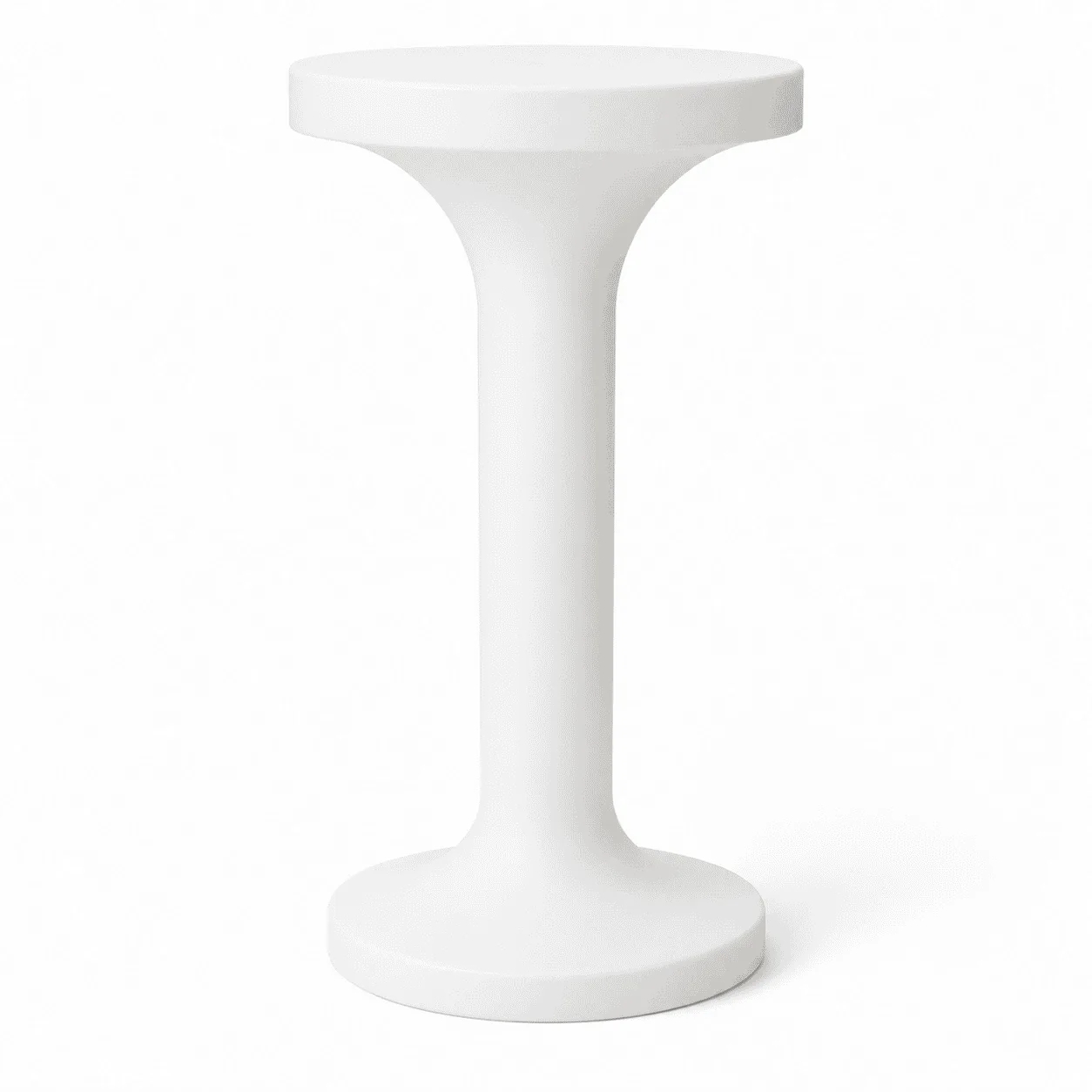
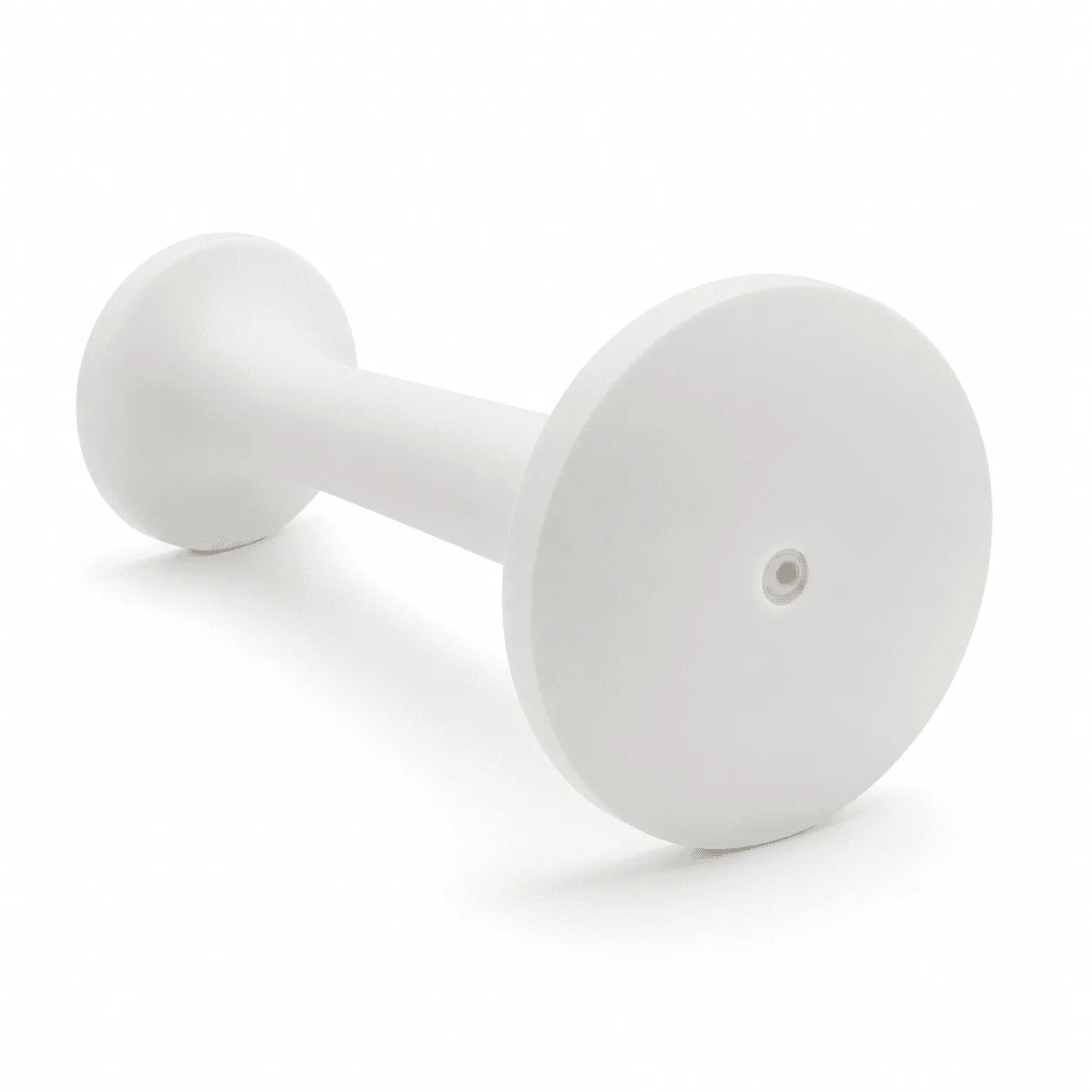
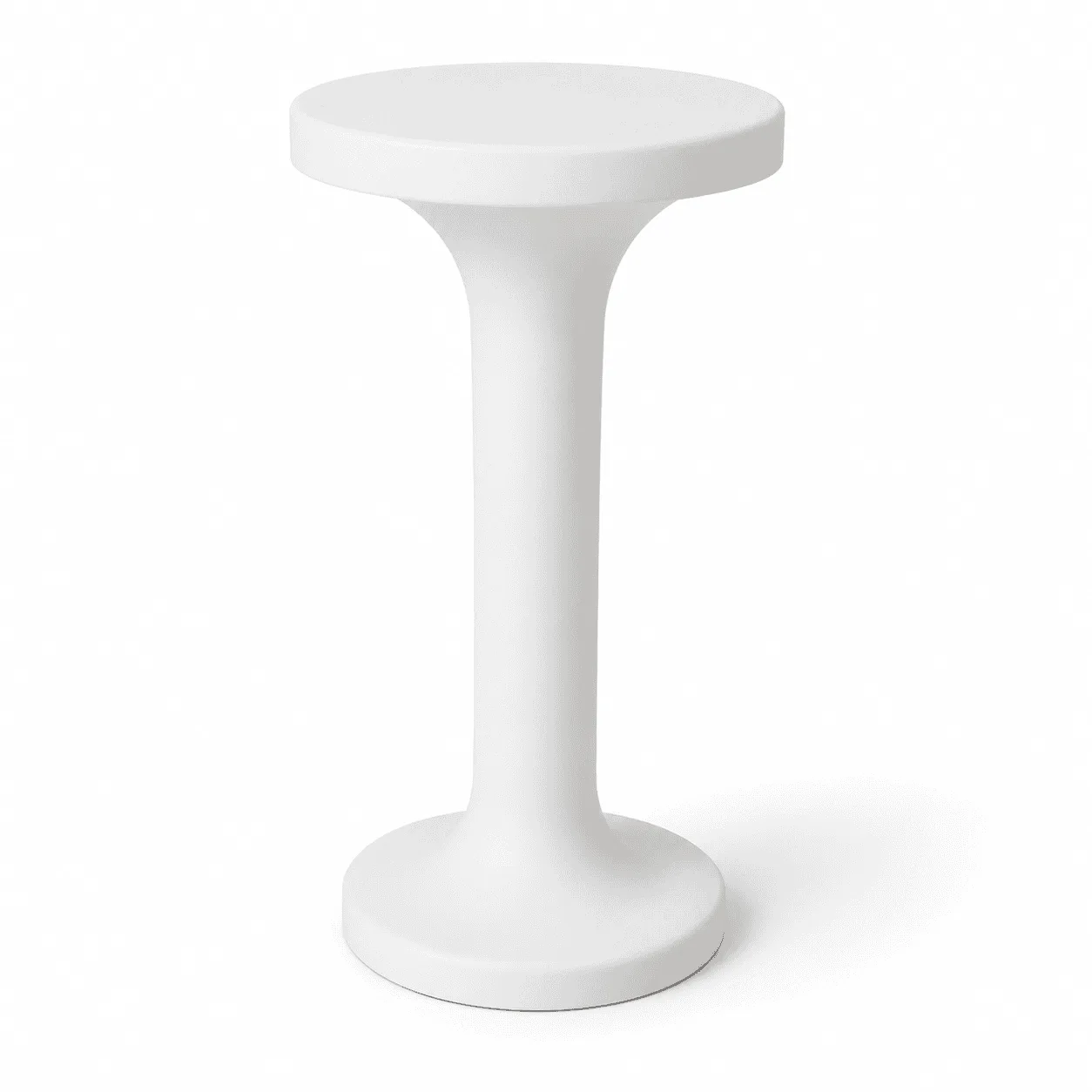
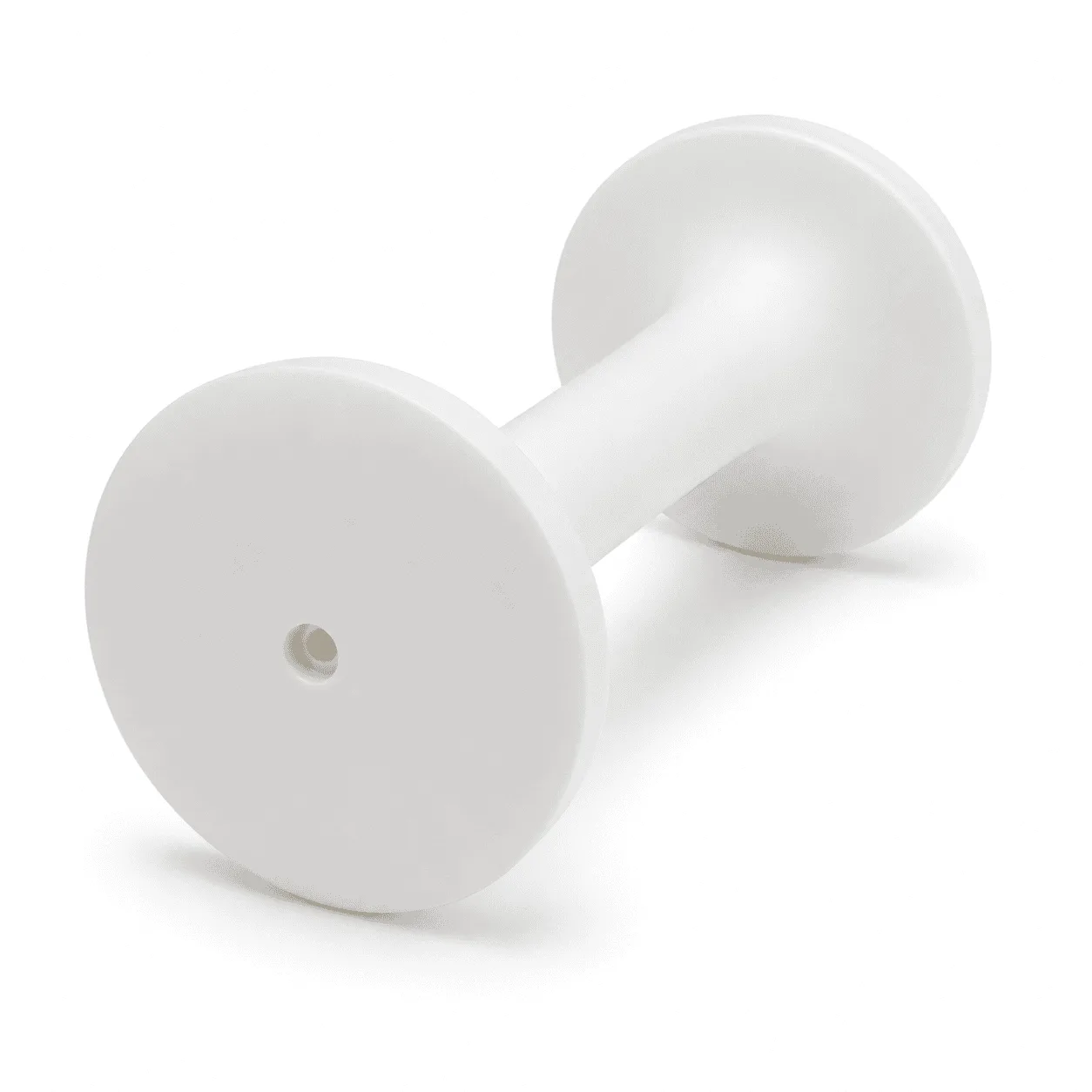
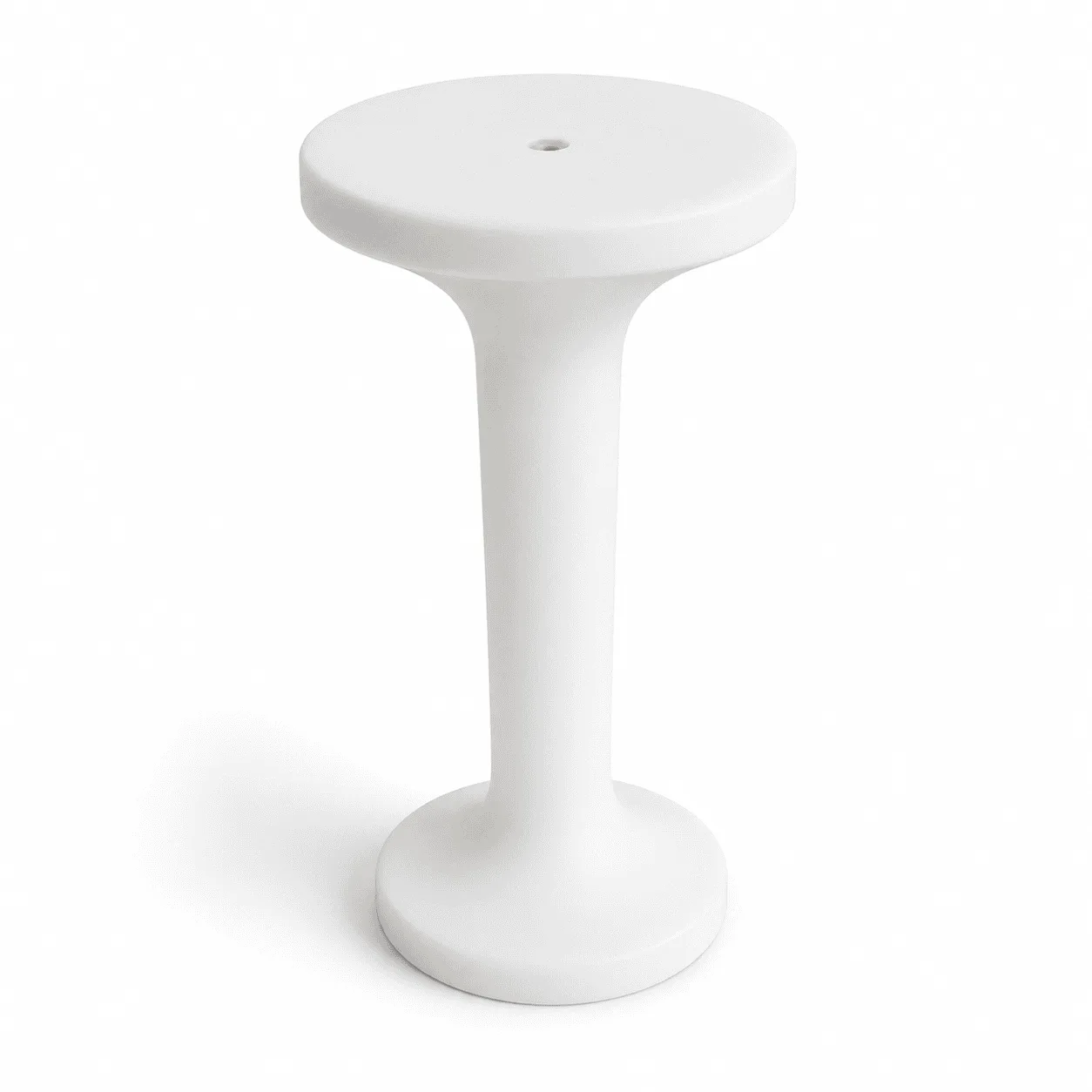
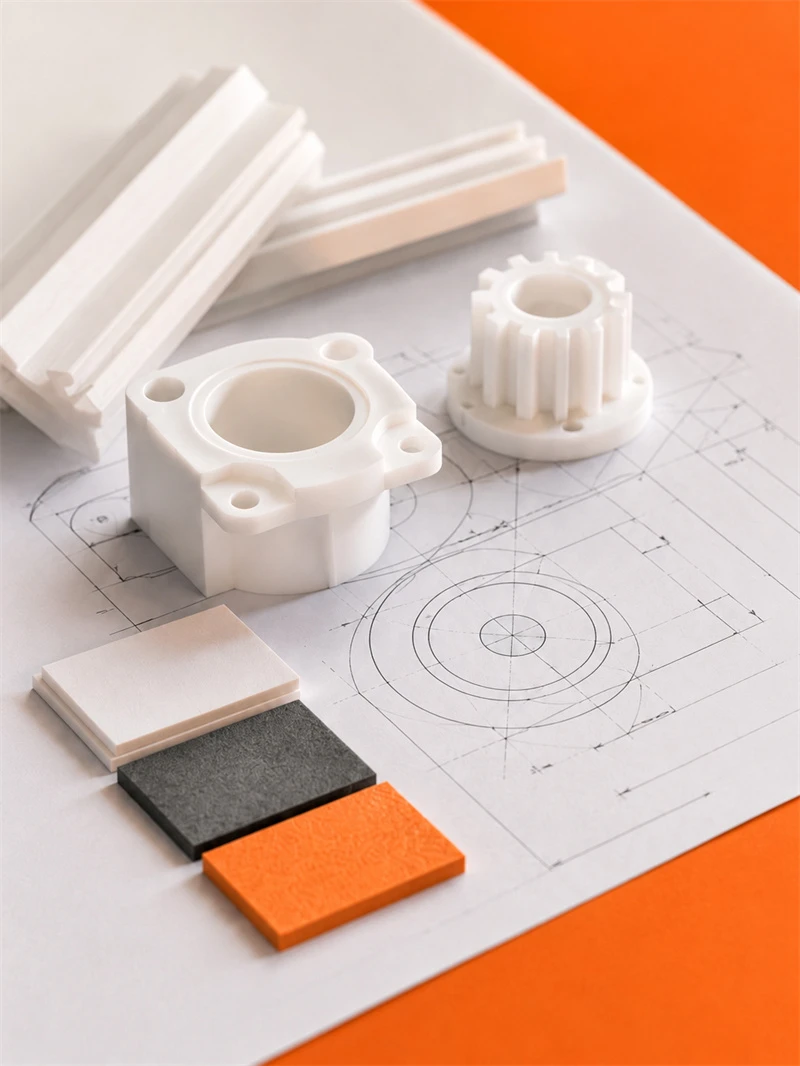
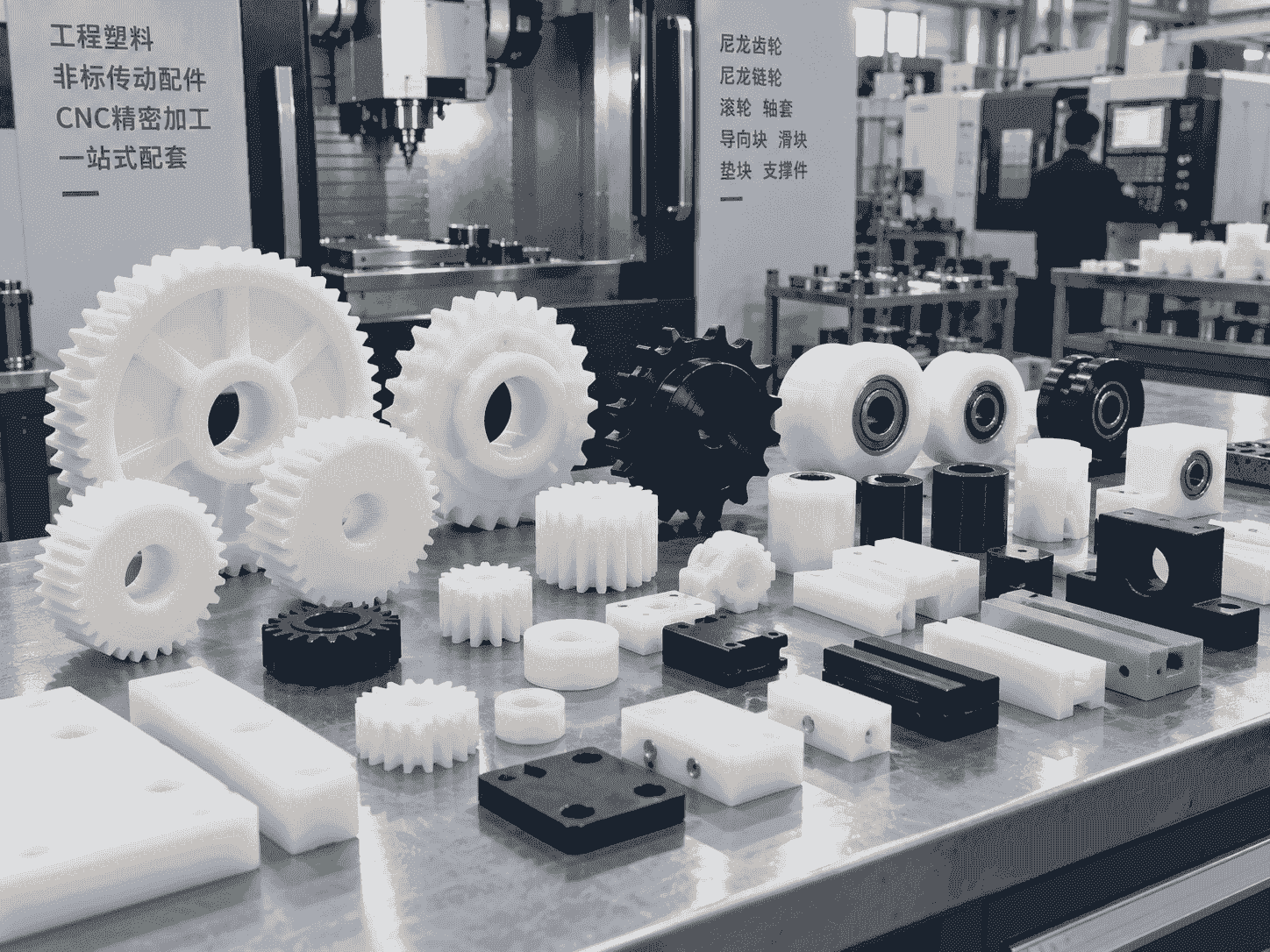
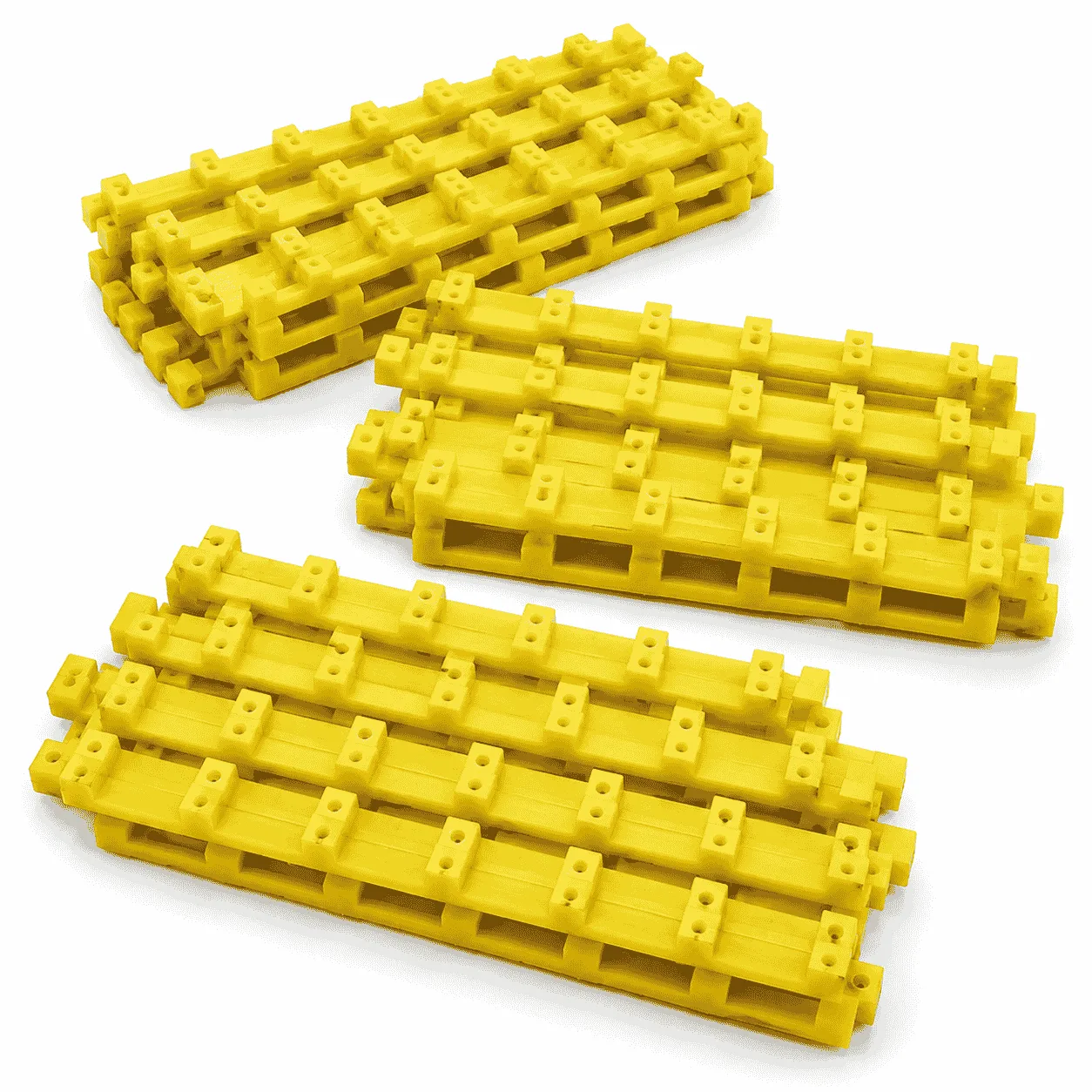
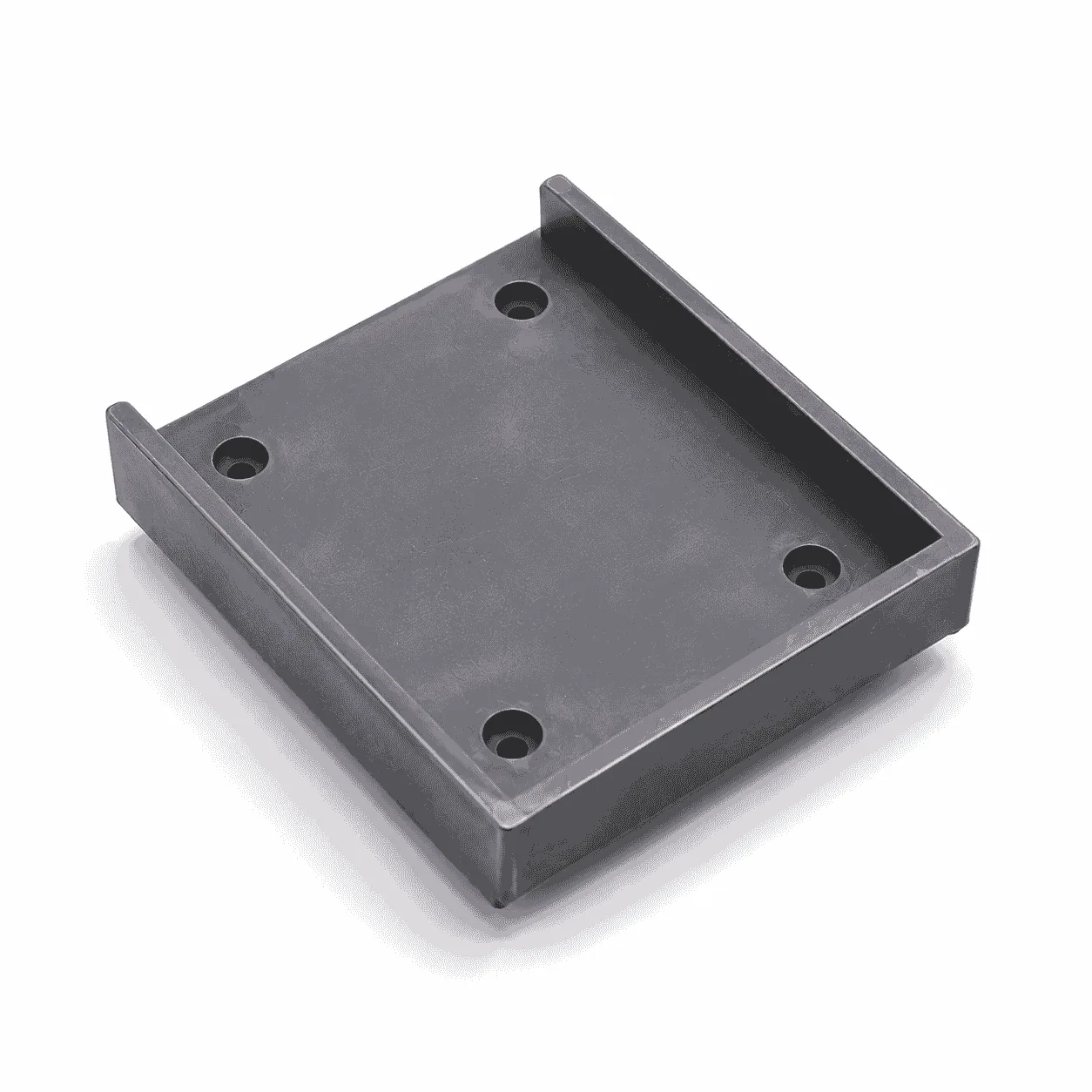
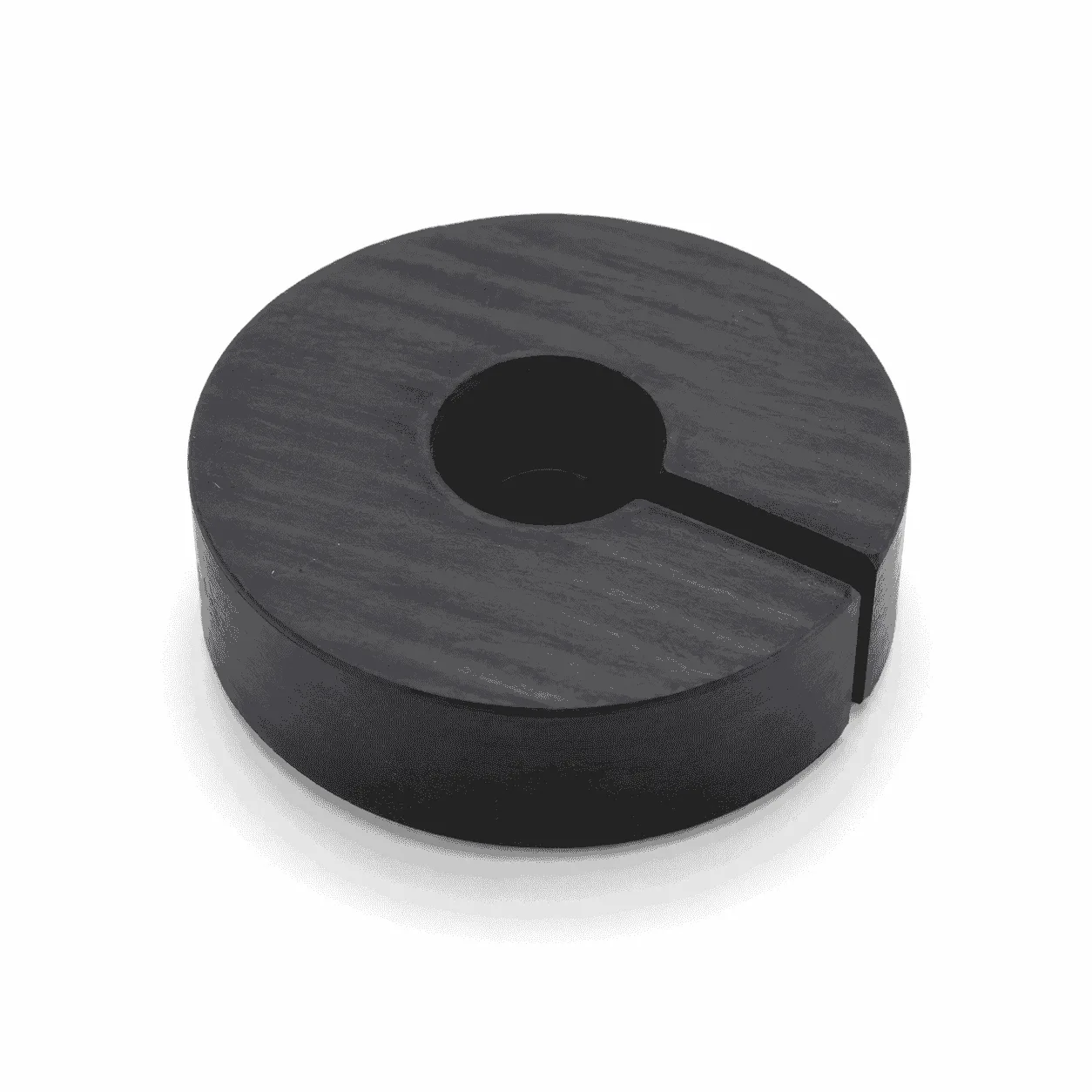
尼龙支撑块是一种耐用的工程塑料部件,专为支撑、定位、导向和保护设备部件而设计。它具有良好的耐磨性、冲击强度、机械韧性和加工性能。尼龙支撑块广泛应用于工业机械、输送系统、自动化设备、起重系统和定制机械组件。可根据图纸、样品和设备要求,采用数控机床加工出不同的形状、孔、槽和安装结构。
Nylon Support Block is a durable engineering plastic component designed for supporting, positioning, guiding and protecting mechanical parts in industrial equipment. It is commonly manufactured from nylon sheet, nylon rod or molded nylon material and then processed into the required shape through CNC machining.
This type of support component is widely used in machinery where metal-to-metal contact needs to be reduced or where a tough, wear-resistant and lightweight material is required. Depending on the equipment structure, the component may support pipes, shafts, rails, moving parts, machine frames or other assemblies.
The final structure can be simple or complex. Some products use flat supporting surfaces, while others include curved grooves, stepped surfaces, mounting holes, slots, locating structures or special profiles. These features help the component fit the equipment and hold related parts in the correct position.
Compared with many metal components, nylon parts are lighter and do not rust. They can also help reduce direct contact between hard metal surfaces. This makes them useful for industrial machinery, conveyor equipment, lifting systems, automation lines and custom mechanical assemblies.
Customers looking for related materials and services can also visit our Nylon Sheet, Nylon Rod and CNC Plastic Machining pages.
A Nylon Support Block is a machined or molded plastic component used to support, hold, position or separate equipment parts. The exact function depends on the shape of the product and the machine where it is installed.
Some support blocks have a curved upper surface to hold pipes, rods or round components. Others use flat surfaces for supporting machine parts or guiding moving structures. Products with holes and slots can be fixed directly to equipment through bolts, screws or other mounting systems.
Common structural features include:
Because the shape can be changed according to the equipment design, this type of component is often produced from customer drawings, 3D models or physical samples.
Nylon material offers good wear resistance for many mechanical and industrial applications.
When a support component contacts moving equipment parts, repeated friction can gradually damage the surface. Using an engineering plastic component can help reduce direct wear between metal parts in selected applications.
This characteristic makes nylon support components useful for:
The actual service life depends on load, movement speed, surface condition, temperature and working environment.
Nylon is known for its useful balance of strength and toughness.
This allows the material to absorb certain levels of impact and vibration without behaving like a brittle material. It is often selected for support parts that may experience repeated loading, mechanical contact or equipment vibration.
The final material grade should be selected according to the load and working conditions.
One important function of a Nylon Support Block is separating metal components.
Direct metal-to-metal contact can produce wear, noise and surface damage. Installing a plastic support component between equipment parts may help reduce these problems.
This is especially useful for machinery that requires supporting, positioning or guiding functions.
Nylon components are lighter than many comparable metal parts.
Lower component weight can make installation, replacement and maintenance more convenient. It can also be useful for equipment where reducing unnecessary moving weight is important.
Unlike ordinary steel components, nylon does not rust.
This makes it useful in many environments involving moisture, occasional water contact or humid working conditions.
The actual application should still consider temperature, chemicals and mechanical load.
Nylon material can be CNC machined into many different shapes.
Common processing methods include:
This machining flexibility makes the material suitable for parts with complex structural requirements.
Nylon Support Block is used in a wide range of industrial equipment. Its main functions usually include supporting, positioning, guiding, separating or protecting equipment components.
General industrial machinery often uses plastic support parts in positions where components need to be held at a fixed height or kept in the correct position.
Typical applications include:
The exact structure is normally designed according to the machine assembly.
In conveyor equipment, nylon support components can be used to support guides, rails, pipes or other moving-system parts.
Possible products include:
For applications requiring very high wear resistance and low friction, customers can also compare nylon with our UHMWPE Sheet products.
Automation systems often contain many small support and positioning components.
Nylon material can be machined into:
Different holes, grooves and installation structures can be processed according to the equipment drawings.
Support blocks with curved surfaces may be used to hold round components such as pipes, tubes, cables or rods.
The curved profile helps increase the contact area and keep the supported component in position.
Possible applications include:
The groove size should match the diameter of the supported component.
Nylon support components can also be used in lifting and material handling systems.
They may serve as:
Actual suitability should be evaluated according to load, impact conditions and equipment design.
Packaging machines often use plastic components for supporting, guiding and positioning equipment parts.
Typical applications include:
The material can be machined into different profiles according to equipment requirements.
Nylon Support Block is often produced through CNC machining because industrial equipment requires different dimensions and structures.
Common machining features include:
CNC machining allows the component to match the equipment installation position more accurately.
The final processing method depends on:
For more information about plastic machining, visit our CNC Plastic Machining page.
Different machines require different support structures, so these components are often manufactured according to specific project requirements.
Customers can provide:
These details help determine the suitable nylon material, raw material size and machining process.
For parts with curved surfaces or multiple installation holes, complete technical drawings are recommended.
Different nylon grades can be selected according to the application.
Common materials include:
Different grades may provide different levels of strength, wear resistance, moisture absorption and temperature performance.
The final material should be selected according to the load, operating temperature and working environment.
First confirm whether the product will support a pipe, shaft, guide rail, machine part or another component.
The operating load affects material selection, product size and structural design.
Flat components may require a flat support surface, while round parts may require a curved groove.
The number, diameter and position of mounting holes should match the equipment structure.
The continuous and maximum working temperatures should be checked before material selection.
Parts used for accurate positioning may require tighter dimensional control.
In selected applications, nylon components can provide several practical advantages over metal.
These include:
However, nylon does not replace metal in every application.
Heavy loads, high temperatures and structural requirements should always be considered before selecting the material.
Different engineering plastics provide different performance characteristics.
Nylon is often selected when applications require:
For applications requiring lower friction and higher wear resistance, customers can consider UHMWPE Sheet.
For higher dimensional stability and precision machining, POM material may also be considered.
Other possible engineering plastics include:
For general information about nylon and polyamide materials, you can read the Polyamide overview on Wikipedia.
You can also review the Nylon material reference from Encyclopaedia Britannica.
These are standard external links without a nofollow attribute, so they can be treated as DoFollow links by search engines.
This component is widely used in industrial equipment because it provides:
These characteristics make it suitable for industrial machinery, conveyor systems, automation equipment, material handling systems and custom mechanical assemblies.
It is commonly used to support, position, guide or separate equipment components in industrial machinery.
Yes. Nylon components can be milled, drilled, turned, grooved and processed into many different structures.
Yes. Curved supporting surfaces can be produced according to the diameter and structure of the supported component.
Yes. Standard holes, threaded holes, countersunk holes and counterbored holes can be processed according to drawings.
Nylon provides good wear resistance for many mechanical and industrial applications.
Yes. Dimensions can be processed according to drawings, 3D models or physical samples.
Yes. PA6, PA66, MC Nylon and other grades can be selected according to application requirements.
Yes. Support components are widely used in machinery, automation equipment, conveyor systems and custom mechanical assemblies.
Nylon Support Block is a practical engineering plastic component for supporting, positioning, guiding and protecting machine parts.
It combines wear resistance, mechanical toughness, lightweight performance and flexible machining.
The product can be manufactured with flat surfaces, curved grooves, holes, slots, stepped structures and other features according to equipment requirements.
Different nylon materials, dimensions and machining methods can be selected according to drawings, samples and final application conditions.
For related materials and services, you can also visit our Nylon Sheet, Nylon Rod and CNC Plastic Machining pages.
Check drawings for full specifications and confirm materials according to service conditions to prevent product defects.
Inspect all key processing steps and fully verify dimensions, holes, grooves and fitting surfaces.
Deburr, chamfer and clean products for easy installation. Ensure uniform quality among batch products.
Choose appropriate packaging solutions based on product features to protect goods from collision, deformation and mixing during transit.
Unlike metal parts, engineering plastic components still require strict control over dimensions, holes, edges, surface, materials and assembly performance for equipment use.
Engineering plastic parts suit friction, guide, support, buffer, anti-corrosion and insulation areas. We supply UHMWPE, POM, PA, PP/PE components for conveyor, food, mining, machinery, chemical and cable systems, with custom OEM service available.
Stay updated with our latest industry insights, company updates and featured articles.

Engineering plastics are increasingly used in industrial machinery, automated production lines, conveyor systems, packaging equipment, and food-processing machines. Materials such as nylon, UHMWPE, POM, and

Both are lightweight, corrosion-resistant, wear-resistant, and suitable for CNC machining. However, they perform very differently

Wear is a common cause of failure in conveyor systems, packaging machinery, automated equipment, mining

CNC machining is widely used to produce plastic prototypes, low-volume parts, replacement components, jigs, fixtures,

Both are lightweight, corrosion-resistant, wear-resistant, and suitable for CNC machining. However, they perform very differently

Wear is a common cause of failure in conveyor systems, packaging machinery, automated equipment, mining

CNC machining is widely used to produce plastic prototypes, low-volume parts, replacement components, jigs, fixtures,
Need UHMWPE sheets & custom plastic machined/OEM parts?Send specs & material needs, free quote within 24h.