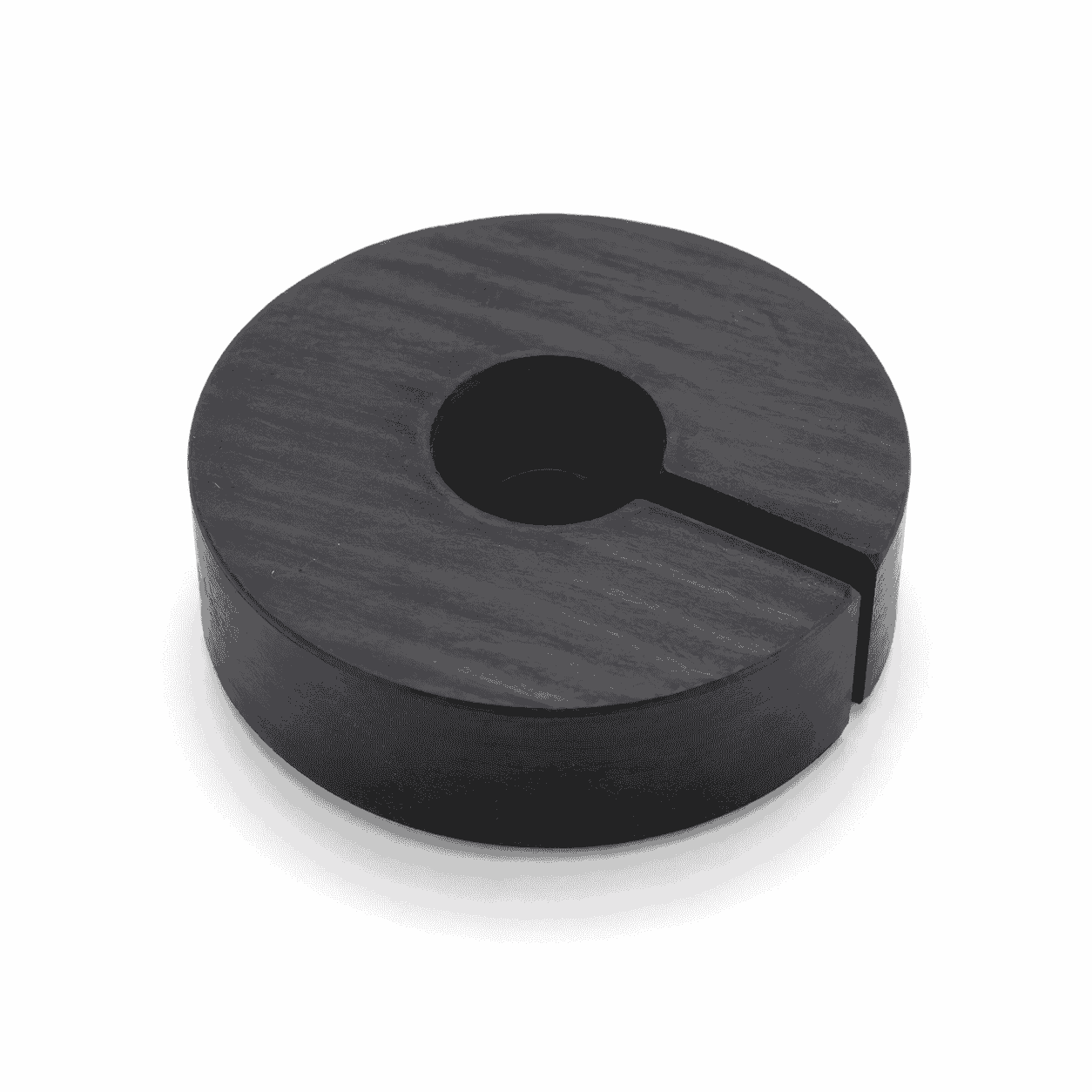
Boron Loaded UHMWPE Sheet for Radiation Shielding
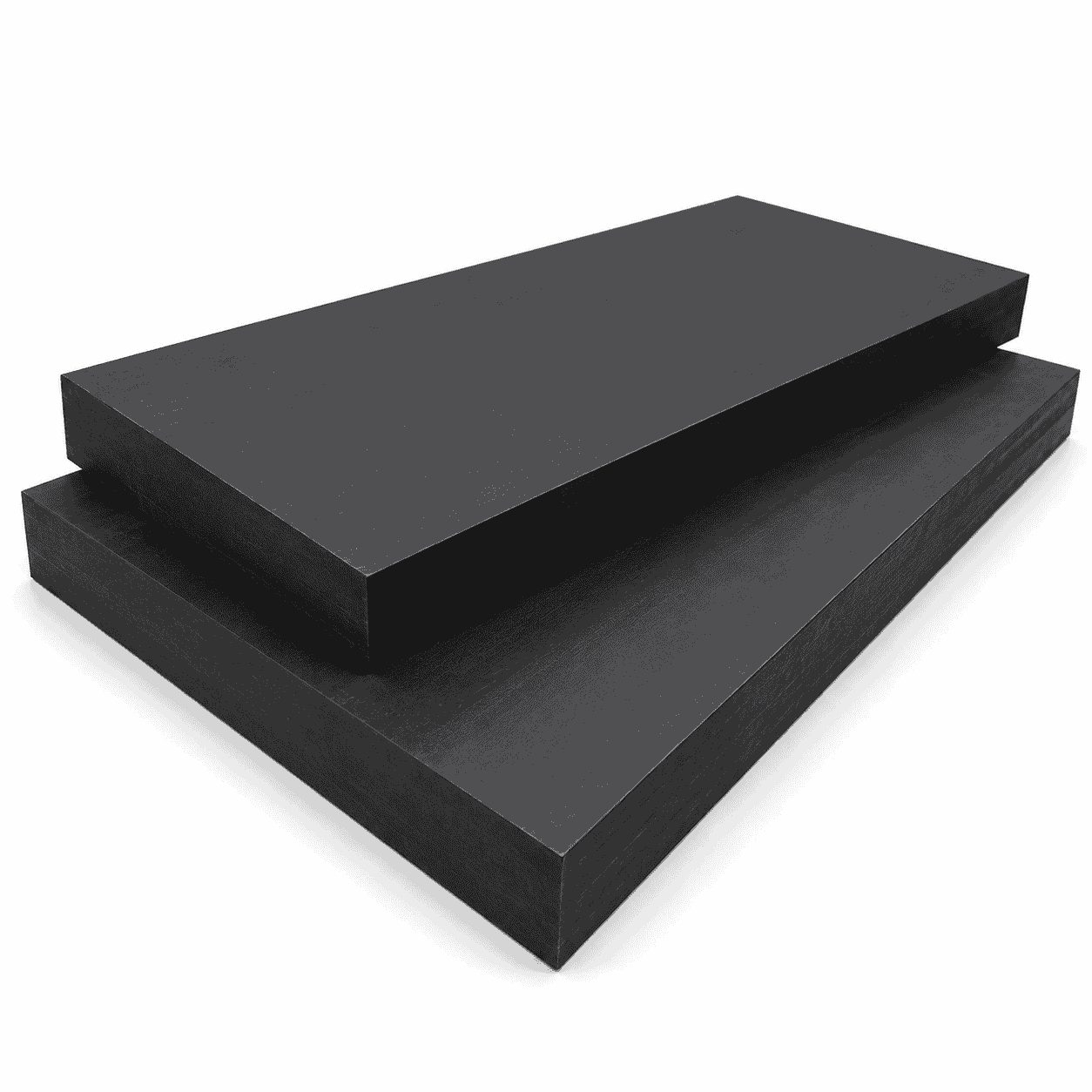
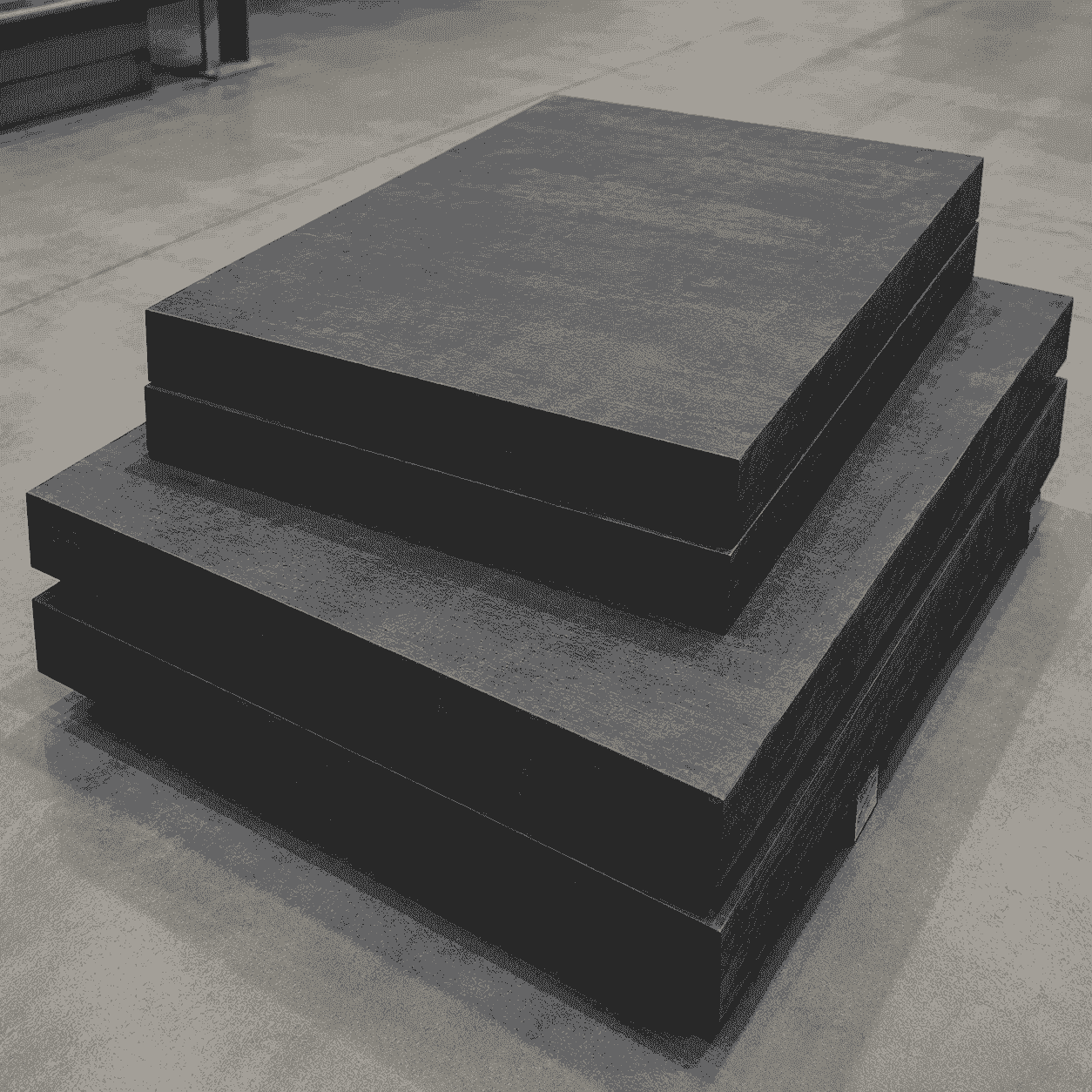
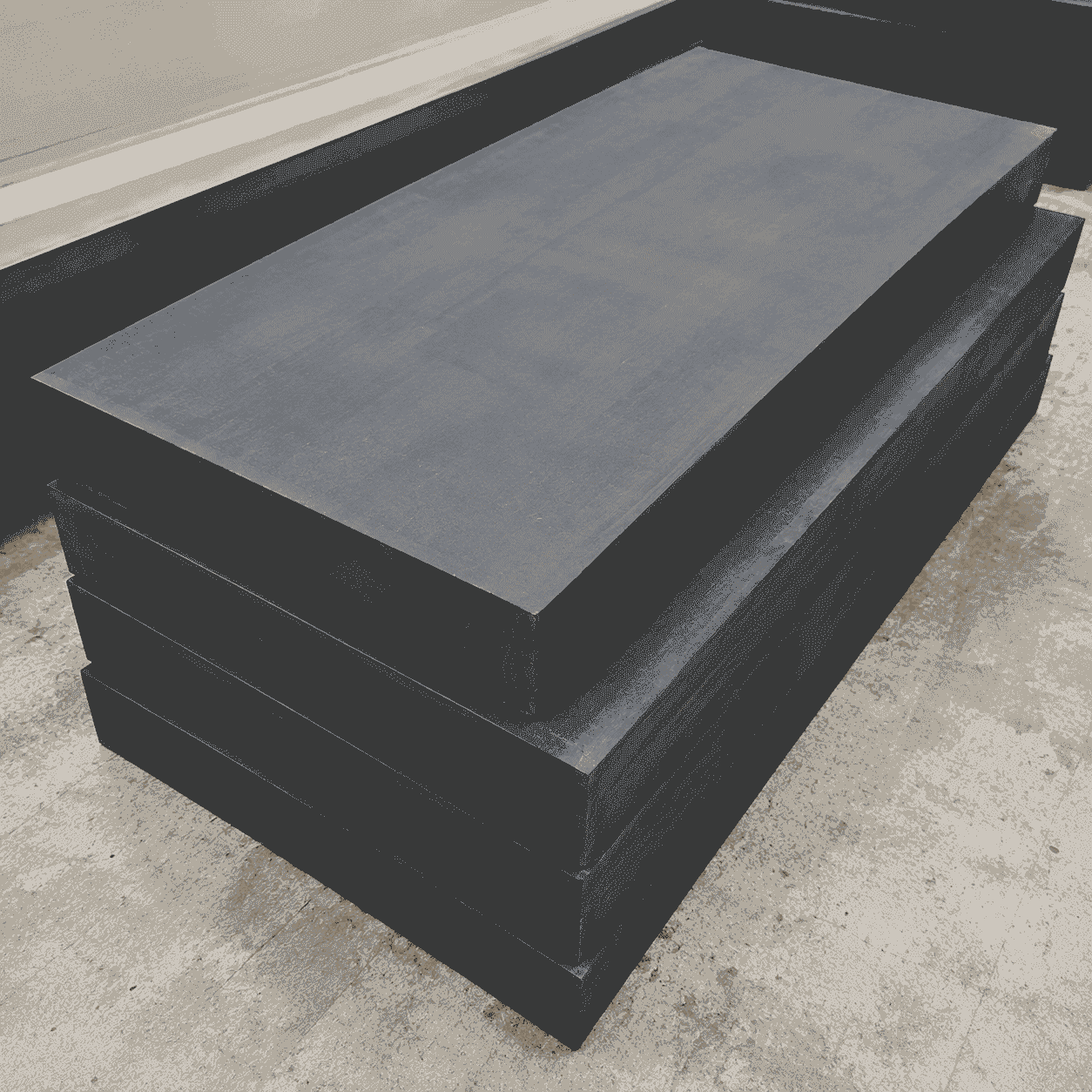
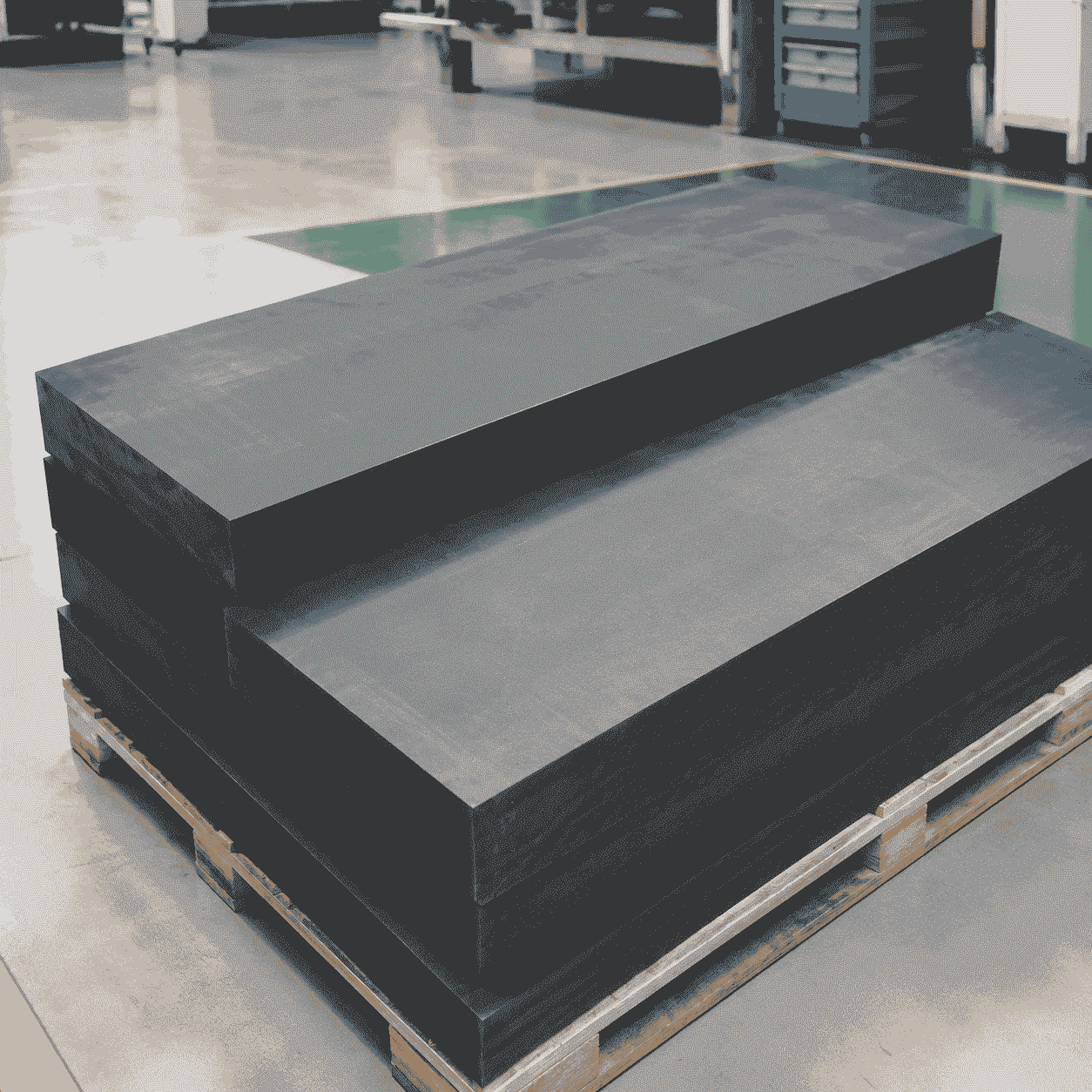
Boron Loaded UHMWPE Sheet is an engineered polyethylene shielding material developed for applications involving neutron radiation. It combines the hydrogen-rich molecular structure of ultra-high-molecular-weight polyethylene with uniformly dispersed boron-containing compounds, providing neutron moderation and thermal-neutron absorption within one lightweight plastic sheet.
When fast neutrons enter the material, collisions with hydrogen nuclei in the polyethylene matrix help reduce their energy. After the neutrons have been slowed to thermal or lower-energy levels, the boron-containing component helps absorb them. This two-stage moderation-and-absorption mechanism makes the material suitable for neutron shielding panels, radiation protection doors, equipment housings and multilayer shielding systems.
General information about neutron radiation is available in the
Wikipedia explanation of neutron radiation.
Information about boron and the neutron-capture properties of boron-10 can be found in the
Wikipedia explanation of boron.
How Does Boron Loaded UHMWPE Sheet Work?
Fast-Neutron Moderation
Polyethylene contains a high proportion of hydrogen atoms. Because the mass of a hydrogen nucleus is close to the mass of a neutron, collisions between fast neutrons and hydrogen nuclei can transfer a significant amount of neutron energy. Repeated collisions gradually slow the fast neutrons and make them easier to absorb.
The UHMWPE matrix therefore works primarily as a neutron-moderating material. The actual moderation performance depends on the neutron energy spectrum, material thickness, material density and the structure of the complete shielding system.
Thermal-Neutron Absorption
After fast neutrons have been slowed, the boron-containing material helps capture thermal neutrons. Boron-10 has a strong thermal-neutron capture capability and is widely associated with neutron-absorbing applications.
The shielding material must contain a controlled and evenly distributed boron-containing phase. Uniform distribution helps reduce local differences in neutron absorption performance across the sheet.
Combined Moderation and Absorption
Using polyethylene without a neutron-absorbing additive can moderate fast neutrons, but some slowed neutrons may remain within or pass through the shielding assembly. Adding a boron-containing compound allows the material to combine neutron slowing and neutron capture in a single panel.
More information about the general nuclear process involved is available in the
Wikipedia explanation of neutron capture.
Main Advantages of Boron Loaded UHMWPE Sheet
- High hydrogen content: Helps reduce the energy of fast neutrons.
- Boron-loaded formulation: Helps absorb thermal neutrons after moderation.
- Lower material weight: Easier to transport and install than many traditional high-density shielding materials.
- Excellent impact resistance: Suitable for shielding doors, removable covers and equipment panels.
- Low water absorption: Supports dimensional stability in indoor shielding environments.
- Good chemical resistance: Resists many acids, alkalis and commonly encountered chemicals.
- Non-rusting material: Does not require conventional anti-rust surface treatment.
- Good machinability: Can be cut, drilled, milled, grooved and CNC-machined.
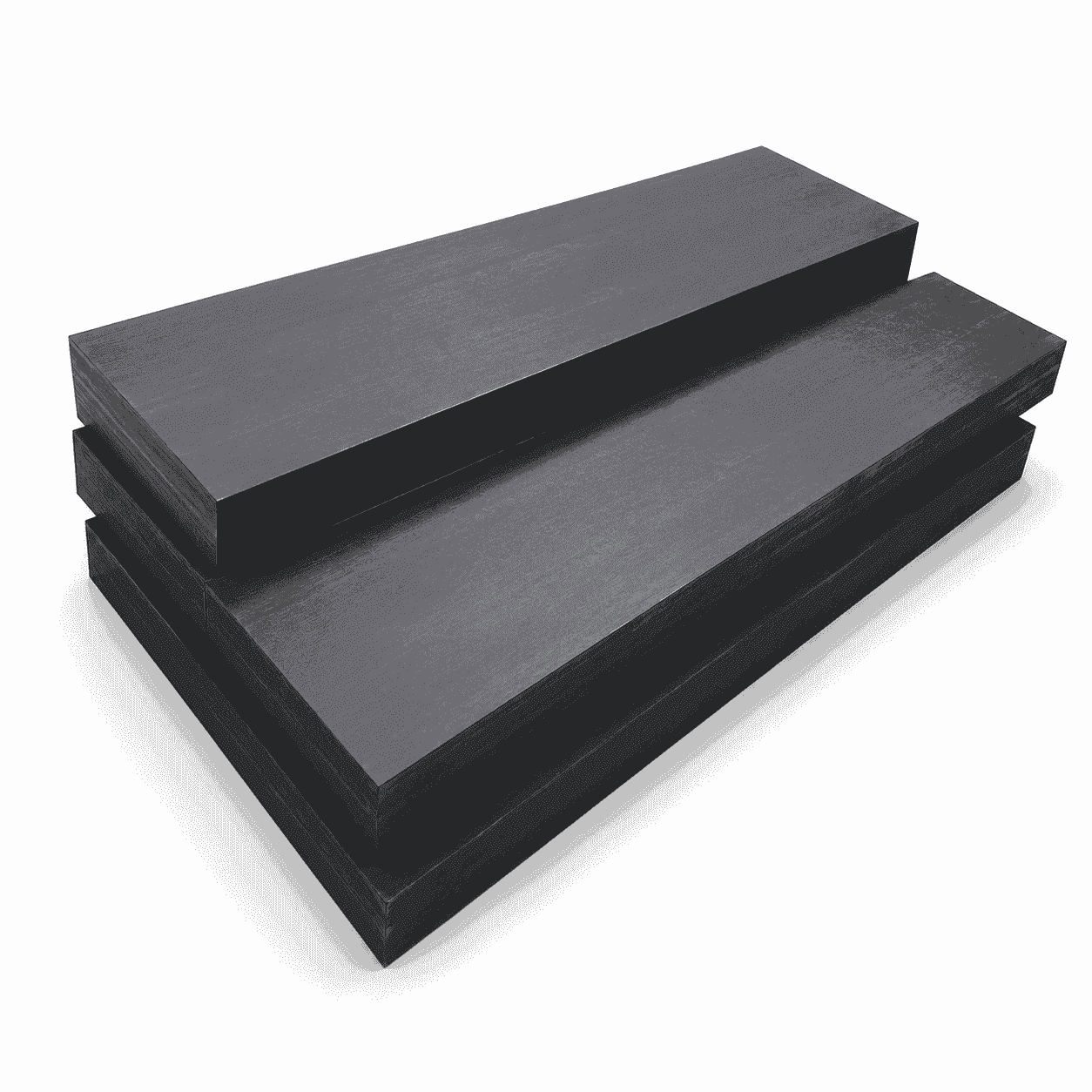
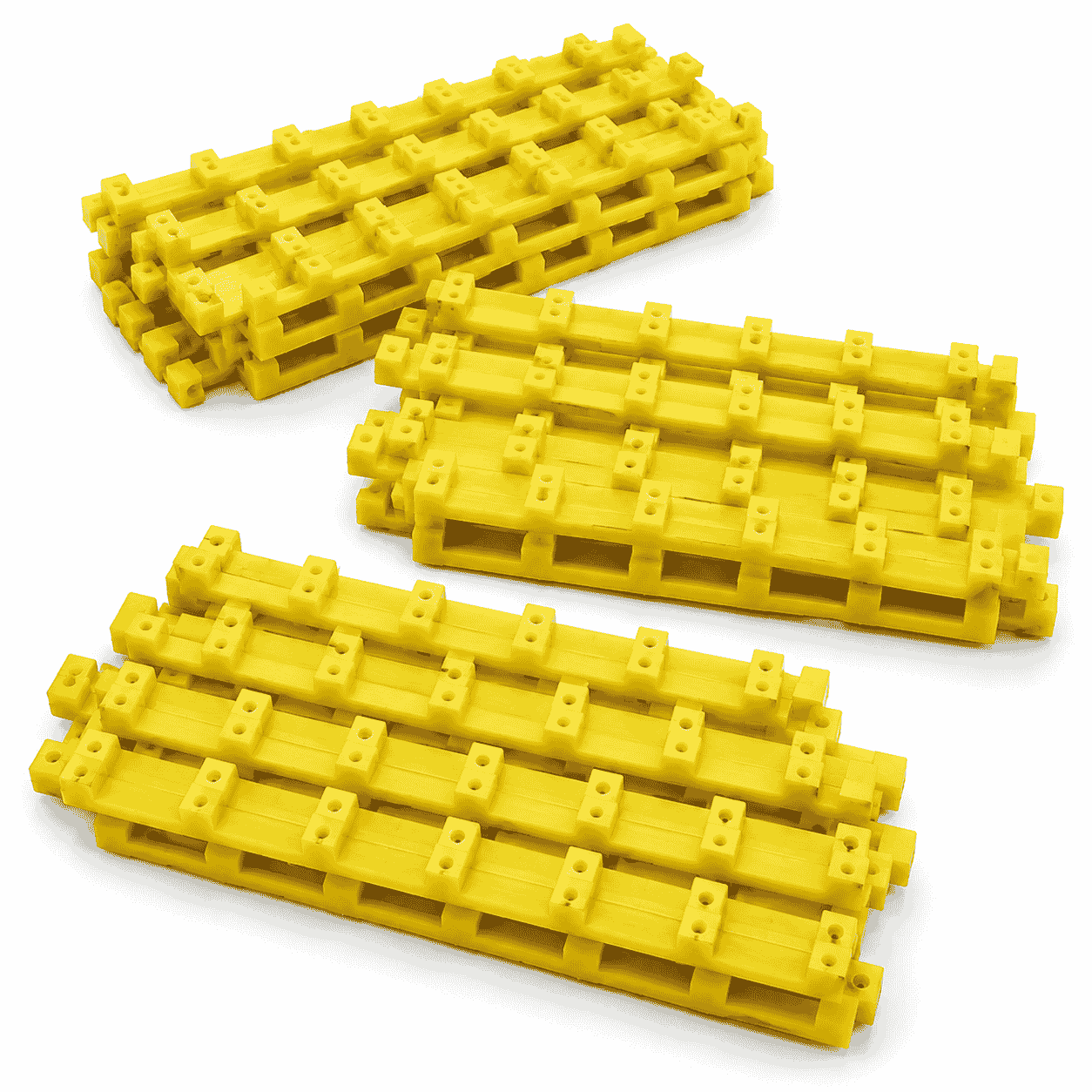
- Customizable joints: Available with stepped, overlapping, tongue-and-groove or interlocking edges.
- Multiple supply forms: Available as full sheets, cut panels, shielding blocks and finished components.
UHMWPE is known for its impact resistance, low moisture absorption, low coefficient of friction and resistance to many corrosive chemicals. Additional material information is available in the
Wikipedia explanation of ultra-high-molecular-weight polyethylene.
Typical Applications
Boron Loaded UHMWPE Sheet can be used in facilities and equipment where neutron radiation must be moderated and absorbed. Typical applications include:
- Neutron radiation shielding walls
- Nuclear research laboratories
- Neutron source storage areas
- Radiation shielding doors and access panels
- Medical accelerator shielding structures
- Cyclotron and isotope-production facilities
- Radiation detection and calibration rooms
- Particle accelerator facilities
- Neutron-generating equipment enclosures
- Shielding cabinets and removable covers
- Research reactor auxiliary shielding components
- Nuclear equipment maintenance areas
- Multilayer neutron and gamma shielding systems
- Custom radiation protection equipment
For more information about molded UHMWPE sheets and custom engineering plastic components, visit our
UHMWPE sheet manufacturing website.
Typical Product Specifications
| Product Name |
Boron Loaded UHMWPE Sheet |
| Base Material |
Ultra-high-molecular-weight polyethylene |
| Shielding Function |
Fast-neutron moderation and thermal-neutron absorption |
| Typical Nominal Boron Content |
5%, 10%, 15%, 20% or 30% |
| Typical Thickness |
10–200 mm |
| Extra-Thick Molded Plate |
Up to approximately 300 mm after production feasibility review |
| Common Sheet Size |
1000 × 2000 mm |
| Optional Sheet Sizes |
1220 × 2440 mm and 1500 × 3000 mm |
| Custom Sizes |
Available according to drawings and installation dimensions |
| Available Colors |
Black, green, blue or project-specified colors |
| Processing Methods |
Cutting, drilling, milling, countersinking, grooving and CNC machining |
| Supply Form |
Full sheets, cut-to-size panels, blocks and finished machined components |
The specifications listed above are common production options and do not represent fixed values for every order. Final sheet dimensions, thickness tolerances, material density, boron formulation and inspection requirements should be confirmed before production.
Available Boron Content
Boron Loaded UHMWPE Sheet can be manufactured with different nominal boron contents according to shielding calculations and project requirements. Common nominal options include 5%, 10%, 15%, 20% and 30%.
The customer should clearly specify how the boron percentage is defined. The percentage may refer to elemental boron content, boron carbide content, boron oxide content or the total percentage of another boron-containing compound. These values are not interchangeable.
Different boron formulations may affect material density, neutron absorption capability, mechanical strength, impact resistance, surface quality and machining performance. The required formulation should therefore be confirmed through technical documentation rather than selected only by the percentage shown in the product name.
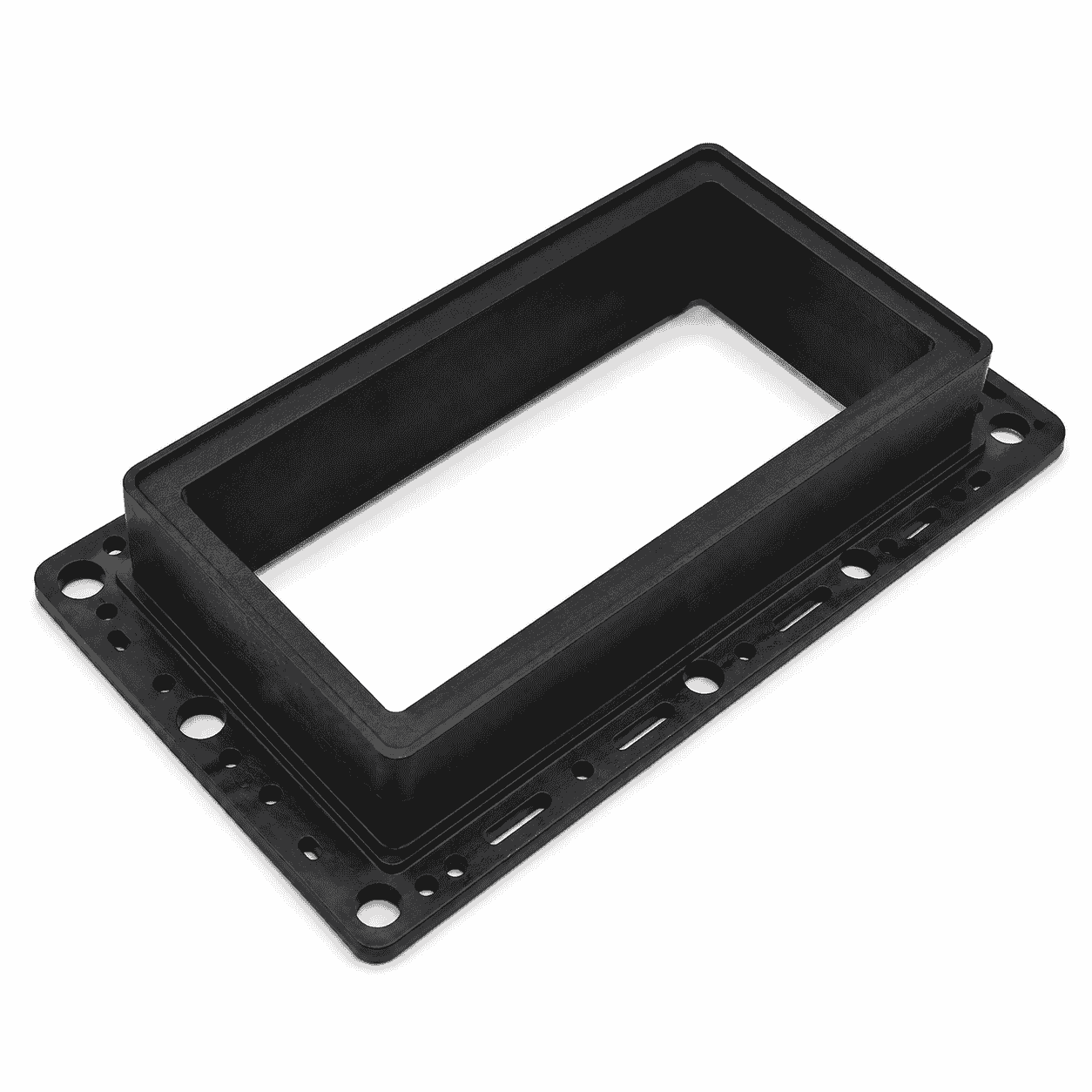
Custom Cutting and CNC Machining
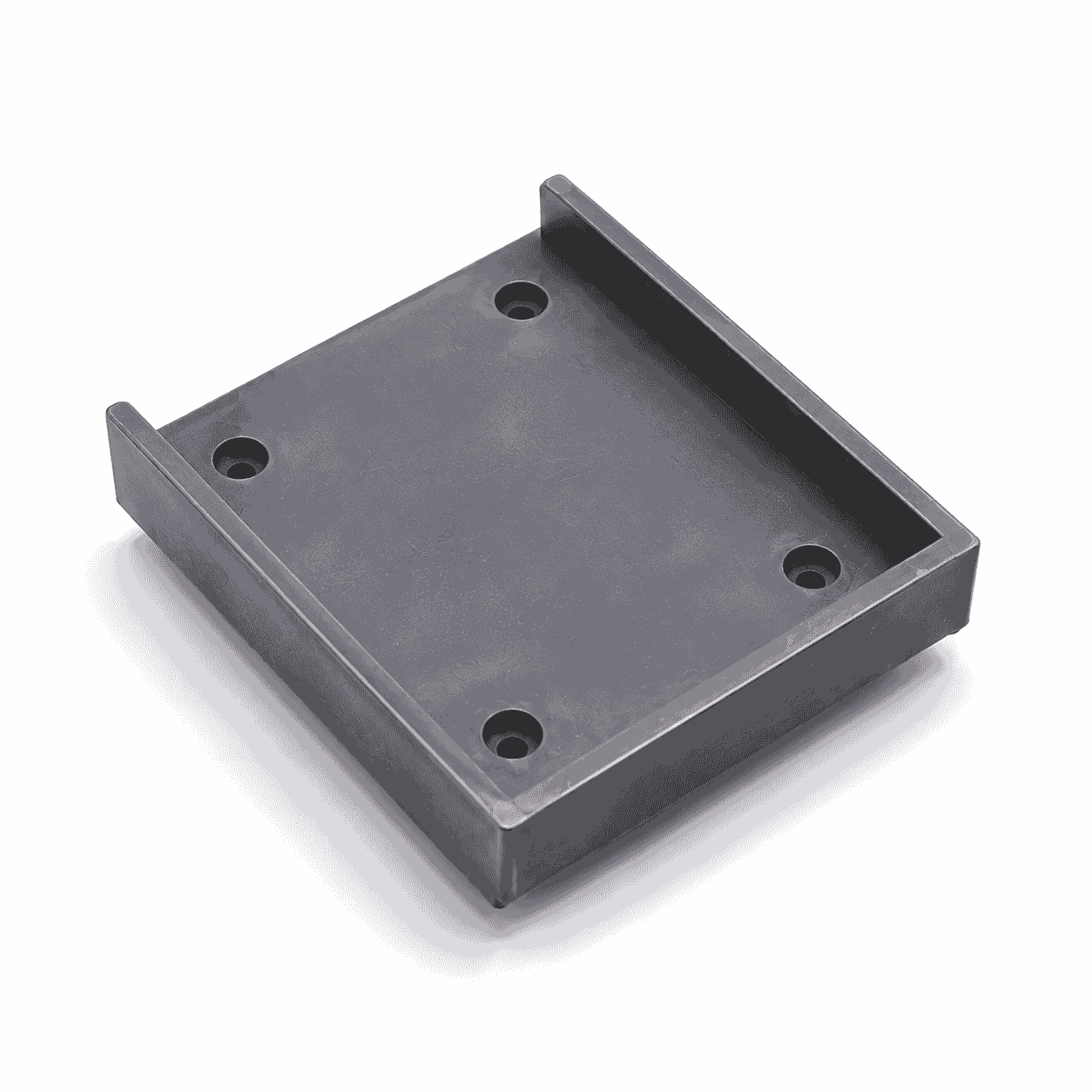
In addition to complete molded sheets, the material can be processed into finished shielding components according to customer drawings, samples and installation dimensions.
Available processing services include:
- Cut-to-size rectangular panels
- Precision edge trimming
- Surface milling and thickness calibration
- Through-hole and blind-hole drilling
- Countersunk and counterbored holes
- Installation slots and mounting grooves
- Stepped panel edges
- Overlapping shielding joints
- Tongue-and-groove structures
- Interlocking panel profiles
- Special-shaped shielding blocks
- Machining positions for metal inserts and support frames
Stepped, overlapping and interlocking panel structures can help reduce direct gaps between adjacent sheets. Joint design is particularly important around panel connections, doors, corners, cable openings, ventilation channels and equipment penetrations.
Custom molding and machining information is available through our
custom UHMWPE sheet and plastic machining services.
Radiation Shielding Design Considerations
The required Boron Loaded UHMWPE Sheet thickness cannot be selected only according to the nominal boron content. A professional shielding calculation should consider the complete radiation field and installation environment.
Important design factors include:
- Neutron source type
- Neutron energy spectrum
- Neutron source intensity
- Operating duration
- Distance from the radiation source
- Permitted dose rate outside the shielding area
- Required panel thickness
- Panel joint configuration
- Door and access-opening structures
- Cable, pipe and ventilation penetrations
- Possible secondary gamma radiation
- Arrangement of other shielding materials
Radiation protection generally requires coordinated control of exposure time, distance and shielding. More background information is available in the
Wikipedia explanation of radiation protection.
Neutron Shielding and Gamma Shielding
Boron Loaded UHMWPE Sheet is primarily designed for neutron moderation and thermal-neutron absorption. It should not automatically be described as a complete standalone shielding material for gamma rays or X-rays.
When a project includes mixed neutron and photon radiation, the shielding assembly may require a multilayer structure. Boron-loaded polyethylene can be combined with lead, steel or other high-density materials according to the calculated radiation spectrum.
High-density and high-atomic-number materials are commonly associated with attenuation of X-rays and gamma rays. General information about this type of material is available in the
Wikipedia explanation of lead shielding.
Quality Control Requirements
Quality inspection for Boron Loaded UHMWPE Sheet may include raw-material verification, formulation control, molding-process control, dimensional inspection, surface inspection and final machining inspection.
Depending on the project, customers may request the following information:
- Nominal boron content
- Definition of the boron percentage
- Material density
- Sheet length, width and thickness
- Dimensional tolerances
- Surface appearance requirements
- Machining inspection reports
- Batch identification
- Material certificates
- Packaging and transportation requirements
Information Required for a Quotation
To prepare an accurate quotation, please provide the following project information:
- Required nominal boron content
- Boron compound or percentage definition
- Required length, width and thickness
- Order quantity
- Dimensional tolerances
- Color requirements
- Machining drawings
- Installation and joint structure
- Required inspection documents
- Packaging requirements
- Project delivery destination
The final shielding thickness, material formulation and panel arrangement should be reviewed by a qualified radiation protection engineer, health physicist, medical physicist or authorized project professional before manufacturing and installation.