UHMWPE Chain Guide Rail

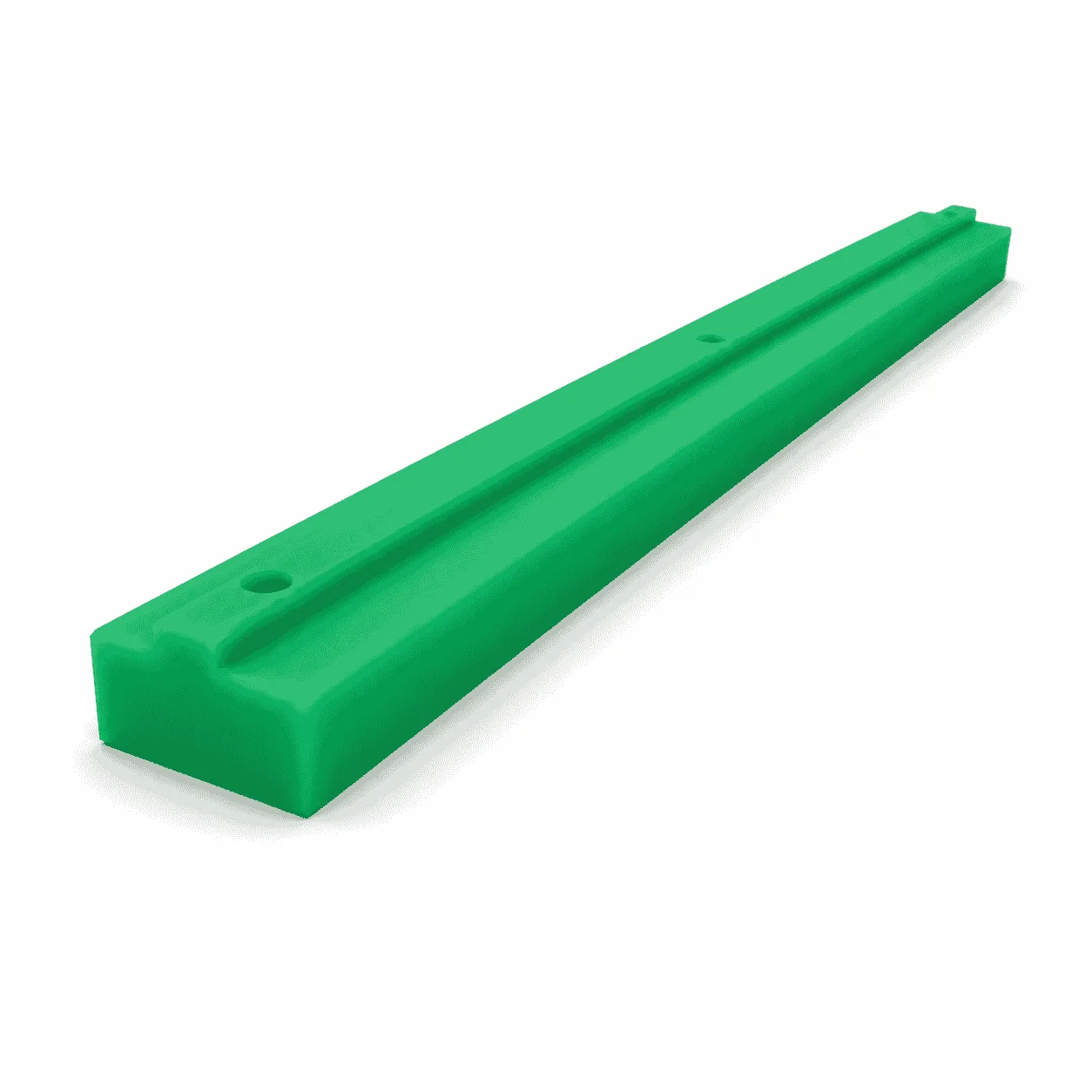
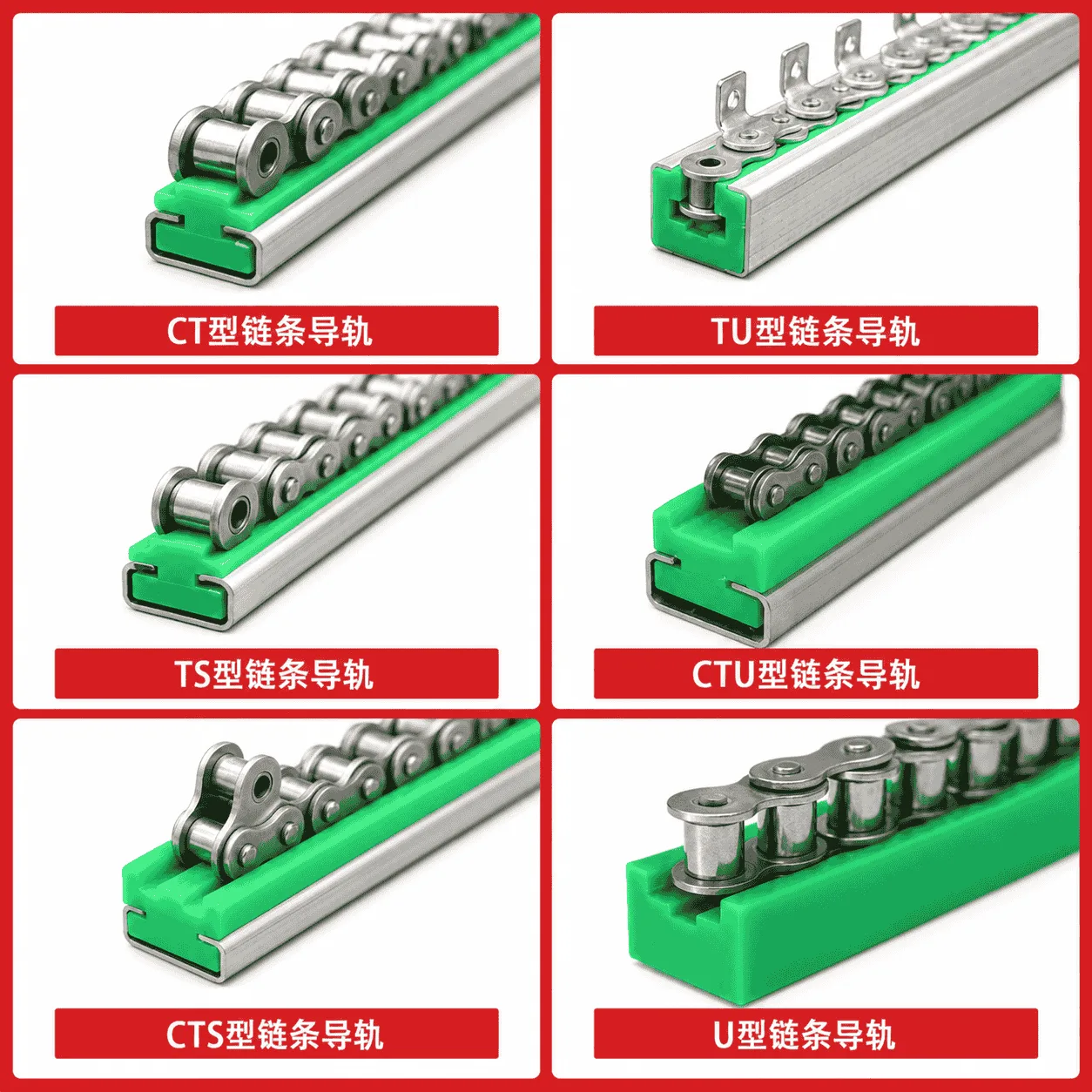
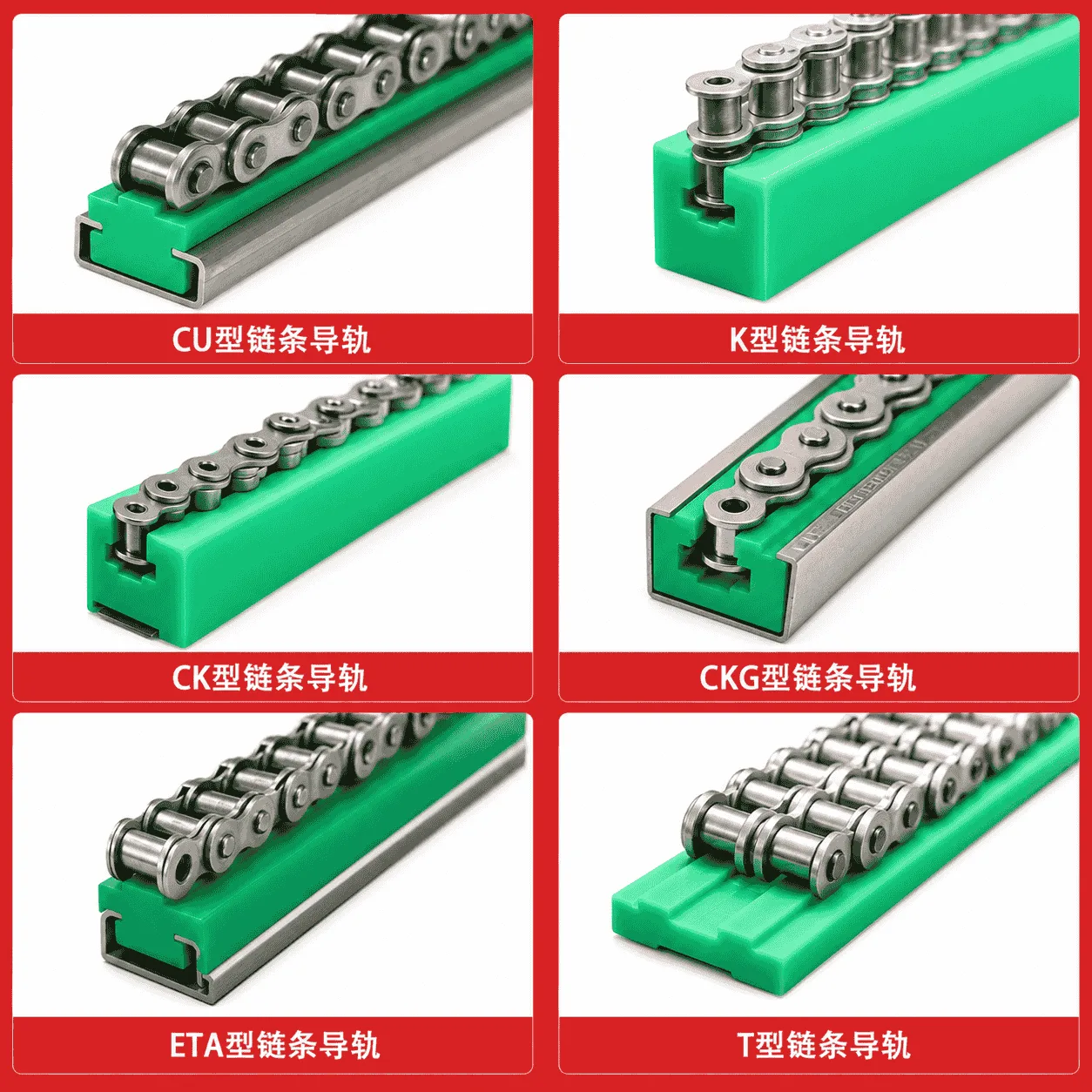
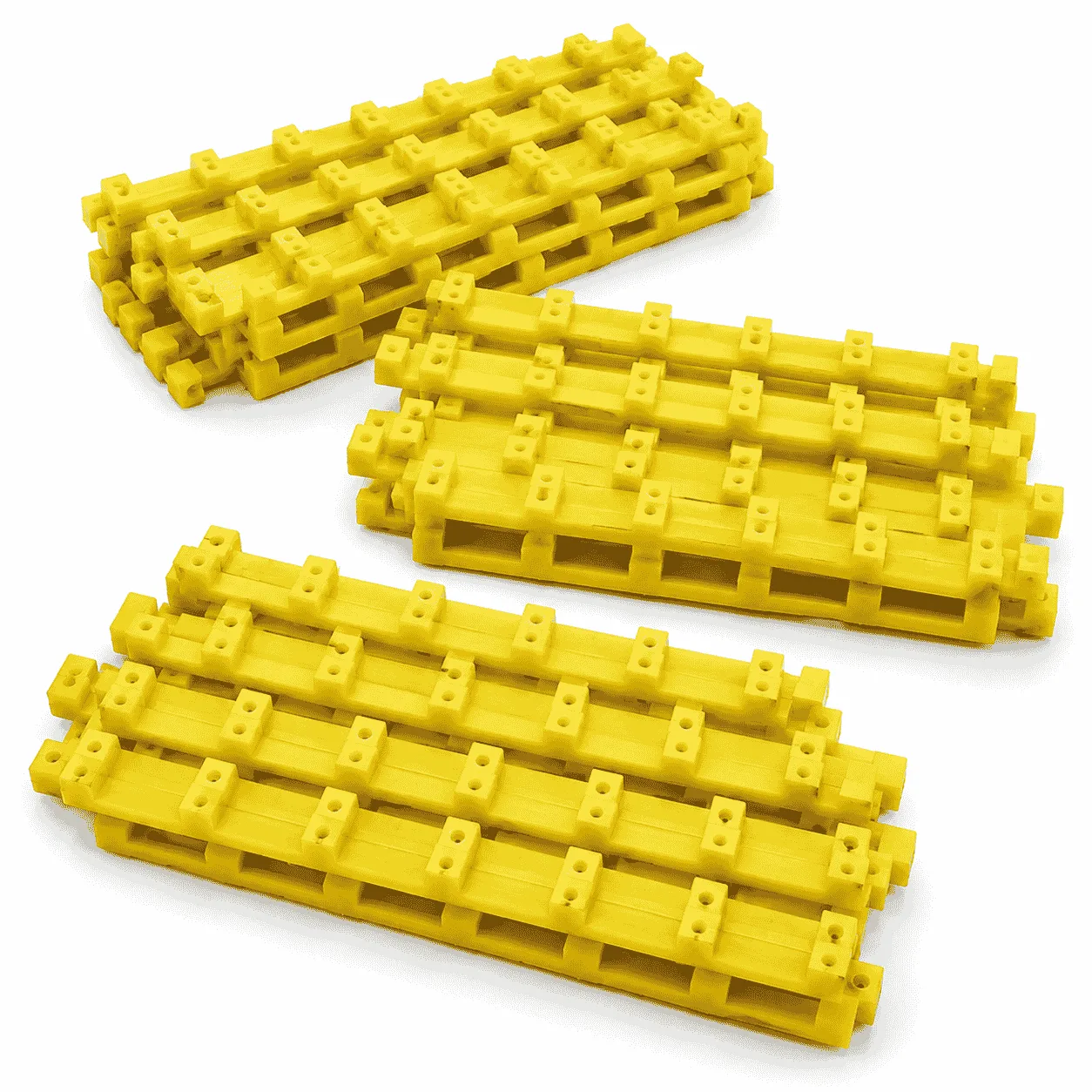
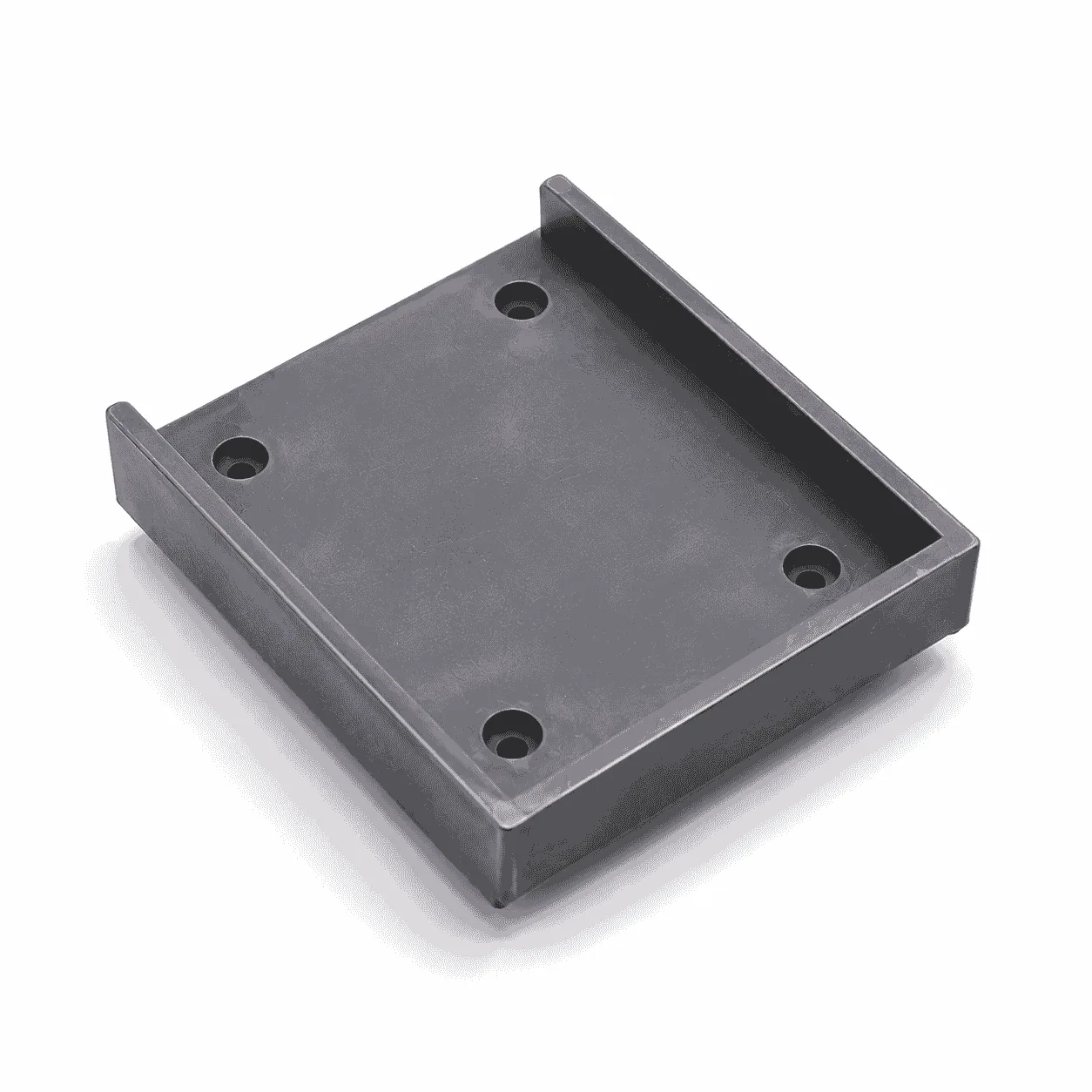
UHMWPE Chain Guide Rail is a low-friction, wear-resistant plastic profile used to support and position roller chains in conveyor systems. Available profile types include CU, K, CK, CKG, ETA, T, CT, TU, TS, CTU, CTS and U. Lengths, holes, grooves and metal support structures can be produced according to chain specifications and installation drawings.

category Brand:
Share :

Description

Product Description

UHMWPE Chain Guide Rail

UHMWPE Chain Guide Rail is a wear-resistant plastic guide profile designed to support, position and guide roller chains in conveyor and transmission systems. It provides a stable running path for the chain, helping reduce lateral movement, vibration, operating noise and direct contact between the chain and metal machine frame.

The guide body is commonly manufactured from ultra-high-molecular-weight polyethylene, also known as UHMWPE or PE1000. This engineering plastic combines excellent abrasion resistance, low surface friction, good impact strength, low moisture absorption and useful chemical resistance. These properties make the guide suitable for continuous chain movement in packaging machinery, conveyor equipment, food and beverage production lines, automation systems and general industrial machinery.

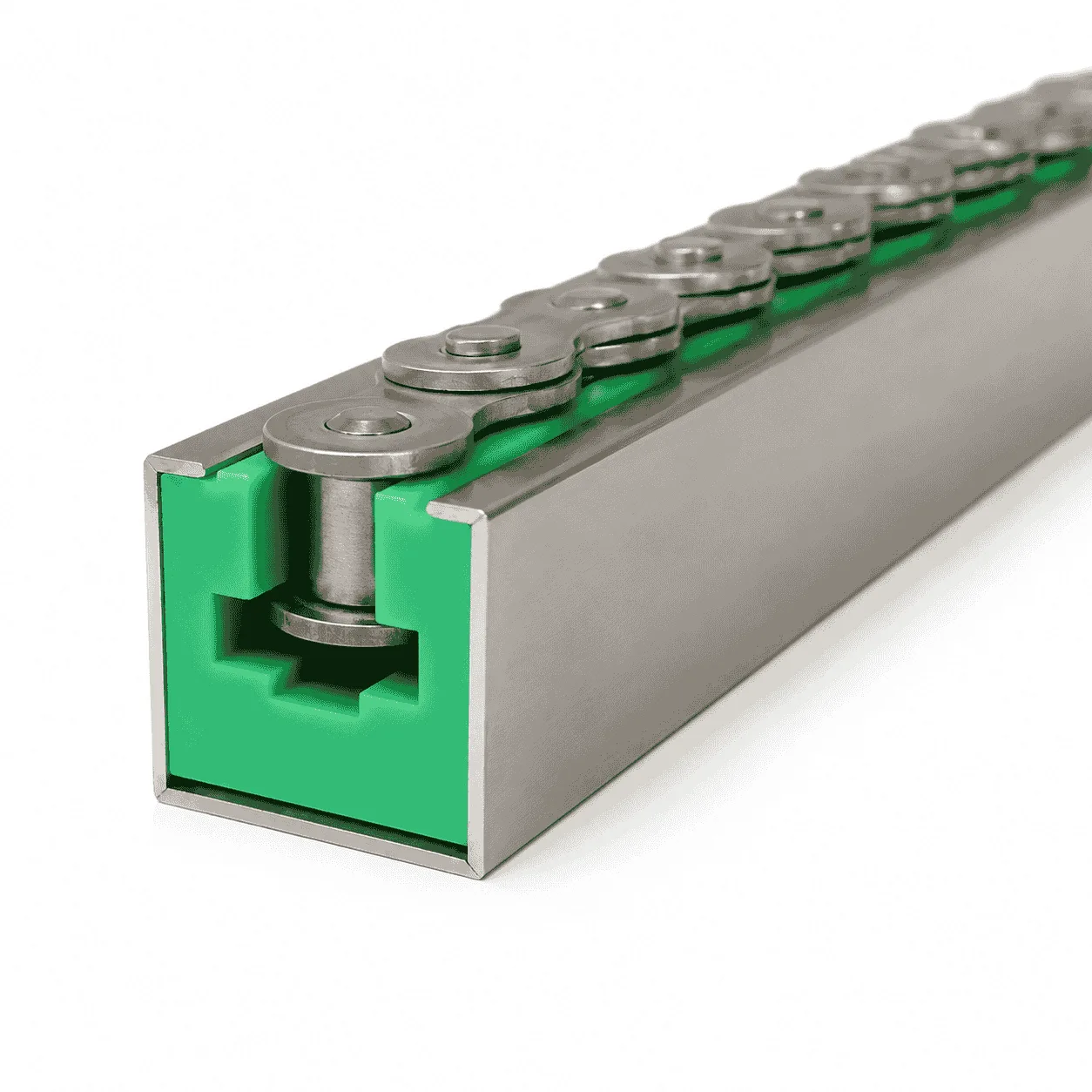
Depending on the installation structure, the plastic guide may be supplied as a solid profile, a machined guide strip or a plastic insert assembled into a metal support channel. The supporting profile shown in the product images may be manufactured from stainless steel, galvanized steel or another specified metal after confirming the operating environment and installation requirements.

For information about the primary guide material, visit our
UHMWPE Sheet
category. Customers requiring finished guide profiles, mounting holes, grooves or special-shaped parts can also view our
CNC Plastic Machining
service.

General information about the chain structure can be found in the
Wikipedia explanation of roller chain.
For additional information about the plastic material, refer to the
Wikipedia explanation of ultra-high-molecular-weight polyethylene.

Key Benefits of UHMWPE Chain Guide Rail

  • Excellent wear resistance: UHMWPE performs well under repeated sliding and rolling contact, helping extend the working life of the guide.
  • Low-friction surface: The smooth guide surface allows the roller chain to move with less sliding resistance.
  • Reduced operating noise: The plastic contact surface helps reduce the noise created when a metal chain runs directly against a metal frame.
  • Stable chain positioning: The profile structure helps control lateral movement and keeps the chain aligned with the conveyor path.
  • Protection of metal components: The guide reduces direct contact between the chain and the equipment frame, helping prevent premature frame wear.
  • Good impact resistance: UHMWPE can absorb vibration and moderate impact generated during conveyor operation.
  • Low moisture absorption: The material maintains reliable performance in many humid or wash-down operating environments.
  • Resistance to many chemicals: It is suitable for contact with many common cleaning agents, oils and industrial chemicals after compatibility confirmation.
  • Lightweight structure: Plastic guide profiles are easier to handle and install than many solid metal guide components.
  • Easy machining: Profiles can be cut, drilled, milled and machined according to conveyor layout and mounting requirements.

Available UHMWPE Chain Guide Rail Profile Types

The supplied product reference shows 12 available profile categories. These model names mainly identify different cross-sectional structures, chain positions and metal support arrangements. Final dimensions must be confirmed according to the chain specification and installation drawing.

Profile Type General Structure Typical Selection Consideration
CU Type Combined plastic guide and metal support profile Suitable for supported chain-running structures requiring stable mounting
K Type Solid rectangular plastic body with an upper chain channel Suitable for direct mounting or special machine-frame installation
CK Type Compact guide profile assembled with a metal support channel Suitable for conveyor layouts with limited installation space
CKG Type Deeper guide channel with raised side-positioning surfaces Suitable where additional lateral chain control is required
ETA Type Stepped guide profile with a supporting metal channel Suitable for special chain heights and stepped mounting structures
T Type Wide flat guide profile with multiple supporting surfaces Suitable for wide chains, multi-row chains or broad support areas
CT Type Compact plastic guide fitted into a C-shaped metal rail Suitable for replaceable guide inserts and modular conveyor frames
TU Type Raised guide structure with a metal mounting support Suitable for chains requiring elevated positioning above the frame
TS Type Low-profile flat plastic guide Suitable for compact conveyor structures and restricted mounting height
CTU Type Tall plastic guide profile assembled inside a metal support rail Suitable for increased chain positioning height and side support
CTS Type Recessed center guide profile with metal backing Suitable for controlled chain positioning in supported conveyor frames
U Type Solid plastic profile with a U-shaped chain slot Suitable for straightforward chain alignment and direct mounting

Available profile types include CU, K, CK, CKG, ETA, T, CT, TU, TS, CTU, CTS and U. Because different manufacturers may use similar model codes for profiles with different dimensions, the model code should not be used as the only production reference. A cross-sectional drawing, chain sample or confirmed dimensional table should be provided before production.

Common Applications

UHMWPE Chain Guide Rail is commonly used in conveyor and material-handling systems where roller chains require continuous positioning and support. Customers can view additional equipment examples on our
Conveyor Systems
application page.

Typical application areas include:

  • Beverage bottle and can conveyor lines
  • Carton packaging and sealing machines
  • Food-processing conveyor equipment
  • Filling, labeling and capping machines
  • Automated assembly and transfer lines
  • Warehousing and logistics conveyors
  • Textile and printing machinery
  • Chain-driven lifting and transfer equipment
  • Packaging machinery and product-handling systems
  • Industrial roller-chain transmission systems

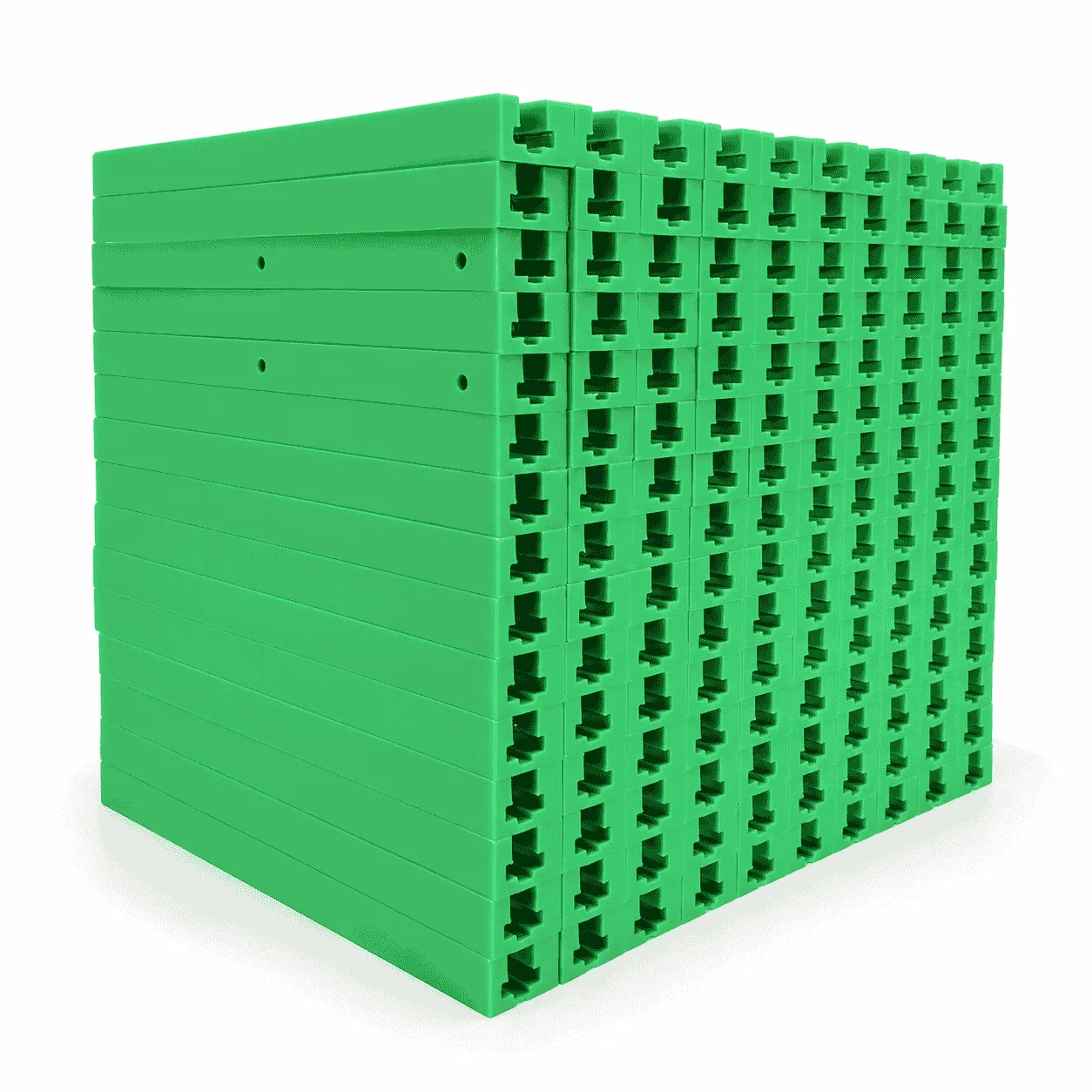
Food-contact use must be confirmed using an appropriate food-grade material and supporting compliance documentation. The green color shown in the image is primarily used for visual identification and does not independently prove food-grade, anti-static or other special performance.

Problems the Chain Guide Helps Solve

During continuous conveyor operation, an unsupported or incorrectly positioned chain may move sideways, vibrate, strike the metal frame or become misaligned with the sprocket. These conditions can increase operating noise, accelerate chain and frame wear, create unstable conveying and increase maintenance frequency.

A correctly selected UHMWPE Chain Guide Rail provides a controlled running path for the chain. It supports the chain at the required height, limits unwanted lateral movement and separates the moving chain from the metal equipment structure. This helps improve conveyor stability and reduce damage to surrounding components.

The guide profile cannot correct every chain problem by itself. Chain tension, sprocket alignment, lubrication, installation accuracy, conveyor load and operating speed must also be checked. Excessive chain tension or incorrect sprocket alignment may still cause rapid wear even when a guide rail is installed.

Required Information for Profile Selection

To select and manufacture the correct guide profile, the following information should be provided:

  • Roller-chain model and applicable standard
  • Chain pitch and number of chain rows
  • Roller diameter and inner width
  • Guide profile type or cross-sectional drawing
  • Required guide length and quantity
  • Mounting-hole diameter, spacing and position
  • Required metal support structure
  • Conveyor speed and operating load
  • Continuous and maximum operating temperature
  • Presence of water, oil, dust or cleaning chemicals
  • Food-contact, anti-static or other certification requirements

Custom Processing Options

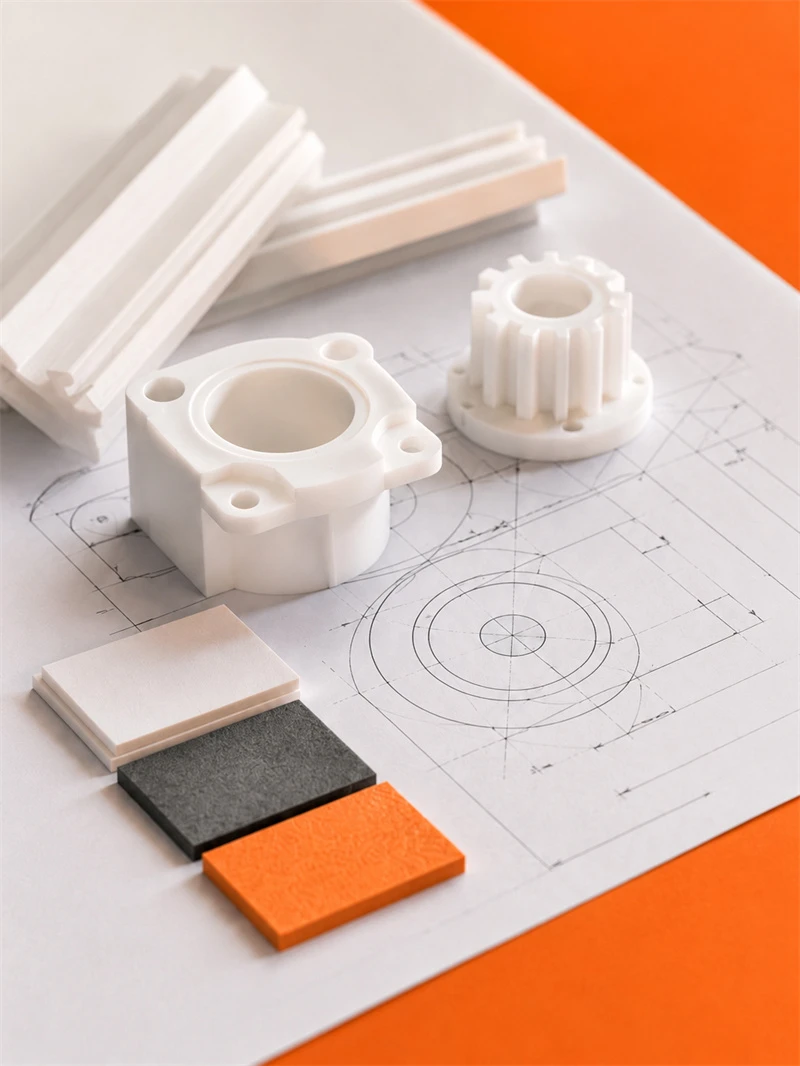
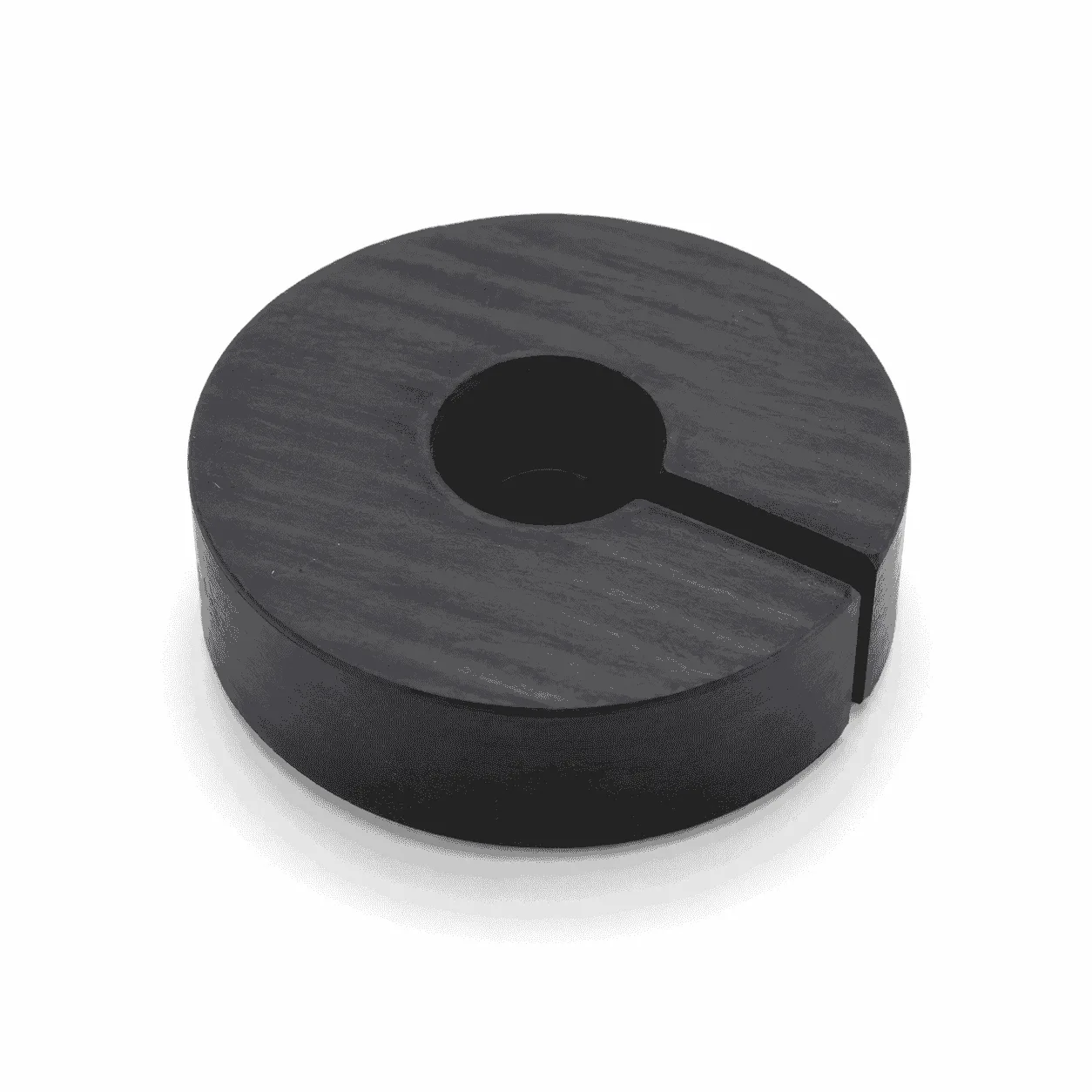
The guide can be produced as a continuous extruded profile, cut section, machined block or assembled plastic-and-metal guide component, depending on the selected structure. Processing options include length cutting, drilling, counterboring, slot milling, step machining, end shaping and mounting-hole preparation.

Customers may provide a drawing, chain sample, existing worn guide or equipment installation dimensions. Before production, the profile cross-section, chain clearance, support height, mounting method and installation tolerance should be checked carefully.

Installation and Maintenance Notes

  • Confirm that the guide profile matches the chain pitch, roller width and running position.
  • Keep the guide rail aligned with the sprocket centerline.
  • Avoid excessive clamping force that may deform the plastic profile.
  • Allow suitable thermal expansion clearance for long guide sections.
  • Check connection joints to prevent the chain from striking raised edges.
  • Inspect the guide surface regularly for uneven wear or foreign particles.
  • Replace excessively worn guide sections before the chain contacts the metal support.
  • Confirm chemical compatibility before using strong cleaning agents.

Why Choose Our UHMWPE Chain Guide Rail?

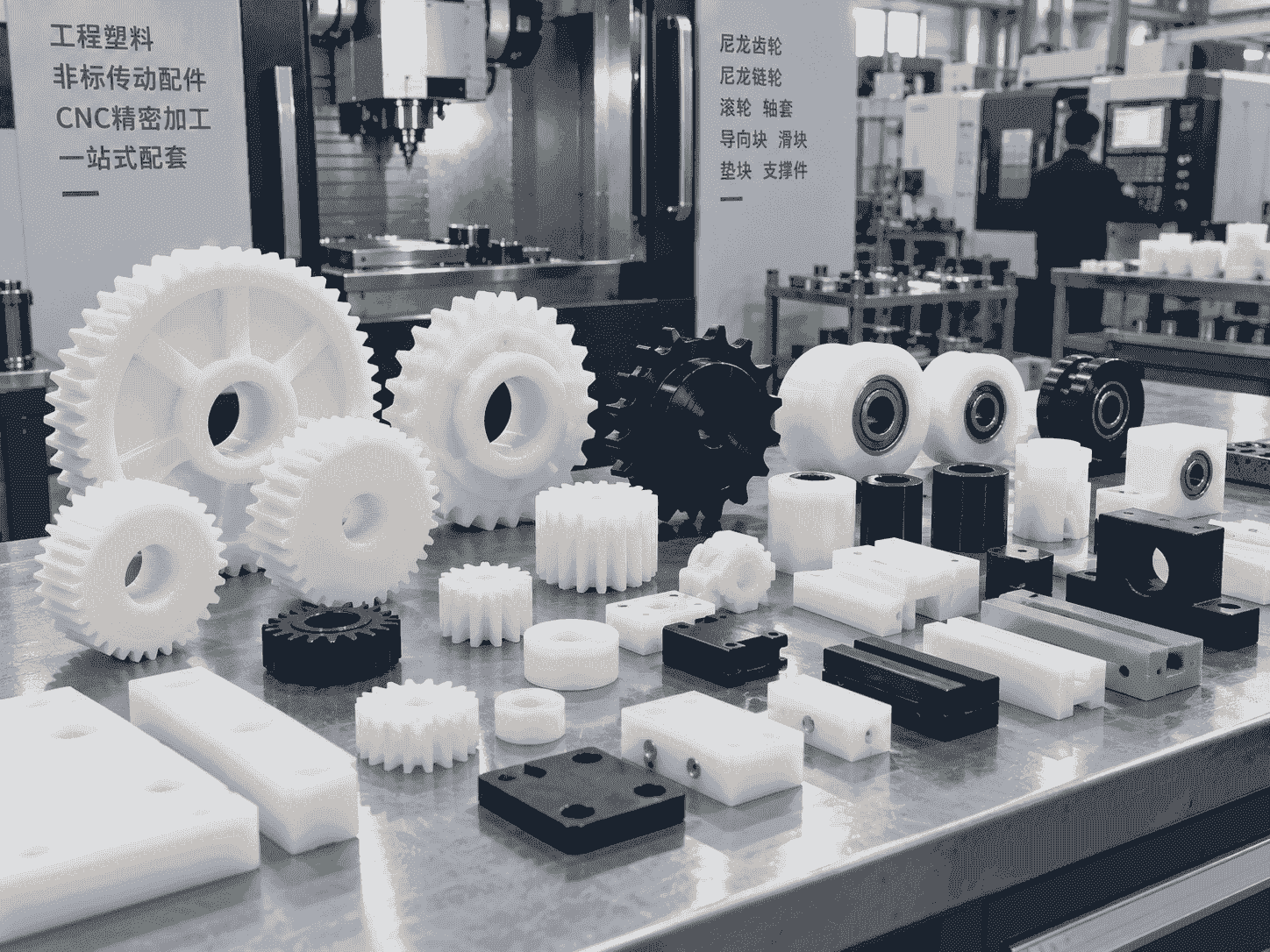
We have experience processing UHMWPE guide rails, wear strips, sliding profiles, chain guides and special-shaped engineering plastic components. Our factory is equipped with cutting machines, CNC machining centers, milling equipment, drilling equipment and inspection tools for both individual parts and batch production.

According to the customer’s chain specification, machine structure and operating conditions, we can review the guide profile, material, chain clearance, support structure, mounting position and processing method before production. This helps reduce problems such as poor fitting, excessive clearance, chain jamming and incorrect mounting-hole positions.

During production, important dimensions, profile surfaces, holes, grooves, fitting positions and overall length are inspected. Finished guide rails are deburred, cleaned and packaged according to their structure to support consistent batch quality and scheduled delivery.

Frequently Asked Questions

What material is normally used for the chain guide?

UHMWPE or PE1000 is commonly selected because it offers excellent wear resistance, low friction, impact strength and low moisture absorption. Other engineering plastics may be evaluated for special temperatures, loads or operating environments.

Can the guide be supplied with a metal support rail?

Yes. Depending on the profile, the plastic guide can be assembled with a stainless-steel, galvanized-steel or specified metal support structure.

Which profile types are available?

Available reference profiles include CU, K, CK, CKG, ETA, T, CT, TU, TS, CTU, CTS and U types. Final profile dimensions must be confirmed using a drawing or chain specification.

Can mounting holes and special lengths be processed?

Yes. Length cutting, drilling, counterboring, slots, steps and other machining can be completed according to the installation drawing.

Can the green guide be used in food machinery?

The color alone does not prove food-contact compliance. A suitable food-grade UHMWPE material and the required supporting documentation must be confirmed before production.

Quality Control

Quality Control and Delivery Standards

Drawing & Material Check

Check drawings for full specifications and confirm materials according to service conditions to prevent product defects.

Machining Quality Control

Inspect all key processing steps and fully verify dimensions, holes, grooves and fitting surfaces.

Finishing & Batch Control

Deburr, chamfer and clean products for easy installation. Ensure uniform quality among batch products.

Packaging & Delivery

Choose appropriate packaging solutions based on product features to protect goods from collision, deformation and mixing during transit.

Processing Quality Control of Engineering Plastics Parts

Unlike metal parts, engineering plastic components still require strict control over dimensions, holes, edges, surface, materials and assembly performance for equipment use.

application

Applications for Engineering Plastic Parts

Engineering plastic parts suit friction, guide, support, buffer, anti-corrosion and insulation areas. We supply UHMWPE, POM, PA, PP/PE components for conveyor, food, mining, machinery, chemical and cable systems, with custom OEM service available.

Our Blog

Latest News & Knowledge

Stay updated with our latest industry insights, company updates and featured articles.

We Love to Hear From You

Need UHMWPE sheets & custom plastic machined/OEM parts?Send specs & material needs, free quote within 24h.