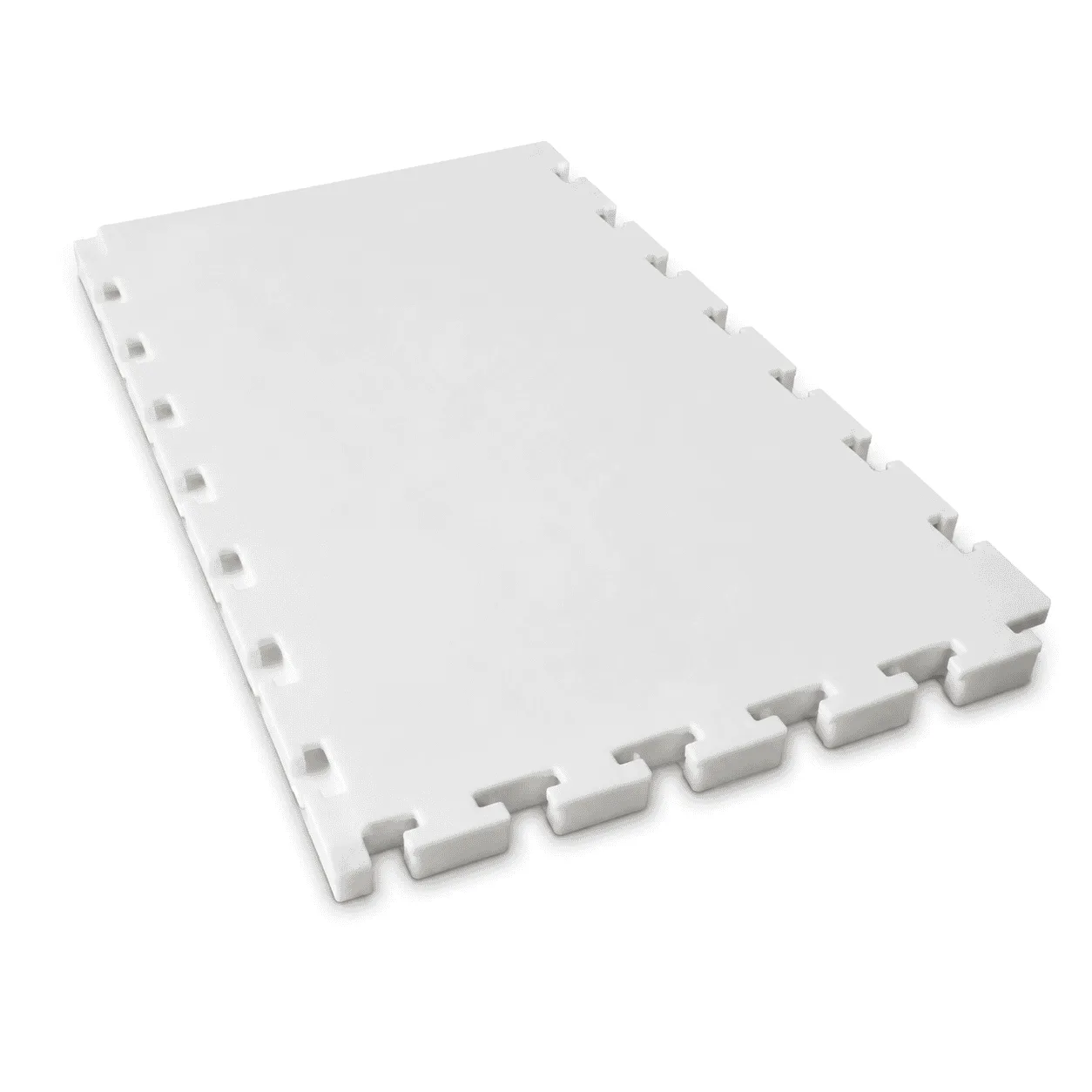
Synthetic Ice Skating Panel is a modular polymer panel designed to create a reusable skating surface for hockey training, skating instruction, recreational activities and seasonal entertainment venues.
Common reference panel sizes include approximately 1000 × 1000 mm, 2000 × 1000 mm and 1220 × 2440 mm. Practical thickness options generally include approximately 10, 12, 15 and 20 mm, selected according to the supporting floor, panel dimensions, joint structure and expected skating frequency.
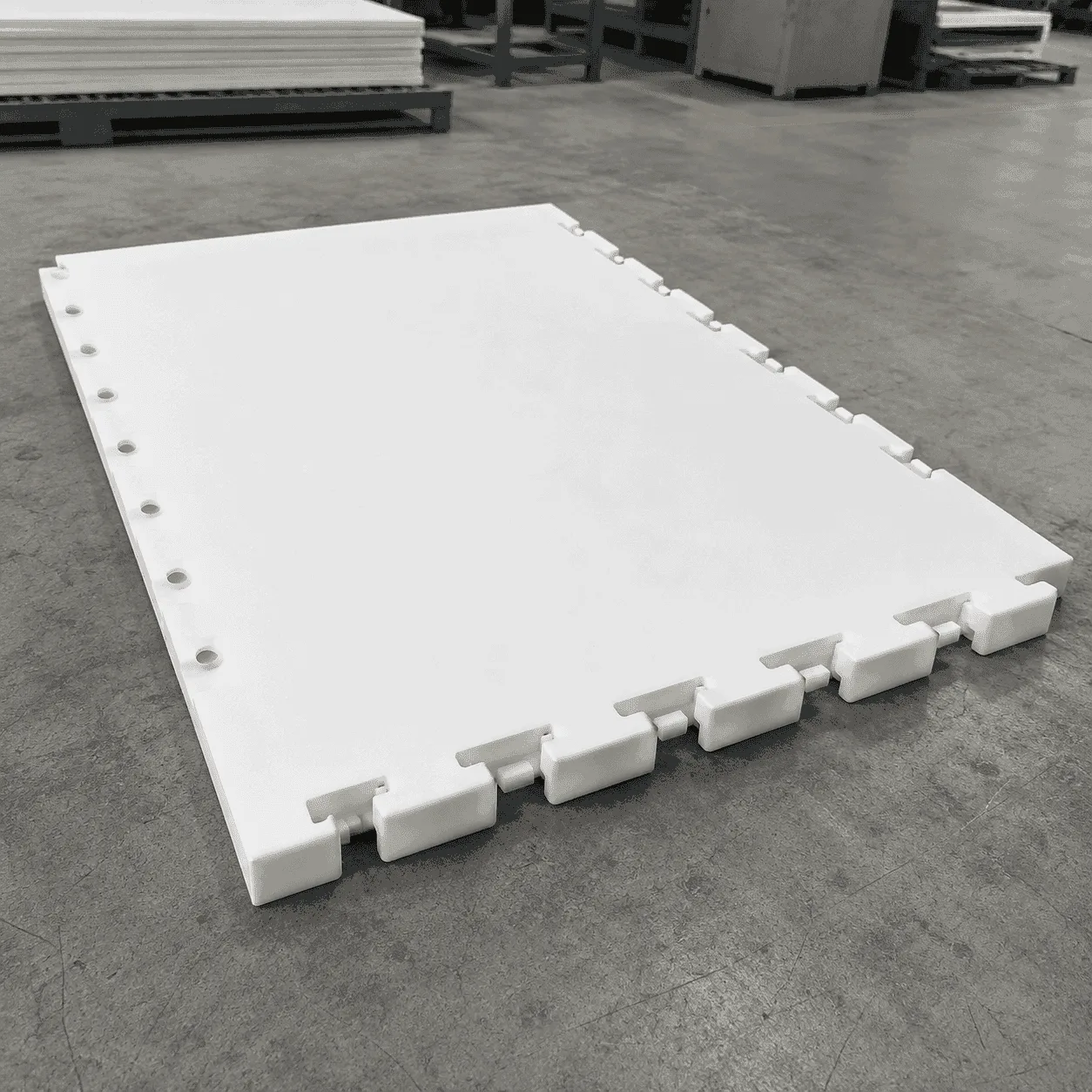
Precision-machined dovetail, puzzle or tongue-and-groove connections help align adjacent panels and reduce visible gaps or height differences. The system should be installed on a clean, rigid, smooth and level base. Skating-grade UHMWPE or a specially formulated polyethylene material should be used rather than untreated general-purpose industrial sheet.
Synthetic Ice Skating Panel is a modular polymer flooring product designed to create a reusable skating surface for hockey training, skating instruction, recreational activities and seasonal entertainment facilities.
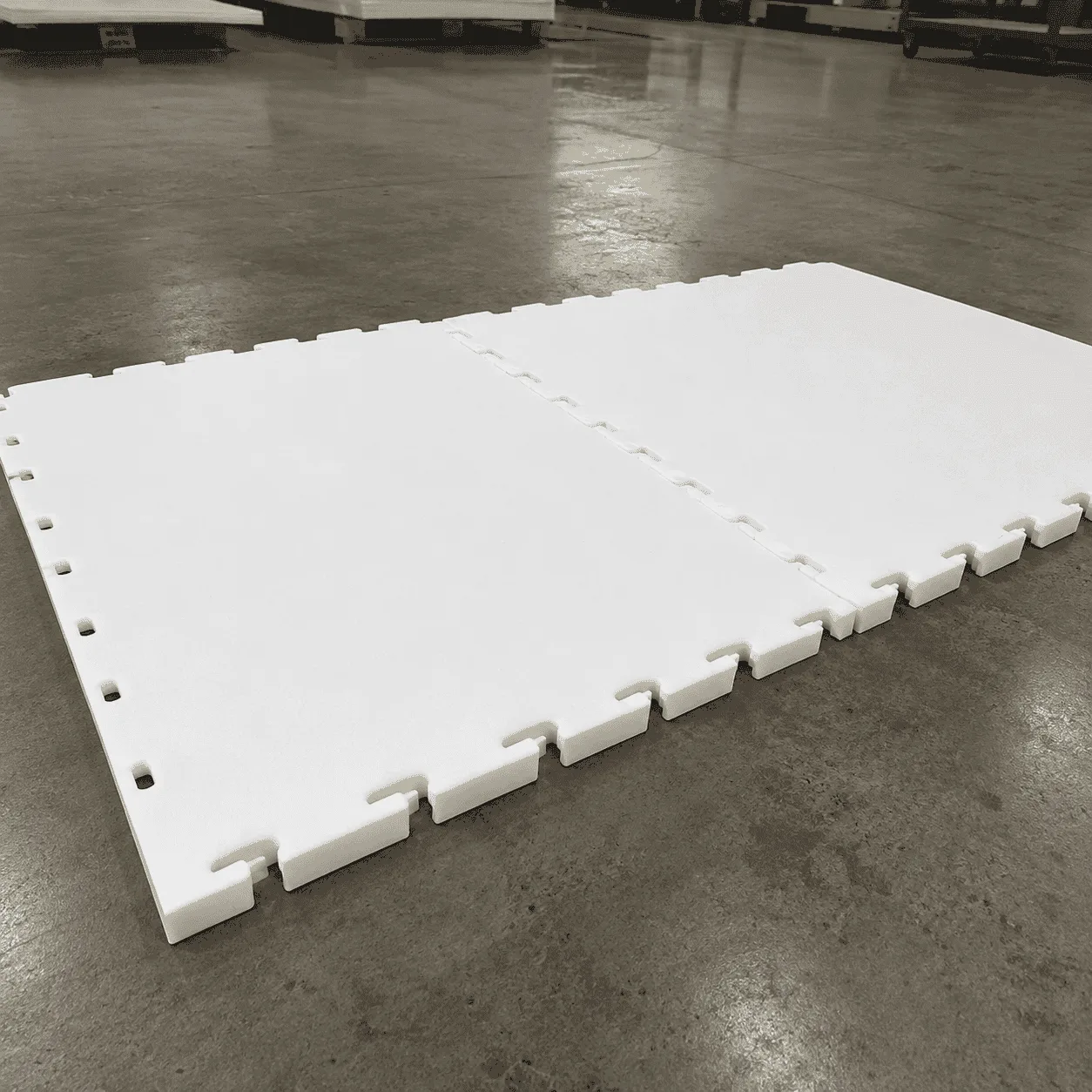
The individual panels are connected through precision-machined dovetail, puzzle or tongue-and-groove edges. Once assembled, they form a continuous surface suitable for compatible hockey and figure-skating activities.
The system does not require a continuously frozen layer of water or an underground refrigeration network. The panels are installed over a clean, rigid, smooth and level supporting floor.
The product should be manufactured from skating-grade UHMWPE or a specially formulated high-performance polyethylene material. General-purpose industrial plastic sheet should not automatically be treated as professional synthetic ice without appropriate formulation, surface finishing and skating tests.
Synthetic ice is a solid polymer surface designed for skating with normal metal-bladed ice skates and is commonly assembled from interlocking panels. For a general explanation, visit the Synthetic Ice overview on Wikipedia.
Additional material information is available from the UHMWPE overview on Wikipedia.
A Synthetic Ice Skating Panel is a solid engineering-plastic floor section with a finished skating surface and accurately machined connecting edges.
Multiple panels are joined together to form compact training areas, home skating surfaces, commercial recreational rinks or larger hockey practice floors.
The modular construction allows the skating area to be expanded, reduced, dismantled or relocated. If one panel becomes heavily worn or damaged, it can normally be removed and replaced without rebuilding the entire floor.
The panel forms the visible skating surface. It does not replace the structural base underneath the rink. Prepared concrete, stable wood flooring or another rigid structural platform is still required.
The Synthetic Ice Skating Panel can be produced in several practical sizes and thicknesses. Final specifications should be selected according to rink area, supporting-floor condition, transportation requirements and expected frequency of use.
| Product Name | UHMWPE Synthetic Ice Skating Panel |
| Primary Material | Skating-grade UHMWPE or formulated high-performance polyethylene |
| Square Panel Size | Approximately 1000 × 1000 mm |
| Rectangular Panel Size | Approximately 2000 × 1000 mm |
| Full Sheet Reference Size | Approximately 1220 × 2440 mm |
| Common Thickness Options | Approximately 10, 12, 15 and 20 mm |
| Additional Thickness | Project-specific thickness subject to panel design and base condition |
| Connection Structure | Dovetail, puzzle, interlocking or tongue-and-groove edges |
| Standard Surface Color | White |
| Optional Marking Colors | Blue, red, yellow or rink-specific colors |
| Surface Finish | Controlled low-friction skating finish |
| Supporting Base | Level concrete, stable wood flooring or rigid structural platform |
| Primary Applications | Hockey training, skating instruction and recreational skating |
| Installation Environment | Indoor and properly prepared outdoor locations |
The dimensions above are practical project references rather than fixed specifications for every installation.
Smaller square panels are easier to transport, carry and replace. Larger rectangular panels reduce the total number of joints across the skating floor but require additional handling space.
Thinner panels require a particularly flat and rigid supporting base. Increased thickness can improve rigidity but also increases panel weight, material use and transportation requirements.
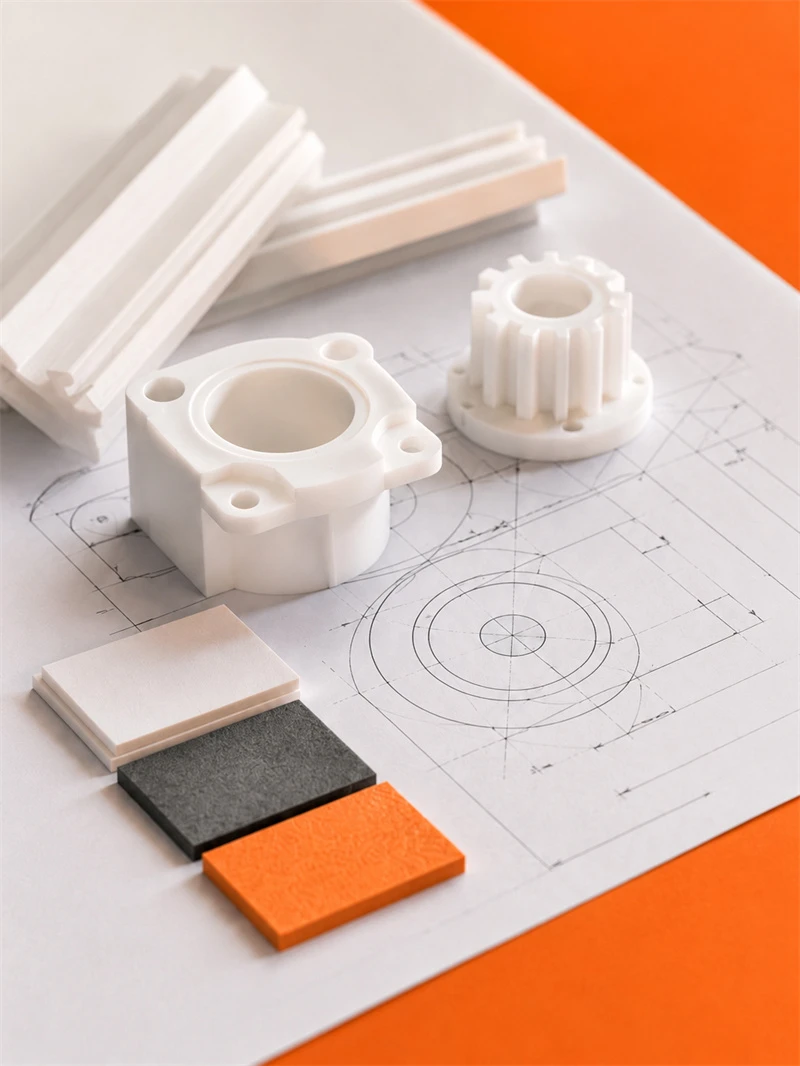
UHMWPE is an engineering plastic known for useful abrasion resistance, impact performance, low moisture absorption and naturally low friction.
For synthetic ice applications, the material must also provide a consistent response to metal skate blades. Resin grade, molecular weight, additives, molding conditions and surface finishing can all influence skating performance.
A standard industrial UHMWPE sheet should not automatically be described as professional synthetic ice. The selected material should be developed or verified for skating use.
A trial skating area should be tested before a large rink is produced. Testing can evaluate glide, turning, stopping, seam transitions, blade wear and visible surface wear.
The visible surface should remain smooth, clean and dimensionally consistent.
Surface finish influences skate glide, stopping response and the amount of resistance felt by the skater. Excessively rough surfaces can increase friction, while unsuitable finishing may create inconsistent blade response.
The skating surface should be inspected for deep scratches, contamination, raised edges and manufacturing defects before installation.
Sand, metal fragments, exposed fasteners and sharp tools should be kept away from the finished surface.
The connection structure is one of the most important parts of a modular synthetic ice floor.
Dovetail connections use matching shaped edges to position adjacent panels. Puzzle systems use interlocking profiles around the panel perimeter, while tongue-and-groove designs use corresponding male and female edges.
Accurate machining helps reduce visible gaps, raised seams and height differences between adjacent sections.
Several panels should be trial-assembled before full production or installation. Trial assembly can verify panel thickness, joint fit, seam width, surface flatness and connection strength.
Dovetail connections create a mechanical relationship between adjacent panels and help maintain alignment across the skating surface.
The male and female profiles should fit consistently without excessive looseness or installation force.
Loose joints may create movement or visible gaps. Excessively tight joints may make installation difficult and prevent normal dimensional movement.
Dovetail dimensions should be produced according to the approved panel thickness, machining tolerance and expected temperature range.
Puzzle-style panels use interlocking perimeter shapes that allow the floor to be assembled section by section.
This design is commonly selected for portable and temporary installations because individual sections can be identified, removed and reinstalled.
Puzzle corners and narrow connection areas should maintain sufficient material thickness to resist damage during repeated installation.
Panels should be lifted and separated carefully rather than forced apart with sharp metal tools.
A rigid, level and smooth supporting floor is essential for reliable skating performance.
Uneven ground can cause panel movement, raised joints and additional wear around the connecting edges.
Suitable supporting surfaces may include:
The supporting floor should be inspected for cracks, loose material, sharp projections, standing water and obvious uneven sections before installation.
Soft soil, grass, gravel and uneven asphalt should not be used without first installing a suitable structural subfloor.
No debris should remain between the connecting profiles. Trapped material can prevent complete engagement and create an uneven seam.
The finished floor should remain level and stable before skating begins.
Polyethylene expands and contracts as the surrounding temperature changes.
This dimensional movement becomes more important on large skating floors and outdoor installations.
Suitable expansion clearance should be provided around walls, rink barriers, columns and other fixed structures.
The panels should not be tightly restricted in a way that prevents normal movement.
The required clearance depends on the total rink dimensions, selected material formulation, expected temperature range and connection design.
A Synthetic Ice Skating Panel system can be used to create compact hockey-training areas or larger skating floors.
Common hockey exercises include:
Hockey goals, rebounders and suitable training obstacles can be positioned on the surface.
Equipment with exposed metal edges should use protective pads to avoid scratching the panels.
The modular skating surface can support introductory skating lessons, balance exercises and basic figure-skating practice.
Training areas can be configured according to the available floor space and number of participants.
Suitable perimeter barriers should be installed where required to separate skaters from surrounding users and equipment.
The final facility should provide controlled access, sufficient clearance and suitable supervision.
The panels can be used in locations where a conventional refrigerated rink is not practical.
Possible applications include:
The panels can be assembled into compact practice areas or larger recreational installations.
These dimensions are project examples rather than official competition specifications.
The final layout should consider skating speed, turning space, user capacity, access gates, perimeter barriers and emergency routes.
Indoor installation reduces exposure to rain, leaves, sand and large temperature changes.
It also makes regular surface cleaning and joint inspection easier.
Indoor projects should consider lighting, ventilation, access control, perimeter protection and emergency exits.
The supporting floor should remain dry, rigid and level throughout the installation area.
A Synthetic Ice Skating Panel system can be installed outdoors when the base, drainage and environmental conditions are properly prepared.
A UV-stabilized polymer grade can be selected where prolonged sunlight exposure is expected.
The base should prevent water from collecting underneath the panels.
Outdoor skating surfaces require more frequent cleaning because sand, dust and leaves may increase surface wear and affect skating performance.
Expansion clearance and perimeter containment should be planned according to local temperature variation and site conditions.
The skating surface should be swept or vacuumed regularly to remove dust, polymer shavings and loose particles.
A soft mop and suitable neutral cleaning solution can be used for deeper cleaning.
Sharp metal scrapers, aggressive solvents and highly abrasive tools should be avoided.
Oil, sand and sticky contamination should be removed before skating.
Panel joints should be checked regularly for trapped debris, movement, edge damage and uneven wear.
Skate blades should be inspected and sharpened when required.
Synthetic skating surfaces can create different blade-wear conditions from refrigerated ice.
Blade condition, skater weight, skating technique and surface cleanliness can all affect the skating experience.
Damaged or heavily burred blades should not be used because they may create unnecessary scratches on the panel surface.
One advantage of modular construction is that individual damaged or heavily worn panels can be replaced separately.
A replacement section should use the same thickness, material formulation and connecting-edge design as the surrounding panels.
Joint fit and surface height should be checked after the replacement section is installed.
Depending on the panel structure and remaining material thickness, selected surfaces may be suitable for controlled professional resurfacing.
Suitability should be confirmed before any material is removed.
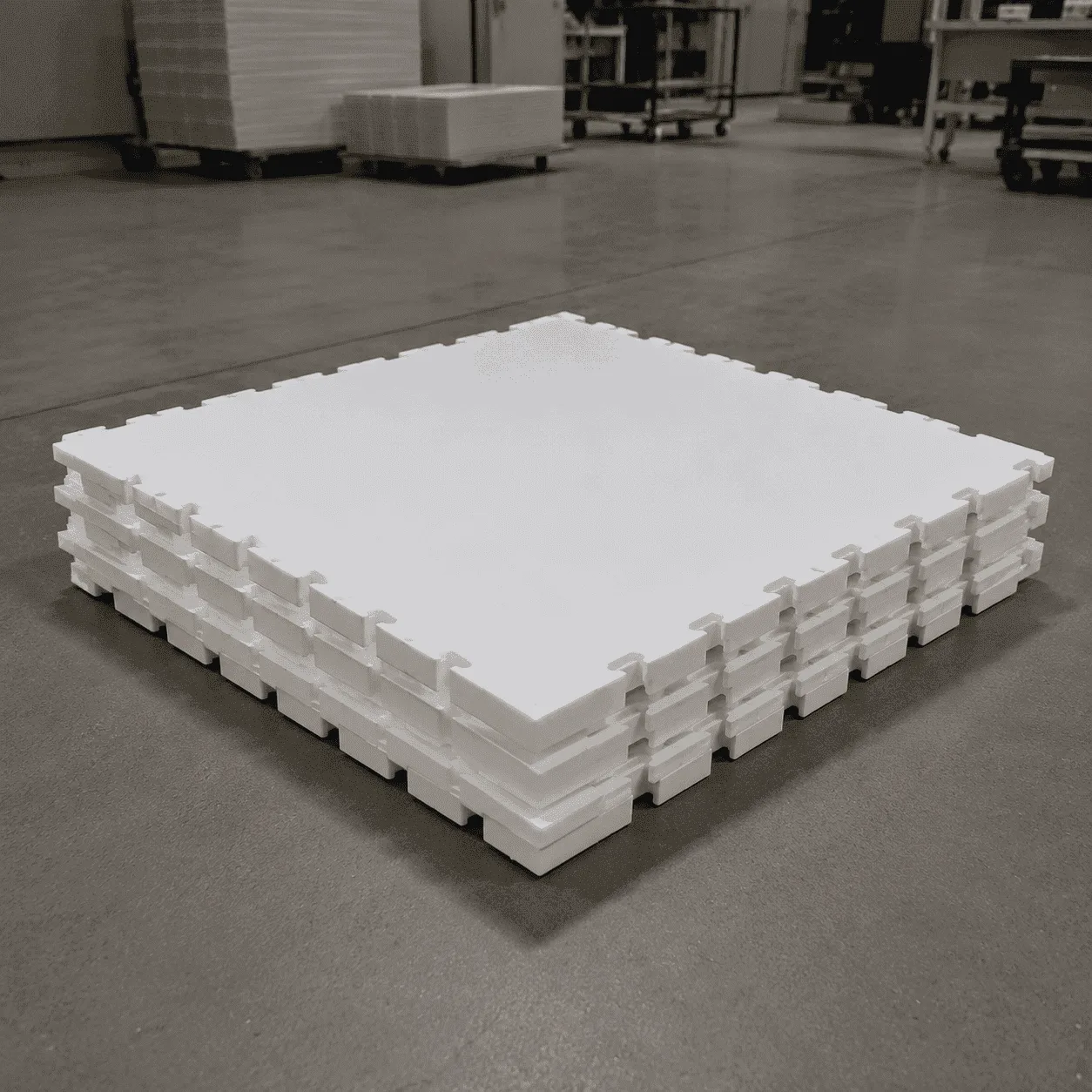
When the skating floor is dismantled, the panels should be cleaned and stored on a level supporting surface.
Uneven stacking or unsupported edges may cause bending or deformation.
The skating surfaces and machined connection edges should be protected from scratches and impact during transportation.
Panels can be numbered according to their installation positions to make future assembly more efficient.
Protective separators can be placed between finished surfaces during storage.
The panels can be produced through controlled compression molding, pressing or sheet-manufacturing processes.
The connecting profiles are then machined according to the approved dovetail, puzzle or tongue-and-groove design.
Typical production operations may include:
Important inspection items include:
Accurate dimensions and consistent thickness help reduce transitions between adjacent panels.
Protective packaging should support the panels evenly and protect every machined connection edge during shipment.
When selecting a Synthetic Ice Skating Panel, consider the total skating area, expected user frequency, panel dimensions, thickness, material formulation and connection system.
The installation environment and supporting-floor condition should also be evaluated.
Smaller panels are convenient for portable installations and individual replacement. Larger panels reduce the total number of seams but require additional handling space.
Thin panels require an exceptionally flat supporting base. Larger facilities or less consistent floors may require increased panel thickness or additional subfloor preparation.
A trial area should be tested with the intended skate type before producing a complete rink.
Learn more about our UHMWPE sheets, polyethylene panels and engineering-plastic manufacturing capabilities on the Honsee engineering plastic manufacturer website.
The Synthetic Ice Skating Panel provides a modular, reusable and wear-resistant skating surface for hockey training, skating instruction, recreational facilities and suitable indoor or outdoor rink projects.
Check drawings for full specifications and confirm materials according to service conditions to prevent product defects.
Inspect all key processing steps and fully verify dimensions, holes, grooves and fitting surfaces.
Deburr, chamfer and clean products for easy installation. Ensure uniform quality among batch products.
Choose appropriate packaging solutions based on product features to protect goods from collision, deformation and mixing during transit.
Unlike metal parts, engineering plastic components still require strict control over dimensions, holes, edges, surface, materials and assembly performance for equipment use.
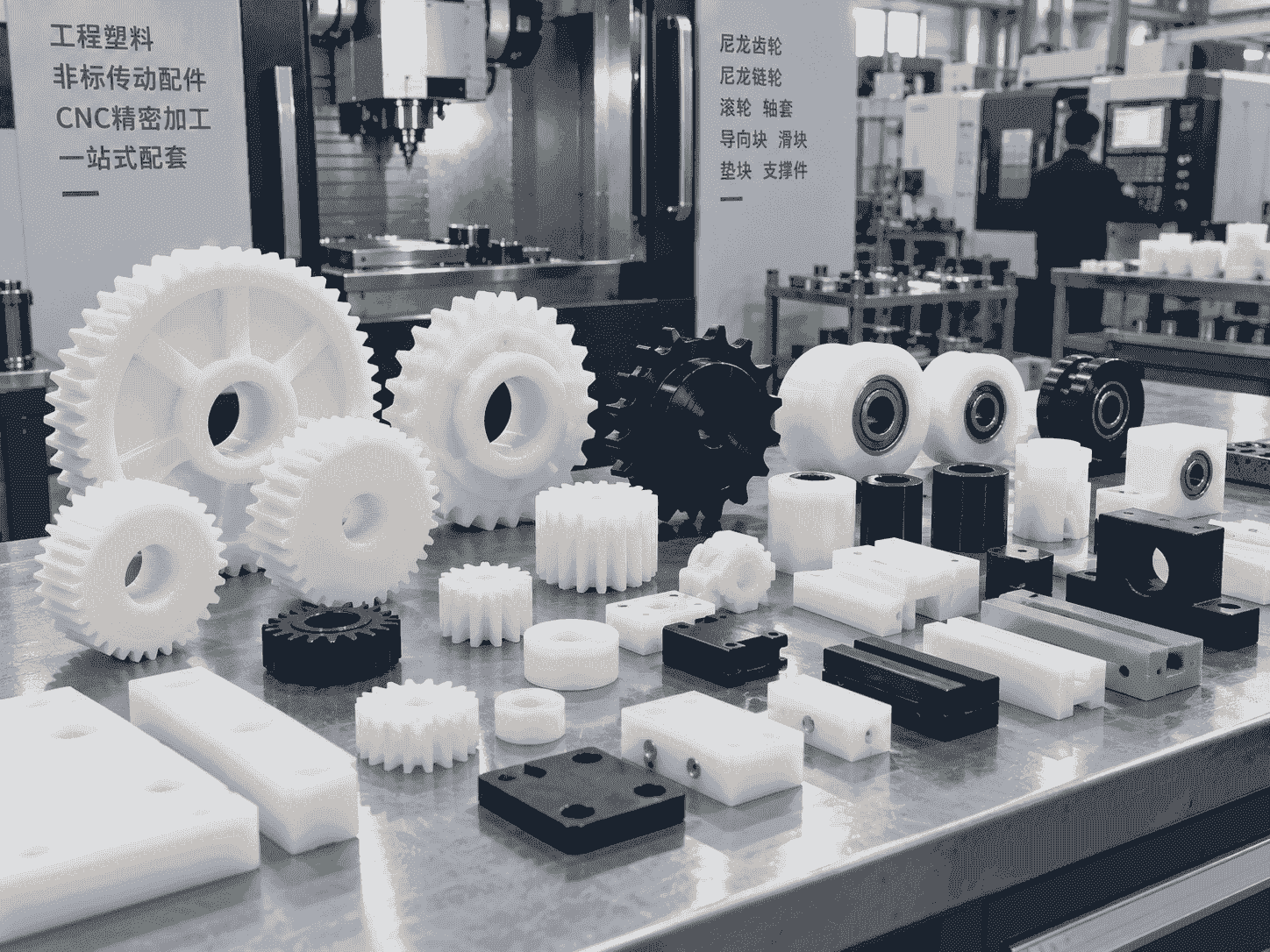
Engineering plastic parts suit friction, guide, support, buffer, anti-corrosion and insulation areas. We supply UHMWPE, POM, PA, PP/PE components for conveyor, food, mining, machinery, chemical and cable systems, with custom OEM service available.
Stay updated with our latest industry insights, company updates and featured articles.

Engineering plastics are increasingly used in industrial machinery, automated production lines, conveyor systems, packaging equipment, and food-processing machines. Materials such as nylon, UHMWPE, POM, and

Both are lightweight, corrosion-resistant, wear-resistant, and suitable for CNC machining. However, they perform very differently

Wear is a common cause of failure in conveyor systems, packaging machinery, automated equipment, mining

CNC machining is widely used to produce plastic prototypes, low-volume parts, replacement components, jigs, fixtures,

Both are lightweight, corrosion-resistant, wear-resistant, and suitable for CNC machining. However, they perform very differently

Wear is a common cause of failure in conveyor systems, packaging machinery, automated equipment, mining

CNC machining is widely used to produce plastic prototypes, low-volume parts, replacement components, jigs, fixtures,
Need UHMWPE sheets & custom plastic machined/OEM parts?Send specs & material needs, free quote within 24h.