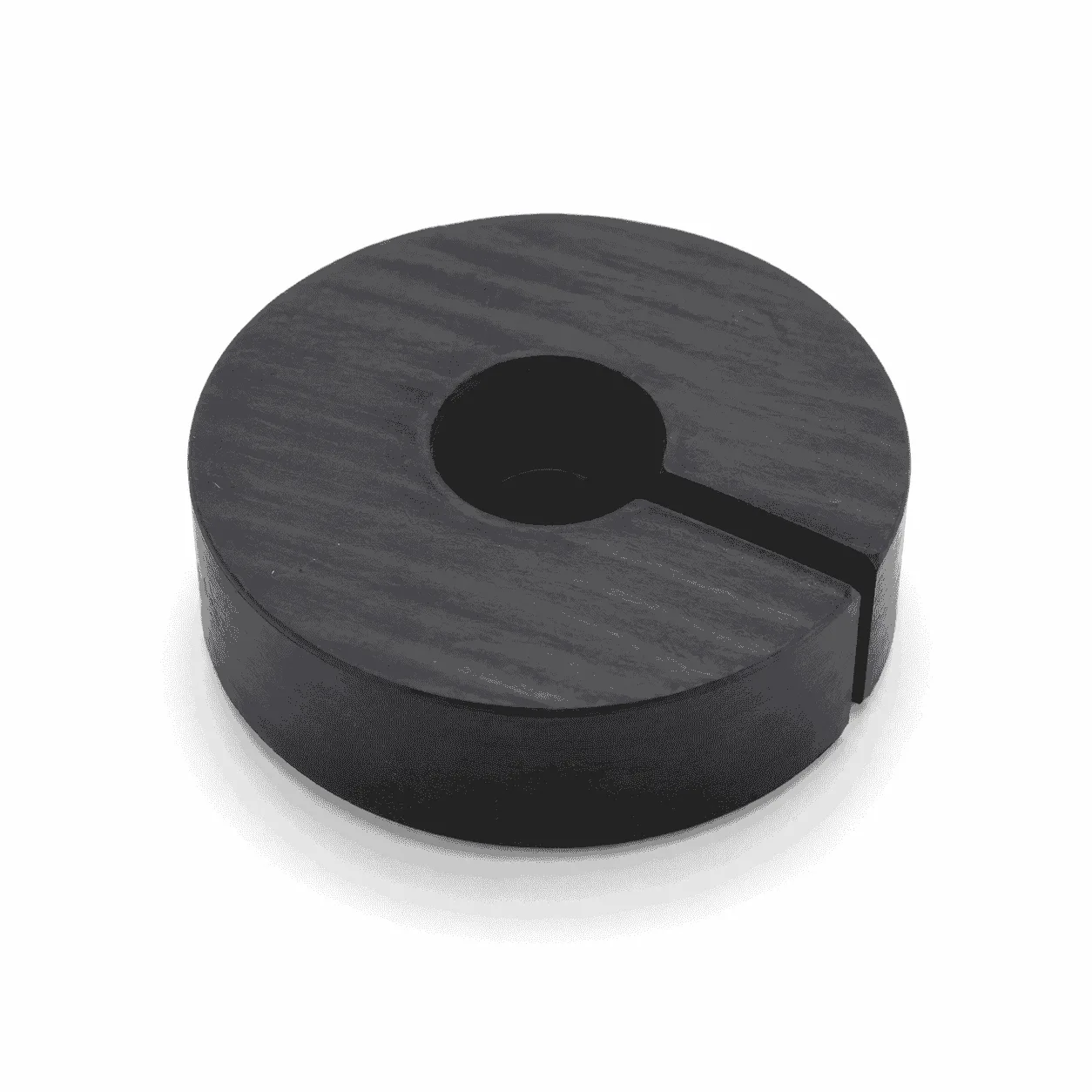
Low Friction UHMWPE Fender Panel for Ports and Docks

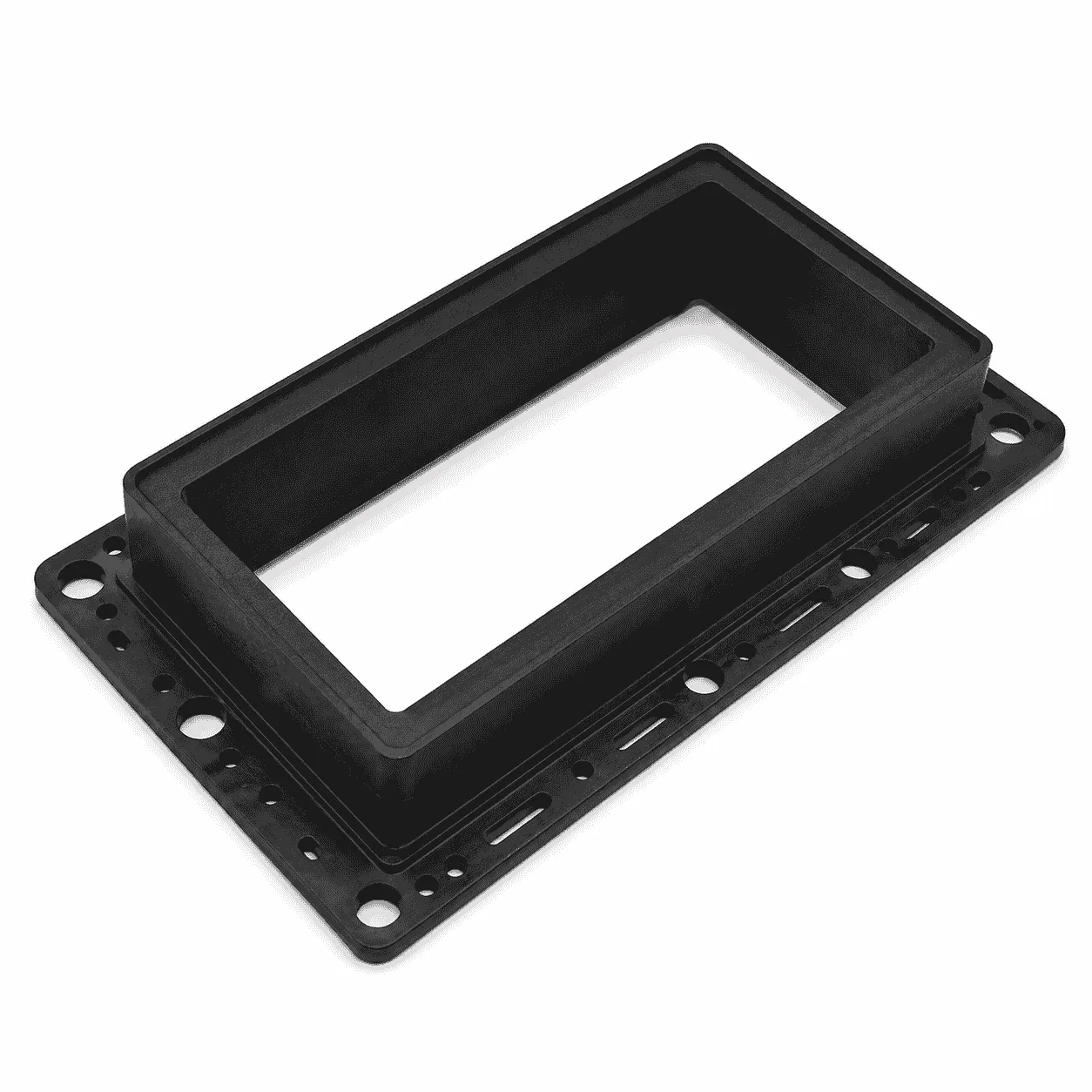
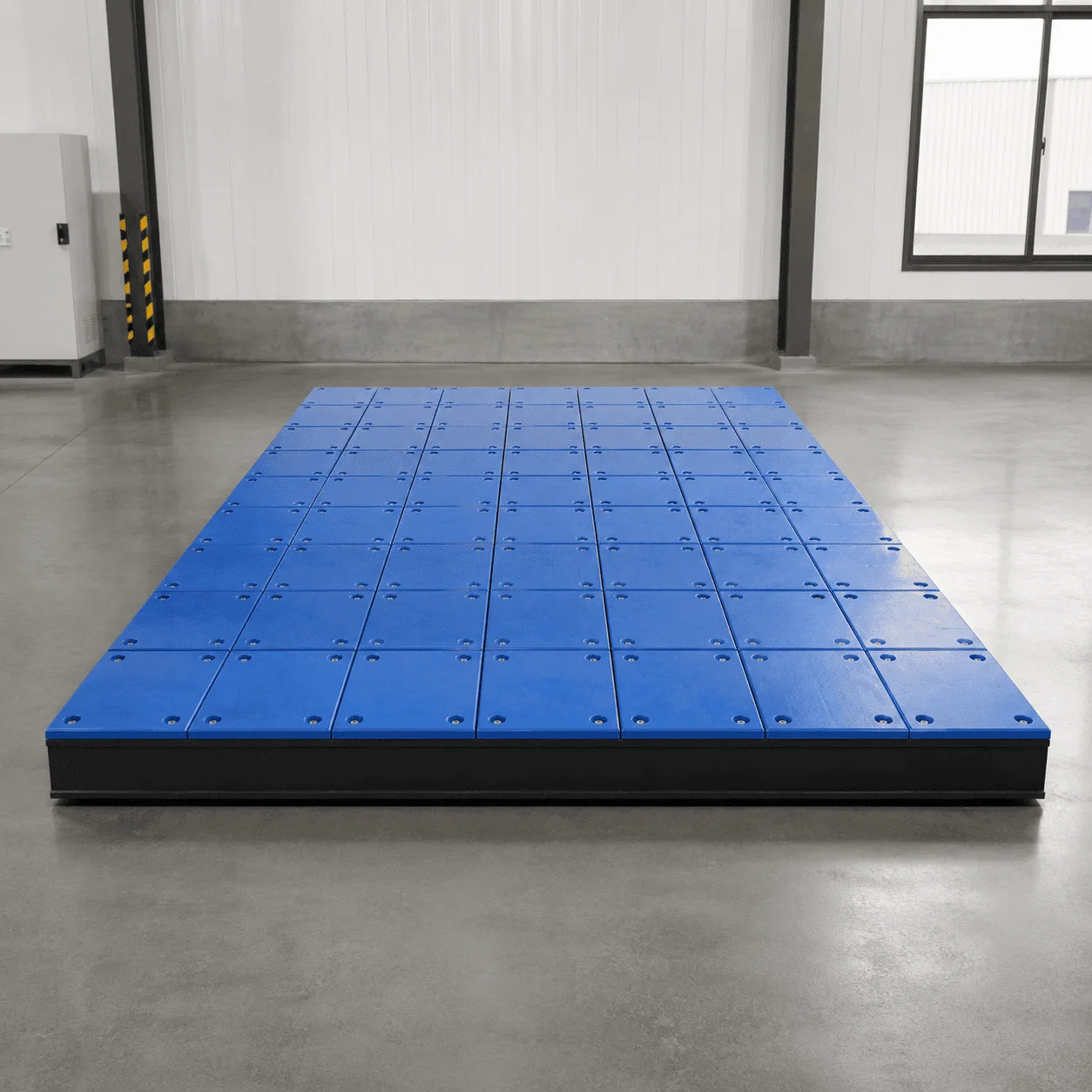
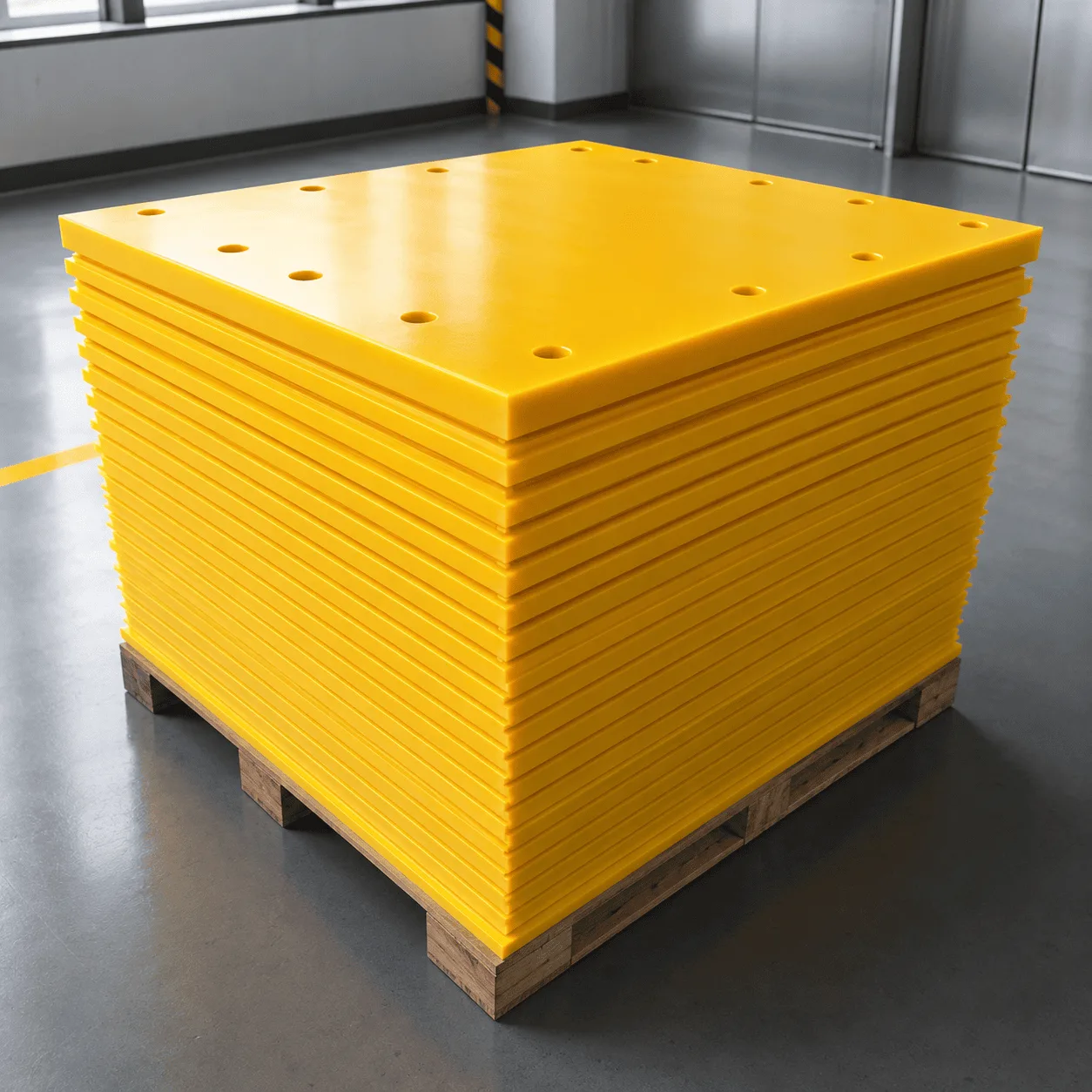
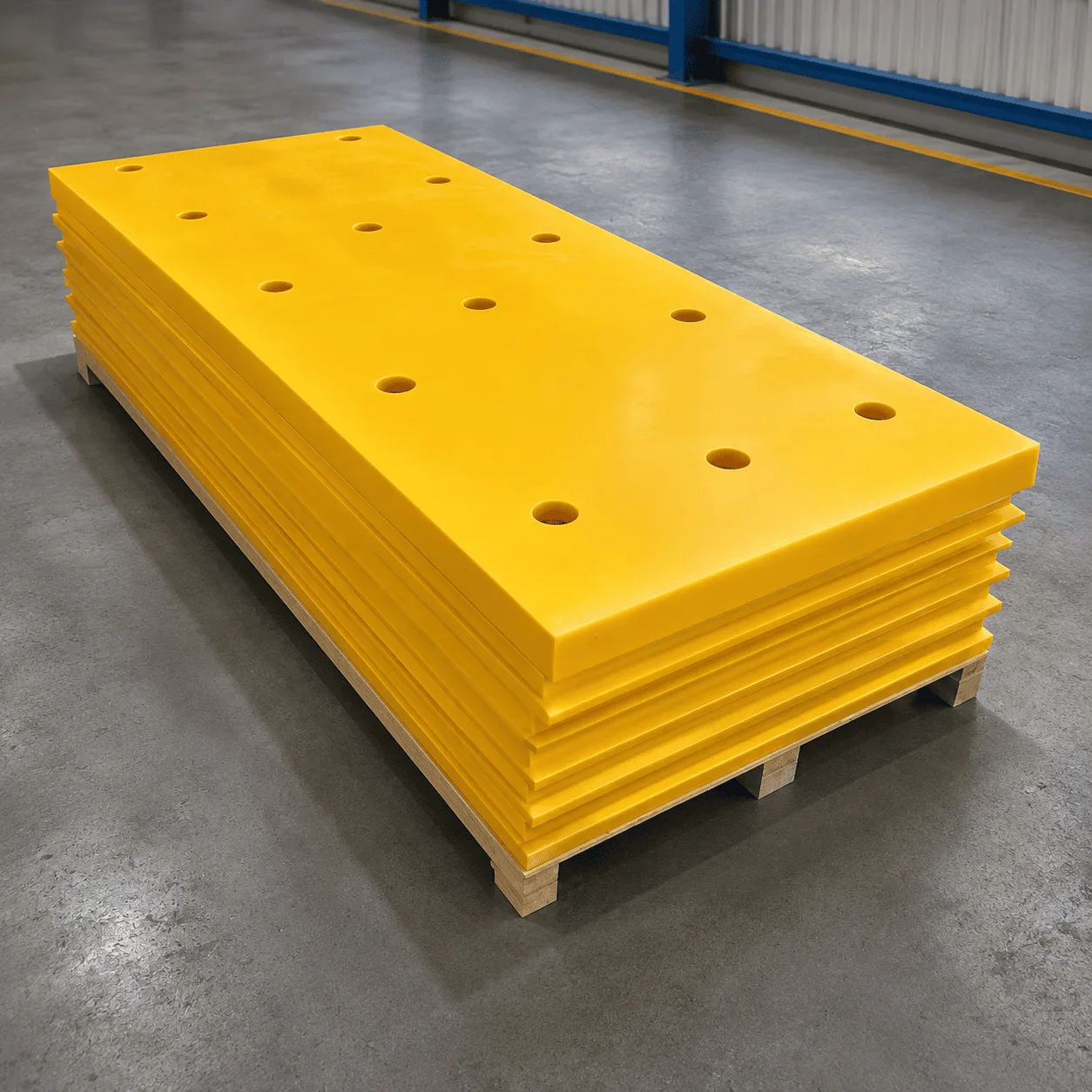
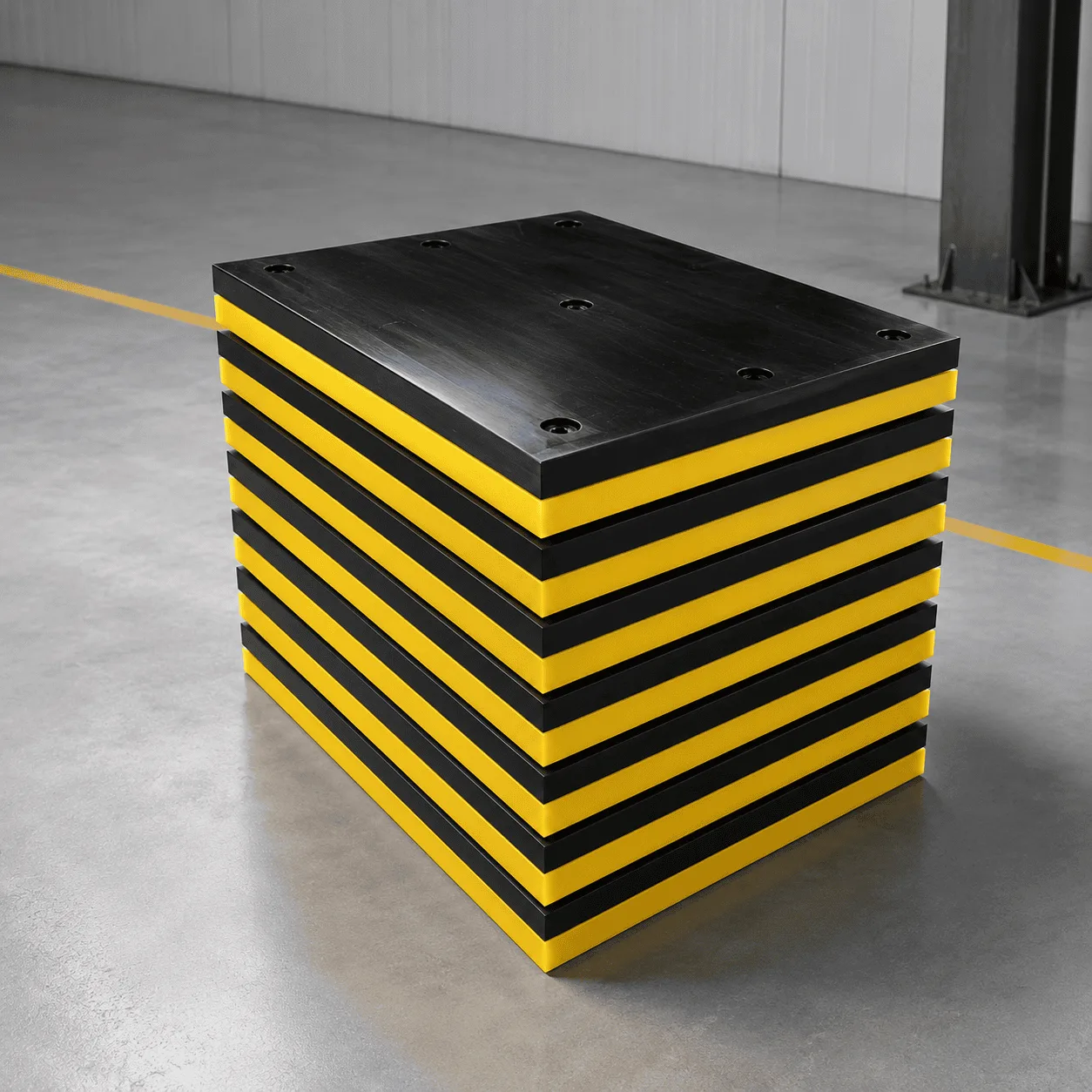
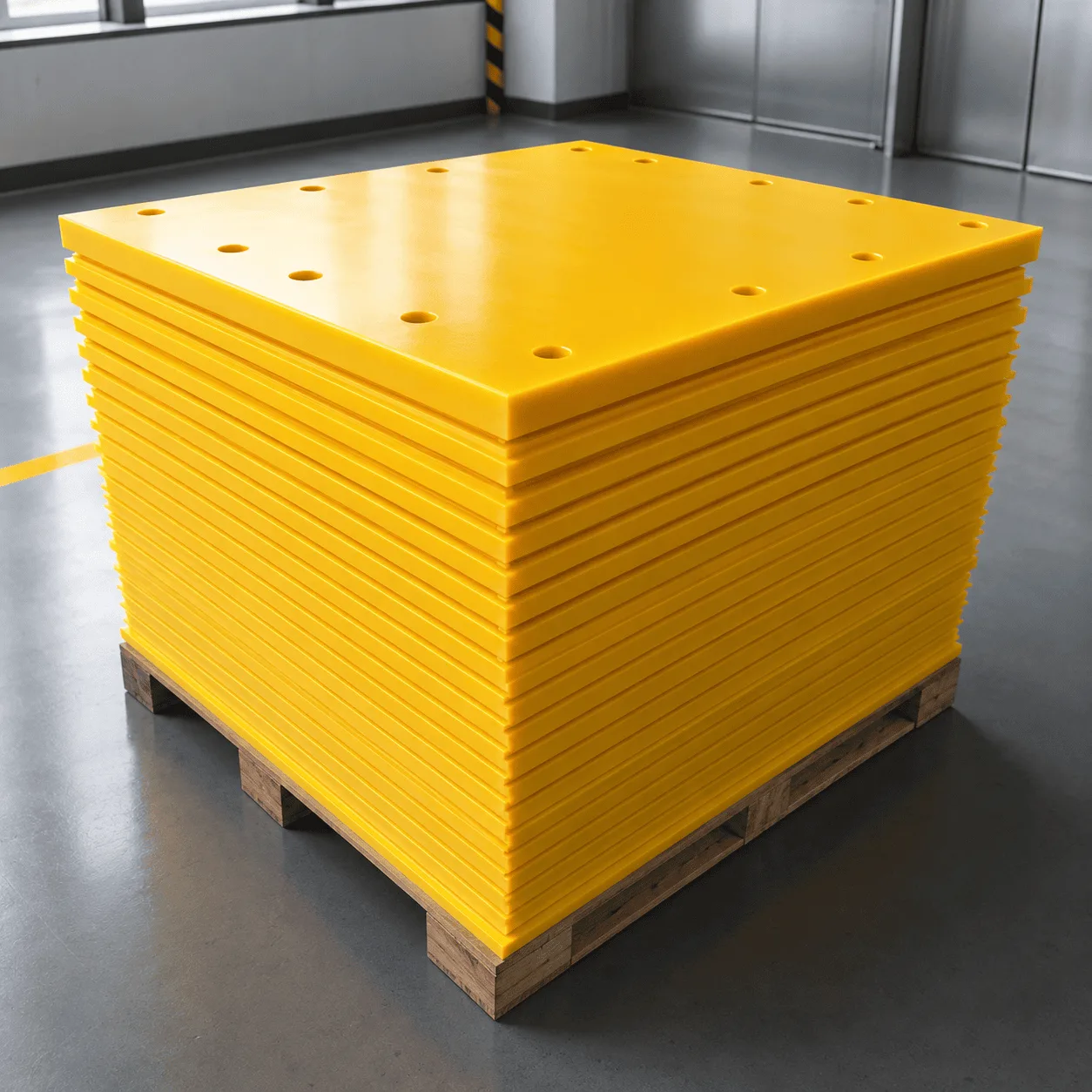
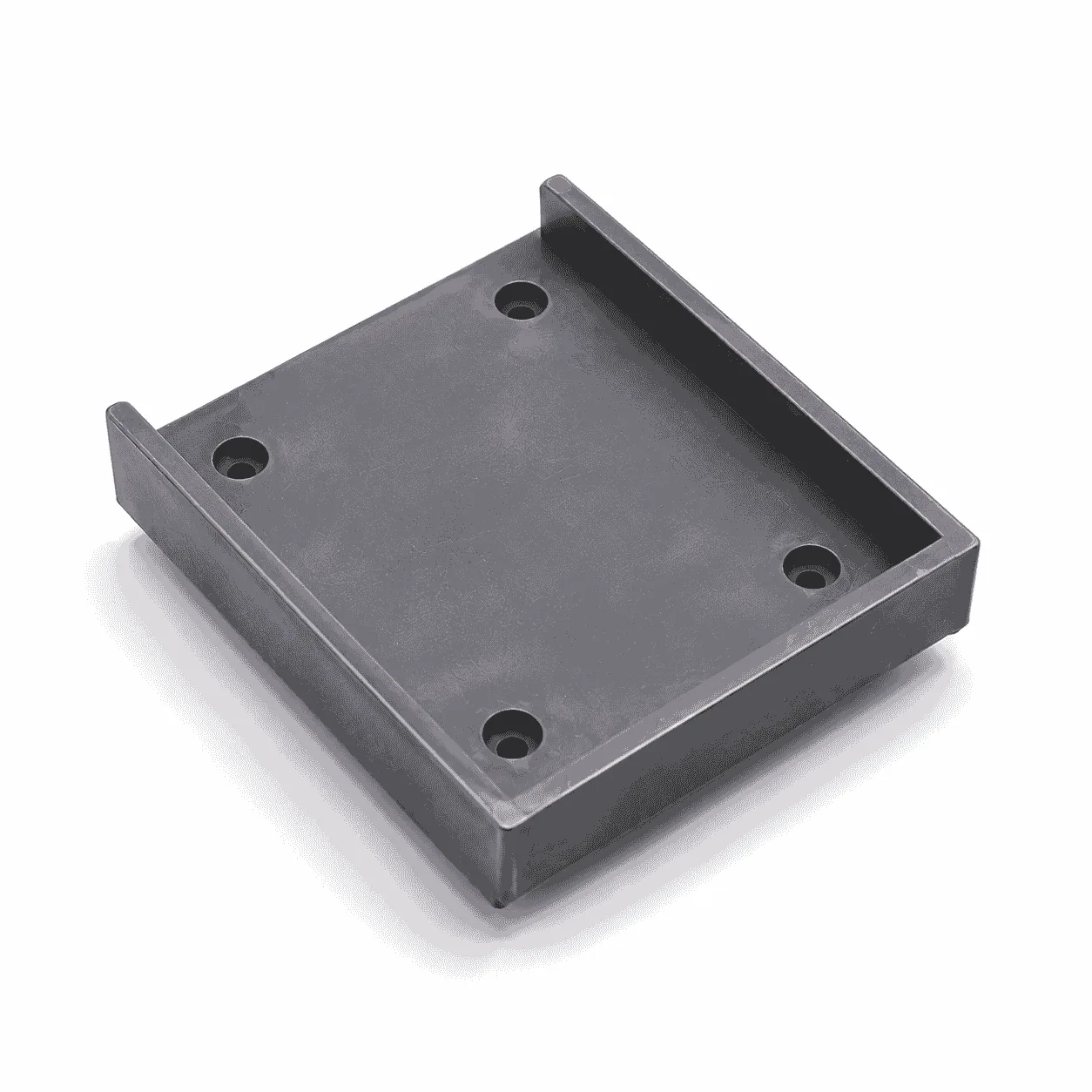
The Low Friction UHMWPE Fender Panel is a UV-resistant and wear-resistant protective panel designed for docks, ports, harbors, quay walls and marine fender systems. Its smooth contact surface helps reduce vessel abrasion, sliding resistance and damage to the supporting fender structure. Different thicknesses, mounting-hole layouts, countersunk holes and CNC-machined profiles are available for marine berthing applications.

Share :

Description

Product Description

Low Friction UHMWPE Fender Panel for Marine Berthing Systems

Low Friction UHMWPE Fender Panel is a durable marine protection component designed for docks, ports, harbors, quay walls, mooring dolphins and vessel berthing systems. Manufactured from UV-resistant ultra-high molecular weight polyethylene, the panel creates a smooth contact surface between the vessel hull and the supporting fender structure. It helps reduce sliding friction, surface abrasion and repeated maintenance while maintaining reliable impact performance in wet and corrosive environments.

Why Use a Low Friction UHMWPE Fender Panel?

During vessel berthing, the hull may move vertically or horizontally against the marine fender face. A rough, damaged or corroded contact surface can increase drag, scratch protective coatings and place unnecessary stress on the rubber fender body, mounting bolts and supporting frame.

The Low Friction UHMWPE Fender Panel provides a smooth sliding surface that allows controlled vessel movement while the main fender system absorbs berthing energy. This replaceable panel separates the vessel-contact surface from the structural fender components, helping protect the complete system from premature wear.

A marine fender is designed to help absorb the kinetic energy generated when a vessel approaches a jetty, quay wall or another berthing structure. More information about this application principle is available in the official Wikipedia explanation of marine fenders.

Low-Friction Surface for Vessel Protection

UHMWPE has a naturally low coefficient of friction and a self-lubricating contact surface. These characteristics allow the vessel hull to move along the panel without excessive resistance. Lower surface friction can help reduce paint scuffing, coating damage and abrasion during repeated berthing operations.

A low-friction surface can also reduce unnecessary shear forces transmitted to the bolts, steel frame and rubber fender assembly. This is especially important at busy container terminals, ferry docks and cargo ports where vessels berth frequently and the fender system is exposed to repeated sliding contact.

Unlike an unprotected steel facing plate, the Low Friction UHMWPE Fender Panel does not require routine surface lubrication and will not rust after exposure to seawater, rain or humid coastal air. Its corrosion-free construction makes it suitable for long-term use in marine terminals, shipyards, ports and offshore facilities.

Excellent Wear Resistance and Impact Performance

Repeated vessel contact can gradually wear the front surface of a marine fender system. UHMWPE is selected for these applications because it combines abrasion resistance with toughness and strong impact performance. It can withstand repeated contact, sliding movement and localized loading without becoming as brittle as some rigid materials.

The long molecular chains of ultra-high molecular weight polyethylene contribute to its toughness, low moisture absorption and low-friction behavior. The general structure, properties and industrial applications of the material are explained in the official Wikipedia article about UHMWPE.

For projects that require sheet material before drilling or CNC machining, buyers can view our UHMWPE sheet products. Suitable sheet thicknesses and dimensions can be selected according to the fender design, fastening method and expected operating conditions.

UV Resistance and Marine Durability

Outdoor fender panels are continuously exposed to sunlight, temperature changes, salt spray, seawater and rainfall. UV-stabilized UHMWPE grades are recommended for prolonged exterior use. Suitable stabilizers and pigments help slow surface degradation and maintain more consistent performance under outdoor conditions.

The Low Friction UHMWPE Fender Panel has extremely low water absorption. It does not easily swell, rot or soften after prolonged exposure to water. The material is also resistant to many chemicals commonly encountered around ports, shipyards and coastal terminals.

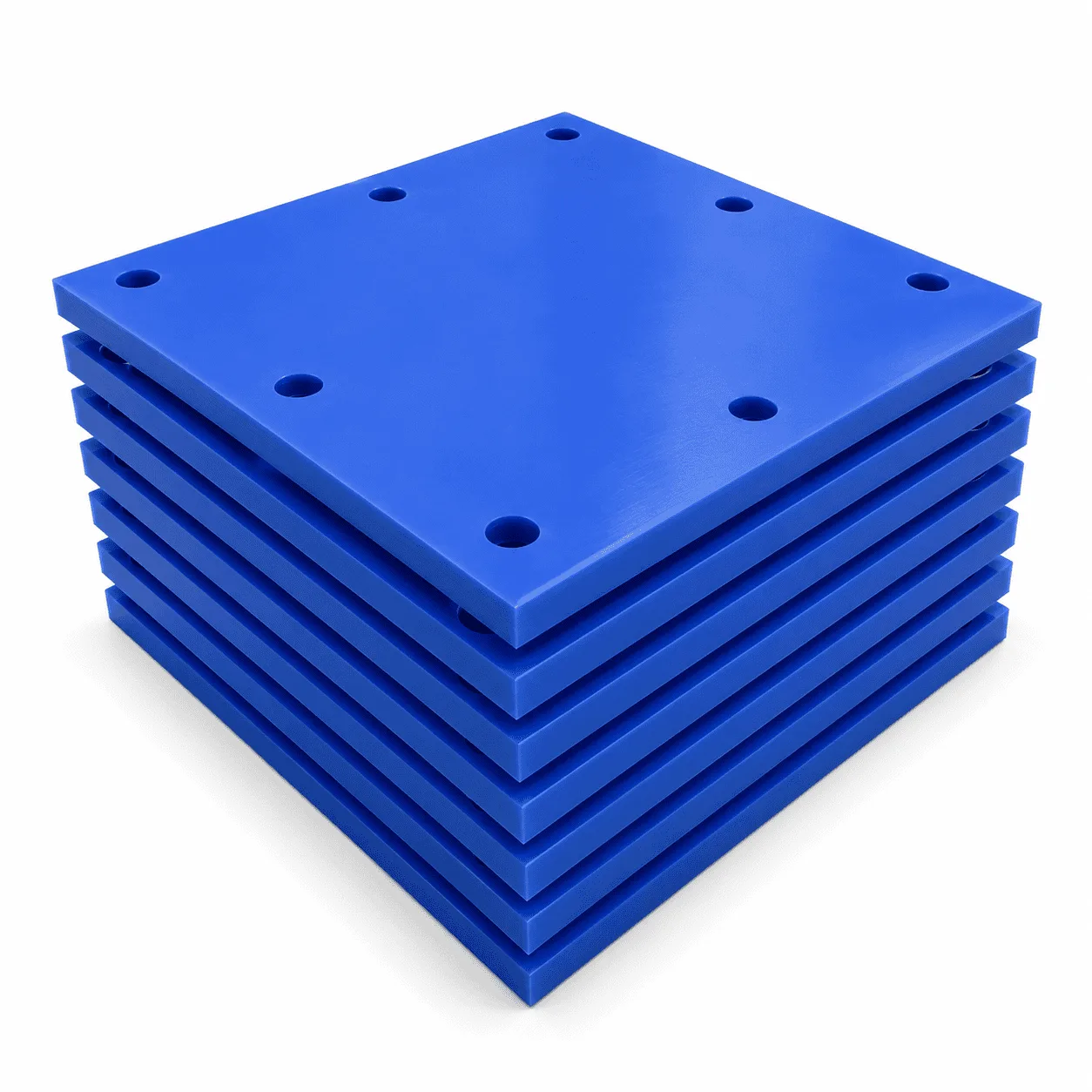
These properties make UHMWPE a practical alternative to timber, painted steel and other contact materials that may absorb moisture, corrode or require frequent surface maintenance. The finished panel can be produced in black, blue, white and other available material colors according to the selected UHMWPE grade and production requirements.

Black UV-stabilized UHMWPE is commonly selected for exterior marine applications because it provides a practical appearance and improved outdoor durability.

Available Sizes and Thicknesses

Panel dimensions should be determined according to the fender frame, rubber fender type, vessel size, berth geometry and mounting-hole layout. Common panel thicknesses generally range from approximately 20 mm to 100 mm. Length and width can be produced according to confirmed drawings and available UHMWPE sheet dimensions.

Final panel dimensions should always be selected according to the engineering design, expected berthing load and supporting structure. Larger frontal frames may require several separate panels rather than one oversized sheet. Divided panel arrangements can simplify transportation, installation and future replacement.

CNC Machining and Mounting-Hole Options

The panel can be machined with different installation and structural features, including:

  • Countersunk mounting holes
  • Standard through holes
  • Recessed and stepped holes
  • Rounded corners
  • Chamfered edges
  • Slots and drainage grooves
  • Curved panel profiles
  • CNC-routed surfaces
  • Precisely positioned bolt holes

Countersunk holes are especially important for marine fender applications. They allow bolt heads and other fasteners to remain below the working surface of the panel. This helps prevent exposed metal fasteners from contacting the vessel hull and reduces the risk of scratching the vessel coating.

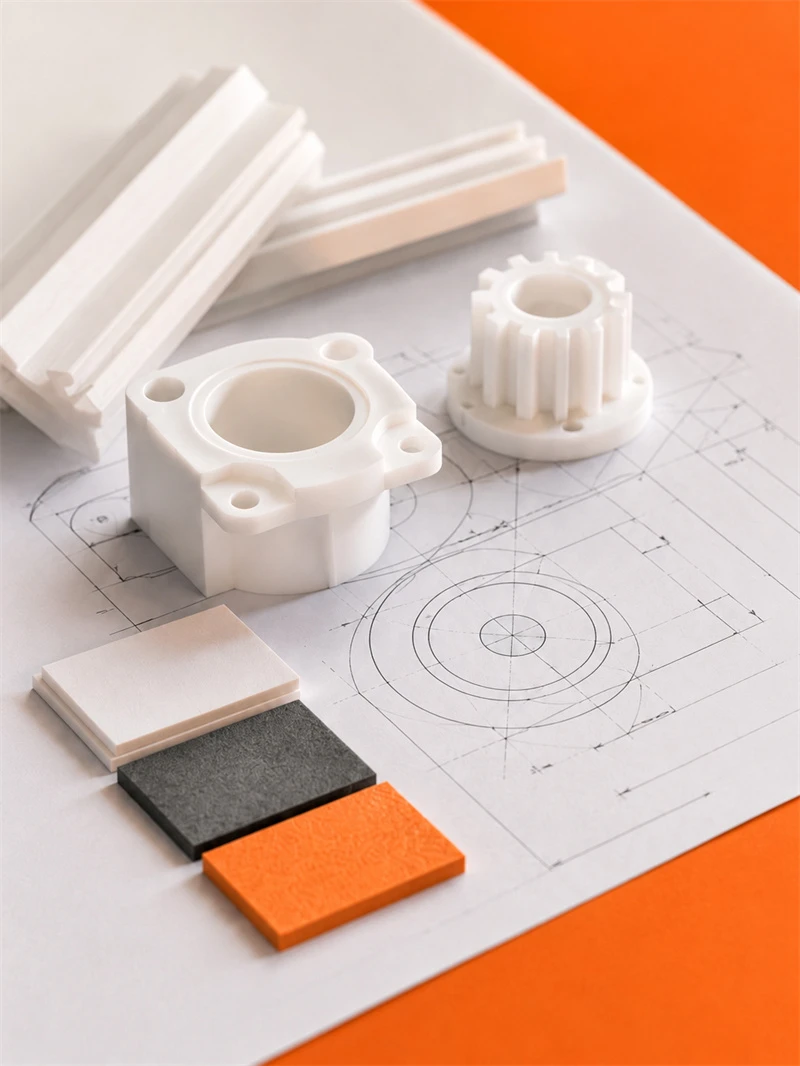
For panels requiring complex hole layouts, curved profiles or special edge processing, our CNC plastic machining service supports drilling, milling, routing, countersinking and edge finishing. CNC processing helps maintain repeatable hole positions and consistent panel dimensions across different production batches.

Installation Considerations

Before installing the Low Friction UHMWPE Fender Panel, the supporting steel frame or rubber fender assembly should be checked for flatness, corrosion, damaged fasteners and alignment. The panel should be supported evenly so that impact loads are transferred through the designed fender structure rather than concentrated around individual bolts.

Fastener material, bolt diameter, washer design and bolt spacing should follow the project engineering requirements. Adequate installation clearance should also be allowed for thermal expansion, particularly on long panels exposed to direct sunlight.

Fasteners should be recessed below the vessel-contact surface and tightened correctly. Excessive tightening should be avoided because it may distort the UHMWPE panel or place unnecessary stress around the mounting holes.

Maintenance and Panel Replacement

Routine inspection should focus on surface wear, loose bolts, enlarged mounting holes, edge damage and abnormal panel movement. Because the facing panel functions as a replaceable wear surface, a damaged or heavily worn panel can often be replaced without removing the complete rubber fender system.

This replaceable design can reduce maintenance time, limit berth downtime and protect the more expensive steel and rubber components behind the panel. Keeping the panel surface clean and checking recessed fasteners regularly can also help maintain smooth contact with the vessel hull.

Typical Marine Applications

The Low Friction UHMWPE Fender Panel is suitable for the following applications:

  • Port and harbor fender systems
  • Quay wall and jetty protection
  • Container terminals
  • Bulk cargo terminals
  • Ferry and passenger vessel berths
  • Shipyard and repair docks
  • Mooring dolphin structures
  • Tugboat and workboat berthing areas
  • Offshore marine structures
  • Rubber fender frontal frames

For another marine protection configuration, view our UHMWPE fender facing panel. This related product page can help buyers compare panel structures, mounting arrangements and application descriptions before selecting a suitable marine fender component.

Reliable Production for Marine Fender Projects

A successful fender facing panel must match the frame dimensions, mounting-hole spacing and installation conditions of the berth. The panels are produced from UHMWPE sheet and processed according to confirmed drawings, samples or dimensional requirements.

Available production processes include sheet cutting, CNC routing, drilling, countersinking, edge finishing and dimensional inspection. Mounting-hole positions, countersink dimensions, panel thickness and overall size should be confirmed before production begins.

The Low Friction UHMWPE Fender Panel combines low friction, wear resistance, impact toughness, low water absorption and corrosion-free performance in one replaceable marine component. With the correct material grade, thickness, hole arrangement and installation method, it provides a dependable contact surface for protecting vessels and extending the working life of marine fender systems.

Quality Control

Quality Control and Delivery Standards

Drawing & Material Check

Check drawings for full specifications and confirm materials according to service conditions to prevent product defects.

Machining Quality Control

Inspect all key processing steps and fully verify dimensions, holes, grooves and fitting surfaces.

Finishing & Batch Control

Deburr, chamfer and clean products for easy installation. Ensure uniform quality among batch products.

Packaging & Delivery

Choose appropriate packaging solutions based on product features to protect goods from collision, deformation and mixing during transit.

Processing Quality Control of Engineering Plastics Parts

Unlike metal parts, engineering plastic components still require strict control over dimensions, holes, edges, surface, materials and assembly performance for equipment use.

application

Applications for Engineering Plastic Parts

Engineering plastic parts suit friction, guide, support, buffer, anti-corrosion and insulation areas. We supply UHMWPE, POM, PA, PP/PE components for conveyor, food, mining, machinery, chemical and cable systems, with custom OEM service available.

Our Blog

Latest News & Knowledge

Stay updated with our latest industry insights, company updates and featured articles.

We Love to Hear From You

Need UHMWPE sheets & custom plastic machined/OEM parts?Send specs & material needs, free quote within 24h.