PP Rod for Industrial Applications
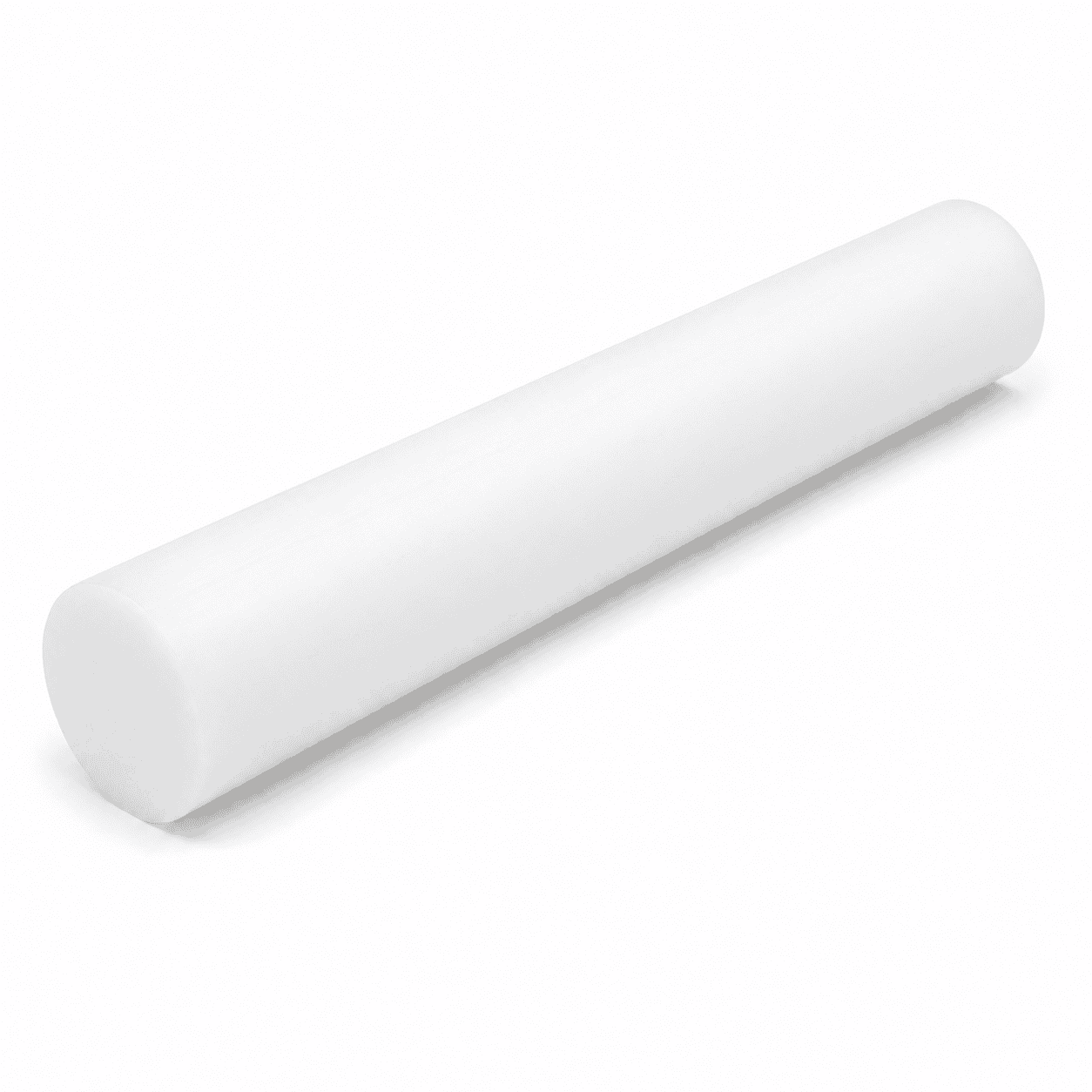
PP Rod is a versatile polypropylene engineering plastic material widely used for industrial machining, chemical equipment, water treatment systems, electrical components and custom plastic parts. It combines low weight, good chemical resistance, low water absorption, electrical insulation and practical machining performance.
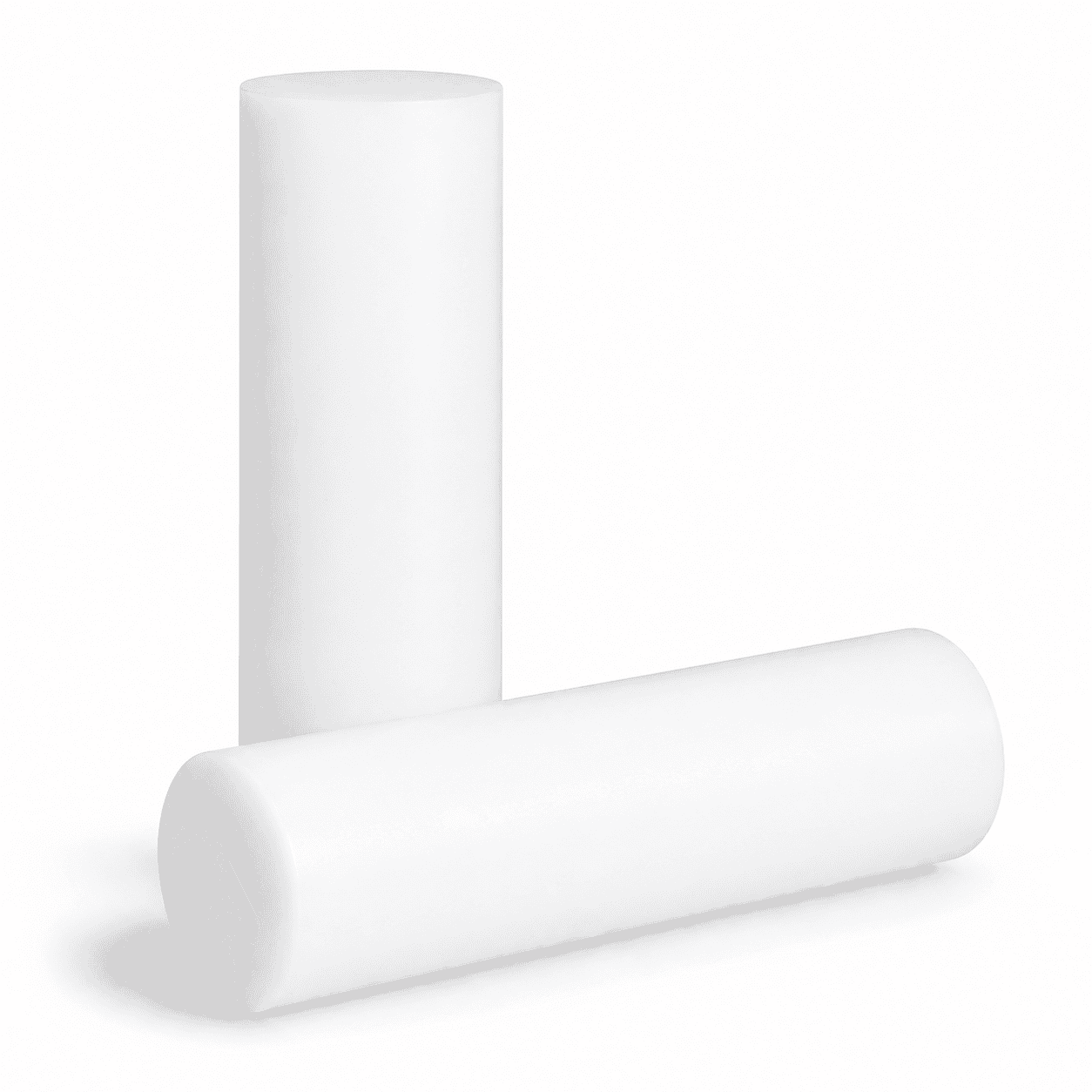
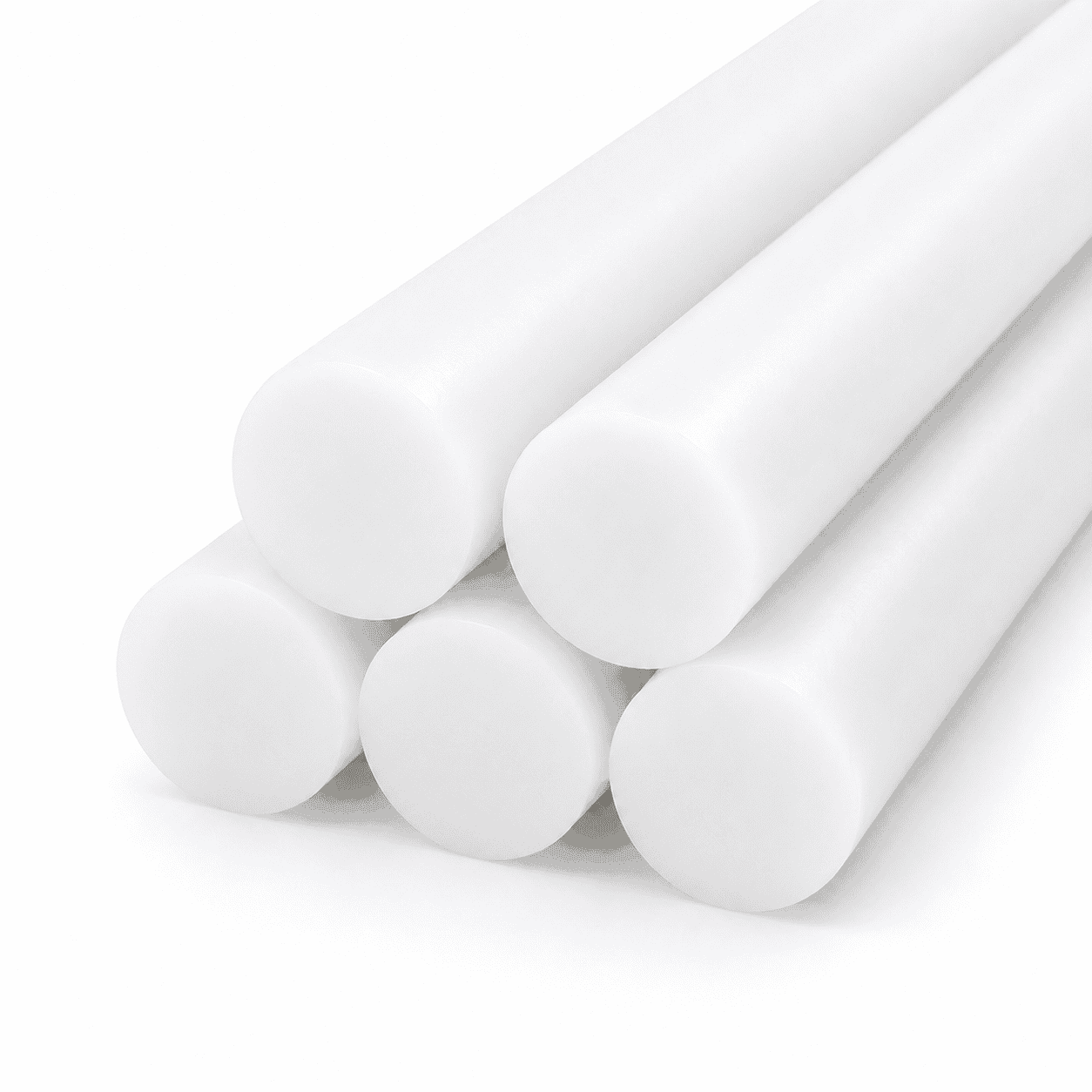
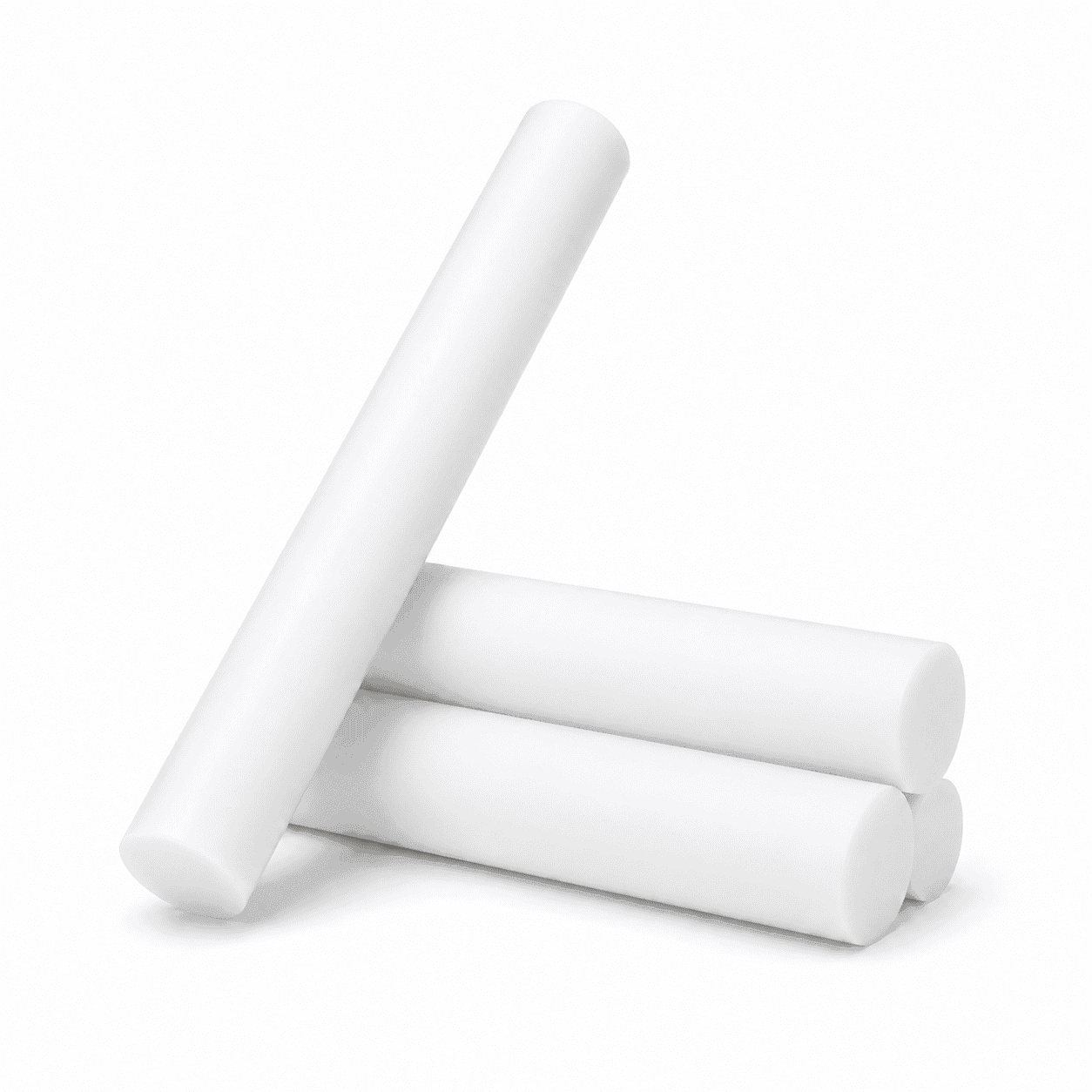
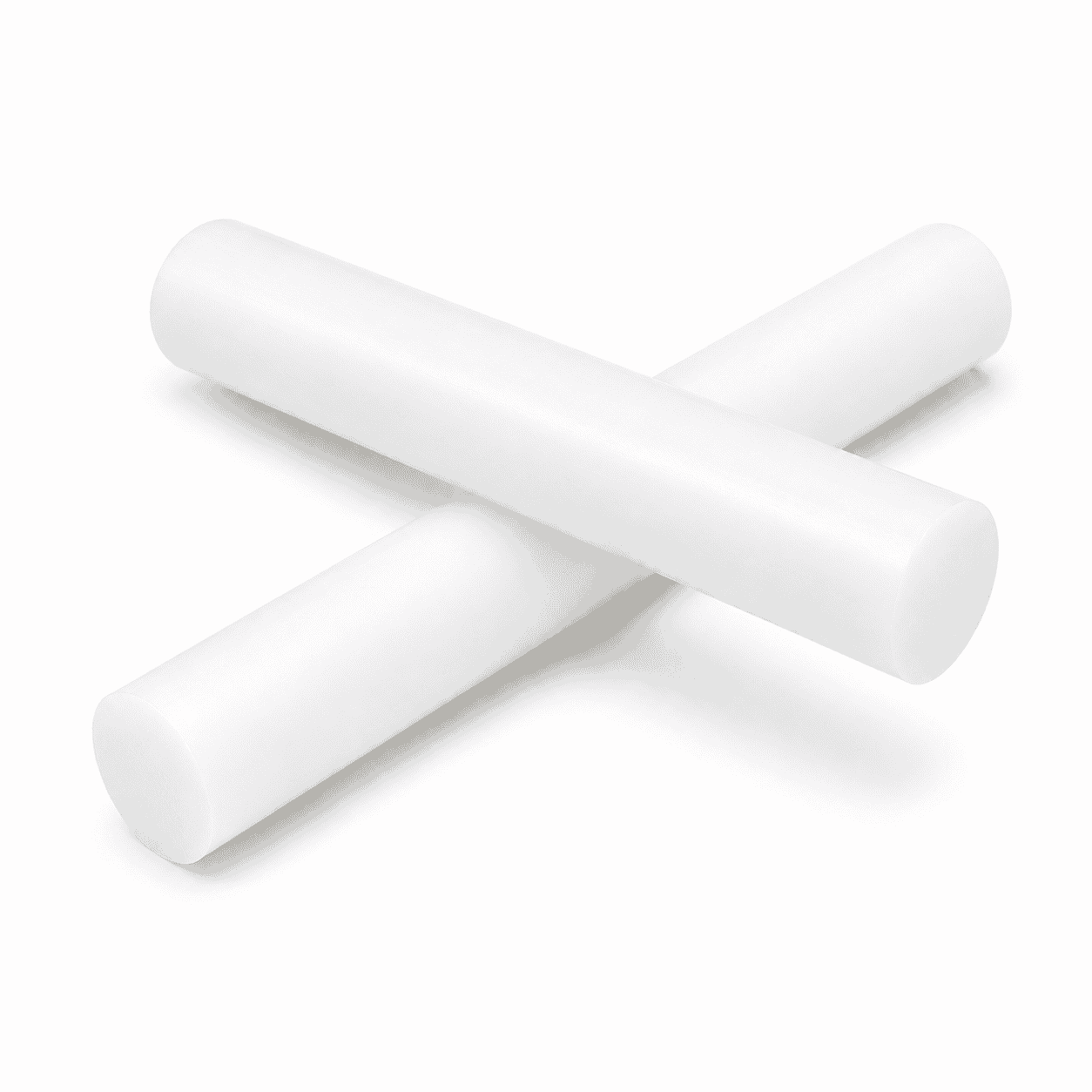
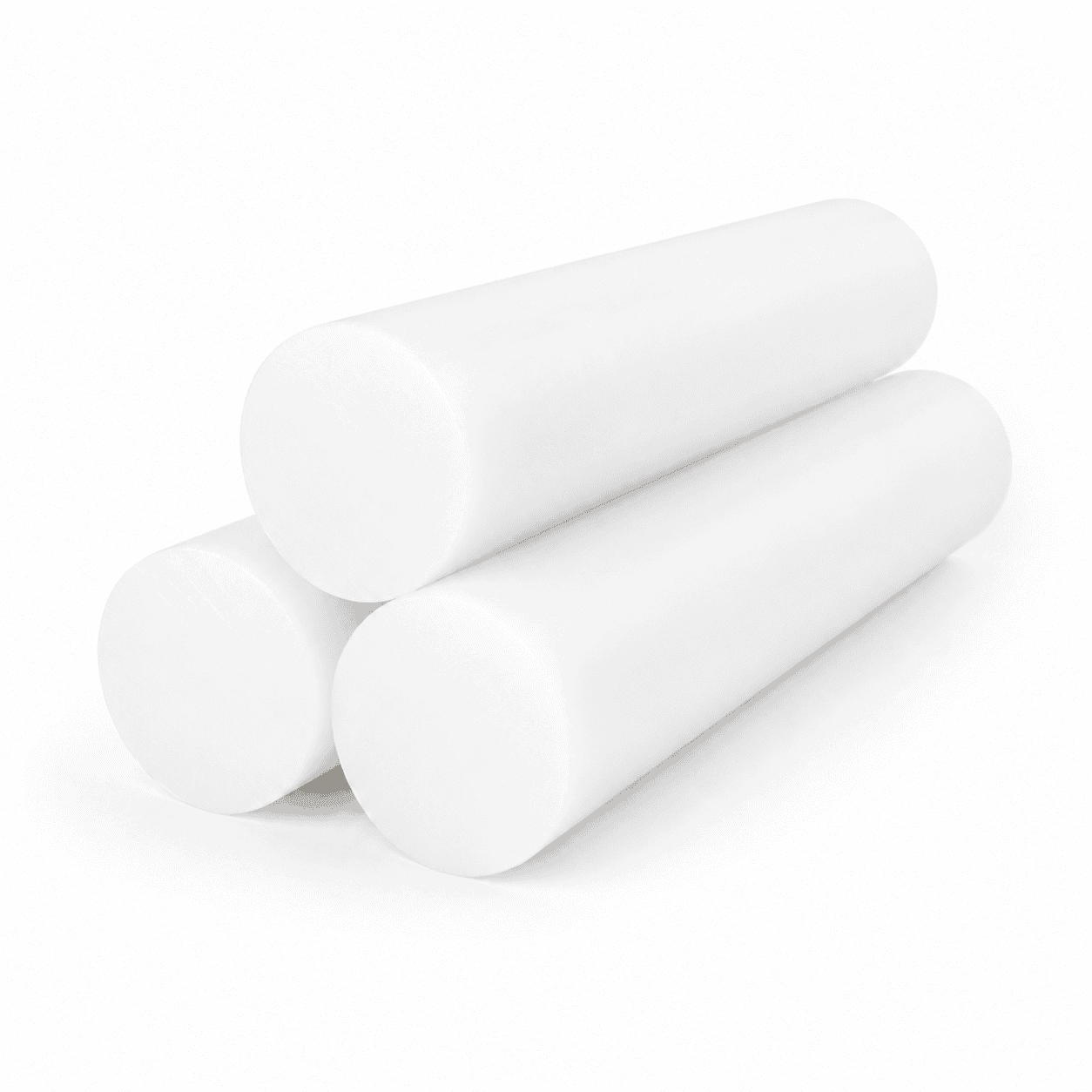
Polypropylene rod is commonly supplied as solid round stock for further processing. It can be cut into different lengths or machined into bushings, rollers, sleeves, spacers, support parts, positioning components and other custom industrial products.
Compared with many metal materials, polypropylene is lighter and does not rust. Compared with some higher-cost engineering plastics, it provides a practical balance between material performance, machining flexibility and cost.
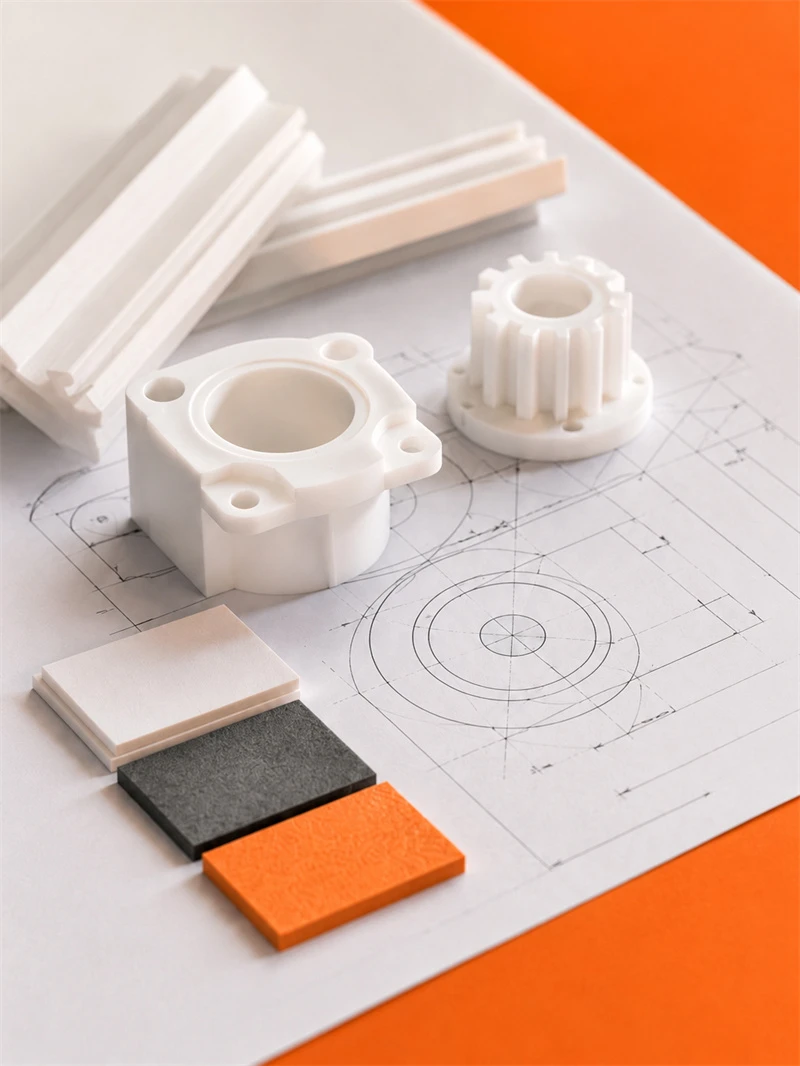
The round shape makes the material particularly suitable for CNC turning. It can also be drilled, milled, grooved and processed into more complex structures according to drawings, 3D models or physical samples.
Customers looking for related materials can also visit our PP Sheet, UHMWPE Rod and CNC Plastic Machining pages.
What Is PP Rod?
PP Rod is a solid round bar manufactured from polypropylene resin, commonly known as PP. Polypropylene is a thermoplastic material with low density, low moisture absorption and resistance to many common industrial chemicals.
The material is widely used as machining stock because it can be processed into many different shapes and dimensions.
Common processing methods include:
- CNC turning
- CNC milling
- Cutting
- Drilling
- Boring
- Grooving
- Chamfering
- Tapping
Because of this processing flexibility, polypropylene round bar is suitable for both simple turned parts and more complex industrial components.
Main Advantages of PP Rod
Good Chemical Resistance
One of the main characteristics of polypropylene is resistance to many common acids, alkalis and industrial chemicals.
This makes the material suitable for selected applications in:
- Chemical processing equipment
- Water treatment systems
- Laboratory equipment
- Industrial machinery
- Fluid handling equipment
- Custom chemical-resistant components
The exact chemical compatibility depends on the chemical type, concentration, operating temperature and exposure time. These conditions should be checked before selecting the final material.
Low Water Absorption
Polypropylene absorbs very little moisture.
This property makes the material suitable for many wet and humid working environments.
Common applications include:
- Water treatment machinery
- Washing systems
- Wet processing equipment
- Outdoor equipment
- Moisture-resistant machine parts
Low water absorption can also help components maintain relatively stable dimensions during use.
Lightweight Performance
Polypropylene has a relatively low density compared with many metal materials.
This makes finished components easier to transport, install and replace.
For moving machine parts, lower weight may also help reduce the overall moving mass of selected equipment designs.
Rust-Free Material
Unlike steel and many other metals, polypropylene does not rust.
This makes it useful for machinery operating around water, moisture and selected chemical environments.
In some applications, replacing metal spacers, sleeves or support parts with plastic components can help reduce corrosion-related maintenance.
Electrical Insulation
Polypropylene provides useful electrical insulation performance.
The material can be machined into selected electrical equipment components such as:
- Insulation sleeves
- Support spacers
- Separation components
- Mounting parts
- Electrical equipment accessories
The final material grade should be selected according to the actual electrical, mechanical and temperature requirements.
Easy CNC Machining
One of the important advantages of round polypropylene stock is its machining flexibility.
The material can be processed through:
- Turning
- Milling
- Drilling
- Boring
- Slotting
- Grooving
- Threading
- Chamfering
This makes it suitable for many types of custom plastic components.
PP Rod Applications
PP Rod is used across a wide range of industrial sectors because it combines chemical resistance, light weight and easy machining.
Chemical Equipment
Chemical equipment is one of the common application areas for polypropylene machined parts.
The material can be processed into:
- Spacers
- Support parts
- Sleeves
- Bushings
- Guide components
- Equipment accessories
The correct dimensions and material grade should be selected according to the actual chemical conditions.
Water Treatment Systems
Polypropylene round stock can be machined into components for water treatment and environmental equipment.
Typical products include:
- Plastic rollers
- Support sleeves
- Spacers
- Bushings
- Positioning parts
- Guide components
Low moisture absorption and rust-free performance make the material useful for many wet industrial environments.
Industrial Machinery
The material can be processed into various components for general machinery.
Common products include:
- Plastic bushings
- Rollers
- Sleeves
- Spacers
- Support parts
- Positioning components
- Custom machine accessories
The final product design should consider operating load, temperature, speed and dimensional requirements.
Packaging Machinery
Packaging equipment often uses plastic components for guiding, separating and supporting products during operation.
Polypropylene round material can be machined into:
- Guide rollers
- Support rollers
- Spacing sleeves
- Positioning parts
- Plastic collars
- Custom equipment components
Automation Equipment
In automation systems, polypropylene can be used for selected custom parts that require low weight, corrosion resistance and practical machining.
Possible products include:
- Positioning sleeves
- Support spacers
- Guide components
- Insulation parts
- Custom mechanical accessories
Electrical Equipment
Because polypropylene is an insulating plastic material, it can also be used for selected electrical applications.
Common components include:
- Insulation sleeves
- Mounting spacers
- Support components
- Separation parts
- Electrical equipment accessories
PP Rod for CNC Turning
PP Rod is particularly suitable for CNC turning because the raw material is supplied in a round shape.
Typical turned components include:
- Bushings
- Sleeves
- Rollers
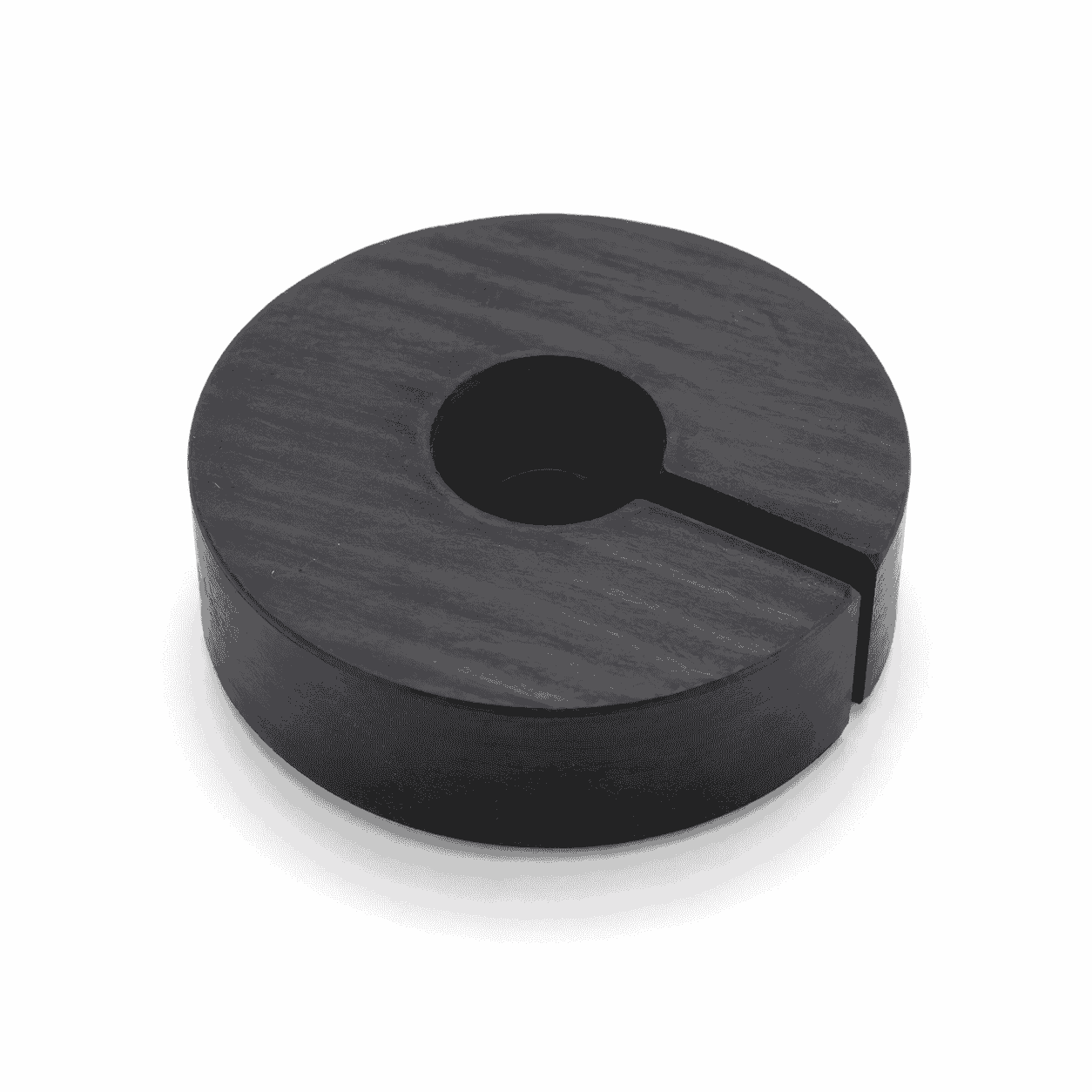
- Collars
- Spacers
- Round support parts
- Positioning components
Machined structures may include:
- Internal holes
- Stepped outer diameters
- External grooves
- Internal grooves
- Threads
- Chamfers
- Flat surfaces
For more complex components, turning can be combined with CNC milling and drilling.
For more information about custom processing, visit our CNC Plastic Machining page.
Custom PP Rod Parts
Polypropylene round bar can be processed according to drawings, models or physical samples.
Customers can provide:
- 2D drawings
- 3D models
- Physical samples
- Required dimensions
- Tolerance requirements
- Required quantity
- Application information
These details help determine the suitable starting diameter and machining process.
For precision components, complete technical drawings are recommended.
The drawings should clearly show:
- Overall dimensions
- Outer diameters
- Inner diameters
- Hole positions
- Groove dimensions
- Thread specifications
- Tolerance requirements
Available Diameters and Lengths
The material can be supplied in different diameters and lengths.
The correct size depends on:
- Final product diameter
- Required product length
- Machining allowance
- Component structure
- Mechanical load
- Production quantity
For CNC turning, the starting diameter should normally be slightly larger than the final product size.
This provides sufficient allowance for machining and surface finishing.
How to Choose PP Rod
Consider the Mechanical Load
The expected operating load should be evaluated before selecting the rod diameter and component structure.
Consider the Working Temperature
The continuous operating temperature and maximum temperature should be checked before material selection.
Consider the Chemical Environment
The chemical type, concentration and operating conditions should be evaluated.
Consider the Final Dimensions
The starting diameter should provide enough allowance for machining.
Consider the Machining Method
Parts produced mainly by turning may require a different starting size from components that require extensive milling.
Consider the Required Tolerance
Precision components may require additional dimensional control during production.
PP Rod Compared with Metal Rod
In selected applications, polypropylene can offer several advantages over metal.
These include:
- Lower weight
- No rust
- Low water absorption
- Good chemical resistance
- Electrical insulation
- Easy machining
- Reduced noise in selected equipment
However, plastic does not replace metal in every application.
The final choice should consider mechanical load, working temperature, dimensional requirements and equipment design.
PP Rod Compared with Other Plastic Rods
Different engineering plastics provide different performance characteristics.
Polypropylene is often selected when applications require:
- Good chemical resistance
- Low moisture absorption
- Lightweight performance
- Electrical insulation
- Easy machining
- Practical material cost
For applications requiring greater wear resistance, customers may consider UHMWPE Rod.
For sheet fabrication, customers can also view our PP Sheet product page.
Other possible engineering plastics include:
- PE Rod
- POM Rod
- Nylon Rod
- PTFE Rod
- PEEK Rod
External Technical Resources
For general technical background about polypropylene, you can read the Polypropylene overview on Wikipedia.
You can also review the polypropylene reference from Encyclopaedia Britannica for additional information about this material family.
These are standard external links without a nofollow attribute, so they can be treated as DoFollow links by search engines.
Why Choose PP Rod?
This material is widely used for industrial machining because it offers:
- Good chemical resistance
- Low water absorption
- Lightweight performance
- Rust-free operation
- Electrical insulation
- Easy CNC turning
- Flexible machining options
These characteristics make it suitable for chemical equipment, water treatment systems, industrial machinery, automation systems, electrical equipment and custom plastic components.
Frequently Asked Questions
What is PP Rod used for?
It is commonly used for bushings, rollers, sleeves, spacers, support parts, chemical equipment components and custom CNC machined plastic parts.
Can polypropylene rod be CNC machined?
Yes. It can be turned, milled, drilled, bored, grooved and processed into many different structures.
Is it chemical resistant?
The material offers resistance to many common chemicals. The exact chemical type, concentration and working temperature should be checked before use.
Does polypropylene absorb water?
It has very low water absorption and can be used in many wet and humid environments.
Can different diameters be supplied?
Yes. Different diameters and lengths can be selected according to machining requirements.
Can it be processed into custom parts?
Yes. Components can be manufactured according to drawings, 3D models or physical samples.
Is it suitable for bushings and sleeves?
Yes. Bushings, sleeves, spacers and rollers are common products machined from polypropylene round stock.
Is PP Rod suitable for electrical parts?
It can be used for selected insulation and support components, depending on the electrical and temperature requirements.
Conclusion
PP Rod is a versatile polypropylene engineering plastic material for CNC machining, chemical equipment and industrial components.
It combines chemical resistance, low water absorption, light weight, electrical insulation and practical machining performance.
The material can be supplied as standard round stock or processed into bushings, rollers, sleeves, spacers, support parts and custom components.
Different diameters, lengths and machining methods can be selected according to drawings, samples and final application requirements.
For related materials and services, you can also visit our PP Sheet, UHMWPE Rod and CNC Plastic Machining pages.