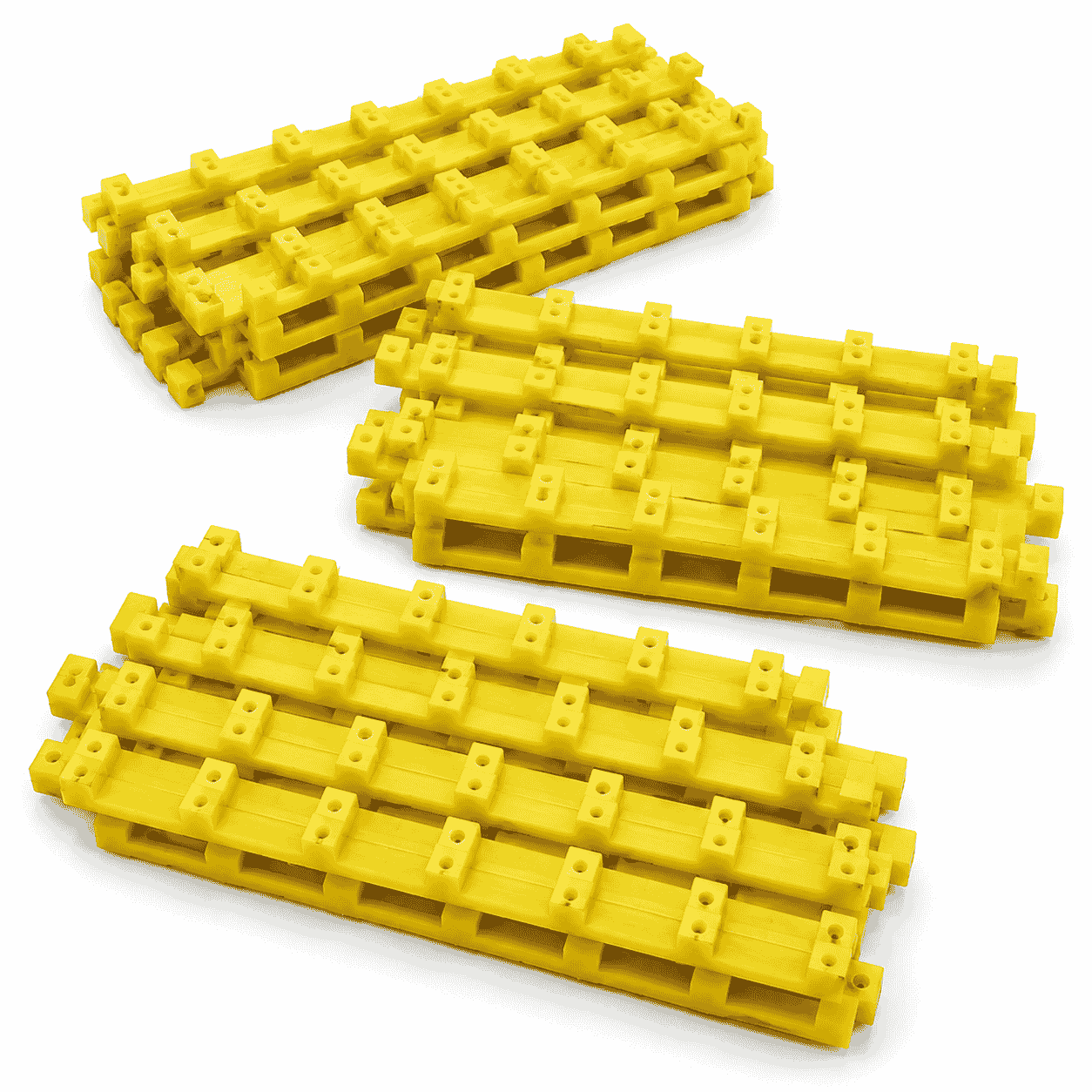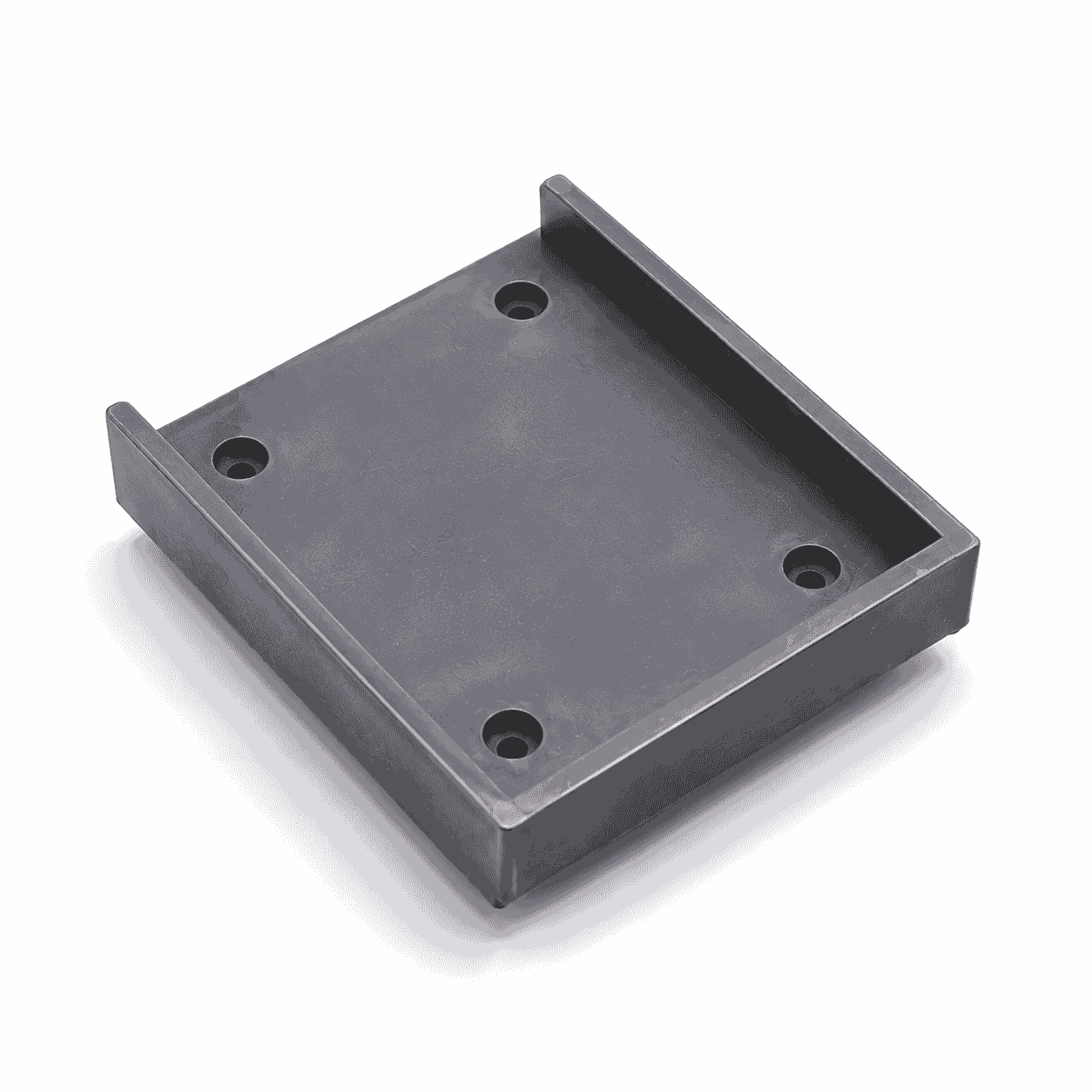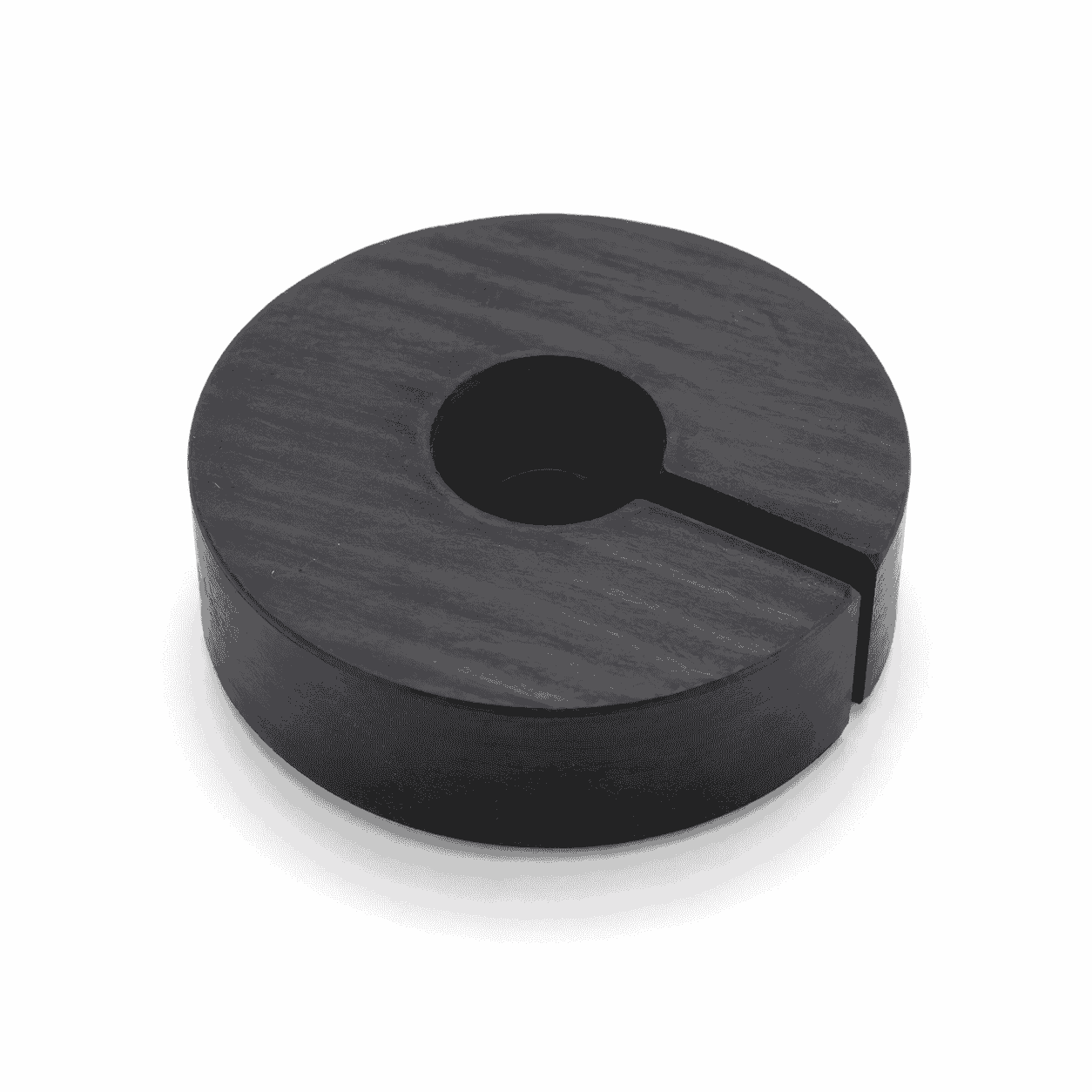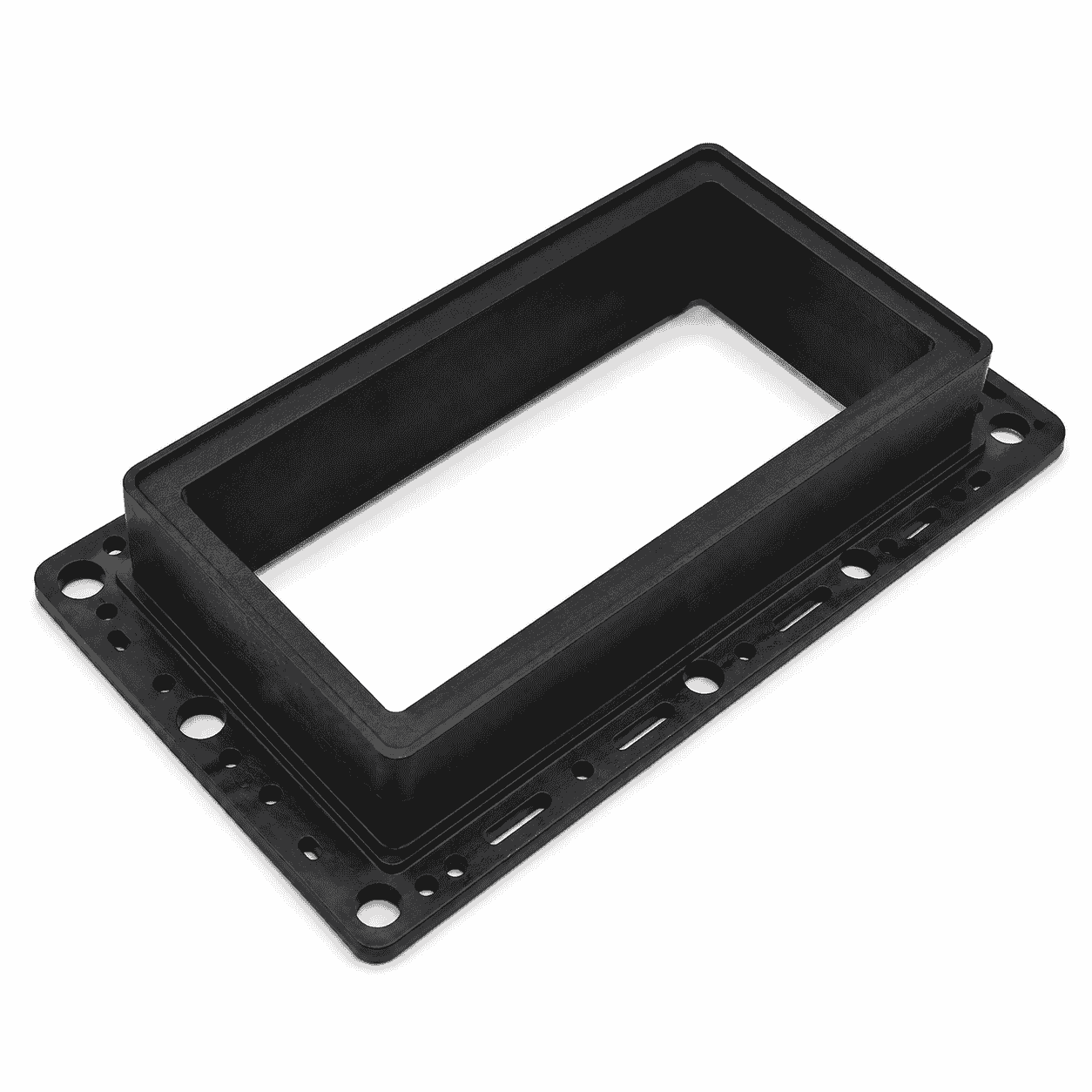


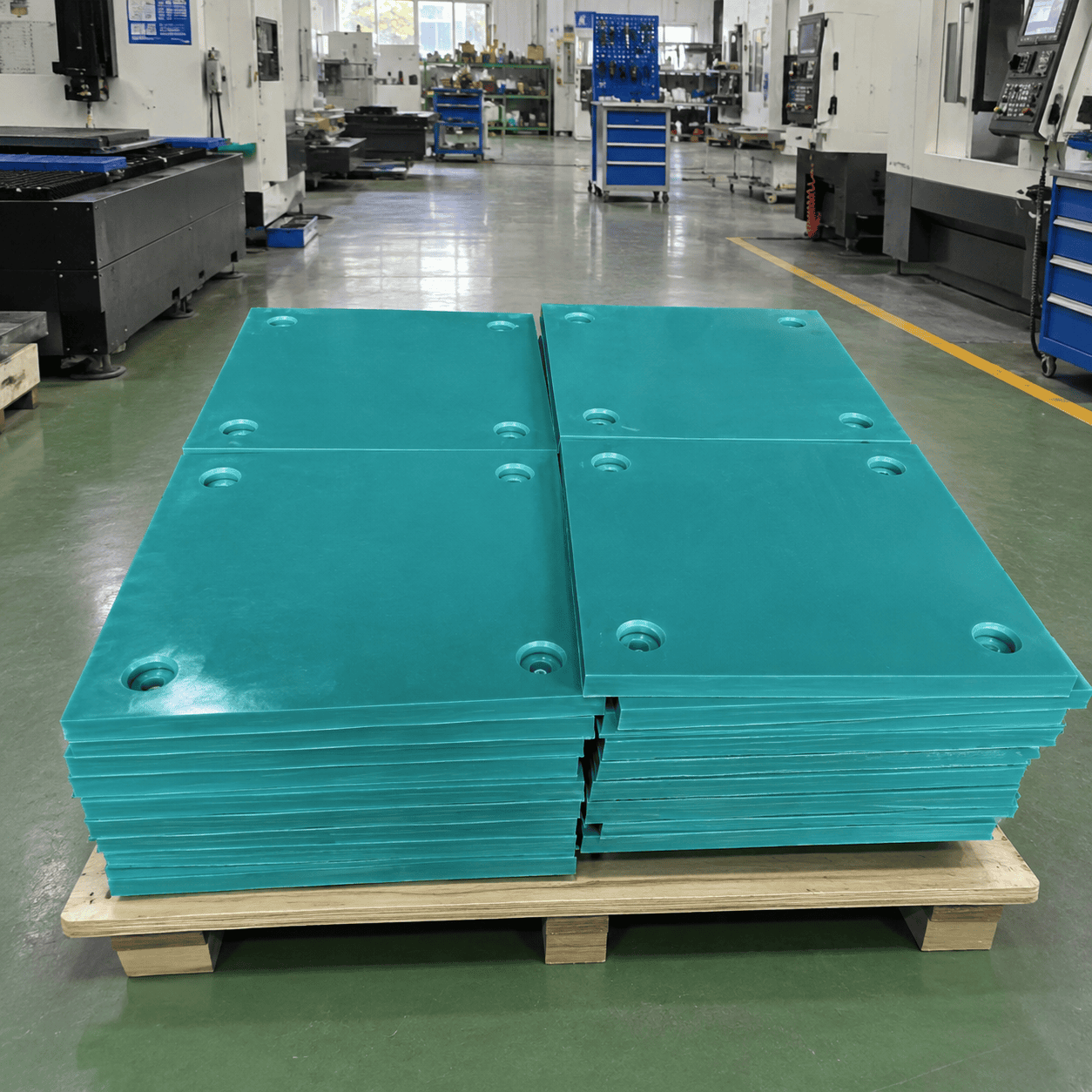
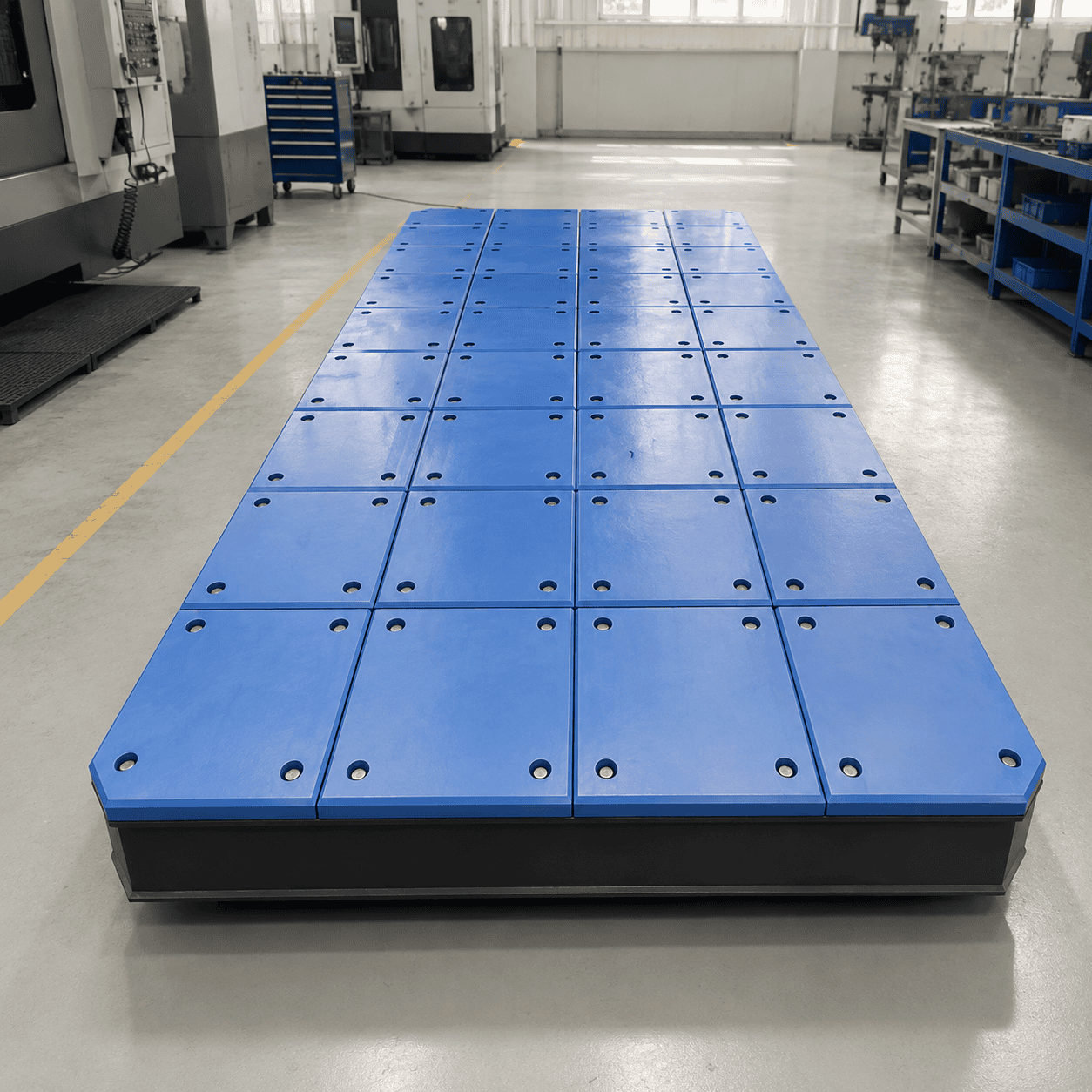
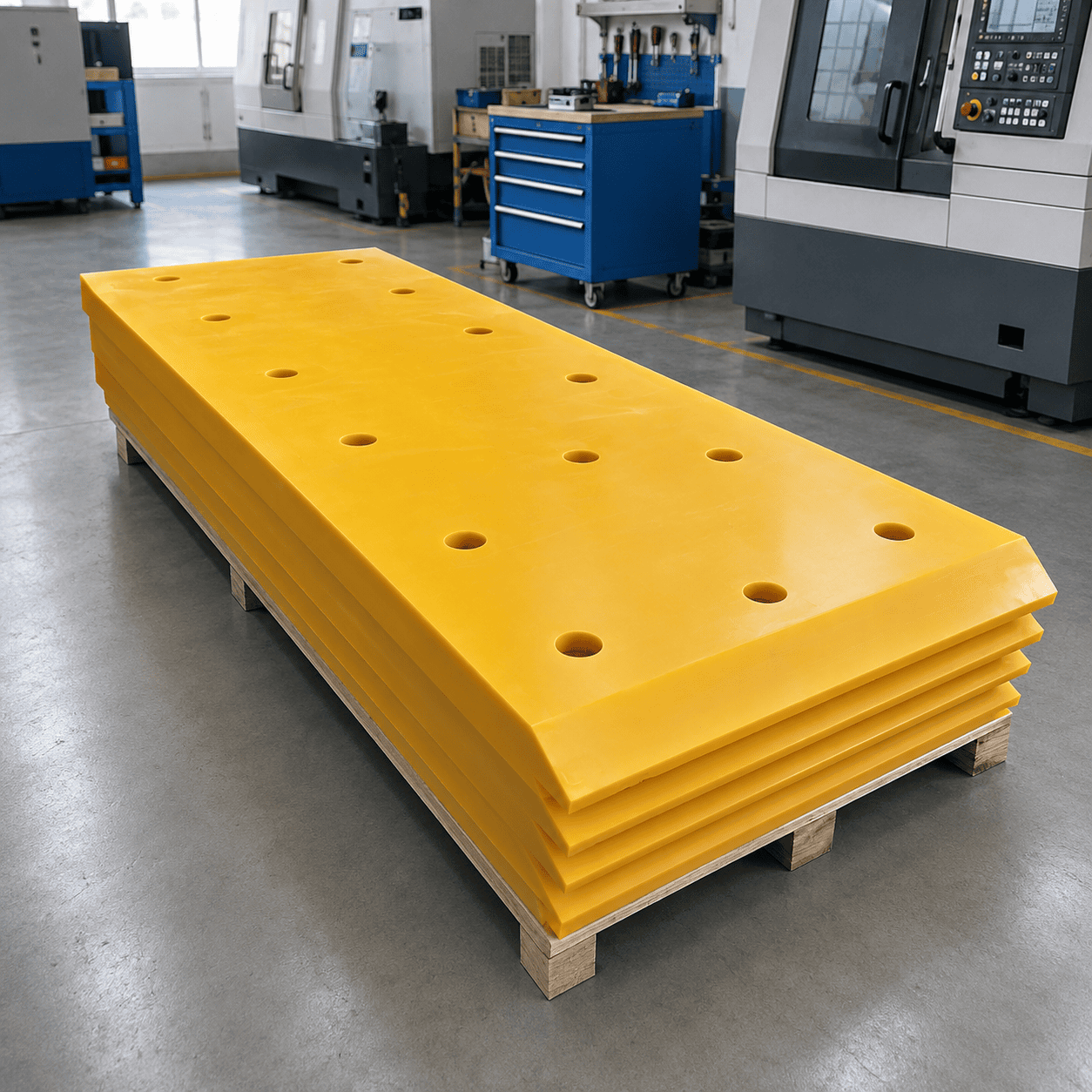
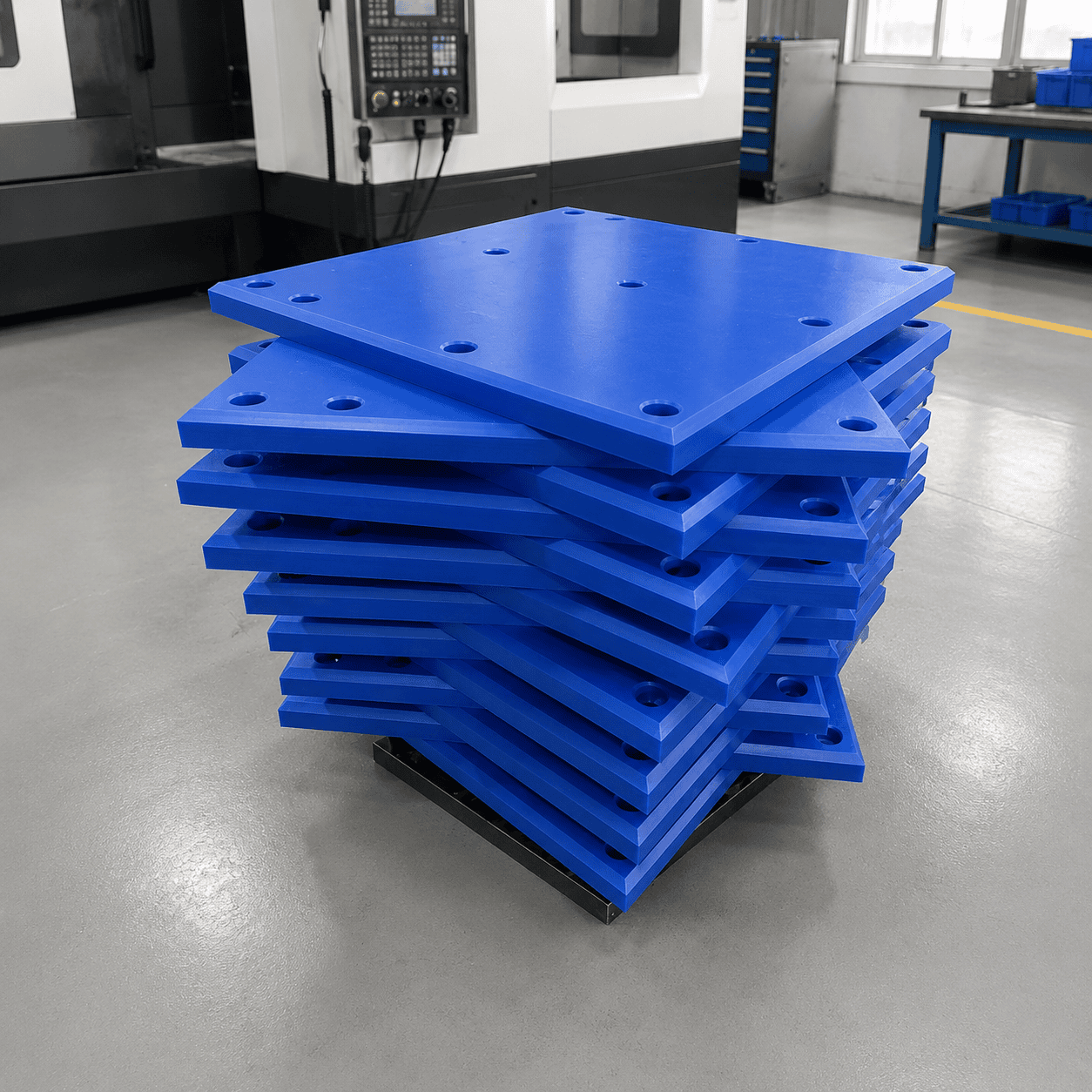
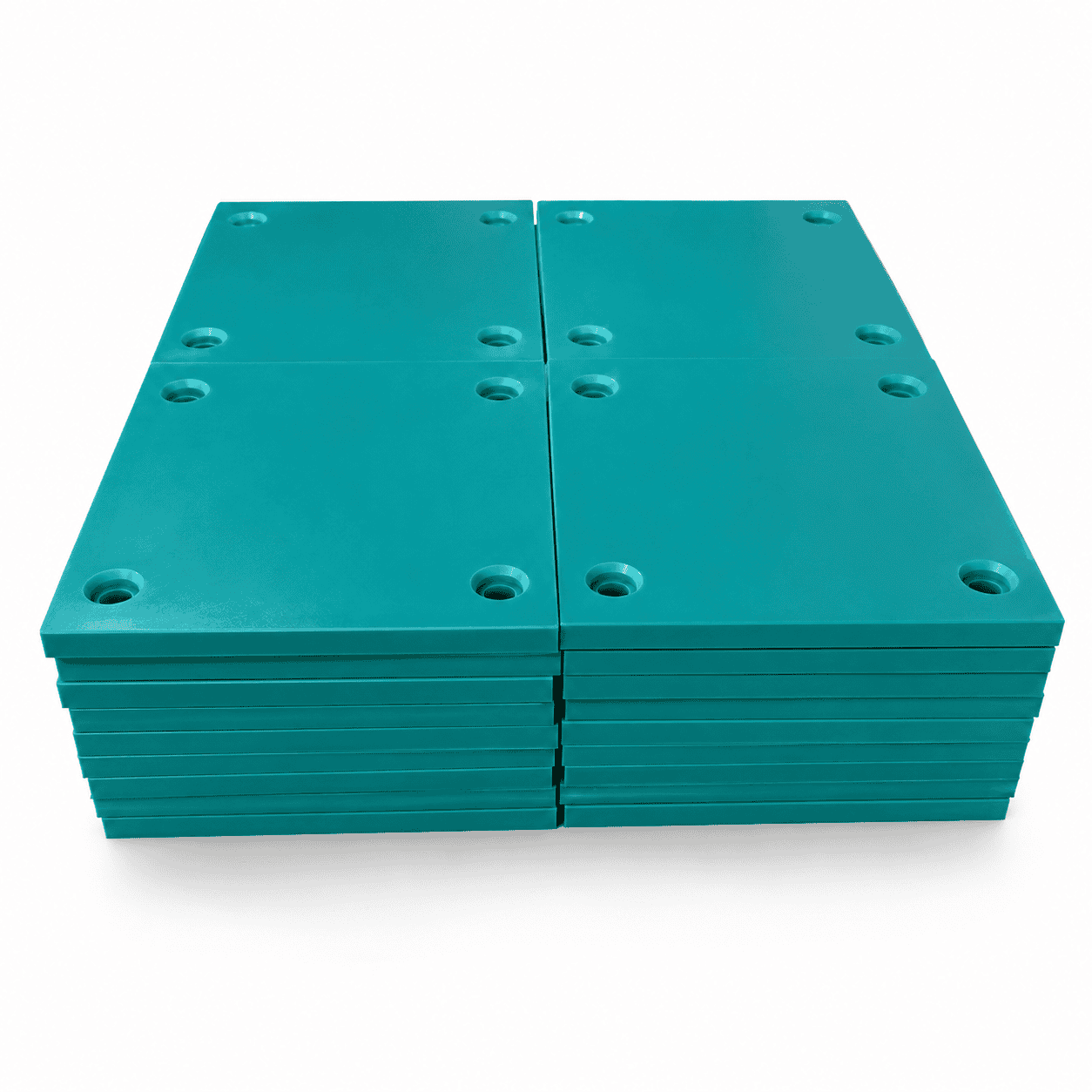
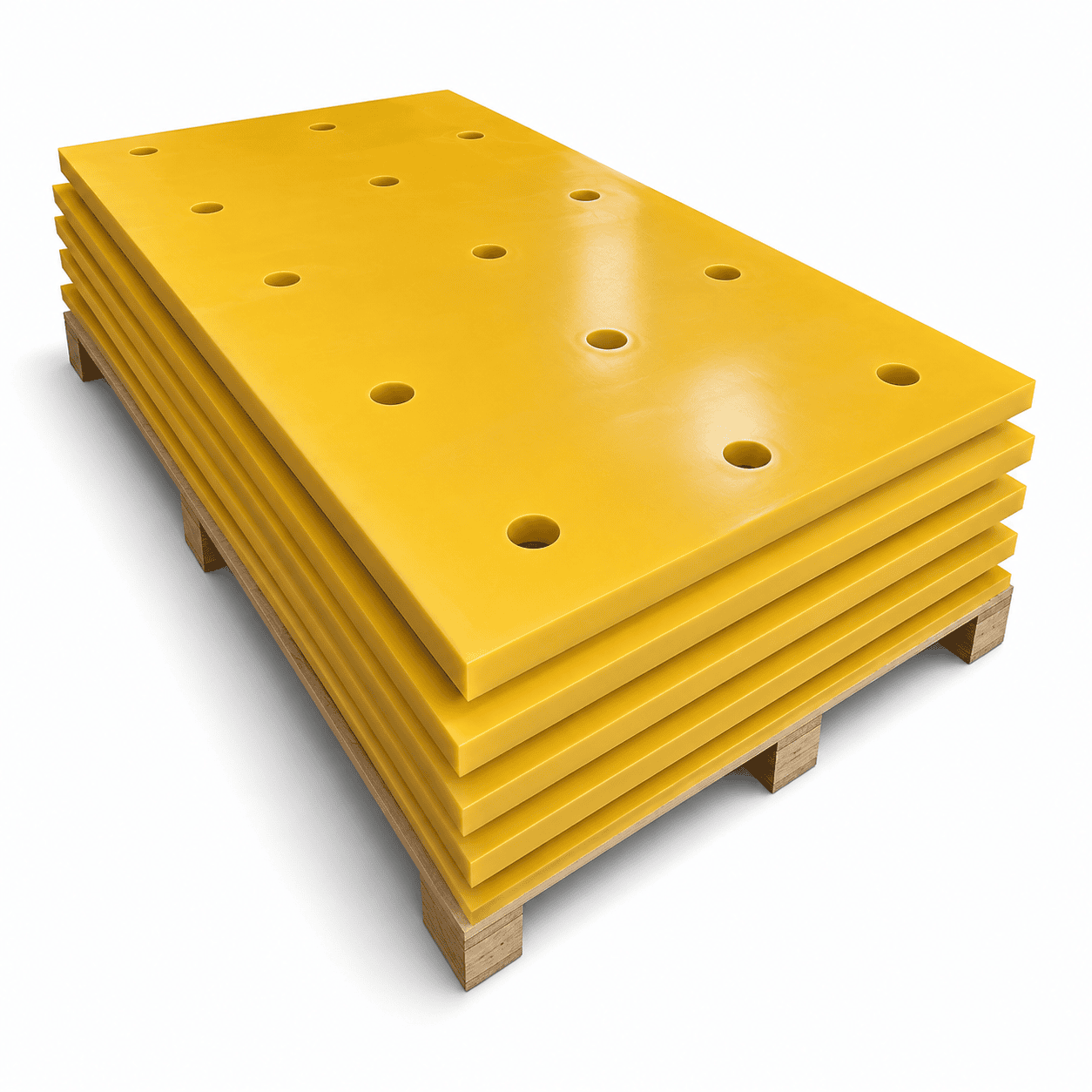
UHMWPE Marine Fender Pad is a durable water-resistant and impact-resistant engineering plastic component designed for docks, marine fender systems, quay walls, berthing areas and vessel protection structures. Made from ultra-high molecular weight polyethylene, it offers excellent wear resistance, low friction, very low water absorption, strong impact toughness and reliable performance in wet and seawater environments. Different sizes, thicknesses, mounting holes and machined structures can be produced according to drawings and marine project requirements.
UHMWPE Marine Fender Pad is a durable engineering plastic component designed for docks, marine fender systems, quay walls, berthing areas and other vessel protection structures. Made from ultra-high molecular weight polyethylene, the pad combines excellent wear resistance, strong impact toughness, low friction, very low water absorption and reliable performance in wet and seawater environments.
Dock structures and marine fender systems are regularly exposed to rain, seawater, humidity, repeated vessel contact and mechanical impact. In these environments, contact components need to resist moisture while also providing sufficient toughness for repeated use.
The UHMWPE pad can be installed as a protective contact surface, wear pad, fender pad, sliding plate or replaceable marine component. Its low-friction surface helps reduce sliding resistance, while the tough material helps protect the original dock or fender structure from repeated wear.
Compared with ordinary metal contact plates, UHMWPE pads are lighter and do not rust. Compared with many conventional plastic materials, ultra-high molecular weight polyethylene provides a useful combination of impact resistance, wear resistance and low-friction performance.
The product can be manufactured as a simple flat pad or processed with mounting holes, counterbores, countersunk holes, chamfers, rounded corners, grooves and other structures according to marine engineering drawings.
Customers looking for related products can also visit our UHMWPE Sheet, UHMWPE Fender Facing Panel and CNC Plastic Machining pages.
A UHMWPE Marine Fender Pad is a water-resistant, wear-resistant and impact-resistant plastic component used in dock and marine protection systems.
Its main functions may include:
The pad can be fixed to marine structures through bolts, screws or other mechanical mounting systems.
Common installation positions include:
The final product dimensions and structure are normally selected according to the vessel type, dock design, fender system and project requirements.
One of the important advantages of UHMWPE is its very low water absorption.
Marine fender pads may remain exposed to seawater, rain and humidity for long periods. A material with low moisture absorption is useful because it helps the component maintain stable performance in wet environments.
This makes the material suitable for:
The material does not absorb water in the same way as many moisture-sensitive materials.
Marine fender systems are exposed to repeated contact and impact during vessel berthing.
UHMWPE provides strong toughness and good impact resistance, making it suitable for many marine applications where brittle plastic materials may not perform reliably.
The correct pad specification should consider:
The plastic pad works as part of the complete marine fender system, so the full installation structure should be evaluated before final selection.
Dock and marine fender components may experience repeated friction from vessel movement.
UHMWPE is widely selected for wear applications because it provides excellent resistance to repeated sliding and surface contact.
A durable wear surface can help protect:
The pad can also act as a replaceable wear component in selected systems.
Ultra-high molecular weight polyethylene has a naturally low coefficient of friction.
This characteristic is important for marine applications because vessels may move against the fender surface during berthing.
The low-friction surface can help:
The actual performance depends on contact pressure, vessel surface, installation angle and operating conditions.
Unlike ordinary steel, UHMWPE does not rust in seawater.
This makes it useful for long-term marine environments involving:
The rust-free material can also help reduce corrosion-related maintenance.
UHMWPE pads are lighter than many metal alternatives.
Lower weight can make the product easier to:
This is especially useful for large dock protection pads and fender components.
Direct metal-to-metal contact can create noise and vibration.
Using a plastic contact pad may help reduce impact noise in selected marine and mechanical applications.
The actual result depends on the full system design, contact load and operating conditions.
UHMWPE Marine Fender Pads can be processed into different structures according to project drawings.
Common machining methods include:
This makes the material suitable for different dock and marine fender structures.
Dock fender systems are one of the main application areas.
The pad can be used as a contact component between the vessel and the fender structure.
It may help protect:
Marine rubber fenders are designed to absorb energy during vessel berthing.
The UHMWPE pad provides a wear-resistant and low-friction contact surface.
The combination allows the rubber fender to manage energy absorption while the plastic component handles repeated sliding and surface contact.
Quay walls may require durable protective pads in areas exposed to vessel movement.
The UHMWPE component can provide:
The installation method should match the quay wall structure and vessel contact direction.
Berthing structures are regularly exposed to vessel contact.
A durable plastic pad can provide a replaceable contact surface for selected marine protection systems.
The final product should be selected according to vessel size, contact frequency and fender design.
Mooring and berthing dolphins may use UHMWPE pads as protective contact components.
The material is suitable for outdoor marine environments and can be machined into different shapes and mounting structures.
UHMWPE Marine Fender Pads can be used in:
The product specification should match the vessel and dock design.
The pad may also be used in selected ship side protection applications.
Its low-friction and impact-resistant surface helps reduce direct contact between the vessel and harder structures.
Docks and berthing areas are continuously exposed to water and moisture.
Important environmental factors include:
UHMWPE is suitable for these environments because of its very low water absorption and rust-free performance.
The material can be used as a protective pad without the corrosion problems commonly associated with ordinary steel contact plates.
Marine protection systems may experience repeated impact from vessel movement.
For demanding applications, product design should consider:
The UHMWPE pad should be correctly supported as part of the overall marine protection system.
UHMWPE Marine Fender Pads can be produced according to drawings, samples and marine project requirements.
Customers can provide:
These details help determine the suitable raw material size and machining process.
For more information about processing capabilities, visit our CNC Plastic Machining page.
The product can be supplied in different dimensions and thicknesses.
The correct specification depends on:
Large pads can be supplied as complete pieces, while smaller components can be cut and machined from sheet material.
Different dock and fender systems require different product structures.
Common machining features include:
Complete drawings help ensure that the finished pad matches the installation position.
Confirm whether the pad will be exposed to seawater, rain, humidity or continuous wet conditions.
The vessel size and contact conditions should be evaluated before selecting the product thickness.
The product should match the dock wall, fender frame, quay structure or ship contact area.
Hole positions and mounting hardware should be confirmed before production.
Flat, curved and stepped contact surfaces may require different pad structures.
Fender pads may function as wear components. The installation design should allow inspection and replacement when required.
In selected dock and marine applications, UHMWPE pads offer several practical advantages over metal components.
However, the final material choice should always be based on the complete fender structure and load conditions.
Different engineering plastics provide different performance characteristics.
UHMWPE is often selected for wet and high-impact marine applications because it offers:
For related raw material options, customers can also view our UHMWPE Sheet products.
For general information about ultra-high molecular weight polyethylene, you can read the UHMWPE overview on Wikipedia.
You can also review the Polyethylene material reference from Encyclopaedia Britannica.
These external links do not include a nofollow attribute and can therefore be treated as DoFollow links by search engines.
This marine engineering plastic component provides a practical combination of:
These characteristics make it suitable for docks, quay walls, marine fender systems, berthing areas, mooring dolphins and vessel protection structures.
It is commonly used for dock fender systems, marine rubber fenders, quay walls, berthing structures and vessel protection applications.
Yes. UHMWPE has very low water absorption and is suitable for many wet and marine environments.
Yes. The material provides strong toughness and impact resistance for many marine applications.
Yes. It can be cut, drilled, milled, counterbored, countersunk and machined according to drawings.
Yes. The material does not rust and performs well in many seawater and humid conditions.
Yes. Different thicknesses can be selected according to impact conditions, fender design and installation requirements.
Yes. Large components can be produced according to raw material size, machining capability and project requirements.
Yes. Pads can be manufactured according to 2D drawings, 3D models, physical samples and marine project specifications.
UHMWPE Marine Fender Pad is a durable water-resistant and impact-resistant engineering plastic component designed for docks, marine fender systems, quay walls and vessel protection structures.
It combines very low water absorption, excellent wear resistance, strong impact toughness, low friction and seawater corrosion resistance.
The product can be processed with mounting holes, counterbores, chamfers, grooves, curved surfaces and other structures according to drawings.
Different thicknesses, sizes and installation structures can be selected according to impact conditions, water exposure and marine project requirements.
For related materials and processing services, customers can also visit our UHMWPE Sheet, UHMWPE Fender Facing Panel and CNC Plastic Machining pages.
Check drawings for full specifications and confirm materials according to service conditions to prevent product defects.
Inspect all key processing steps and fully verify dimensions, holes, grooves and fitting surfaces.
Deburr, chamfer and clean products for easy installation. Ensure uniform quality among batch products.
Choose appropriate packaging solutions based on product features to protect goods from collision, deformation and mixing during transit.
Unlike metal parts, engineering plastic components still require strict control over dimensions, holes, edges, surface, materials and assembly performance for equipment use.
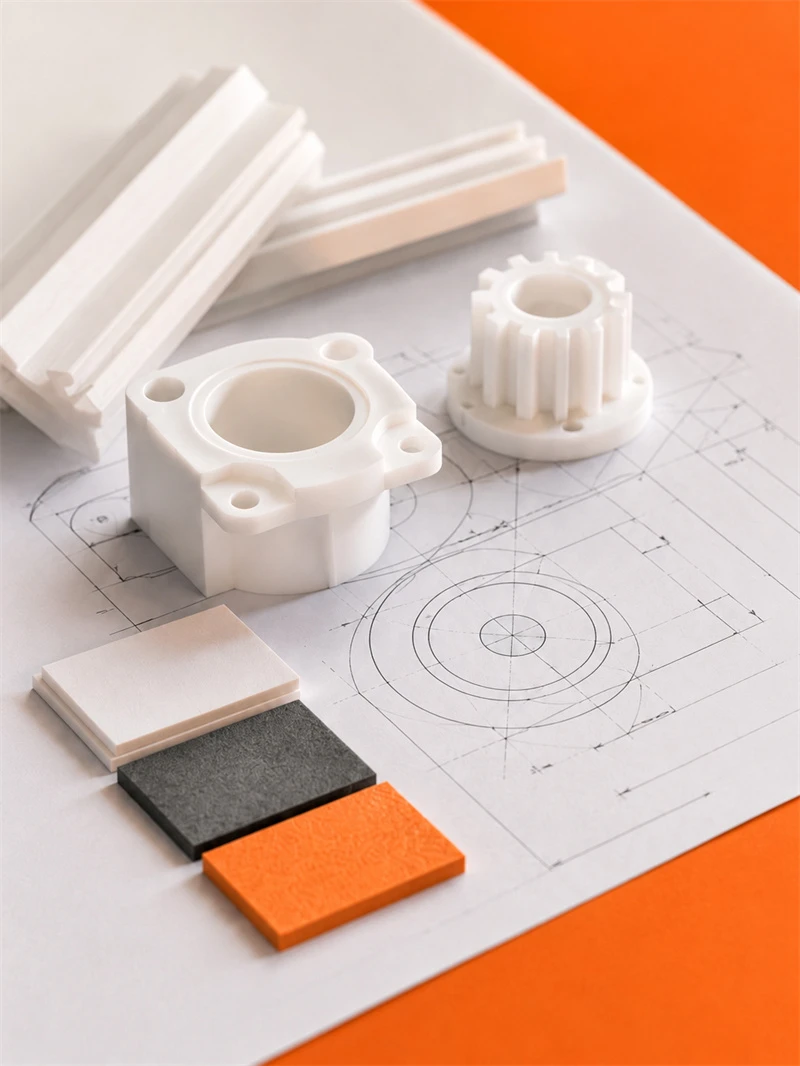
Engineering plastic parts suit friction, guide, support, buffer, anti-corrosion and insulation areas. We supply UHMWPE, POM, PA, PP/PE components for conveyor, food, mining, machinery, chemical and cable systems, with custom OEM service available.
Stay updated with our latest industry insights, company updates and featured articles.
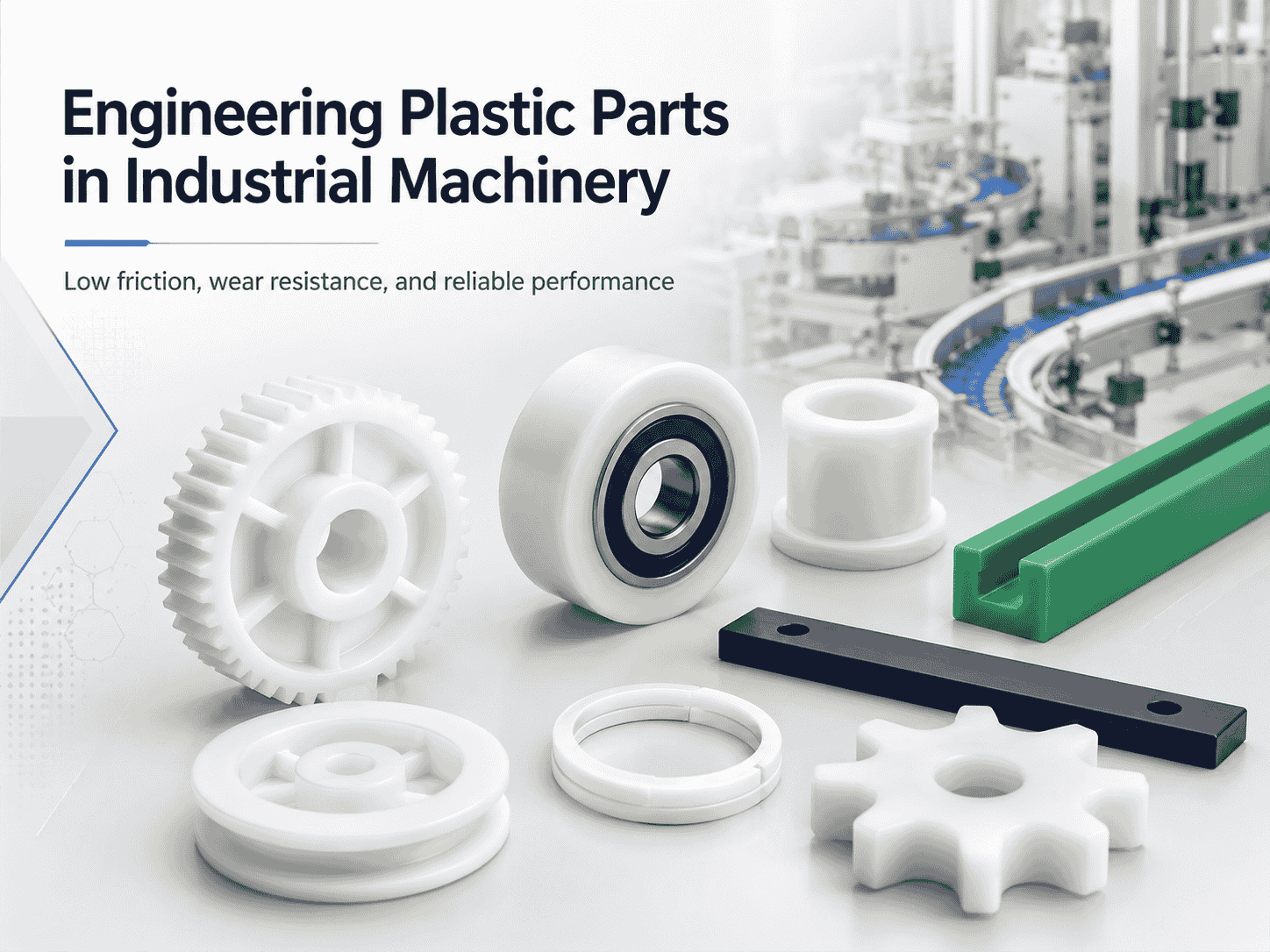
Engineering plastics are increasingly used in industrial machinery, automated production lines, conveyor systems, packaging equipment, and food-processing machines. Materials such as nylon, UHMWPE, POM, and
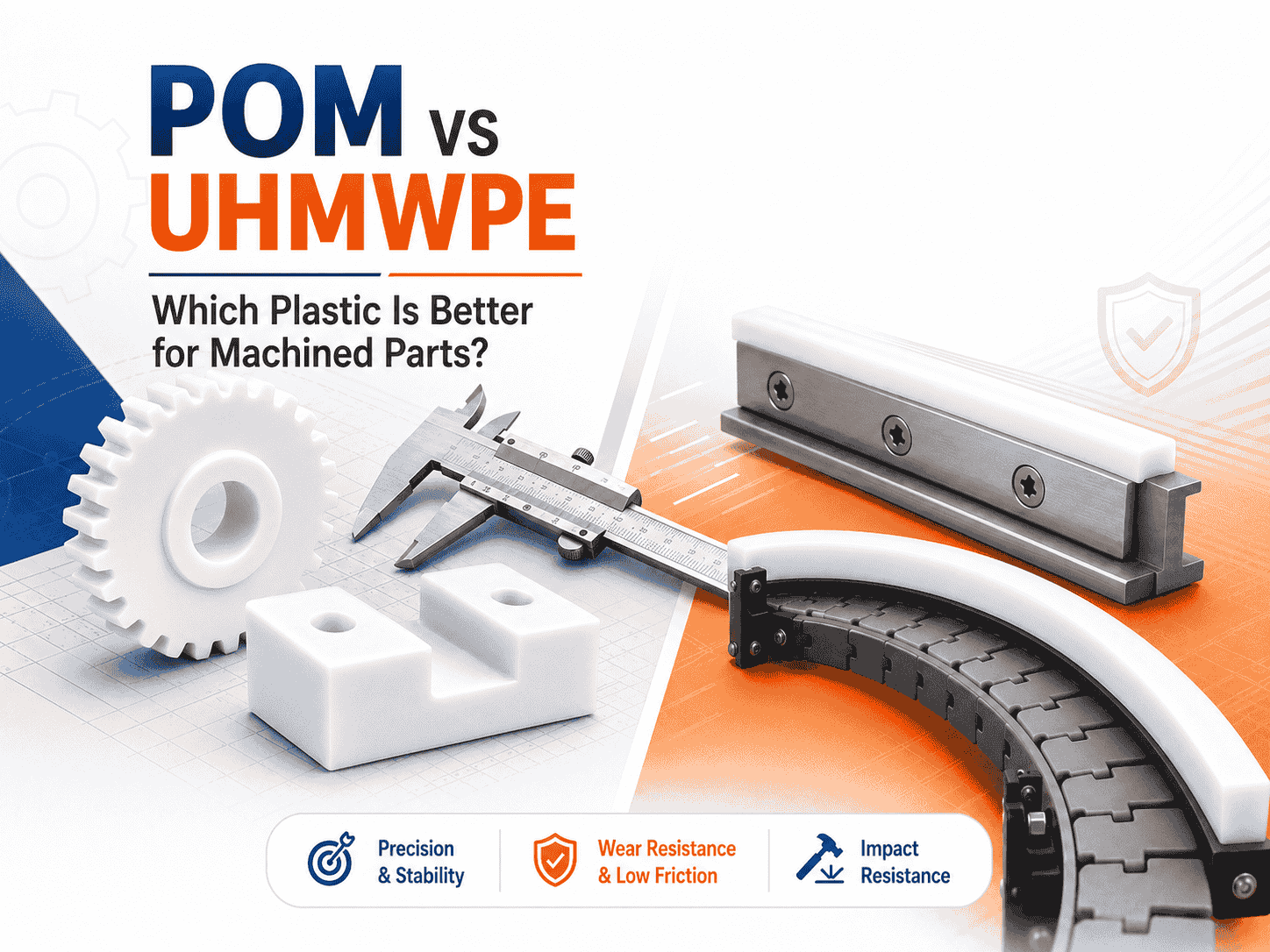
Both are lightweight, corrosion-resistant, wear-resistant, and suitable for CNC machining. However, they perform very differently
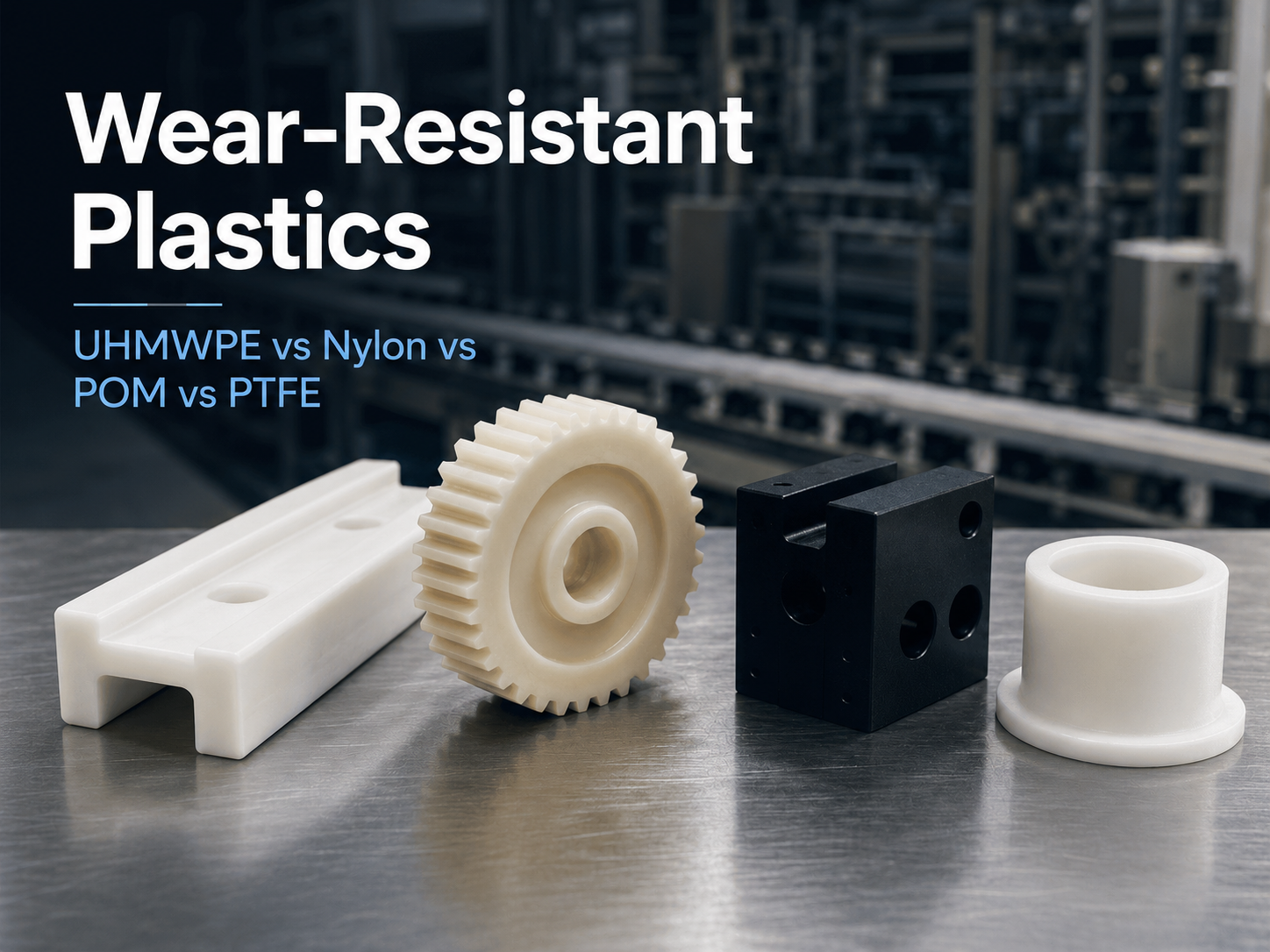
Wear is a common cause of failure in conveyor systems, packaging machinery, automated equipment, mining
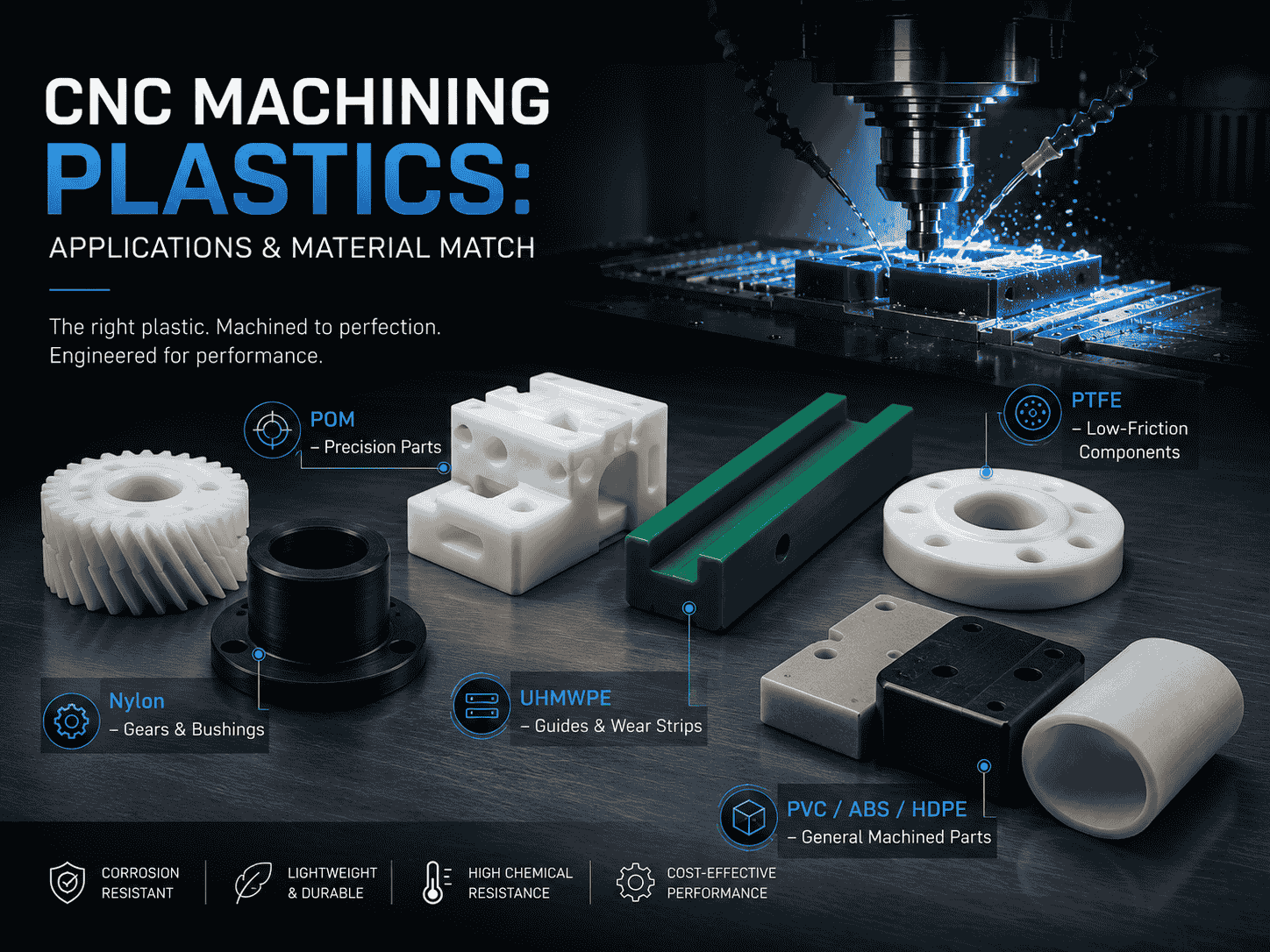
CNC machining is widely used to produce plastic prototypes, low-volume parts, replacement components, jigs, fixtures,
Both are lightweight, corrosion-resistant, wear-resistant, and suitable for CNC machining. However, they perform very differently
Wear is a common cause of failure in conveyor systems, packaging machinery, automated equipment, mining
CNC machining is widely used to produce plastic prototypes, low-volume parts, replacement components, jigs, fixtures,
Need UHMWPE sheets & custom plastic machined/OEM parts?Send specs & material needs, free quote within 24h.