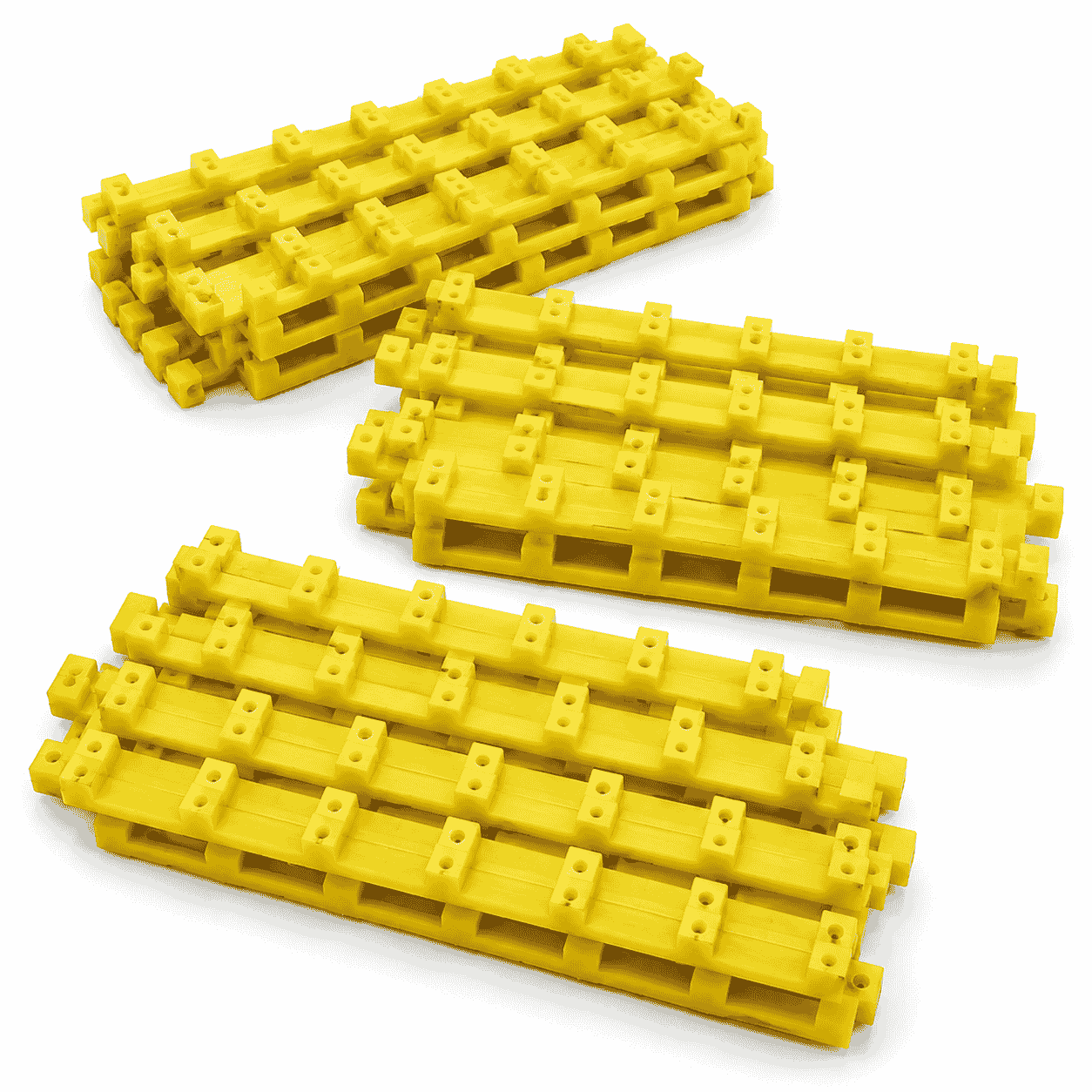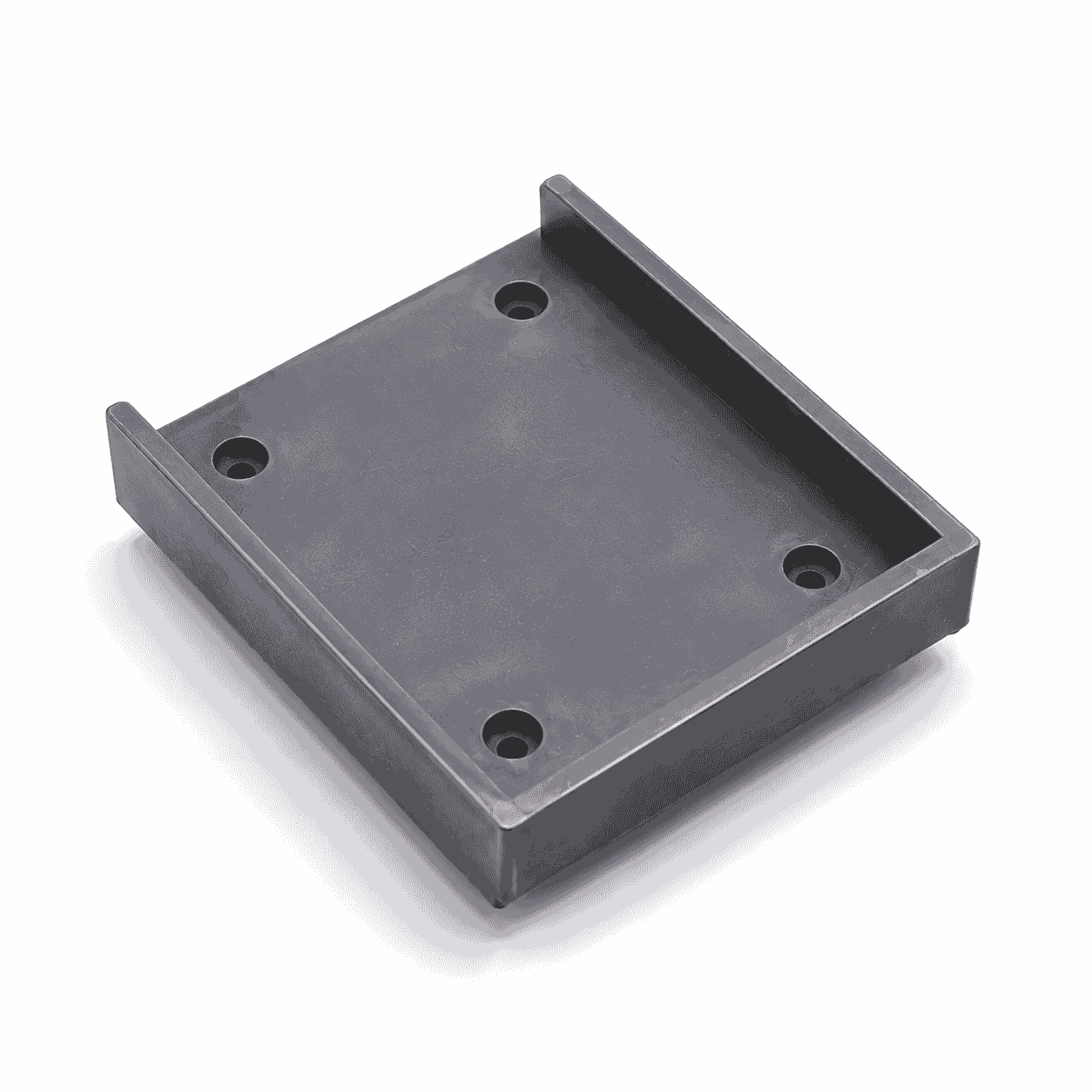
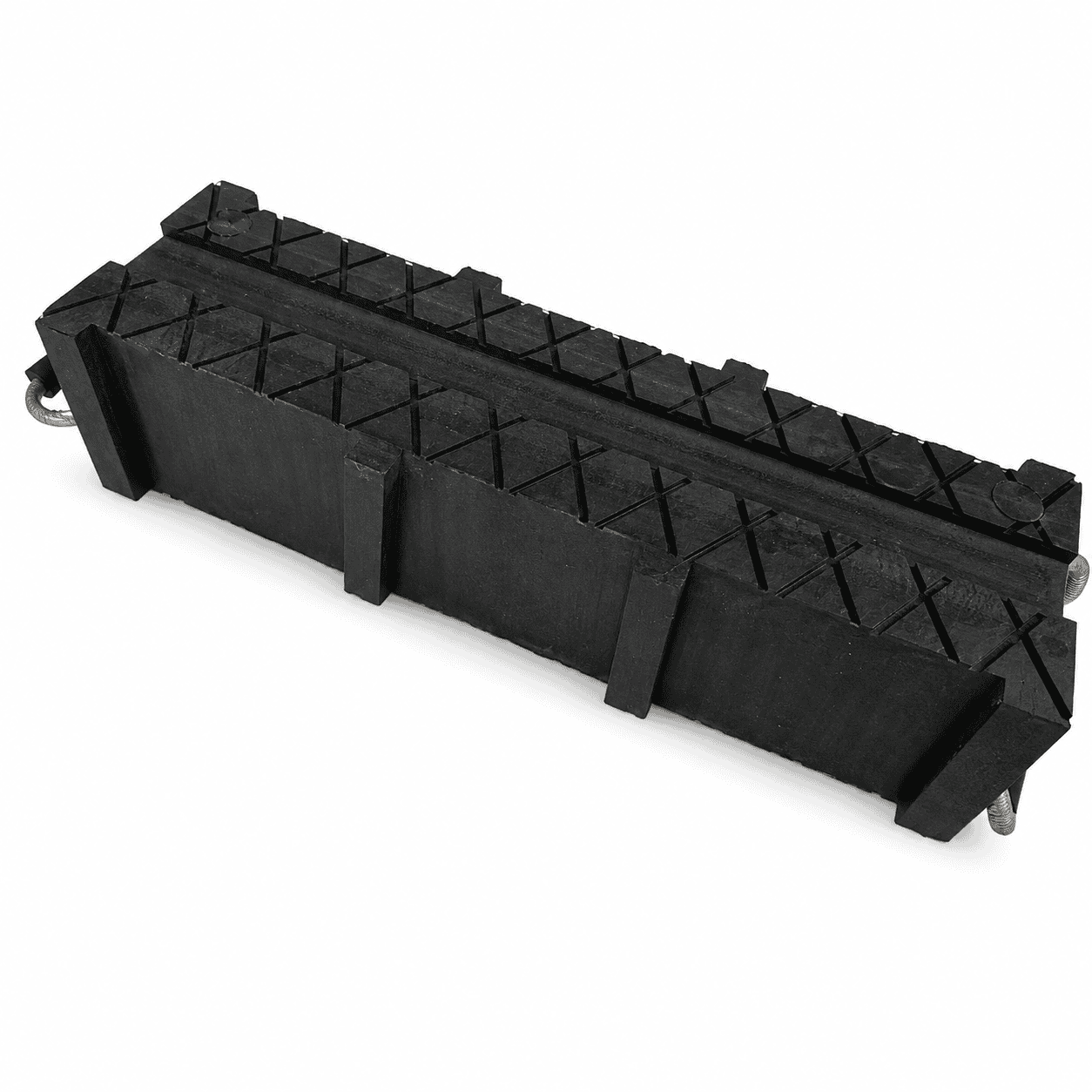
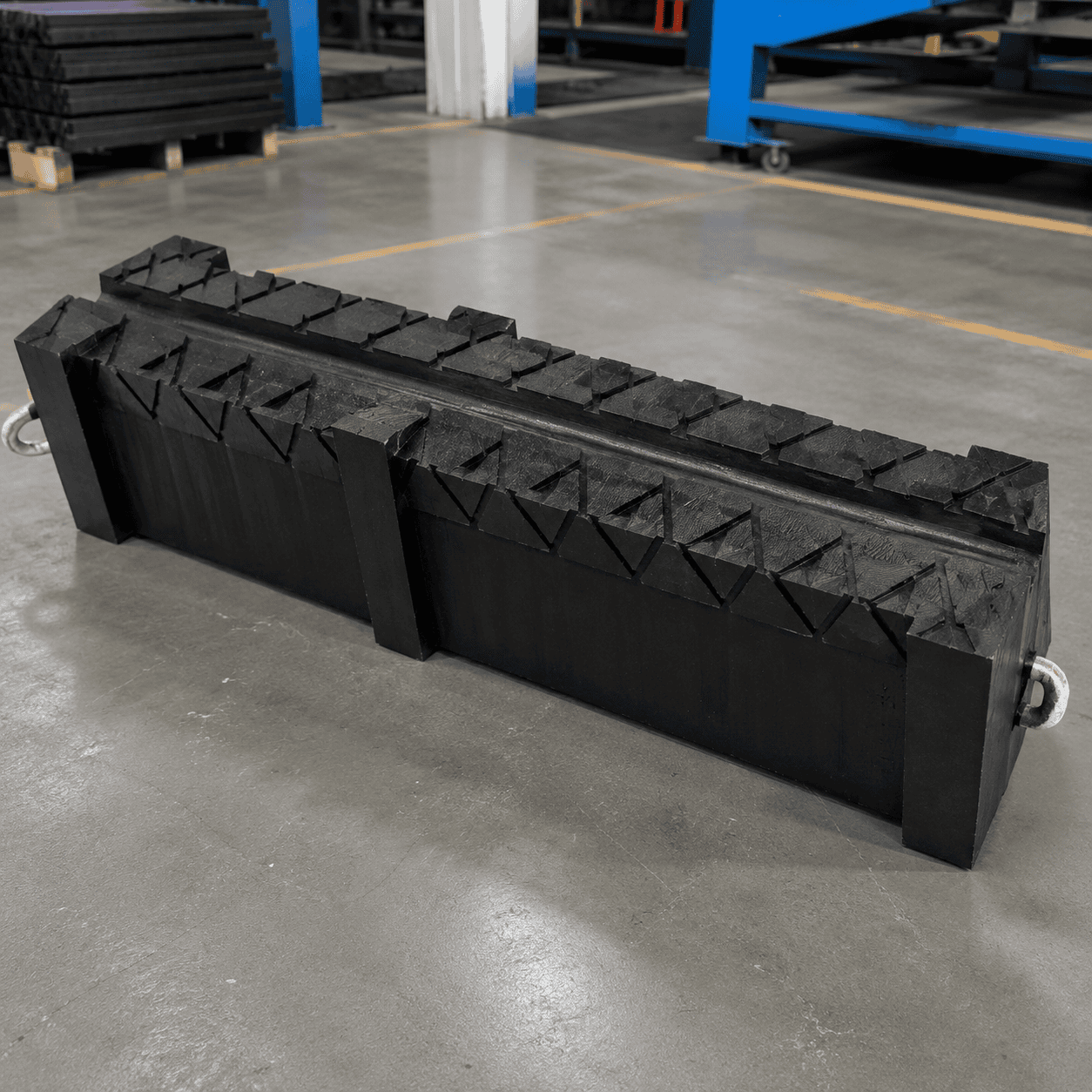
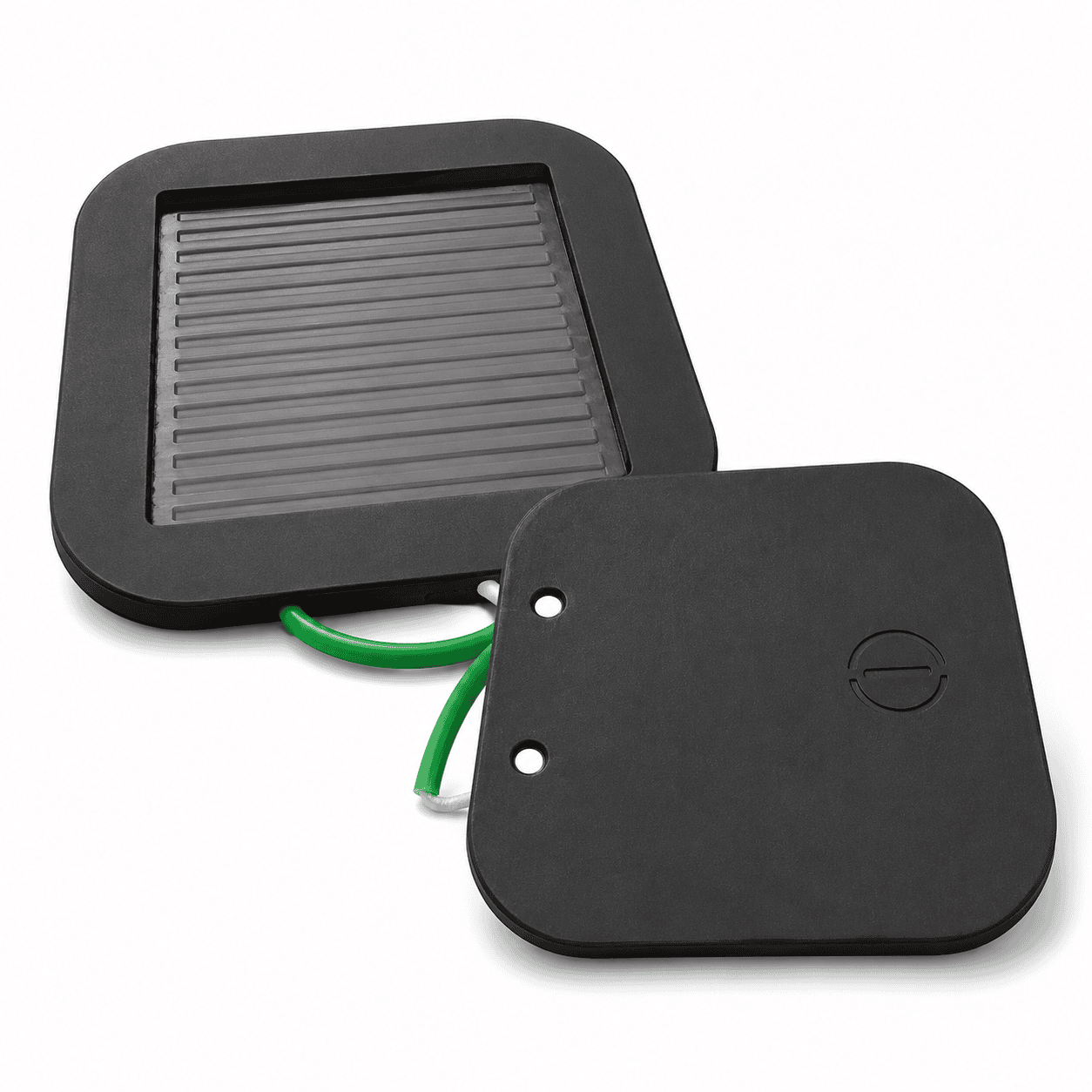
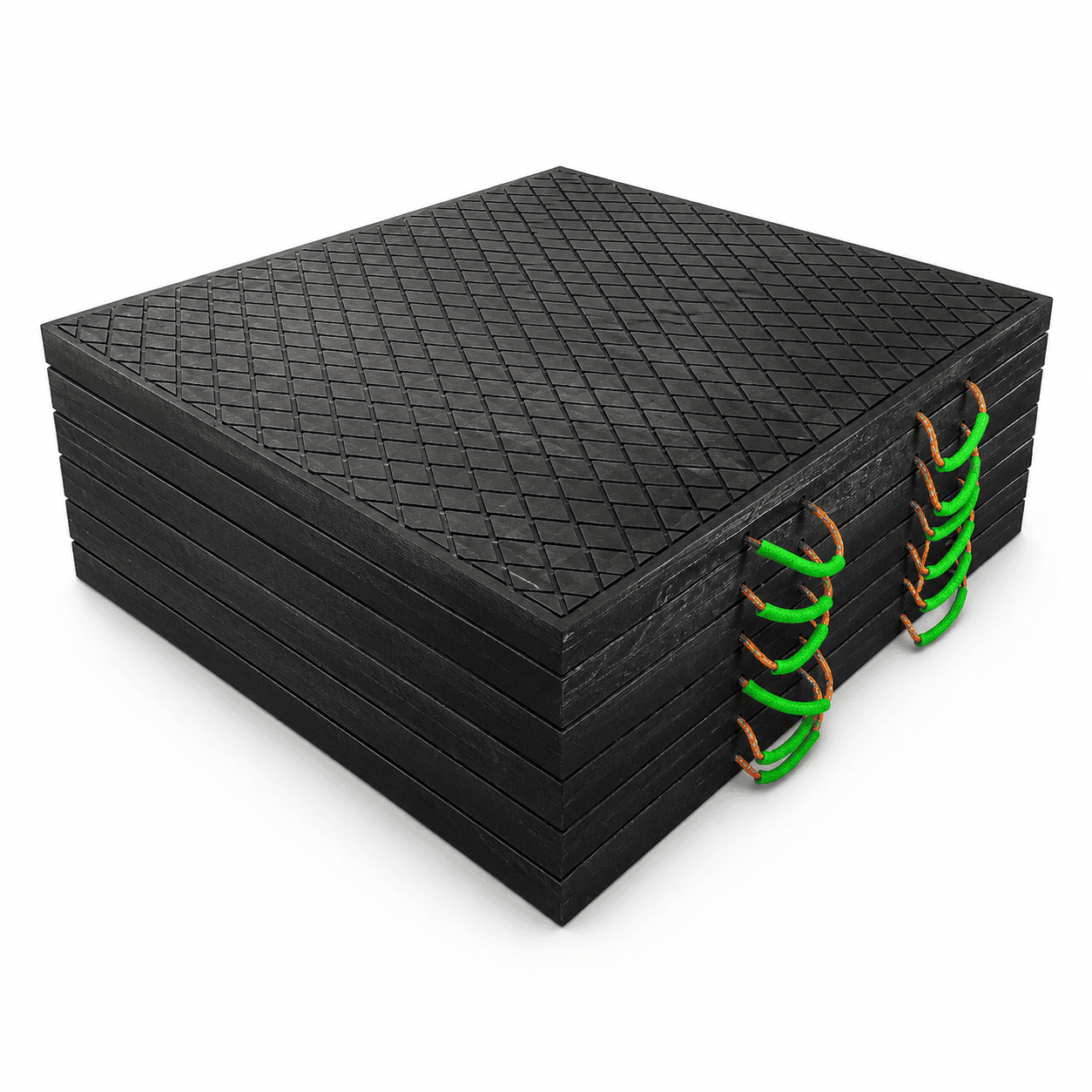
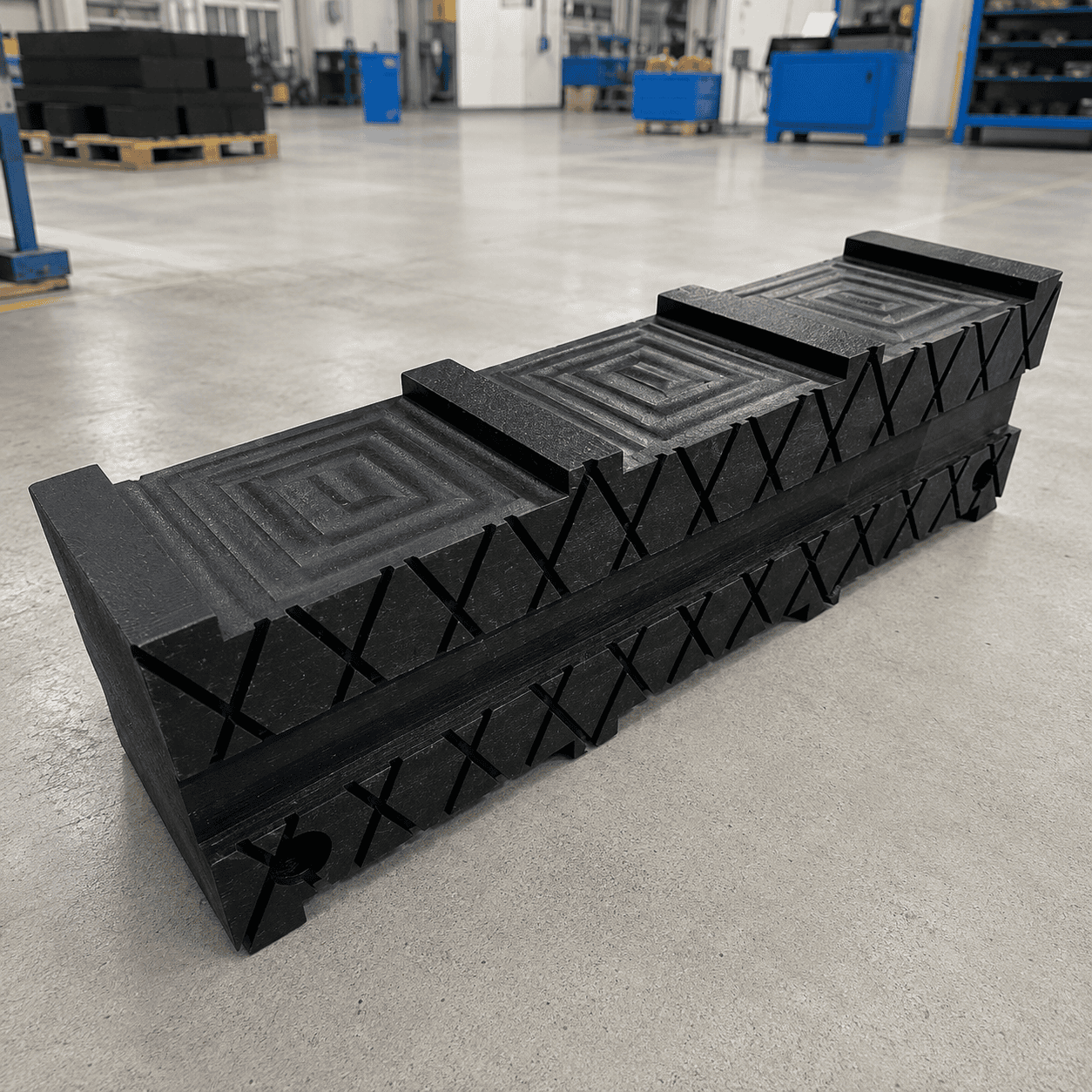
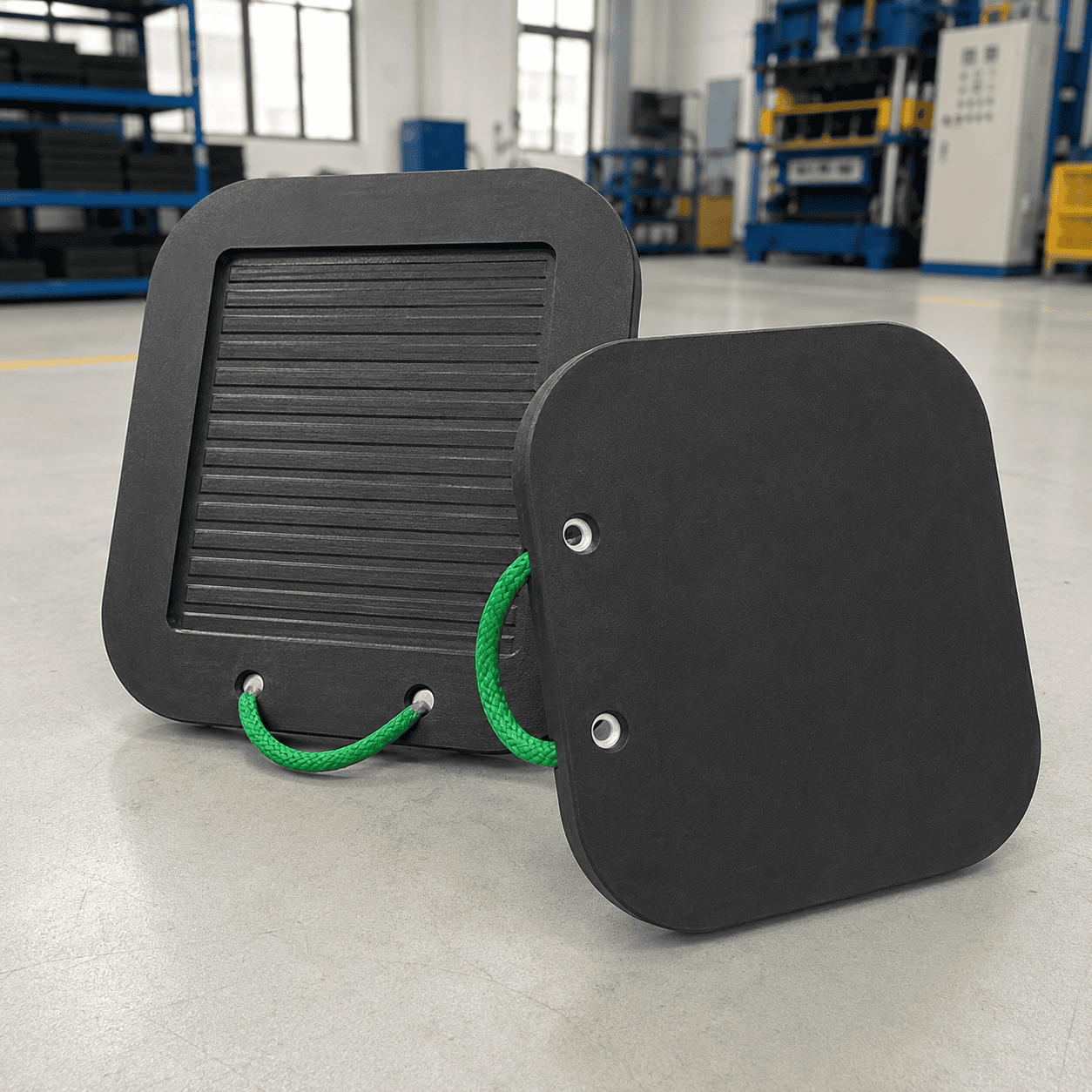
UHMWPE Crane Jack Pads are reusable heavy-equipment support blocks featuring solid rectangular structures, raised interlocking surfaces and practical carrying handles. Reference block sizes include approximately 600 × 150 × 150 mm and 610 × 180 × 150 mm, with matching square support pads available for crane legs, hydraulic jacks, axle support and equipment leveling.
UHMWPE Crane Jack Pads are heavy-duty engineering-plastic support blocks designed for crane legs, hydraulic jacks, mobile equipment stabilizers, heavy machinery leveling and temporary load-support applications.
The product shown features a solid rectangular body, raised interlocking surface structures, reinforced side sections and practical carrying handles. The blocks can be arranged individually or combined in multiple layers to create a stable temporary support structure beneath compatible equipment.
Unlike ordinary flat plastic sheets, these jack pads use raised surface sections that help adjacent blocks engage with one another when assembled in an approved support arrangement. Their modular structure provides flexibility for equipment leveling, axle support, maintenance operations and temporary heavy-load stabilization.
The primary material is ultra-high-molecular-weight polyethylene, commonly abbreviated as UHMWPE. The final block dimensions, pad thickness, support configuration and number of layers should always be selected according to the actual jack reaction, equipment-foot size, support height and underlying surface condition.
The exact dimensions of the product shown cannot be confirmed from the photograph alone. Based on the visible interlocking-block structure and the specification information supplied with this product type, the following dimensions are practical reference options.
| Reference Product | Reference Size | Approximate Weight | Typical Use |
|---|---|---|---|
| Compact interlocking block | 600 × 150 × 150 mm | Approximately 10–13 kg | Equipment leveling and temporary cribbing |
| Heavy interlocking block | 610 × 180 × 150 mm | Approximately 20–26 kg | Crane, axle and heavy-equipment support |
| Square support pad | 400 × 400 × 40 mm | Approximately 6–6.5 kg | Compact hydraulic jacks and smaller stabilizers |
| Square support pad | 500 × 500 × 40–50 mm | Approximately 9–12.5 kg | Utility vehicles and compact lifting equipment |
| Square support pad | 600 × 600 × 40–60 mm | Approximately 14–21 kg | Mobile cranes, boom trucks and service equipment |
| Square support pad | 800 × 800 × 60–80 mm | Approximately 38–50 kg | Concrete pumps and medium heavy machinery |
| Square support pad | 1000 × 1000 × 80–100 mm | Approximately 75–98 kg | Large crane and heavy-equipment support |
| Square support pad | 1200 × 1200 × 80–100 mm | Approximately 110–141 kg | Large-format stabilizer and jack support |
The approximately 600 × 150 × 150 mm format is a practical modular block size for building temporary support structures without creating an excessively large individual component.
The approximately 610 × 180 × 150 mm format provides a wider support surface and a heavier solid structure for demanding equipment-support arrangements.
Square bearing pads such as approximately 400 × 400 × 40 mm, 500 × 500 × 40–50 mm and 600 × 600 × 40–60 mm may be used as individual jack pads or as top and bottom support panels within an approved cribbing system.
Larger panels such as approximately 800 × 800 × 60–80 mm, 1000 × 1000 × 80–100 mm and 1200 × 1200 × 80–100 mm require additional consideration for finished weight, storage space and mechanical handling.
The weights above are approximate because the finished weight can change according to UHMWPE density, surface grooves, handle holes, recessed structures and machining allowances.
Reference load values should not be treated as universal safe-working-load ratings. The final support arrangement must consider the actual equipment reaction, block orientation, number of layers, contact area, support height, lateral forces and condition of the surface beneath the system.
| Specification | Typical Reference |
|---|---|
| Product type | Interlocking crane jack pad and equipment support block |
| Material | UHMWPE |
| Main structure | Solid rectangular interlocking block |
| Alternative structure | Square top pad, bottom pad or flat support plate |
| Reference block length | Approximately 600–610 mm |
| Reference block width | Approximately 150–180 mm |
| Reference block height | Approximately 150 mm |
| Reference square-pad range | Approximately 400 × 400 mm to 1200 × 1200 mm |
| Reference square-pad thickness | Approximately 40–100 mm |
| Working surface | Raised interlocking and non-slip surface |
| Handling structure | Integrated rope or reinforced carrying handles |
| Main applications | Crane legs, hydraulic jacks, axle support and equipment leveling |
Final dimensions, surface design, block quantity, handle structure and support configuration should always be matched to the actual equipment and operating requirements.
The defining feature of UHMWPE Crane Jack Pads is the raised modular pattern formed across the upper and lower working surfaces.
The interlocking structure can help:
The interlocking pattern should not be treated as a substitute for proper engineering or correct assembly. Every layer must remain stable, evenly supported and correctly oriented.
Damaged locking sections, heavily worn surfaces or contaminated contact areas should be cleaned and inspected before reuse.
Rectangular jack pads may be arranged in alternating directions to create a cross-layer temporary support structure.
A cross-layer configuration can provide:
The number of blocks used in each layer depends on the required support area, load direction, block dimensions and equipment configuration.
The height-to-base relationship must remain appropriate. A narrow support tower should not be built to an excessive height without a suitable engineering assessment.
UHMWPE stands for ultra-high-molecular-weight polyethylene. It is a thermoplastic polyethylene containing extremely long molecular chains.
For a general material explanation, see the Wikipedia article about ultra-high-molecular-weight polyethylene.
Practical UHMWPE characteristics for crane jack and cribbing products include:
UHMWPE has very long polymer chains, high toughness and high impact strength. It also has extremely low moisture absorption, a low coefficient of friction and strong abrasion resistance.
The physical properties of the finished jack pad can vary according to the selected UHMWPE grade, molecular weight, processing method, dimensions and operating temperature.
Chemical resistance should not be interpreted as universal resistance to every substance. Compatibility depends on the chemical, concentration, temperature, exposure time and selected UHMWPE grade.
Jack pads and cribbing blocks are repeatedly transported, stacked, loaded, disassembled and returned to storage.
During regular use, the products may experience:
The high toughness and abrasion resistance of UHMWPE make it suitable for reusable industrial support components.
Products showing cracks, severe permanent deformation, deep cuts, damaged locking surfaces or loose handles should be removed from demanding service and evaluated.
Crane maintenance, equipment recovery and hydraulic-jack operations are frequently carried out outdoors.
The support blocks may be exposed to:
The extremely low moisture absorption of UHMWPE helps maintain a reusable solid-plastic structure in wet and changing environments.
The products should still be cleaned and inspected after wet, muddy or contaminated operation.
The reference product includes carrying handles positioned near the ends or sides of the block.
The handles provide defined gripping points when the blocks need to be:
Before moving a block, inspect:
The handles are intended for transportation and positioning. They should not be treated as load-bearing parts of the support structure.
A hydraulic jack, crane leg or stabilizer transfers a concentrated force through a relatively small original equipment foot.
UHMWPE Crane Jack Pads provide a solid intermediate support structure beneath that contact point.
The performance of the complete system depends on:
The outside dimensions of one block should not be treated as a universal safe-working-load rating.
The correct jack-pad arrangement should not be selected only according to the total vehicle weight or maximum crane capacity.
Important selection information includes:
Each support position should be evaluated independently because reactions and supporting conditions can differ around the same machine.
The source product information includes several square UHMWPE pad options. The following selected specifications provide useful dimensional references.
| Pad Specification | Reference Weight | Reference Vertical Jack Capacity | Reference Crane Capacity |
|---|---|---|---|
| 400 × 400 × 40 mm | 6.3 kg | 10 tons | 12 tons |
| 500 × 500 × 40 mm | 9.9 kg | 12 tons | 15 tons |
| 600 × 600 × 40 mm | 14.2 kg | 20 tons | 25 tons |
| 800 × 800 × 50 mm | 31.3 kg | 30 tons | 35 tons |
| 1000 × 1000 × 60 mm | 58.5 kg | 50 tons | 65 tons |
| 1200 × 1200 × 80 mm | 113 kg | 100 tons | 120 tons |
| 1200 × 1200 × 100 mm | 141 kg | 140 tons | 160 tons |
These capacity values reproduce the supplied reference product data and should not be interpreted as independent engineering certification or universal guarantees.
Actual permitted capacity depends on the selected UHMWPE grade, manufacturing process, load distribution, support-foot geometry, pad condition and surface beneath the product.
UHMWPE Crane Jack Pads can be used in a variety of heavy-equipment support operations.
The block dimensions, support height, assembly method and quantity should always be selected according to the actual equipment-support requirement.
Before applying the equipment load, confirm that:
The equipment load should be applied gradually while the support arrangement is observed for unwanted movement or instability.
Reusable jack pads should be inspected before every demanding equipment-support operation.
Check:
After operation, remove mud, gravel, oil, sand and other debris from the working surfaces.
During storage:
You can also view our complete range of crane outrigger pads for mobile cranes, concrete pumps, hydraulic stabilizer systems and other heavy machinery applications.
UHMWPE Crane Jack Pads provide a practical modular support solution for hydraulic jacks, crane legs, axles and heavy machinery.
The product combines solid UHMWPE construction, raised interlocking surfaces, practical carrying handles and reusable modular blocks.
Typical reference block specifications include approximately 600 × 150 × 150 mm and 610 × 180 × 150 mm. Matching top or bottom support pads may include approximately 600 × 600 × 40–60 mm, 800 × 800 × 60–80 mm and 1000 × 1000 × 80–100 mm.
Final block dimensions, pad thickness, support height, layer arrangement and product quantity should always be selected according to the maximum equipment reaction, original support-foot dimensions, applied-load direction and actual surface conditions.
Check drawings for full specifications and confirm materials according to service conditions to prevent product defects.
Inspect all key processing steps and fully verify dimensions, holes, grooves and fitting surfaces.
Deburr, chamfer and clean products for easy installation. Ensure uniform quality among batch products.
Choose appropriate packaging solutions based on product features to protect goods from collision, deformation and mixing during transit.
Unlike metal parts, engineering plastic components still require strict control over dimensions, holes, edges, surface, materials and assembly performance for equipment use.
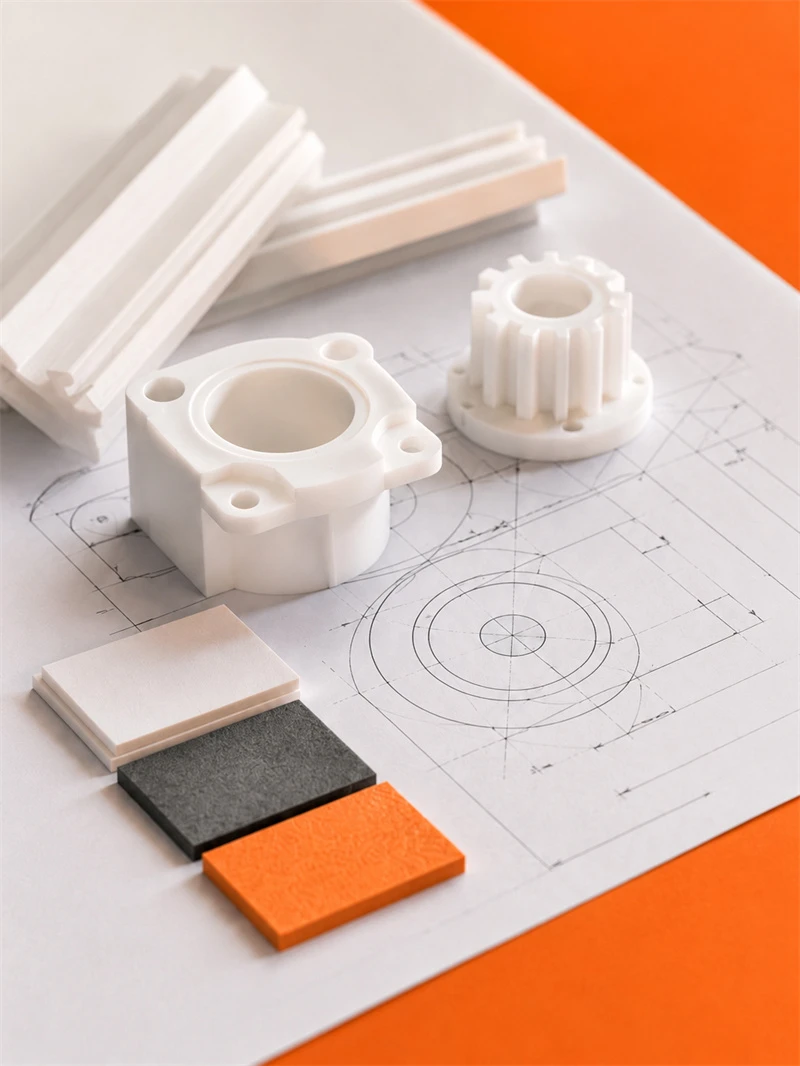
Engineering plastic parts suit friction, guide, support, buffer, anti-corrosion and insulation areas. We supply UHMWPE, POM, PA, PP/PE components for conveyor, food, mining, machinery, chemical and cable systems, with custom OEM service available.
Stay updated with our latest industry insights, company updates and featured articles.
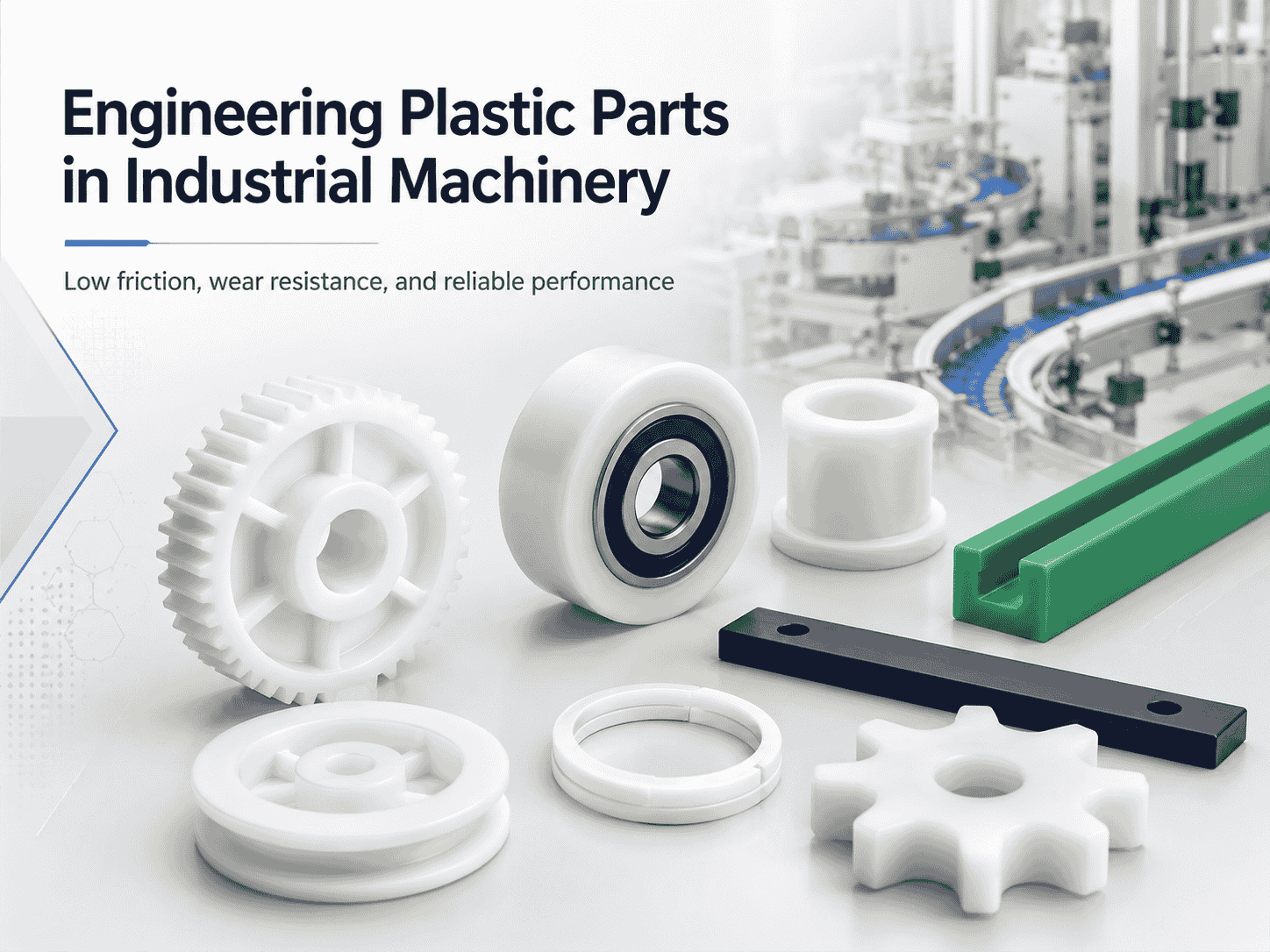
Engineering plastics are increasingly used in industrial machinery, automated production lines, conveyor systems, packaging equipment, and food-processing machines. Materials such as nylon, UHMWPE, POM, and
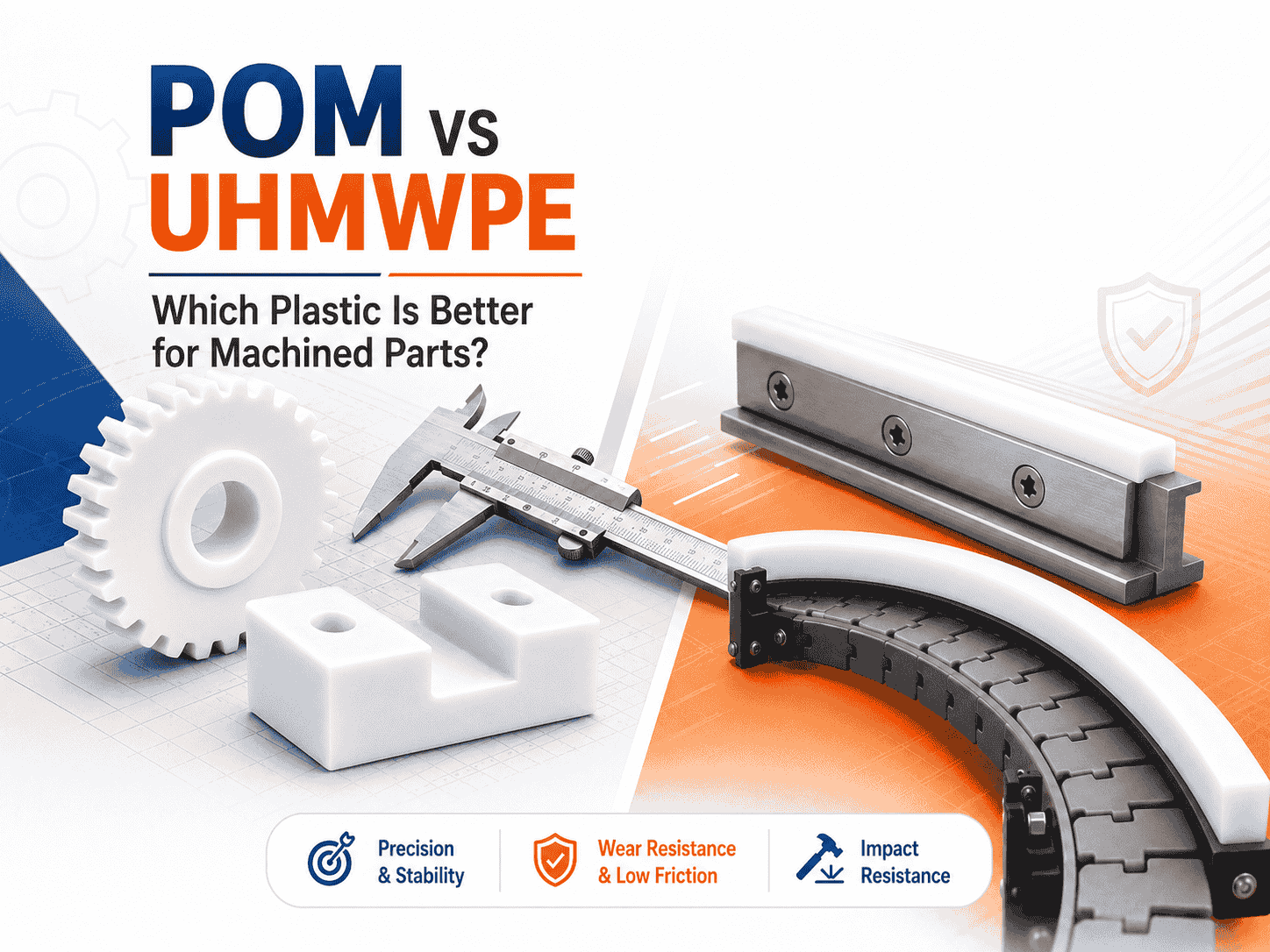
Both are lightweight, corrosion-resistant, wear-resistant, and suitable for CNC machining. However, they perform very differently
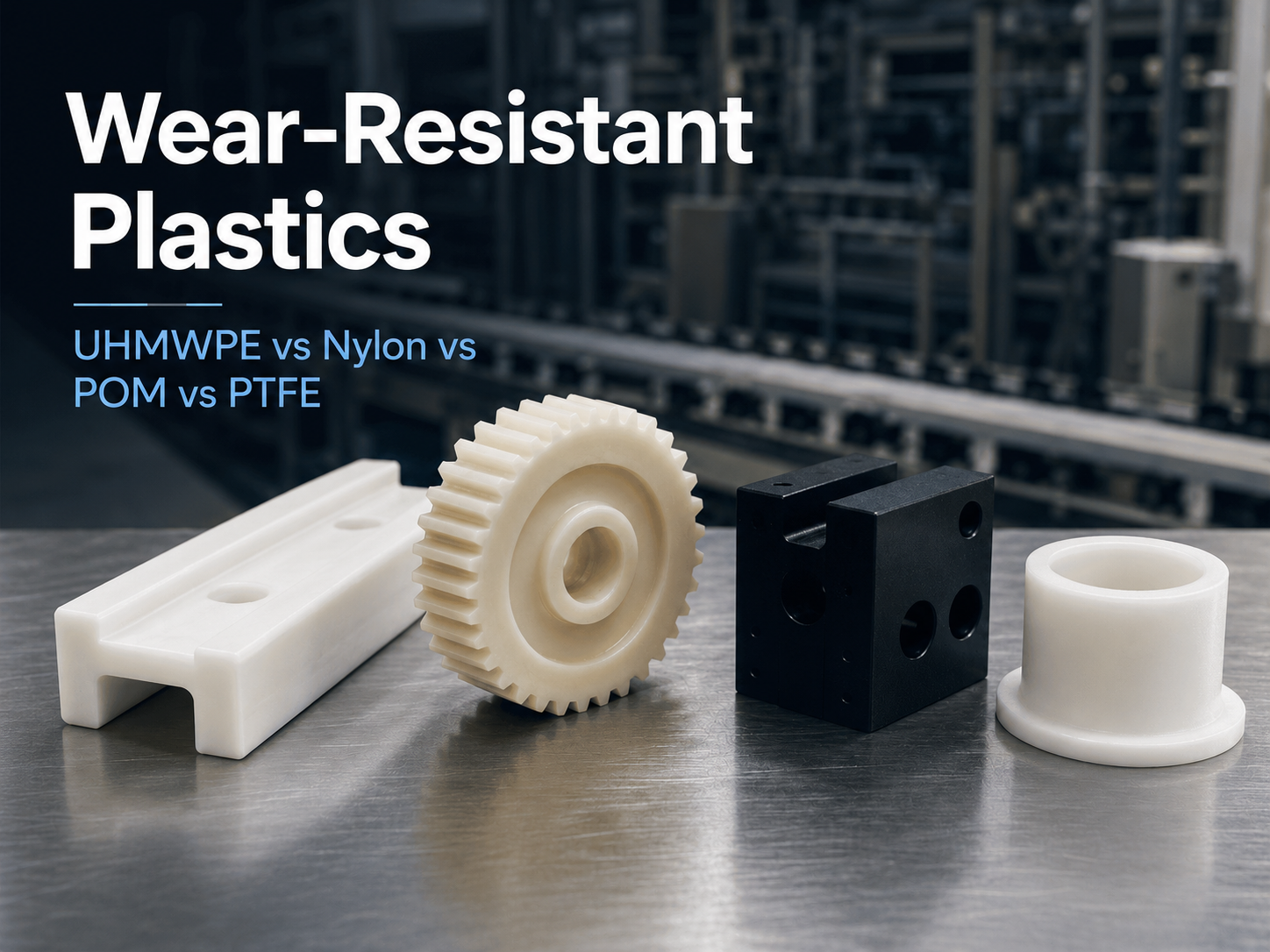
Wear is a common cause of failure in conveyor systems, packaging machinery, automated equipment, mining
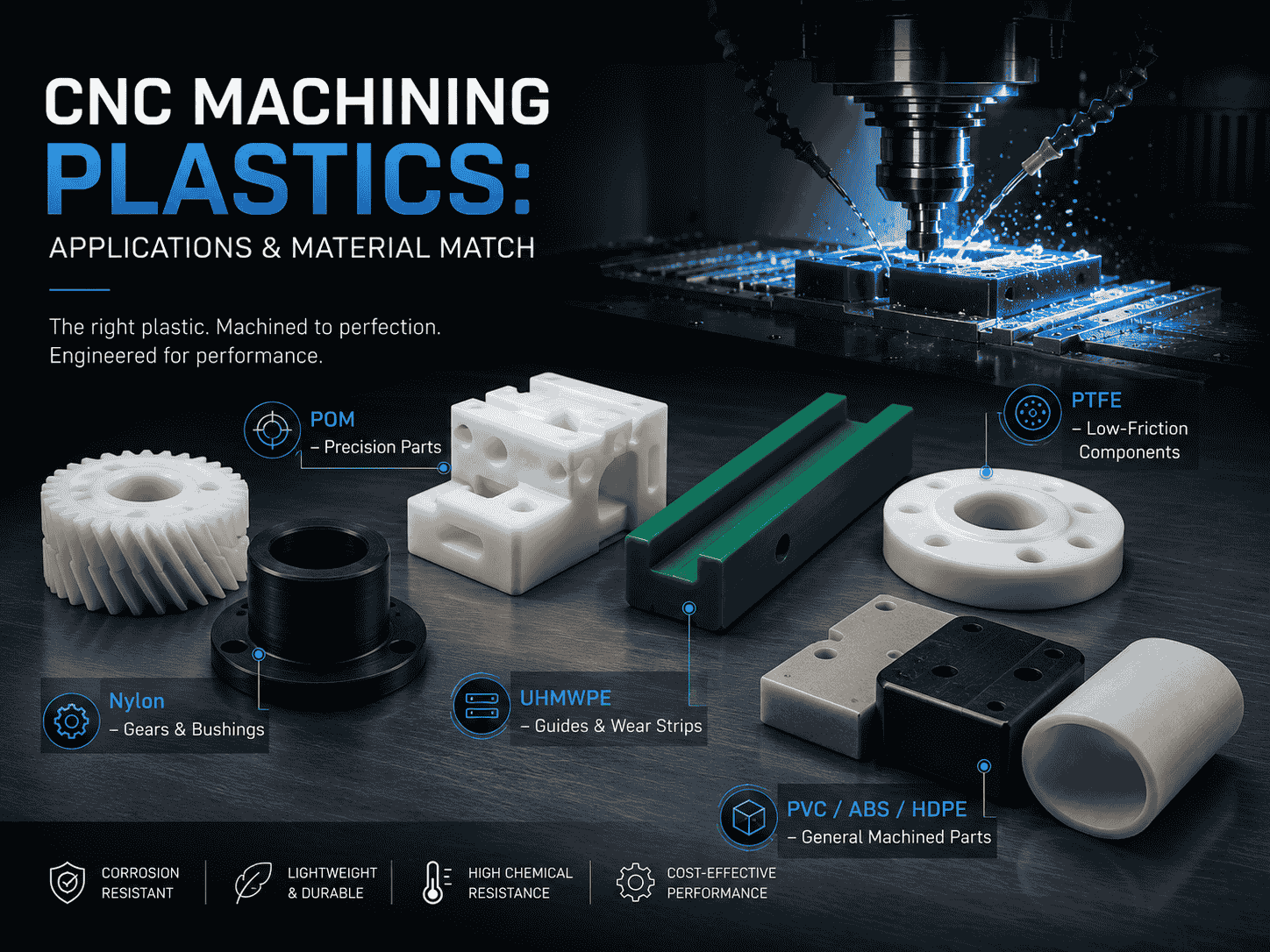
CNC machining is widely used to produce plastic prototypes, low-volume parts, replacement components, jigs, fixtures,
Both are lightweight, corrosion-resistant, wear-resistant, and suitable for CNC machining. However, they perform very differently
Wear is a common cause of failure in conveyor systems, packaging machinery, automated equipment, mining
CNC machining is widely used to produce plastic prototypes, low-volume parts, replacement components, jigs, fixtures,

Need UHMWPE sheets & custom plastic machined/OEM parts?Send specs & material needs, free quote within 24h.