Synthetic Ice Rink System with Modular UHMWPE Skating Panels
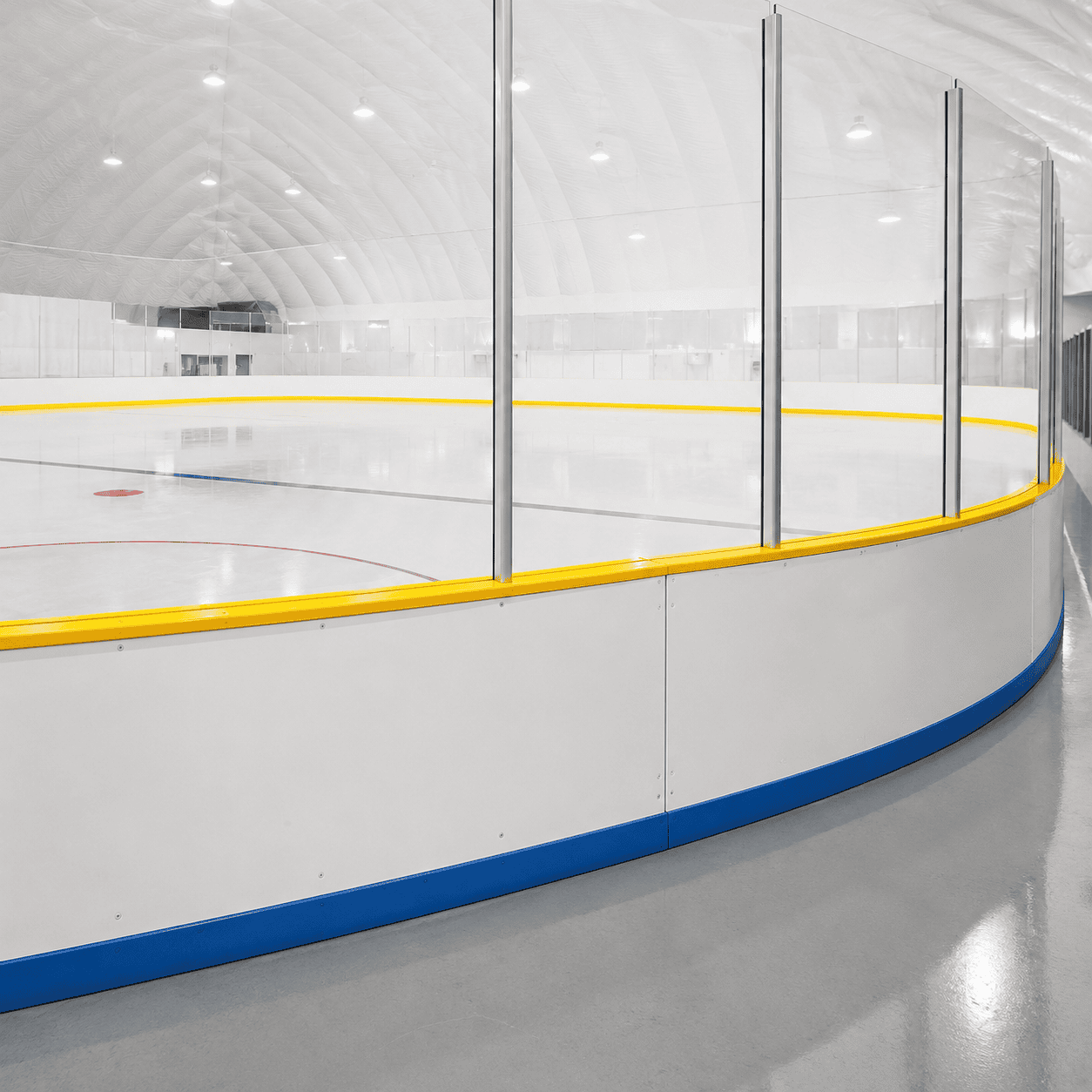
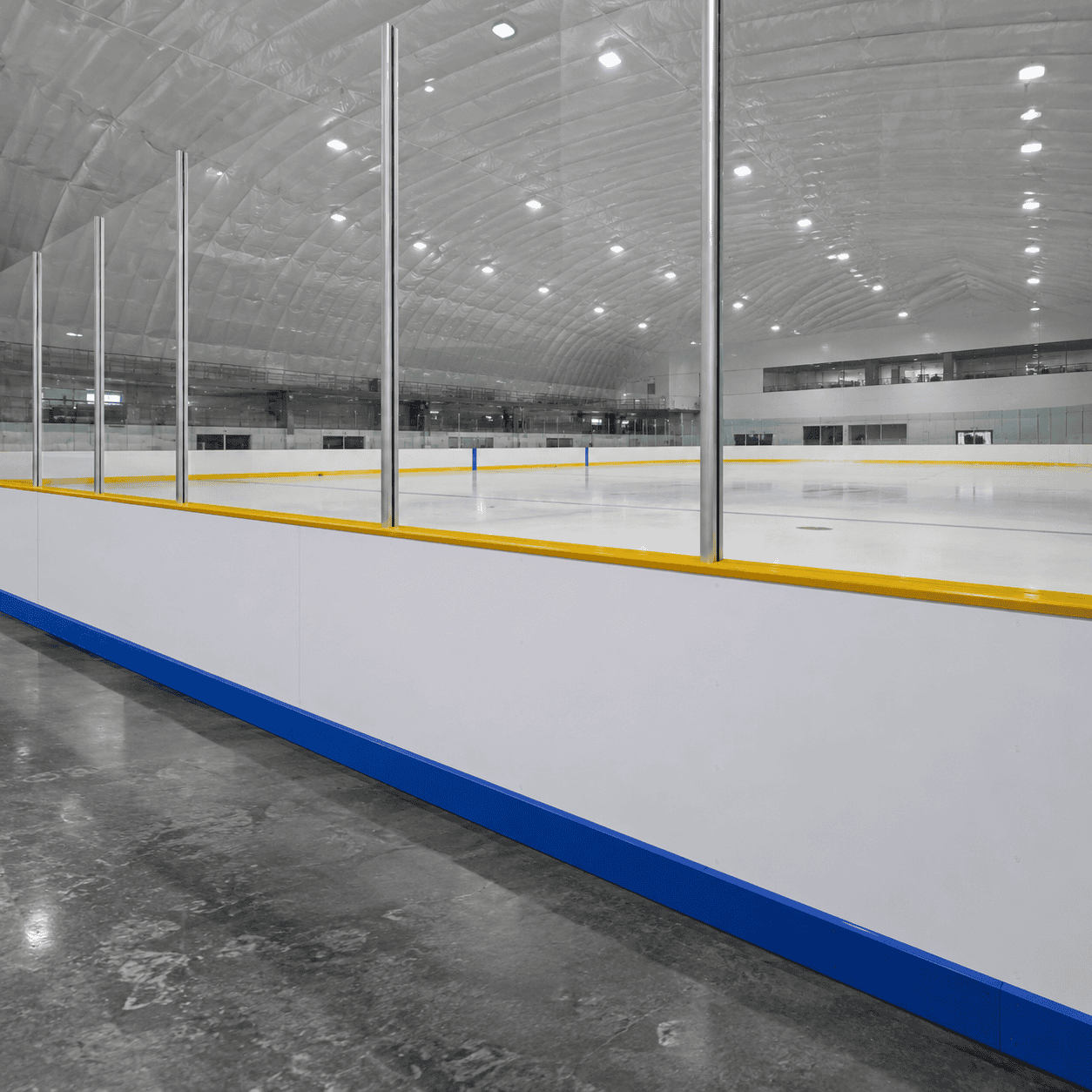
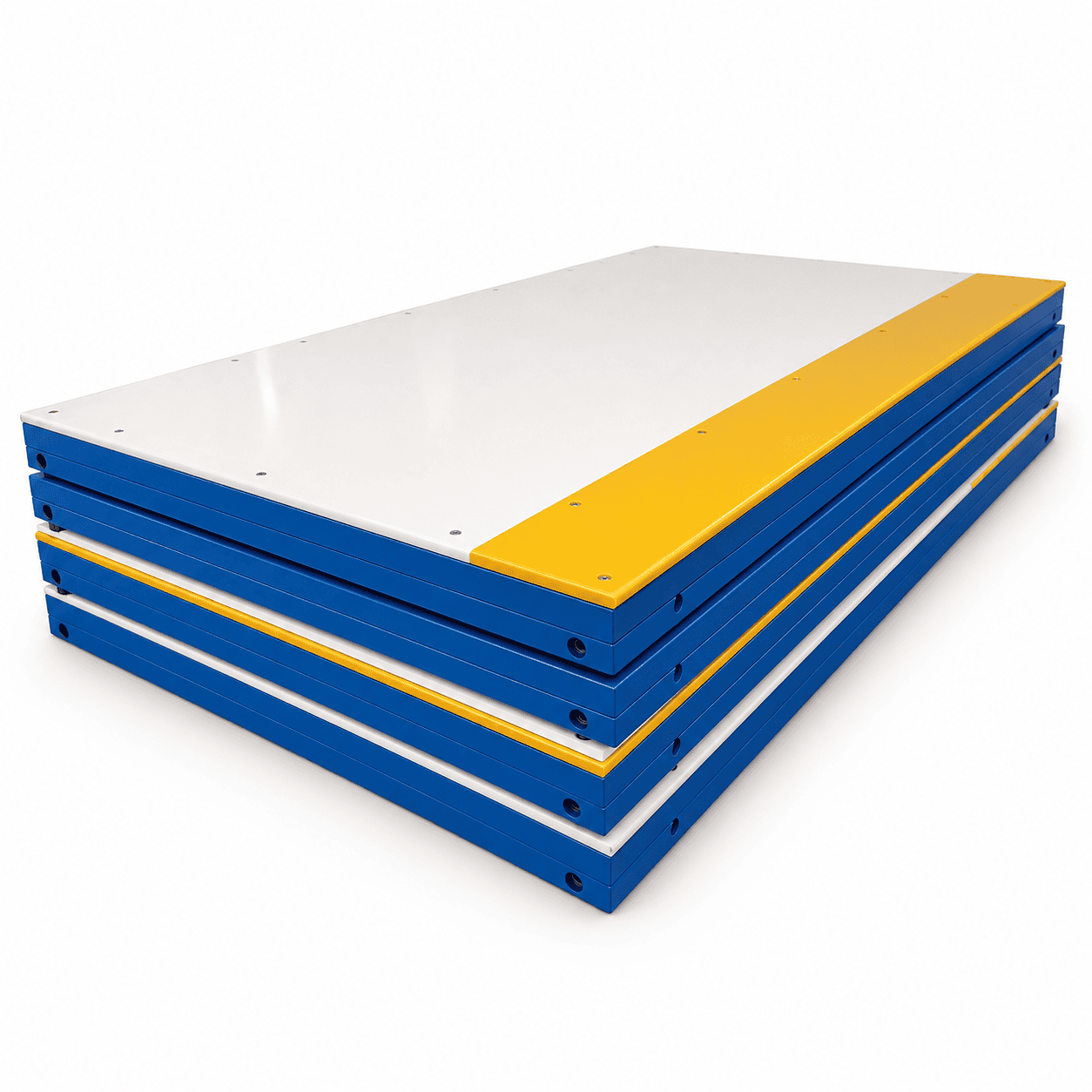
Synthetic Ice Rink System is a complete modular skating solution designed for ice hockey training, recreational skating, sports clubs, schools, shopping centers, hotels, exhibitions and seasonal entertainment venues. The system normally consists of synthetic skating panels, perimeter dasher boards, corner sections, top rails, access gates, connecting hardware and optional transparent protective panels.
The skating surface is manufactured from high-performance polyethylene materials such as UHMWPE or HDPE. Individual panels are connected to form a continuous skating area that can be used with standard metal-bladed hockey or figure skates. Unlike mechanically frozen ice, the polymer skating surface does not require water freezing, underground refrigeration pipes or continuous cooling equipment.
For a general explanation of polymer skating surfaces and their working principle, visit the Synthetic Ice overview on Wikipedia.
Complete Modular Synthetic Ice Rink System
A complete synthetic ice rink is more than a group of skating panels. The supporting components must work together to provide a stable skating area, a clear rink boundary and convenient access for users and maintenance personnel.
A typical system can include the following parts:
- UHMWPE or HDPE synthetic ice skating panels
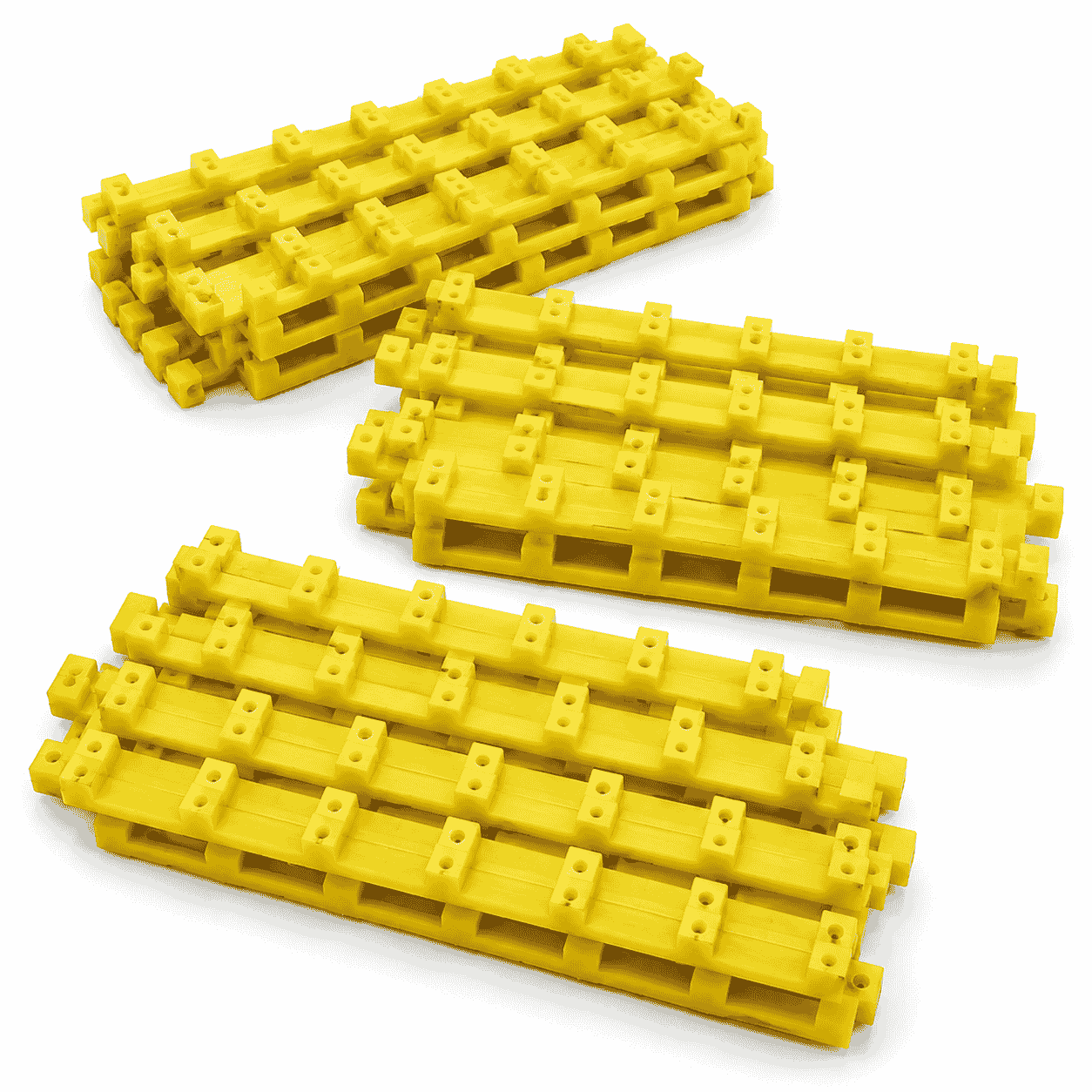
- Interlocking, puzzle-joint or tongue-and-groove panel edges
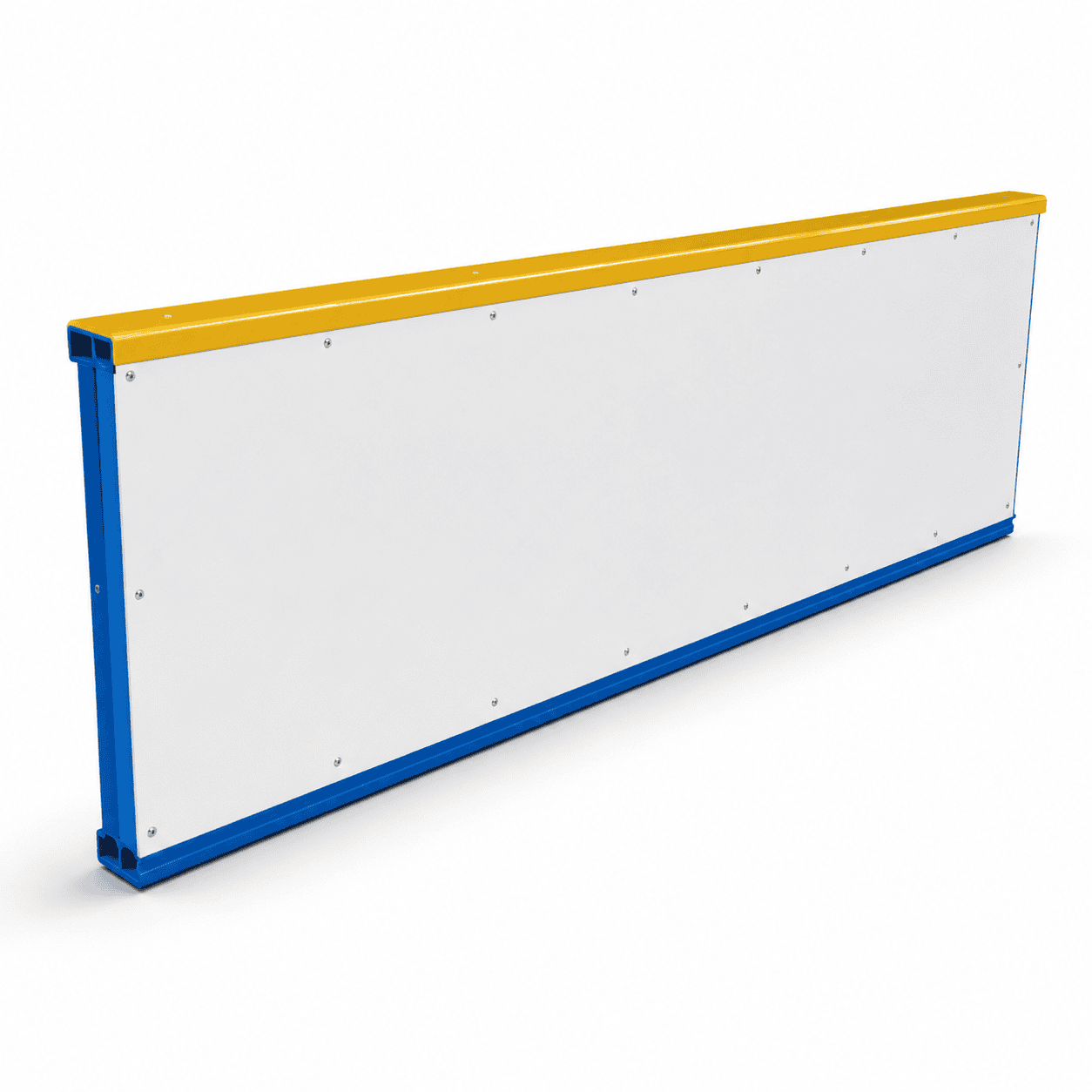
- HDPE or UHMWPE rink dasher boards
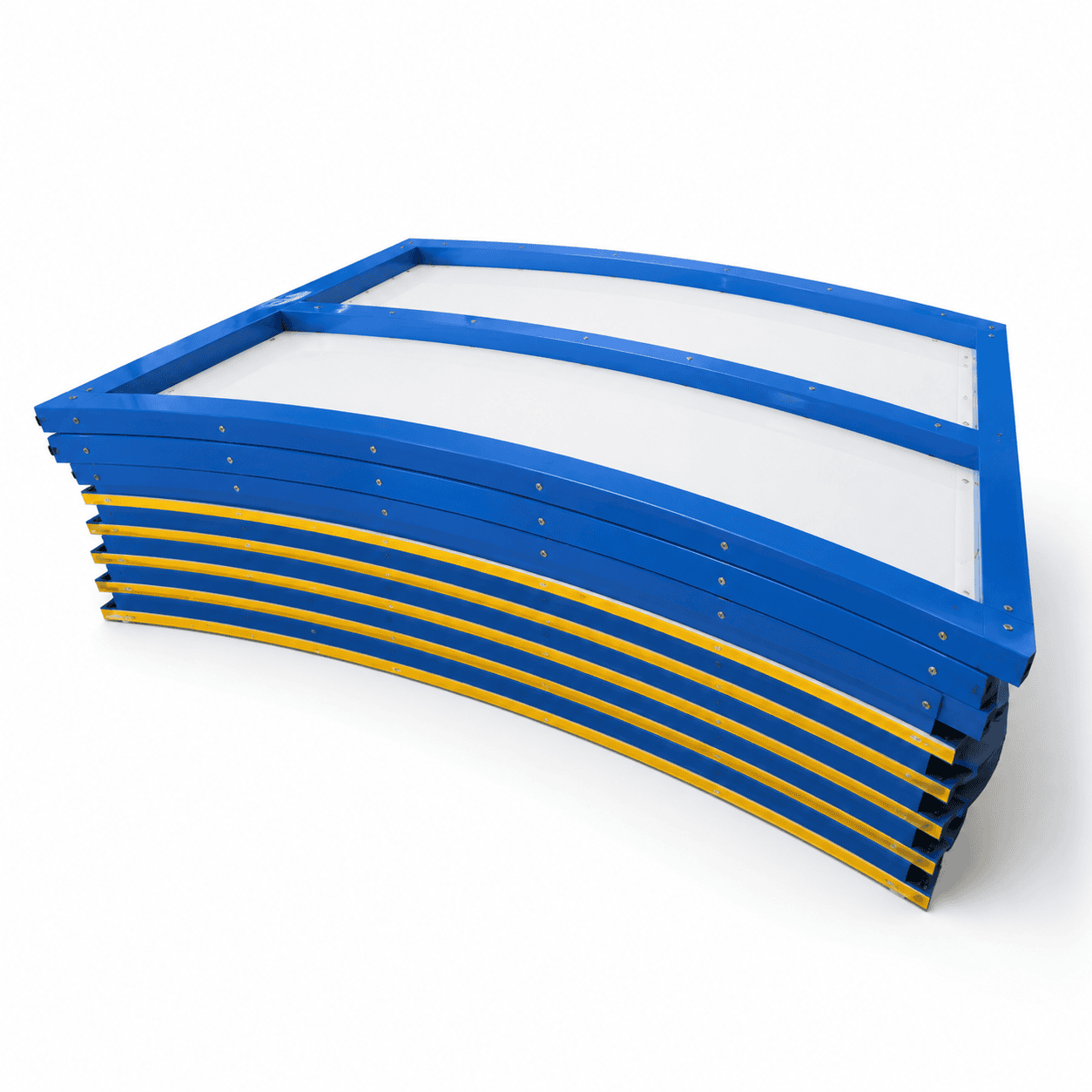
- Straight and curved corner board sections
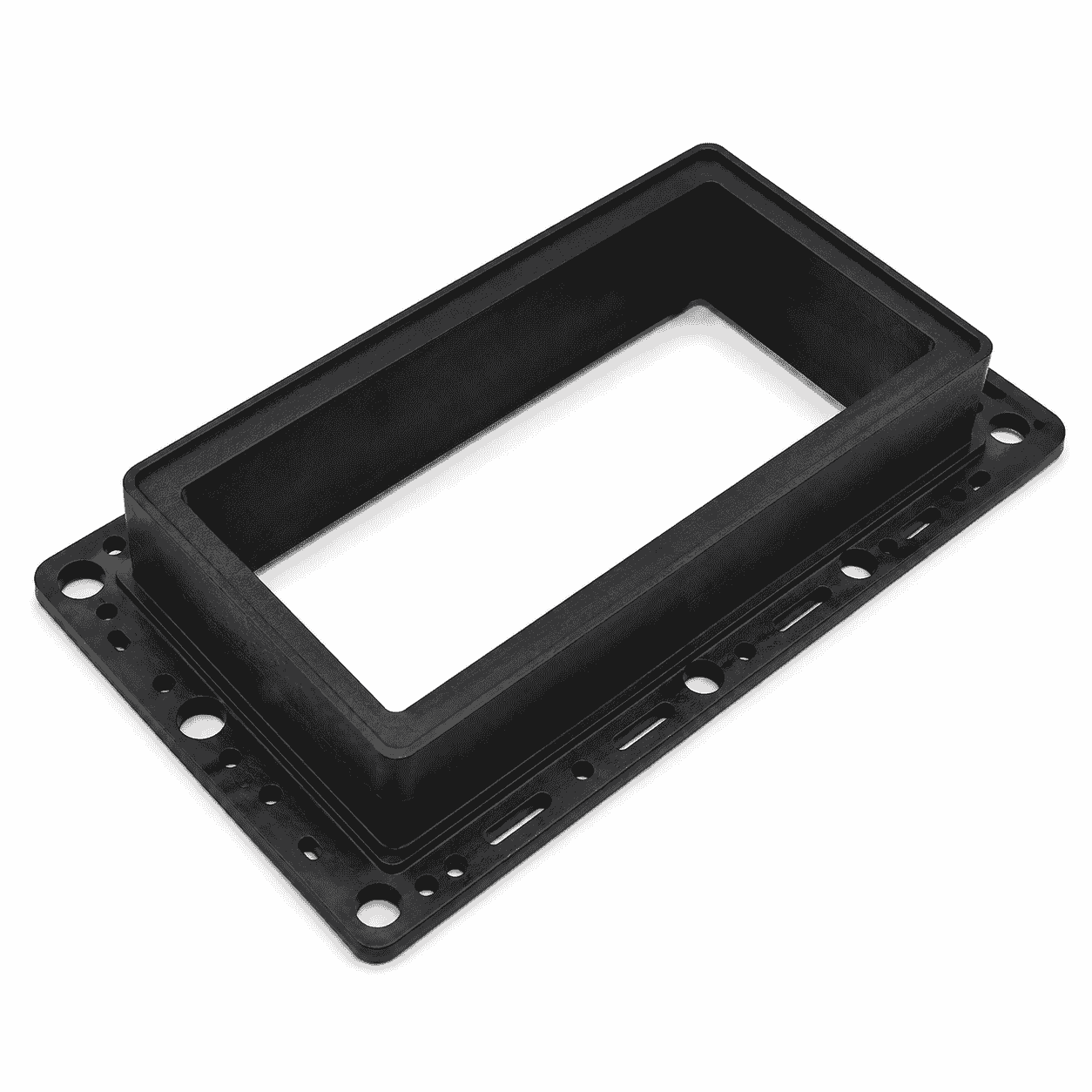
- Structural support frames for the rink boards
- Top handrails and protective edge profiles
- Single-person access gates
- Wider equipment and maintenance gates
- Optional transparent polycarbonate protective panels
- Optional kick plates and colored rink markings
- Fasteners, connectors and installation accessories
The modular structure allows the rink to be assembled according to the available floor area. Individual panels or board sections can also be removed, replaced or relocated when the rink layout changes.
Typical Synthetic Ice Panel Sizes
The skating panels are available in several practical dimensions. The final panel size and thickness should be selected according to the rink area, supporting floor condition, expected skating frequency and installation environment.
| Skating Panel Material |
UHMWPE or HDPE |
| Typical Panel Size |
1000 × 1000 mm |
| Large Panel Option |
2000 × 1000 mm |
| Common Thicknesses |
10 mm, 12 mm, 15 mm and 20 mm |
| Practical Thickness Range |
Approximately 8–30 mm, depending on the project |
| Panel Connection |
Interlocking, puzzle joint or tongue-and-groove joint |
| Typical Surface Color |
White |
| Optional Colors |
Blue, red, yellow or project-specific rink marking colors |
| Installation Base |
Level concrete, wood flooring or another solid and smooth platform |
Smaller interlocking panels are generally easier to transport, install and replace. Larger panels reduce the total number of seams and can be suitable for permanent or larger skating areas.
Typical Rink Board and Gate Dimensions
The rink boundary system helps define the skating area and provides impact protection during hockey training and public skating. The exact dimensions should be confirmed according to the rink size, user group and local facility requirements.
| Typical Dasher Board Height |
Approximately 1000–1220 mm |
| Plastic Board Facing Thickness |
Approximately 8–15 mm, mounted on a supporting structure |
| Optional Lower Kick Plate Height |
Approximately 150–250 mm |
| Single Access Gate Width |
Approximately 800–1000 mm |
| Equipment Gate Width |
Approximately 1200–1800 mm |
| Optional Transparent Shield Height |
Selected according to the rink application and safety requirements |
| Corner Structure |
Straight, angled or curved sections according to the rink layout |
The plastic facing surface is commonly manufactured from impact-resistant polyethylene. It provides a smooth, corrosion-resistant surface and helps protect the structural frame from moisture and repeated puck or equipment contact.
UHMWPE Material Advantages
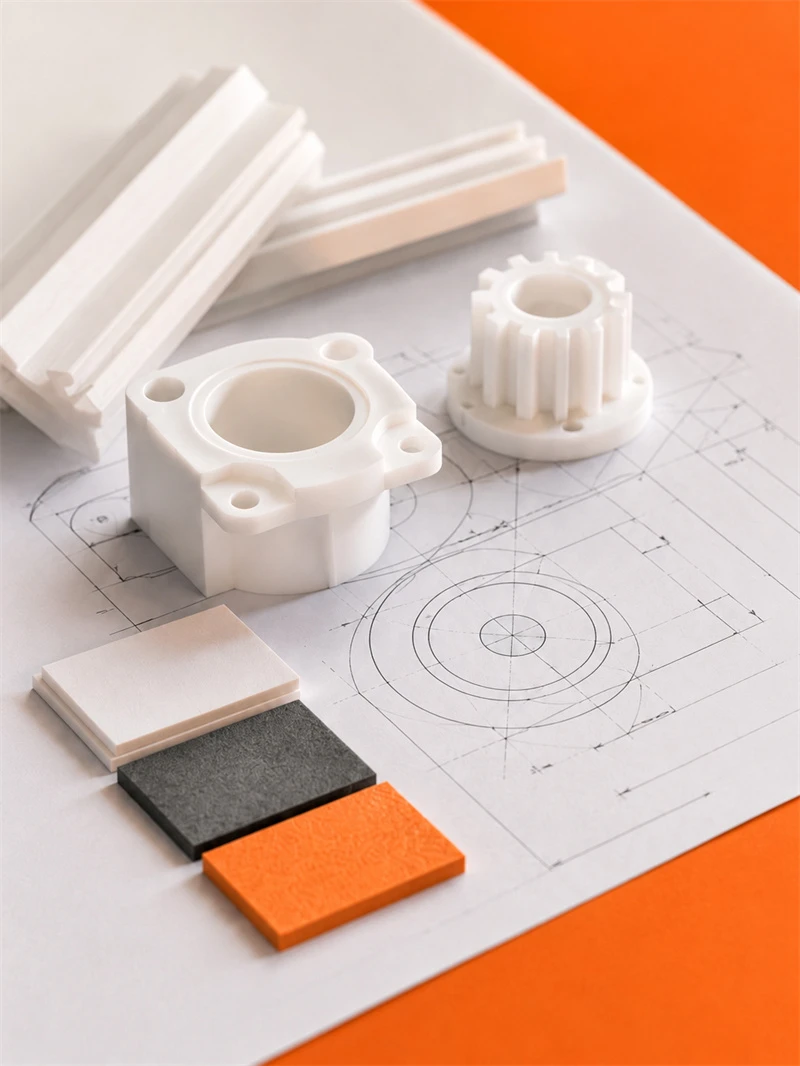
UHMWPE is widely used in sliding, wear and impact applications because of its combination of abrasion resistance, impact strength and low-friction performance. These properties make it suitable for both the skating surface and selected rink board components.
- High wear resistance: Suitable for repeated skate-blade contact and frequent training use.
- Low-friction surface: Helps provide a smoother skating movement than ordinary plastic flooring.
- Strong impact resistance: Suitable for hockey pucks, training equipment and normal rink activity.
- Low water absorption: The material does not absorb moisture easily.
- Corrosion resistance: It does not rust and can be used in humid indoor environments.
- Low-temperature performance: The material maintains useful toughness in cold conditions.
- Easy cleaning: The smooth polymer surface can be swept, vacuumed and cleaned with suitable neutral cleaners.
- Replaceable structure: Damaged or heavily worn sections can be replaced individually.
Indoor and Outdoor Rink Applications
The system can be installed indoors or outdoors when the base structure, drainage conditions and thermal expansion allowance are properly considered. Indoor installations are commonly used in hockey training centers, sports clubs, schools, shopping malls and entertainment facilities.
Outdoor systems may be used for seasonal events, public skating activities, holiday attractions and temporary sports areas. For outdoor use, the installation design should allow for temperature changes, rainwater drainage and regular surface cleaning.
Common applications include:
- Ice hockey shooting and passing practice
- Stickhandling and puck-control training
- Goalie movement and positioning exercises
- Skating technique and balance training
- Small hockey practice rinks
- Public recreational skating areas
- School and sports club training facilities
- Shopping mall seasonal skating attractions
- Hotel and resort entertainment areas
- Exhibition and event skating installations
- Home, garage or private training areas
- Curling-style recreational lanes designed for compatible equipment
Example Rink Layouts
The total rink dimensions are determined by the available installation area and intended activity. Small systems may be used for individual hockey training, while larger systems can support group practice or public recreational skating.
Example layouts may include approximately 6 × 4 m, 10 × 6 m, 15 × 10 m or 20 × 10 m. Larger rink footprints can also be planned according to the building dimensions, entrance position, safety zones and expected number of users.
These dimensions are examples rather than fixed specifications. The final layout should consider the skating direction, number of users, gate position, corner design, surrounding clearance and structural support requirements.
Panel Connection and Installation Base
A flat, stable and clean supporting floor is important for a reliable synthetic ice installation. Uneven flooring can cause movement between panels, visible joint height differences or premature wear around the connection edges.
Before installation, the base should be checked for loose material, sharp projections, large gaps and surface contamination. Concrete and wood floors are commonly used when they provide sufficient strength and flatness.
The panel connection system may use puzzle-shaped edges, interlocking edges or tongue-and-groove joints. The selected joint design should keep adjacent panels aligned while allowing the surface to be assembled and maintained efficiently.
Outdoor installations should include suitable expansion allowances because polyethylene panels can expand and contract when the ambient temperature changes.
Cleaning and Routine Maintenance
Small polymer shavings may appear during skating because of contact between the metal skate blades and the synthetic surface. The rink should be swept or vacuumed regularly to remove loose particles and maintain a clean skating area.
The surface can be cleaned with a soft mop and a suitable neutral cleaning solution. Strong abrasive tools should be avoided because they may scratch or damage the skating surface.
Skate blades should also be inspected regularly. Synthetic skating surfaces can require more frequent blade sharpening than conventional frozen ice, particularly during intensive hockey training.
Production and Quality Inspection
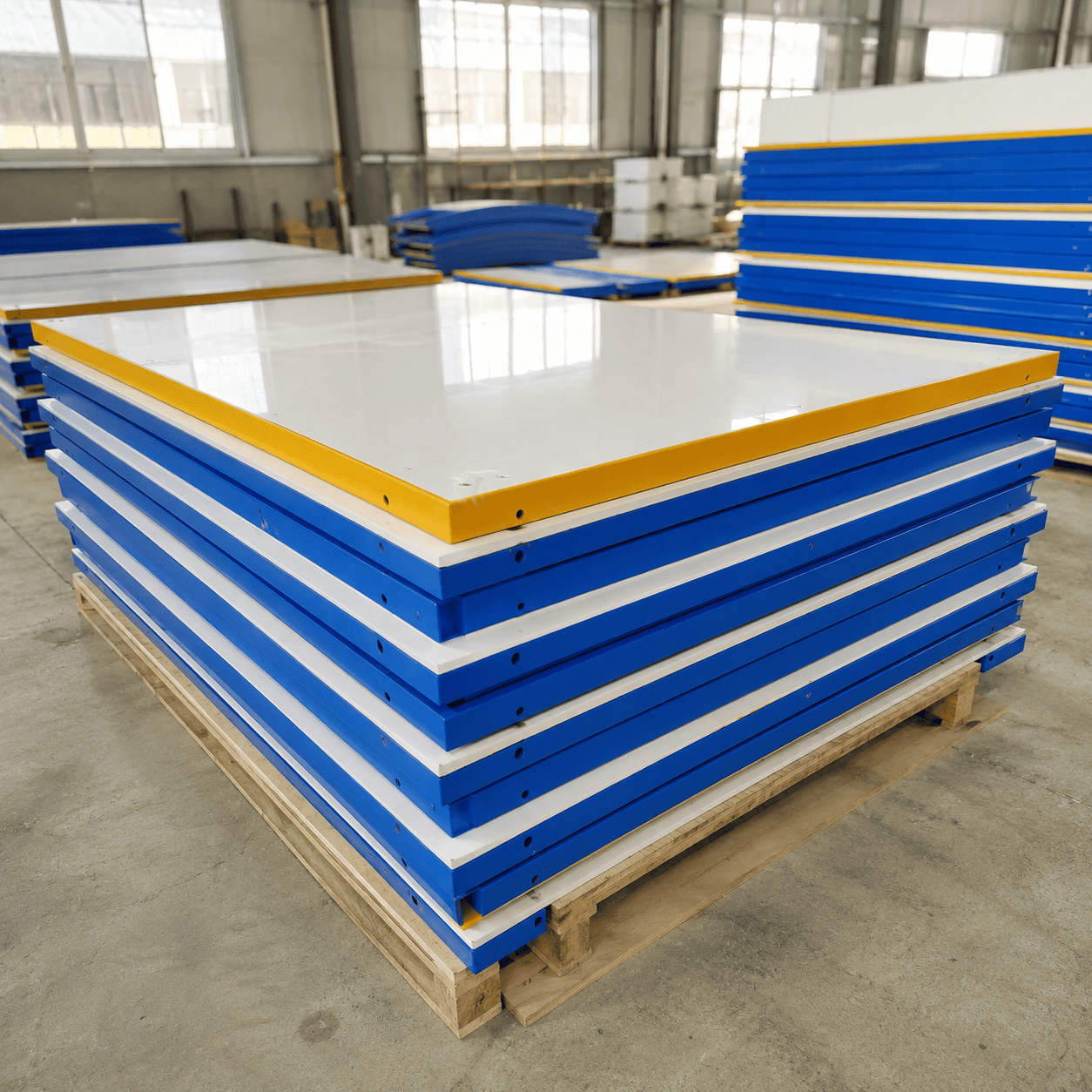
The synthetic ice panels and rink board components are produced through controlled sheet manufacturing, molding and machining processes. Important inspection items include panel length, width, thickness, surface flatness, edge condition and connection accuracy.
Rink board components should also be checked for hole position, frame connection, gate alignment, corner fit and surface condition. Trial assembly can be carried out before shipment when required by the project structure.
Learn more about our UHMWPE sheet production and engineering plastic machining capabilities on the Honsee UHMWPE manufacturer website.
Selecting the Right Synthetic Ice Rink System
When selecting a Synthetic Ice Rink System, the main factors include the total rink area, indoor or outdoor installation, skating frequency, supporting floor condition, panel material, panel thickness, rink board height and required gate configuration.
UHMWPE panels are generally suitable for projects requiring improved wear resistance and frequent use. HDPE panels may be considered for lighter recreational use or projects with different budget requirements.
A properly planned modular system provides a reusable skating surface for hockey training, recreational skating and sports entertainment without installing a conventional refrigerated ice floor.