Synthetic Ice Hockey Skating Panels for Hockey Training
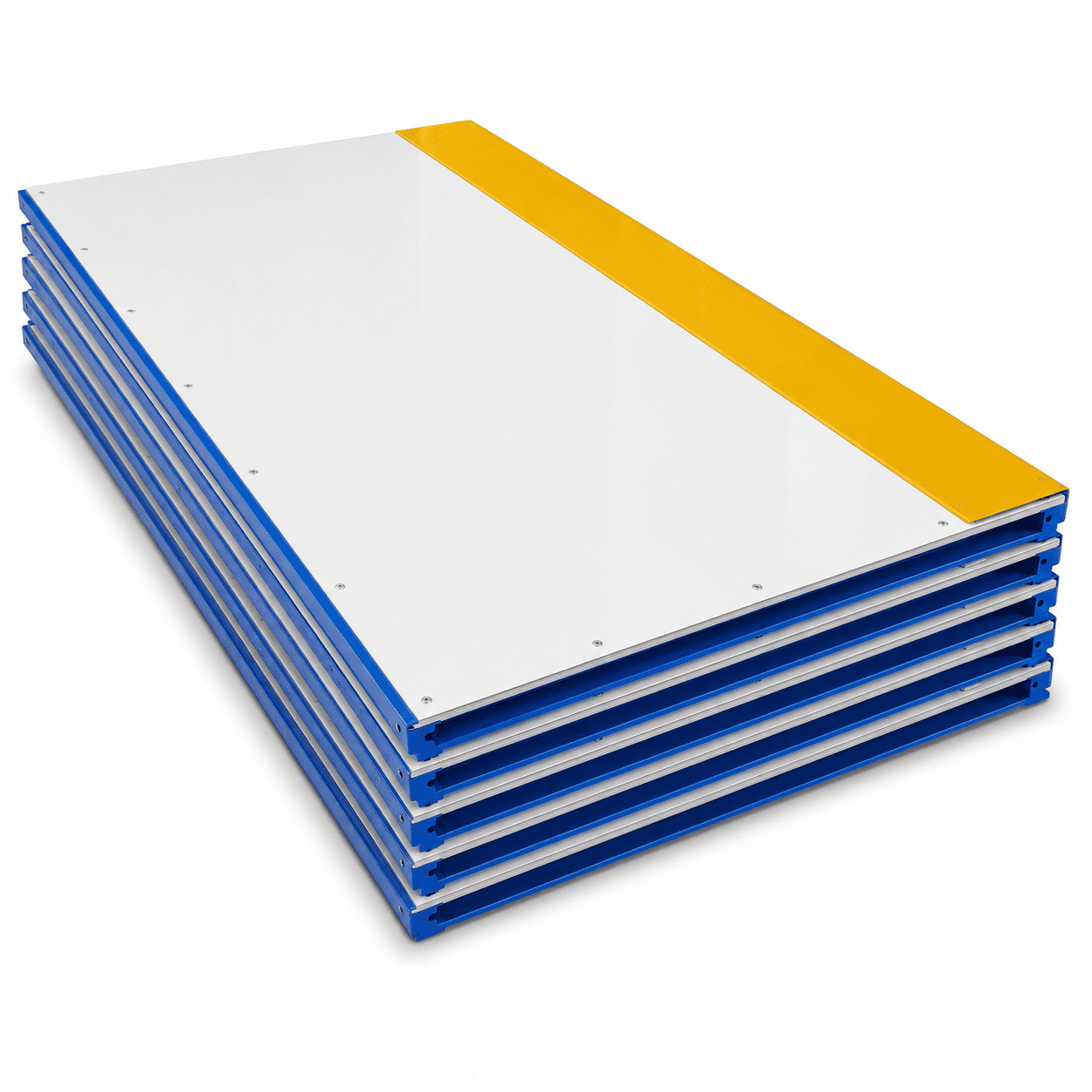
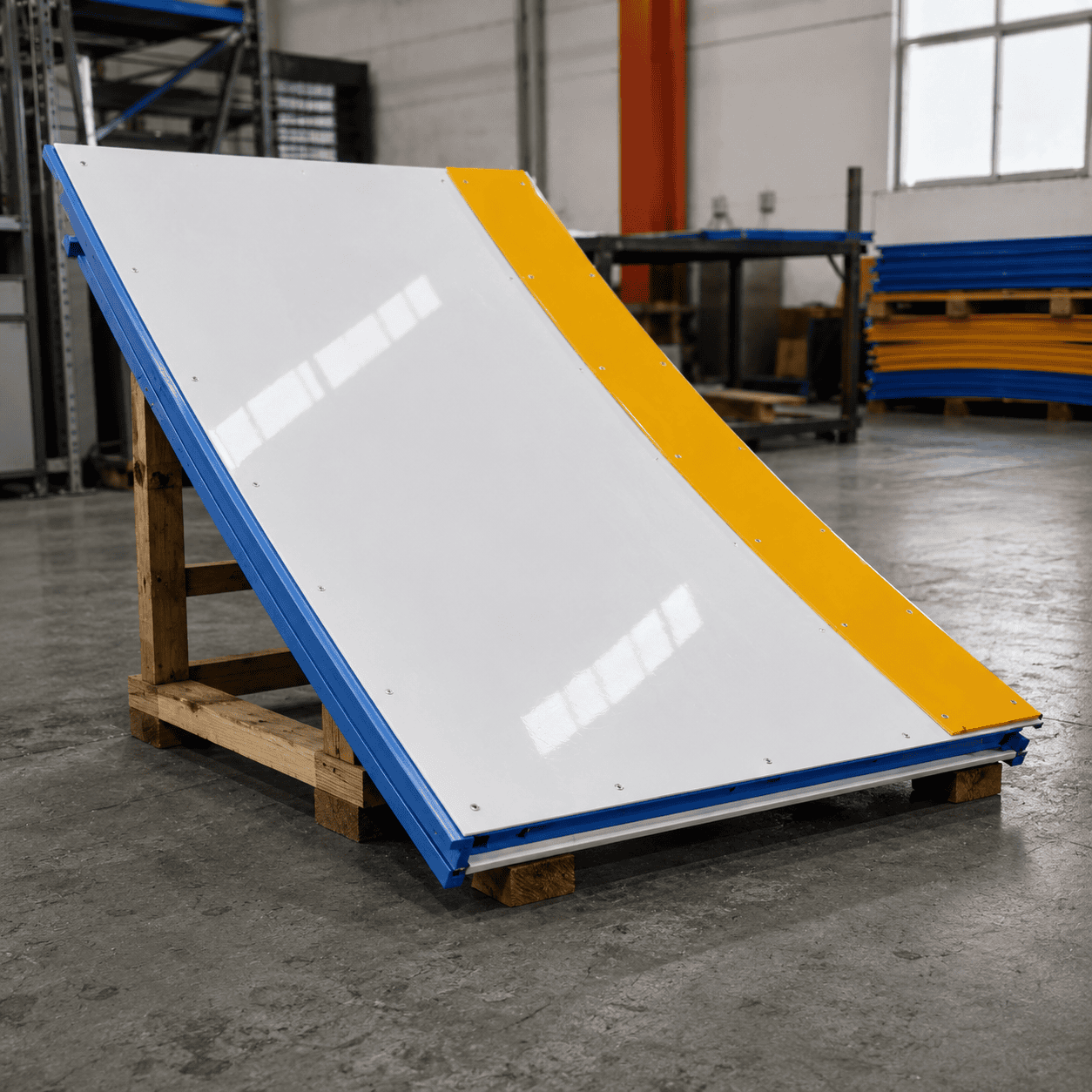
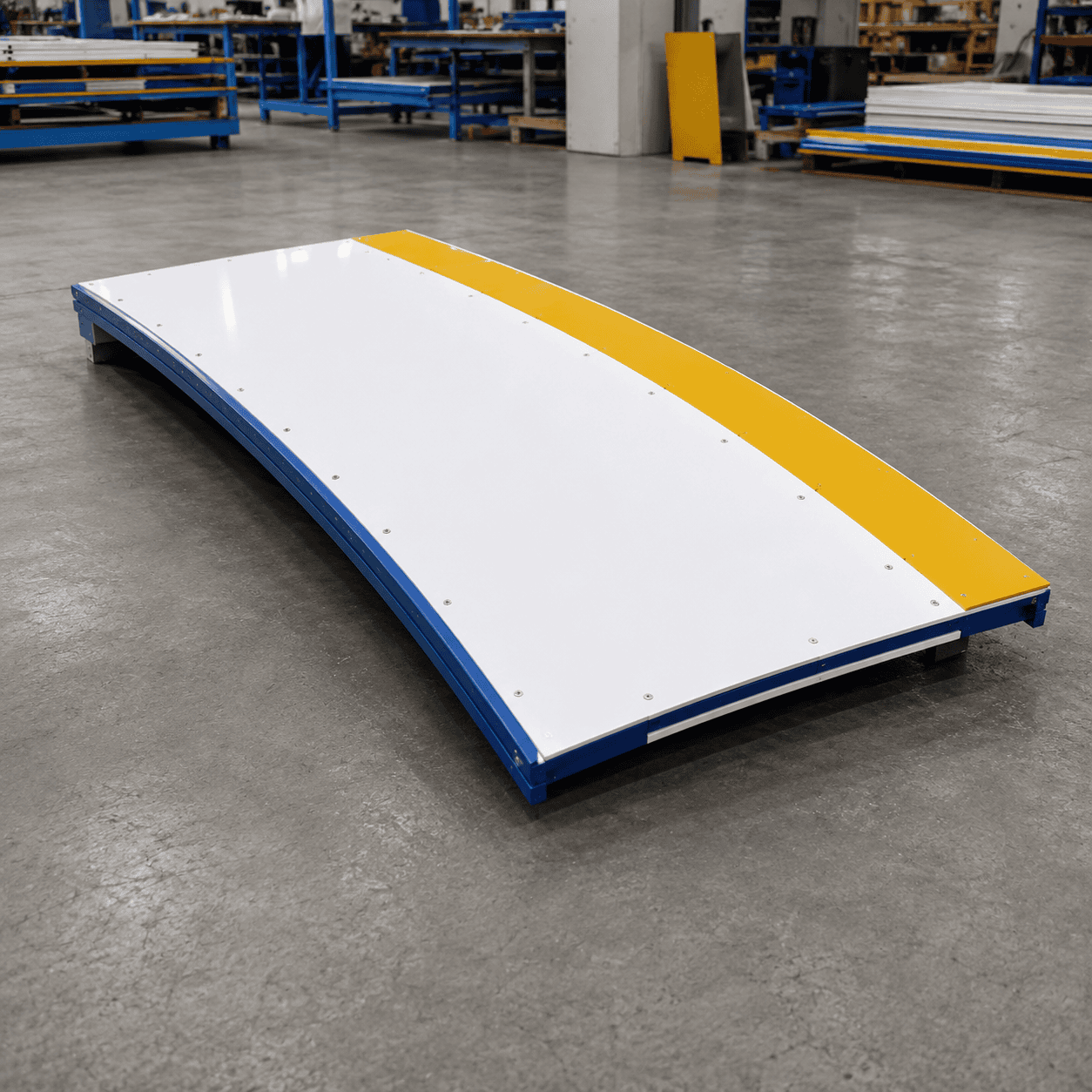
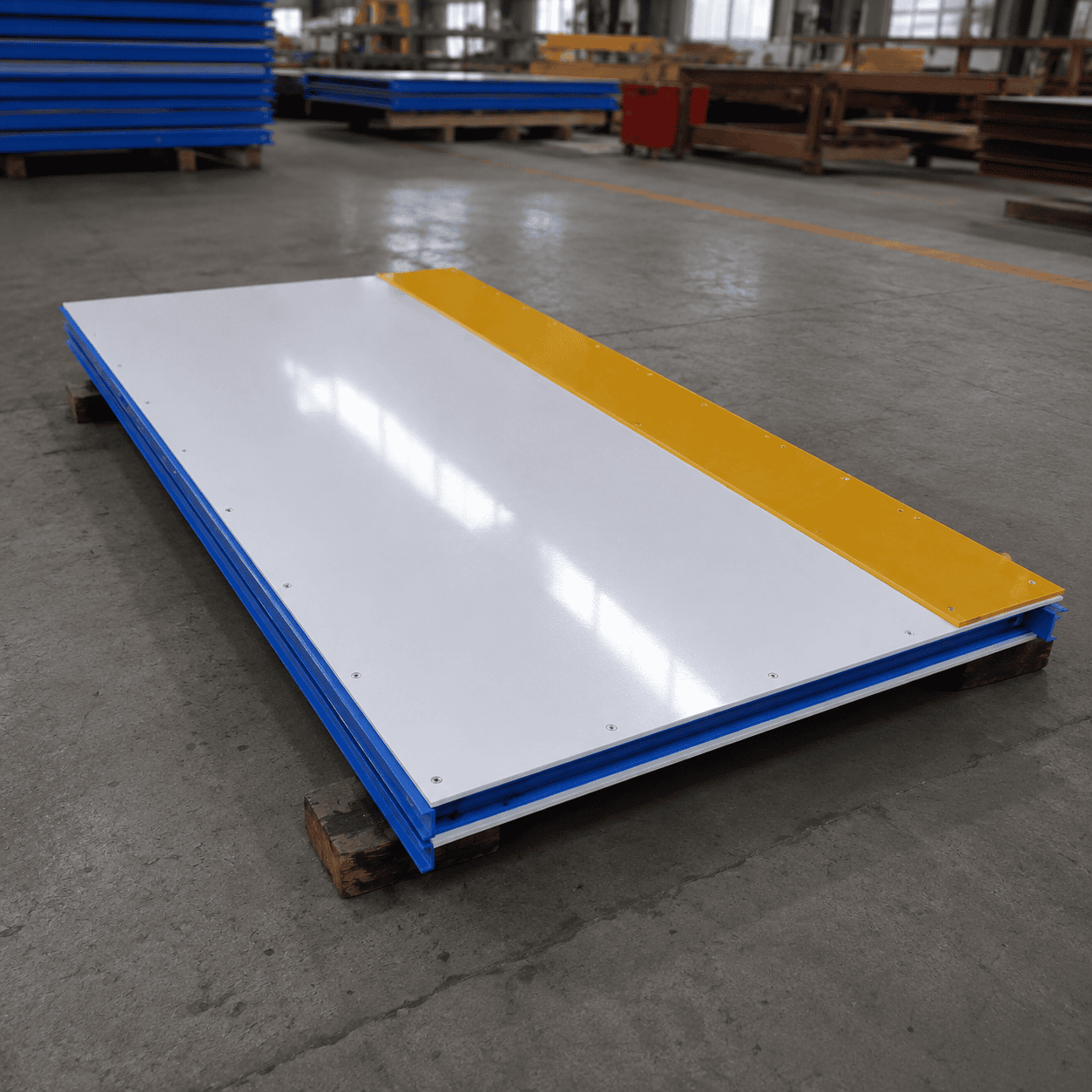
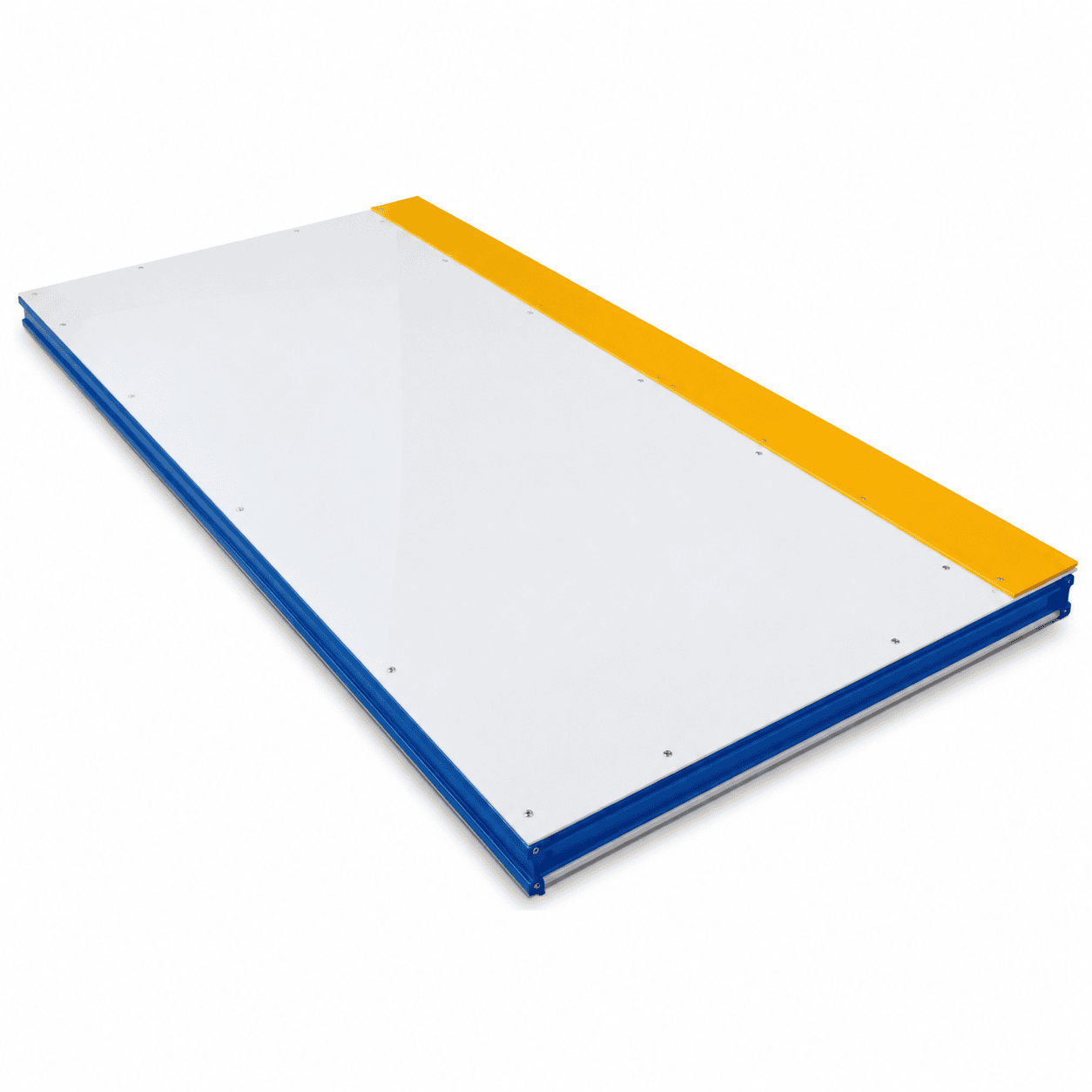
Synthetic Ice Hockey Skating Panels provide a durable polymer skating surface for ice hockey practice, skating instruction, shooting training and recreational skating. Manufactured from high-performance UHMWPE material, the panels offer a combination of wear resistance, impact strength, low moisture absorption and smooth sliding performance.
The panels can be assembled to create a small hockey shooting area, a goalie training zone, a private skating surface or a larger modular synthetic ice rink. Unlike a conventional frozen ice surface, synthetic ice panels do not require water freezing, underground refrigeration pipes or continuous cooling equipment.
Standard metal-bladed hockey skates and figure skates can be used on a properly installed synthetic skating surface. For a general explanation of the material, construction and operation of synthetic skating surfaces, visit the Synthetic Ice overview on Wikipedia.
UHMWPE Material for Repeated Skating and Hockey Practice
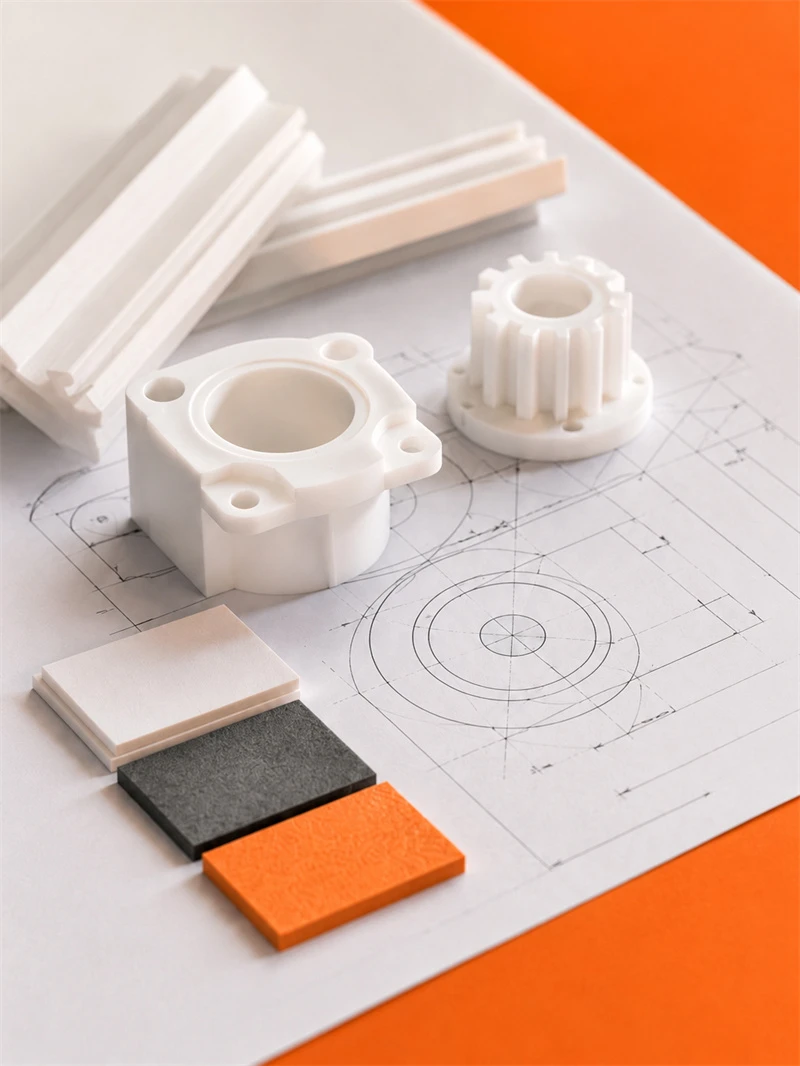
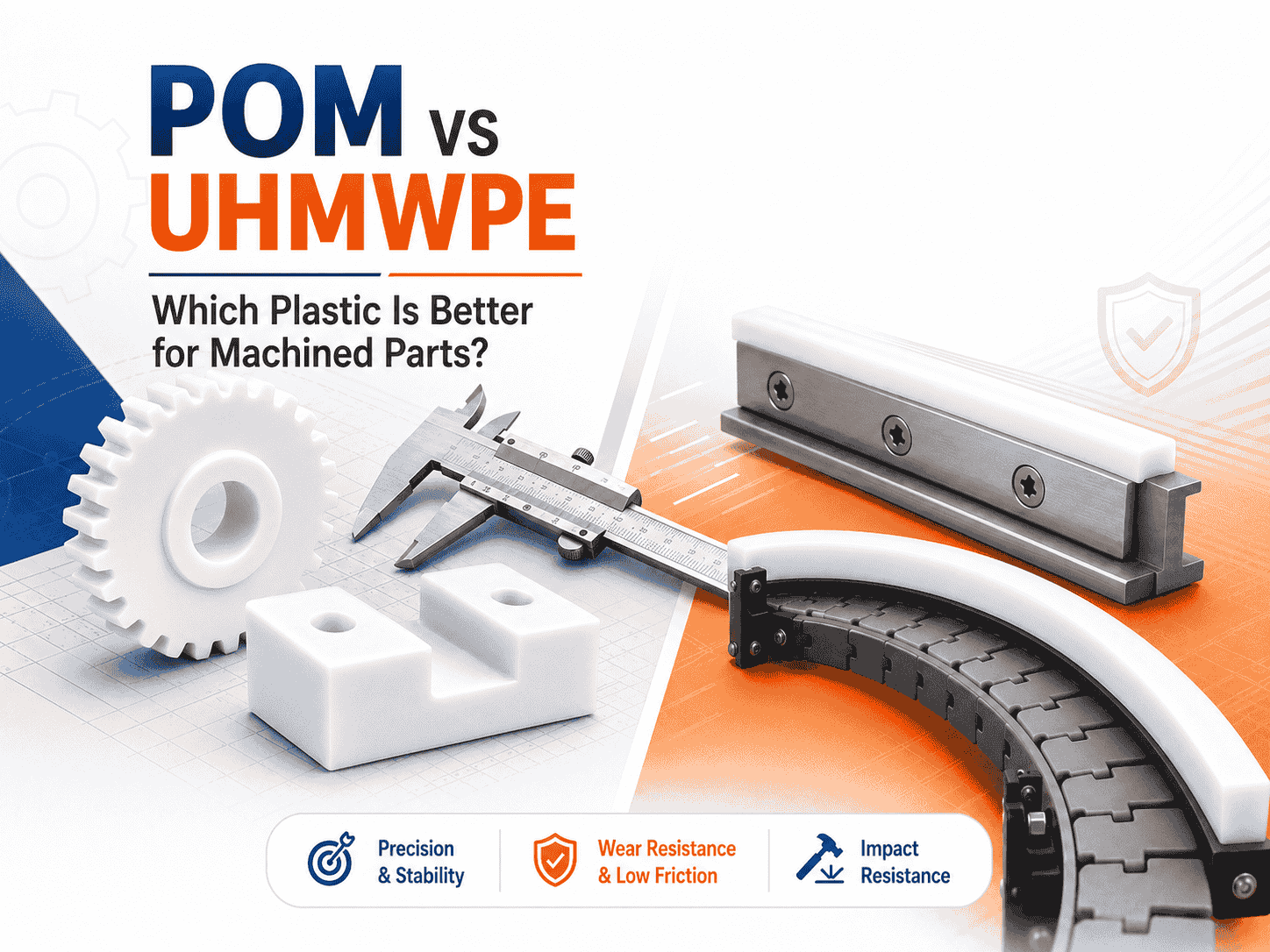
The skating panels are commonly manufactured from ultra-high-molecular-weight polyethylene, also known as UHMWPE. This engineering plastic is suitable for applications involving repeated sliding, abrasion, impact and contact with moisture.
UHMWPE has a low-friction surface that supports skate movement while providing the durability required for regular hockey practice. Its strong impact performance also makes it suitable for shooting pads and training areas exposed to hockey pucks, sticks, protective equipment and frequent player movement.
The material does not rust and absorbs very little water. This allows the panels to be used in indoor training centers, sports clubs, schools, private practice areas and suitable outdoor installations.
Typical Panel Sizes and Specifications
Synthetic ice hockey panels can be manufactured in several practical sizes according to the skating area, transportation method, supporting floor and connection system. Common project specifications include:
| Product |
UHMWPE Synthetic Ice Hockey Skating Panels |
| Material |
UHMWPE or high-performance polyethylene |
| Typical Modular Size |
1000 × 1000 mm |
| Large Modular Size |
2000 × 1000 mm |
| Full Sheet Option |
1220 × 2440 mm |
| Common Thicknesses |
10 mm, 12 mm, 15 mm and 20 mm |
| Practical Thickness Range |
Approximately 8–30 mm, depending on the application |
| Connection System |
Interlocking, puzzle joint or tongue-and-groove joint |
| Standard Color |
White |
| Optional Colors |
Blue, red, yellow or rink-marking colors |
| Surface Type |
Smooth skating and hockey training surface |
| Installation Base |
Level concrete, wood flooring or another solid platform |
The specifications above are typical project options rather than fixed dimensions. The final panel length, width and thickness should be selected according to the total skating area, expected training frequency, supporting floor condition and installation environment.
Smaller modular panels are easier to transport, install and replace. Larger panels reduce the total number of joints and can be suitable for permanent hockey training areas or larger skating facilities.
Interlocking Panel Connection Design
The connection structure is important for maintaining a smooth skating surface. Precisely machined interlocking edges help align adjacent panels and reduce visible height differences between individual sections.
Depending on the installation requirements, the panels may use puzzle-shaped connections, tongue-and-groove edges, straight interlocking joints or another mechanical positioning structure.
A complete hockey skating surface should be installed on a flat, clean and stable base. An uneven floor may cause movement between panels, joint height differences and increased wear around the edges.
Before installation, the supporting surface should be checked for loose material, sharp projections, large gaps and contamination. Concrete and wood floors are commonly used when they provide sufficient strength, flatness and stability.
Hockey Training Applications
UHMWPE synthetic skating panels are suitable for different types of hockey and skating practice, including:
- Ice hockey shooting practice
- Passing and puck-control training
- Stickhandling exercises
- Goalie movement and positioning practice
- Skating technique instruction
- Balance and edge-control exercises
- Private home hockey training areas
- Garage or basement shooting pads
- Hockey clubs and training academies
- Schools and sports centers
- Temporary indoor skating surfaces
- Seasonal outdoor skating areas
- Shopping mall and exhibition activities
- Recreational skating facilities
A small number of panels can be used to build a focused shooting or stickhandling area. Additional panels can be connected to create a larger skating zone for movement training, goalie exercises or recreational skating.
Advantages of Synthetic Ice Hockey Skating Panels
- No conventional refrigeration system: The surface does not depend on continuously frozen water.
- Indoor and outdoor installation: Suitable for different training and recreational environments when properly installed.
- High wear resistance: UHMWPE performs well under repeated sliding and skate-blade contact.
- Strong impact resistance: Suitable for hockey pucks, sticks and regular sports activity.
- Low-friction surface: Supports skating movement and hockey training.
- Low water absorption: The panels do not absorb moisture easily.
- No corrosion: The polymer material does not rust.
- Modular structure: The skating area can be expanded, reduced or relocated.
- Replaceable sections: Individual worn panels can be removed without replacing the entire surface.
- Easy cleaning: Loose particles can be removed using a broom, vacuum or suitable cleaning equipment.
Shooting Pad and Full Skating Surface Options
The same UHMWPE material can be used for both hockey shooting pads and full skating panel systems. A shooting pad is generally a smaller flat surface used for puck handling, shooting and passing practice. It may be supplied as a single sheet or as several connected panels.
A full skating surface normally uses multiple precisely aligned panels installed on a stable floor. Interlocking joints are recommended for skating areas because they help control panel movement and maintain surface alignment.
For shooting-only applications, full-size sheets such as 1220 × 2440 mm may be practical. For larger skating areas, 1000 × 1000 mm or 2000 × 1000 mm modular panels are easier to assemble and replace.
Indoor and Outdoor Installation
Indoor installations are commonly used in hockey clubs, schools, training centers, private sports rooms and entertainment venues. The supporting floor should remain dry, clean, level and structurally stable.
Outdoor installations should consider temperature variation, drainage, direct sunlight, surface cleanliness and panel expansion. Adequate expansion clearance should be included because polyethylene panels may expand or contract as the surrounding temperature changes.
For temporary installations, the panels can be disassembled after use and stored for future events. The modular construction also makes it possible to move the skating surface to another suitable location.
Cleaning and Routine Maintenance
Small polymer shavings may appear during skating because of contact between metal skate blades and the synthetic surface. The skating area should be swept or vacuumed regularly to remove loose particles.
The panel surface can be cleaned using a soft mop and a suitable neutral cleaning solution. Strong abrasive tools should be avoided because they may scratch the skating surface or affect the consistency of the glide.
Skate blades should be checked regularly and sharpened when necessary. Synthetic skating surfaces may require more frequent blade maintenance than conventional frozen ice, especially during intensive hockey practice.
Manufacturing and Quality Inspection
The panels are produced through controlled molding, pressing or sheet-manufacturing processes and then machined according to the required dimensions and connection design.
Important inspection items include panel length, width, thickness, surface flatness, edge condition, joint accuracy and overall appearance. For interlocking panels, trial assembly can be carried out to confirm that adjacent sections connect correctly.
Consistent panel thickness and accurate joint machining help reduce uneven transitions between panels. The supporting floor and installation method are also important factors in achieving a smooth and stable skating surface.
Learn more about our UHMWPE materials and engineering plastic manufacturing capabilities on the Honsee UHMWPE manufacturer website.
How to Select the Right Hockey Skating Panel
When selecting Synthetic Ice Hockey Skating Panels, consider the intended application, total skating area, training frequency, installation base, panel thickness and connection method.
For shooting and stickhandling practice, a smaller single-sheet or modular area may be sufficient. For skating, goalie training or group practice, a larger interlocking surface is generally more suitable.
UHMWPE Synthetic Ice Hockey Skating Panels provide a reusable solution for hockey clubs, sports facilities, schools and private training areas that require a durable skating and shooting surface without installing a conventional refrigerated ice floor.