Ice Hockey Rink Dasher Boards for Indoor and Outdoor Rinks
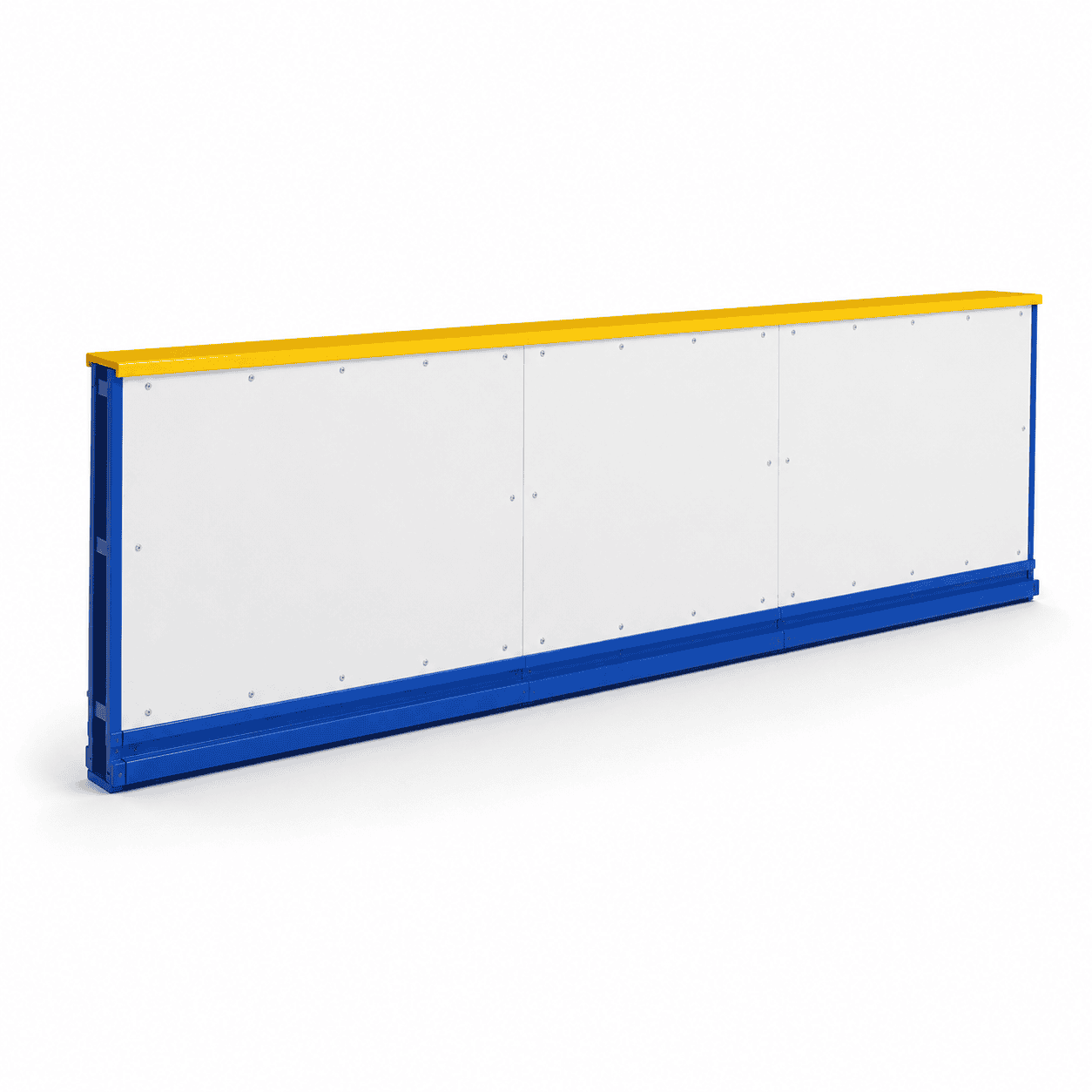
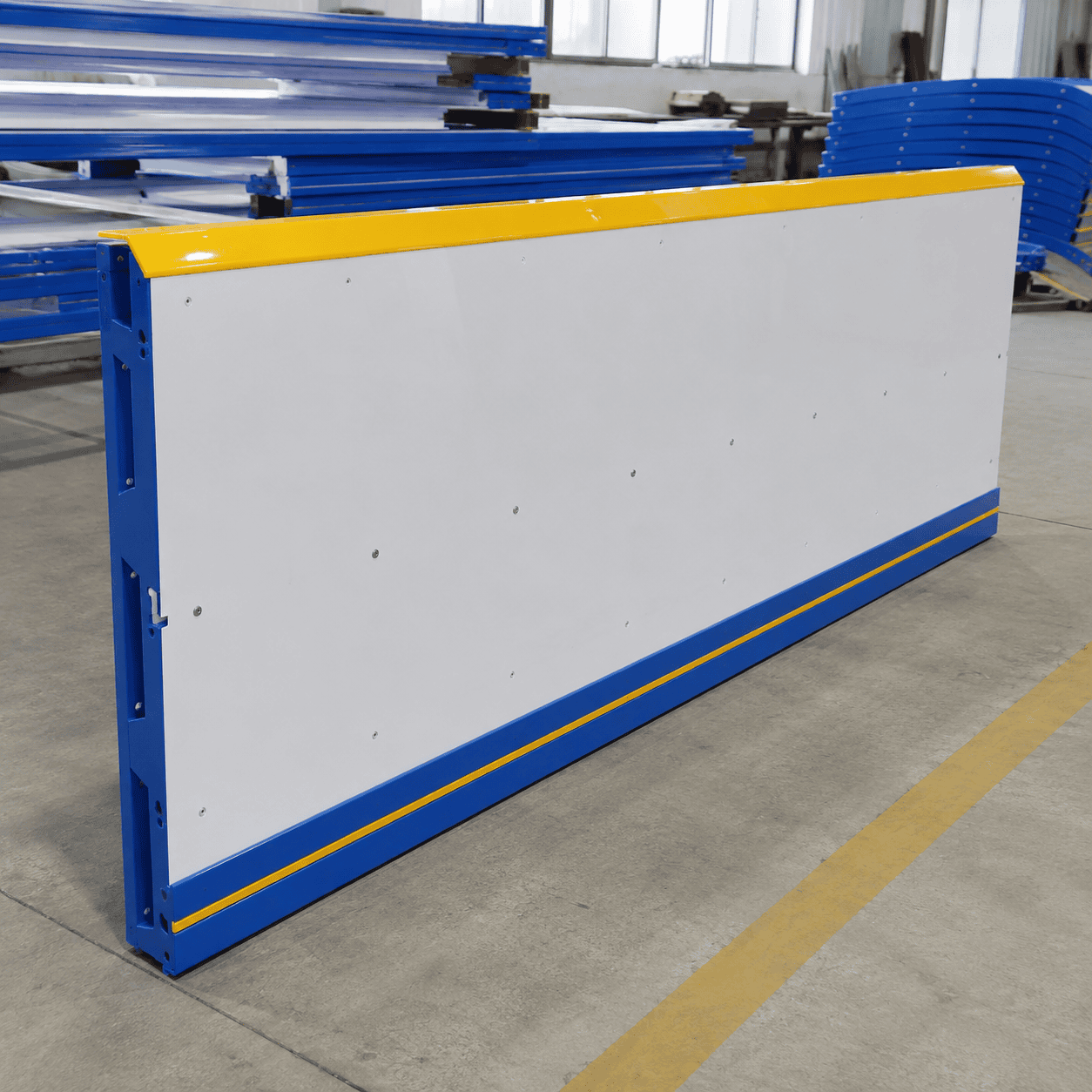
Ice Hockey Rink Dasher Boards are modular perimeter barrier systems designed to form the boundary of ice hockey rinks, synthetic ice areas, skating facilities and hockey training zones. A complete system can include white polyethylene facing panels, supporting frames, colored kick plates, top handrails, straight sections, curved corner sections, access gates and optional transparent protective shielding.
The visible board surface is commonly manufactured from impact-resistant UHMWPE or HDPE material. These engineering plastics provide a smooth surface, low water absorption, corrosion resistance and strong impact performance. The supporting structure can be manufactured from galvanized steel or aluminum according to the installation environment, portability requirements and expected level of use.
Ice hockey rinks are surrounded by low walls commonly known as boards or dasher boards. For a general explanation of rink construction, board height and standard rink layouts, visit the Ice Hockey Rink overview on Wikipedia.
Modular Ice Hockey Rink Dasher Board System
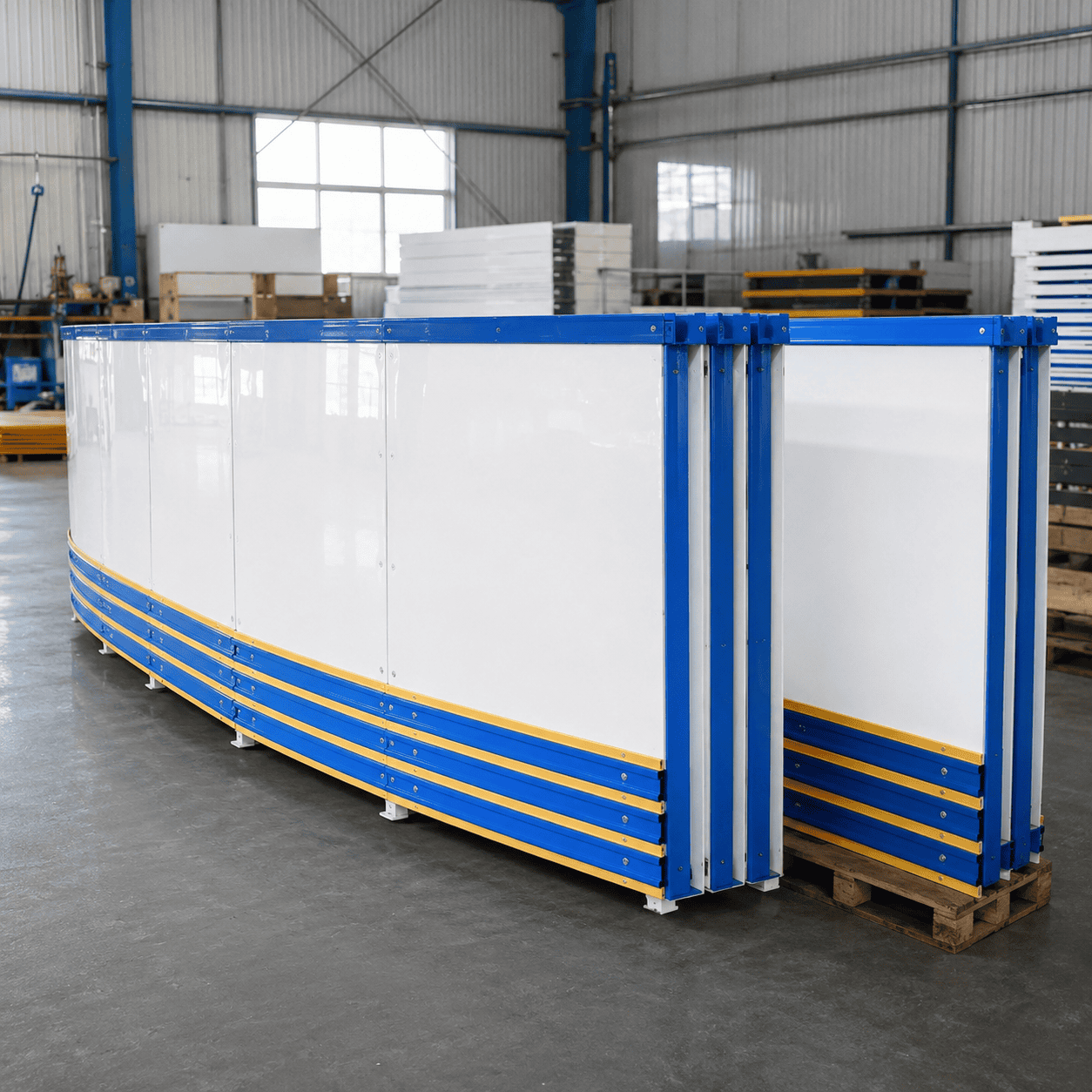
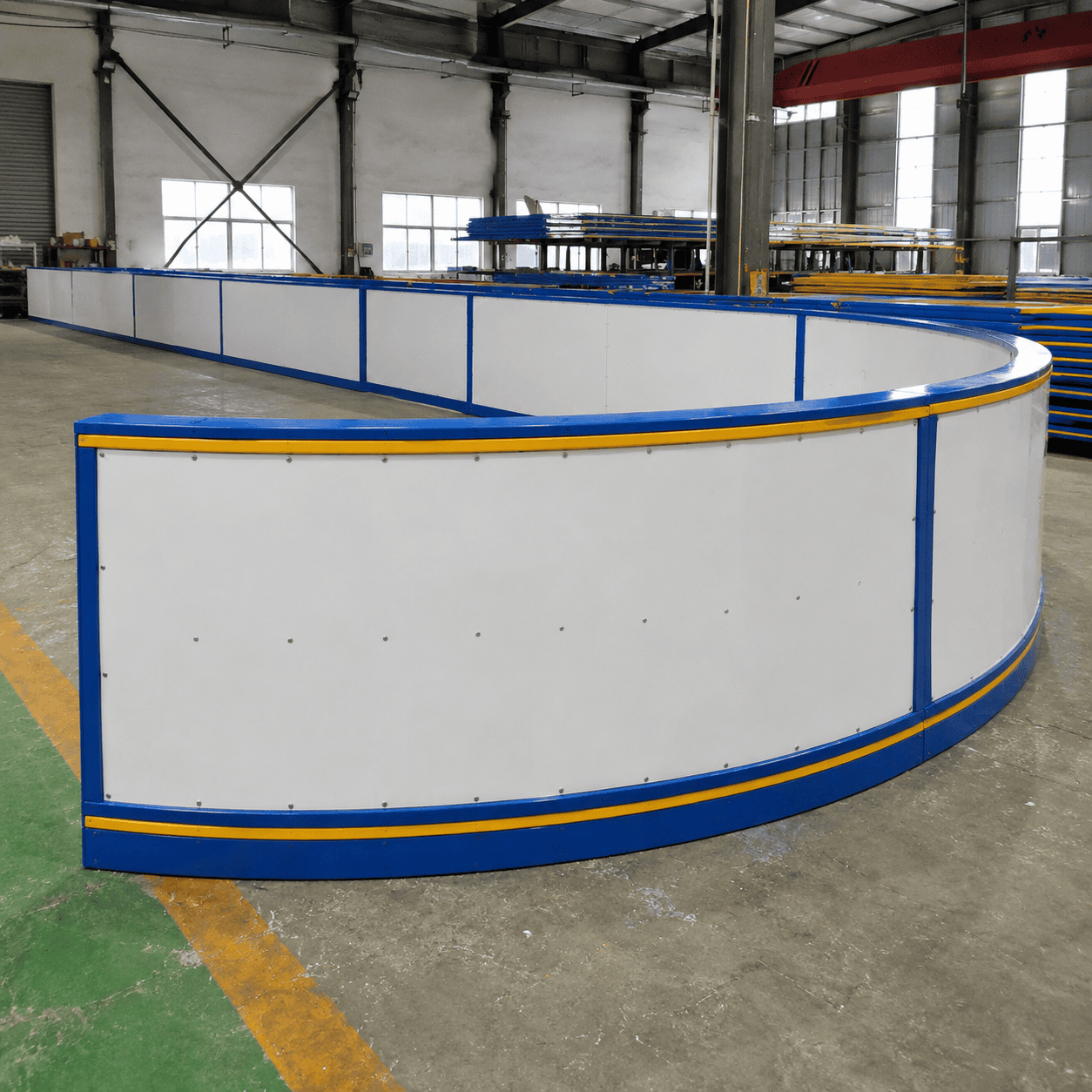
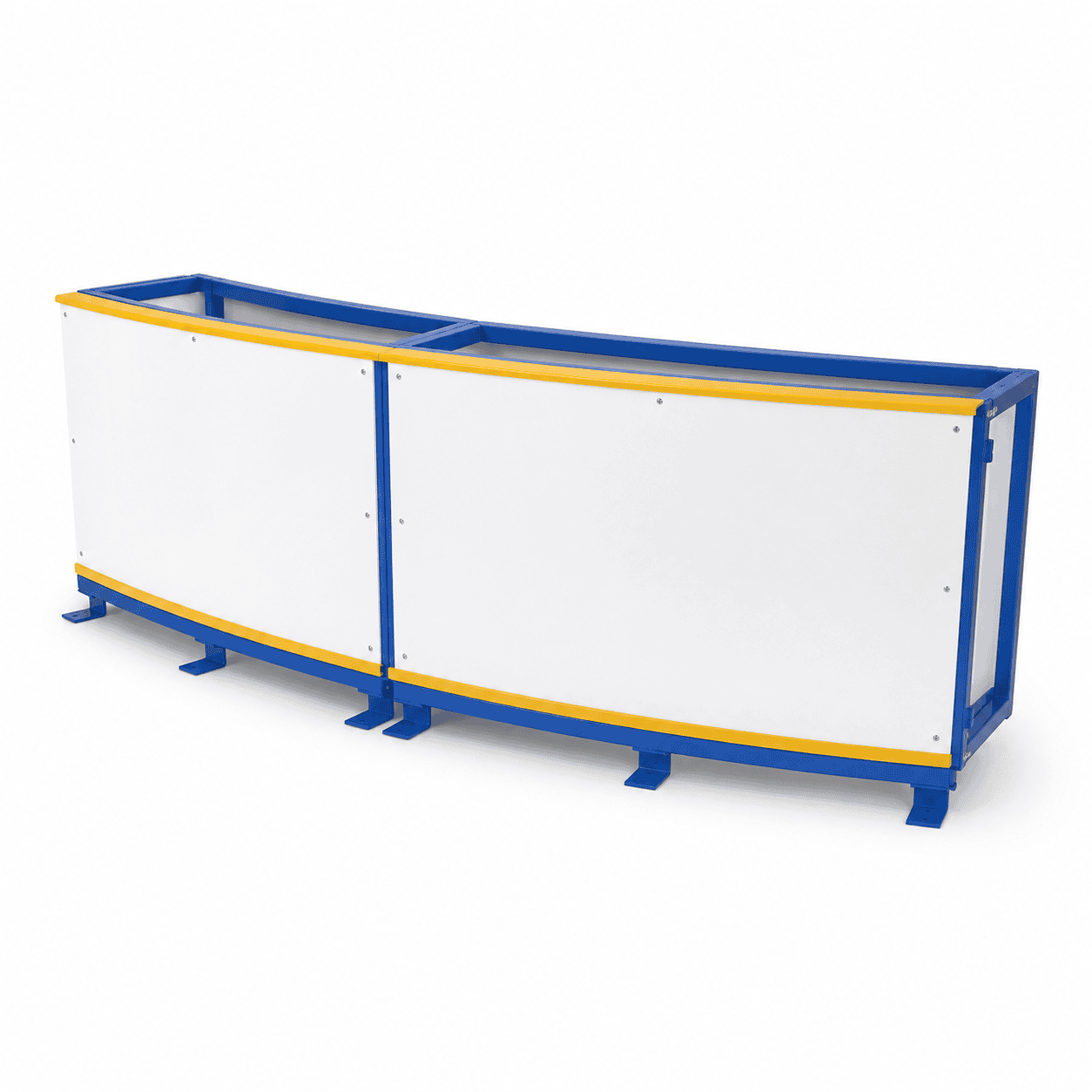
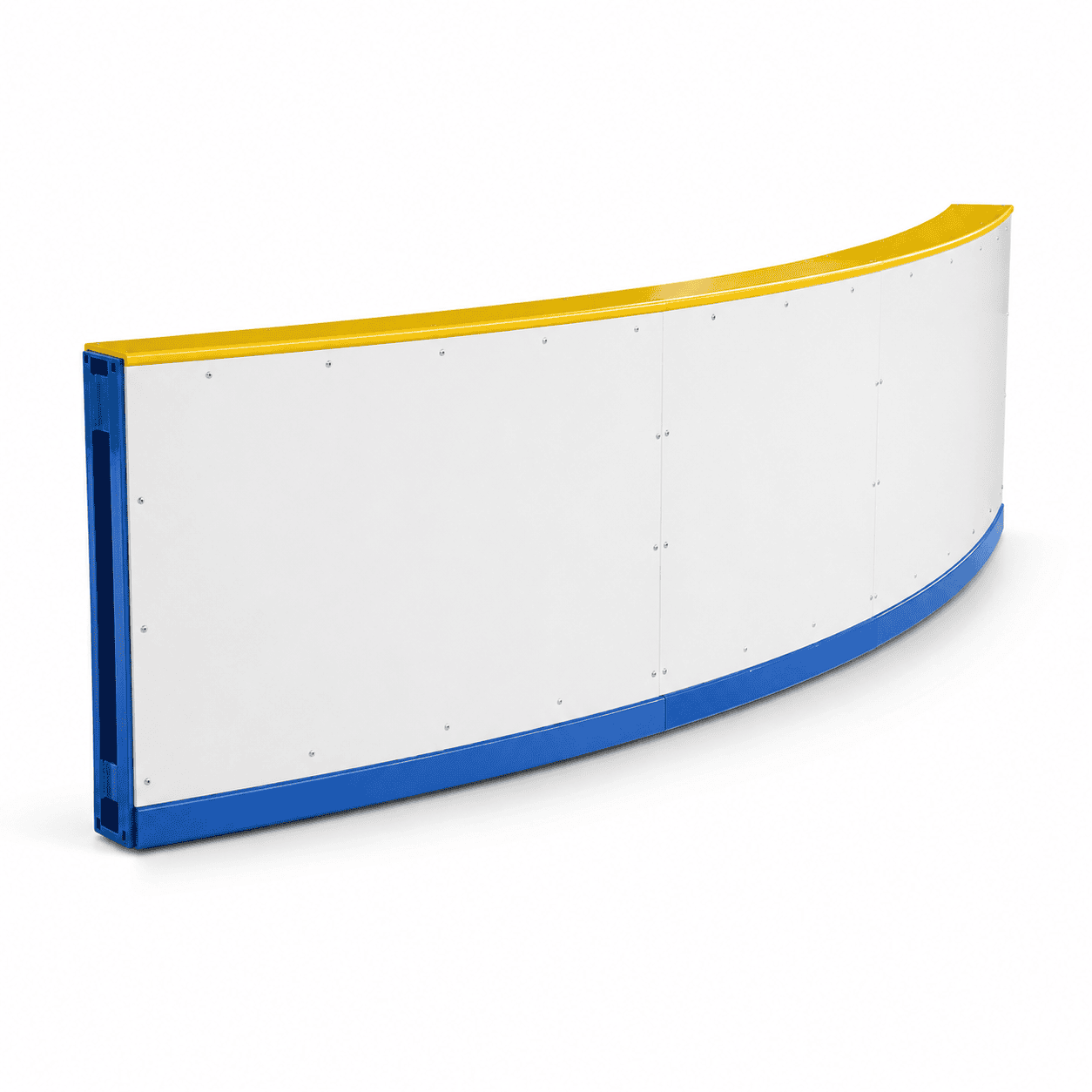
The modular structure allows individual board sections to be connected around the edge of the skating area. Straight sections are used along the sides and ends of the rink, while curved or angled sections form the corners. Gates can be positioned according to the rink layout, player entrance requirements and maintenance access.
A typical ice hockey rink barrier system may include:
- White UHMWPE or HDPE facing panels
- Galvanized steel or aluminum supporting frames
- Yellow, blue, red or other colored kick plates
- Colored top handrails or cap rails
- Straight side and end board sections
- Curved or angled corner sections
- Player access gates
- Wider equipment and maintenance gates
- Floor anchors, support feet and connecting hardware
- Optional acrylic or polycarbonate protective shielding
- Optional advertising panels and printed graphics
Individual modules can be assembled into small training areas, portable recreational rinks or larger permanent hockey facilities. Sections can also be dismantled for transportation or storage when the rink is used seasonally.
Typical Ice Hockey Rink Board Sizes
The final board dimensions depend on the rink layout, supporting frame, user group, installation environment and applicable facility requirements. The following dimensions are common reference ranges for modular rink projects:
| Product |
UHMWPE Ice Hockey Rink Dasher Boards |
| Facing Panel Material |
UHMWPE or HDPE |
| Typical Overall Board Height |
Approximately 1000–1220 mm |
| Common Module Length |
Approximately 1000–2400 mm |
| Facing Panel Thickness |
Approximately 8–15 mm |
| Typical Full Sheet Option |
1220 × 2440 mm before cutting and machining |
| Kick Plate Height |
Approximately 150–250 mm |
| Kick Plate Thickness |
Approximately 8–12 mm |
| Top Handrail Width |
Approximately 50–100 mm, depending on the frame |
| Single Access Gate Width |
Approximately 800–1000 mm |
| Equipment Gate Width |
Approximately 1200–1800 mm |
| Frame Material |
Galvanized steel or aluminum |
| Standard Facing Color |
White |
| Optional Colors |
Yellow, blue, red, black or project-specific colors |
| Installation Type |
Permanent, semi-permanent or portable |
These dimensions are typical project references rather than fixed certified specifications. Rinks intended for official competition should be designed according to the applicable ice hockey federation rules, building requirements and local safety standards.
UHMWPE and HDPE Facing Panels
The white facing panel is the main visible and contact surface of the rink barrier. It must provide a smooth finish while resisting repeated contact from hockey pucks, sticks, skates, equipment and players.
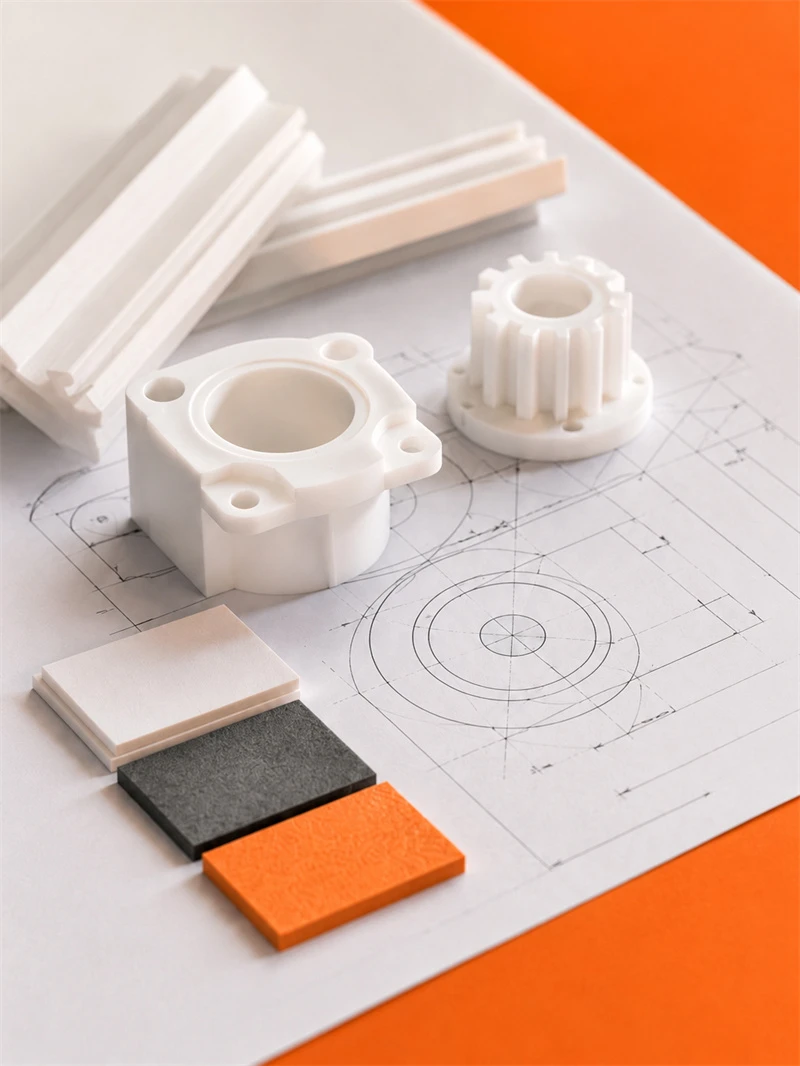
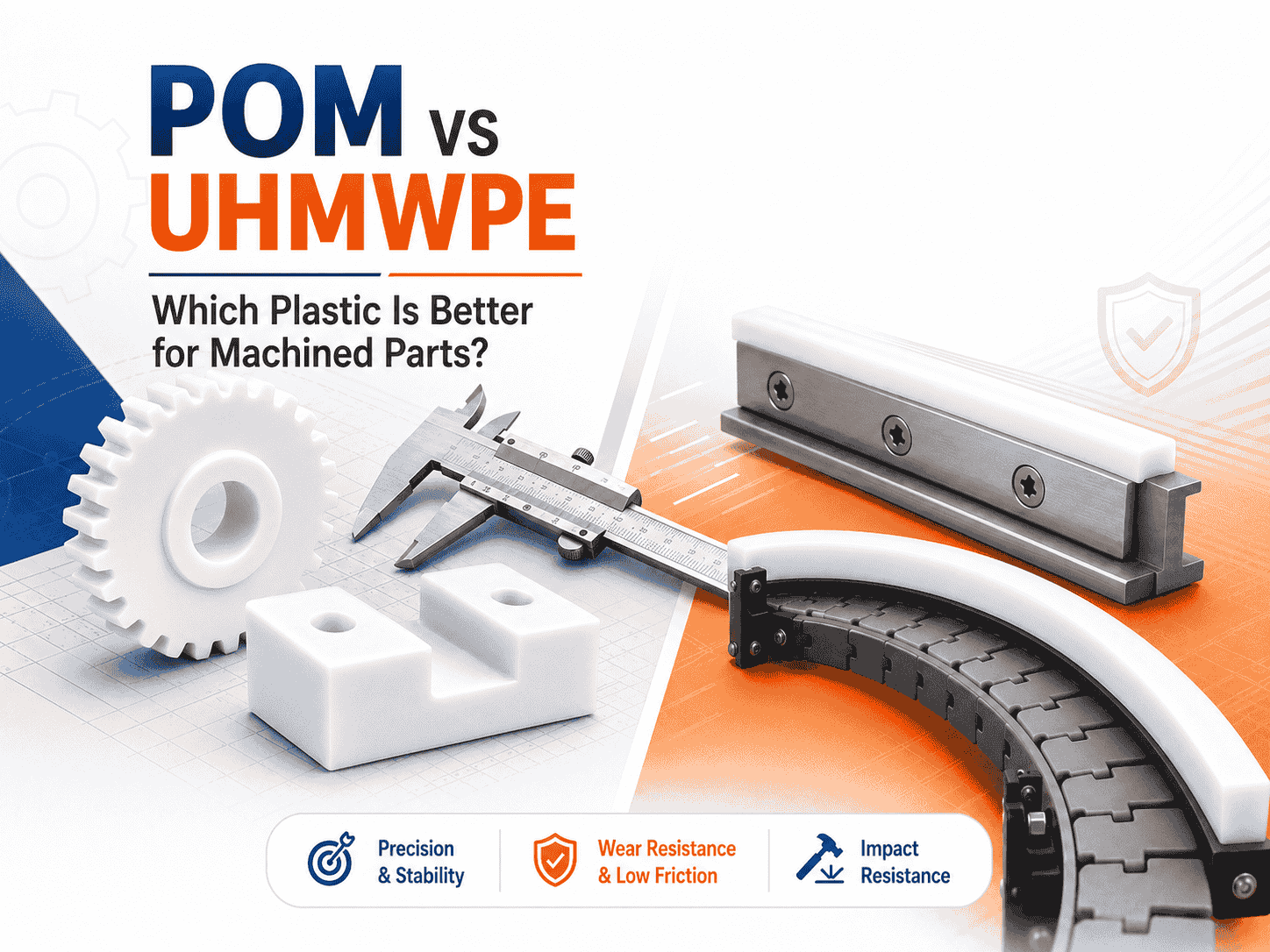
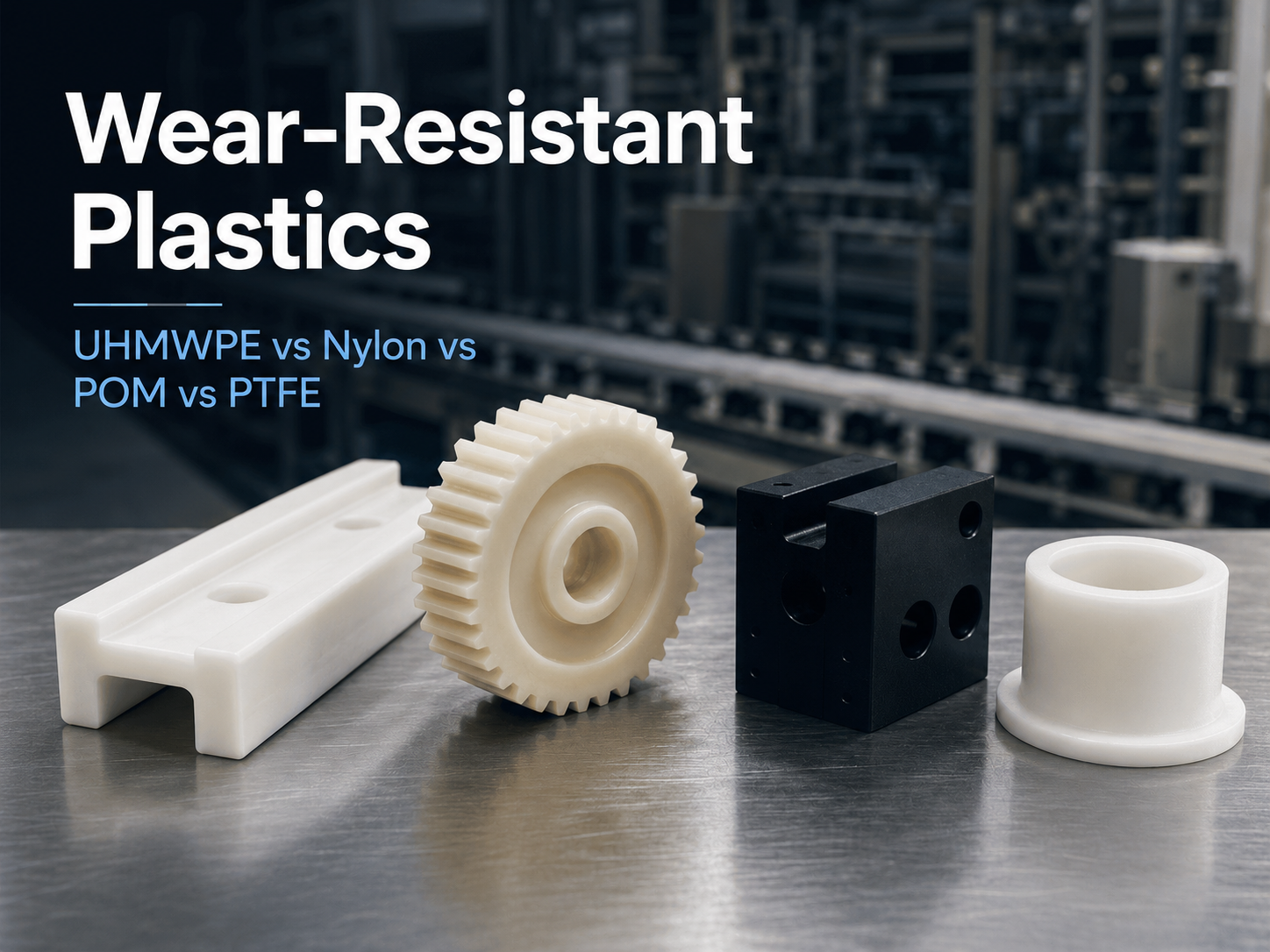
UHMWPE offers excellent abrasion resistance, strong impact performance and a low-friction surface. It is suitable for rink components exposed to repeated sliding, impact and intensive use. HDPE is also widely used for rink barriers because it provides good impact resistance, low water absorption, easy cleaning and practical processing performance.
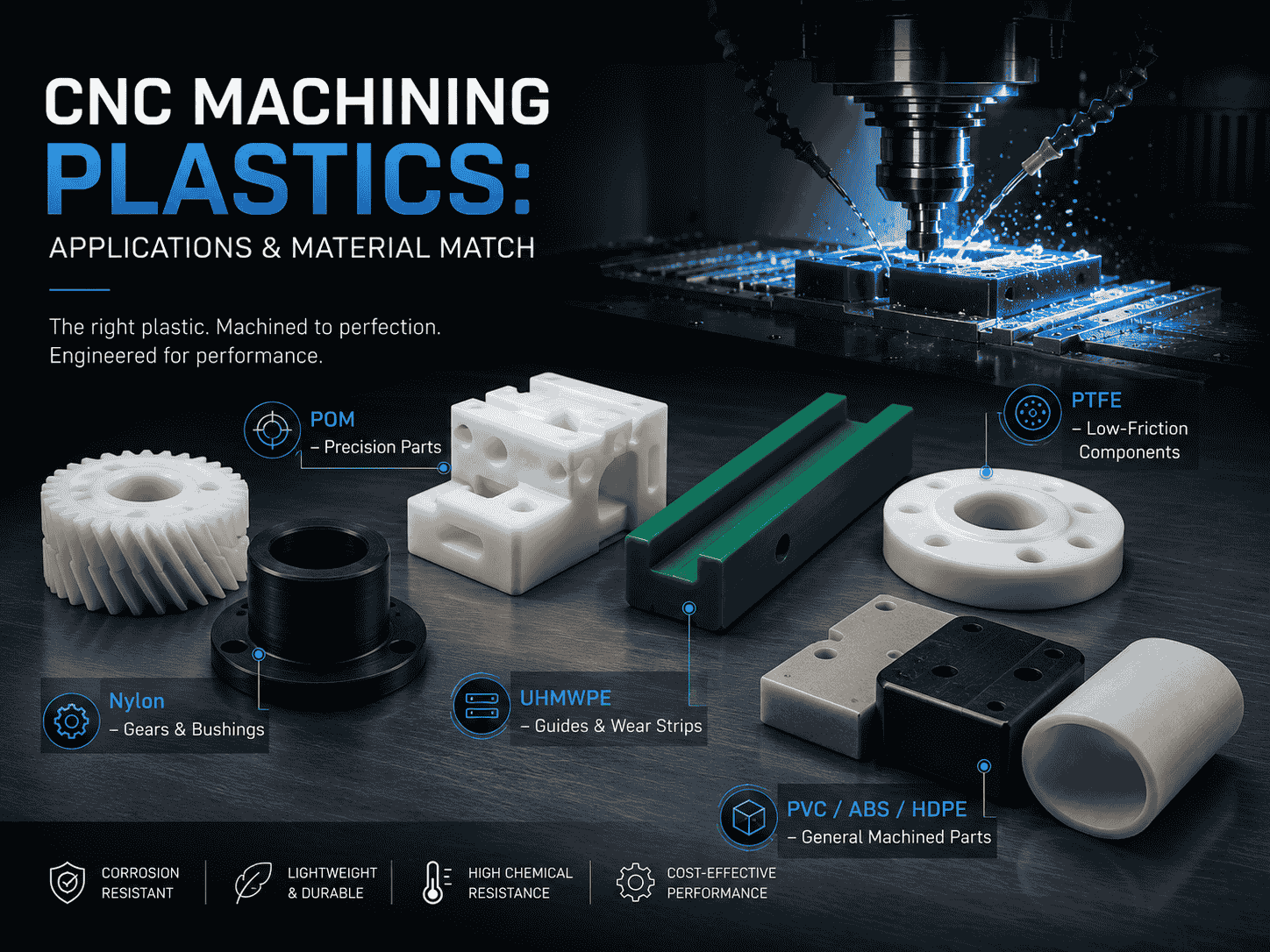
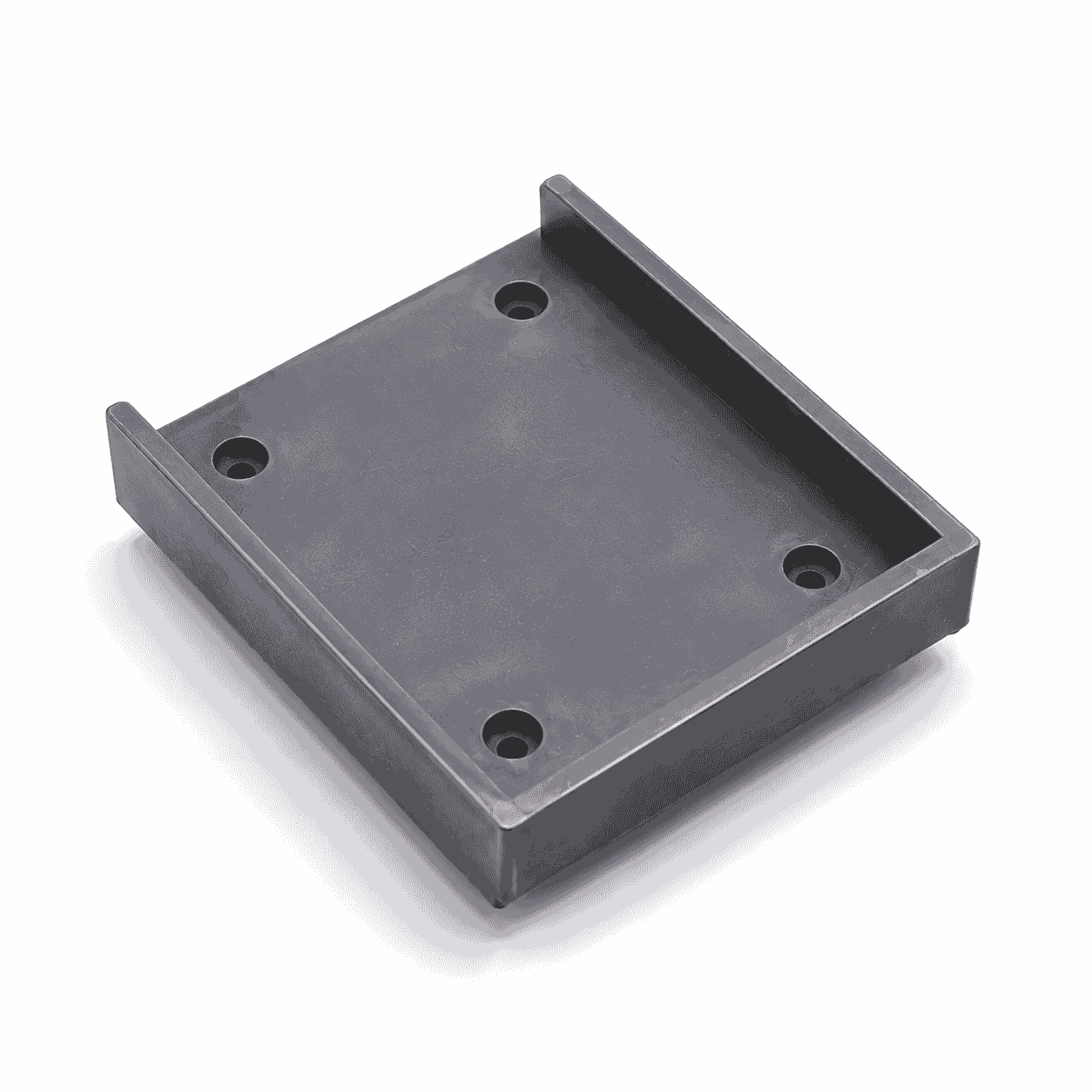
Both materials can be cut, drilled, countersunk and machined according to the supporting frame and installation drawing. Holes can be positioned to align with metal frames, connecting plates, hinges and gate structures.
Impact-Resistant Rink Boundary
The dasher board system forms a continuous physical boundary around the skating surface. The polyethylene facing helps absorb and distribute normal impact while protecting the metal supporting structure from direct puck contact and moisture.
Accurate panel positioning is important because exposed fasteners, sharp edges or uneven joints may affect the appearance and operation of the rink. Fasteners are normally countersunk or installed so that the visible skating-side surface remains as smooth as possible.
Curved corner sections should connect smoothly with adjacent straight modules. The radius and number of corner sections depend on the total rink dimensions and required layout.
Colored Kick Plates and Top Handrails
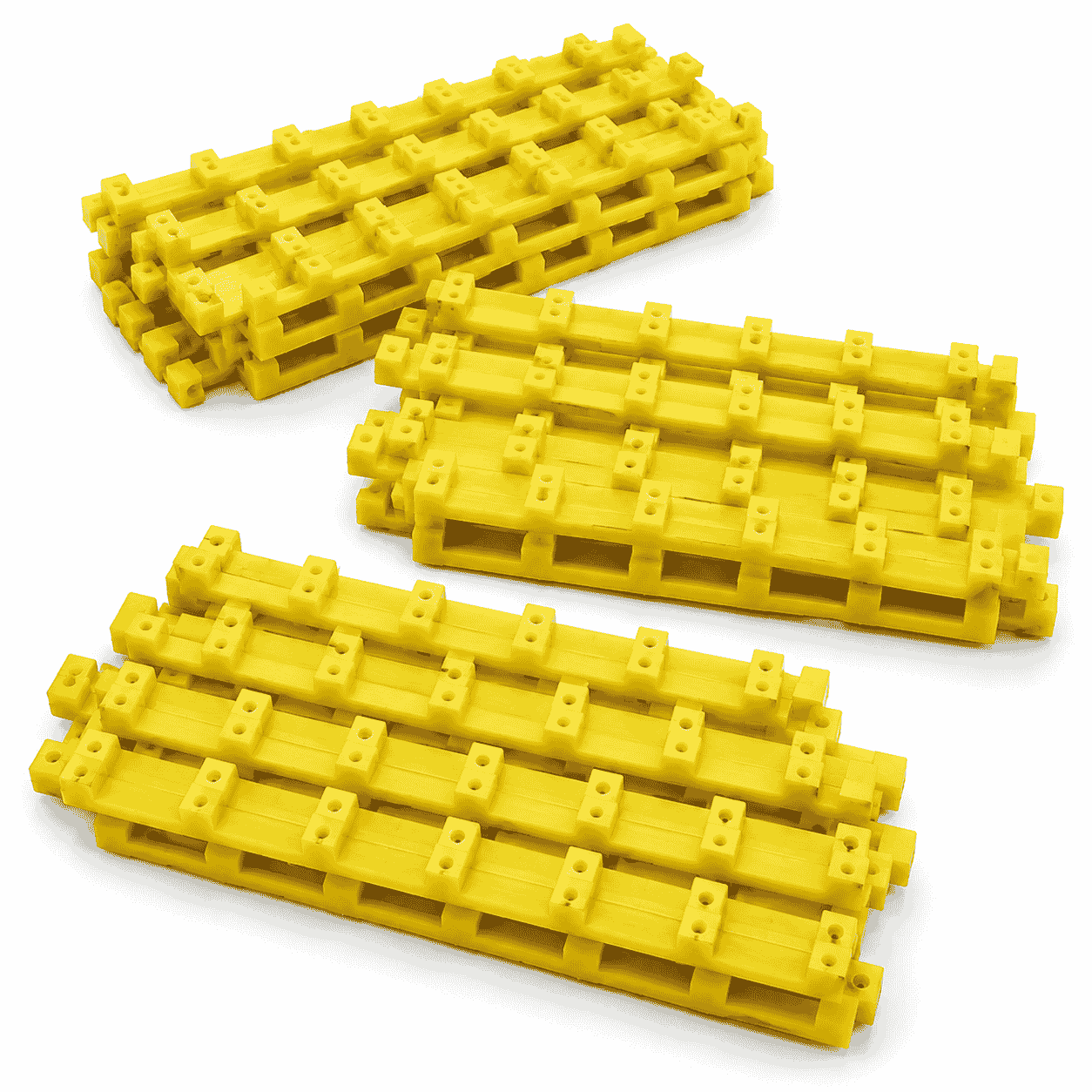
A colored kick plate is commonly installed along the lower section of the rink boards. Yellow is frequently used because it creates a clear visual boundary between the skating surface and the white facing panels. Other colors can be selected for recreational facilities, training centers or branded rink layouts.
The top handrail or cap rail covers the upper edge of the board structure. It provides a finished appearance and helps protect the top edge of the facing panel. Blue, red, yellow and black are common color options.
Kick plates and handrails can be manufactured from polyethylene materials selected according to the required thickness, impact performance and installation structure.
Galvanized Steel or Aluminum Supporting Frames
The supporting frame provides the structural foundation of the rink barrier. Galvanized steel frames offer strength, stability and corrosion protection for permanent or frequently used rink systems.
Aluminum frames reduce the weight of individual modules and can make seasonal assembly, transportation and storage more convenient. The suitable frame material should be selected according to rink size, installation frequency, indoor or outdoor use and expected impact level.
Supporting feet can be anchored to the floor or connected using removable fasteners. Portable rink systems may use wider support feet or additional bracing to improve stability without constructing a fully permanent foundation.
Access Gates and Equipment Entrances
Access gates allow players, staff and maintenance personnel to enter or leave the rink. A single-person gate commonly has a clear width of approximately 800–1000 mm, while a wider equipment gate may range from approximately 1200 to 1800 mm.
The exact gate dimensions should be determined according to user access, maintenance equipment, emergency planning and the available rink layout. Hinges, latches and frame alignment should be checked during assembly to ensure smooth opening and reliable closing.
Gates can be installed within straight board sections and positioned near player areas, equipment storage areas or facility entrances.
Optional Transparent Protective Shielding
Acrylic or polycarbonate shielding can be installed above the dasher boards when additional spectator protection or puck containment is required. The shielding height, thickness and support design depend on the rink application and applicable venue requirements.
Transparent panels help maintain visibility while extending the protective barrier above the polyethylene boards. Protective shielding is normally attached to posts or support channels connected to the rink frame.
For recreational and low-speed training areas, the shielding configuration may differ from systems used in professional hockey venues. The final design should be based on the intended use and local safety requirements.
Indoor and Outdoor Applications
Ice Hockey Rink Dasher Boards can be used with conventional refrigerated ice, synthetic ice panels and other suitable hockey training surfaces. Common applications include:
- Professional and recreational ice hockey rinks
- Synthetic ice skating facilities
- Hockey shooting and stickhandling areas
- Goalie training zones
- Schools and sports clubs
- Hockey academies and training centers
- Shopping mall skating attractions
- Hotels and resort entertainment areas
- Seasonal outdoor skating rinks
- Temporary exhibition and event rinks
- Private and backyard hockey areas
- Inline hockey and multi-sport enclosures
For outdoor installation, UV-stabilized polyethylene materials can be selected according to the expected sunlight exposure. Drainage, wind loading, surface anchoring and temperature changes should also be considered during system design.
Portable and Permanent Installation Options
Permanent systems are typically anchored to a prepared concrete foundation or rink platform. They are suitable for sports facilities and venues where the board system remains installed for extended periods.
Portable systems use modular frames and removable connectors so that sections can be assembled, dismantled and stored. This configuration is suitable for seasonal skating areas, exhibitions, shopping centers and temporary sports events.
Before installation, the floor should be checked for levelness, structural strength and surface condition. All modules should be aligned before the final fasteners and anchors are tightened.
Advantages of Ice Hockey Rink Dasher Boards
- High impact resistance: Polyethylene facing panels are suitable for repeated puck and equipment contact.
- Wear-resistant surface: UHMWPE provides excellent resistance to abrasion and sliding contact.
- Low water absorption: The panels do not absorb moisture easily.
- No rust: Polyethylene facing panels are not affected by metal corrosion.
- Smooth appearance: White panels create a clean and professional rink boundary.
- Easy cleaning: The surface can be wiped or washed using suitable cleaning methods.
- Modular construction: Sections can be expanded, replaced, moved or stored.
- Indoor and outdoor use: Suitable materials can be selected for different environments.
- Replaceable components: Individual facing panels, kick plates or handrails can be replaced separately.
- Multiple frame options: Available with galvanized steel or lightweight aluminum structures.
Cleaning and Routine Inspection
The polyethylene facing surface should be cleaned regularly to remove puck marks, dirt and loose particles. A soft cloth, non-abrasive cleaning pad or suitable neutral cleaner can be used according to the level of contamination.
Strong abrasive tools should be avoided because they may scratch the visible surface. Before use, the system should be checked for loose bolts, damaged panels, uneven joints, gate alignment and unstable supporting feet.
Individual panels can be replaced when they become heavily worn or damaged without replacing the complete rink barrier system.
Manufacturing and Quality Inspection
The facing panels are cut and machined according to the frame drawing and rink layout. Processing can include panel cutting, drilling, countersinking, edge finishing and shaped corner machining.
Important inspection items include panel length, width, thickness, hole position, edge quality, surface condition and connection accuracy. Metal frame inspection can include module dimensions, welding condition, surface treatment, support alignment and gate operation.
Trial assembly can be carried out according to the project structure to check connections between straight sections, corner modules and gates before shipment.
Learn more about our UHMWPE sheet production and engineering plastic machining capabilities on the Honsee UHMWPE manufacturer website.
Selecting the Correct Ice Hockey Rink Dasher Boards
When selecting Ice Hockey Rink Dasher Boards, important factors include the total rink size, indoor or outdoor environment, board height, panel thickness, frame material, gate configuration, corner radius and required protective shielding.
Portable recreational systems may use lighter modules for easier installation and storage. Permanent hockey facilities may require stronger frames, fixed anchoring and additional transparent shielding.
A properly designed dasher board system provides a smooth, durable and clearly defined boundary for ice hockey, synthetic ice training and recreational skating facilities.