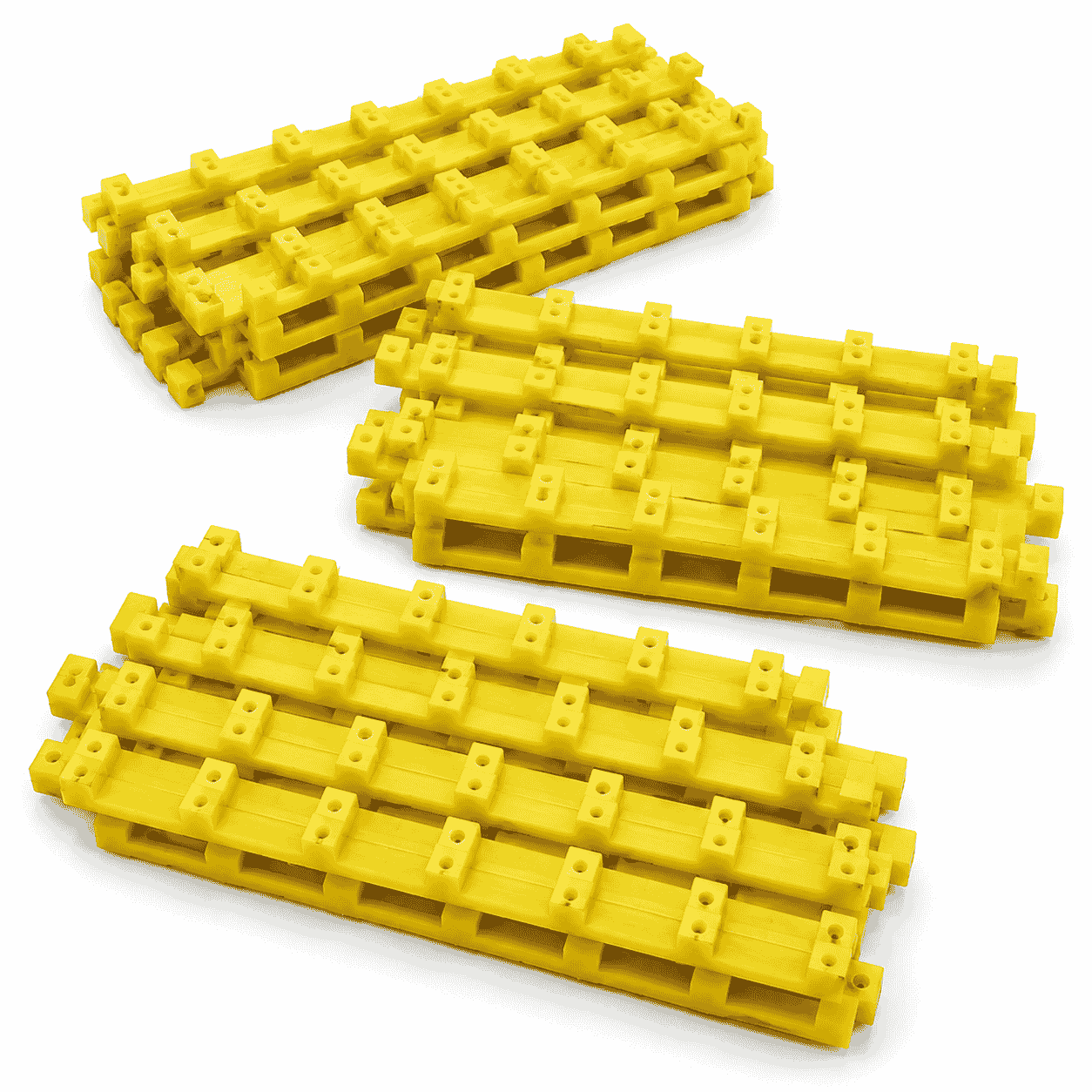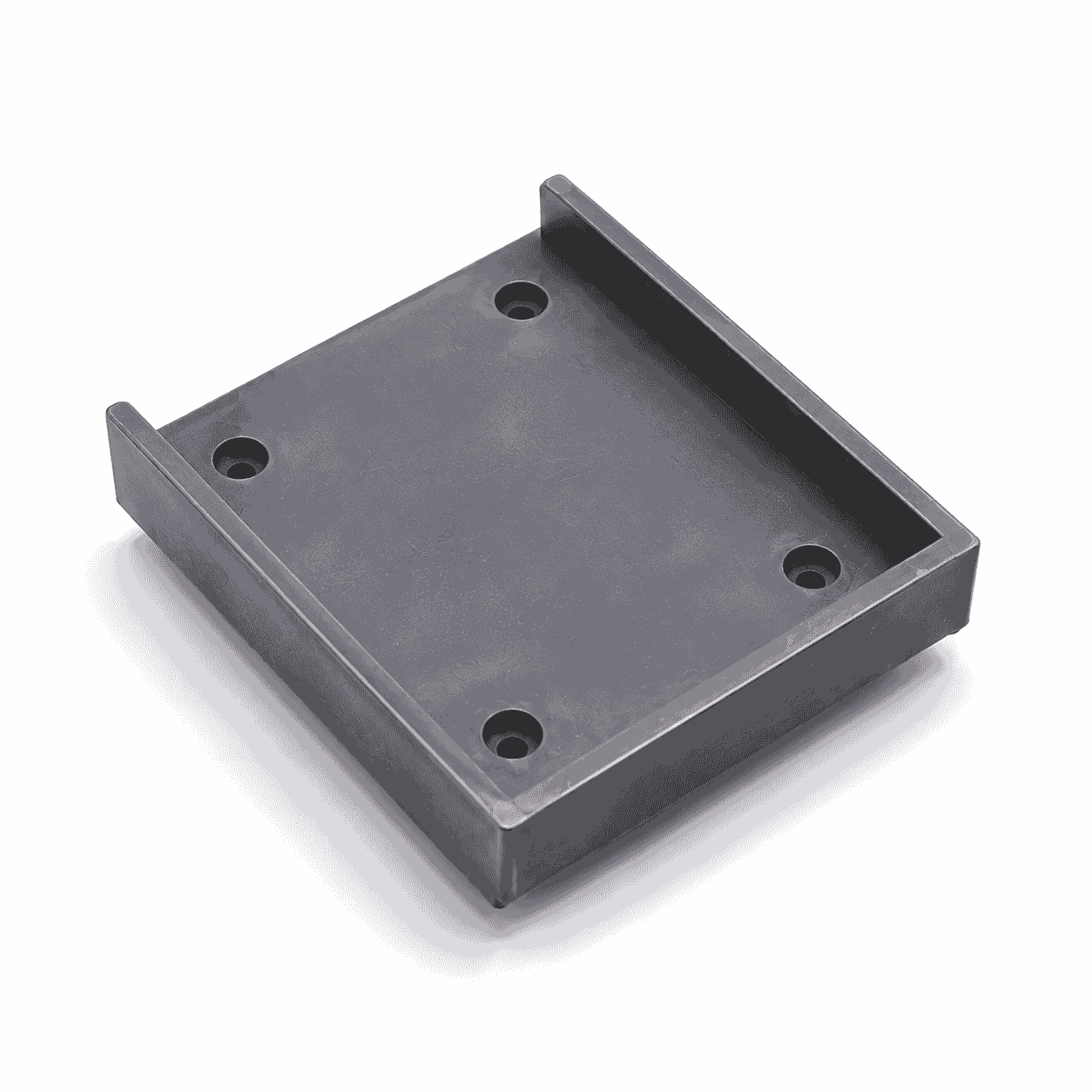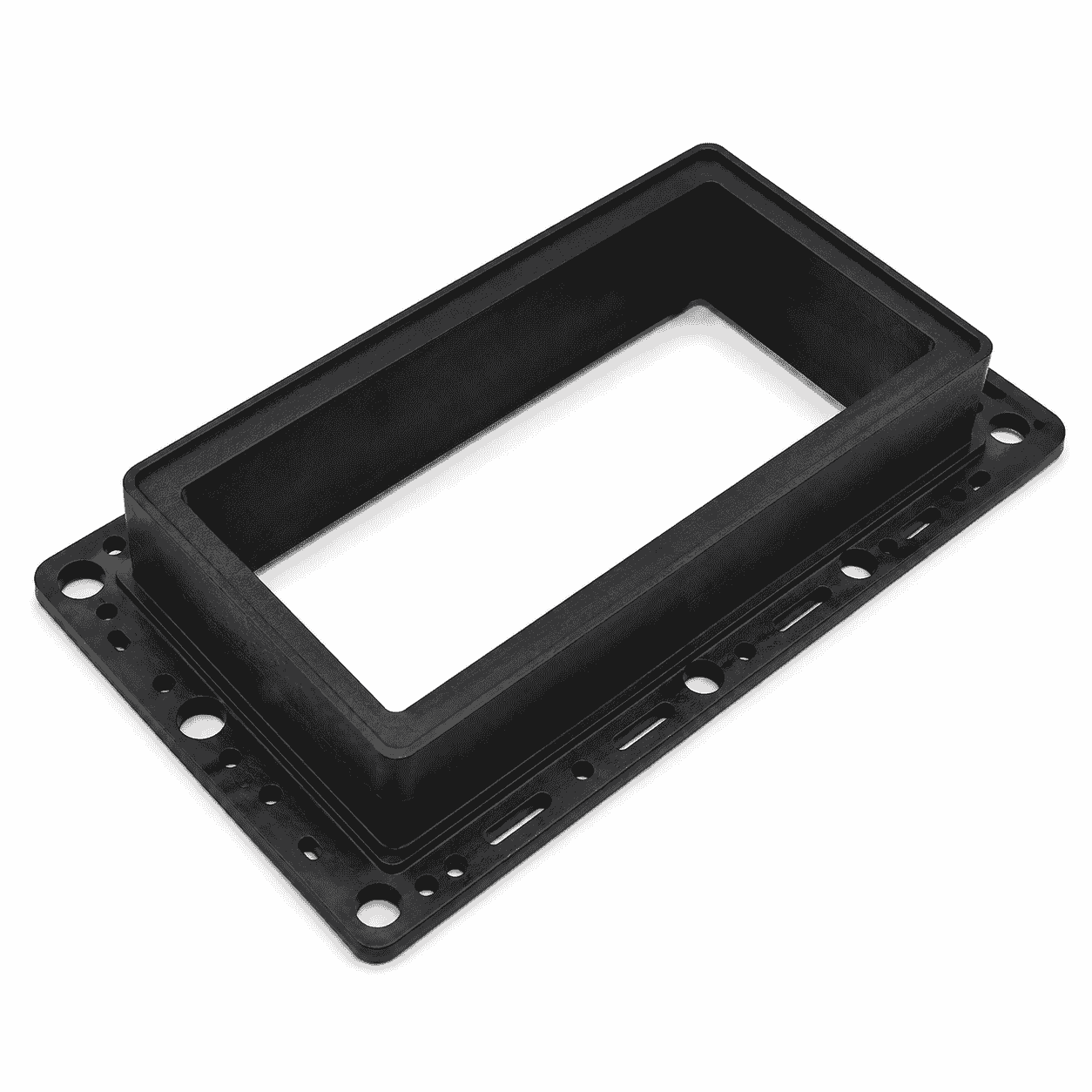


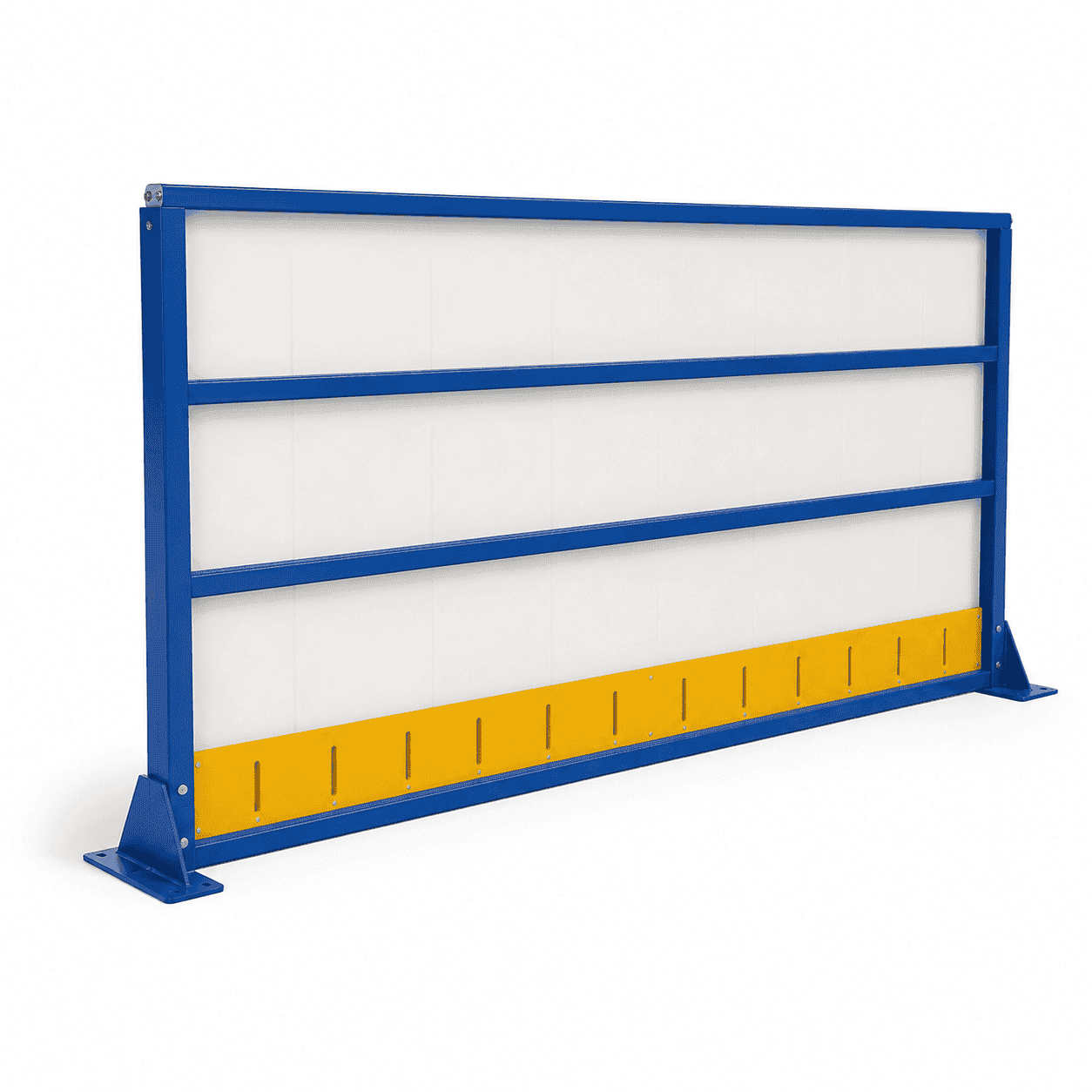
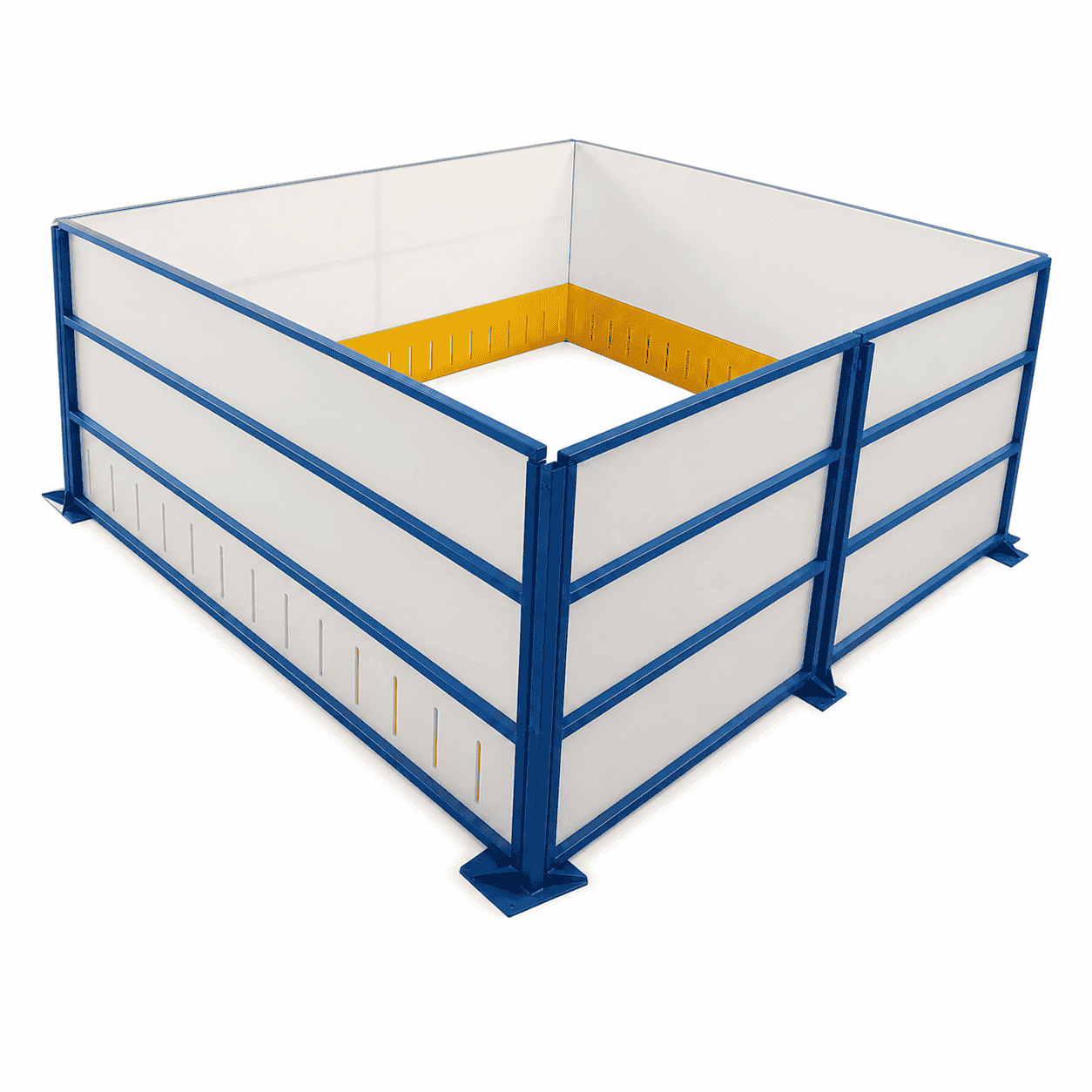
Ice Rink Barrier System is a modular perimeter system designed for real ice rinks, ice hockey training areas, skating schools, seasonal rinks and recreational skating facilities.
Impact-resistant HDPE or UHMWPE facing panels provide controlled flexibility while maintaining a smooth rink-facing surface. Typical hockey-style barrier heights range from approximately 1000 to 1220 mm, while common module lengths range from 1000 to 2400 mm.
PE facing panels are generally available in thicknesses of approximately 8–15 mm. Straight sections, curved corners, kick plates, top handrails, access gates and removable supports can be configured according to the rink layout.
Ice Rink Barrier System is a modular perimeter enclosure designed for real ice rinks, ice hockey training areas, skating schools, seasonal skating venues and recreational facilities.
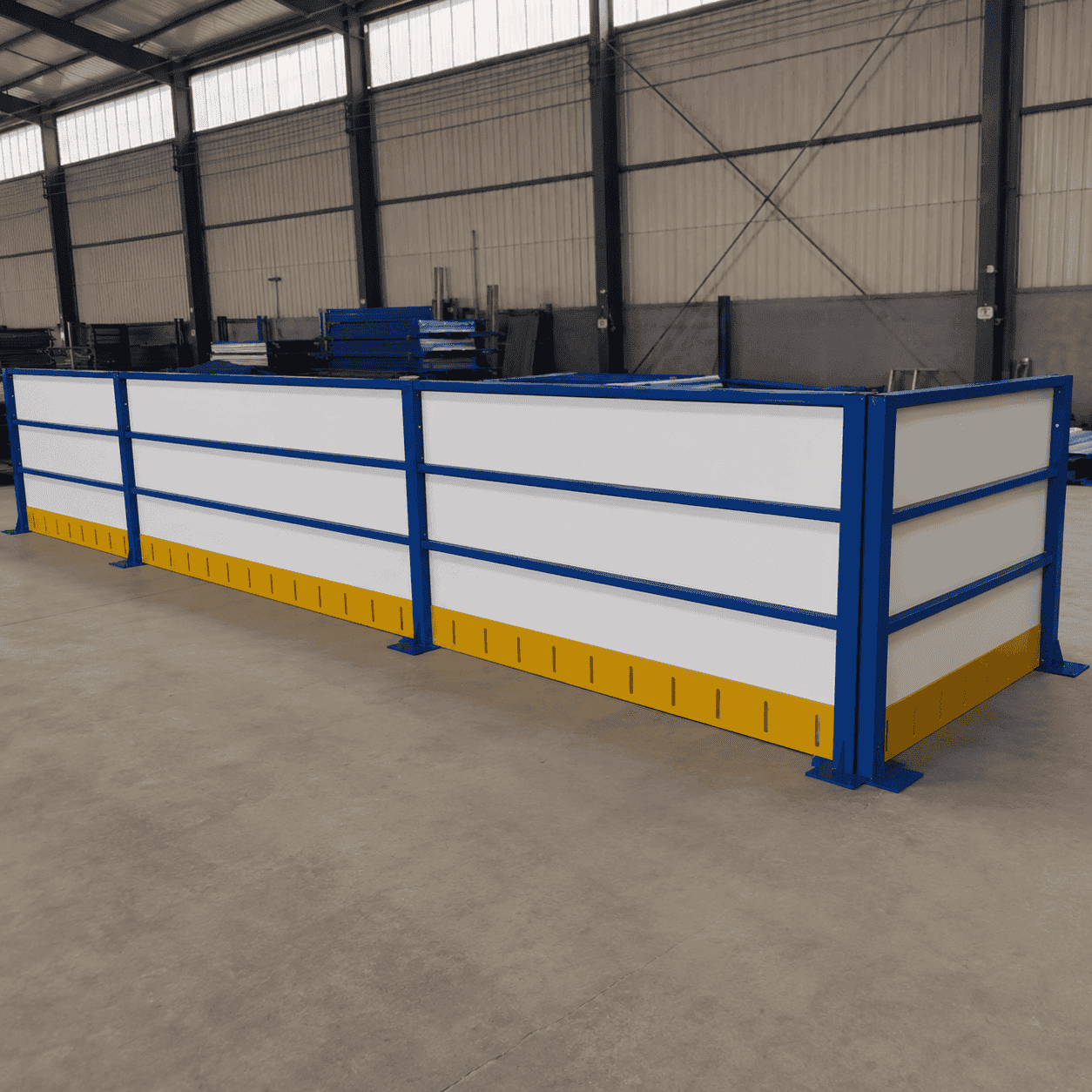
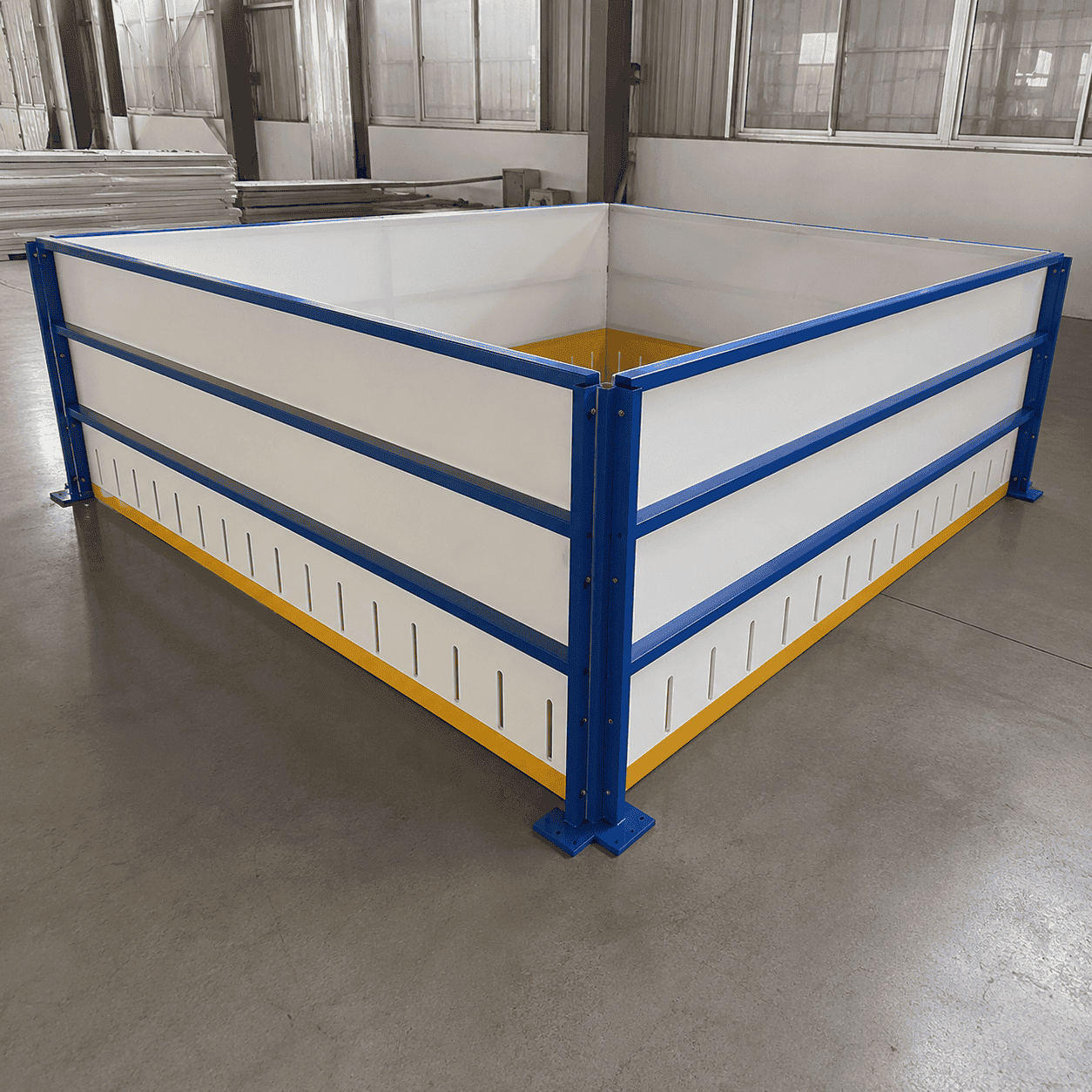
The connected barrier modules create a clearly defined boundary around the ice surface. They help contain hockey pucks and separate skaters from surrounding walkways, equipment areas and spectator zones.
The system uses impact-resistant HDPE or UHMWPE facing panels mounted on galvanized steel, stainless steel or lightweight aluminum supporting structures.
The polyethylene panels can provide controlled flexibility under normal impact while maintaining a smooth and continuous rink-facing surface.
In this product, “flexible” does not mean that the barrier is a soft fabric fence or a freely foldable plastic sheet. It refers to the ability of a properly supported PE facing panel to deflect slightly under impact and recover without brittle fracture.
An ice hockey rink is normally surrounded by low walls known as boards or dasher boards. For a general explanation of rink construction, perimeter boards and rounded corners, visit the Ice Hockey Rink overview on Wikipedia.
More information about the main material family is available from the Polyethylene overview on Wikipedia.
An Ice Rink Barrier System is assembled from individual PE-faced modules positioned around a refrigerated ice surface, synthetic ice floor or compatible hockey training area.
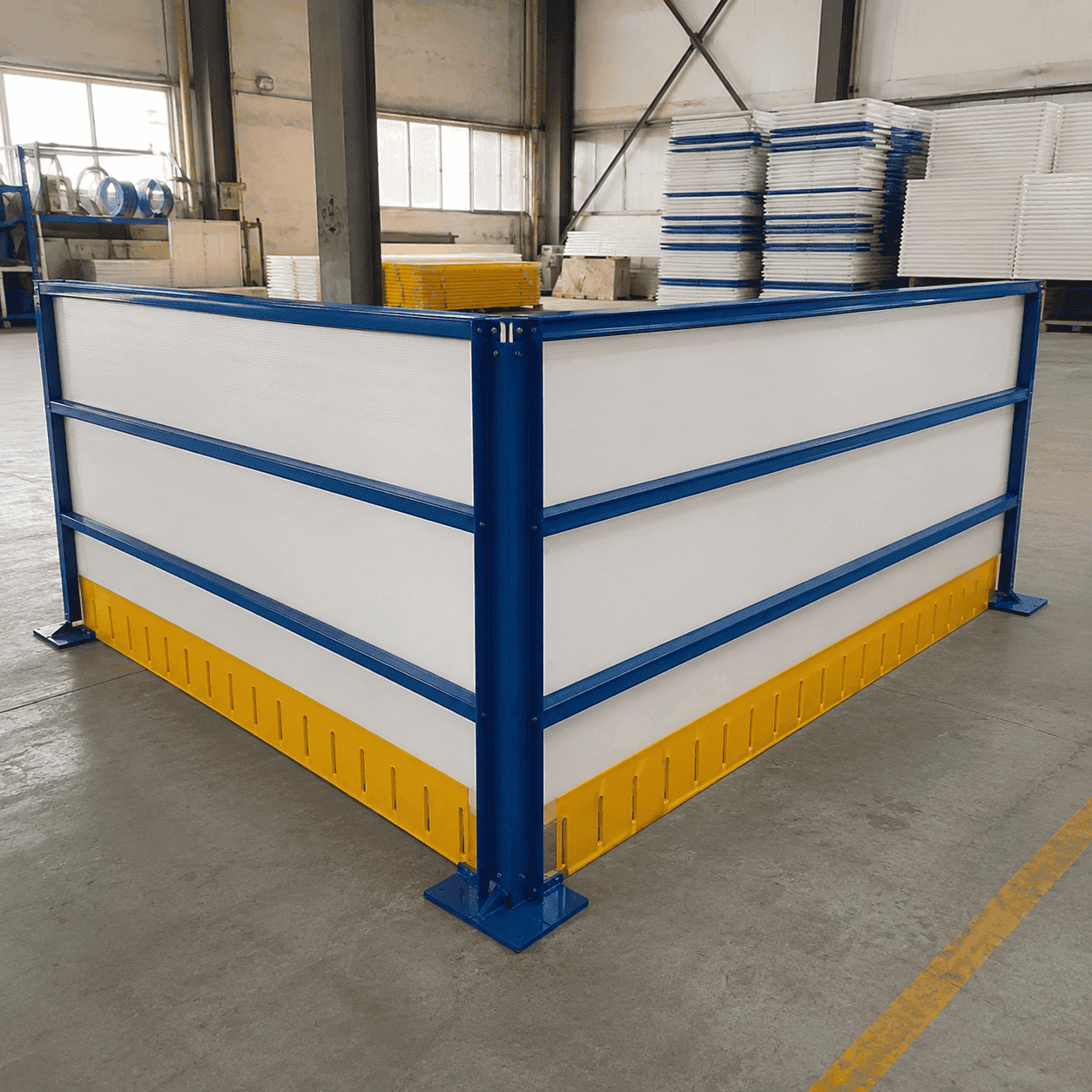
Straight modules form the long sides and ends of the rink. Curved, segmented or angled sections create the corner transitions.
Each module normally includes a polyethylene facing panel, structural supporting frame, top handrail, lower kick plate and mechanical connecting hardware.
Adjacent sections can be connected using bolts, locking pins, connecting plates or removable mechanical connectors.
External feet, triangular supports, base plates or fixed floor anchors help maintain the alignment and stability of the complete barrier.
The modular design allows facing panels, handrails, kick plates, access gates and complete sections to be repaired or replaced separately.
The Ice Rink Barrier System can be manufactured in different dimensions according to the approved rink layout, expected impact and installation method.
The specifications below are practical engineering reference ranges. Final dimensions should be confirmed according to the project drawing and supporting structure.
| Product Name | Flexible PE Ice Rink Barrier System |
| Facing Panel Material | HDPE or UHMWPE |
| Supporting Frame Material | Galvanized steel, stainless steel or aluminum alloy |
| Typical Hockey-Style Height | Approximately 1000–1220 mm |
| Low Training Barrier Height | Approximately 500–800 mm |
| Common Module Length | Approximately 1000–2400 mm |
| Typical Module Length | Approximately 2000 mm |
| Facing Panel Thickness | Approximately 8–15 mm |
| Common HDPE Thicknesses | Approximately 10 or 12 mm |
| Heavy-Duty Panel Option | Approximately 15–20 mm, depending on frame support |
| Kick Plate Height | Approximately 150–250 mm |
| Kick Plate Thickness | Approximately 8–12 mm |
| Top Handrail Width | Approximately 50–100 mm |
| Pedestrian Gate Width | Approximately 800–1000 mm |
| Equipment Gate Width | Approximately 1200–1800 mm |
| Standard Facing Color | White |
| Optional Colors | Blue, yellow, red, black or project-specific colors |
| Corner Structure | Curved, segmented or angled modules |
| Connection Method | Bolts, locking pins, connecting plates or mechanical clamps |
| Installation Type | Permanent, semi-permanent, portable or removable |
| Suitable Environment | Indoor and properly designed seasonal or outdoor rinks |
The appropriate panel thickness depends on the material grade, module length, frame spacing and expected player contact.
Longer modules reduce the total number of connections. Shorter sections are generally easier to transport, install, dismantle and replace.
Thicker panels provide greater rigidity and weight. Thinner panels require closer and more consistent support from the metal frame.
The PE facing panel can absorb part of the energy generated by normal hockey puck, stick or player contact.
The panel may deflect slightly between supporting members and then return toward its original position.
This flexibility must remain controlled. Excessive movement can create unstable surfaces, visible gaps or stress around mounting holes.
Panel thickness, PE grade, frame spacing and fastener positions should therefore be selected as part of the complete barrier design.
Sharp bends, unsupported edges and concentrated fastener loads should be avoided.
HDPE provides practical impact resistance, useful stiffness, low water absorption and reliable machining performance.
The material can be cut, drilled, countersunk, edge-rounded and installed on galvanized steel or aluminum frames.
The smooth white surface creates a clean rink appearance and provides space for advertising graphics, rink information or venue branding.
HDPE is suitable for recreational rinks, skating schools, hockey training facilities and seasonal installations requiring a balance between flexibility, rigidity and cost.
The final HDPE grade should be selected according to the operating temperature, outdoor exposure and expected impact conditions.
UHMWPE can be selected where increased abrasion resistance, strong impact performance and lower surface friction are required.
It is suitable for frequently contacted sections, lower kick plates, wear strips and areas exposed to repeated puck or sports-equipment contact.
UHMWPE absorbs very little moisture and maintains useful toughness in cold environments.
Material expansion, machining tolerances and fastener design should be considered during production and installation.
The choice between HDPE and UHMWPE depends on required flexibility, wear resistance, module weight, processing requirements and project budget.
The inside surface of the Ice Rink Barrier System should remain smooth and continuous.
Projecting bolts, exposed metal edges and large height differences between adjacent modules should be avoided.
Fasteners can be countersunk into the PE facing panel or positioned from the outside where the frame design permits.
The countersink depth should not remove excessive material around the mounting position.
Panel edges should be deburred and rounded after machining. Cracked or sharply damaged sections should be replaced before the rink is reopened.
Galvanized steel frames provide strength and stability for permanent and frequently used ice rink barriers.
The protective zinc coating helps reduce corrosion caused by moisture and repeated exposure to cold rink environments.
The frame can include vertical posts, horizontal rails, base plates, triangular supports and connecting brackets.
Tube dimensions and wall thickness should be selected according to the module height, length and expected impact.
Steel frames are generally suitable where structural stability is more important than minimum module weight.
Aluminum frames reduce the weight of individual barrier modules.
They make repeated installation, dismantling, transportation and seasonal storage more convenient.
This option is suitable for temporary ice rinks, shopping centers, sports exhibitions and multi-purpose venues.
The aluminum structure must still provide sufficient rigidity and support for the selected PE facing panel.
Reinforcement positions, frame connections and supporting feet should be confirmed according to the approved drawing.
Galvanized steel is generally preferred for permanent installations, intensive hockey use and projects requiring greater structural stability.
Aluminum is generally preferred where lower module weight, repeated installation and easier transportation are important.
Important selection factors include:
A replaceable kick plate can be installed along the lower part of the barrier.
This section normally receives frequent contact from hockey pucks, skate blades and cleaning equipment.
Yellow is commonly used to create a visible transition between the white barrier panel and the ice surface.
Blue, red, black and other colors can also be selected according to the venue design.
Kick plates can be manufactured from HDPE or UHMWPE. UHMWPE may be selected where increased abrasion resistance is required.
The top handrail protects the upper edge of the PE facing panel.
It also creates a finished surface around the rink perimeter and makes the boundary easier to identify.
The handrail can be manufactured from HDPE, UHMWPE or another suitable impact-resistant material.
Connections between adjacent handrail sections should remain aligned, smooth and secure.
Large gaps, raised joints and exposed sharp edges should be avoided.
Curved corners create a smooth transition between the side and end sections of the rink.
They help the puck remain active instead of becoming trapped in a sharp internal corner.
The barrier can use purpose-built curved frames or several shorter segmented modules.
The corner radius should be selected according to the total rink dimensions and intended hockey activity.
PE panels should not be forced into a radius that creates excessive internal stress or permanent deformation.
The Ice Rink Barrier System can include gates for players, coaches, officials and maintenance personnel.
A typical pedestrian gate may provide a clear opening of approximately 800–1000 mm.
Wider equipment gates may measure approximately 1200–1800 mm.
The final width depends on the goals, cleaning equipment and rink accessories that need to enter the playing area.
Gate hinges and latches should remain outside the main playing surface wherever possible.
Each gate should open smoothly, close securely and align with the adjacent PE panels.
Acrylic or polycarbonate shielding can be installed above the barrier where additional puck containment or spectator separation is required.
The shielding height, thickness and supporting-post spacing should be selected according to puck speed, rink activity and venue requirements.
Training facilities and recreational skating venues may use different shielding arrangements from professional competition rinks.
The complete shielding and support structure should be evaluated according to its intended application.
An Ice Rink Barrier System is suitable for conventional refrigerated ice surfaces.
Common application areas include:
The barrier is separate from the refrigeration and ice-making system.
Supporting frames, floor anchors and access gates should be coordinated with the complete rink structure before installation.
The same modular barrier design can also be used around compatible synthetic ice panels or dry hockey-training surfaces.
Synthetic ice generally uses interlocking polymer panels designed for use with metal-bladed skates.
For general background about polymer skating surfaces, visit the Synthetic Ice overview on Wikipedia.
The skating floor and barrier should be specified separately.
Synthetic ice panels require skating-grade materials and accurate joints. The barrier requires impact-resistant facing panels, structural frames and secure supporting components.
The Ice Rink Barrier System can be configured for compact training areas or larger recreational skating facilities.
These dimensions are project examples rather than official competition specifications.
The final layout should consider corner radius, player gates, equipment access, surrounding clearance and emergency routes.
A portable system uses removable connectors and external supporting structures.
The modules can be dismantled after an event or seasonal operating period.
Rubber pads can be installed beneath the support feet to protect finished indoor flooring.
Freestanding modules may require additional ballast according to the barrier height and installation conditions.
Frames, panels, corner modules and gates can be numbered to simplify future installation.
A permanent barrier system can be fixed to a prepared concrete foundation or structural rink platform.
Before drilling, refrigeration pipes, drainage lines, electrical cables and other concealed services must be identified.
The supporting floor, anchors, frames and plastic facing panels should be evaluated as one complete structure.
The completed barrier should maintain a consistent height and smooth playing-side transition.
Excessive panel movement, projecting fasteners and unstable supports should be corrected before use.
The PE panels can be cleaned with water, a soft cloth and a suitable neutral cleaning product.
Sharp metal scrapers, strong solvents and aggressive abrasive tools should be avoided.
Routine inspection should include:
Loose hardware should be tightened before continued use.
Cracked panels, enlarged mounting holes, unstable frames or damaged gates should be repaired or replaced.
The PE facing panels are cut and machined according to the approved metal-frame drawings.
Processing can include sheet cutting, drilling, countersinking, edge rounding and curved-section preparation.
Steel or aluminum frames can be produced through profile cutting, welding, drilling, surface treatment and trial assembly.
Important inspection items include:
When selecting an Ice Rink Barrier System, consider the total rink size, required barrier height, expected player impact and installation frequency.
Material grade, facing-panel thickness, frame spacing, gate configuration and anchoring method should also be considered.
HDPE provides a practical balance between controlled flexibility, rigidity and project cost.
UHMWPE can be selected where increased wear resistance, impact performance and lower surface friction are required.
Permanent facilities may prefer galvanized steel frames for increased structural stability.
Temporary and seasonal venues may prefer aluminum frames or removable steel structures for easier handling.
Learn more about our HDPE sheets, UHMWPE materials and engineering-plastic machining capabilities on the Honsee engineering plastic manufacturer website.
The Ice Rink Barrier System provides a modular, impact-resistant and maintainable boundary solution for real ice rinks, hockey training facilities, skating schools and seasonal recreational venues.
Check drawings for full specifications and confirm materials according to service conditions to prevent product defects.
Inspect all key processing steps and fully verify dimensions, holes, grooves and fitting surfaces.
Deburr, chamfer and clean products for easy installation. Ensure uniform quality among batch products.
Choose appropriate packaging solutions based on product features to protect goods from collision, deformation and mixing during transit.
Unlike metal parts, engineering plastic components still require strict control over dimensions, holes, edges, surface, materials and assembly performance for equipment use.
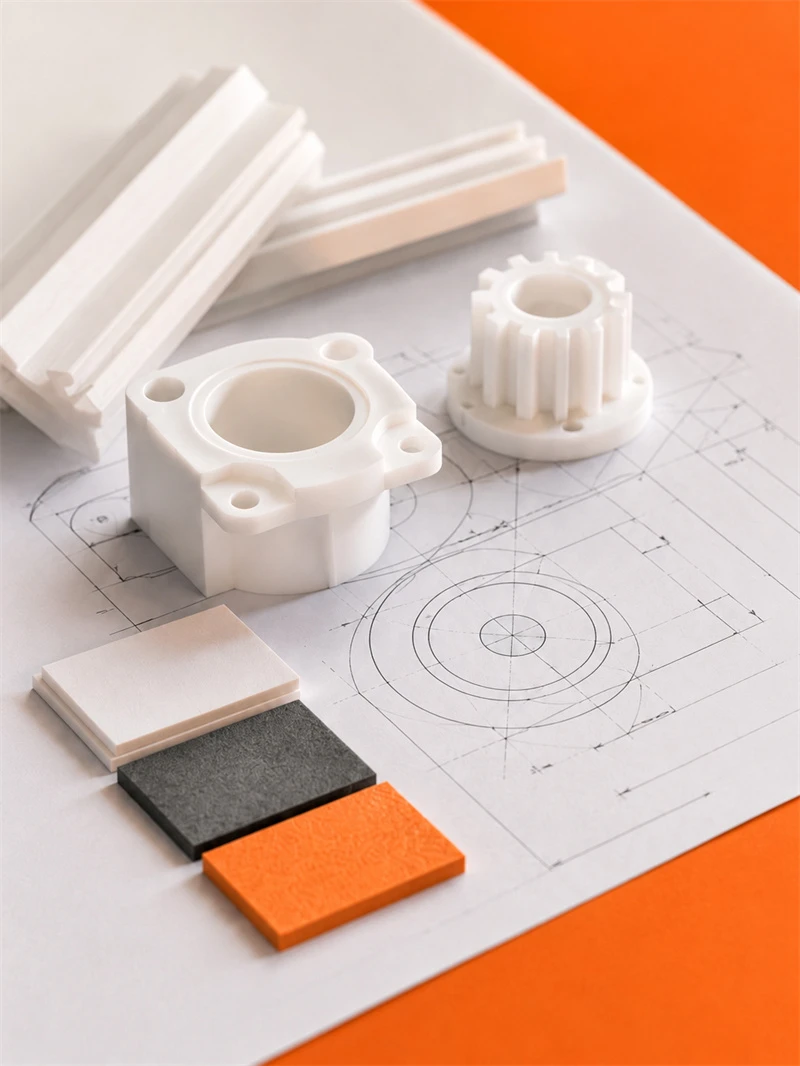
Engineering plastic parts suit friction, guide, support, buffer, anti-corrosion and insulation areas. We supply UHMWPE, POM, PA, PP/PE components for conveyor, food, mining, machinery, chemical and cable systems, with custom OEM service available.
Stay updated with our latest industry insights, company updates and featured articles.
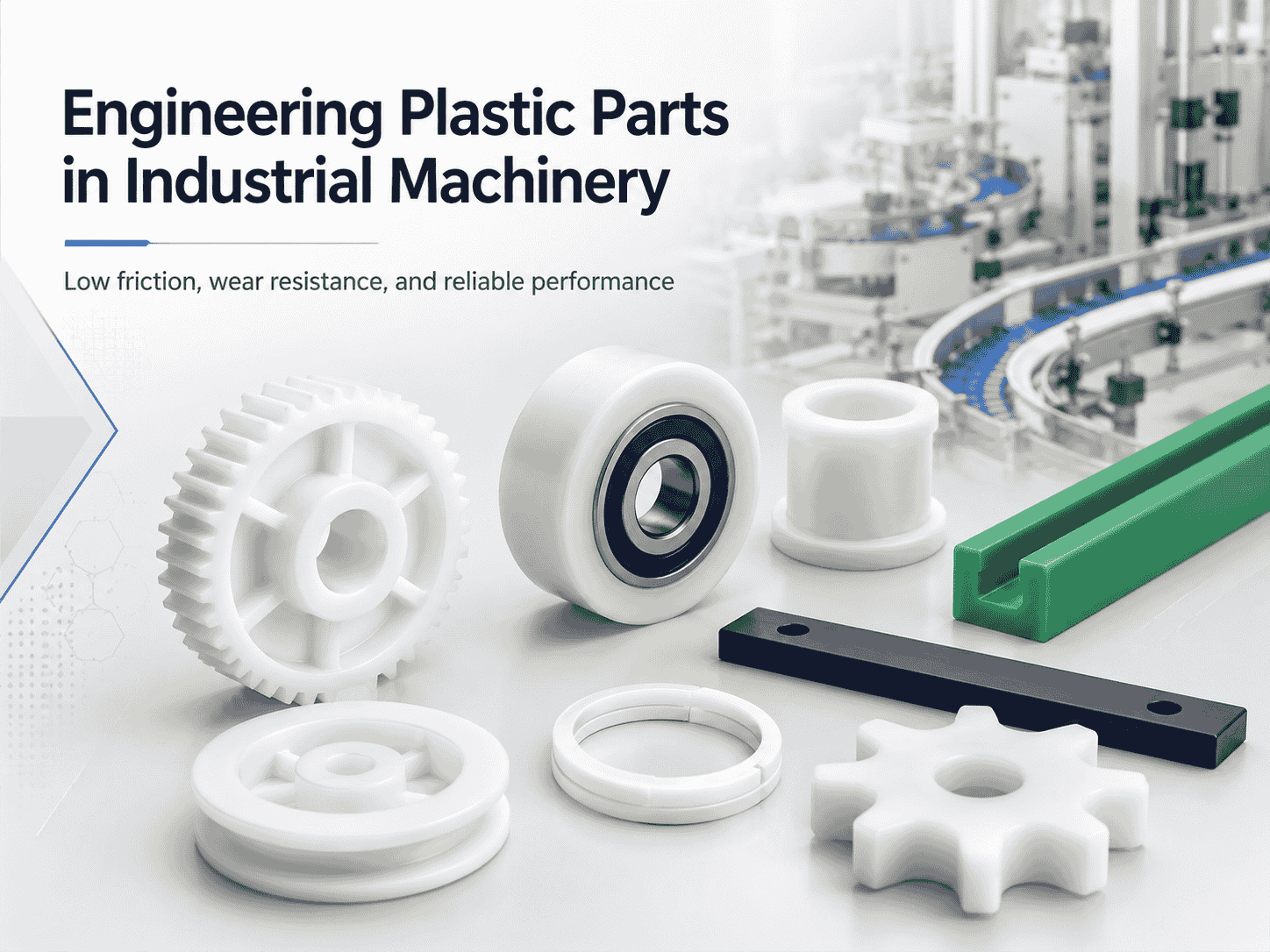
Engineering plastics are increasingly used in industrial machinery, automated production lines, conveyor systems, packaging equipment, and food-processing machines. Materials such as nylon, UHMWPE, POM, and
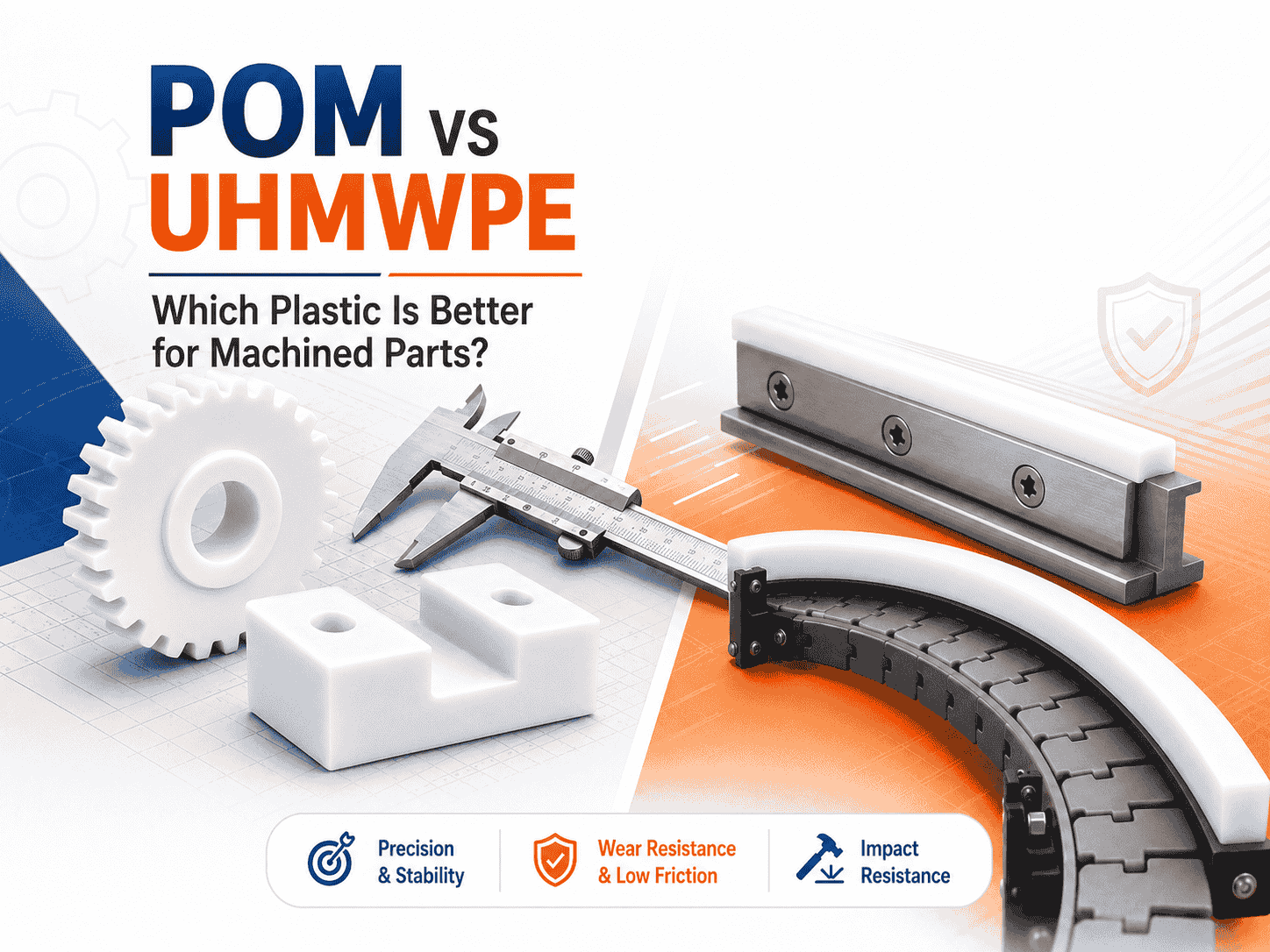
Both are lightweight, corrosion-resistant, wear-resistant, and suitable for CNC machining. However, they perform very differently
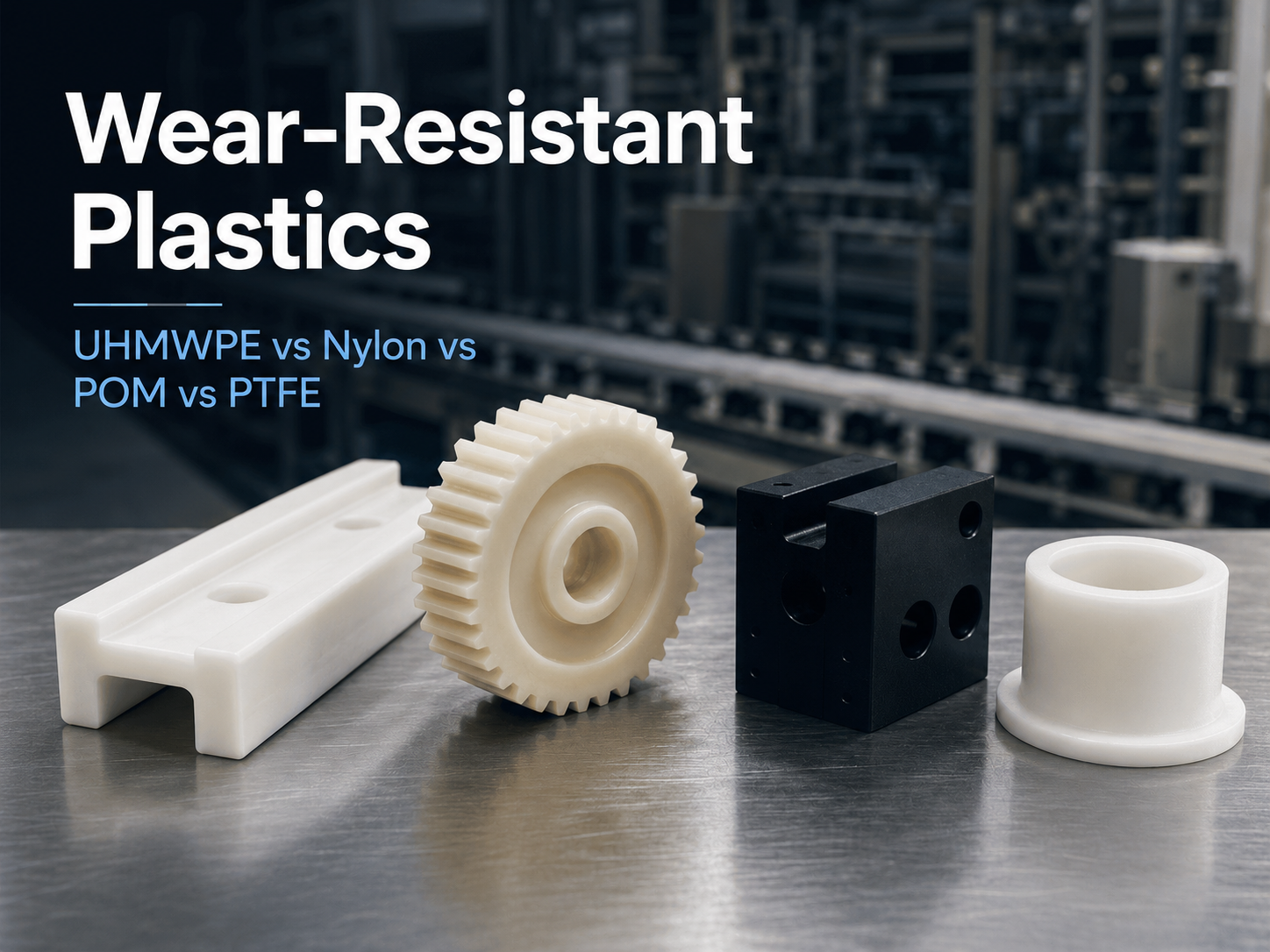
Wear is a common cause of failure in conveyor systems, packaging machinery, automated equipment, mining
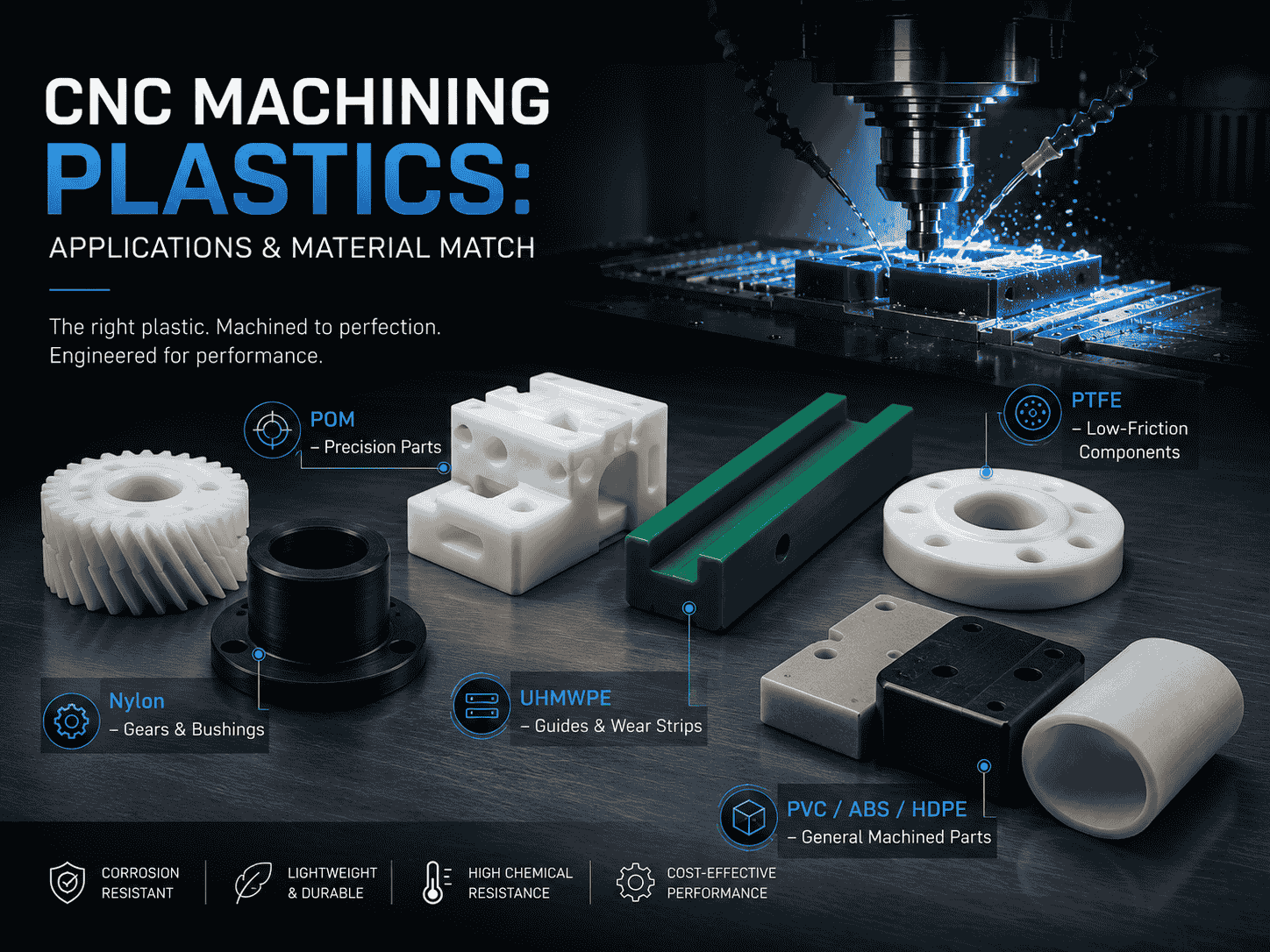
CNC machining is widely used to produce plastic prototypes, low-volume parts, replacement components, jigs, fixtures,
Both are lightweight, corrosion-resistant, wear-resistant, and suitable for CNC machining. However, they perform very differently
Wear is a common cause of failure in conveyor systems, packaging machinery, automated equipment, mining
CNC machining is widely used to produce plastic prototypes, low-volume parts, replacement components, jigs, fixtures,
Need UHMWPE sheets & custom plastic machined/OEM parts?Send specs & material needs, free quote within 24h.