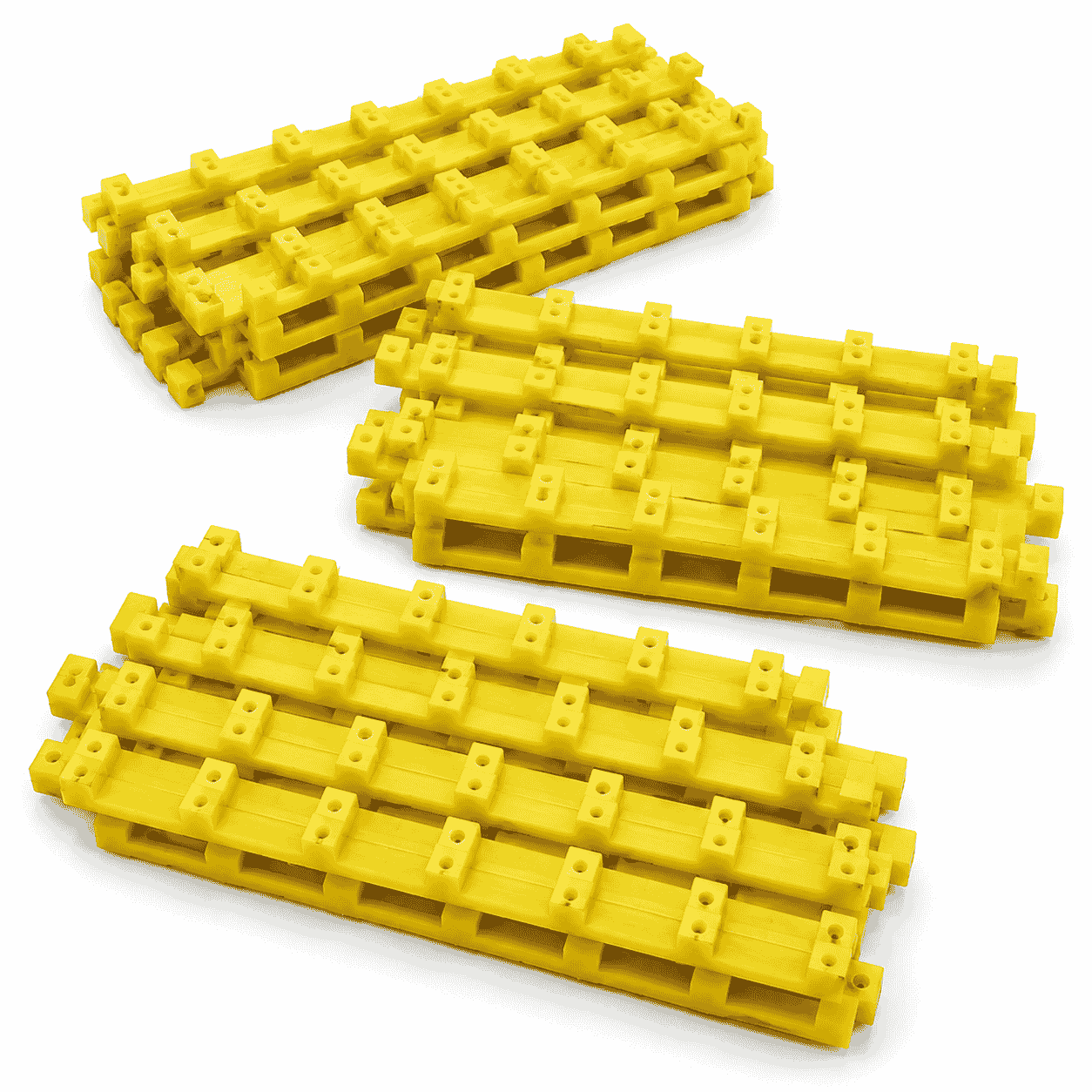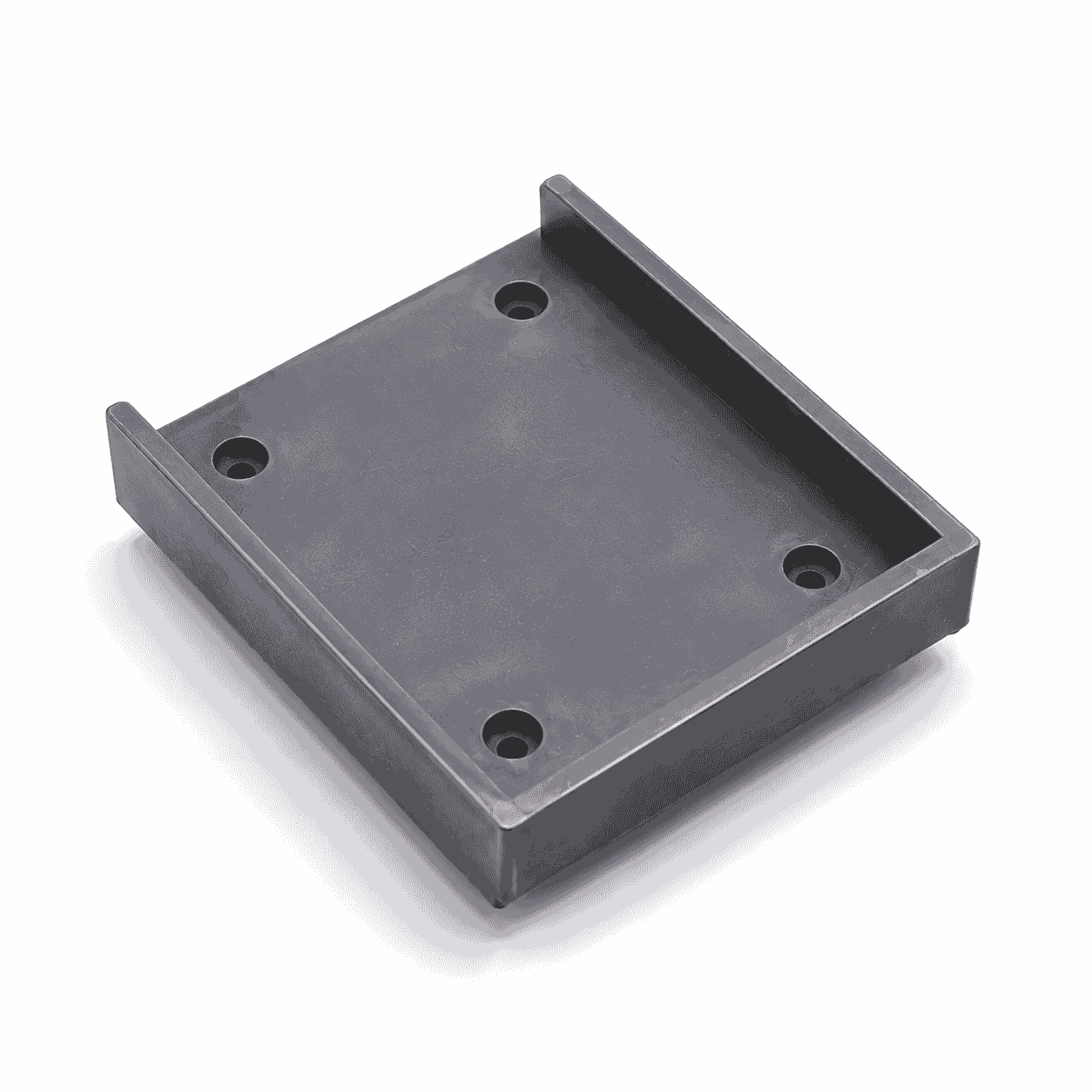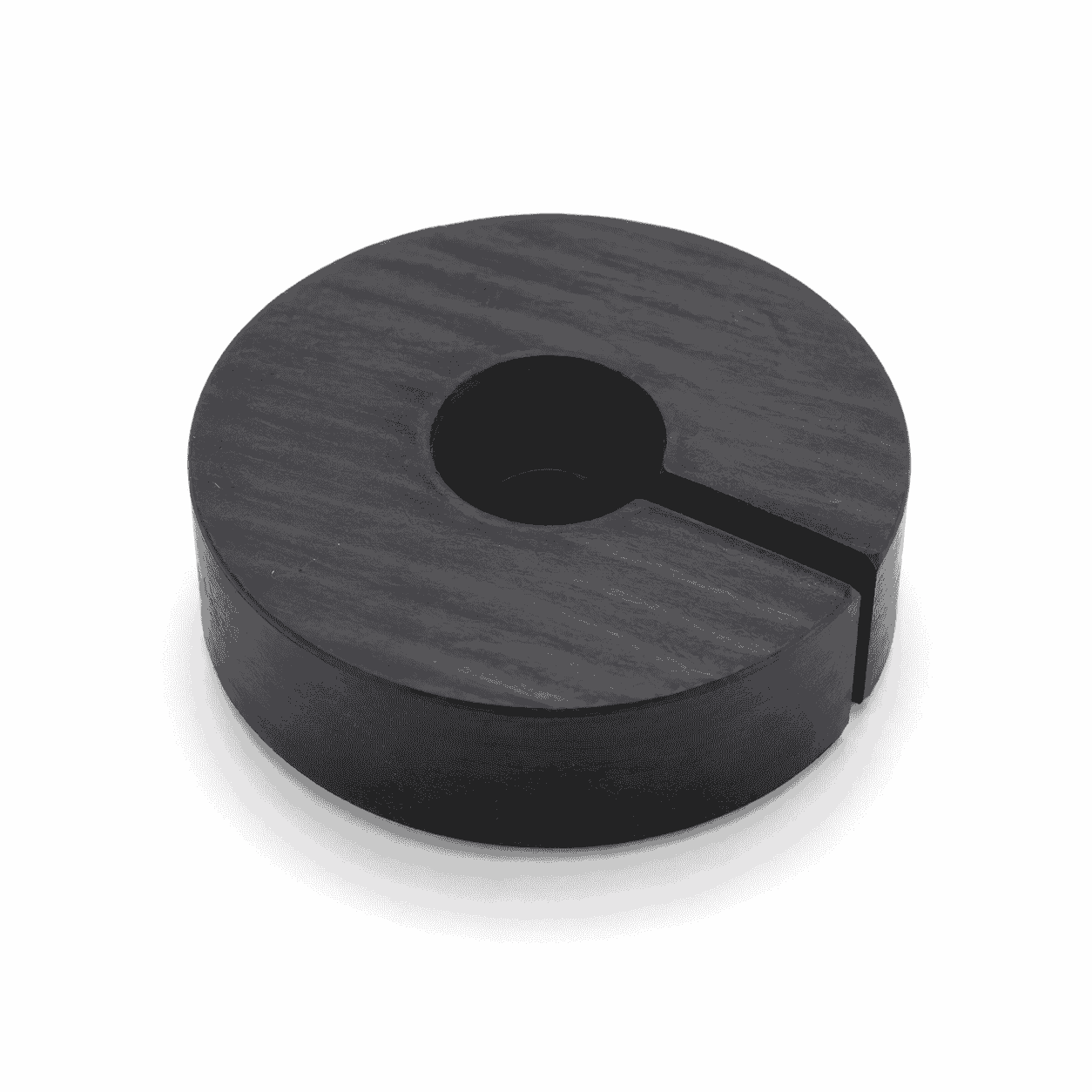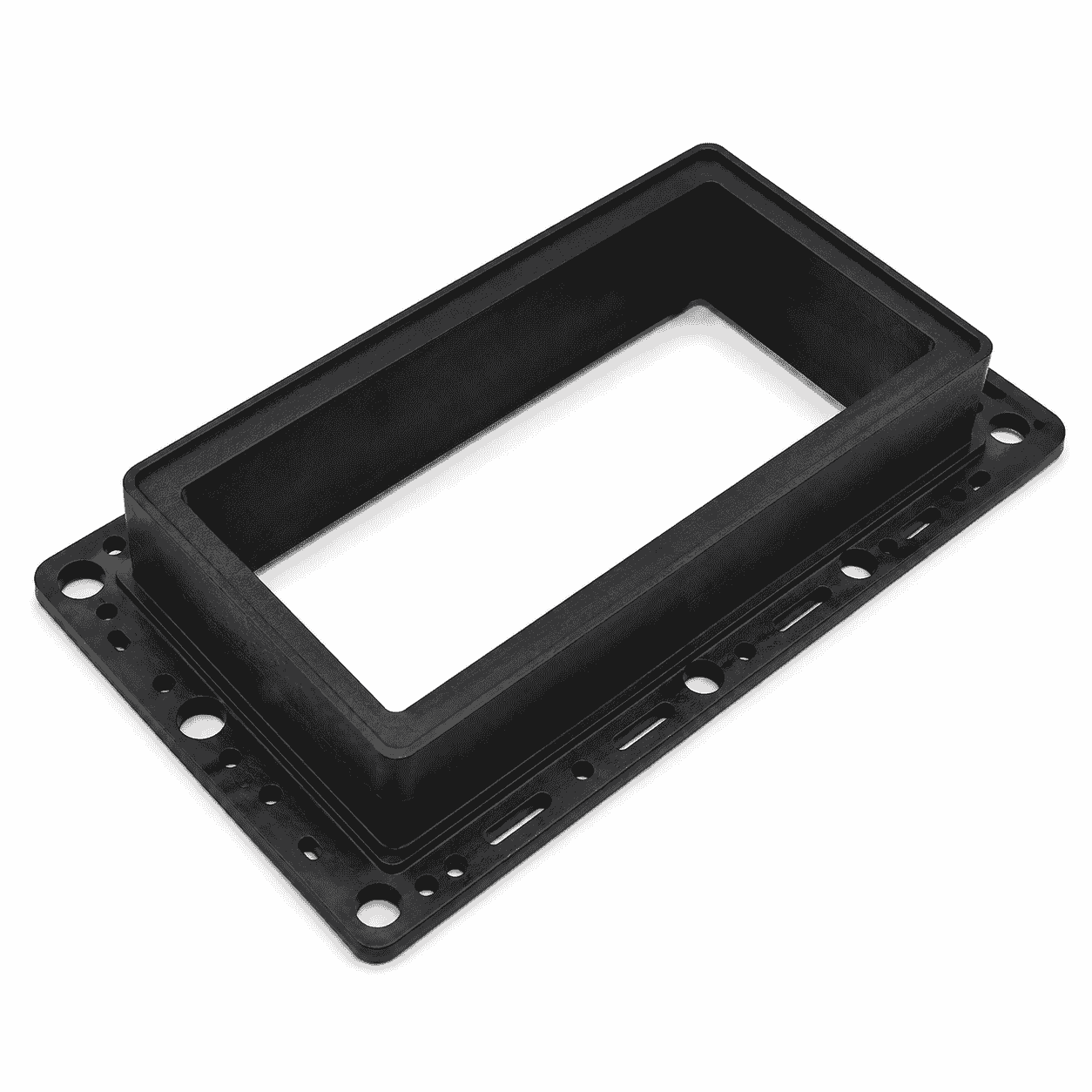


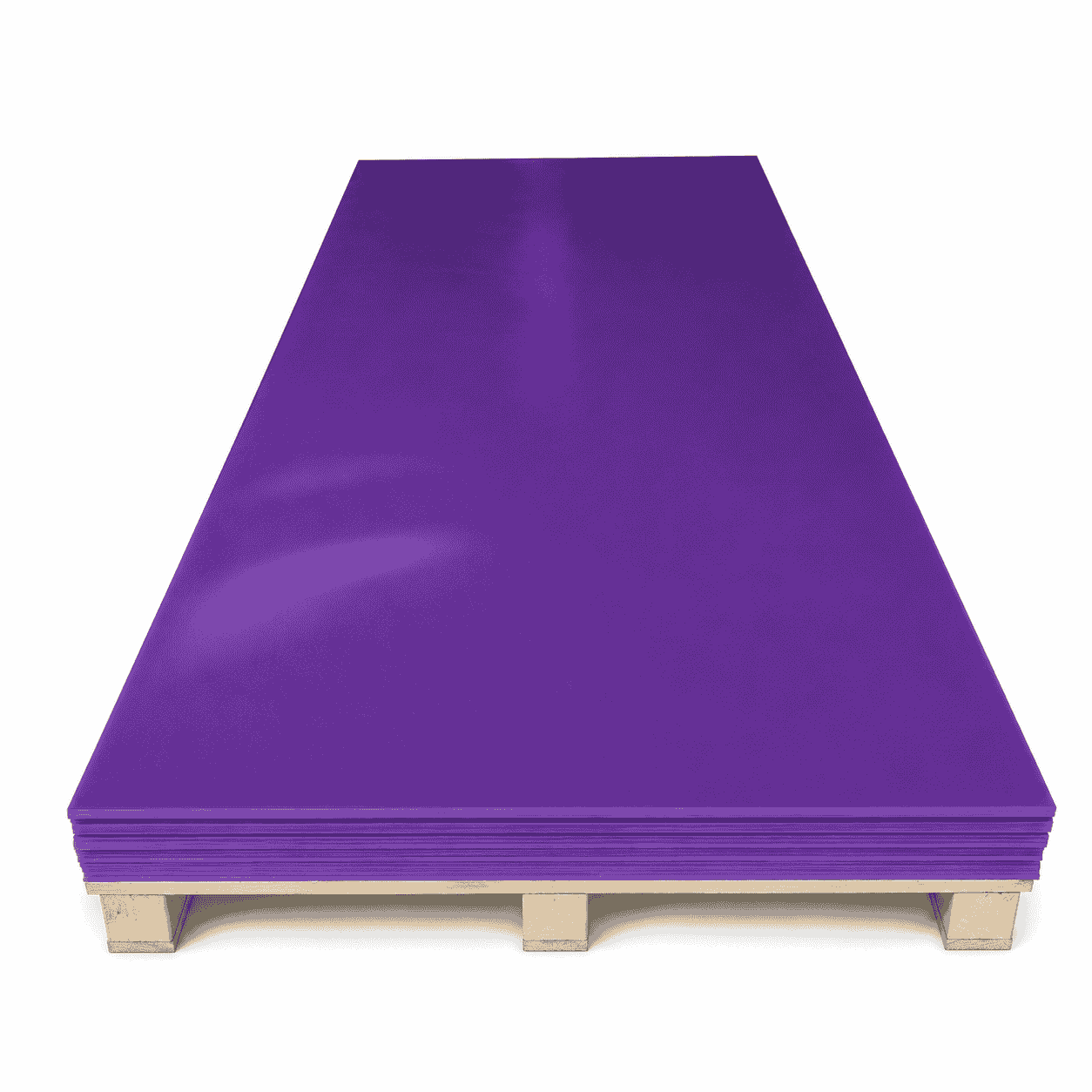
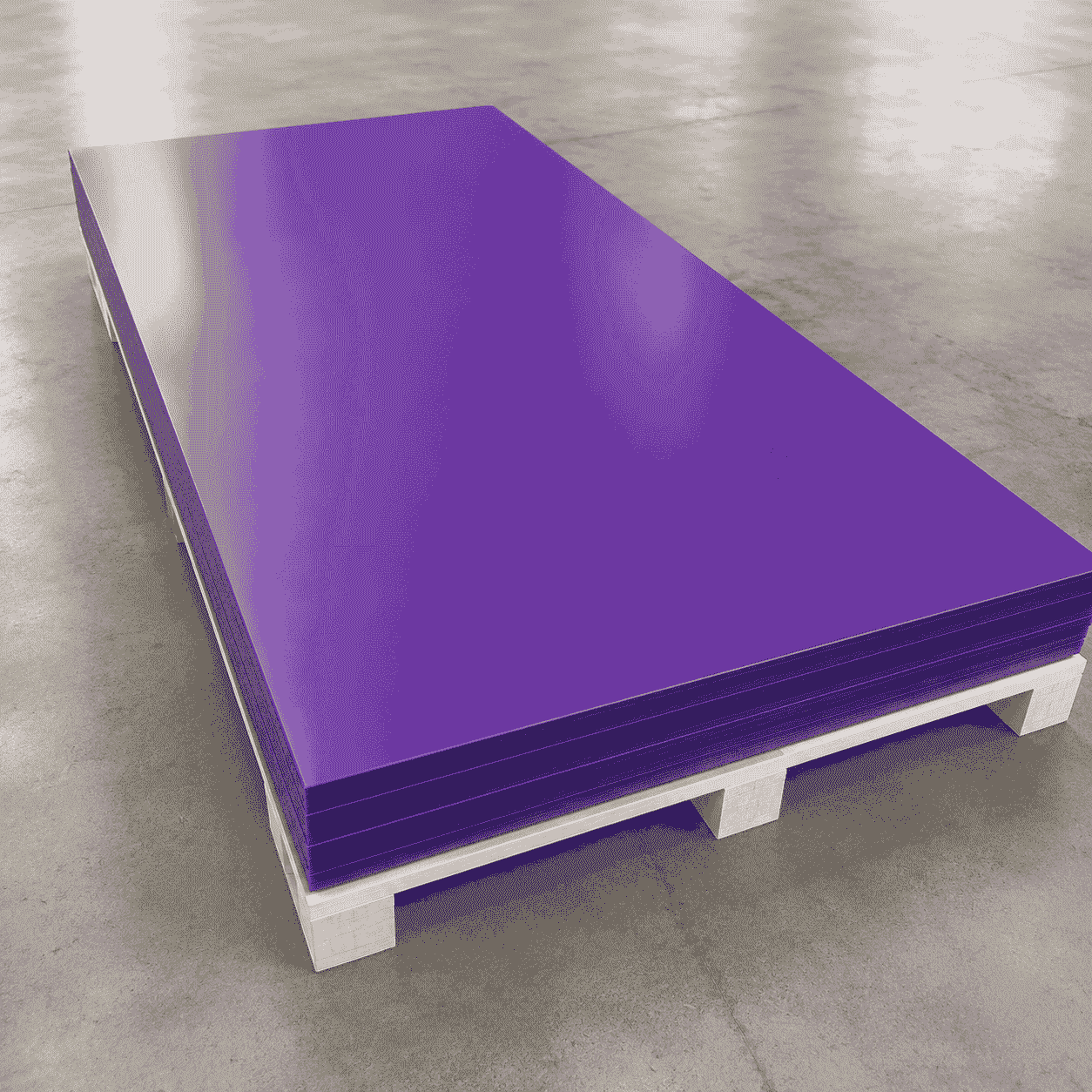
Purple Explosion-Proof UHMWPE Liner is a wear-resistant engineering plastic lining developed for coal bunkers, grain silos, powder hoppers, chutes and bulk-material-handling equipment.
The UHMWPE base material provides excellent abrasion resistance, high impact strength, low friction, self-lubricating performance and very low water absorption. Project-specific antistatic, conductive and flame-retardant formulations can be evaluated for equipment operating in combustible-dust or hazardous environments.
Standard and large-format liner panels are available in custom thicknesses and dimensions. Mounting holes, countersinks, expansion slots, stepped joints and CNC-machined profiles can be produced according to equipment drawings and specified electrical or flame-retardant requirements.
Purple Explosion-Proof UHMWPE Liner is a modified engineering plastic lining designed for bunkers, silos, hoppers, chutes and conveying equipment handling coal, grain, powder, minerals and other bulk materials.
The liner is manufactured from ultra-high-molecular-weight polyethylene and can be formulated with project-specific antistatic, conductive or flame-retardant additives. It combines wear resistance, high impact strength, low friction and low water absorption with controlled electrical or combustion-related performance when supported by the corresponding formulation and test documentation.
The lining creates a replaceable working surface between the conveyed material and the supporting steel structure. Its smooth surface can help reduce sticking, bridging, material buildup and direct abrasion against metal bunker or chute walls.
The product can be supplied as a full molded panel, cut-to-size liner, long wear strip or finished CNC-machined component. Length, width, thickness, mounting holes, recessed fastener positions, expansion slots and panel-edge structures can be processed according to customer drawings.
General information about the base material is available in the
Wikipedia explanation of ultra-high-molecular-weight polyethylene.
Information about electrostatic risks is available in the
Wikipedia explanation of electrostatic discharge.
Additional background information is available in the
Wikipedia explanation of dust explosions.
A Purple Explosion-Proof UHMWPE Liner is a polyethylene lining panel intended for use as part of a broader wear-control and explosion-risk-management system.
UHMWPE contains extremely long molecular chains that contribute to toughness, impact resistance and resistance to repeated abrasive contact. Its low-friction working surface also helps bulk materials move more smoothly through correctly designed equipment.
The term “explosion-proof” does not mean that the liner alone can prevent every explosion. In combustible-dust or flammable environments, safety depends on the complete system, including material conductivity, grounding, bonding, ventilation, dust control, equipment temperature, ignition-source control and applicable explosion-protection design.
The purple color is primarily a visual-identification feature. Purple pigment alone does not provide antistatic, conductive or flame-retardant performance. These properties must be achieved through a specified material formulation and verified by agreed testing.
Static electricity can be generated when powders, grains, plastic particles or other bulk materials slide, collide or separate from equipment surfaces.
If charge accumulates and discharges as a spark in an environment containing combustible dust, gas or vapour, the discharge may become a potential ignition source.
An antistatic formulation is designed to reduce static-charge accumulation compared with standard insulating UHMWPE. It may be selected for equipment where controlled charge dissipation is required.
The required surface-resistance or volume-resistance range must be clearly specified. The words “antistatic” and “conductive” should not be treated as interchangeable.
A conductive formulation provides lower electrical resistance than a typical antistatic grade. It may be selected when the equipment design requires charge to dissipate through a defined grounding path.
Material conductivity alone is insufficient if the finished liner is electrically isolated by insulating fasteners, coatings, dirt or an unsuitable installation structure.
Where static-control performance is required, the technical specification should identify:
A project-specific flame-retardant formulation can be evaluated where delayed ignition, reduced flame spread or self-extinguishing behaviour is required.
Flame-retardant additives can alter the material’s wear resistance, impact strength, friction, density, color and machining behaviour. The final formulation must therefore balance mechanical performance with the required flame-retardant classification.
Flame-retardant performance should be described using an agreed test method and specimen thickness. A statement such as “flame retardant” without a test standard, rating and thickness is insufficient for engineering approval.
General information about flame-retardant additives is available in the
Wikipedia explanation of flame retardants.
The smooth surface of Purple Explosion-Proof UHMWPE Liner helps reduce sliding resistance between bulk material and the equipment wall.
This can support smoother discharge of coal, grain, feed, fertilizer, powders and minerals through bunkers, hoppers and chutes. Actual flow performance depends on particle shape, moisture content, wall angle, contact pressure and equipment design.
Corroded, rough or damaged steel surfaces can create locations where material accumulates. Covering the steel with a smooth UHMWPE liner can provide a more uniform contact surface and reduce material-catching points.
The liner does not replace correct hopper geometry. Difficult materials may still require appropriate wall angles, vibration equipment, air assistance or mechanical flow-control systems.
The liner separates conveyed material from the supporting steel surface, reducing direct sliding abrasion and repeated impact against the equipment body.
Because it is replaceable, worn panels can be removed while the main bunker, chute or hopper structure remains in service.
The UHMWPE base material is suitable for continuous rubbing, sliding and abrasive bulk-material movement.
Actual service life depends on particle hardness, particle shape, flow rate, impact angle, liner thickness, operating temperature and installation quality.
The tough UHMWPE structure helps the liner withstand repeated impact under appropriate operating conditions.
This is useful in loading points, transfer stations, coal bunkers, mineral hoppers and chutes where falling materials repeatedly strike the lining surface.
The low-friction surface can help materials move with less resistance and reduce direct contact with rough or corroded steel.
Most UHMWPE liner applications do not require continuous oil or grease lubrication. This simplifies maintenance and avoids adding lubricant to the bulk-material contact area.
UHMWPE absorbs very little moisture compared with many conventional engineering plastics. This supports use in humid areas and equipment exposed to periodic cleaning or outdoor moisture.
The plastic liner does not rust and resists many commonly encountered acids, alkalis, salts and industrial chemicals.
Compatibility should be reviewed separately for strong oxidizing agents, specialized solvents, concentrated chemicals and elevated-temperature media.
Installing UHMWPE between moving material and a metal structure can help reduce direct impact noise and vibration.
Individual liner panels can be replaced when they reach their maintenance limit, helping protect the primary equipment structure.
The purple appearance can help distinguish the explosion-protection formulation from standard natural-white, blue, green or black UHMWPE components.
Where strict color matching is required, the final shade should be approved using a physical sample or agreed color reference.
Purple Explosion-Proof UHMWPE Liner can be evaluated for equipment handling combustible dust, abrasive powders or difficult-to-flow bulk materials.
Additional UHMWPE sheets, liner panels and CNC-machined components are available through our
UHMWPE sheet and engineering plastic product center.
| Product Name | Purple Explosion-Proof UHMWPE Liner |
|---|---|
| Focus Keyword | Purple Explosion-Proof UHMWPE Liner |
| Base Material | Ultra-high-molecular-weight polyethylene |
| Common Material Designation | PE-UHMW, PE1000 or UHMWPE |
| Standard Color | Purple |
| Main Functions | Wear protection, friction reduction and project-specific static or flame control |
| Electrical Grade | Standard, antistatic or conductive according to specified resistance requirements |
| Flame Performance | Project-specified flame-retardant grade subject to agreed test method and thickness |
| Common Liner Thickness | 10–50 mm |
| Heavy-Duty Thickness | 50–100 mm |
| Thick Plate Option | More than 100 mm and up to approximately 200 mm after feasibility review |
| Common Sheet Size | 1000 × 2000 mm |
| 4 × 8 ft Equivalent | Approximately 1220 × 2440 mm |
| Optional Sheet Sizes | 1200 × 3000 mm, 1500 × 3000 mm and 2000 × 3000 mm |
| Large-Format Options | Up to approximately 1800 × 6000 mm or 2000 × 6000 mm for selected thicknesses |
| Surface Options | As-molded, smooth, planed or CNC-machined |
| Processing Services | Cutting, planing, drilling, countersinking, slotting, grooving and CNC machining |
| Supply Form | Full sheets, cut liner panels, wear strips and finished machined components |
The listed dimensions are common production options rather than guaranteed combinations. Maximum length, width and thickness cannot always be manufactured together in one panel.
Final dimensions and functional properties should be confirmed according to mold capacity, material formulation, resistance requirements, flame-retardant test, flatness, machining allowance and transportation conditions.
Relatively thin panels are suitable for light-impact chutes, guide surfaces and equipment with continuous steel backing support.
This thickness range is commonly selected for coal bunkers, grain silos, hoppers, bins and general bulk-material-handling systems.
Thicker panels provide additional impact absorption and wear allowance for mining, coal, aggregate and high-frequency loading applications.
Thick plates can be evaluated for impact blocks, deeply machined lining structures and special equipment components.
Standard UHMWPE is normally electrically insulating and should not automatically be used in areas requiring controlled static dissipation.
Antistatic UHMWPE is modified to reduce charge buildup. Its exact resistance range should be established through the purchase specification and test report.
Conductive UHMWPE is designed for lower electrical resistance and must be integrated with a suitable grounding and bonding system.
Electrical performance can be affected by pigment, additive dispersion, temperature, humidity, surface contamination and machining direction.
Purple Explosion-Proof UHMWPE Liner can be supplied as a full molded sheet, cut-to-size panel or finished installation component.
The supporting steel surface should be clean, reasonably flat and capable of supporting the liner evenly.
Mounting holes and panel joints should provide suitable thermal-expansion clearance because UHMWPE expands and contracts more than steel.
Fastener heads should be recessed below or level with the working surface to reduce material-catching points.
Where conductive performance is required, the installation design must provide a verified electrical path. Insulating coatings, plastic fasteners or contaminated contact surfaces may interrupt grounding continuity.
The final installation should be reviewed as part of the complete explosion-protection system rather than relying solely on the liner material.
The final Purple Explosion-Proof UHMWPE Liner formulation, dimensions, electrical properties, flame-retardant performance and installation method must be confirmed according to the customer’s risk assessment, equipment drawings and applicable project requirements before manufacturing.
Check drawings for full specifications and confirm materials according to service conditions to prevent product defects.
Inspect all key processing steps and fully verify dimensions, holes, grooves and fitting surfaces.
Deburr, chamfer and clean products for easy installation. Ensure uniform quality among batch products.
Choose appropriate packaging solutions based on product features to protect goods from collision, deformation and mixing during transit.
Unlike metal parts, engineering plastic components still require strict control over dimensions, holes, edges, surface, materials and assembly performance for equipment use.
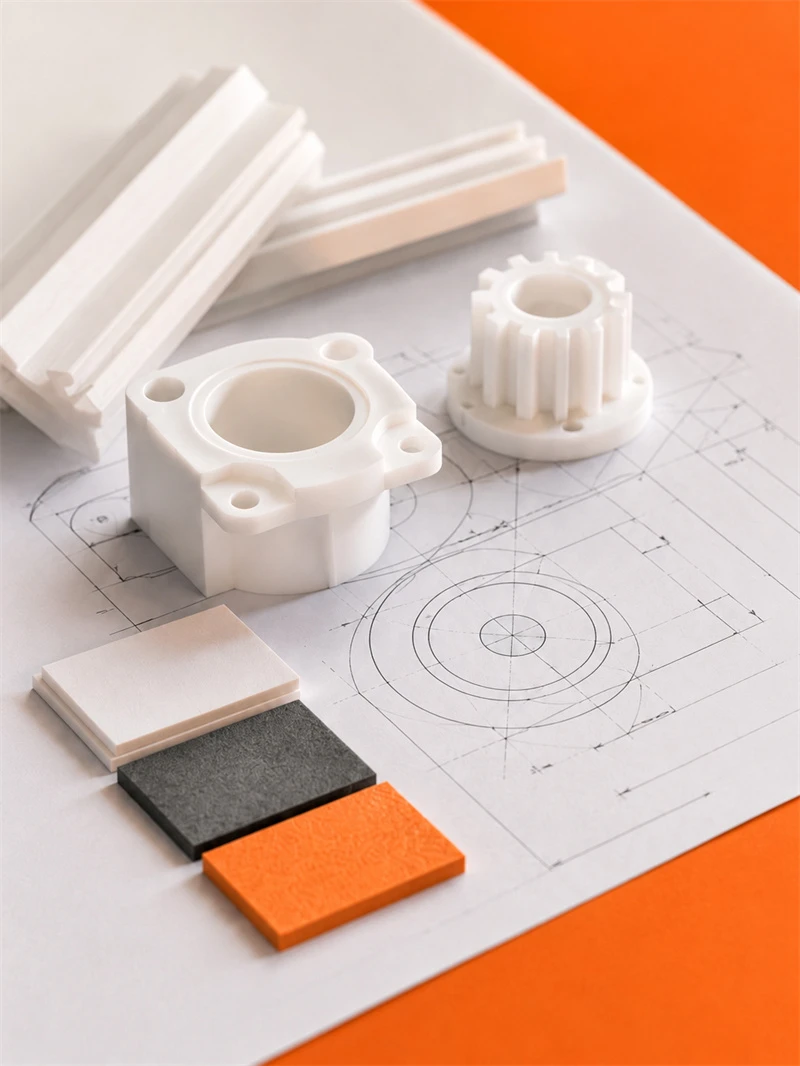
Engineering plastic parts suit friction, guide, support, buffer, anti-corrosion and insulation areas. We supply UHMWPE, POM, PA, PP/PE components for conveyor, food, mining, machinery, chemical and cable systems, with custom OEM service available.
Stay updated with our latest industry insights, company updates and featured articles.
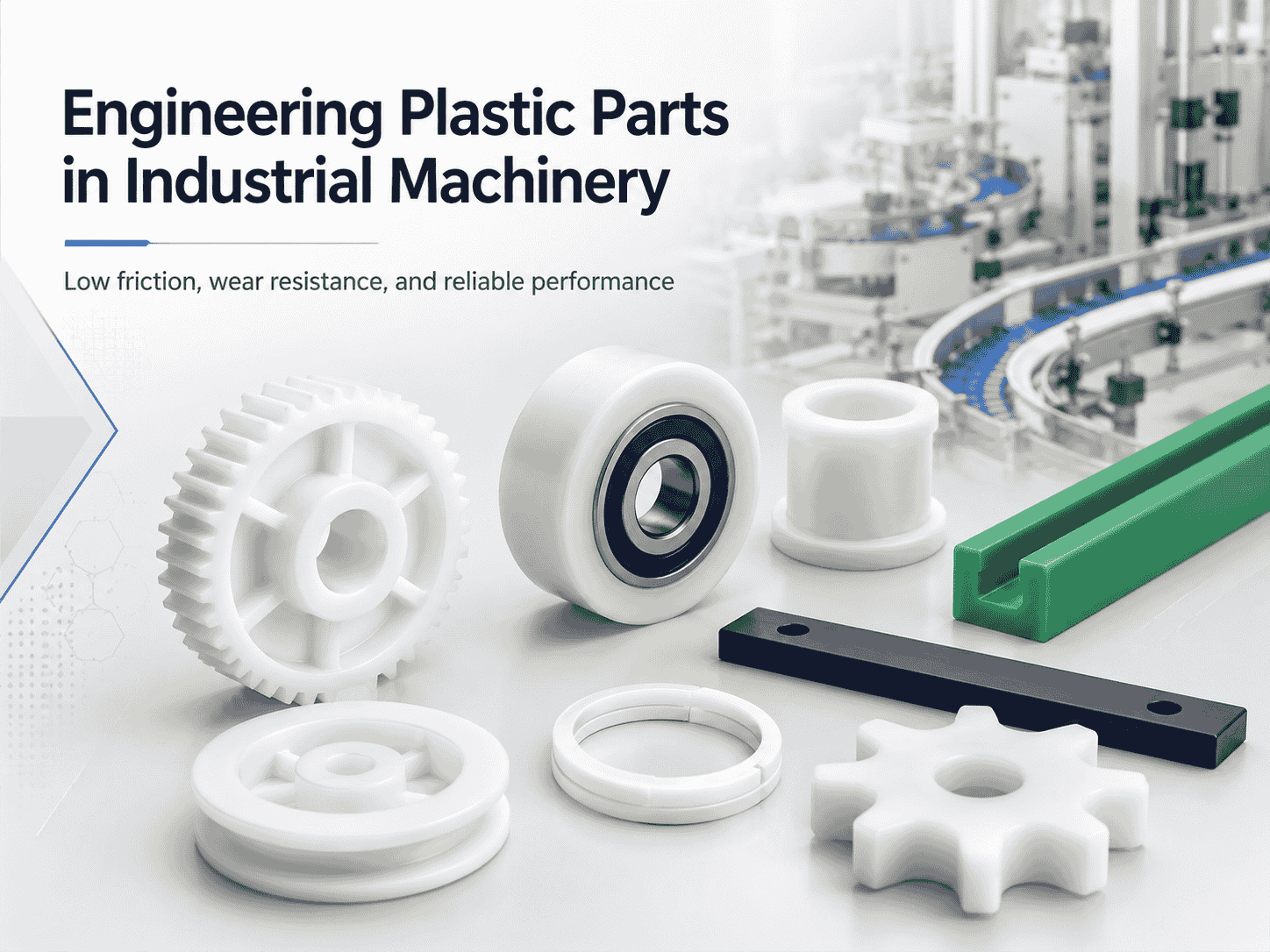
Engineering plastics are increasingly used in industrial machinery, automated production lines, conveyor systems, packaging equipment, and food-processing machines. Materials such as nylon, UHMWPE, POM, and
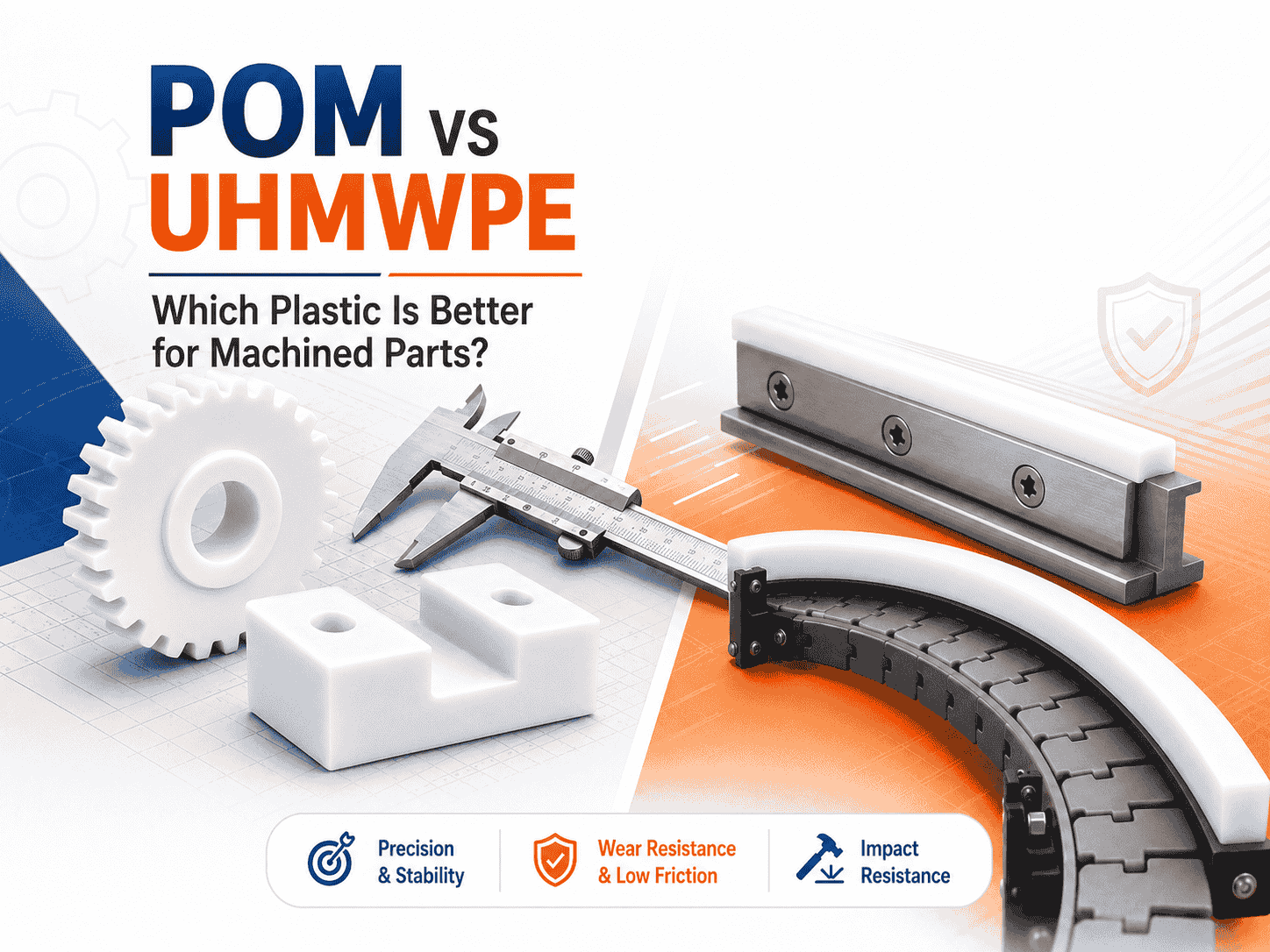
Both are lightweight, corrosion-resistant, wear-resistant, and suitable for CNC machining. However, they perform very differently
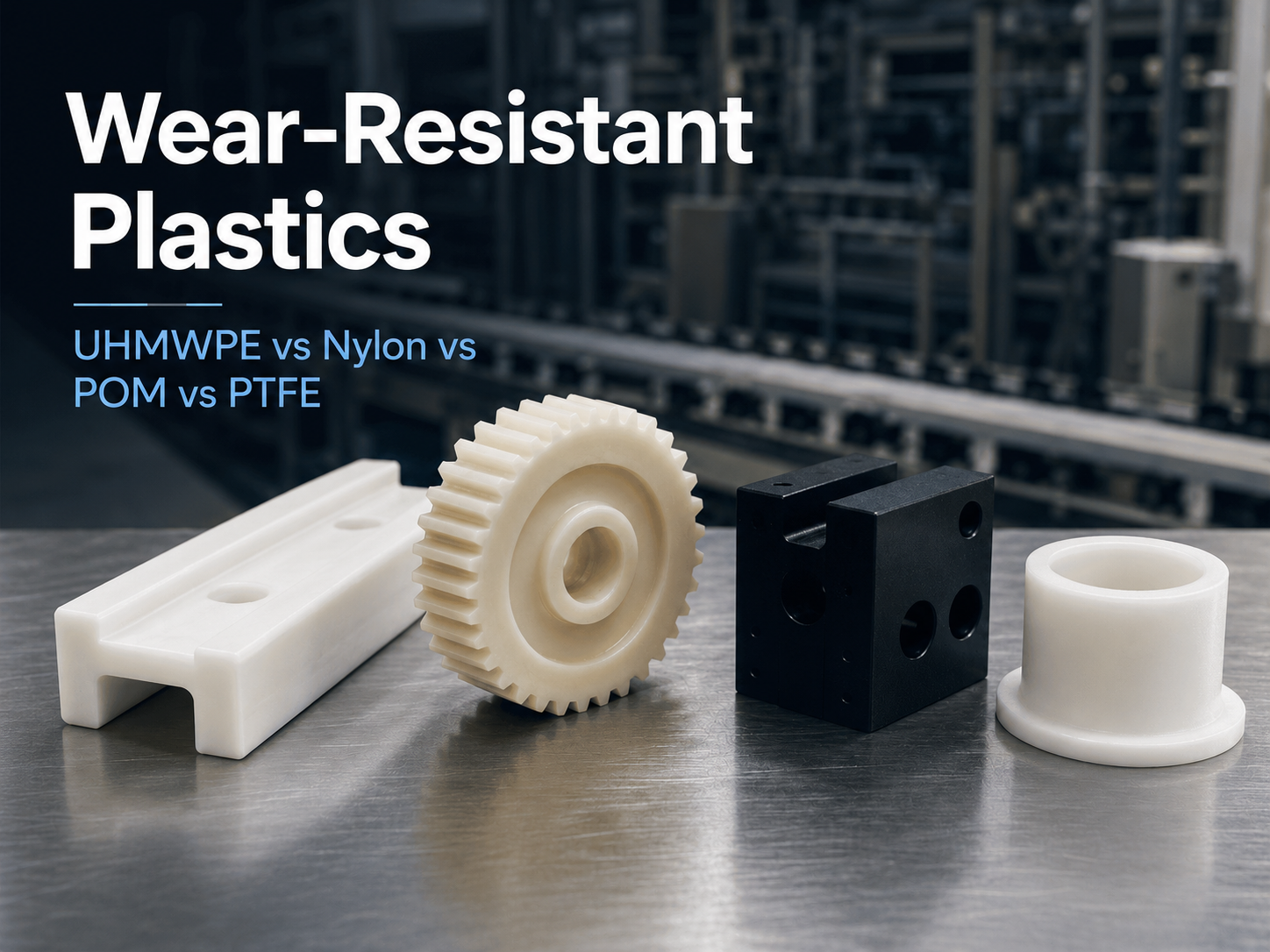
Wear is a common cause of failure in conveyor systems, packaging machinery, automated equipment, mining
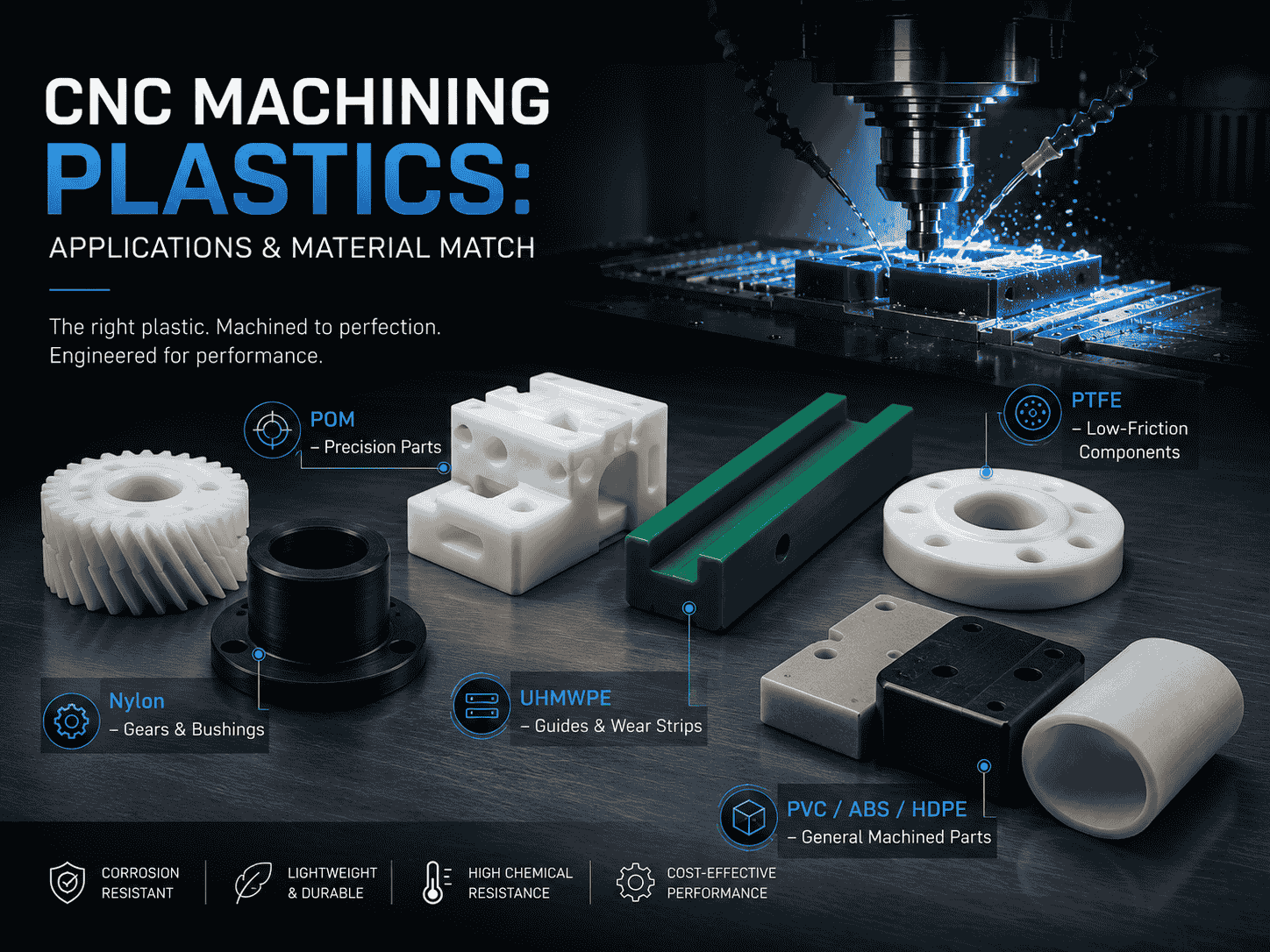
CNC machining is widely used to produce plastic prototypes, low-volume parts, replacement components, jigs, fixtures,
Both are lightweight, corrosion-resistant, wear-resistant, and suitable for CNC machining. However, they perform very differently
Wear is a common cause of failure in conveyor systems, packaging machinery, automated equipment, mining
CNC machining is widely used to produce plastic prototypes, low-volume parts, replacement components, jigs, fixtures,
Need UHMWPE sheets & custom plastic machined/OEM parts?Send specs & material needs, free quote within 24h.