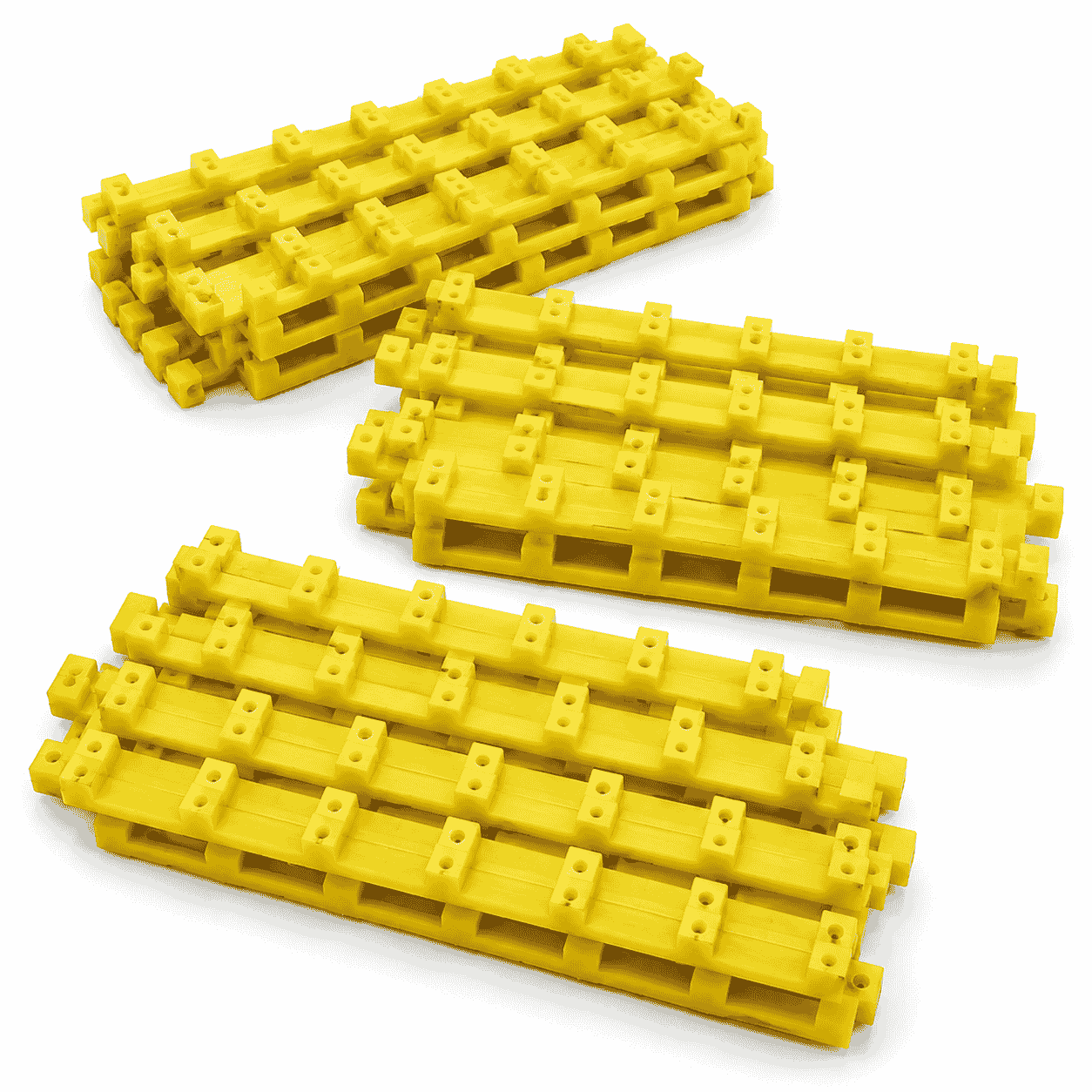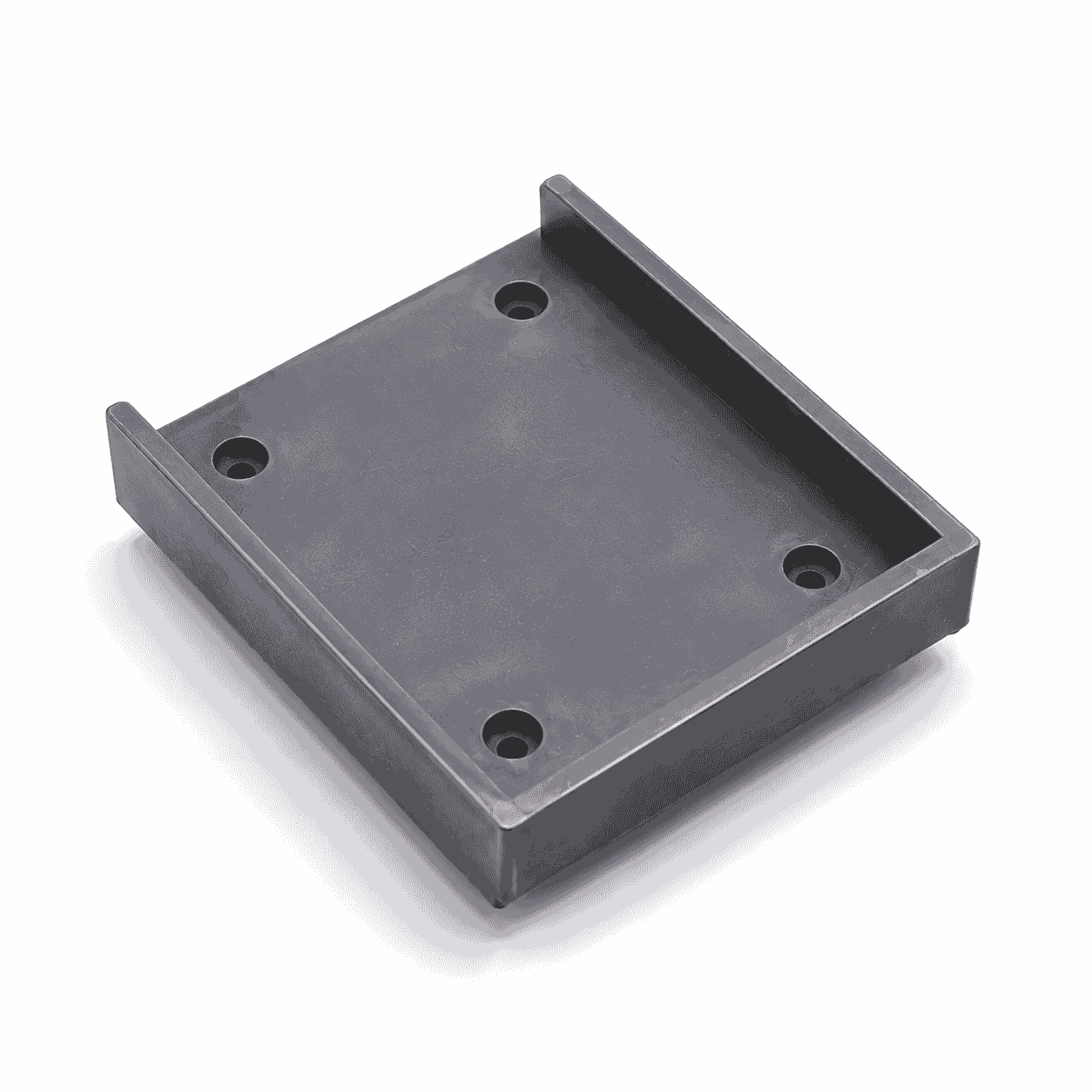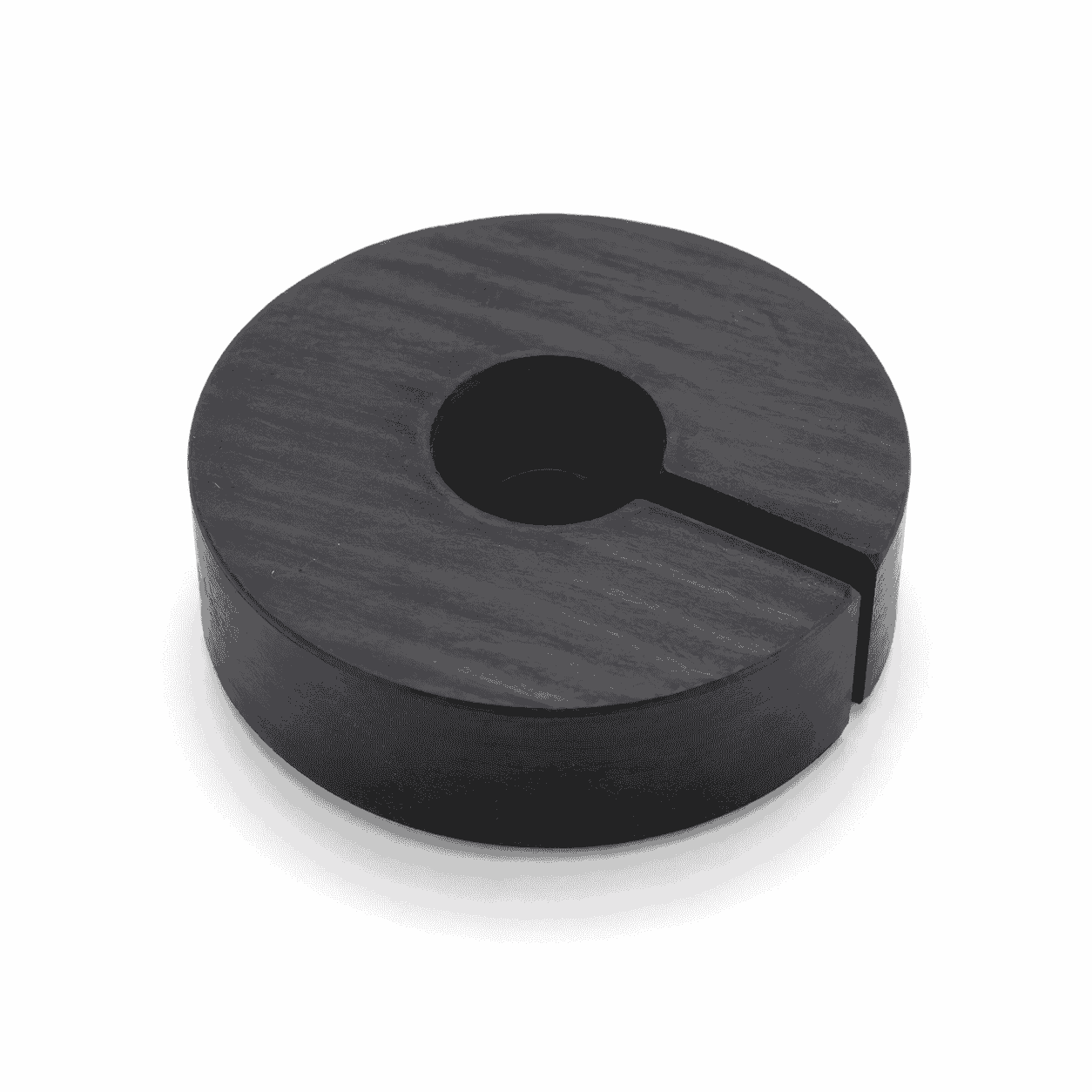
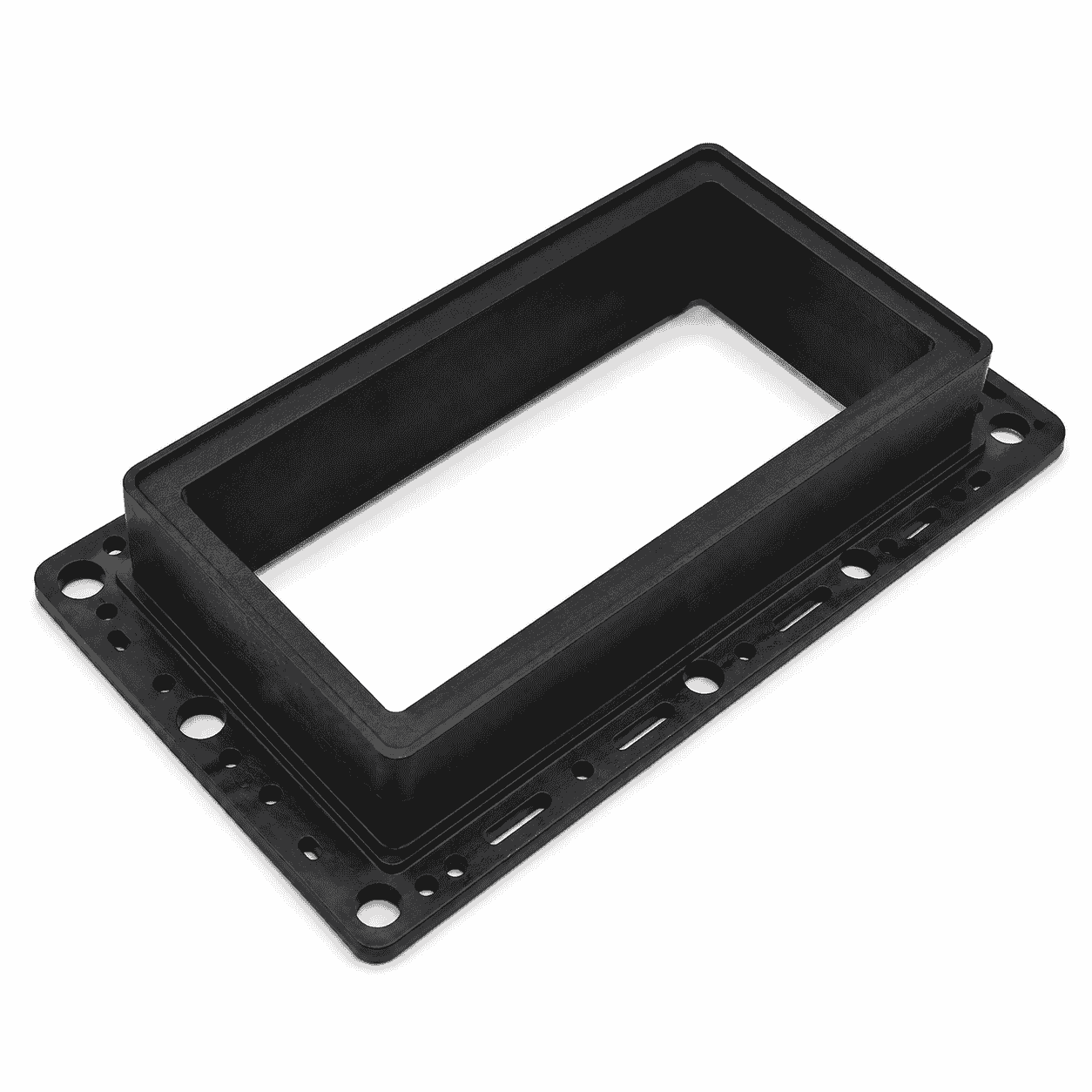
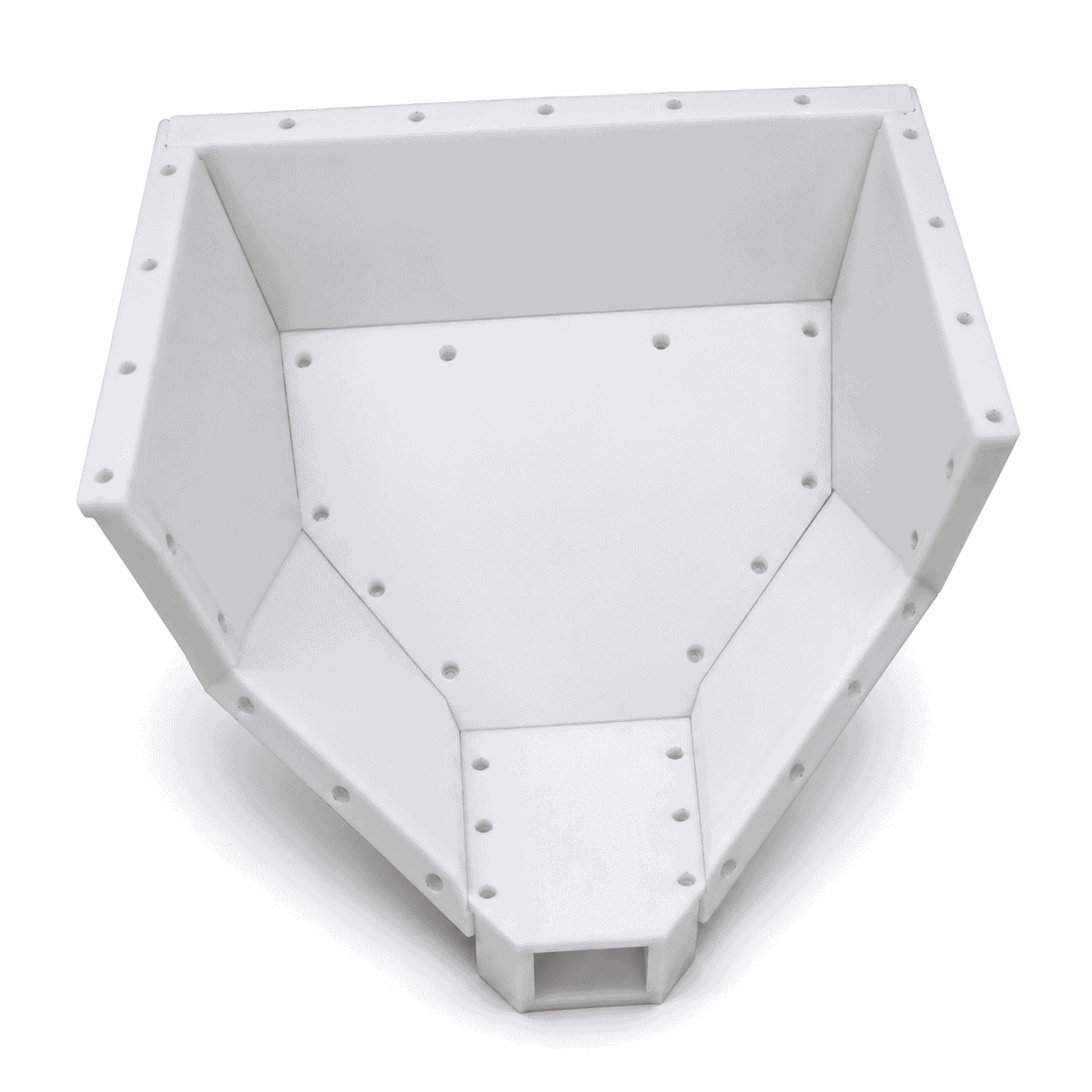
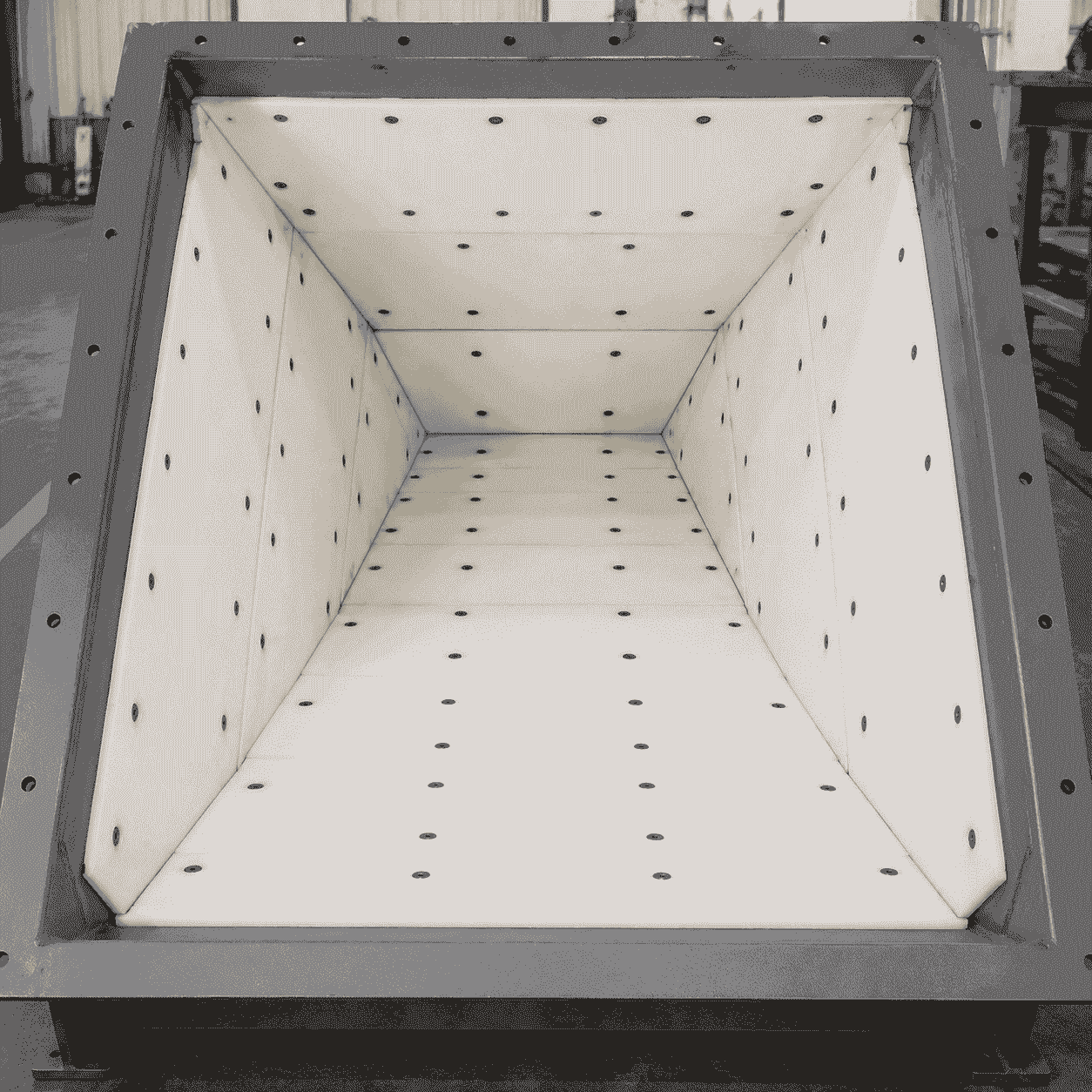
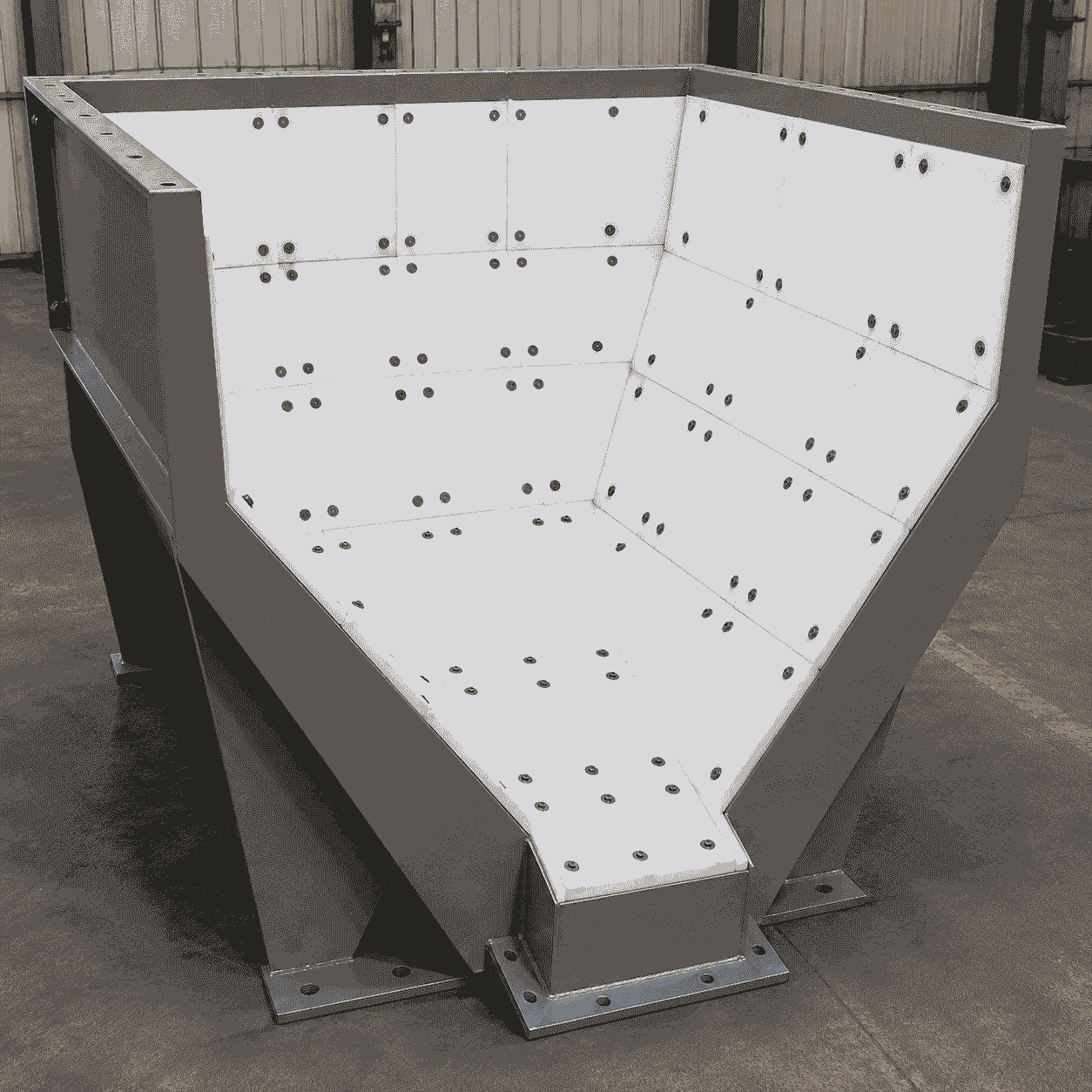
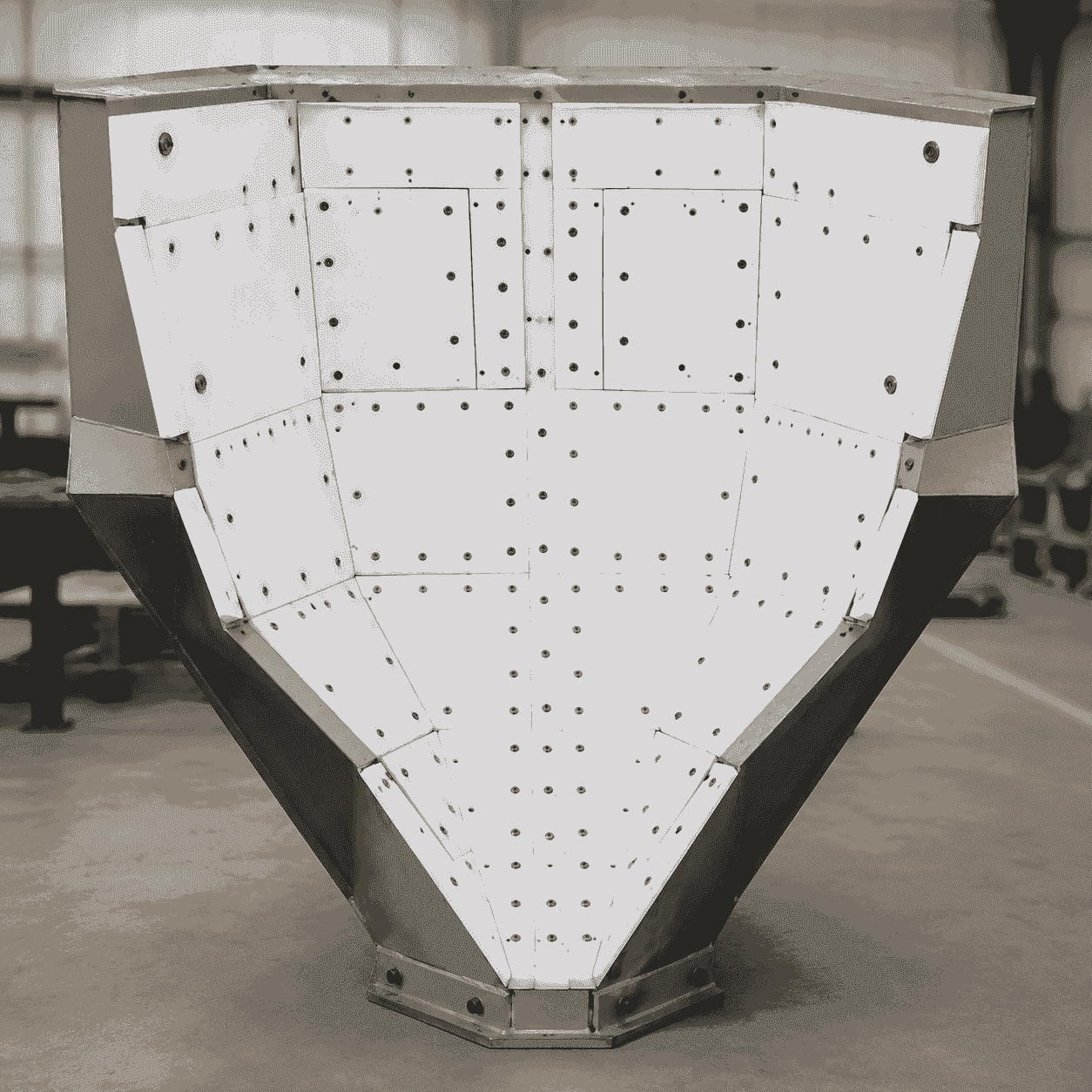
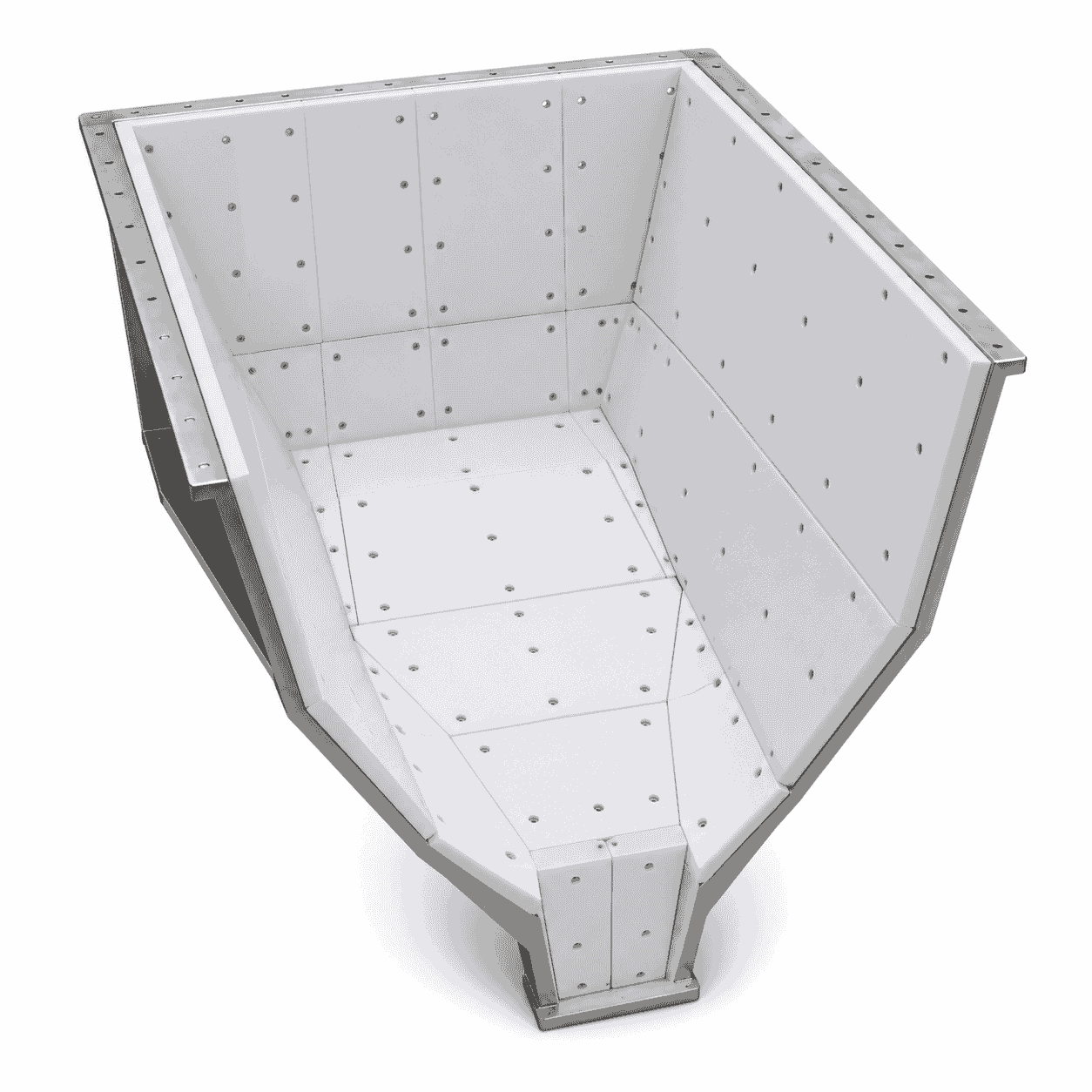
UHMW-PE Hopper Liner is a low-friction and wear-resistant lining material designed for hoppers, chutes, bunkers, silos, bins, tipper bodies, buckets and bulk-material handling equipment. Its smooth surface helps improve material discharge while reducing sticking, bridging, abrasion, corrosion and operating noise. Full sheets, cut-to-size panels, drilled liners and CNC-machined lining components are available according to equipment drawings and working conditions.
UHMW-PE Hopper Liner is a high-performance engineering plastic lining manufactured from ultra-high molecular weight polyethylene, also known as UHMWPE or PE1000. It is designed for hoppers, chutes, bunkers, silos, storage bins, tipper bodies, truck beds, buckets and other equipment used to store, convey or discharge bulk materials.
During bulk-material handling, coal, ore, sand, cement, grain, fertilizer, powder and other loose materials may stick to steel walls, accumulate around discharge openings or cause continuous abrasive wear. Installing a UHMW-PE lining creates a smooth, low-friction contact surface that helps materials discharge more consistently while protecting the underlying steel structure.
Visit our UHMW-PE sheet manufacturing homepage to learn more about our material production and CNC machining capabilities. You can also visit Honsee UHMW-PE sheet manufacturing and CNC machining for additional product and factory information.
For general material information, see Wikipedia’s explanation of ultra-high-molecular-weight polyethylene. Wikipedia also provides background information about bulk material handling.
The low-friction surface helps powders, grains, minerals and other bulk materials move more smoothly along hopper and chute walls. Properly selected lining can reduce sticking, buildup, bridging and irregular discharge.
This is particularly useful when handling materials with high moisture content, fine particles or a natural tendency to adhere to painted or corroded steel surfaces.
Hoppers and chutes handling coal, sand, ore, cement, aggregates and fertilizer are continuously exposed to sliding abrasion. UHMW-PE Hopper Liner separates the conveyed material from the steel wall and helps reduce direct wear on the equipment structure.
Replaceable liner panels can also reduce maintenance costs because worn sections can be replaced without rebuilding the complete hopper or chute.
Bulk materials entering a hopper may produce repeated impact, especially around loading points, chute transitions and discharge areas. UHMW-PE has high toughness and is less likely to crack suddenly than many rigid or brittle lining materials.
The appropriate thickness should be selected according to material particle size, loading height, impact intensity and supporting structure.
Moist powders, clay, coal fines and other cohesive materials can adhere to steel hopper walls. Continued buildup may reduce the effective storage volume and eventually block the discharge opening.
The smooth lining surface helps minimize material retention and reduces the need for frequent hammering, vibration or manual cleaning. Actual performance still depends on hopper angle, outlet size, material moisture and particle distribution.
UHMW-PE absorbs very little moisture and does not rust. It provides a protective separation layer between the handled material and the steel structure.
The material offers good resistance to water, many weak acids, alkalis, salts and common industrial chemicals. Chemical compatibility should be confirmed when strong oxidizers, unusual solvents or elevated chemical temperatures are involved.
Direct contact between bulk materials and steel walls can generate significant impact noise. A plastic lining helps cushion contact and can reduce operating noise and vibration during loading, transportation and discharge.
This advantage is valuable for mines, ports, power plants, cement factories and processing facilities seeking more stable equipment operation.
UHMW-PE sheets can be cut, drilled, milled, countersunk, slotted and machined into panels that match the internal structure of the equipment. Panels can be manufactured according to drawings, templates, samples or measured installation dimensions.
Each liner section can also be numbered according to its installation position, helping simplify on-site assembly and future replacement.
| Item | Typical Specification |
|---|---|
| Product name | UHMW-PE Hopper Liner |
| Material | Ultra-high molecular weight polyethylene, UHMWPE or PE1000 |
| Typical density | Approximately 0.93–0.95 g/cm³, depending on material formulation |
| Standard colors | Natural white, black, green, blue and project-specific colors |
| Common sheet size | 2000 × 1000 mm |
| Available large sizes | 3000 × 1500 mm, 4000 × 2000 mm, 4500 × 2000 mm and 5000 × 1300 mm |
| General sheet thickness | 6–200 mm |
| Common lining thickness | Approximately 10–50 mm |
| Special thick sheet | Up to approximately 300 mm, depending on sheet dimensions and production conditions |
| Production method | Compression molding, cutting and CNC machining |
| Available processing | Profile cutting, drilling, milling, slotting, countersinking, planing and edge machining |
| Supply form | Full sheets, cut panels, shaped liners, drilled panels and complete lining kits |
| Common fixing method | Countersunk bolts, welded studs or engineered mechanical fastening systems |
Technical note: The listed specifications represent common production ranges rather than fixed limits. Final panel dimensions, thickness, flatness, hole arrangement, installation clearance and tolerance should be confirmed according to the equipment structure and operating conditions.
UHMW-PE lining can be used inside ore hoppers, coal bunkers, mineral chutes, transfer stations, storage bins and railway wagons. Its low-friction surface helps improve material flow while protecting the equipment against abrasion.
The lining is suitable for coal bunkers, feed chutes, storage bins and material-transfer systems. It can help reduce coal adhesion and improve discharge consistency, particularly when handling damp coal or fine particles.
Typical applications include cement hoppers, limestone chutes, sand bins, aggregate silos and powder-feeding systems. The liner reduces direct contact between abrasive materials and steel walls.
Selected material grades can be used in grain hoppers, feed bins, seed handling systems and agricultural storage equipment. Food-contact or feed-contact requirements should be specified before production.
Fertilizer granules and chemical powders may create both wear and corrosion problems. UHMW-PE panels provide a smooth protective surface for hoppers, chutes, bins and packaging-line feeding systems.
The lining can be installed in loading hoppers, unloading equipment, transfer chutes and bulk cargo systems handling coal, grain, ore, fertilizer, salt and other loose materials.
UHMW-PE panels can be installed on tipper floors and sidewalls to reduce material sticking and protect the steel body. Common handled materials include sand, clay, grain, coal, fertilizer, aggregates and soil.
Applications include waste hoppers, recycling bins, sorting chutes and transfer equipment. The lining protects the internal walls while supporting smoother movement of mixed and irregular materials.
The actual result depends on material characteristics, hopper geometry, wall angle, outlet dimensions, particle size, moisture content, loading height and flow rate. These conditions should be reviewed before confirming the lining grade and thickness.
Virgin UHMW-PE is suitable for many conventional hopper and chute lining applications. Modified formulations can also be supplied when the equipment requires additional outdoor resistance, static control, color identification or other special properties.
Black color alone does not confirm UV-resistant, conductive or antistatic performance. Special requirements should be clearly specified before production.
UHMW-PE expands and contracts more than steel when temperature changes. Adequate clearance should be provided around panel edges, bolt holes and joints. Slotted holes may be used in suitable installations to accommodate dimensional movement.
Bolt heads should normally be recessed below the material-contact surface. This prevents conveyed materials from repeatedly striking the fasteners and reduces the risk of material collecting around exposed bolt heads.
Panel joints should be designed to prevent moving material from entering beneath the upstream panel edge. Stepped or overlapping arrangements may be considered where additional edge protection is required.
Loading points, transitions and discharge sections may require thicker panels, closer fixing intervals or separately replaceable wear sections. Liner thickness should not be selected only according to hopper size.
UHMW-PE has a low-surface-energy structure, making conventional adhesive bonding difficult. Mechanical fasteners are normally preferred unless a specially developed surface treatment and bonding method has been tested for the application.
UHMW-PE Hopper Liner panels can be manufactured according to two-dimensional drawings, three-dimensional models, templates or measured equipment dimensions.
Available machining processes include:
Large lining systems can be divided into smaller sections based on hopper shape, installation access and maintenance requirements. Panels can be supplied as individual components or as a complete numbered lining kit.
To select a suitable UHMW-PE Hopper Liner, please provide the hopper or chute drawing, liner dimensions, required thickness, quantity and the type of material being handled.
The following working-condition information is also recommended:
Approximately 10–50 mm is commonly used for hopper and chute lining. The appropriate thickness depends on particle size, loading height, abrasion intensity, impact and equipment structure.
The low-friction surface can reduce sticking, buildup and bridging, but hopper geometry, outlet size, wall angle, moisture and particle distribution also affect material flow.
Yes. Panels can be cut and drilled according to the dimensions of an existing hopper. The installation design should provide sufficient fixing strength and thermal-expansion clearance.
Yes. Full panels, segmented lining systems and CNC-machined components can be produced according to drawings, templates, samples or installation dimensions.
Food-contact material options may be supplied for selected applications. The required compliance standard and contact conditions should be confirmed before ordering.
Common colors include natural white, black, green and blue. Other colors may be produced according to quantity and technical requirements.
Check drawings for full specifications and confirm materials according to service conditions to prevent product defects.
Inspect all key processing steps and fully verify dimensions, holes, grooves and fitting surfaces.
Deburr, chamfer and clean products for easy installation. Ensure uniform quality among batch products.
Choose appropriate packaging solutions based on product features to protect goods from collision, deformation and mixing during transit.
Unlike metal parts, engineering plastic components still require strict control over dimensions, holes, edges, surface, materials and assembly performance for equipment use.
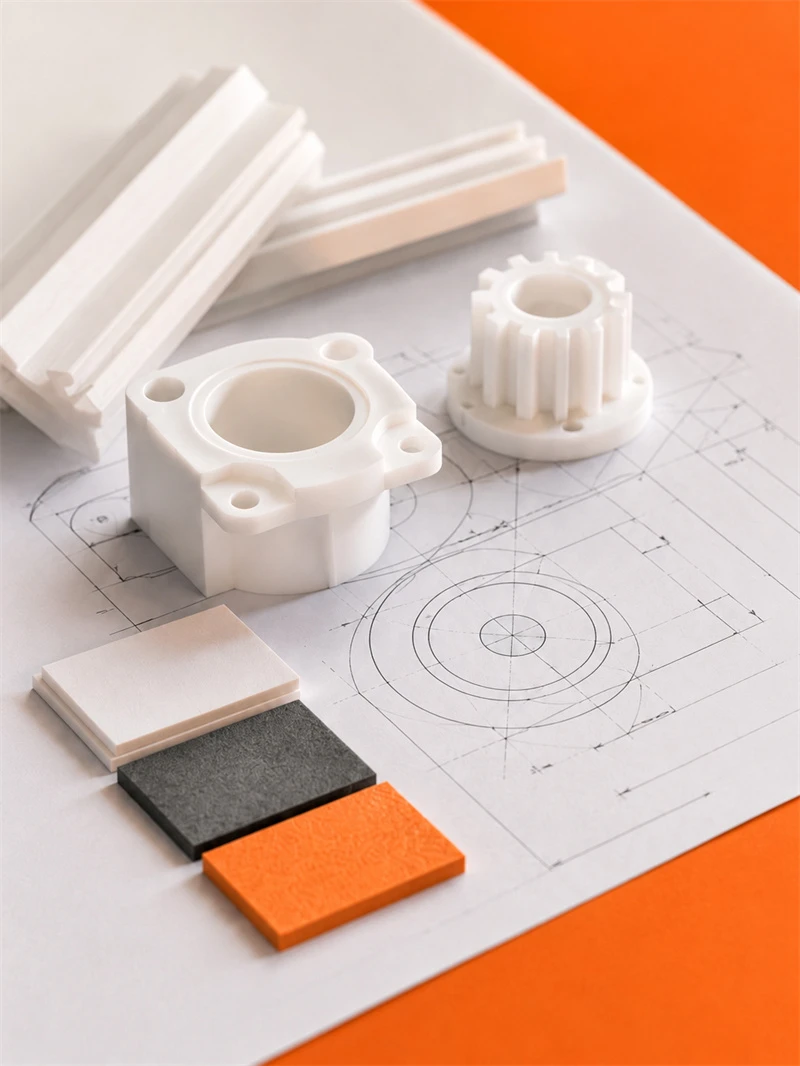
Engineering plastic parts suit friction, guide, support, buffer, anti-corrosion and insulation areas. We supply UHMWPE, POM, PA, PP/PE components for conveyor, food, mining, machinery, chemical and cable systems, with custom OEM service available.
Stay updated with our latest industry insights, company updates and featured articles.
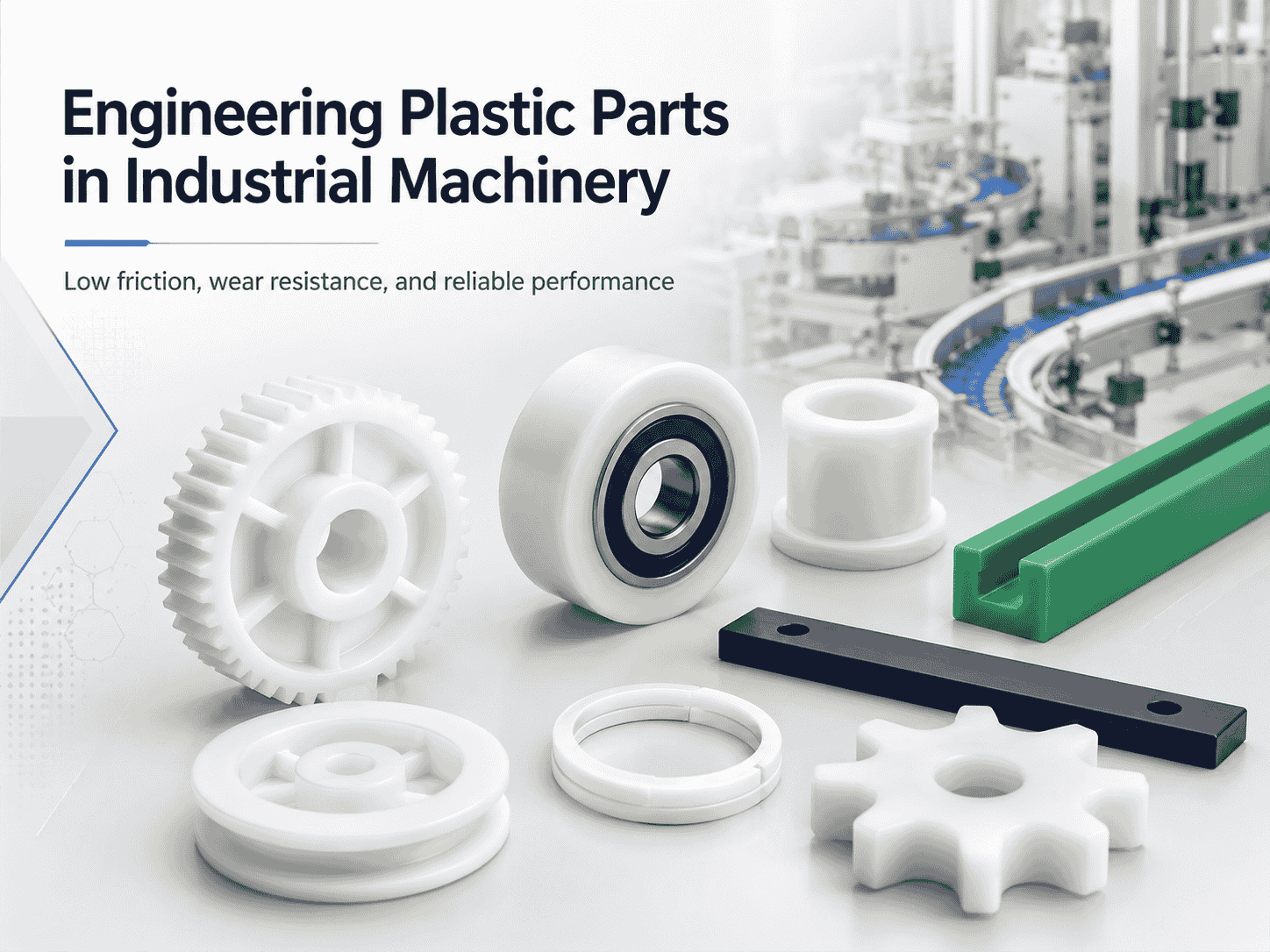
Engineering plastics are increasingly used in industrial machinery, automated production lines, conveyor systems, packaging equipment, and food-processing machines. Materials such as nylon, UHMWPE, POM, and
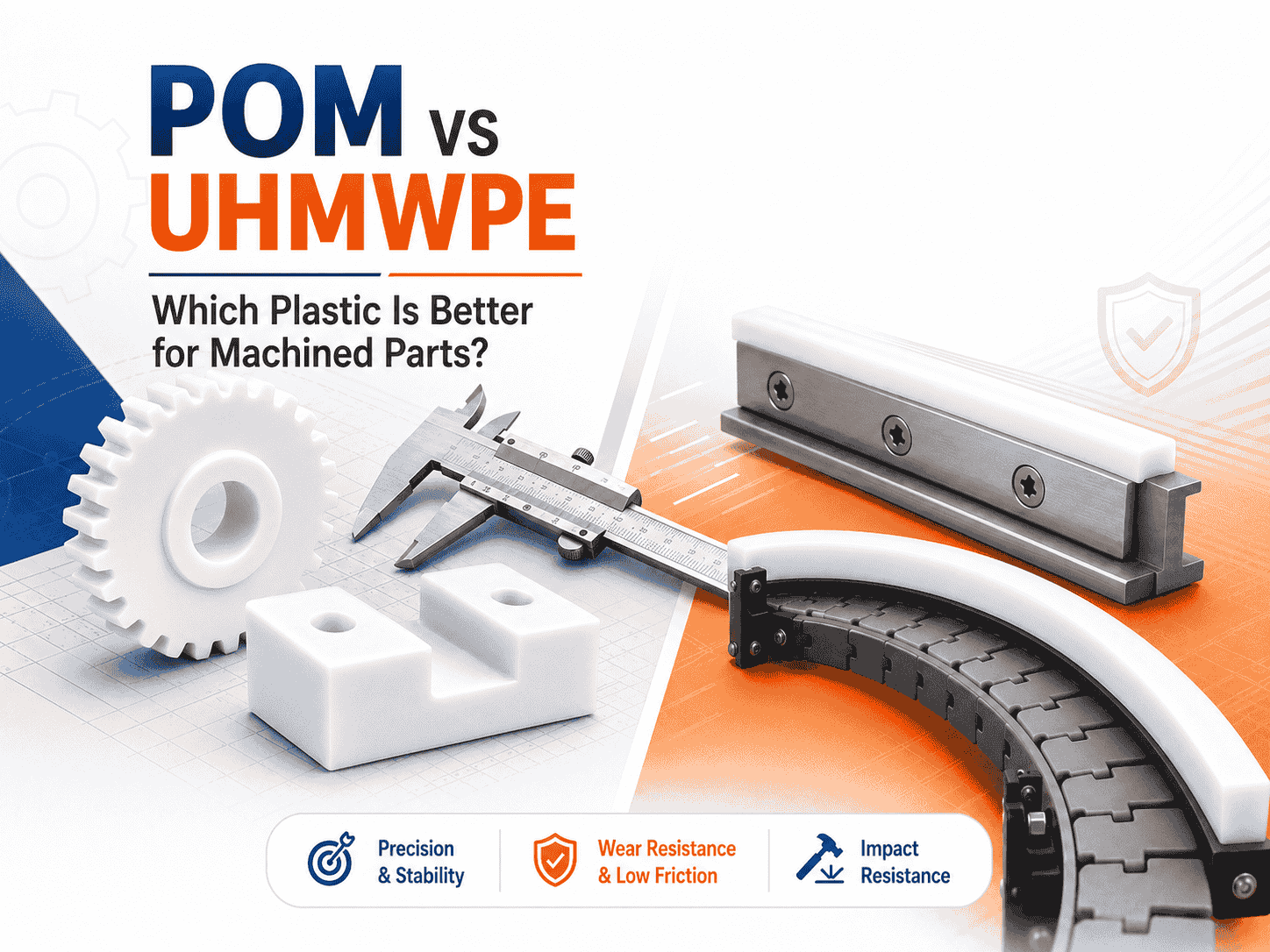
Both are lightweight, corrosion-resistant, wear-resistant, and suitable for CNC machining. However, they perform very differently
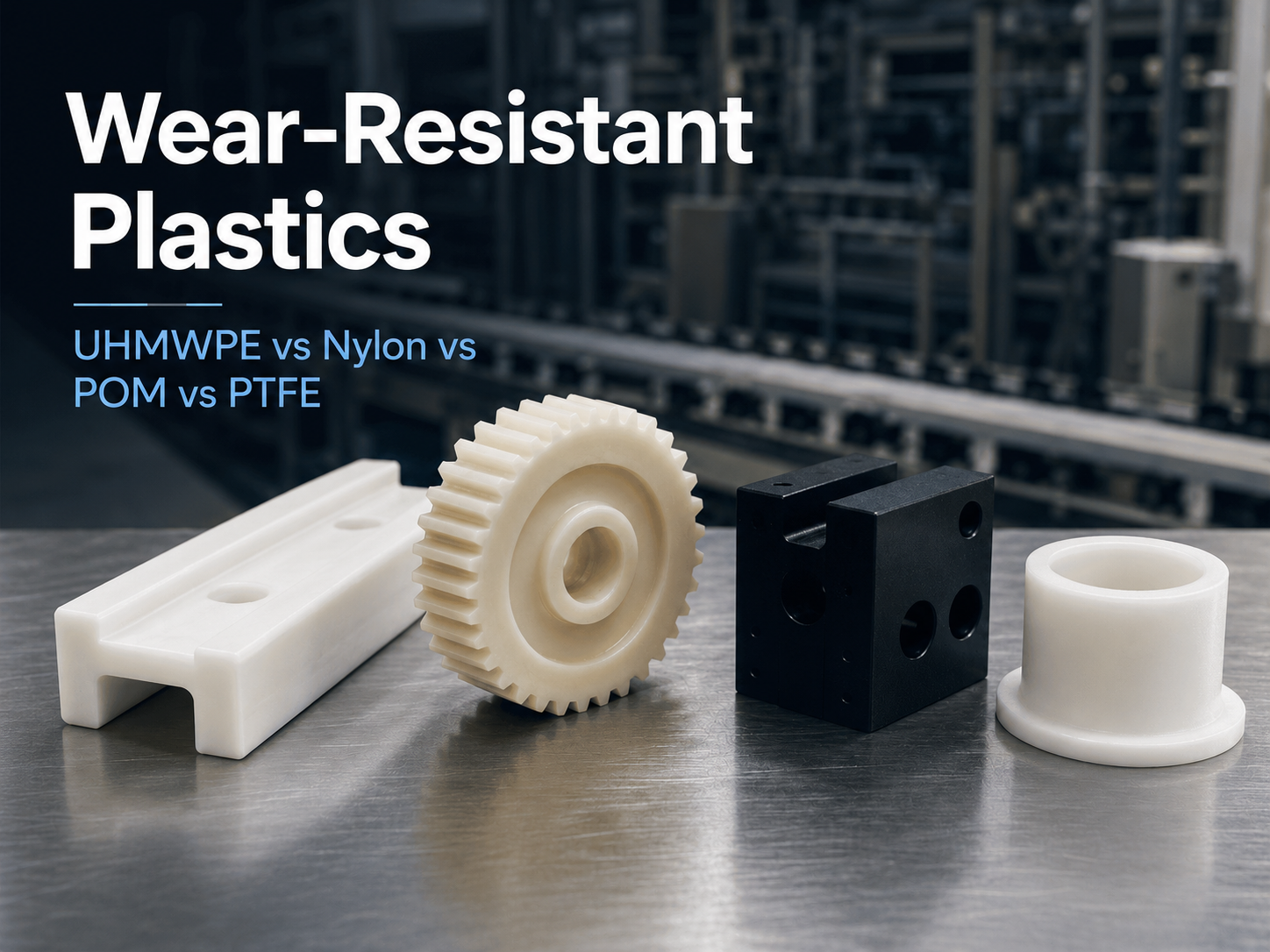
Wear is a common cause of failure in conveyor systems, packaging machinery, automated equipment, mining
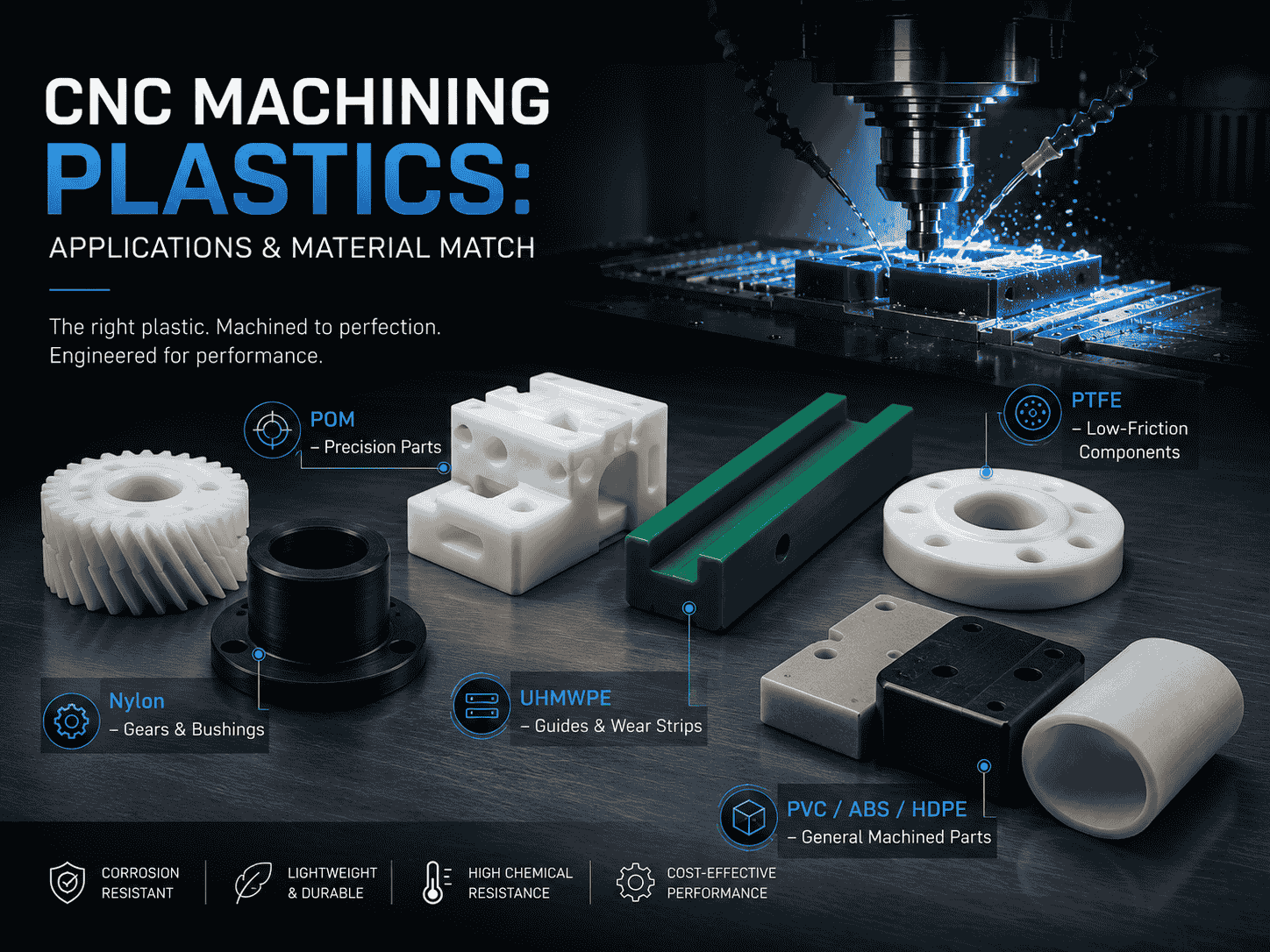
CNC machining is widely used to produce plastic prototypes, low-volume parts, replacement components, jigs, fixtures,
Both are lightweight, corrosion-resistant, wear-resistant, and suitable for CNC machining. However, they perform very differently
Wear is a common cause of failure in conveyor systems, packaging machinery, automated equipment, mining
CNC machining is widely used to produce plastic prototypes, low-volume parts, replacement components, jigs, fixtures,

Need UHMWPE sheets & custom plastic machined/OEM parts?Send specs & material needs, free quote within 24h.