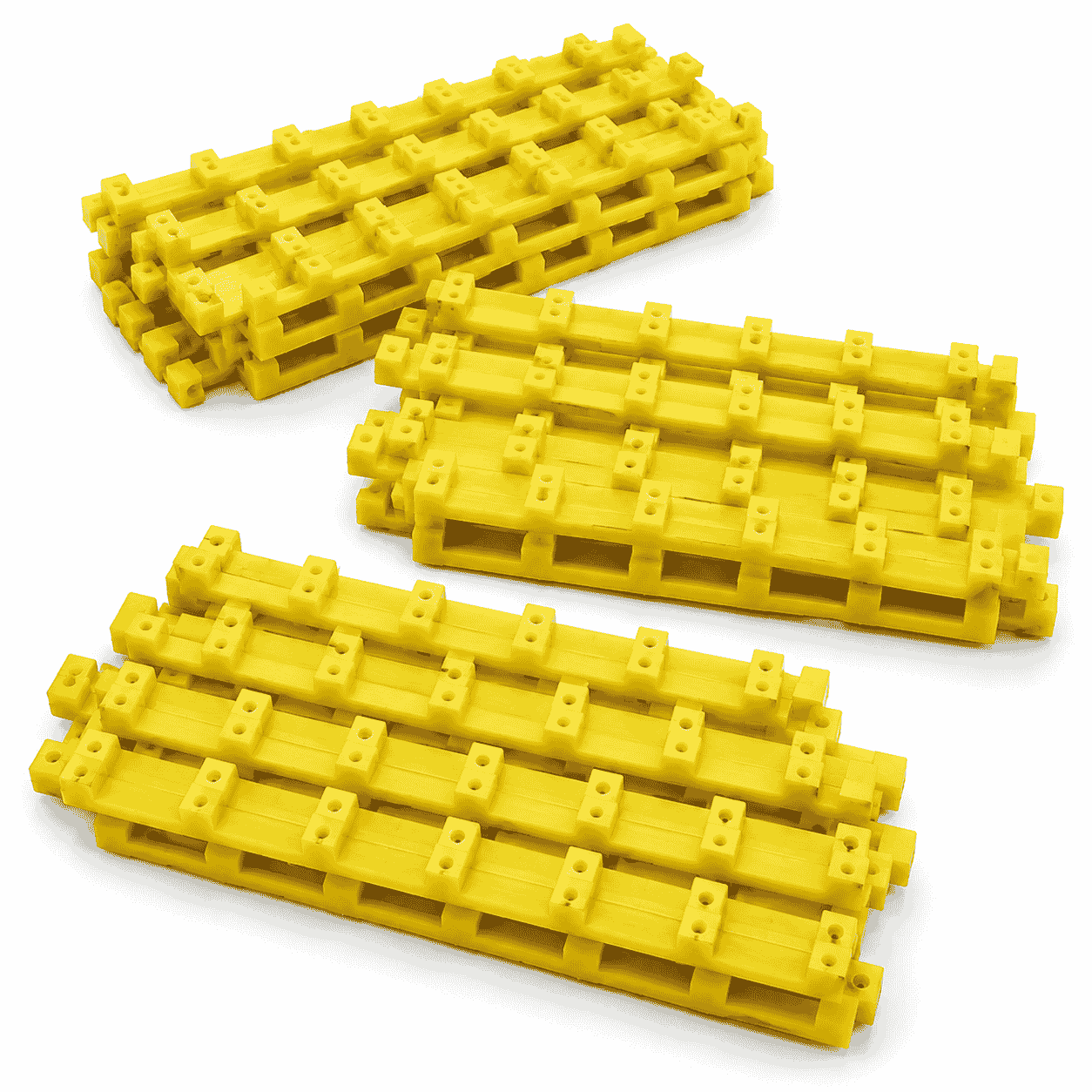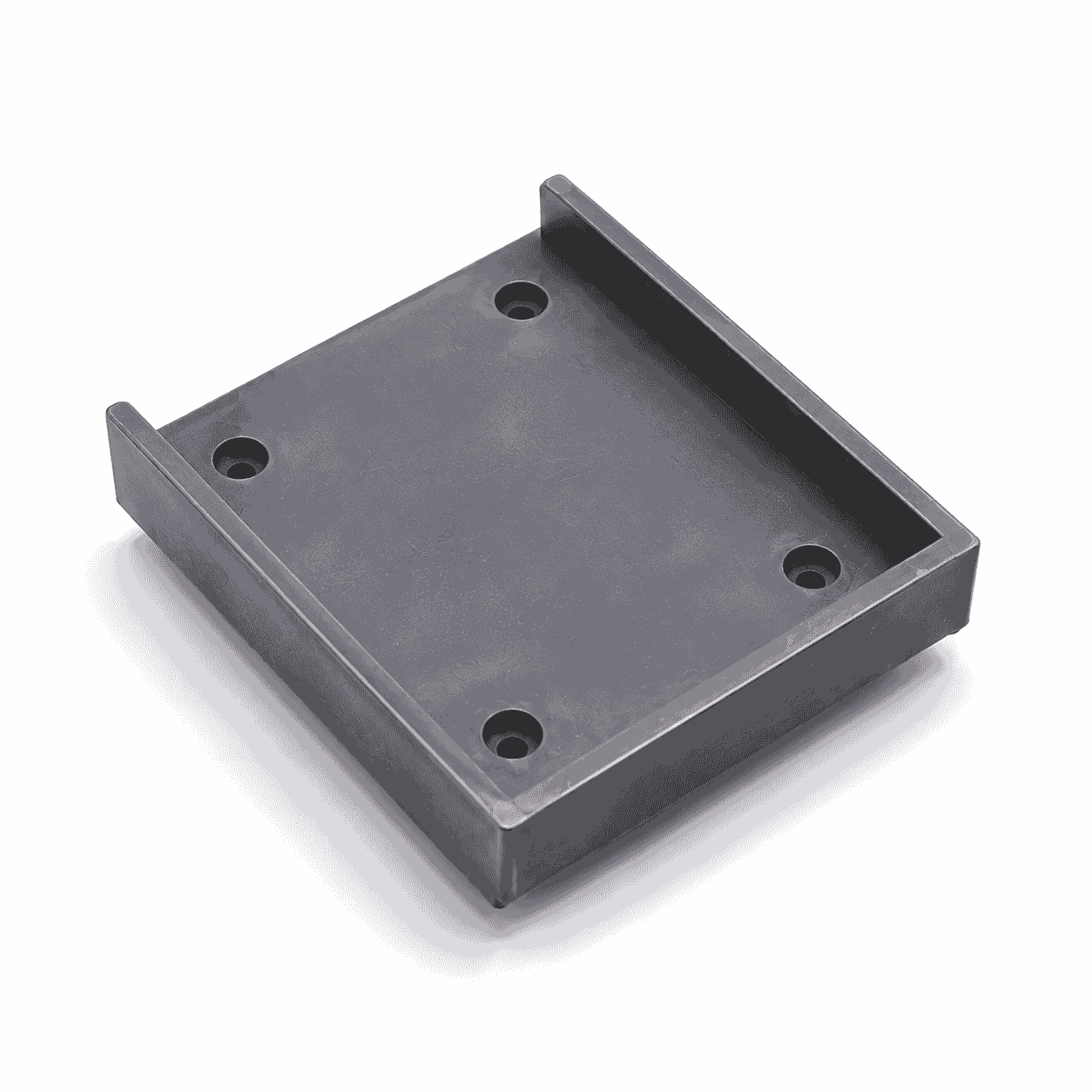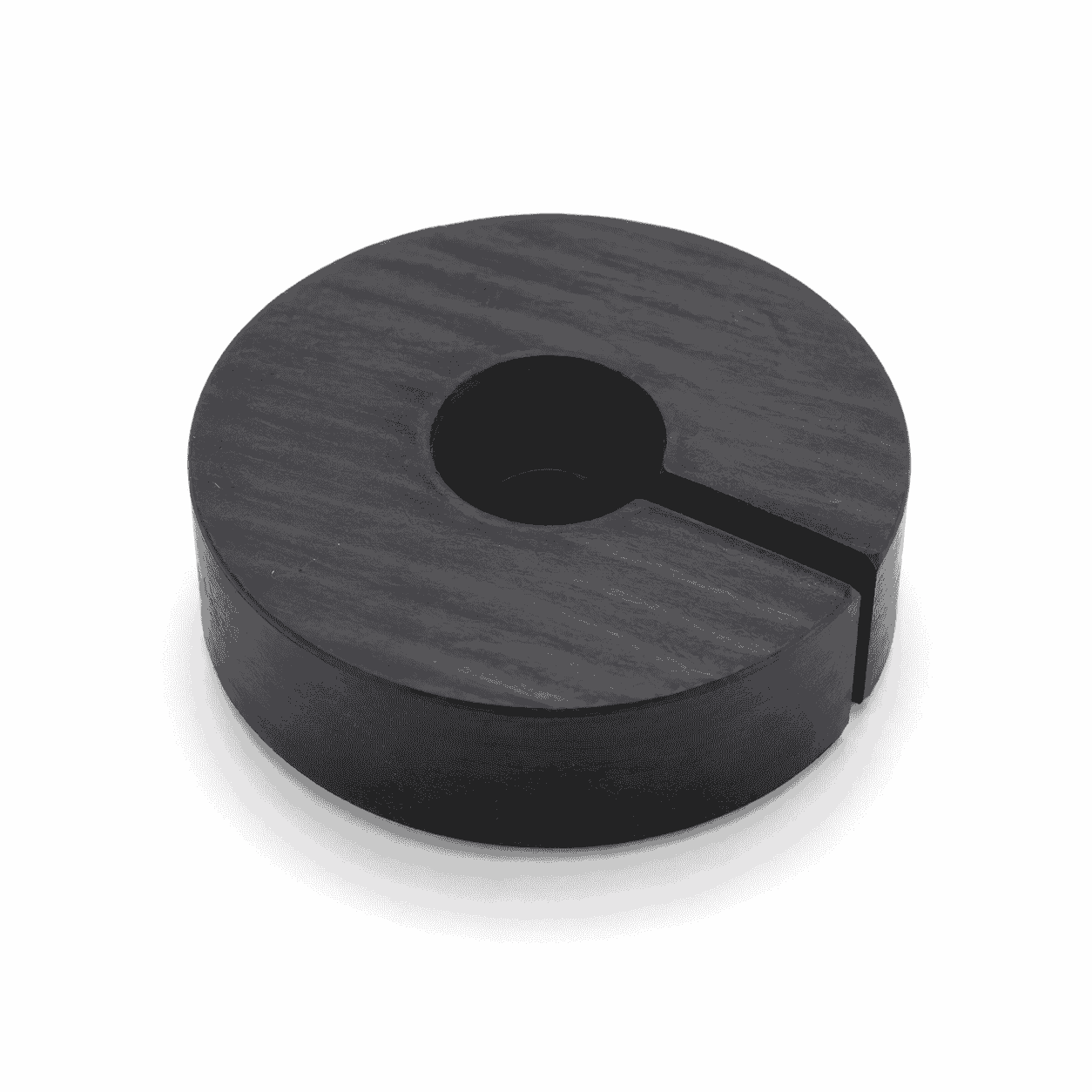
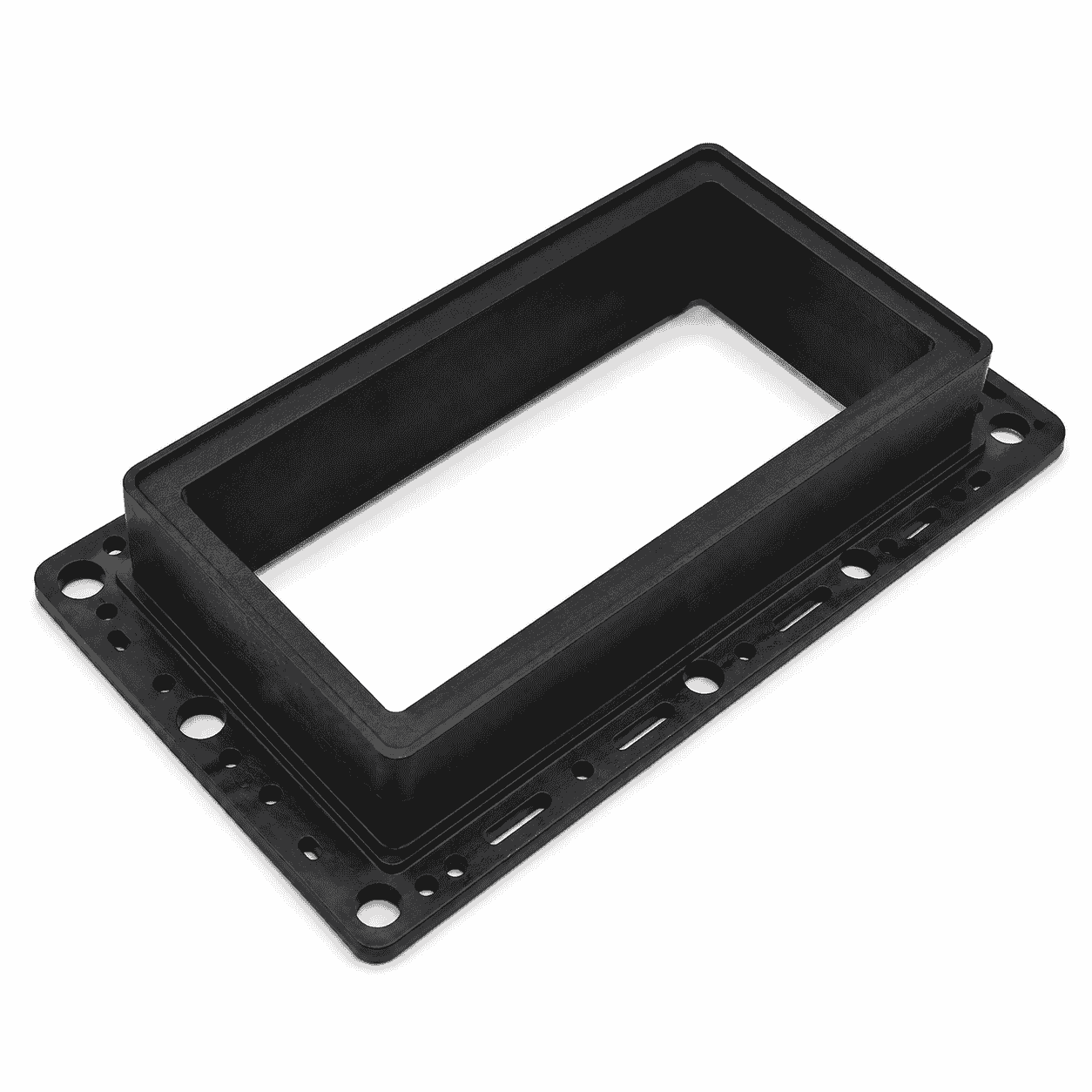
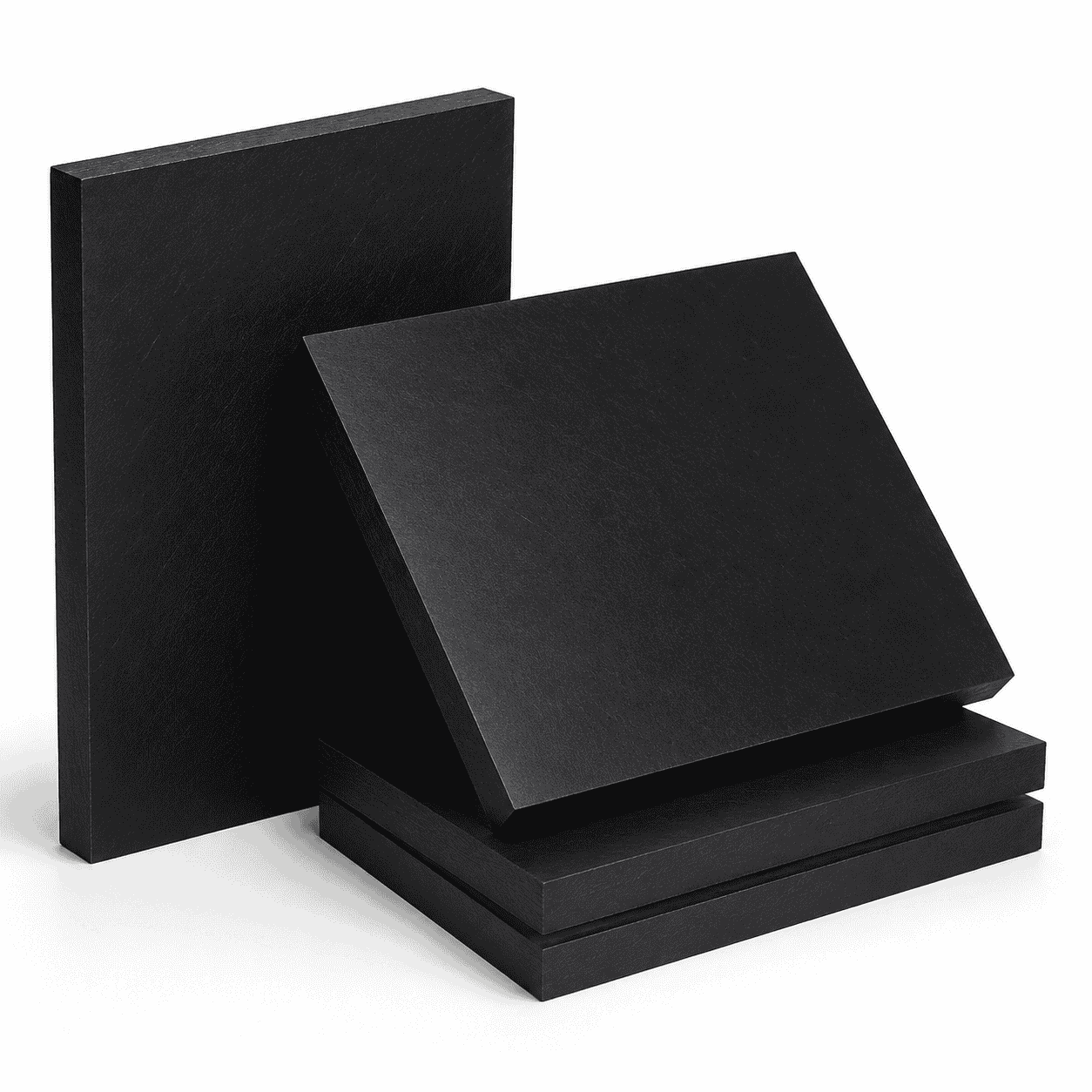
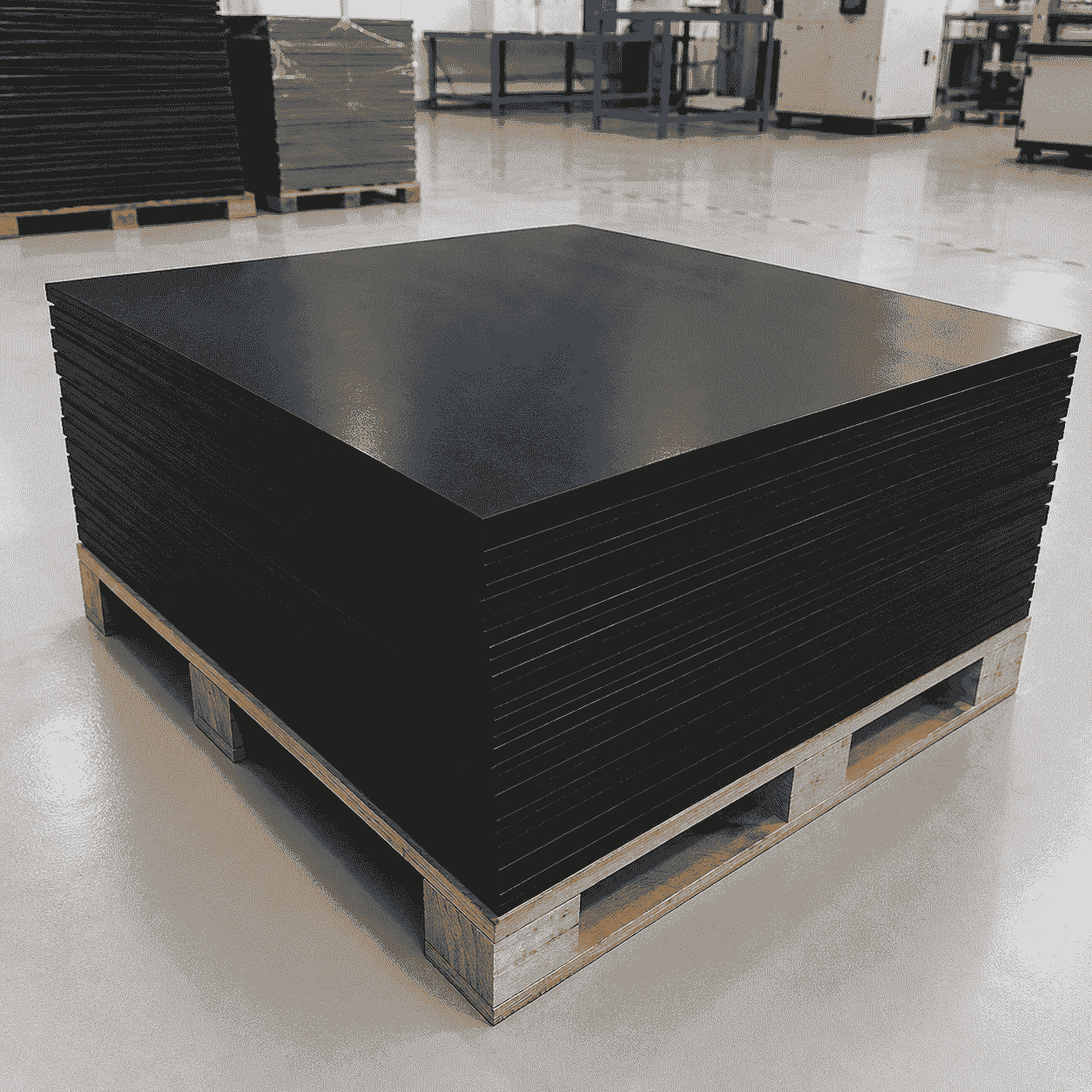
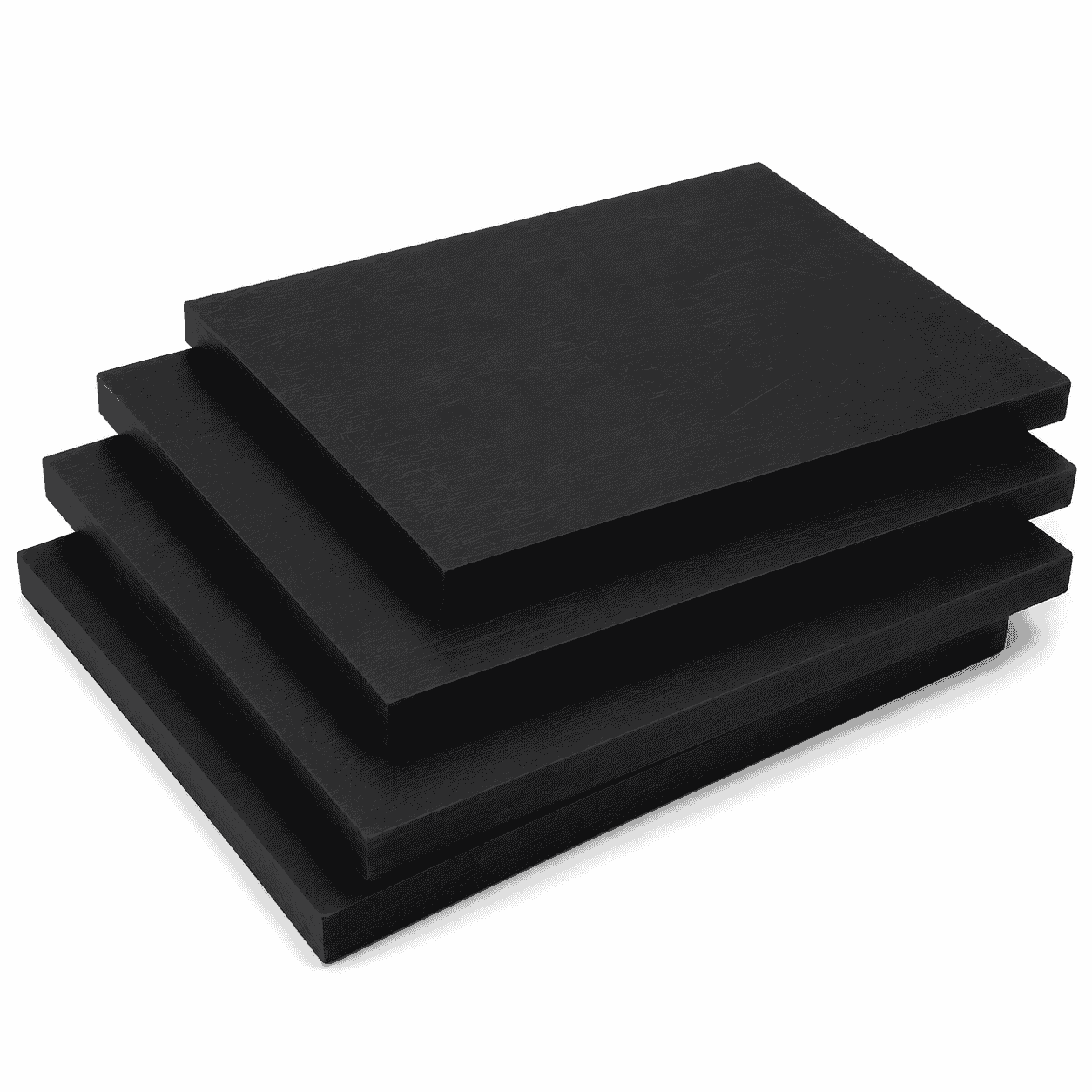
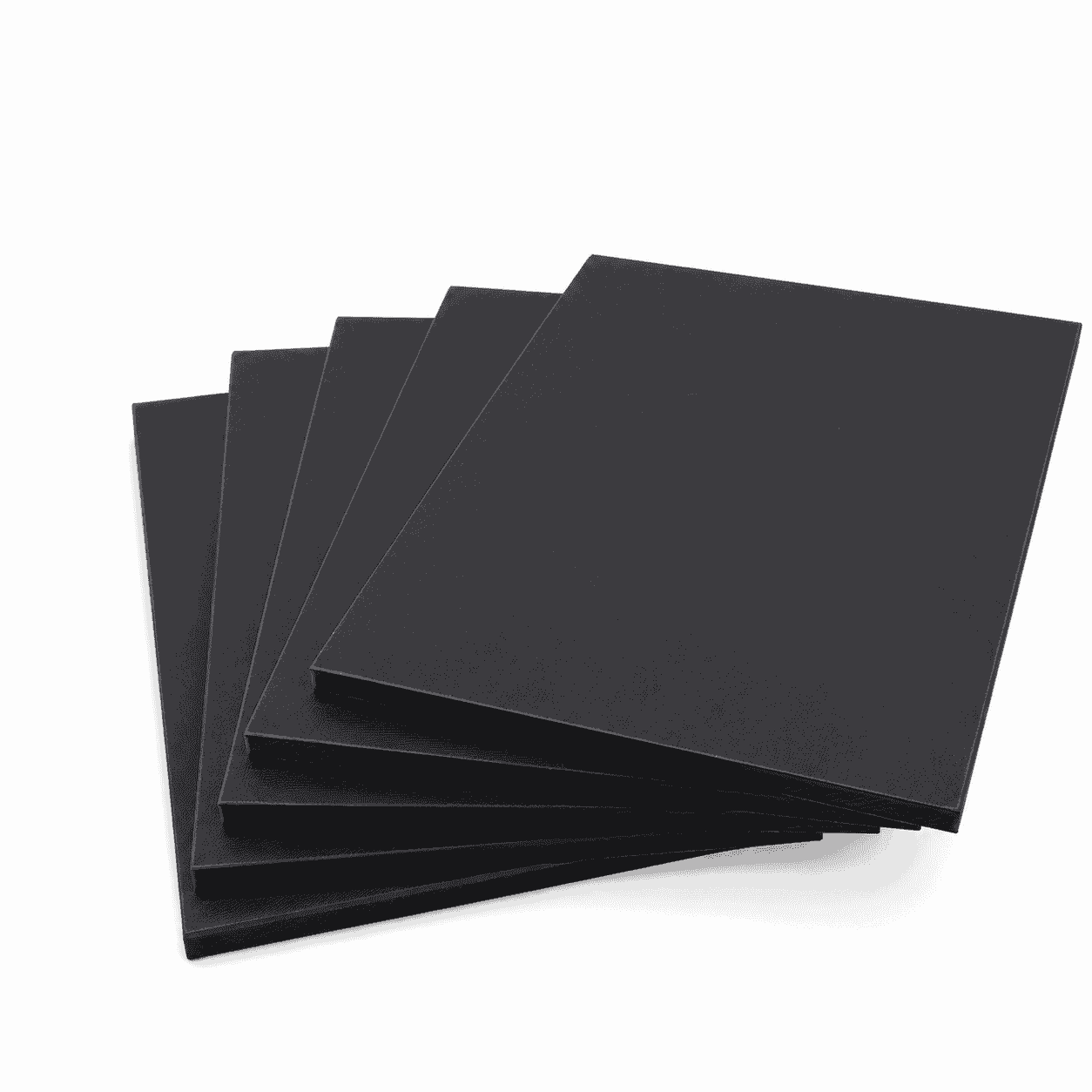
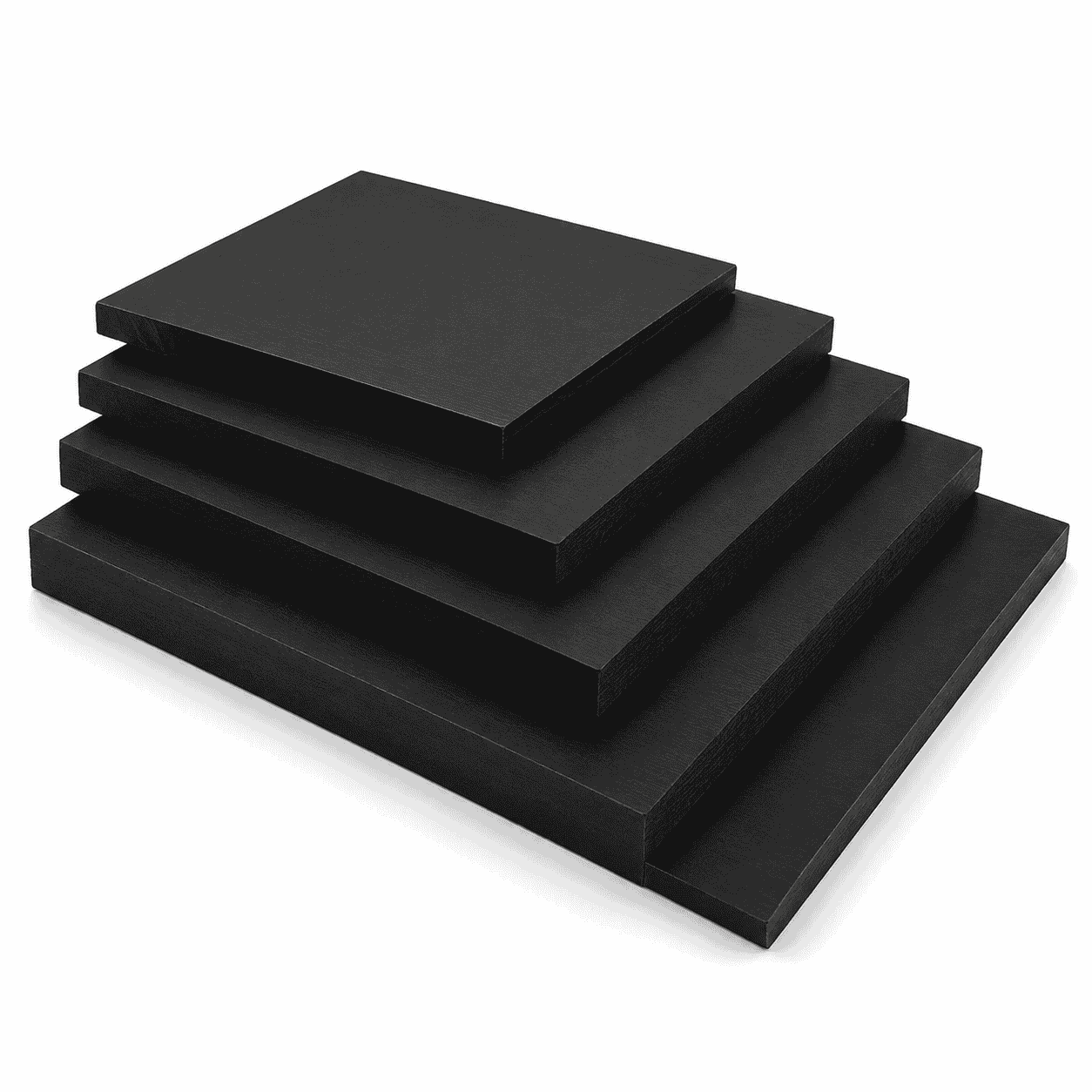
Anti-Static Nylon Sheet is a black modified polyamide engineering plastic developed for industrial parts that require mechanical strength, wear resistance, machinability and controlled static-charge buildup. It can be processed into ESD fixtures, guide plates, sliding blocks, supports, inspection jigs, conveyor components and CNC-machined parts. The supplied size chart contains 12 specifications, all with a 600 × 1200 mm panel format and thicknesses from 5 mm to 50 mm. The base nylon grade and required electrical-resistance range should be confirmed according to the equipment and ESD-control requirements.
Anti-Static Nylon Sheet is a modified polyamide engineering plastic developed for components that require the mechanical properties of nylon together with controlled static-charge behavior. The material is commonly supplied in black and can be cut or CNC machined into fixtures, supports, guide plates, sliding blocks, inspection tools, equipment panels and other industrial parts.
Ordinary nylon is generally an electrically insulating material. During repeated contact, sliding, conveying or separation, static charge may accumulate on the component surface. An appropriate antistatic additive system can help reduce charge buildup or allow accumulated charge to dissipate in a more controlled manner.
The terms antistatic, static dissipative and conductive describe different electrical-performance requirements. They should not be treated as interchangeable descriptions. The required surface resistance, volume resistance, test method and grounding arrangement should be specified before material production.
The black appearance provides clear identification inside industrial equipment, but black color alone does not prove that the material is antistatic or conductive. Standard black nylon may contain only pigment or another additive. The approved material grade and electrical test report should be used to confirm ESD performance.
Visit our engineering plastic manufacturing homepage to review our material supply and CNC machining capabilities. You can also view the related White Nylon Sheet product or jump directly to the available sizes, technical specifications, typical applications and machining services below.
For general material information, visit Wikipedia’s explanation of nylon. Additional information about electrostatic-control materials is available in Wikipedia’s articles about electrostatic discharge materials and an antistatic agent.
The modified formulation is intended to reduce unwanted electrostatic-charge buildup during contact, sliding or material handling. This is useful for equipment components located near electronic assemblies, sensors, inspection systems and other static-sensitive processes.
The actual electrical performance depends on the base resin, additive system, material thickness, humidity, temperature, test voltage and measurement method. A resistance value should not be assumed solely from the product name or color.
Anti-Static Nylon Sheet provides a useful combination of rigidity, toughness and mechanical strength for fixtures, supports, guides and equipment components.
Its load-bearing capability depends on the base nylon grade, finished-part dimensions, support spacing, fastening method, environmental humidity and operating temperature.
The nylon base material offers useful wear and sliding characteristics for guide plates, sliding blocks, wear pads, chain supports and other components exposed to repeated mechanical contact.
The antistatic additive may influence friction, wear rate and mechanical properties. The final formulation should therefore be selected according to both electrical and mechanical requirements.
Replacing suitable metal guides, supports or wear components with machined nylon parts can help reduce hard contact, vibration and operating noise.
This characteristic is beneficial in conveyor equipment, electronics assembly systems, packaging machinery and automation equipment that operate continuously.
Anti-Static Nylon Sheet does not rust like ordinary carbon steel. It can be used in humid industrial environments and selected applications where unprotected steel parts may experience corrosion.
Chemical compatibility depends on the nylon grade, antistatic formulation, chemical concentration, temperature and exposure time. Compatibility should be confirmed before contact with strong acids, strong alkalis, oxidizing chemicals or unusual solvents.
The sheet can be cut, milled, drilled, bored, reamed, tapped, slotted, countersunk and machined into parts with holes, recesses, steps and irregular contours.
Finished components can be produced according to two-dimensional drawings, three-dimensional models, physical samples or measured equipment dimensions.
Depending on the formulation, antistatic additives may be incorporated into the nylon rather than applied only as a temporary surface coating. This can help maintain more consistent properties after normal machining or surface wear.
However, machining can expose different material surfaces, and contamination or cleaning agents may affect test results. Finished parts should be tested when ESD performance is critical.
The black appearance helps distinguish ESD-control components from standard natural or white nylon parts during storage, assembly and maintenance.
Color is only an identification aid. It does not independently establish resistance level, UV resistance, food-contact compliance, flame resistance or material composition.
The supplied manufacturable-size chart contains 12 Anti-Static Nylon Sheet specifications. Every listed option has a panel size of 600 × 1200 mm, with selectable thicknesses from 5 mm to 50 mm.
All dimensions below are standardized as length × width × thickness. These specifications represent selectable or manufacturable sizes rather than guaranteed inventory.
| Number | Length | Width | Thickness |
|---|---|---|---|
| 1 | 1200 mm | 600 mm | 5 mm |
| 2 | 1200 mm | 600 mm | 7 mm |
| 3 | 1200 mm | 600 mm | 10 mm |
| 4 | 1200 mm | 600 mm | 12 mm |
| 5 | 1200 mm | 600 mm | 15 mm |
| 6 | 1200 mm | 600 mm | 20 mm |
| 7 | 1200 mm | 600 mm | 25 mm |
| 8 | 1200 mm | 600 mm | 30 mm |
| 9 | 1200 mm | 600 mm | 35 mm |
| 10 | 1200 mm | 600 mm | 40 mm |
| 11 | 1200 mm | 600 mm | 45 mm |
| 12 | 1200 mm | 600 mm | 50 mm |
Size summary: The listed thicknesses are 5, 7, 10, 12, 15, 20, 25, 30, 35, 40, 45 and 50 mm. All twelve options use a nominal panel format of 600 × 1200 mm.
Actual stock, material grade, resistance range, sheet tolerance, flatness, surface condition and production time should be confirmed before ordering.
When the sheet will be processed into a finished component, the selected blank should normally include sufficient allowance for cutting, clamping, surface finishing and final dimensional inspection.
| Item | Typical Specification |
|---|---|
| Product name | Black Anti-Static Nylon Sheet |
| Focus keyword | Anti-Static Nylon Sheet |
| Material family | Antistatic-modified polyamide engineering plastic |
| Possible base resin | PA6, PA66, cast nylon or another confirmed nylon grade |
| Color | Black |
| Listed sheet format | 600 × 1200 mm |
| Listed thickness range | 5–50 mm |
| Listed thicknesses | 5, 7, 10, 12, 15, 20, 25, 30, 35, 40, 45 and 50 mm |
| Total listed sizes | 12 specifications |
| Electrical-resistance range | Confirmed according to the required antistatic or static-dissipative grade |
| Test method | Confirmed according to the project, customer standard and test conditions |
| Supply form | Full sheet, cut panel, machining blank or finished CNC-machined component |
| Available processing | Cutting, milling, drilling, boring, reaming, tapping, slotting and profile machining |
| Surface condition | As-produced, cut, planed or CNC-machined according to order requirements |
| Dimensional tolerance | Confirmed according to size, thickness, material grade and finished-part drawing |
| Final suitability | Depends on resistance requirement, load, wear, temperature, humidity and chemical exposure |
Technical note: Electrical resistance, mechanical strength, density, friction performance, moisture absorption and allowable operating temperature vary according to the base nylon and antistatic additive system. Final values should be confirmed through an approved technical data sheet and material test report.
Anti-Static Nylon Sheet can be machined into assembly fixtures, support blocks, positioning plates and component carriers used near electronic products.
The required resistance level should be specified according to the sensitivity of the electronic components and the grounding system used in the work area.
The material can be processed into inspection plates, locating fixtures, test supports and measuring-tool components that require mechanical strength and reduced static buildup.
Typical parts include sensor supports, guide plates, positioning blocks, equipment spacers, fixture bases and machine components containing holes, grooves, steps and threaded features.
Anti-Static Nylon Sheet can be used for conveyor guides, side plates, sliding supports and transfer components in systems handling static-sensitive products.
For continuous high-speed sliding, friction, wear, static generation and grounding arrangements should be evaluated together.
Selected grades may be used for fixtures, supports, guide components and handling parts in battery-related manufacturing equipment.
The resistance grade, chemical exposure, cleanliness requirements and flame-performance requirements should be confirmed separately for the specific production process.
The sheet can be machined into rigid trays, positioning carriers and handling fixtures for selected electronic parts.
Anti-Static Nylon Sheet does not automatically provide electrostatic shielding. A different material or complete ESD-protective structure may be required when shielding is necessary.
The mechanical properties of nylon make the sheet suitable for mounting supports, spacers, adjustment blocks and structural equipment components that also require static-control performance.
Thick material can be machined into wear pads, sliding blocks, guide supports and replaceable machine components.
The antistatic formulation should be selected so that the required electrical performance does not compromise the mechanical and wear requirements of the finished part.
The material can be used for guides, supports, fixtures and machine parts in packaging or sorting systems where static buildup may attract dust or interfere with product handling.
Finished parts can be produced when an original component is worn, damaged or difficult to obtain. Manufacturing can be based on drawings, models, physical samples or measured installation dimensions.
Standard nylon provides useful strength, wear resistance and machinability, but it normally behaves as an electrical insulator. Anti-Static Nylon Sheet contains an additive system intended to reduce static-charge buildup or provide controlled charge dissipation.
The modified formulation may alter color, mechanical strength, friction, impact performance and moisture response. Material selection should therefore consider both mechanical and electrical requirements.
Antistatic materials are intended to reduce triboelectric charging or limit static buildup. Static-dissipative materials are intended to conduct accumulated charge away at a controlled rate. Conductive materials have lower resistance and allow charge to move more quickly.
The appropriate grade depends on the equipment, sensitive components, grounding design, voltage exposure and applicable customer standard. These terms should not be used interchangeably without an agreed resistance range.
Anti-static nylon can provide useful toughness, strength and wear performance for fixtures, guides and mechanically loaded components.
Anti-static POM generally absorbs less moisture and may provide better dimensional stability for some precision fixtures, guides and close-fitting components. Selection should consider load, humidity, tolerance, friction and resistance requirements.
Anti-static nylon generally provides greater rigidity and is suitable for machined fixtures, supports, gears and mechanically loaded parts.
Conductive or static-dissipative UHMWPE generally offers lower sliding resistance and may be selected for liners, guide rails and material-handling components. The correct material depends on rigidity, wear, impact, friction, dimensional tolerance and required electrical resistance.
The nylon matrix is hygroscopic and can absorb moisture from the surrounding environment. Moisture may affect dimensions, rigidity, electrical resistance and insulation performance.
The following conditions should be reviewed for precision and ESD-control components:
Black Anti-Static Nylon Sheet can be supplied as a full panel, cut blank or finished component manufactured according to drawings, models, samples or installation measurements.
Available machining processes include:
The raw blank should normally be larger and thicker than the finished component. Allowance is required for edge cleaning, clamping, rough machining and final finishing.
Excessive cutting heat may affect surface quality and dimensional accuracy. Suitable tools, feed rates and machining sequences should be selected according to the nylon grade.
Oil, dust, coolant residue and cleaning chemicals can influence electrical-resistance measurements. Finished parts should be cleaned and conditioned according to the agreed test procedure.
Where ESD performance is critical, electrical resistance should be measured on the finished component rather than only on the original sheet.
The material should be selected according to both the mechanical working conditions and the required ESD performance.
Please provide the following information before production:
The supplied image contains 12 listed specifications. Every option has a 600 × 1200 mm panel format.
The listed thicknesses are 5, 7, 10, 12, 15, 20, 25, 30, 35, 40, 45 and 50 mm.
No. The image only lists panel size and thickness. The required surface or volume resistance must be confirmed separately.
No. Black color may result from pigment, carbon black or another additive. The approved material specification and resistance test should confirm antistatic performance.
No. Antistatic, static-dissipative and conductive grades can have different electrical-resistance ranges and charge-control behavior.
Yes. It can be machined into fixtures, guide plates, supports, sliding blocks, inspection jigs, equipment panels and other industrial components.
This depends on the material formulation. Internally modified materials may retain electrical properties after machining, but the finished surface should still be tested when performance is critical.
Yes. The nylon matrix may absorb moisture, which can affect dimensions and electrical-resistance measurements.
Yes. Full sheets, cut blanks and CNC-machined components can be supplied according to drawings, models, samples or measured installation dimensions.
No. The chart represents selectable or manufacturable sizes. Actual availability depends on the nylon grade, electrical specification, quantity and production schedule.
Check drawings for full specifications and confirm materials according to service conditions to prevent product defects.
Inspect all key processing steps and fully verify dimensions, holes, grooves and fitting surfaces.
Deburr, chamfer and clean products for easy installation. Ensure uniform quality among batch products.
Choose appropriate packaging solutions based on product features to protect goods from collision, deformation and mixing during transit.
Unlike metal parts, engineering plastic components still require strict control over dimensions, holes, edges, surface, materials and assembly performance for equipment use.
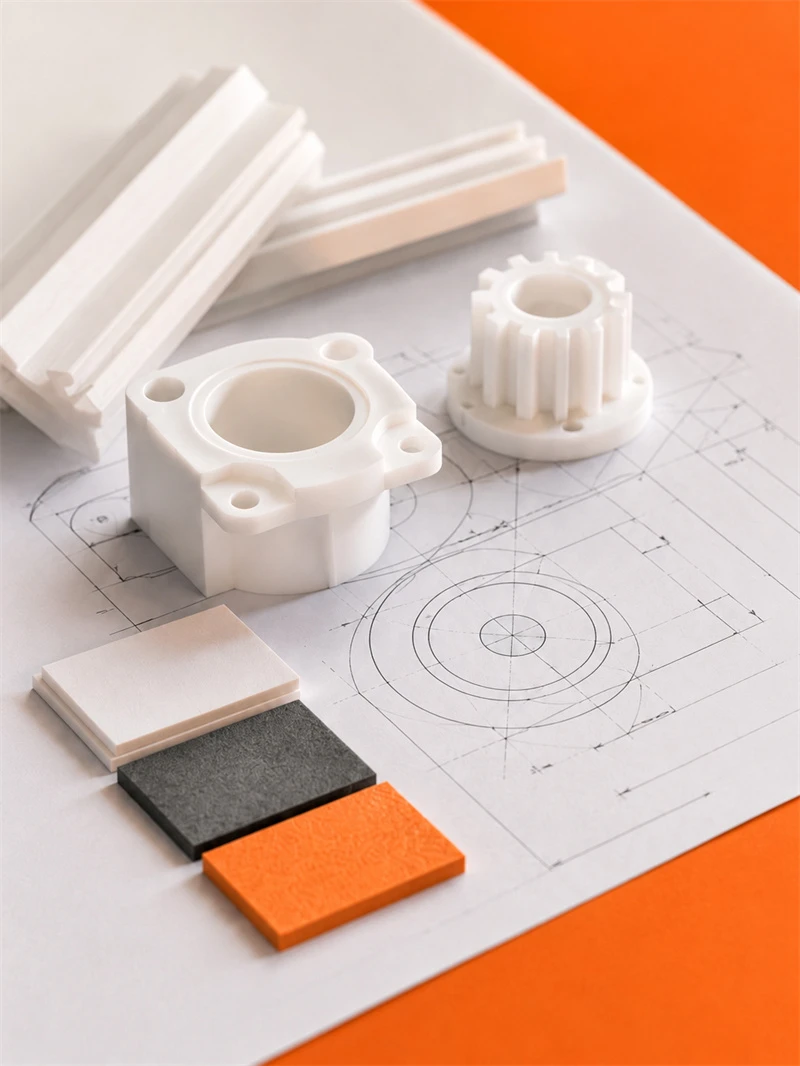
Engineering plastic parts suit friction, guide, support, buffer, anti-corrosion and insulation areas. We supply UHMWPE, POM, PA, PP/PE components for conveyor, food, mining, machinery, chemical and cable systems, with custom OEM service available.
Stay updated with our latest industry insights, company updates and featured articles.
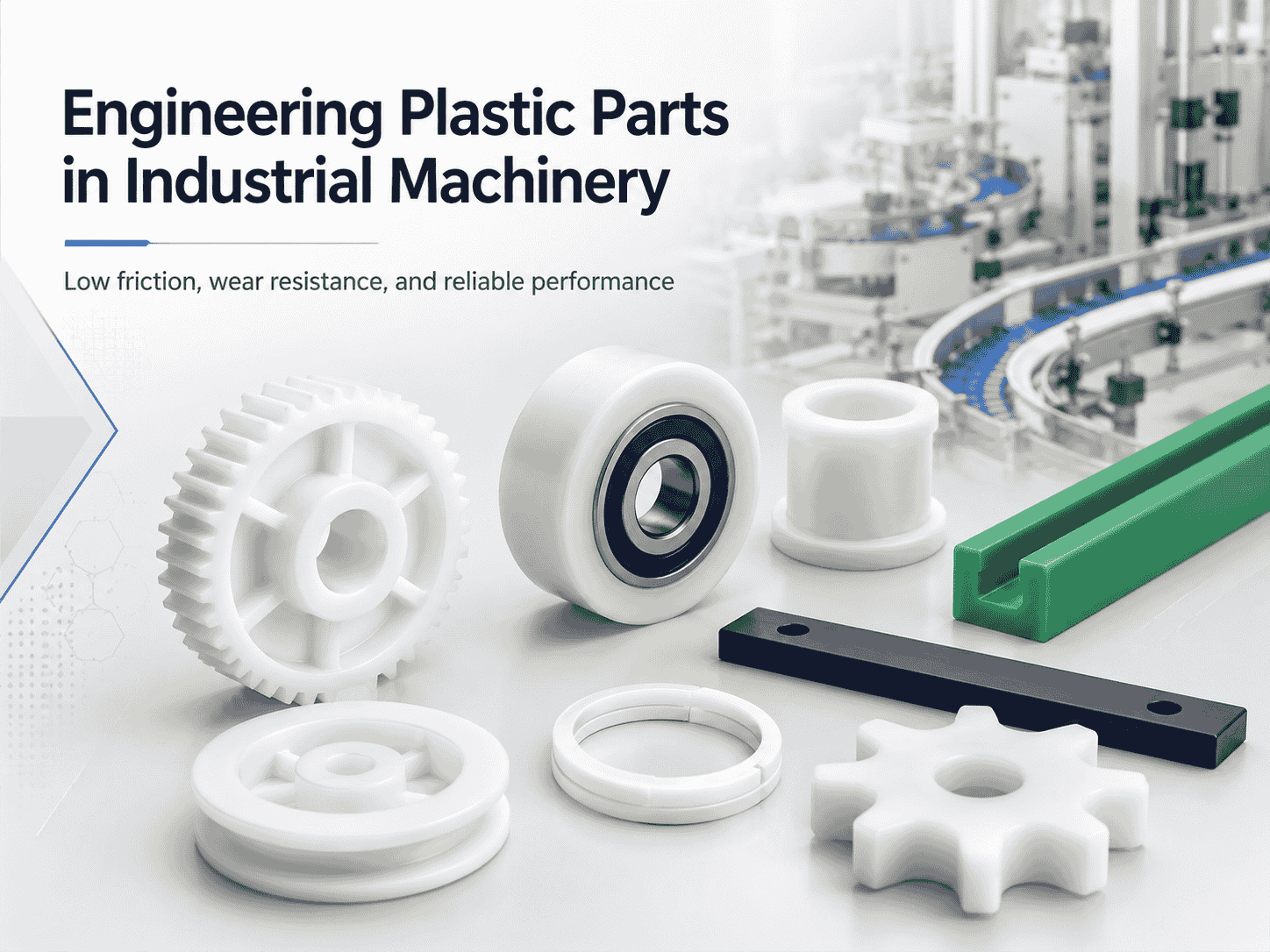
Engineering plastics are increasingly used in industrial machinery, automated production lines, conveyor systems, packaging equipment, and food-processing machines. Materials such as nylon, UHMWPE, POM, and
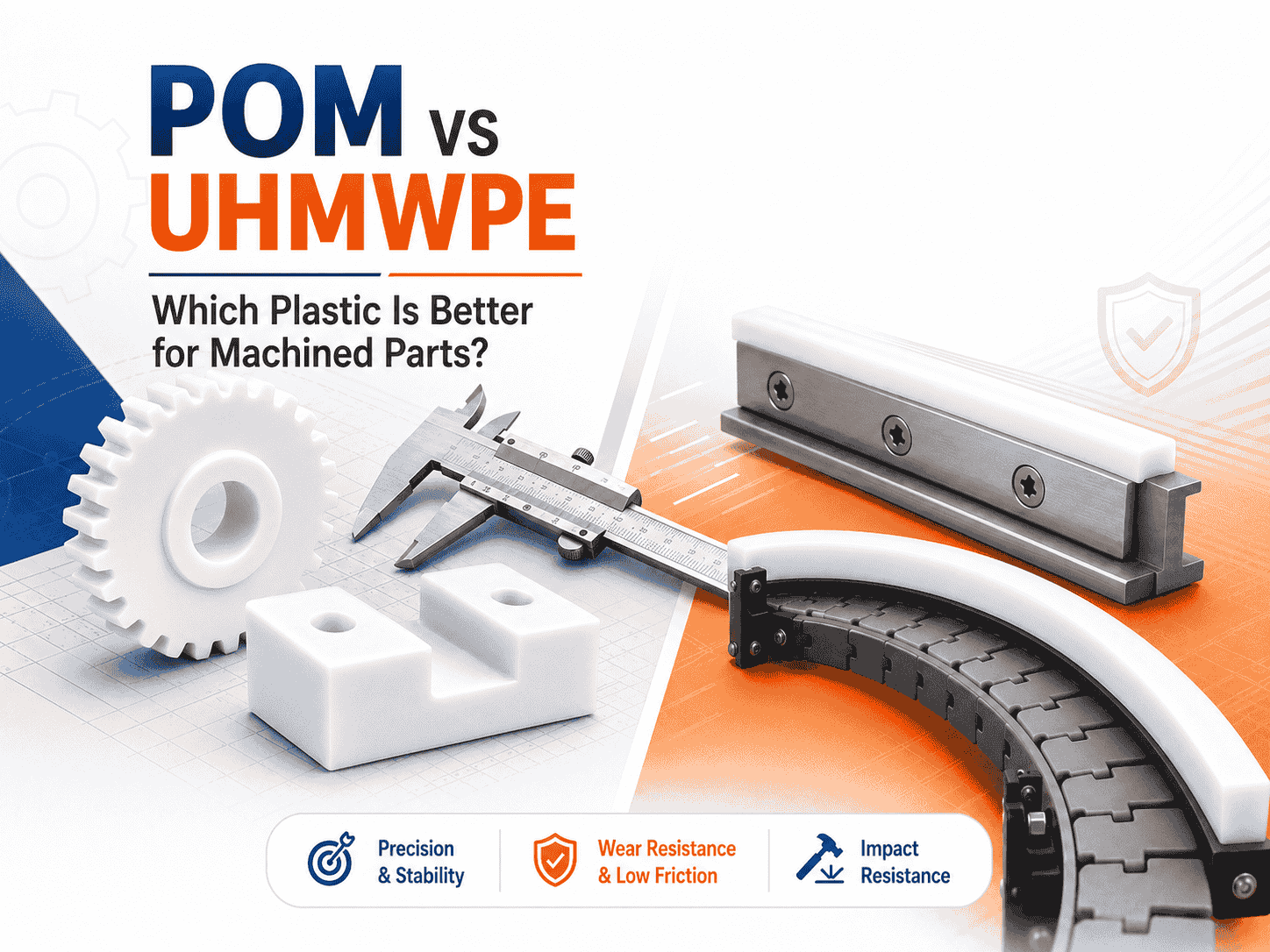
Both are lightweight, corrosion-resistant, wear-resistant, and suitable for CNC machining. However, they perform very differently
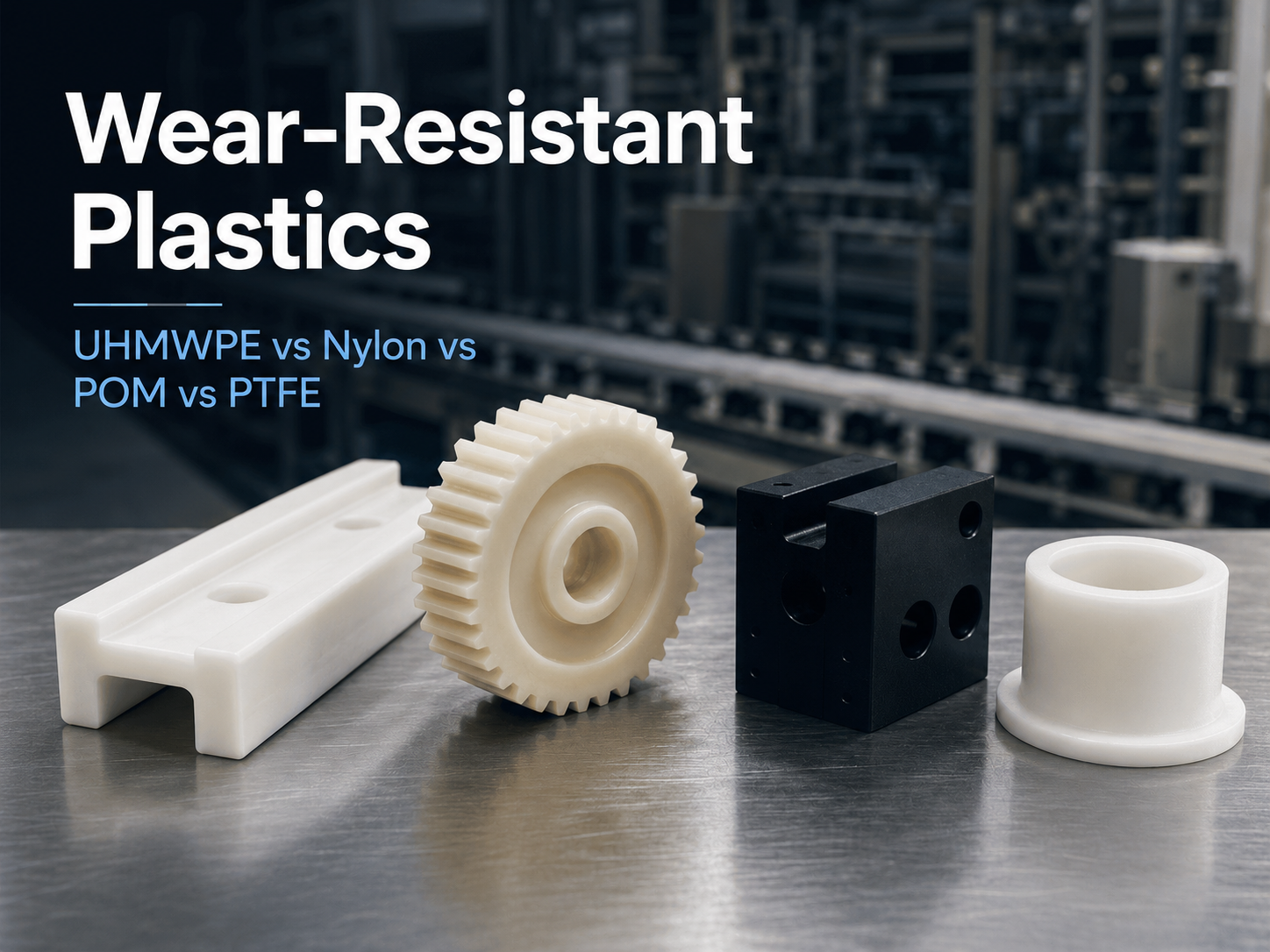
Wear is a common cause of failure in conveyor systems, packaging machinery, automated equipment, mining
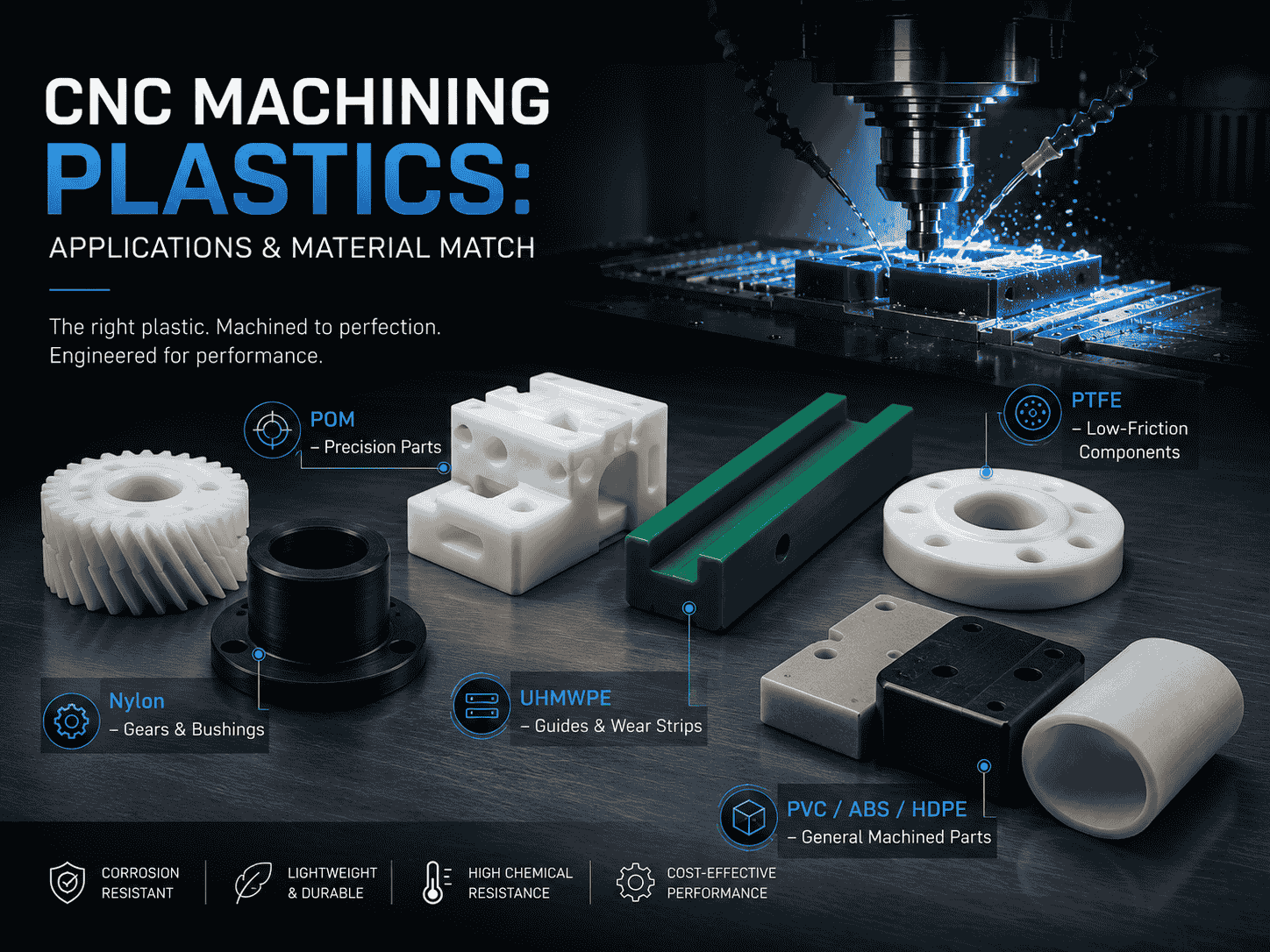
CNC machining is widely used to produce plastic prototypes, low-volume parts, replacement components, jigs, fixtures,
Both are lightweight, corrosion-resistant, wear-resistant, and suitable for CNC machining. However, they perform very differently
Wear is a common cause of failure in conveyor systems, packaging machinery, automated equipment, mining
CNC machining is widely used to produce plastic prototypes, low-volume parts, replacement components, jigs, fixtures,

Need UHMWPE sheets & custom plastic machined/OEM parts?Send specs & material needs, free quote within 24h.