Glass Fiber Reinforced Nylon Rod for High-Strength Components
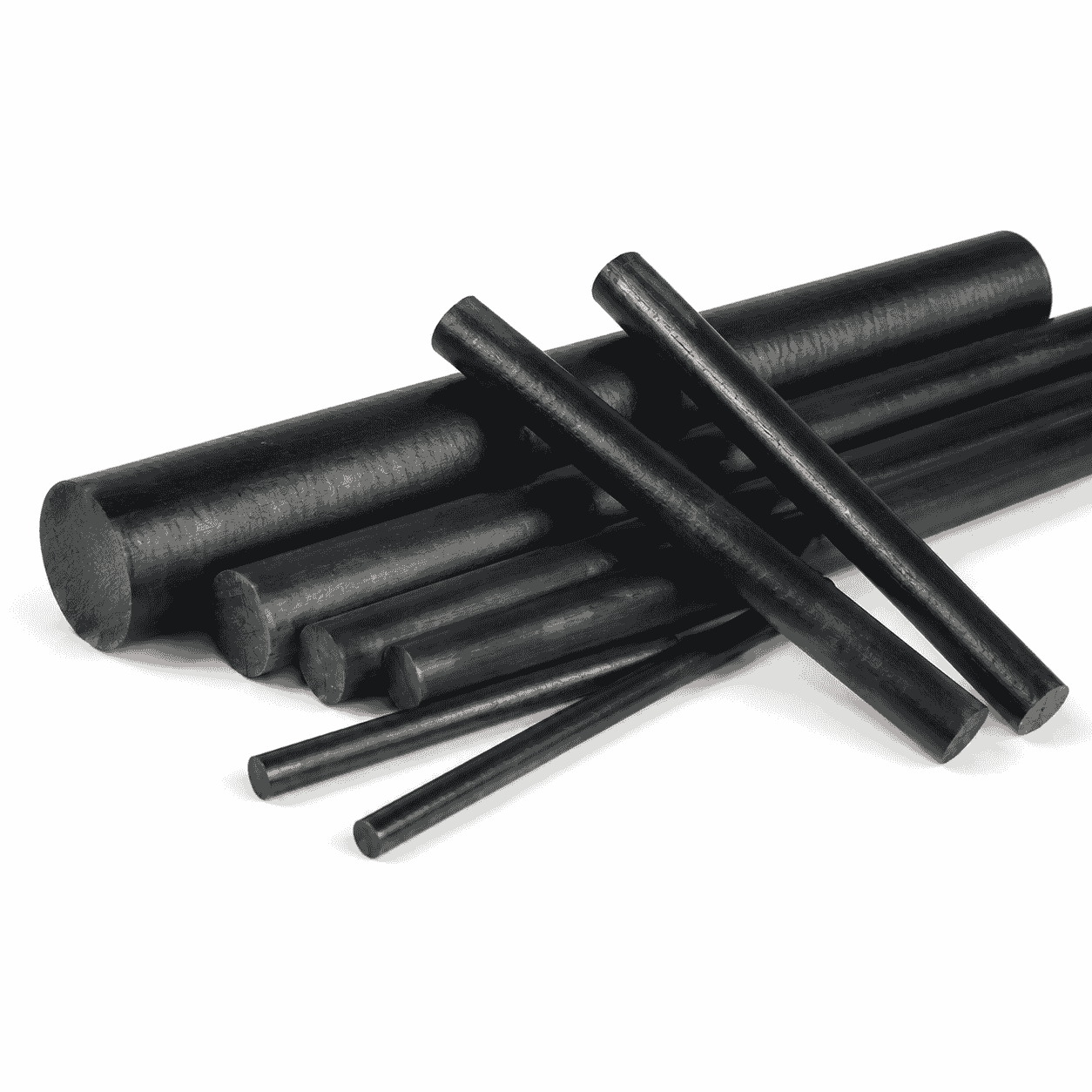
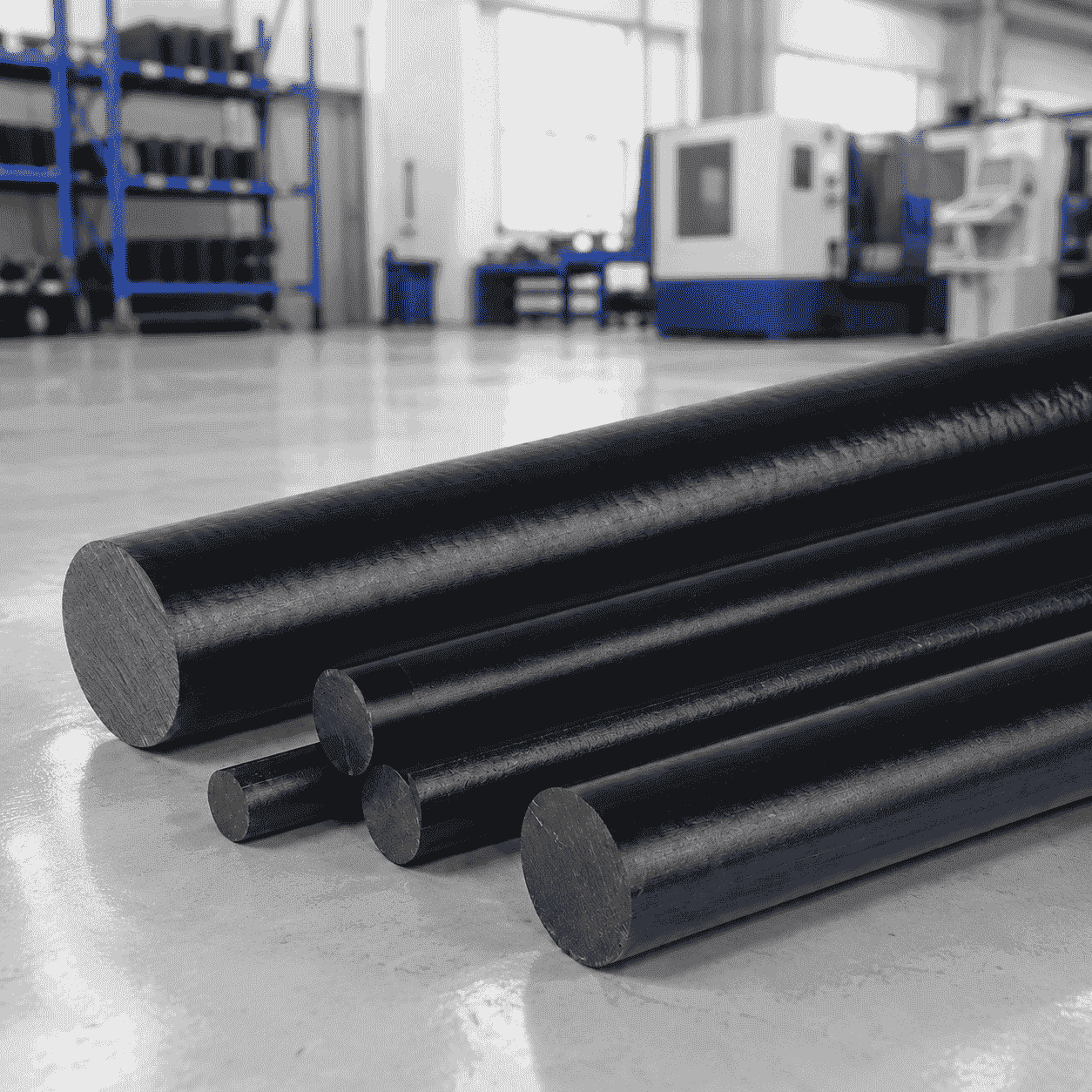
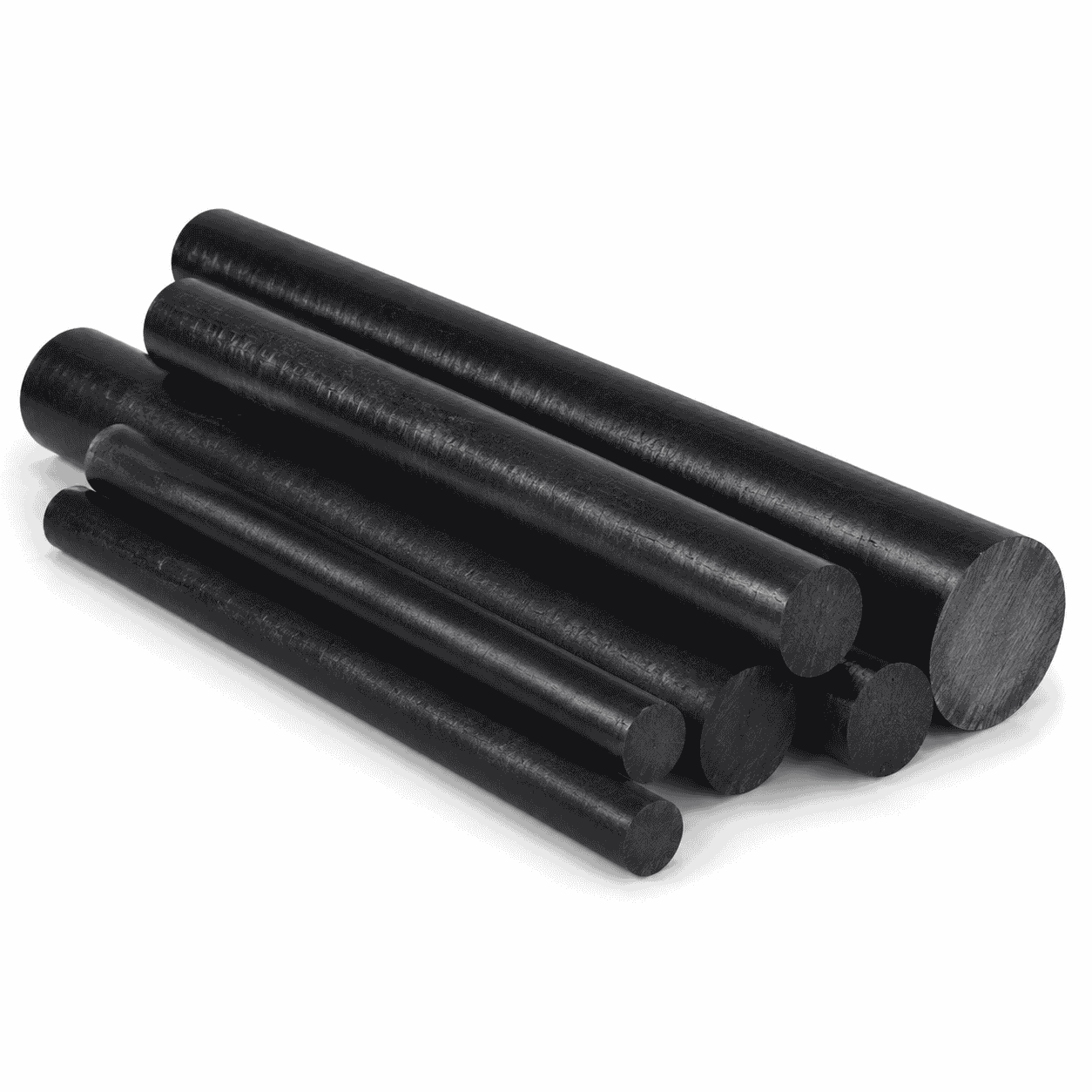
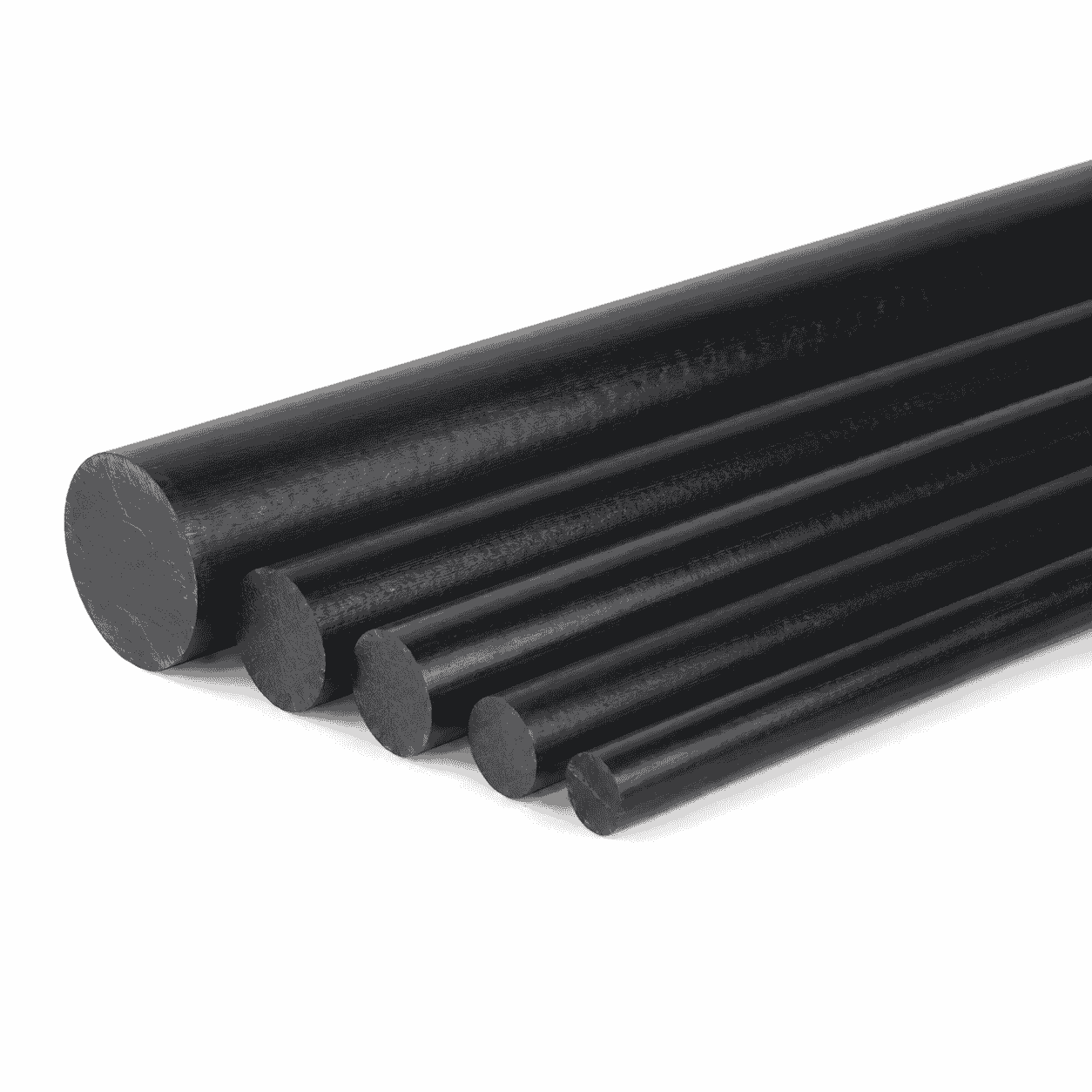
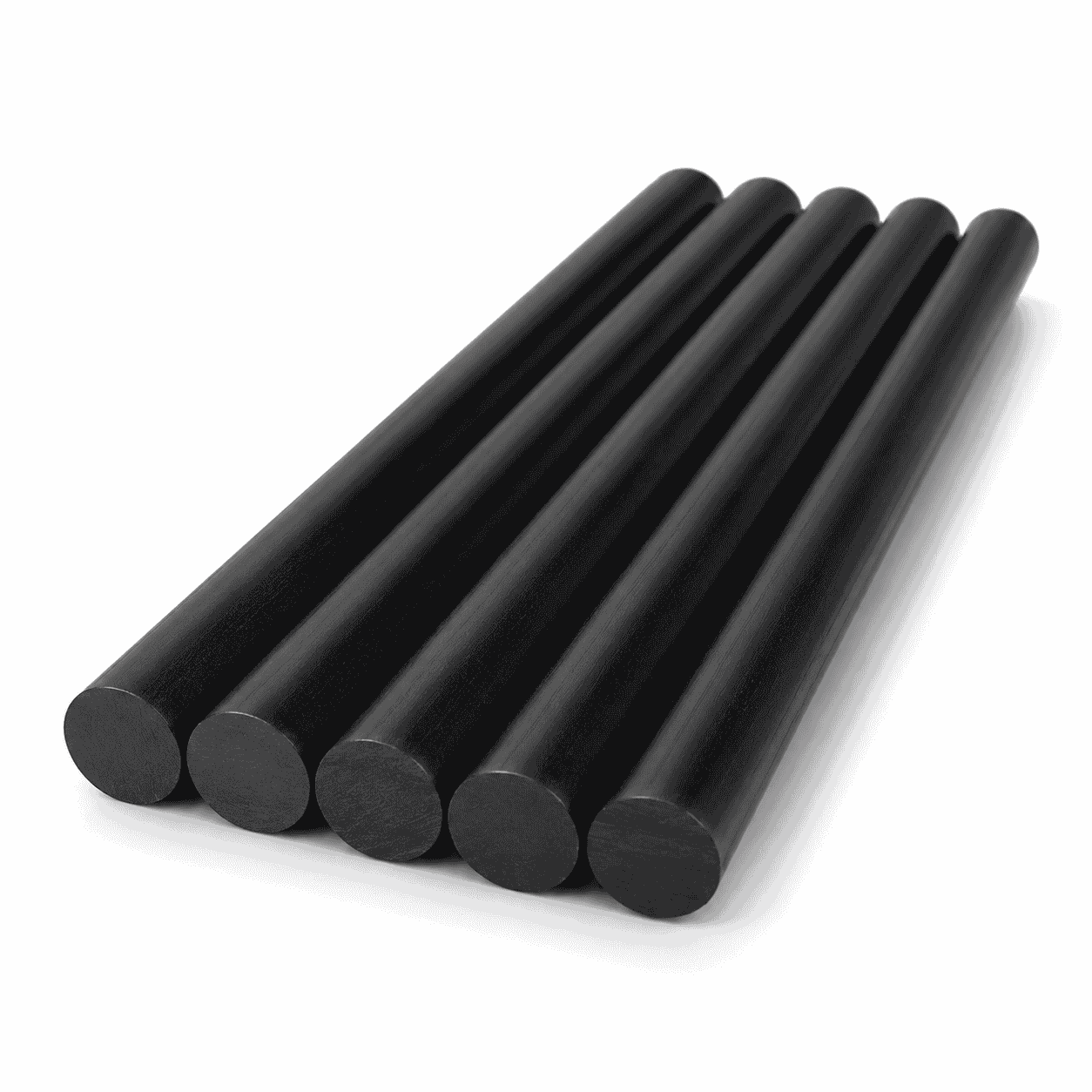
Glass Fiber Reinforced Nylon Rod is a reinforced polyamide round bar manufactured by combining nylon resin with glass fibers. Compared with standard unfilled nylon, the reinforced material is selected for components requiring higher rigidity, improved load-bearing performance, reduced deformation and better dimensional stability.
The nylon matrix may be PA6, PA66 or another specified polyamide grade, depending on the manufacturing process and required performance. The exact base material, glass fiber content, color and production method should therefore be confirmed before ordering rather than identified only by appearance.
This reinforced nylon rod is suitable for machining structural and mechanical components used in automation equipment, industrial machinery, conveying systems and material-handling equipment. It is particularly useful when ordinary nylon is not sufficiently rigid under continuous load.
For standard nylon rods and related polyamide materials, visit our Polyamide PA and Nylon Rod page. Finished parts can also be produced through our CNC Plastic Machining service.
General explanations of the material components are available from Wikipedia’s Nylon page and Wikipedia’s Glass Fiber page.
Main Features of Glass Fiber Reinforced Nylon Rod
- Higher rigidity than standard unfilled nylon
- Improved mechanical strength and load-bearing performance
- Reduced creep and deformation under continuous load
- Better dimensional stability for structural components
- Good resistance to fatigue and repeated mechanical stress
- Lower weight than many comparable metal components
- Does not rust in humid industrial environments
- Suitable for CNC turning, milling, drilling and boring
- Suitable for structural, support and positioning components
- Available in multiple diameters and cut lengths
Reference Sizes of Glass Fiber Reinforced Nylon Rod
The supplied image contains two sets of reference size information. One product list shows rods with a reference length of 1000 mm across a broad diameter range, while a separate recommended-size chart divides selected diameters into 500 mm and 1000 mm lengths.
| Specification |
Reference Information |
| Material |
Glass fiber reinforced nylon / glass-filled polyamide |
| Reference Diameter Range |
Ø6–Ø200 mm |
| Reference Diameters |
Ø6, Ø8, Ø10, Ø12, Ø15, Ø20, Ø25, Ø30, Ø35, Ø40, Ø45, Ø50, Ø55, Ø60, Ø65, Ø70, Ø75, Ø80, Ø85, Ø90, Ø95, Ø100, Ø110, Ø120, Ø130, Ø140, Ø150, Ø160, Ø170, Ø180, Ø190 and Ø200 mm |
| Reference Length |
1000 mm / 1 meter |
| Recommended 500 mm Sizes |
Ø8, Ø10, Ø12, Ø15, Ø20, Ø25, Ø30, Ø40, Ø50 and Ø60 mm |
| Recommended 1000 mm Sizes |
Ø70, Ø80, Ø90, Ø100, Ø120, Ø130, Ø150, Ø160, Ø180 and Ø200 mm |
| Processing Options |
Cutting, turning, milling, drilling, boring, grooving, tapping and chamfering |
Size notice: The dimensions above are reference production and sales sizes taken from the supplied image. They do not represent guaranteed stock availability. Actual diameter, rod length, machining allowance, straightness, tolerance and material grade should be confirmed before production. Other lengths and finished components can be manufactured according to drawings or samples.
Typical Applications
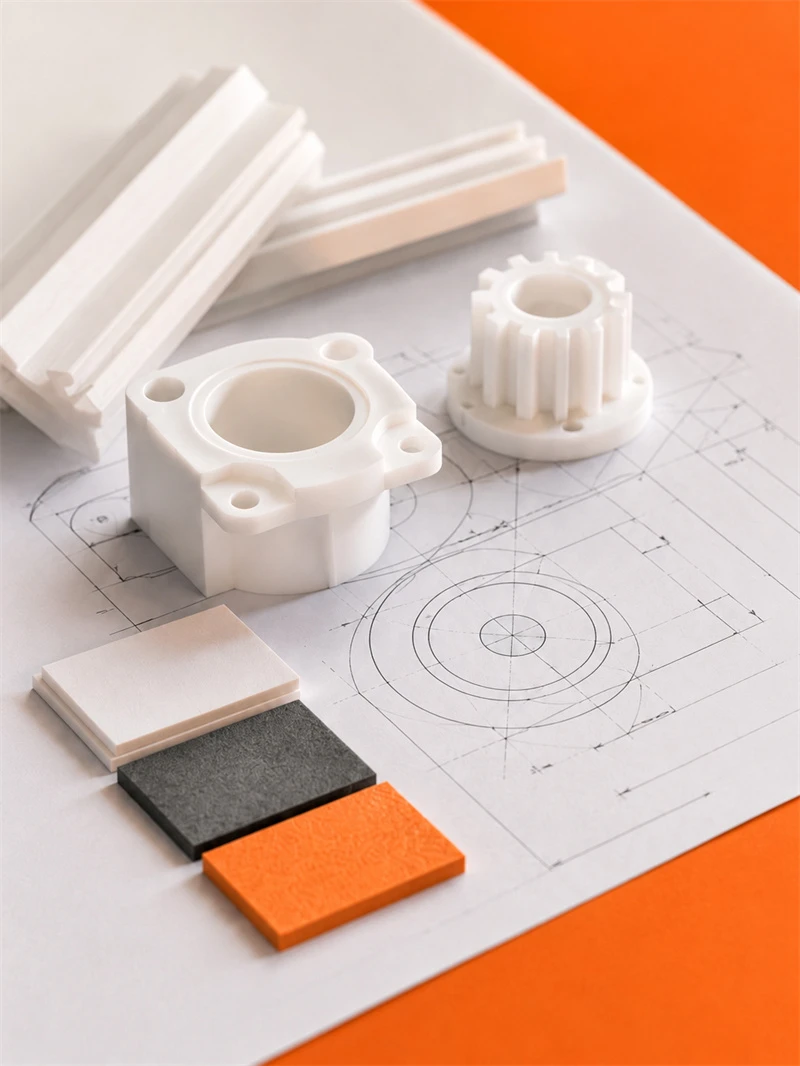
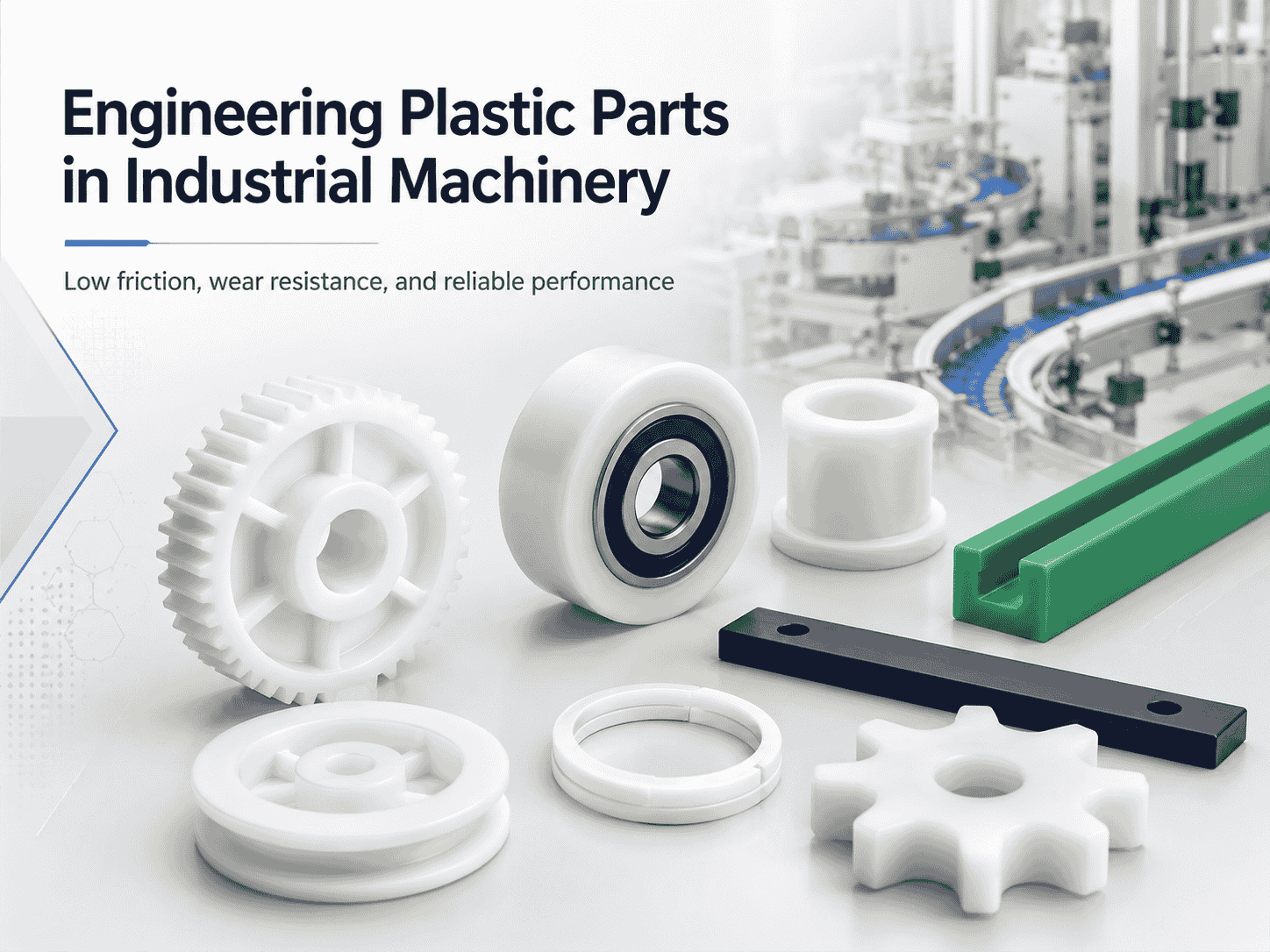
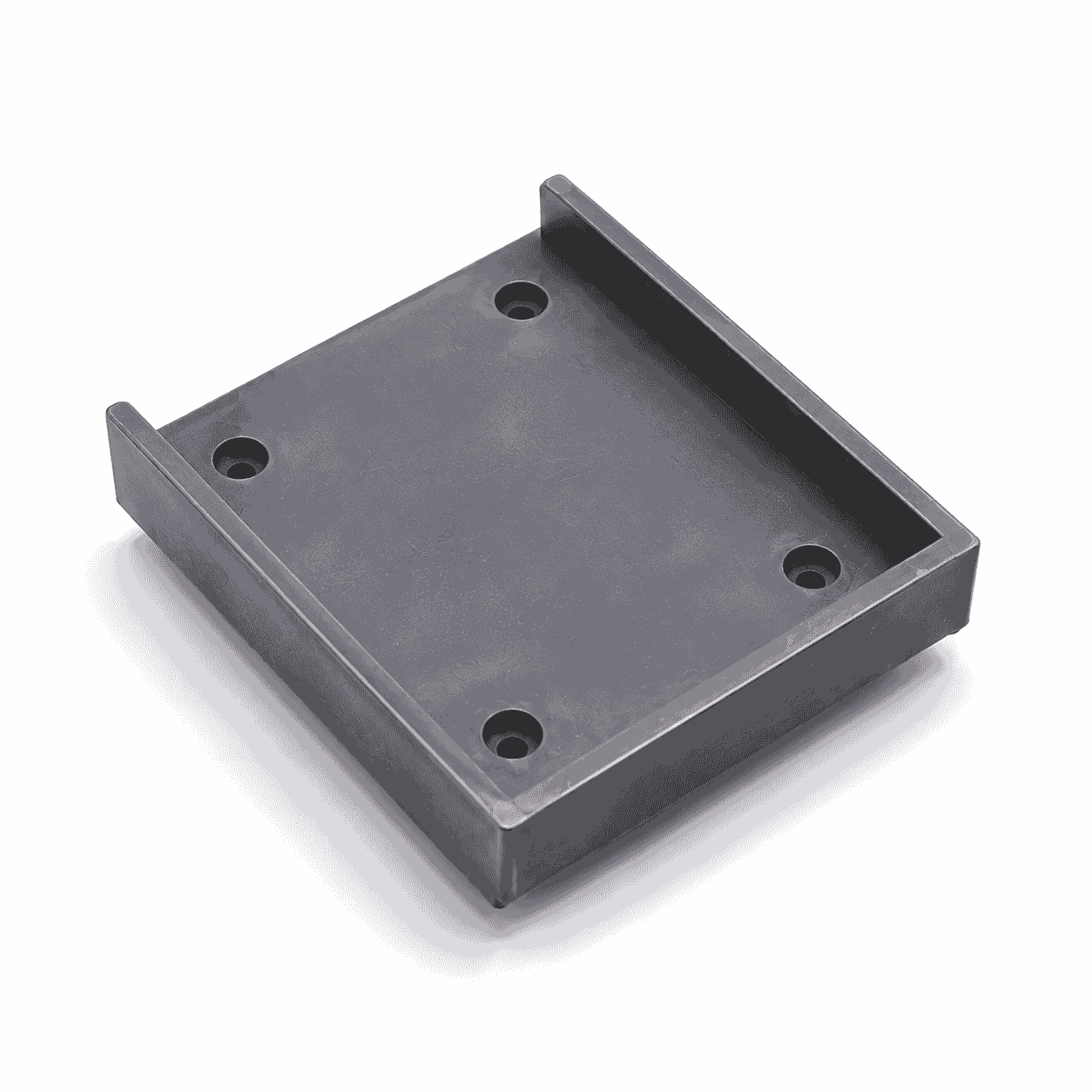
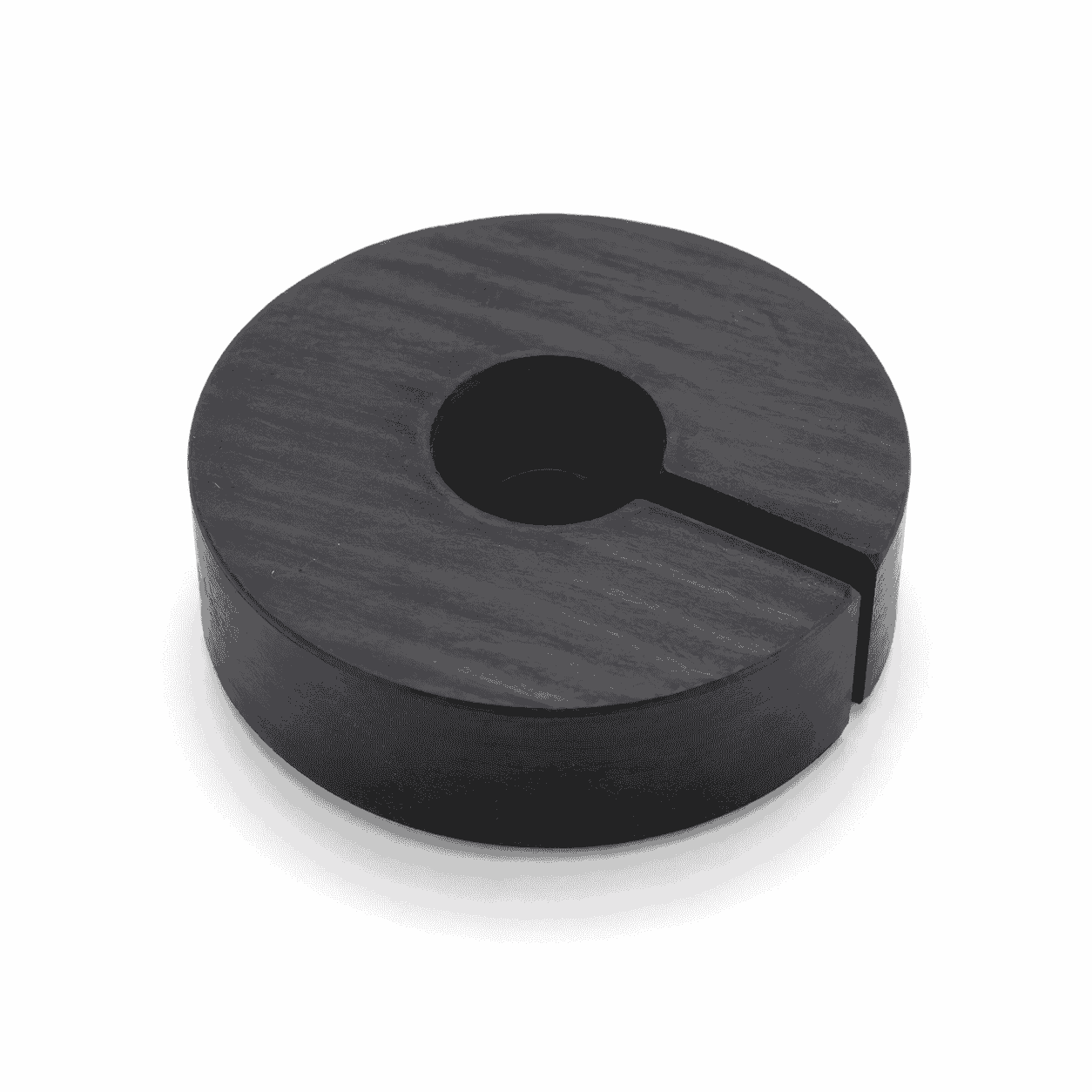
Glass Fiber Reinforced Nylon Rod can be machined into rigid and load-bearing industrial components, including:
- Structural bushings and support sleeves
- Guide blocks and positioning blocks
- Machine support pads and mounting blocks
- Rollers and support wheels
- Gears, pulleys and sprockets
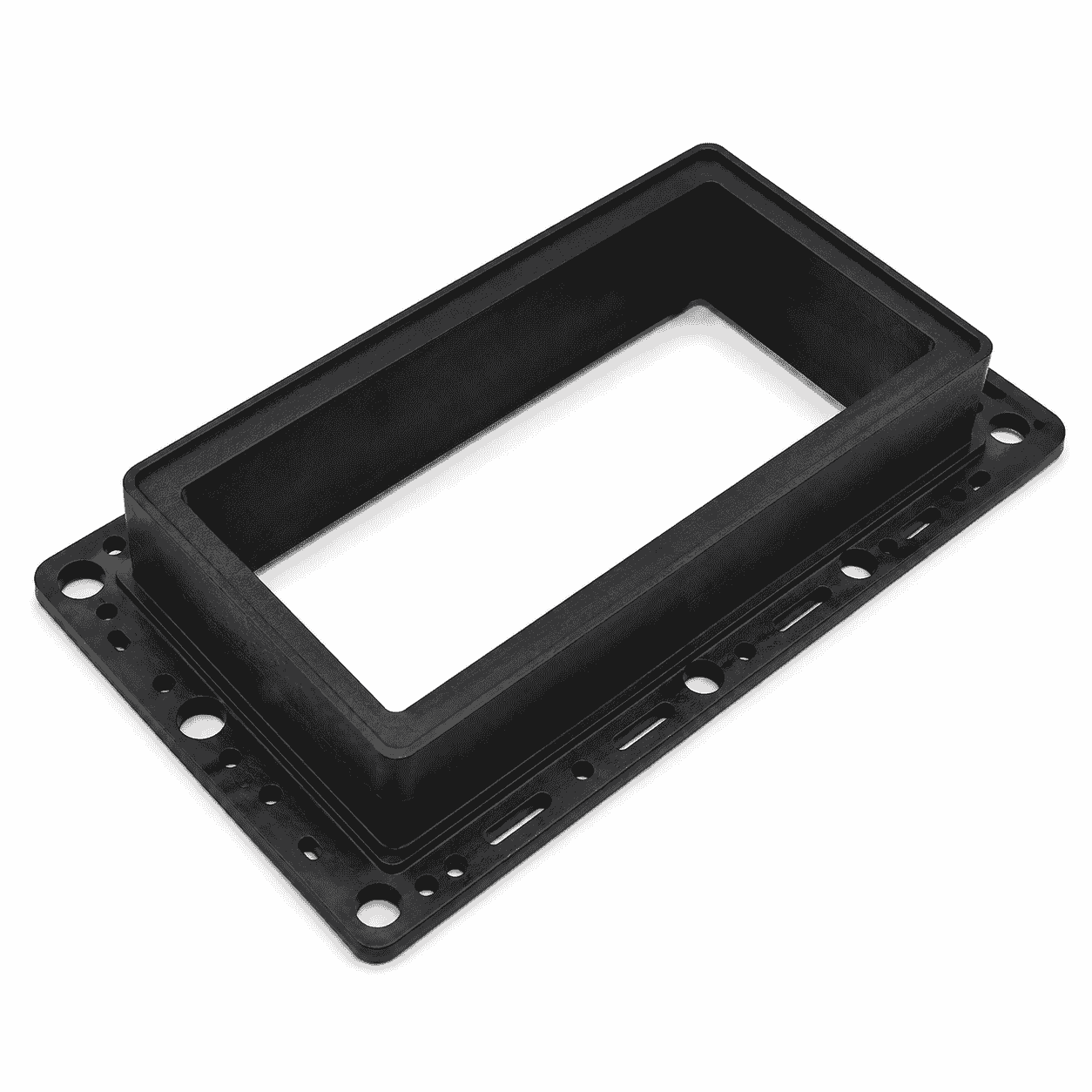
- Flanges and connecting components
- Spacers and distance sleeves
- Clamps and equipment fixtures
- Automation equipment components
- Conveyor machinery components
- Packaging machinery components
- Industrial equipment replacement parts
For gears, rollers, bushings and other components that contact another moving surface, the mating material, surface finish, load and lubrication conditions should be evaluated before selecting the reinforced grade.
CNC Machining of Glass Fiber Reinforced Nylon Rod
The rod can be processed by CNC turning, milling, drilling, boring, grooving, tapping, cutting and chamfering. Our CNC Plastic Machining service supports sample production and batch manufacturing according to customer drawings, physical samples and operating requirements.
Glass fibers increase the rigidity of nylon but can also increase cutting-tool wear. Suitable carbide tools, controlled cutting parameters and effective chip removal are recommended during machining. Excessive cutting heat should be avoided to reduce local melting, rough edges and dimensional variation.
The fiber orientation may also cause mechanical properties and machining behavior to vary in different directions. Critical dimensions should therefore be inspected after machining, particularly for long rods, thin-wall sleeves and components with asymmetric structures.
Material Selection Notes
- Confirm whether the nylon matrix is PA6, PA66 or another polyamide grade.
- Confirm the glass fiber percentage before comparing different materials.
- Glass fiber reinforcement improves rigidity but may reduce impact toughness.
- Machined surfaces may expose glass fibers and increase wear on softer mating parts.
- The material is not equivalent to oil-filled or MoS2-filled low-friction nylon.
- Nylon can still absorb moisture and experience dimensional changes.
- Operating load, temperature, humidity and installation clearance should be evaluated.
- Food-contact or electrical applications require grade-specific documentation.
Glass Fiber Reinforced Nylon Rod is suitable for applications where higher rigidity, better dimensional stability and improved load support are more important than the maximum impact resistance or low-friction performance of unfilled nylon. Material grade, glass fiber content, diameter, machining allowance and finished component structure can be selected according to the actual operating conditions.