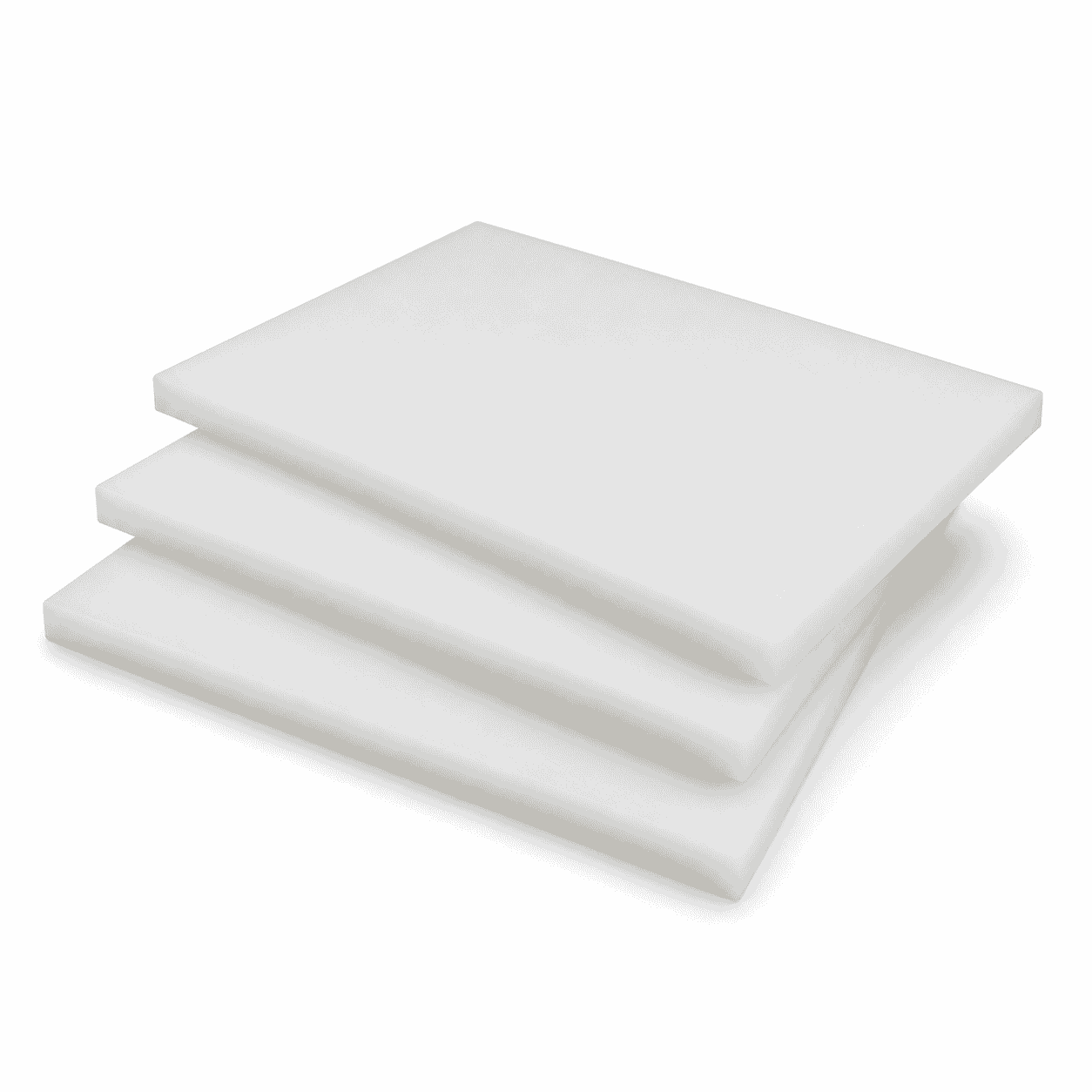
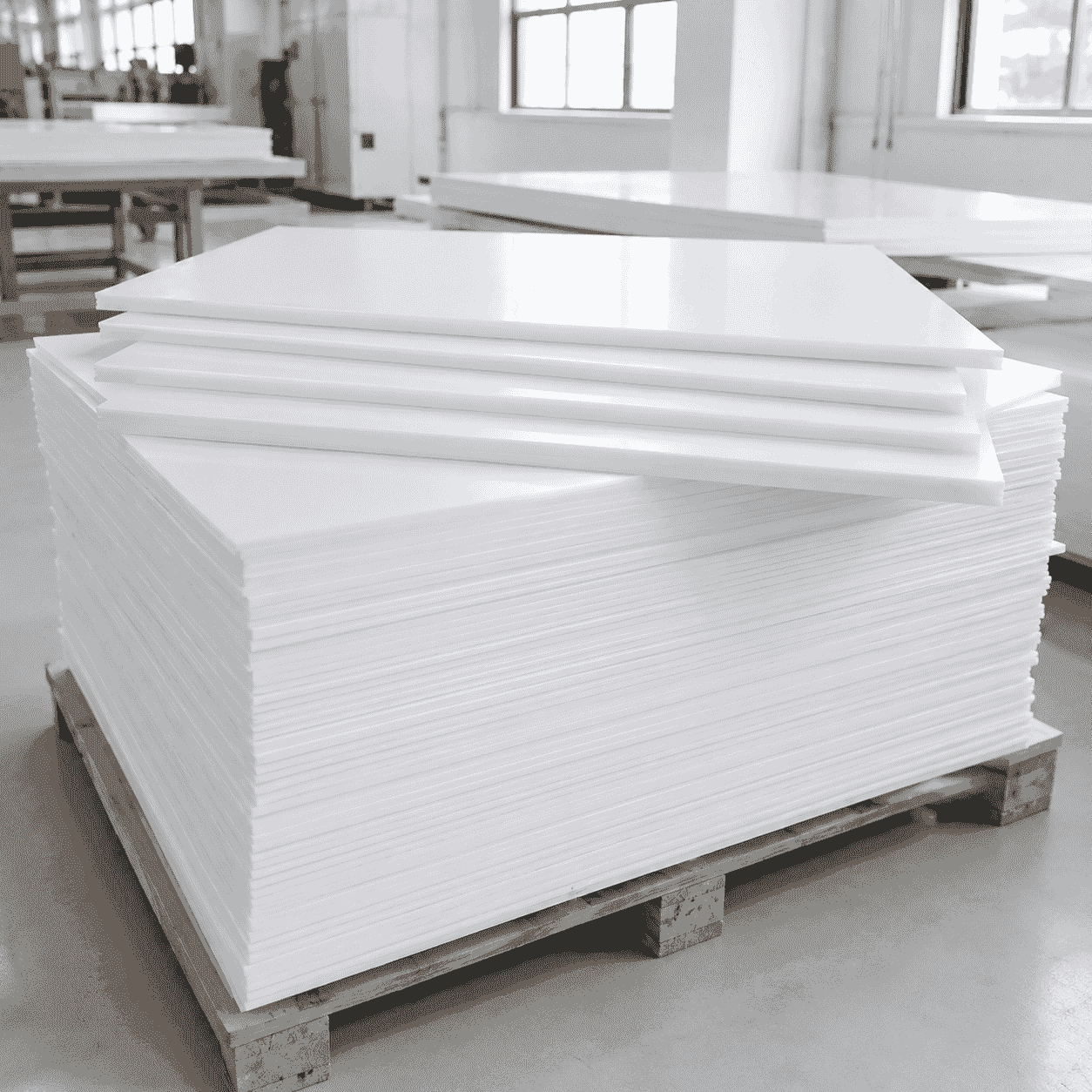
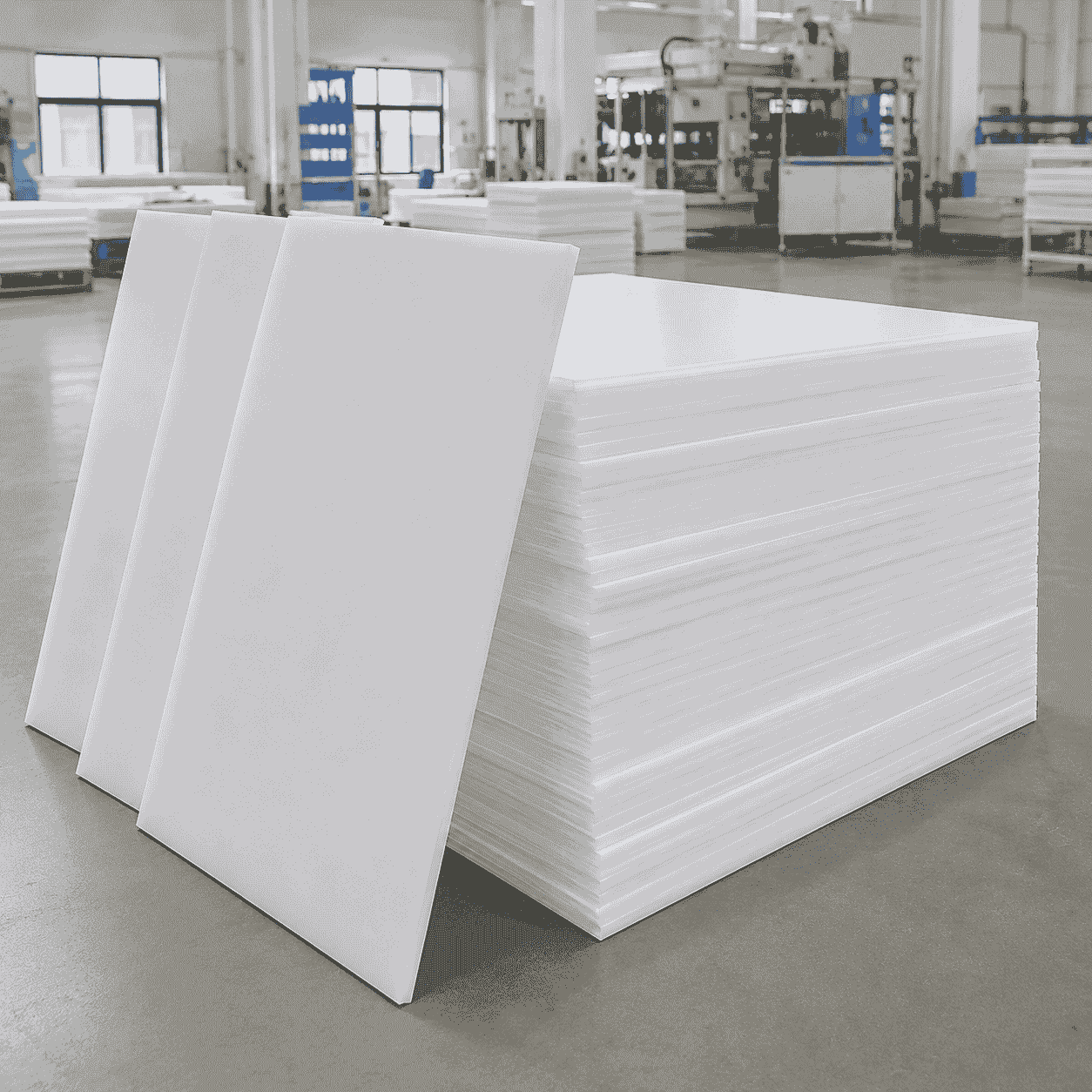
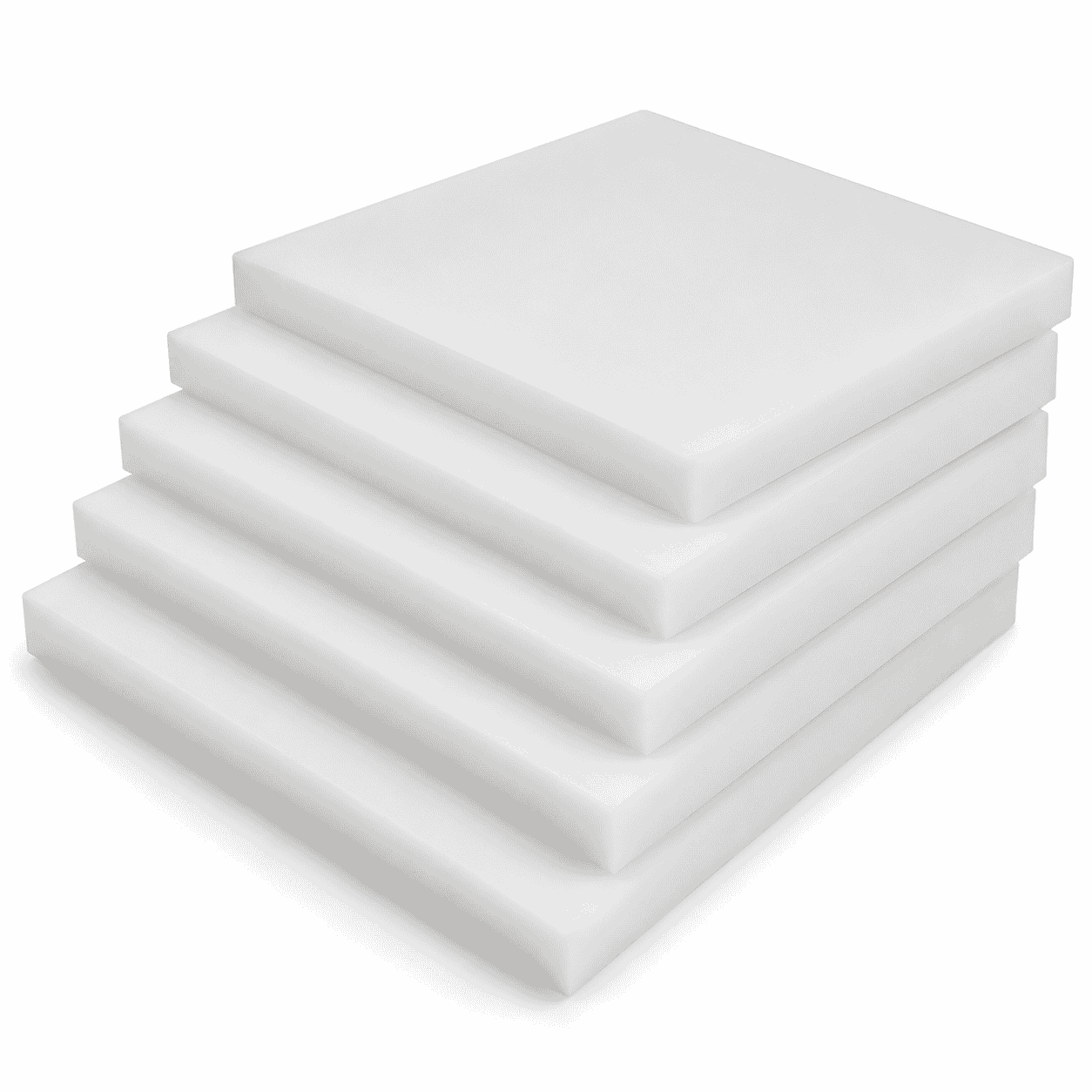
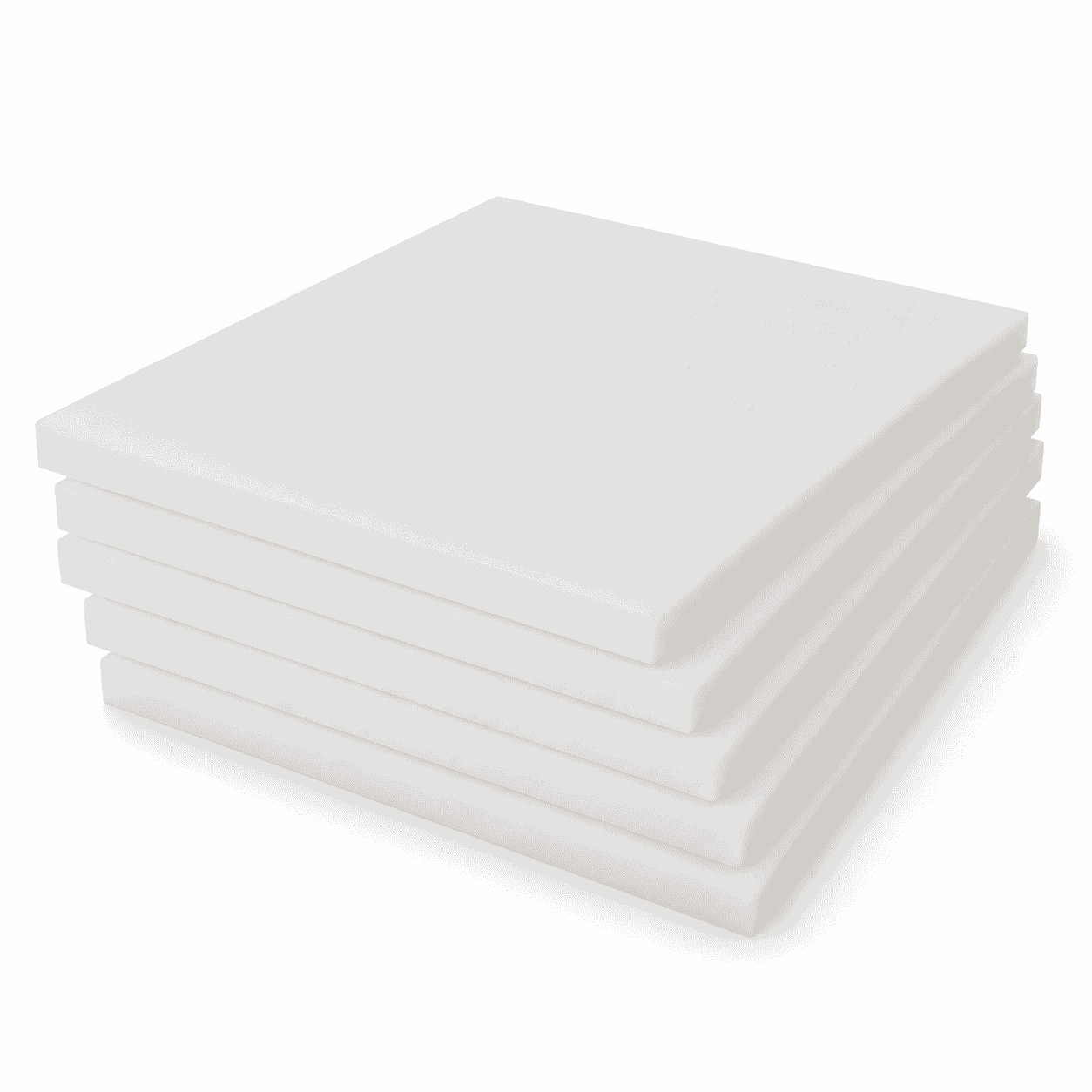
Food Grade PP Sheet is a polypropylene plastic sheet manufactured from a food-contact grade resin system for use in food processing, packaging, handling and related equipment. Compared with many traditional materials, polypropylene offers a practical combination of low weight, chemical resistance, moisture resistance and fabrication performance. The sheet can be supplied as a full board, cut-to-size panel or CNC-machined component according to drawings and application requirements.
Polypropylene is a thermoplastic polymer commonly used in packaging, containers, equipment components and industrial fabrication. However, not every polypropylene sheet is suitable for direct food contact. A genuine food-contact product should be manufactured from appropriately selected resin and additives, and its suitability must be supported by the relevant material declaration, test report or compliance documentation for the target market and intended conditions of use.
Food Grade PP Sheet for Food Processing Equipment
Food Grade PP Sheet is frequently selected for food machinery because it has a smooth surface, low moisture absorption and good resistance to many commonly encountered chemicals. It does not rust like untreated metal and can be cleaned more easily than porous materials when the surface is properly finished and maintained.
The material can be used to manufacture equipment side panels, work surfaces, partitions, protective covers, guide plates, support panels, trays, tank liners, packaging machine components and other plastic parts used around food production lines. The exact application should be evaluated according to the food type, contact time, operating temperature, cleaning method and mechanical load.
Key Features of Food Grade PP Sheet
- Manufactured from a selected polypropylene resin system for food-contact applications
- Lightweight and easier to handle than many metal panels
- Good resistance to moisture and water absorption
- Good resistance to many acids, alkalis and common cleaning chemicals
- Smooth surface that supports routine cleaning and maintenance
- Does not rust or corrode in humid food-processing environments
- Suitable for cutting, drilling, milling, routing and CNC machining
- Can be thermally welded using suitable polypropylene welding methods
- Available as full sheets, smaller cut pieces and machined plastic parts
- White or natural colour is commonly used for visual cleanliness and inspection
Chemical resistance depends on the concentration, temperature, exposure time and stress applied to the finished component. Compatibility with detergents, disinfectants, oils, acids, alkalis and other process media should therefore be confirmed before installation.
Food Grade PP Sheet Reference Thicknesses
Based on the supplied product-size image, the reference thickness range for Food Grade PP Sheet is approximately 2–20 mm. Common thickness options shown in the image include:
- 2 mm
- 3 mm
- 4 mm
- 5 mm
- 6 mm
- 8 mm
- 10 mm
- 12 mm
- 15 mm
- 20 mm
Thinner sheets are generally used for covers, lining panels, partitions and light-duty fabrication. Thicker sheets can be selected for work surfaces, support plates, equipment panels and machined components where greater rigidity is required. Final thickness should be selected according to span, load, fixing method, operating temperature and dimensional tolerance.
Food Grade PP Sheet Reference Sizes
The following dimensions are reference market sizes collected from the supplied image. Actual availability, sheet tolerance and minimum order quantity should be confirmed before production.
Small Cut-to-Size Panels
- 300 × 300 mm: reference thicknesses of 5, 8 and 10 mm
- 500 × 500 mm: reference thicknesses of 3, 5, 8, 10, 15 and 20 mm
1000 × 2000 mm Food Grade PP Sheet
- Reference thicknesses: 2, 3, 4, 5, 6, 8, 10, 12, 15 and 20 mm
1220 × 2440 mm Food Grade PP Sheet
- Reference thicknesses: 3, 4, 5, 6, 8, 10, 12, 15 and 20 mm
1300 × 2000 mm Food Grade PP Sheet
- Reference thicknesses shown: 5 and 10 mm
1500 × 3000 mm Food Grade PP Sheet
- Reference thicknesses: 3, 4, 5, 6, 8, 10, 12, 15 and 20 mm
These dimensions are provided as reference specifications rather than guaranteed stock sizes. Special lengths, widths, thicknesses and cut pieces can be discussed according to the required quantity and manufacturing conditions. Dimensional tolerances should also be confirmed before the material is used for precision assembly or CNC-machined components.
Typical Applications of Food Grade PP Sheet
Food Grade PP Sheet may be used in food processing factories, beverage production lines, packaging machinery, commercial kitchens, agricultural product handling and other environments requiring cleanable plastic components. Typical applications include:
- Food processing equipment side panels
- Packaging machine partitions and covers
- Inspection tables and work surfaces
- Food handling trays and support panels
- Tank liners, lids and internal partitions
- Guide plates and product transfer components
- Machine guards and protective panels
- Cut-to-size equipment boards
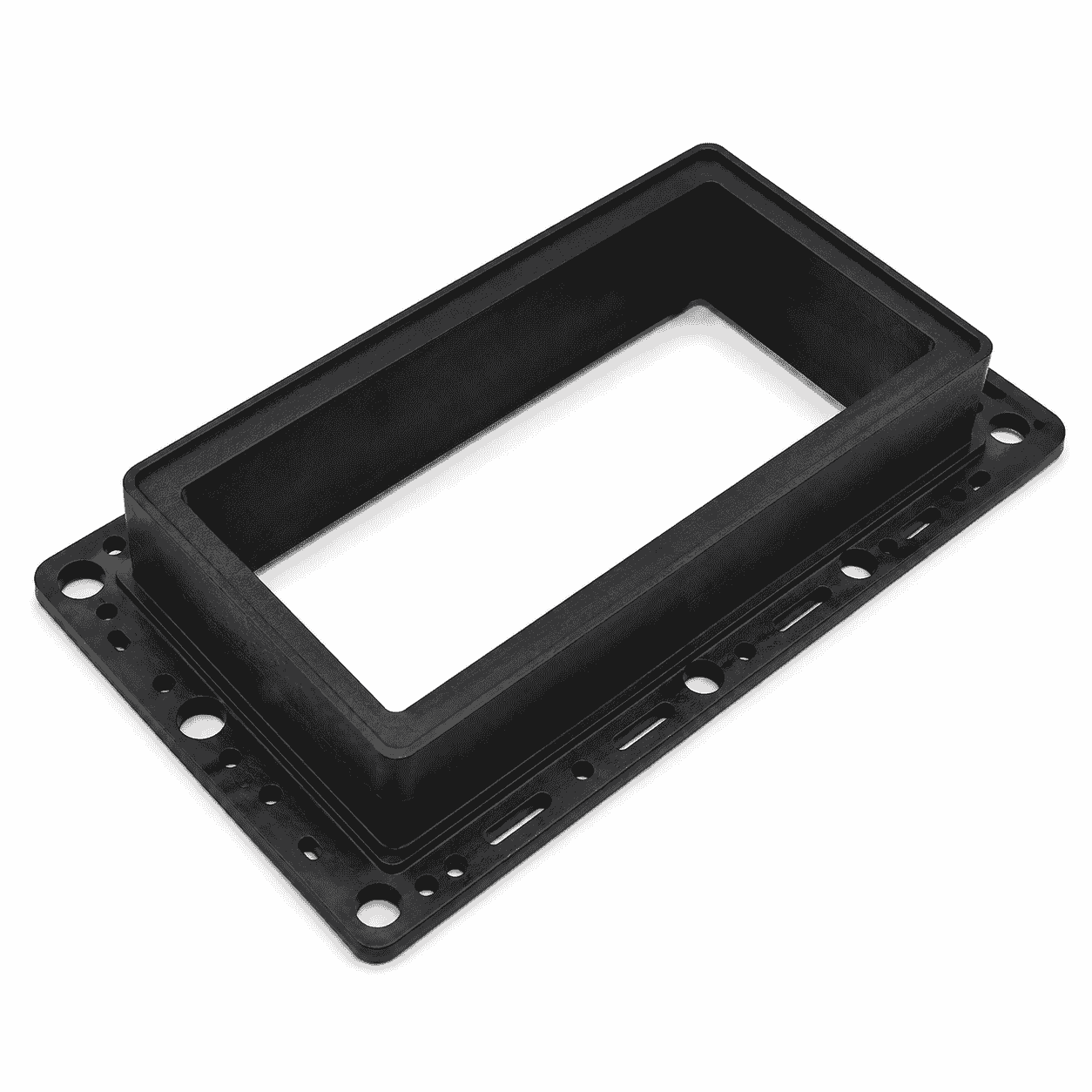
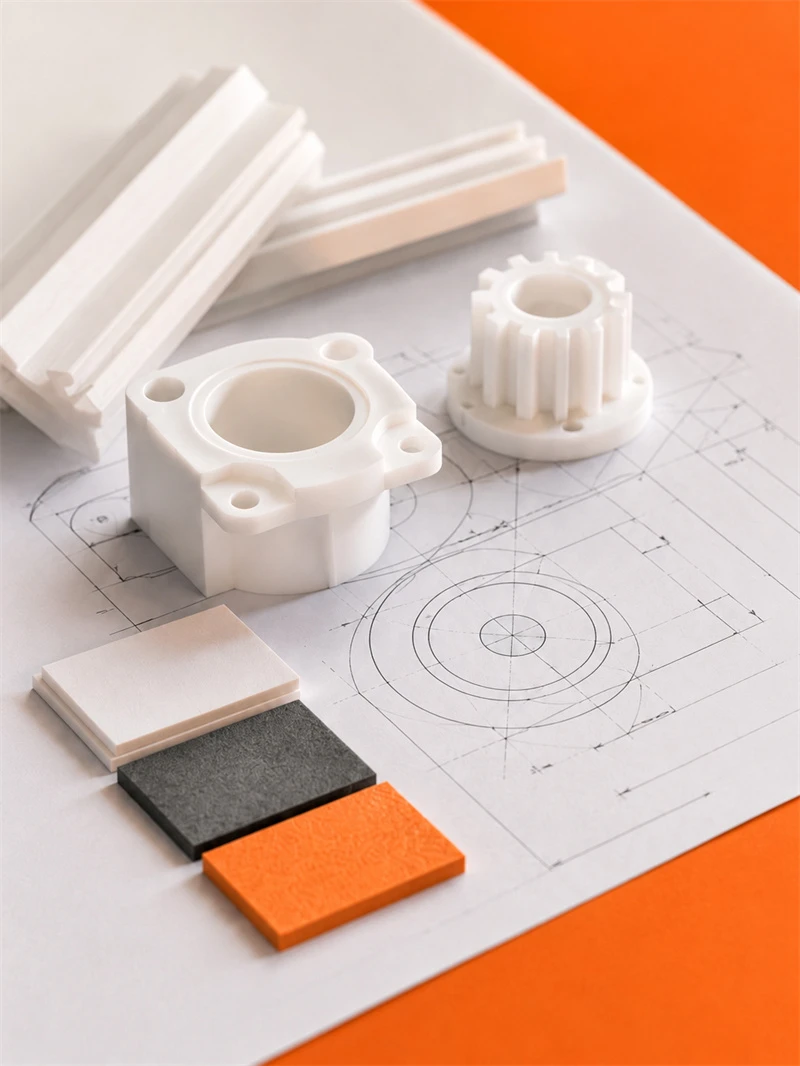
- CNC-machined polypropylene components
- Moisture-resistant wall or equipment lining panels
The finished part must be designed to avoid difficult-to-clean joints, sharp internal corners, surface damage and contamination traps. Surface finish, machining marks, weld quality, fasteners and cleaning procedures may all affect the hygienic performance of the completed equipment.
Food Grade PP Sheet Processing Options
Food Grade PP Sheet can be processed through sawing, cutting, drilling, routing, milling, turning, slotting, chamfering and CNC machining. It may also be joined through suitable polypropylene welding processes. Processing parameters should account for thermal expansion and the lower rigidity of polypropylene compared with metal.
For custom parts, customers should provide drawings that identify the sheet thickness, overall size, holes, slots, tolerances, surface requirements and intended operating conditions. Components used in direct food-contact areas should be cleaned after machining, and machining fluids or processing aids must be selected carefully to prevent contamination.
Food-Contact Compliance and Material Selection
The term Food Grade PP Sheet should only be used when the supplied material is supported by appropriate food-contact documentation. White colour alone does not demonstrate compliance. Pigments, stabilisers, fillers, recycled content and other additives can affect whether a sheet is suitable for a particular food-contact application.
Before ordering, customers should confirm the target market, food type, contact duration, contact temperature and cleaning conditions. Where required, documentation may include a raw material declaration, migration testing report, certificate of analysis, batch information or a declaration of conformity. Requirements can differ between countries and applications.
For standard polypropylene sheet materials and related processing options, visit our internal
Polypropylene PP Sheet page.
For general information about the material, refer to the
Polypropylene explanation on Wikipedia.