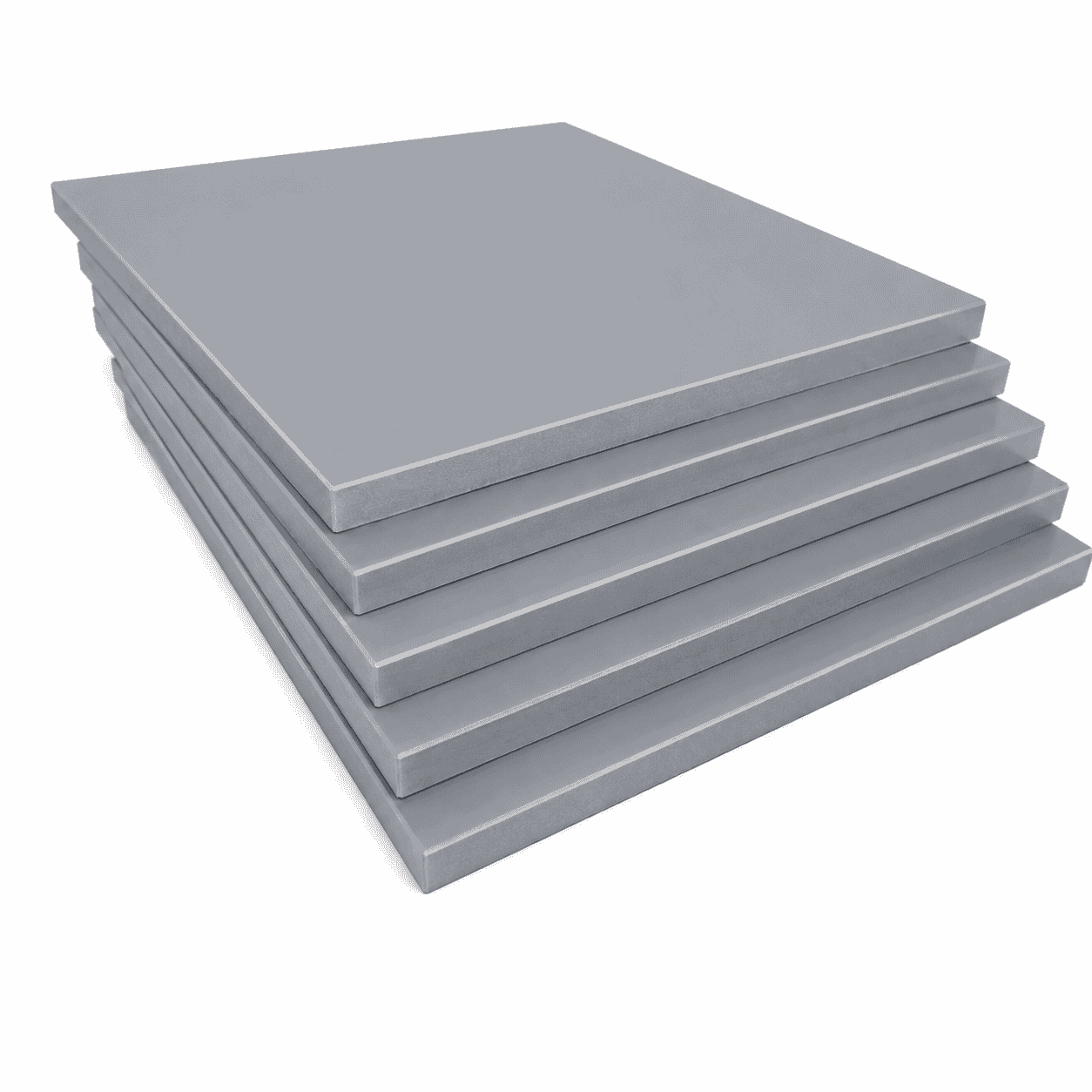
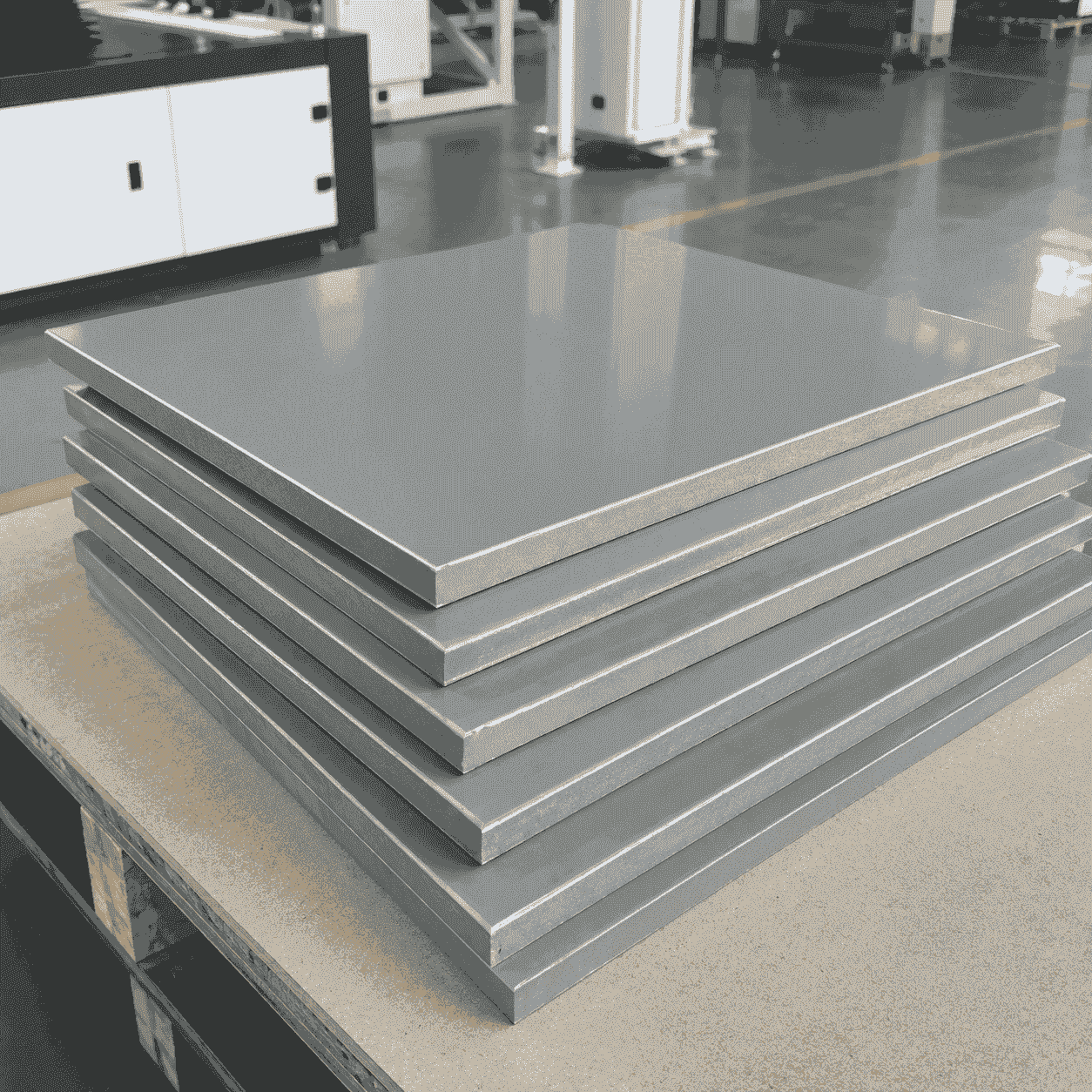
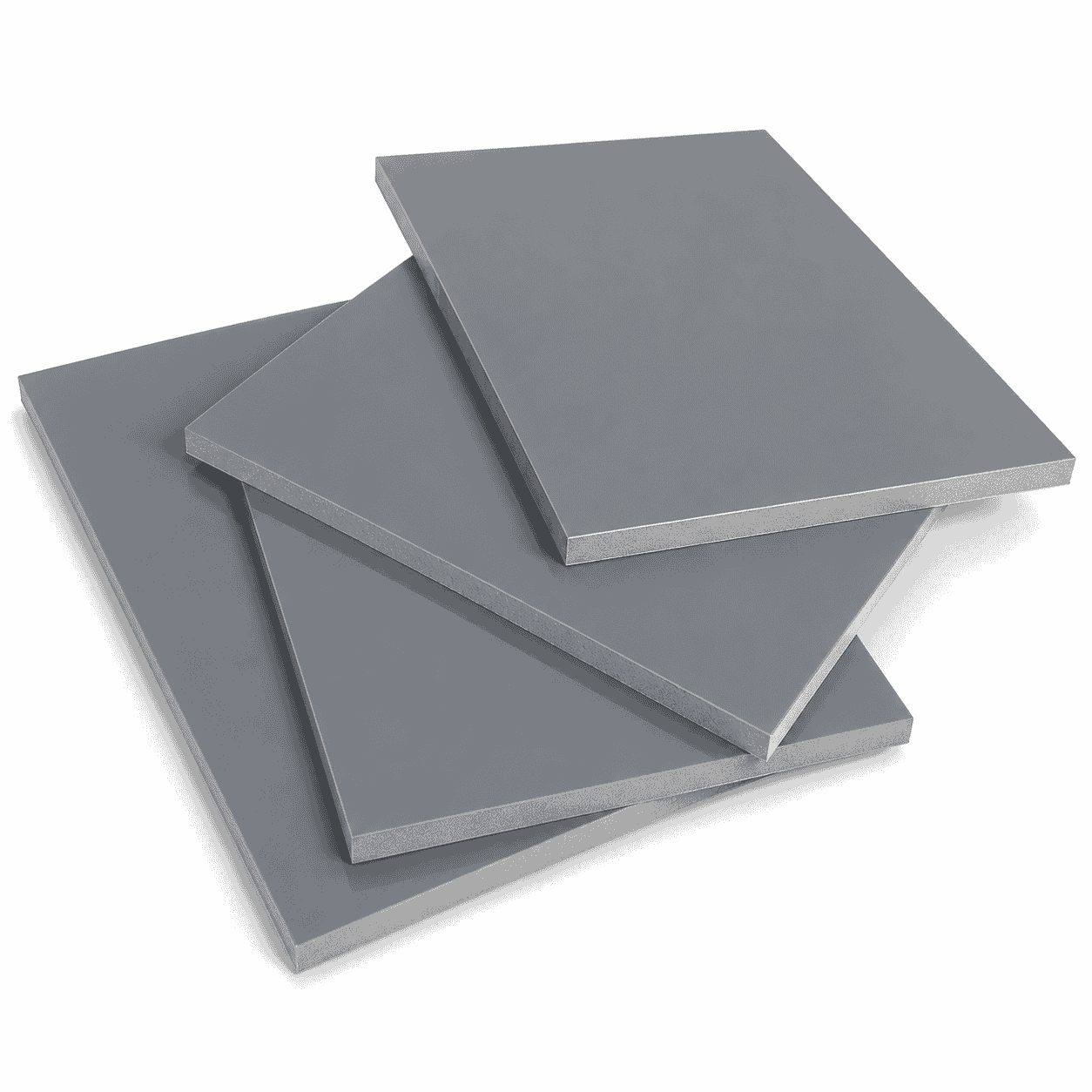
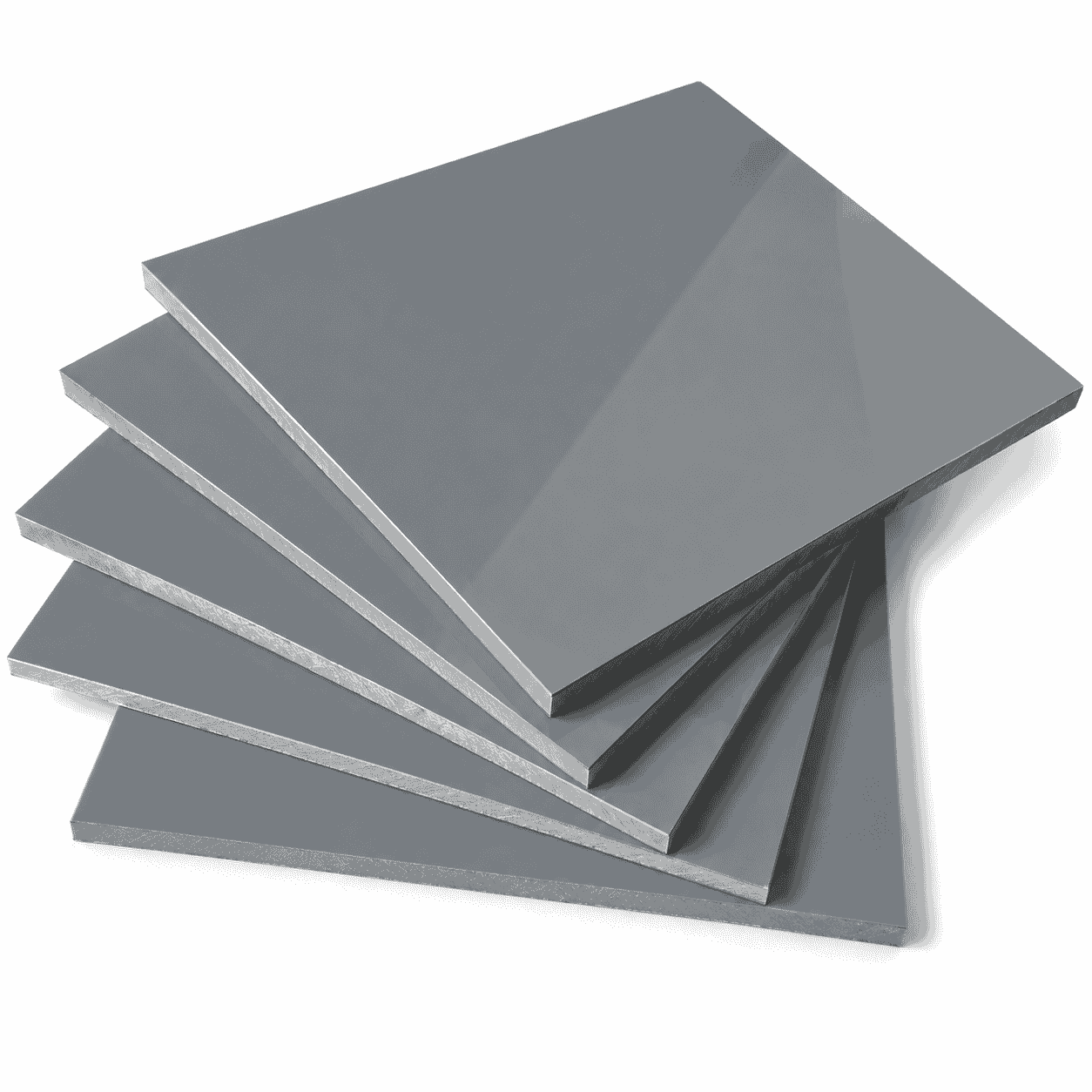
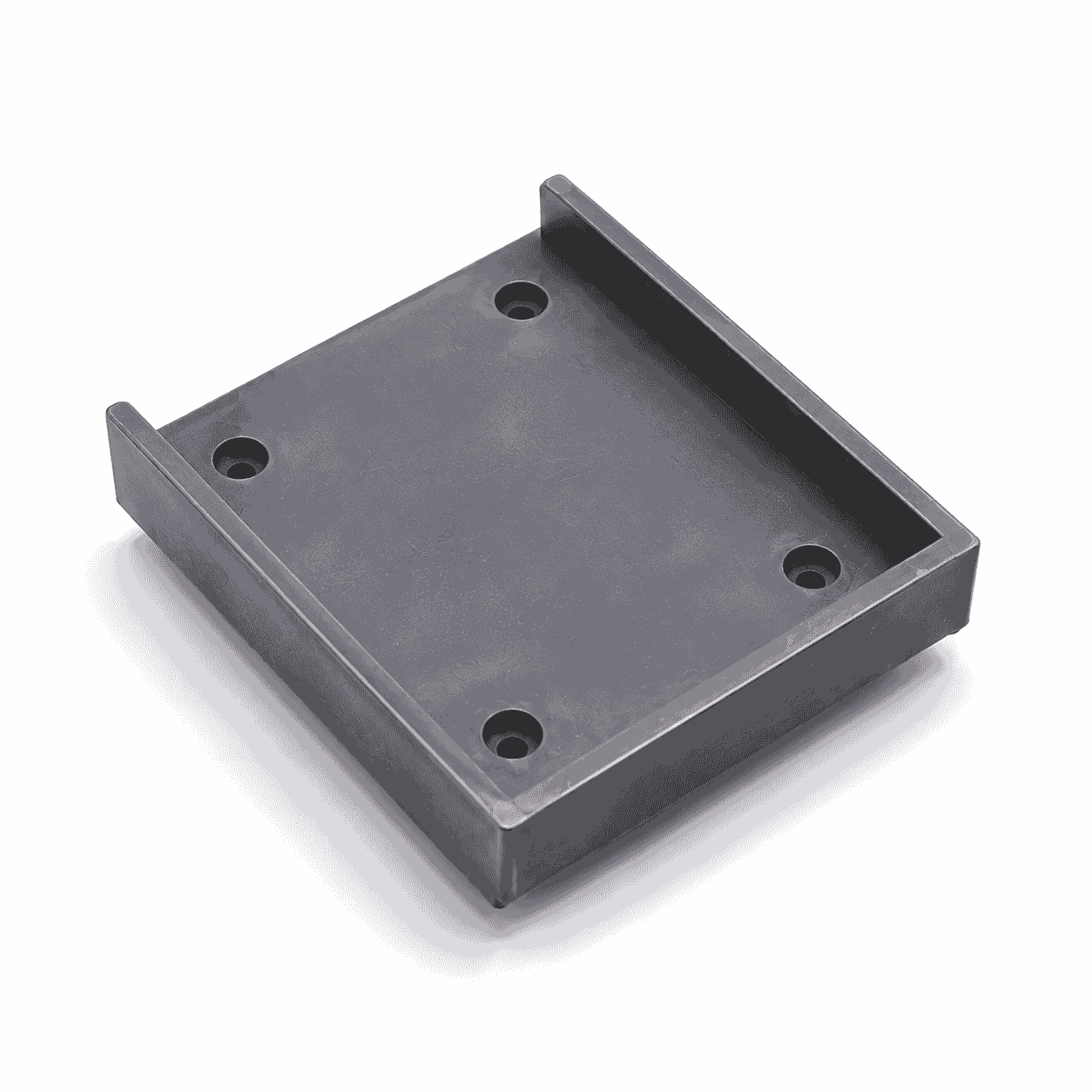
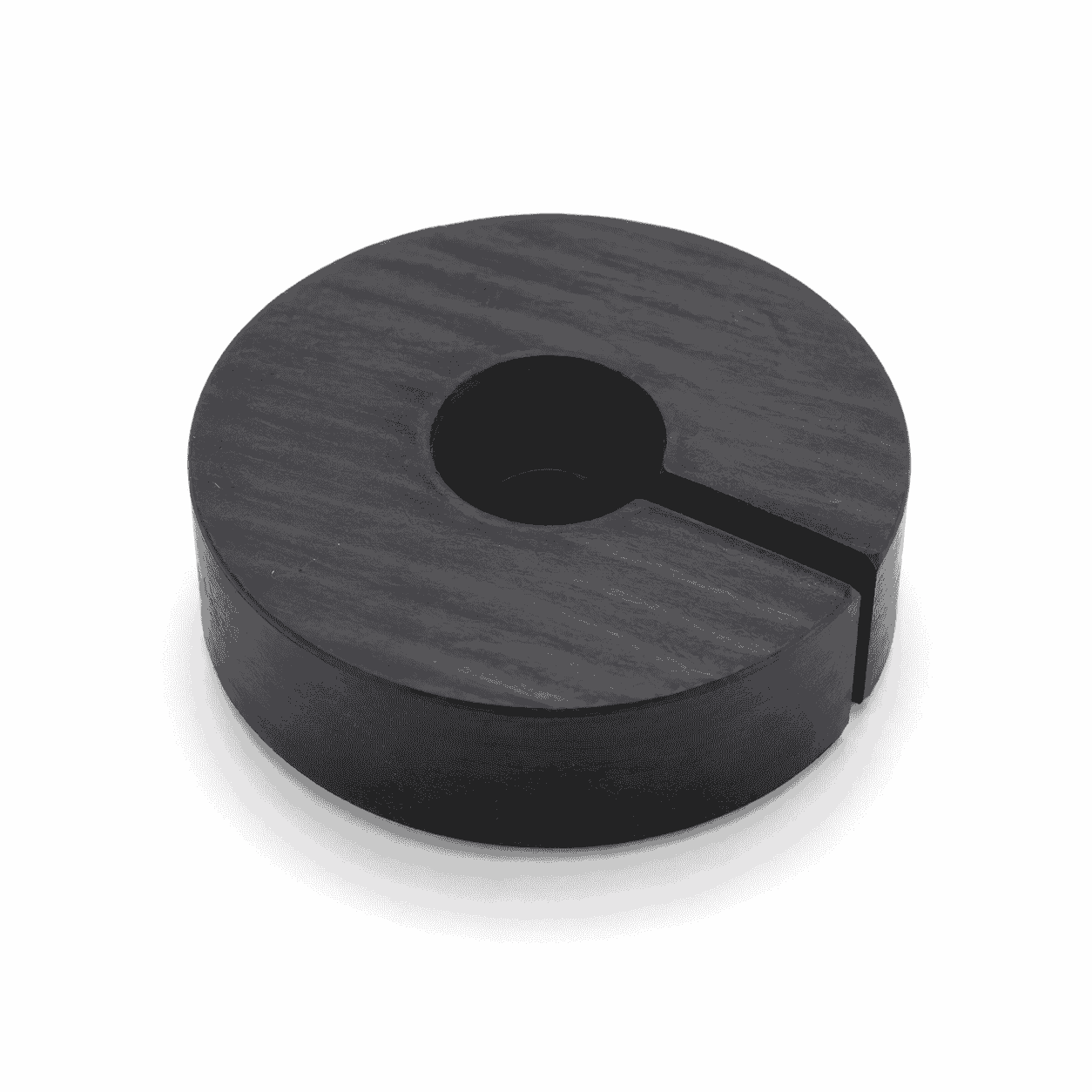
Grey PP Sheet is a grey polypropylene plastic sheet widely used for industrial fabrication, tank components, machine panels, partition boards, protective covers and custom-machined plastic parts. Polypropylene is a lightweight thermoplastic material known for its good chemical resistance, low moisture absorption, corrosion resistance and practical processing performance. The grey appearance gives the sheet a clean and stable industrial look, making it suitable for equipment manufacturing, workshop applications and chemical system fabrication.
Compared with many traditional materials, Grey PP Sheet provides a useful balance of light weight, corrosion resistance and fabrication convenience. It can be cut, drilled, milled, grooved, routed and CNC machined into different shapes according to drawings. It can also be welded into tanks, covers, housings, liners and assembled plastic structures by using suitable polypropylene welding methods.
The grey colour is often selected for equipment appearance consistency, workshop visual management or industrial colour matching. However, the colour itself does not define a special functional grade. A Grey PP Sheet should not automatically be described as food grade, flame retardant, anti-static, conductive or UV resistant unless the corresponding resin grade and technical documents are confirmed separately.
Grey PP Sheet Features
- Neutral grey appearance suitable for industrial equipment and fabrication projects
- Lightweight and easier to handle than many metal panels
- Good resistance to many acids, alkalis and chemical solutions
- Low moisture absorption and good corrosion resistance
- Does not rust like untreated metal materials
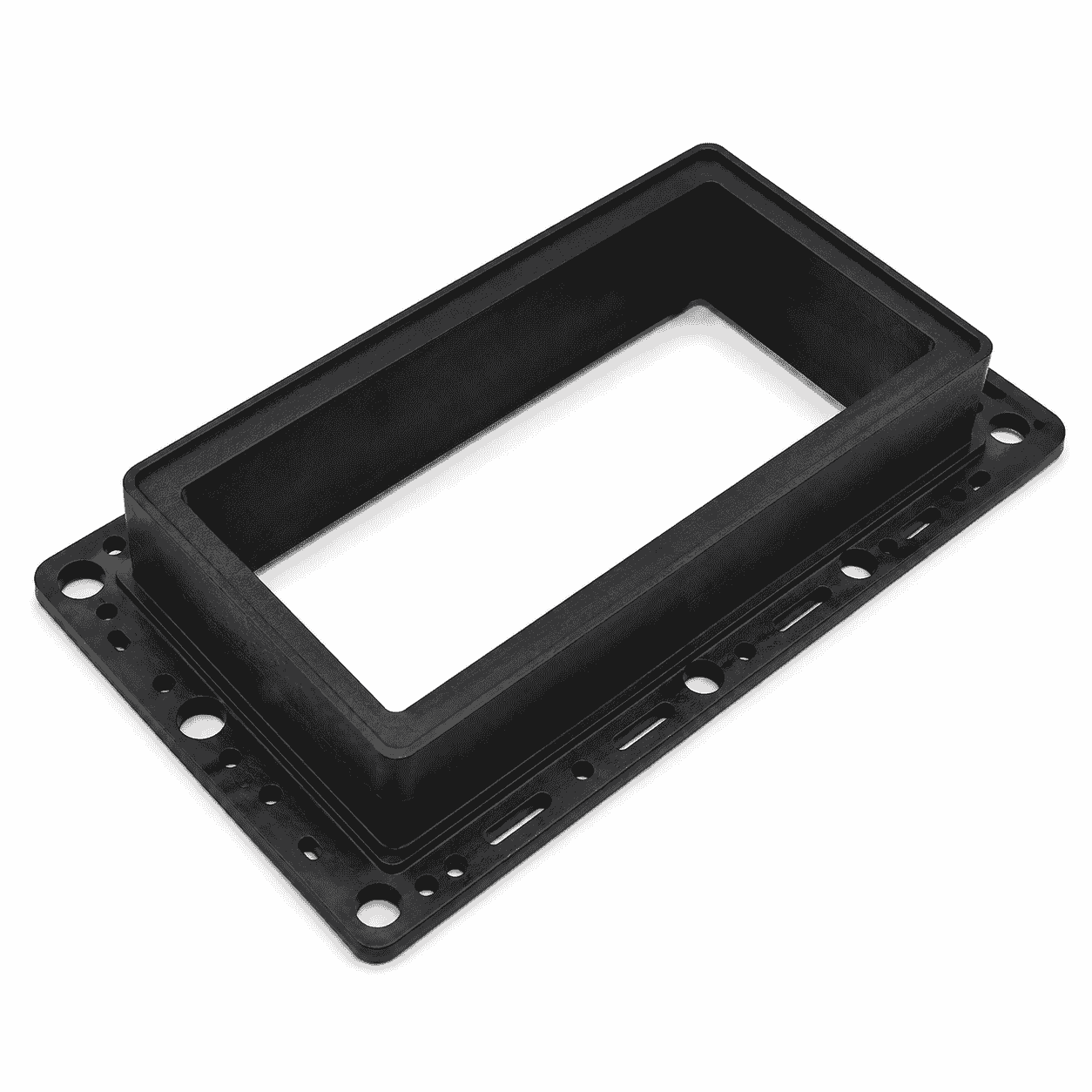
- Suitable for cutting, drilling, milling, routing and CNC machining
- Can be welded and fabricated into custom tanks, panels and housings
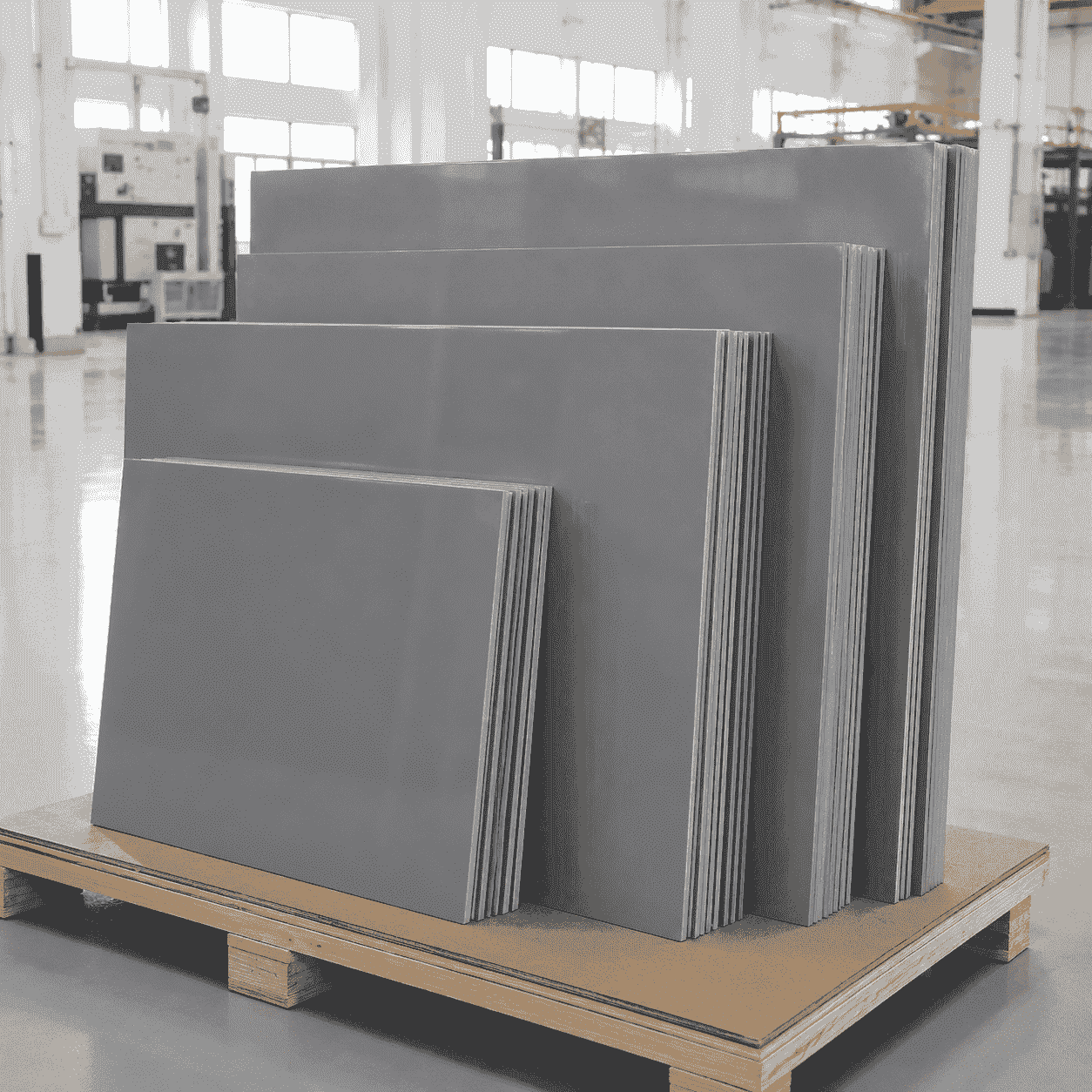
- Available as full sheets, cut-to-size panels and machined components
The final performance of Grey PP Sheet depends on the polypropylene grade, additives, pigment system, thickness, manufacturing process and operating environment. Chemical compatibility should still be evaluated according to the actual medium, concentration, working temperature, exposure time and mechanical load.
Grey PP Sheet Reference Sizes
Based on the supplied image, the following full-sheet sizes can be used as reference specifications for Grey PP Sheet:
- 1220 × 2440 mm
- 1500 × 3000 mm
1220 × 2440 mm Grey PP Sheet
- 1220 × 2440 × 3 mm
- 1220 × 2440 × 4 mm
- 1220 × 2440 × 5 mm
- 1220 × 2440 × 6 mm
- 1220 × 2440 × 8 mm
- 1220 × 2440 × 10 mm
- 1220 × 2440 × 12 mm
1500 × 3000 mm Grey PP Sheet
- 1500 × 3000 × 4 mm
- 1500 × 3000 × 5 mm
- 1500 × 3000 × 6 mm
- 1500 × 3000 × 8 mm
- 1500 × 3000 × 10 mm
- 1500 × 3000 × 12 mm
- 1500 × 3000 × 15 mm
From the supplied image, the practical reference thickness range for Grey PP Sheet is approximately 3–15 mm. Common thicknesses shown include 3 mm, 4 mm, 5 mm, 6 mm, 8 mm, 10 mm, 12 mm and 15 mm.
Some options in the image are shown in a lighter or inactive state, and part of the listing is labeled as dark grey PP sheet. For this reason, the above dimensions should be treated as reference production sizes rather than guaranteed stock specifications for every grey PP sheet order. Final availability, colour shade, dimensional tolerance, order quantity and delivery time should be confirmed before production.
Grey PP Sheet Applications
Grey PP Sheet is suitable for a wide range of industrial and fabrication applications where corrosion resistance, clean appearance and easy processing are required. Typical applications include:
- Chemical equipment side panels and covers
- Tank liners, tank covers and tank partitions
- Water-treatment equipment panels
- Ventilation equipment panels and housings
- Machine guards and protective covers
- Workshop partitions and support boards
- Laboratory and industrial plastic components
- Custom CNC-machined polypropylene parts
- Welded polypropylene tanks and fabricated structures
Thinner sheets are usually selected for liners, covers and light-duty partitions, while thicker sheets are more suitable for support plates, equipment panels and machined plastic parts requiring greater rigidity. The final thickness should be selected according to span, support structure, fixing method, service temperature and mechanical load.
Grey PP Sheet Processing
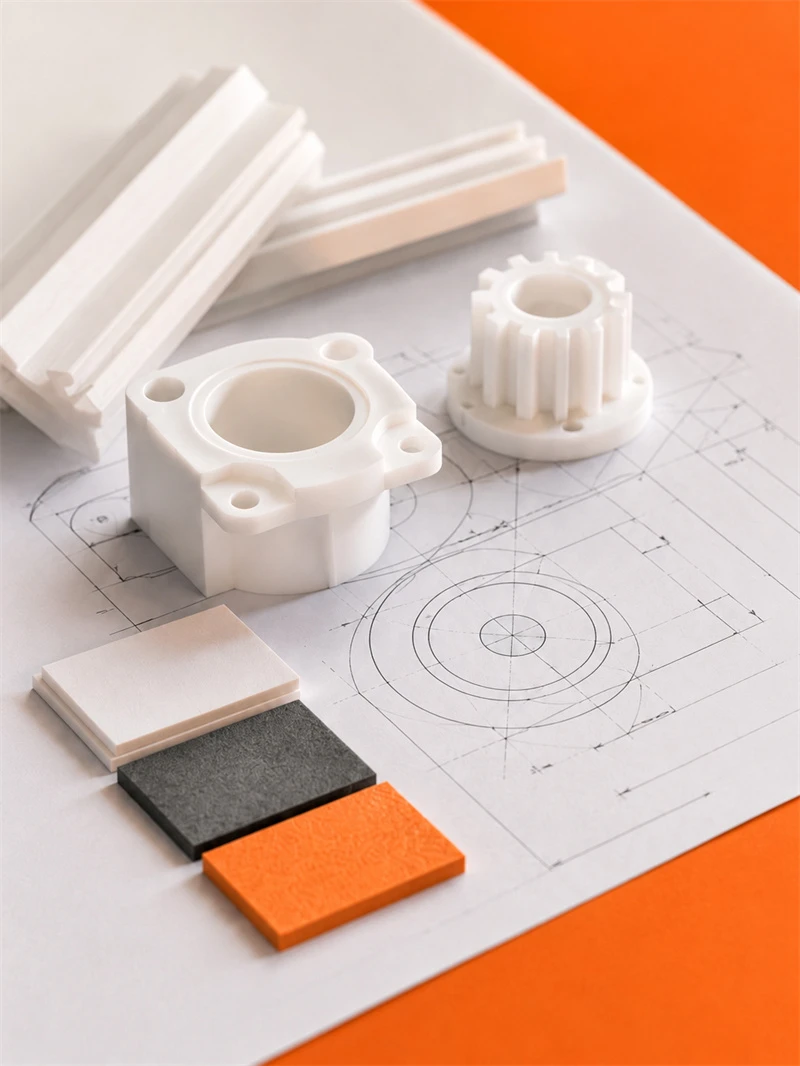
Grey PP Sheet can be processed by sawing, drilling, milling, routing, grooving, slotting, chamfering and CNC machining. It can also be welded into fabricated plastic products such as tanks, covers, housings, liners and guards. For custom-machined parts, customers should provide drawings that show the required dimensions, thickness, holes, slots, tolerances and installation details.
Because polypropylene has lower stiffness than metal and can expand with temperature changes, suitable structural support and installation allowance should be considered during design and fabrication. If the sheet is used in chemical-service environments, the suitability of polypropylene should be checked according to the actual process conditions.
Grey PP Sheet Material Notes
The exact shade of Grey PP Sheet may vary slightly depending on pigment, raw material batch, thickness and lighting conditions. If colour consistency is important, a sample or agreed colour reference should be confirmed before batch production.
Special requirements such as food-contact compliance, flame retardancy, anti-static behaviour, conductivity or UV resistance require corresponding modified polypropylene grades and cannot be confirmed from the grey appearance alone.
For standard polypropylene sheet materials and related processing options, you may also visit our internal page:
Polypropylene PP Sheet.
For general material information, please refer to the Wikipedia explanation of
Polypropylene.