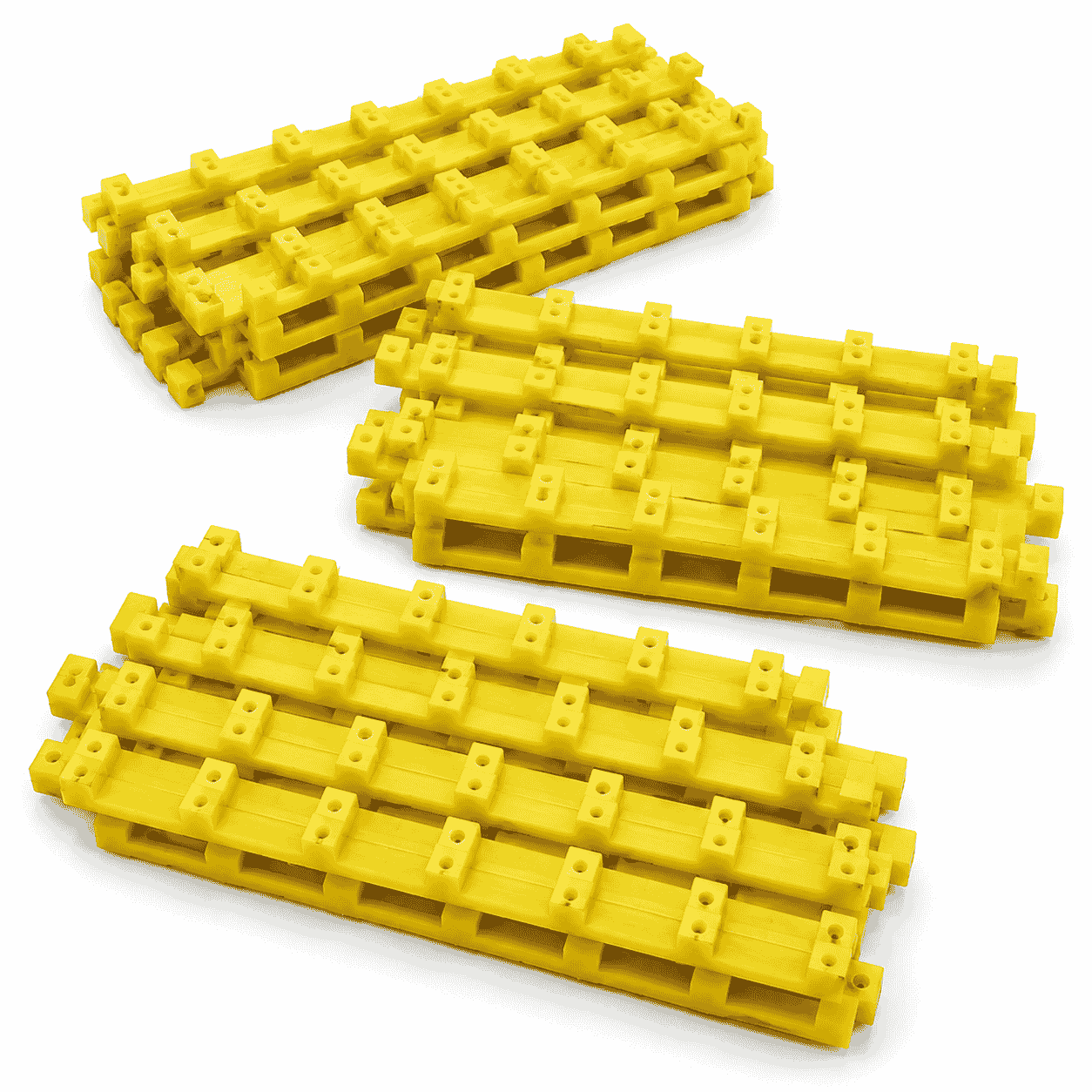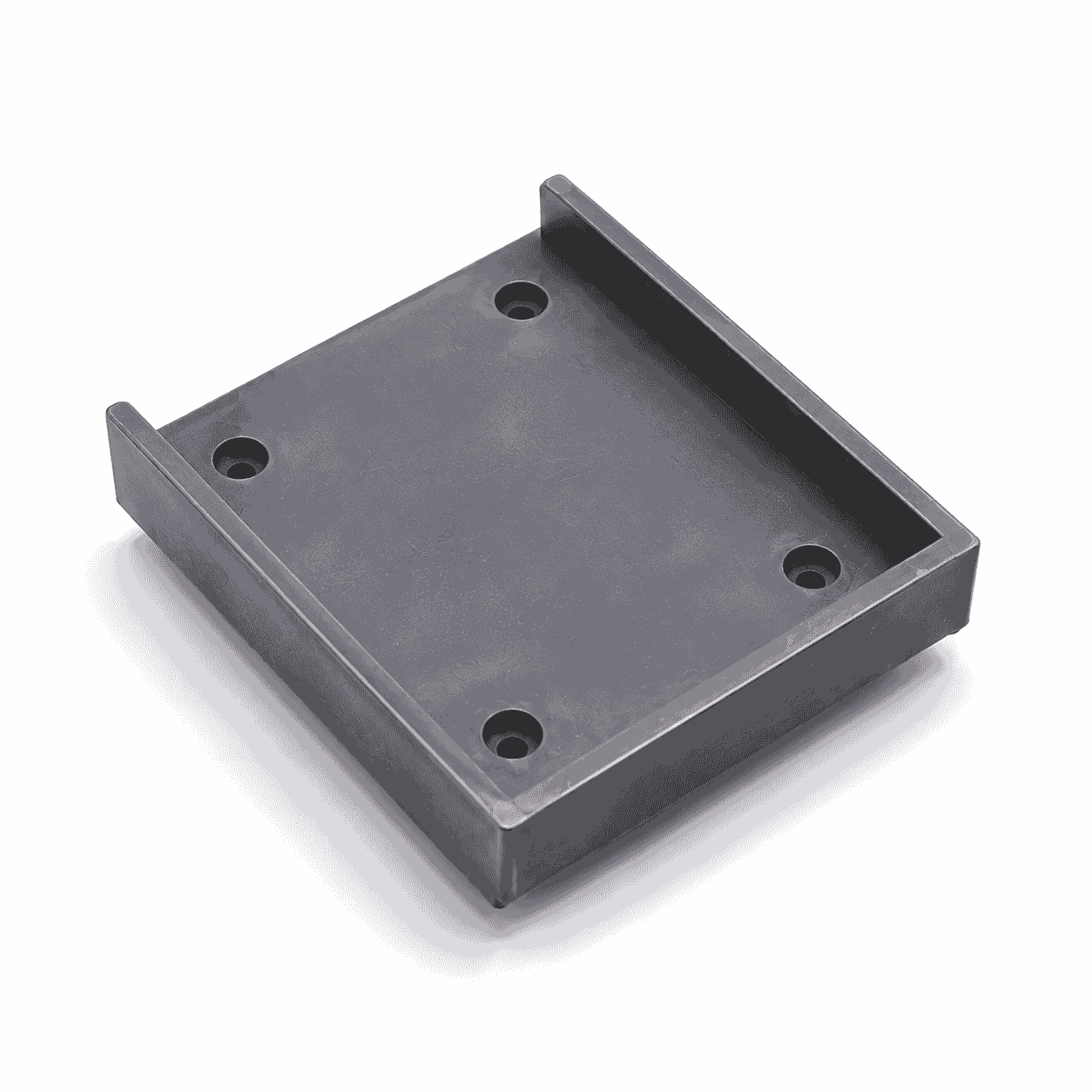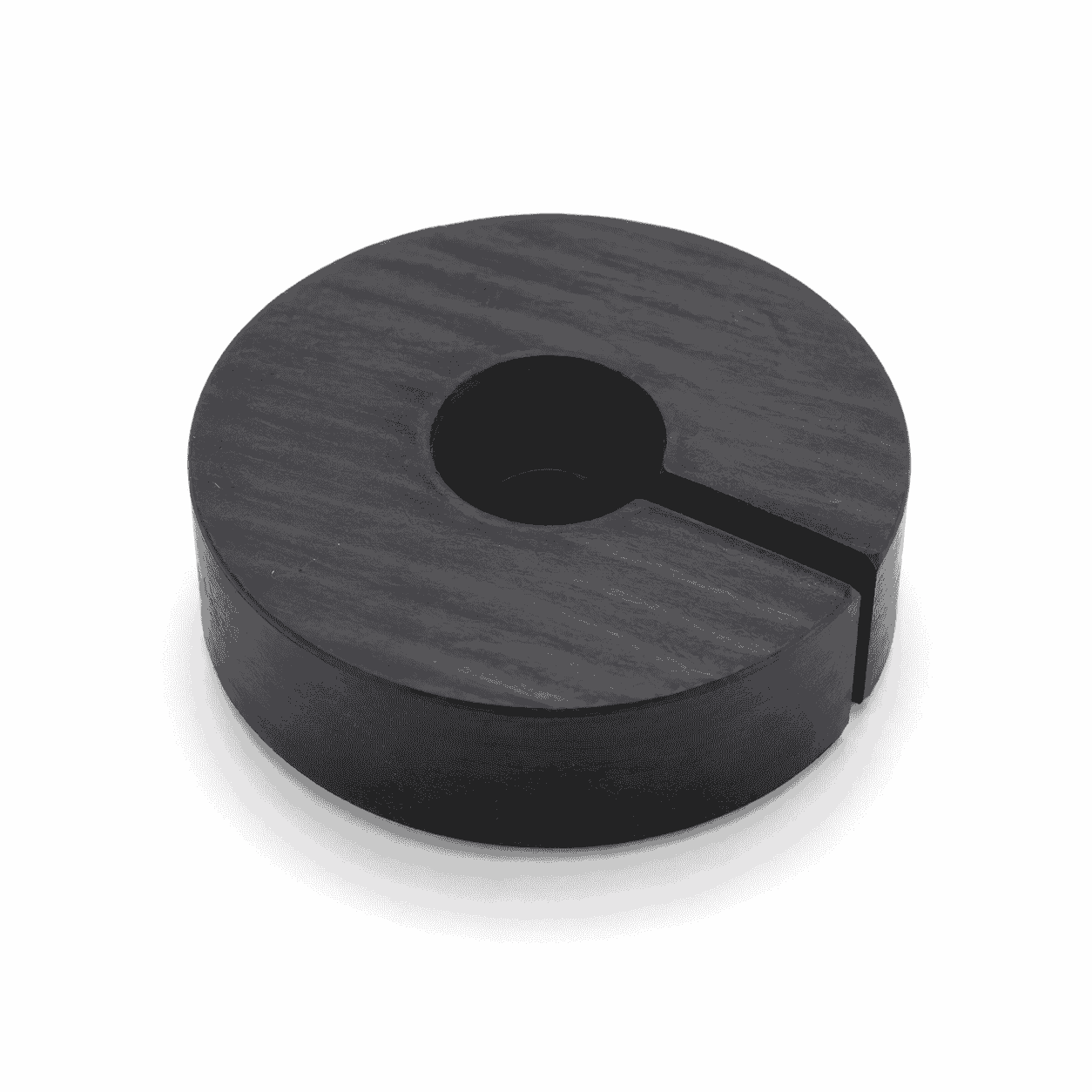
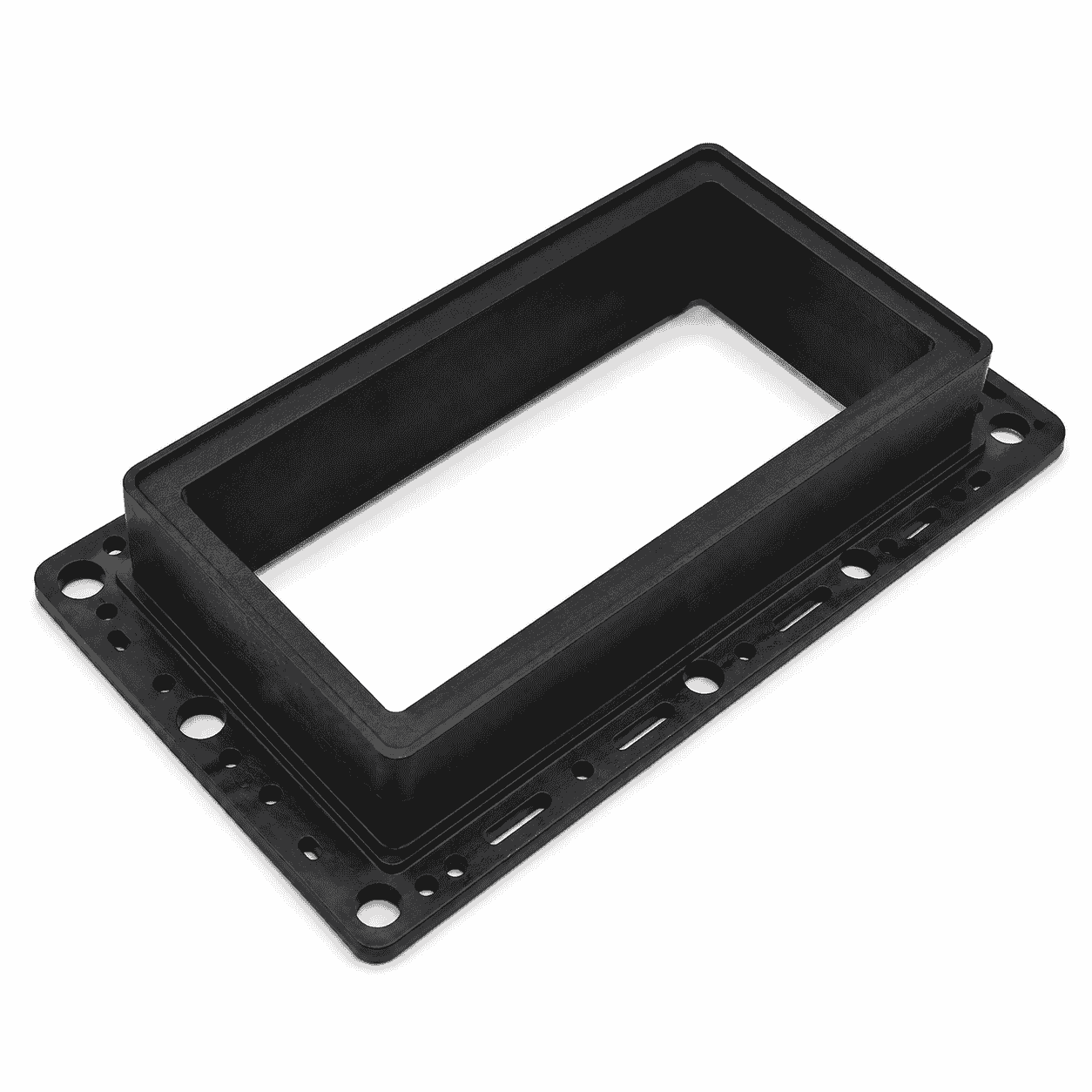
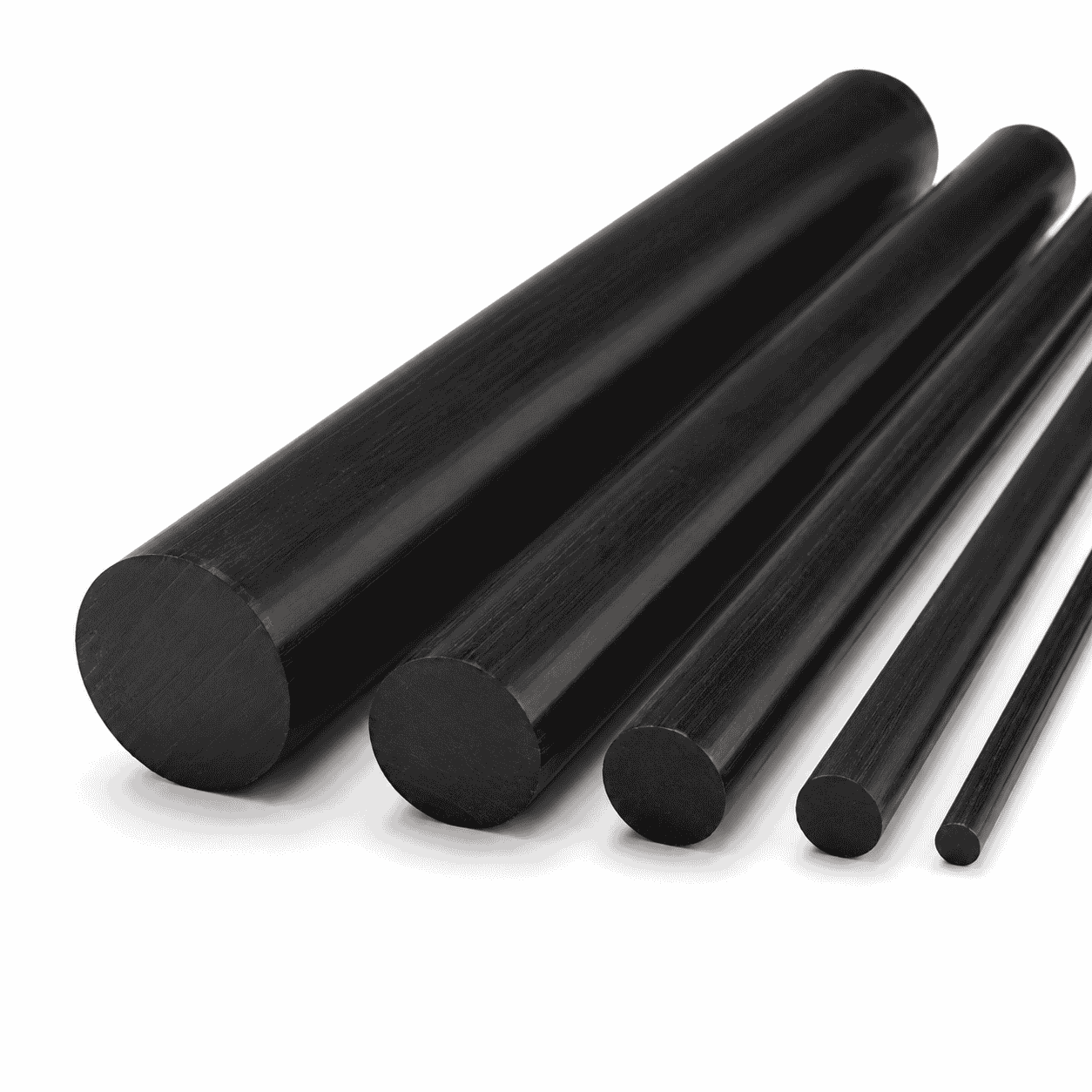
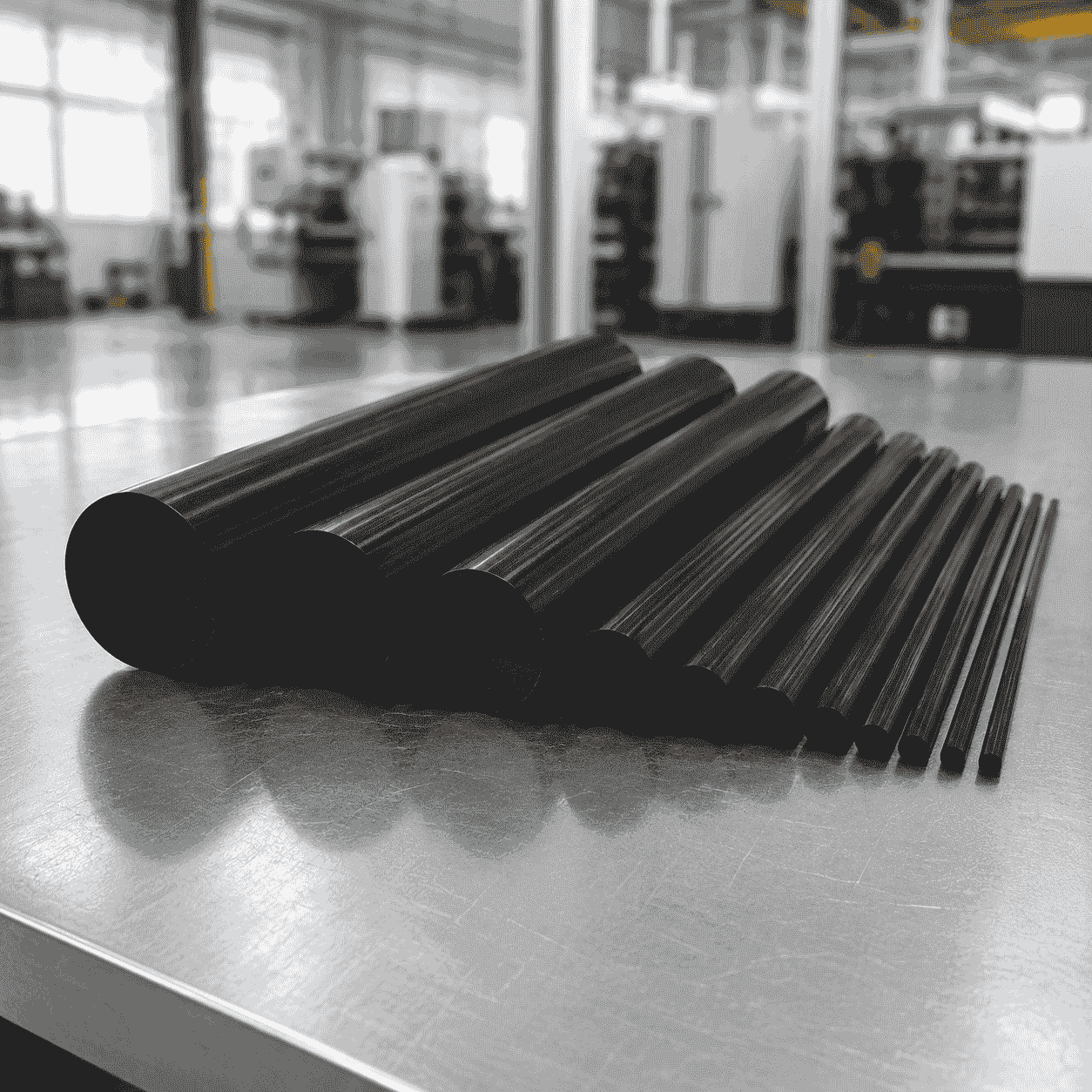
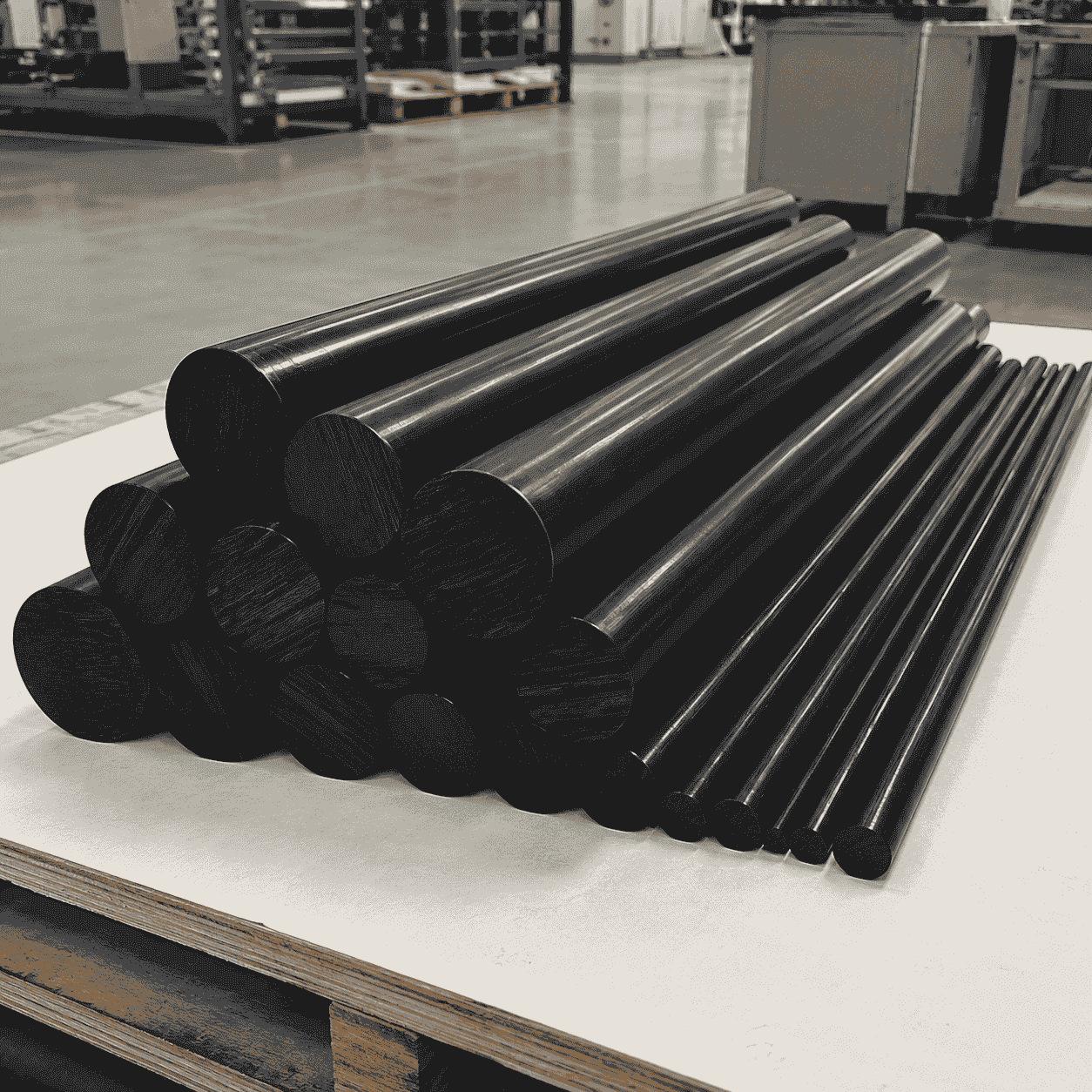
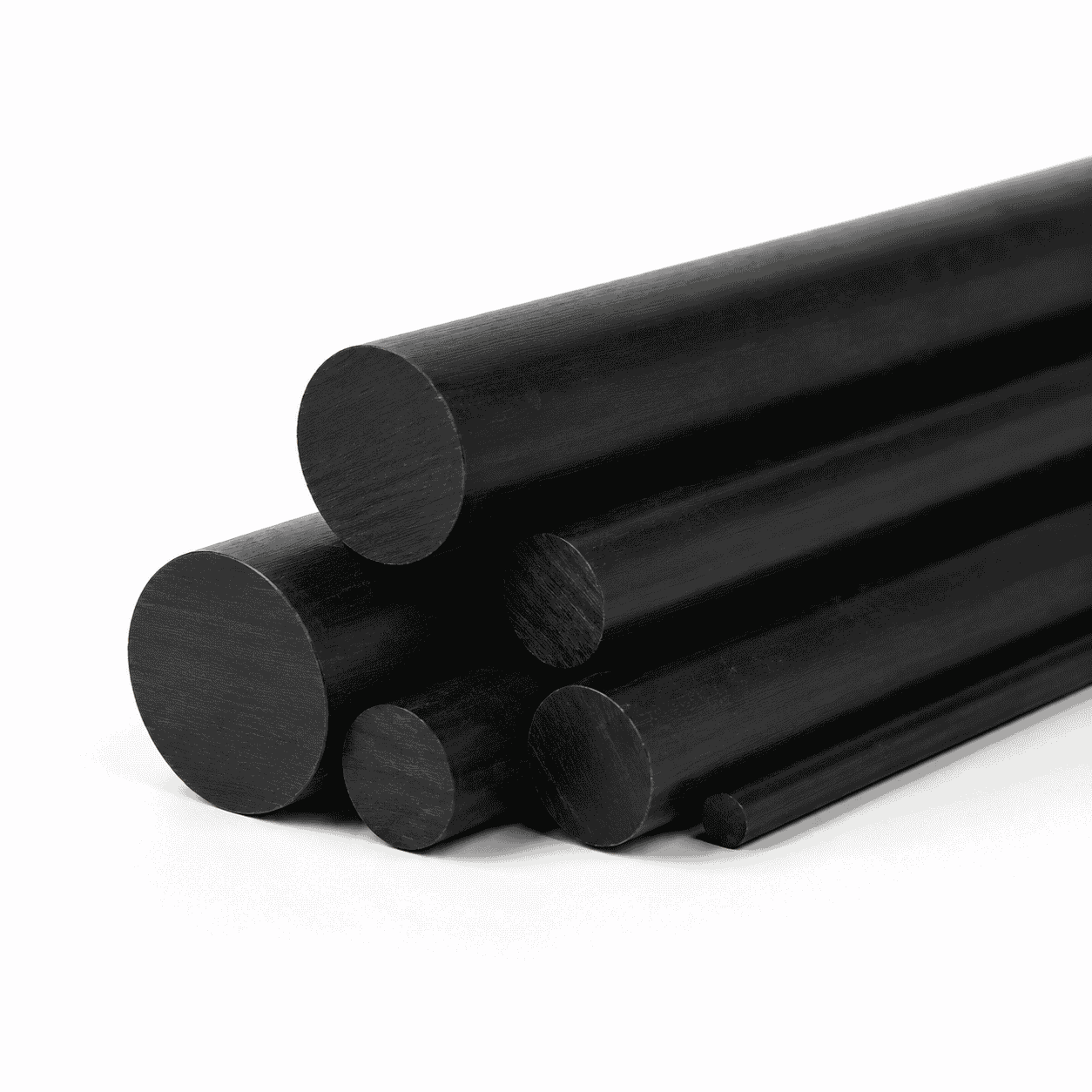
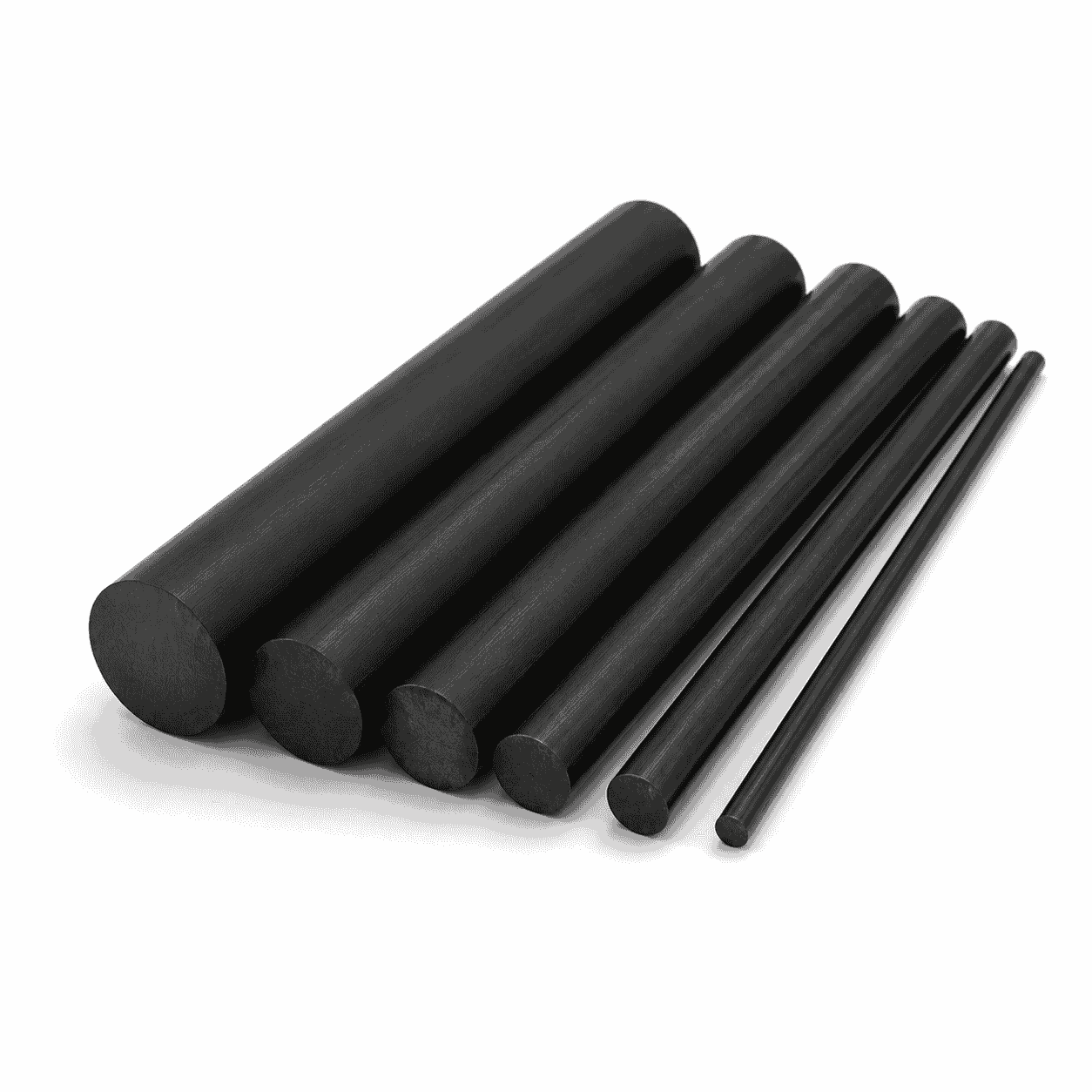
Flame Retardant PP Rod is a modified polypropylene round bar offering improved resistance to ignition and flame propagation, together with good chemical resistance, low moisture absorption and practical machining performance. Common reference diameters range from Ø10 to Ø200 mm, with standard reference lengths of 1000 and 2000 mm. Custom diameters up to approximately Ø300 mm and cut lengths can be discussed according to production requirements.
Flame Retardant PP Rod is a modified polypropylene round bar produced from a flame-retardant polypropylene formulation. It is designed for machining industrial plastic components that require the lightweight construction, chemical resistance and low moisture absorption of polypropylene, together with improved resistance to ignition and flame propagation compared with ordinary PP rod.
Standard polypropylene is a combustible thermoplastic material. A Flame Retardant PP Rod is normally produced by adding a suitable flame-retardant system or using a specially modified polypropylene compound. The modification helps slow flame development under specified testing conditions, but it does not make the material completely non-combustible or fireproof.
The actual fire performance depends on the material formulation, rod diameter, finished-part thickness, machining structure and test method. If a project requires a particular flame-retardant classification, the required standard and corresponding test documentation should be confirmed before production.
The addition of a flame-retardant system may change the mechanical properties, colour, density, welding behaviour and machining performance of polypropylene. Therefore, a flame-retardant grade should not be treated as identical to an ordinary PP rod without reviewing the corresponding technical data.
Based on the supplied specification image, the common reference diameters of Flame Retardant PP Rod include:
The common reference lengths shown in the supplied image are:
Rods can also be cut into shorter blanks according to the required machining dimensions. The cutting allowance, finished-part length, machining allowance and end-face requirements should be confirmed before production.
The reference manufacturing range shown in the supplied image is approximately:
Diameters above approximately Ø200 mm are generally treated as non-stock or compression-moulded production specifications. Large-diameter rods may have different minimum order quantities, dimensional tolerances, production cycles and internal stress conditions compared with standard extruded rods.
The sizes above are reference manufacturing dimensions rather than guaranteed inventory specifications. Final availability depends on the flame-retardant grade, diameter, length, colour, order quantity, tolerance and production schedule.
Flame Retardant PP Rod is commonly used as machining stock for industrial components where ordinary polypropylene does not provide the required flame behaviour. Typical applications include:
For electrical equipment applications, flame-retardant performance does not automatically confirm a specific electrical insulation rating. Electrical properties, tracking resistance, dielectric strength and the required certification should be confirmed separately when these factors are important.
Flame Retardant PP Rod can be processed by turning, drilling, boring, milling, grooving, threading and CNC machining. It is suitable for producing round parts, stepped shafts, sleeves, rollers, flanges, spacers and other components according to drawings or samples.
Polypropylene has lower stiffness and greater thermal expansion than many metal materials. Suitable cutting parameters, clamping force and machining allowance should therefore be used to reduce deformation, overheating and dimensional variation.
For large-diameter or precision-machined parts, sufficient stress-relief time may be required between rough machining and finish machining. Drawings should clearly identify the finished dimensions, tolerances, concentricity, surface finish, holes, grooves and installation requirements.
The name Flame Retardant PP Rod does not represent one universal flame-retardant rating. Different polypropylene compounds may use different flame-retardant systems and may achieve different results under different test standards.
When ordering, customers should confirm the required flame-retardant standard, tested specimen thickness, material colour, operating temperature and end-use environment. A rating obtained from one specimen thickness or material formulation should not automatically be applied to every rod diameter or finished component.
Claims such as a particular UL 94 classification should only be used when the selected material grade is supported by the corresponding test report or certification. The colour and appearance of a rod cannot be used to determine whether it is flame retardant.
To select the correct Flame Retardant PP Rod, customers should provide the following information:
For standard polypropylene rod materials and related machining information, visit our internal
Polypropylene PP Rod
page.
For general material information, refer to the Wikipedia explanations of
Polypropylene
and
Flame Retardant.
Check drawings for full specifications and confirm materials according to service conditions to prevent product defects.
Inspect all key processing steps and fully verify dimensions, holes, grooves and fitting surfaces.
Deburr, chamfer and clean products for easy installation. Ensure uniform quality among batch products.
Choose appropriate packaging solutions based on product features to protect goods from collision, deformation and mixing during transit.
Unlike metal parts, engineering plastic components still require strict control over dimensions, holes, edges, surface, materials and assembly performance for equipment use.
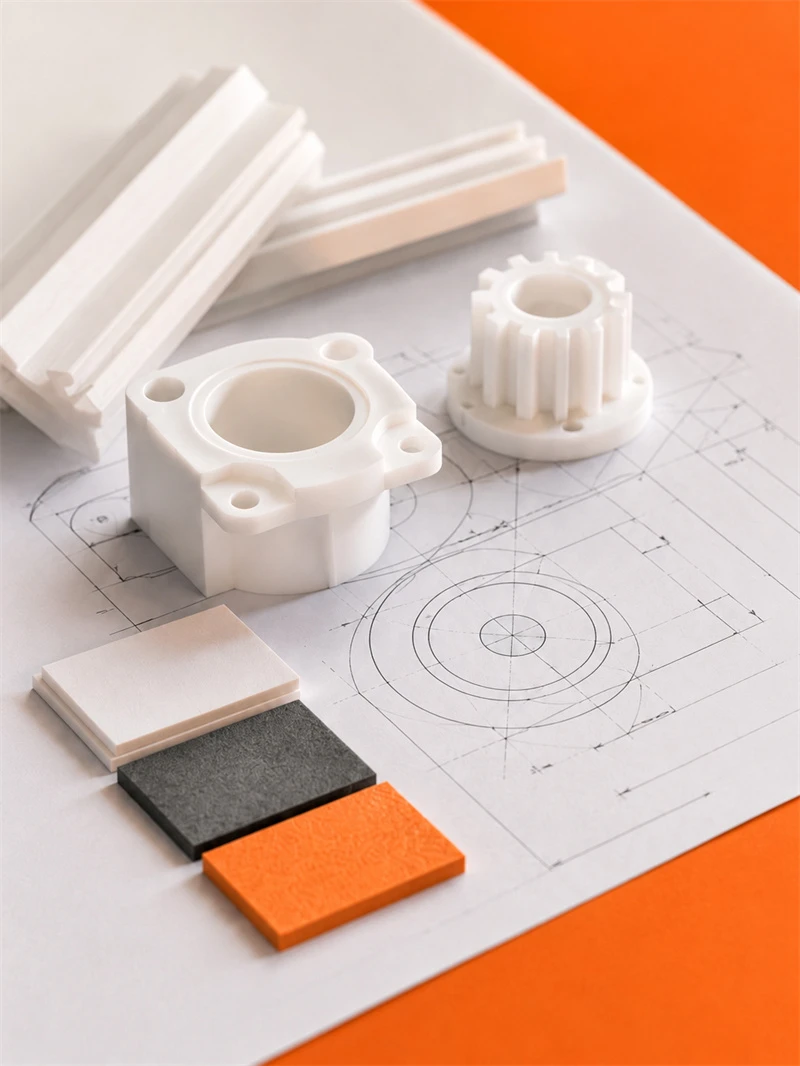
Engineering plastic parts suit friction, guide, support, buffer, anti-corrosion and insulation areas. We supply UHMWPE, POM, PA, PP/PE components for conveyor, food, mining, machinery, chemical and cable systems, with custom OEM service available.
Stay updated with our latest industry insights, company updates and featured articles.
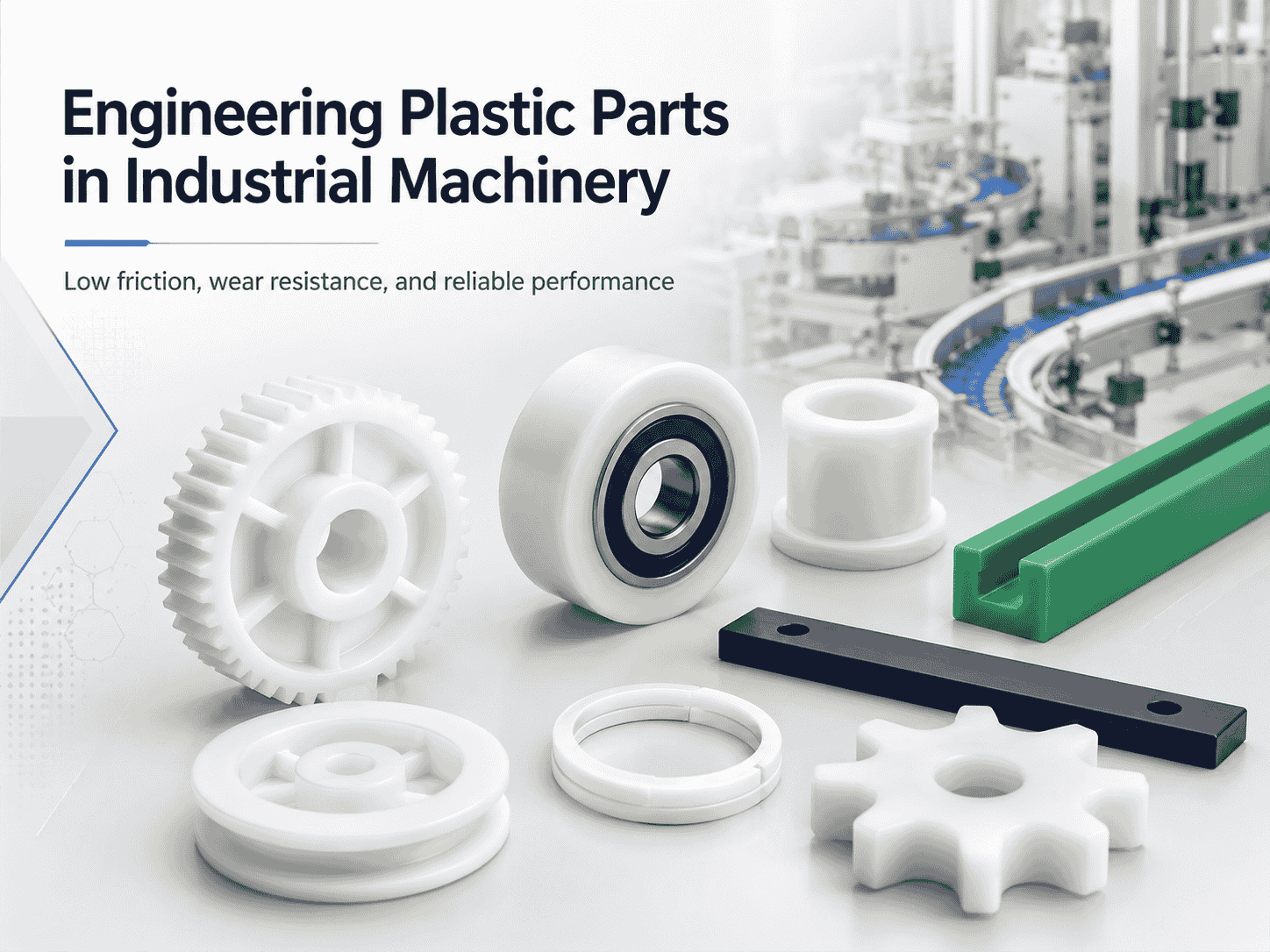
Engineering plastics are increasingly used in industrial machinery, automated production lines, conveyor systems, packaging equipment, and food-processing machines. Materials such as nylon, UHMWPE, POM, and
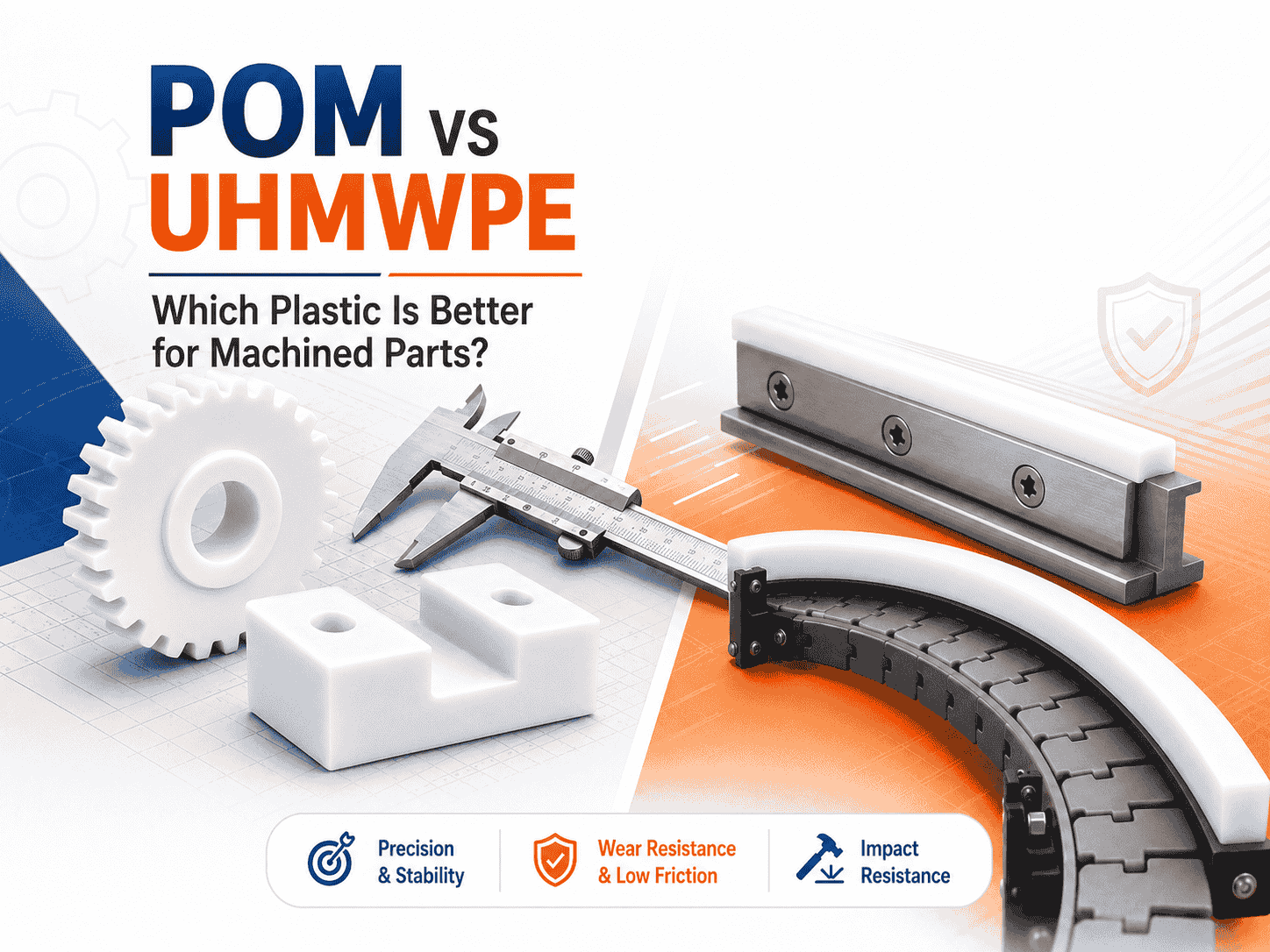
Both are lightweight, corrosion-resistant, wear-resistant, and suitable for CNC machining. However, they perform very differently
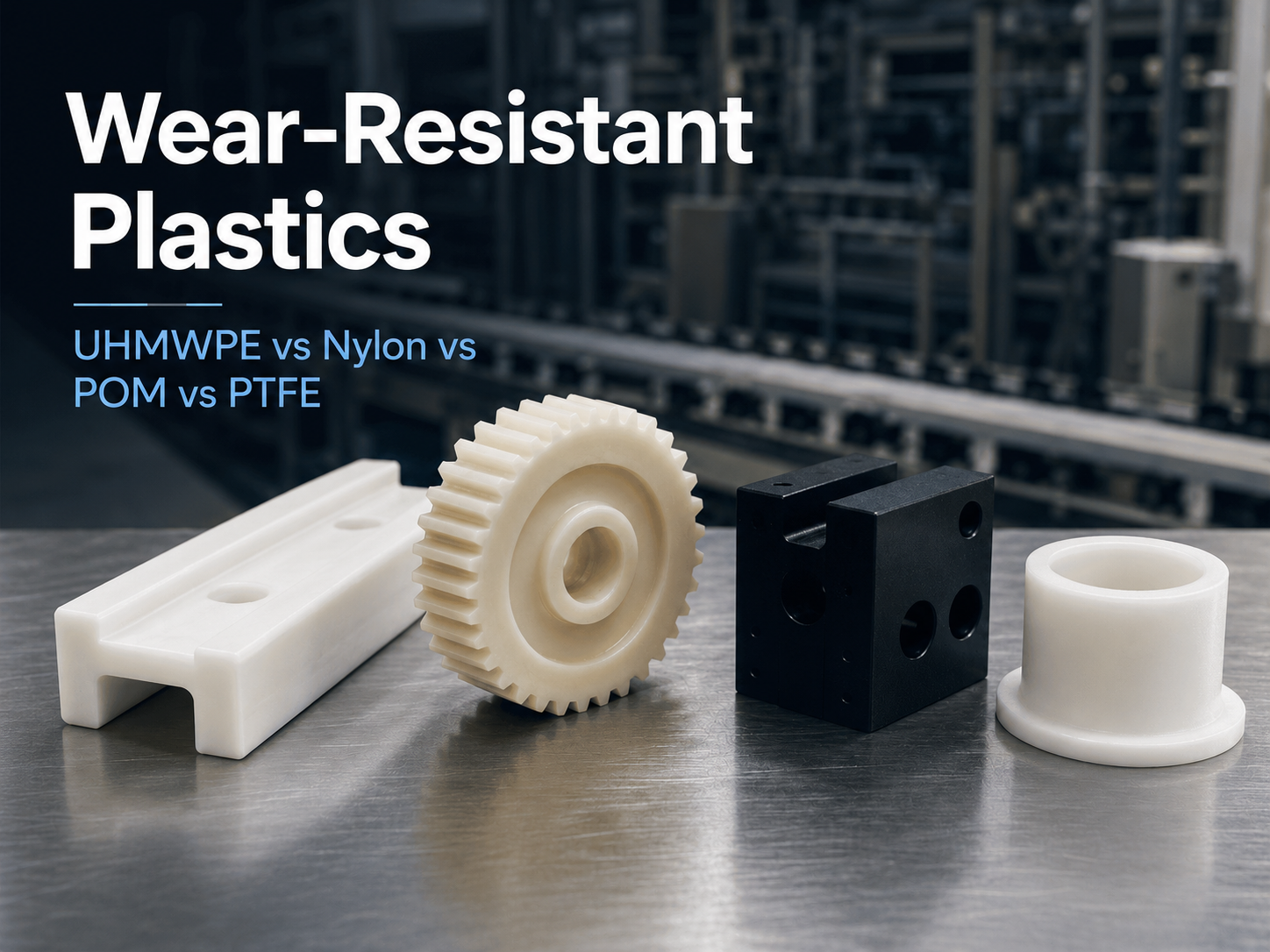
Wear is a common cause of failure in conveyor systems, packaging machinery, automated equipment, mining
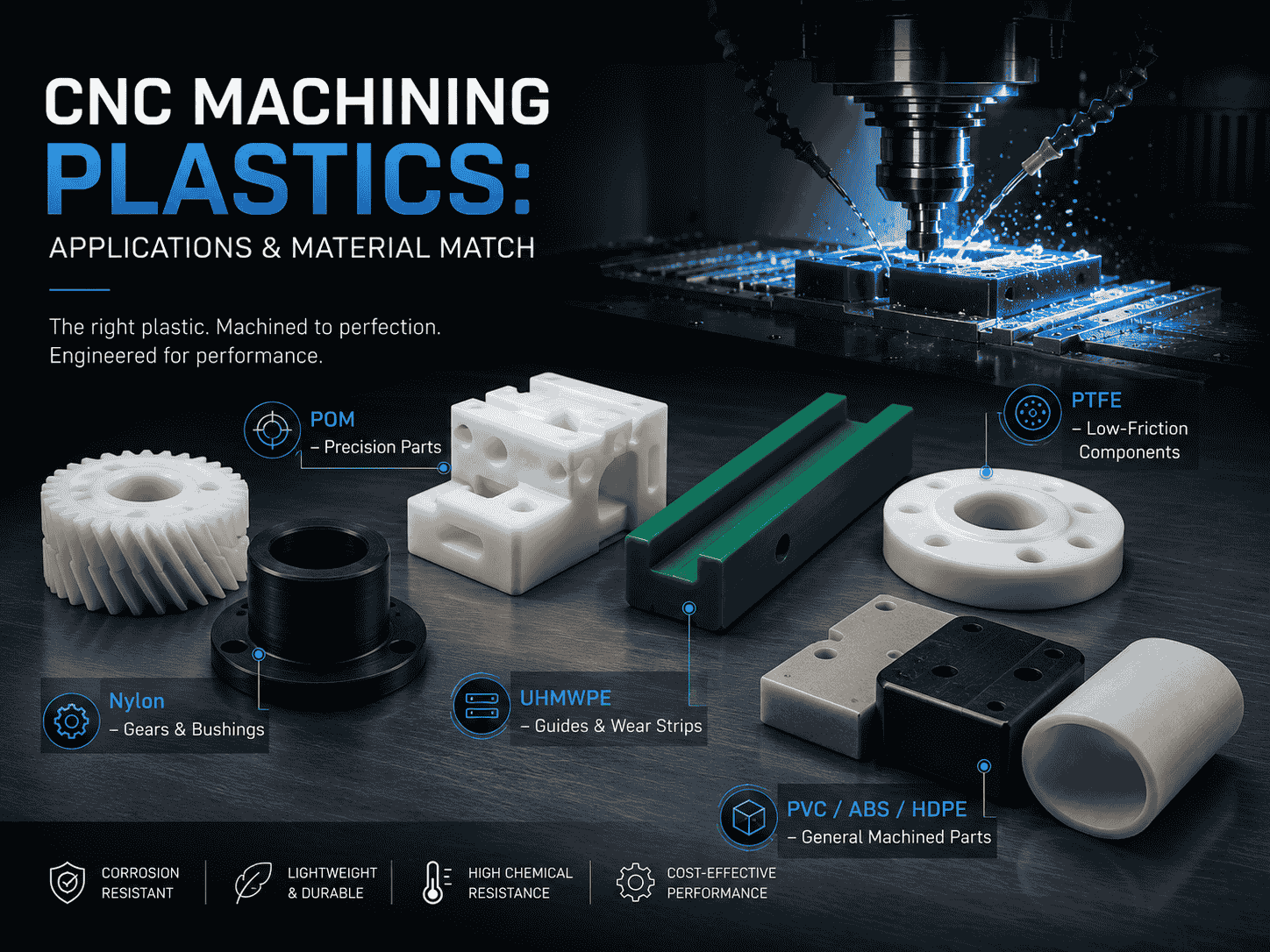
CNC machining is widely used to produce plastic prototypes, low-volume parts, replacement components, jigs, fixtures,
Both are lightweight, corrosion-resistant, wear-resistant, and suitable for CNC machining. However, they perform very differently
Wear is a common cause of failure in conveyor systems, packaging machinery, automated equipment, mining
CNC machining is widely used to produce plastic prototypes, low-volume parts, replacement components, jigs, fixtures,

Need UHMWPE sheets & custom plastic machined/OEM parts?Send specs & material needs, free quote within 24h.