CNC Machined Nylon Shoulder Washer for Reliable Positioning
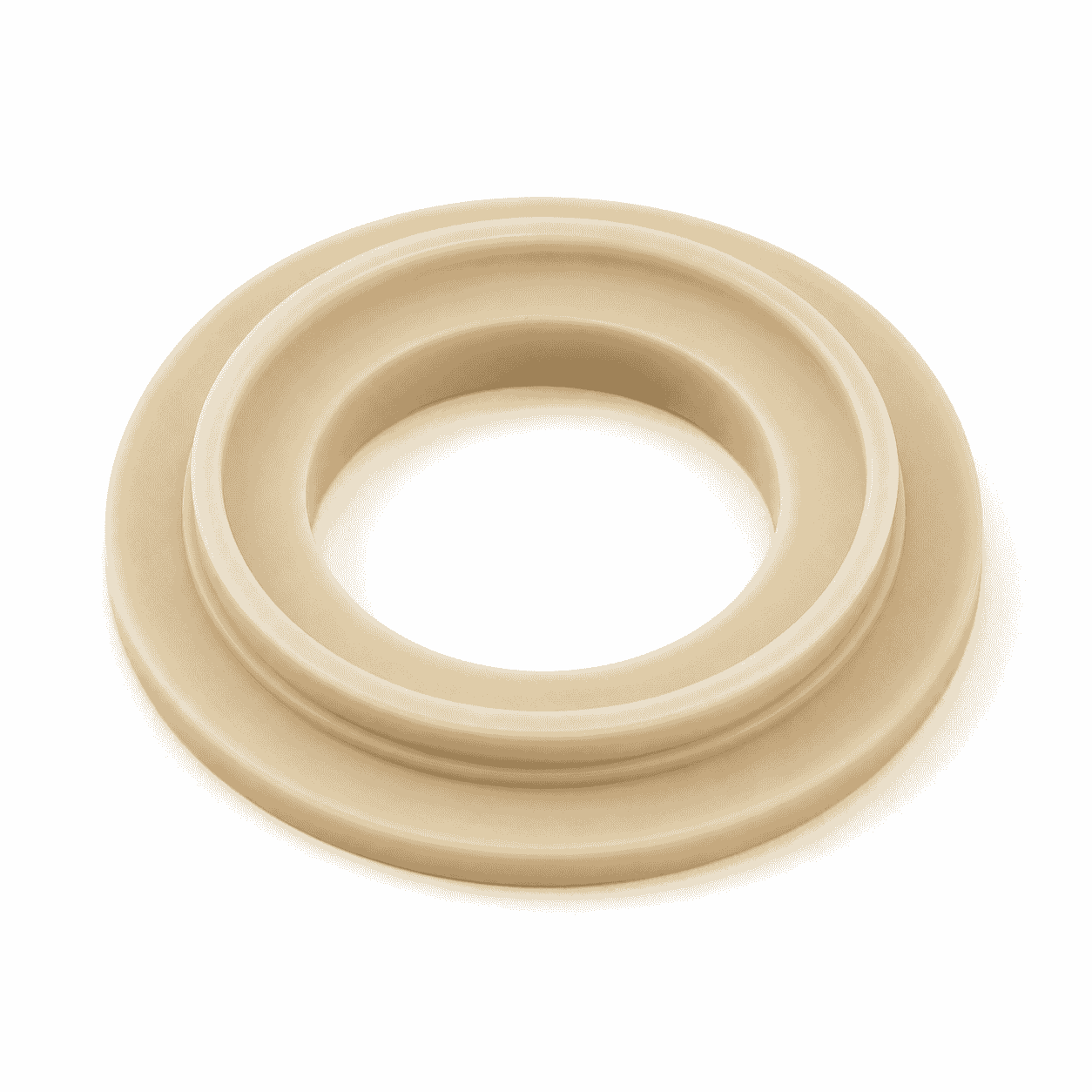
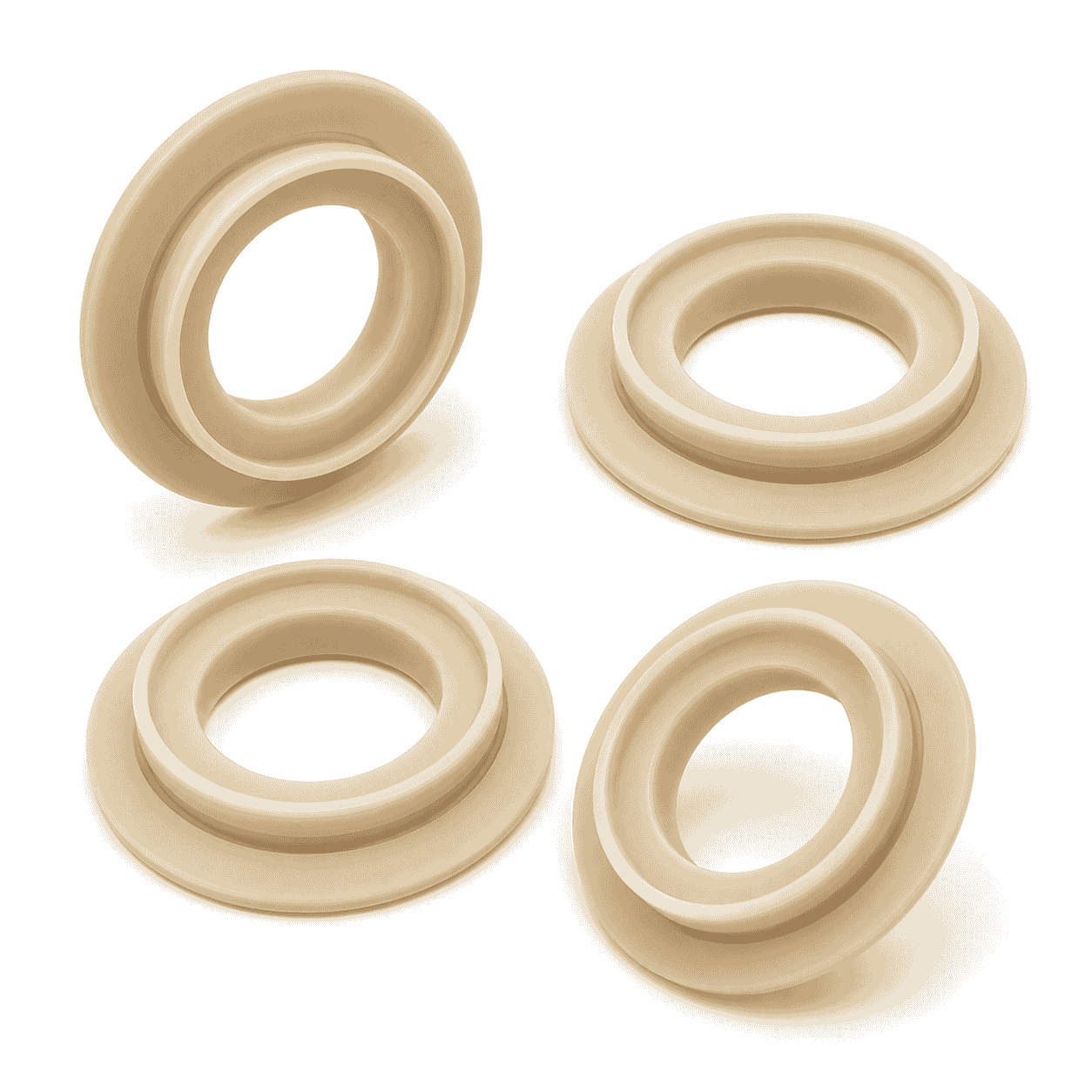
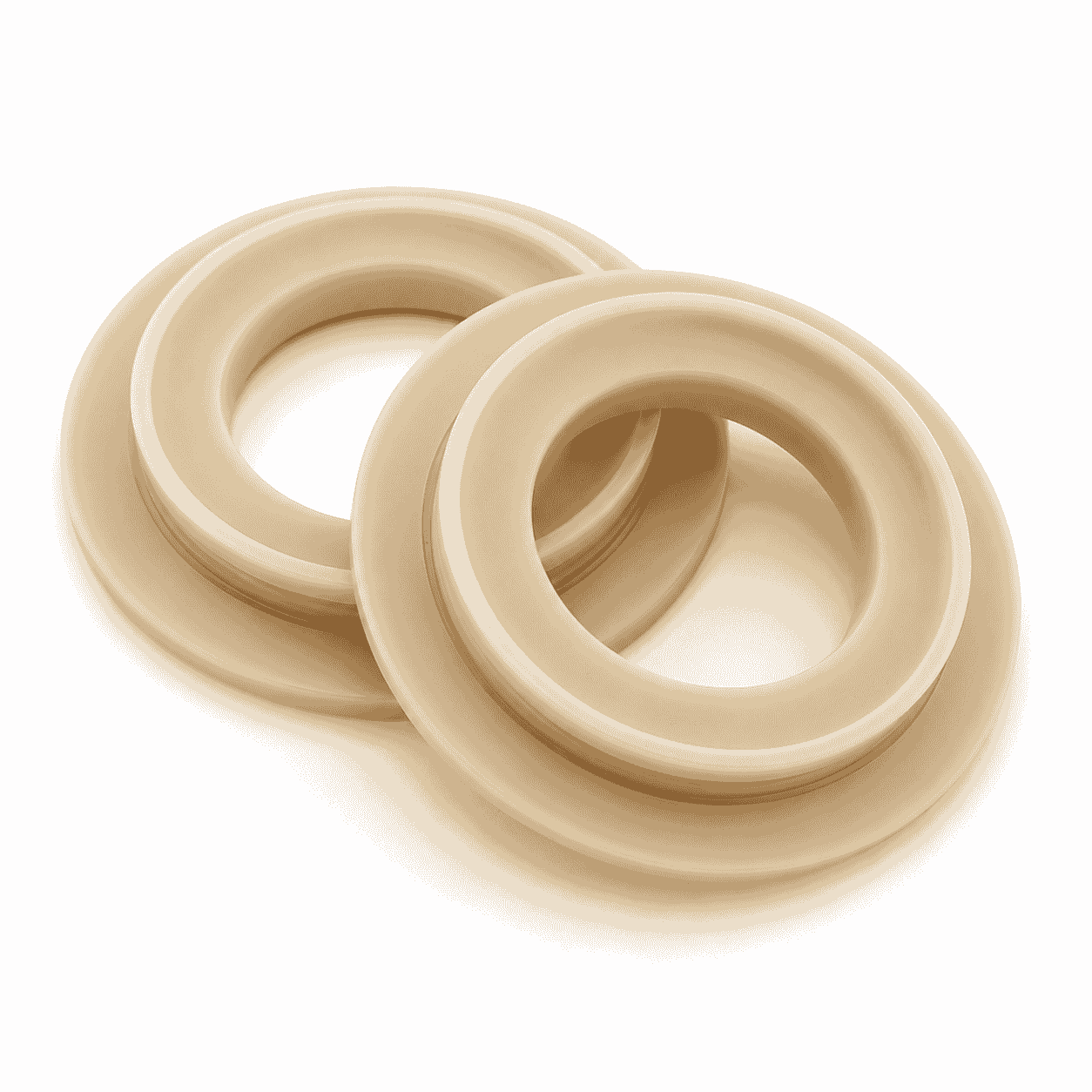
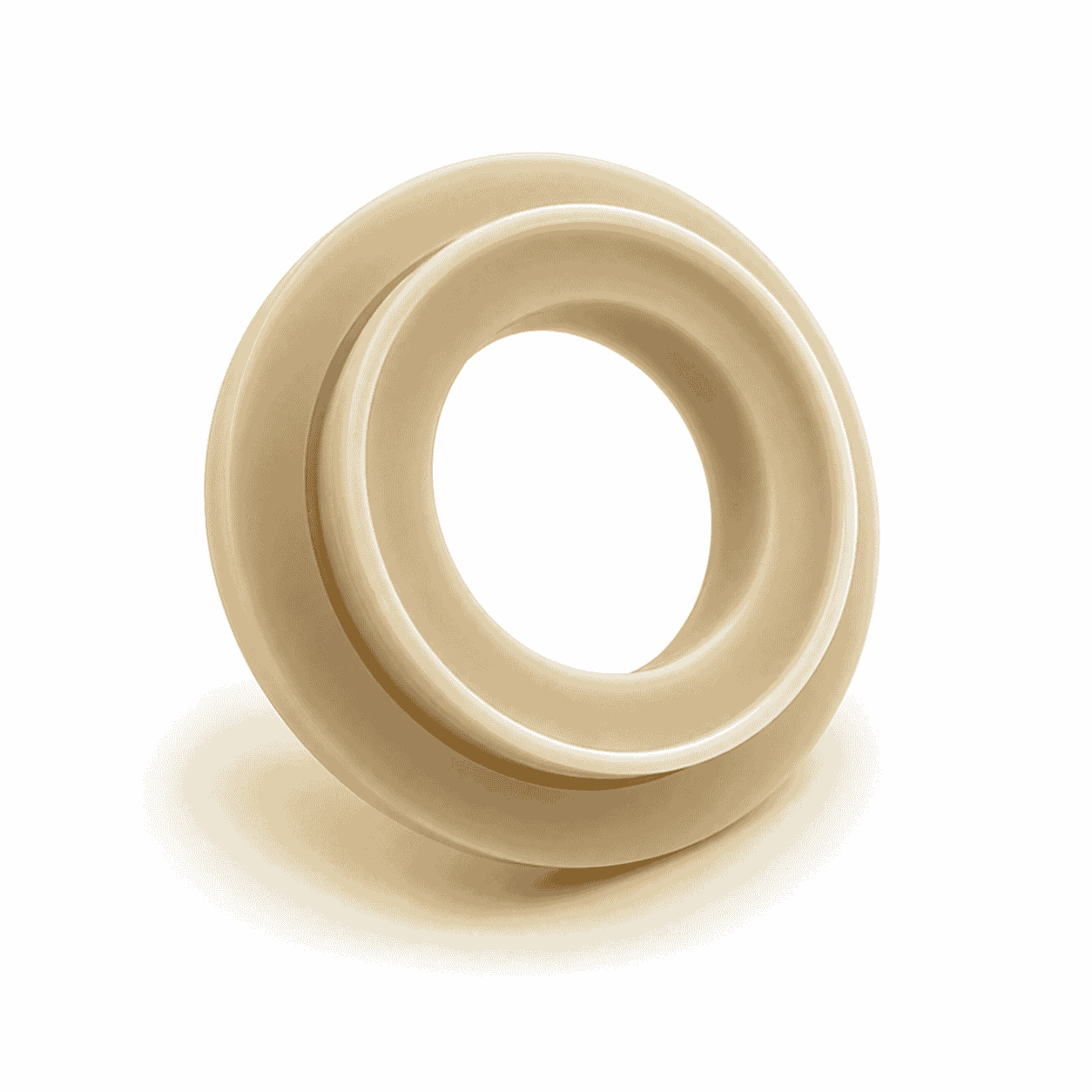
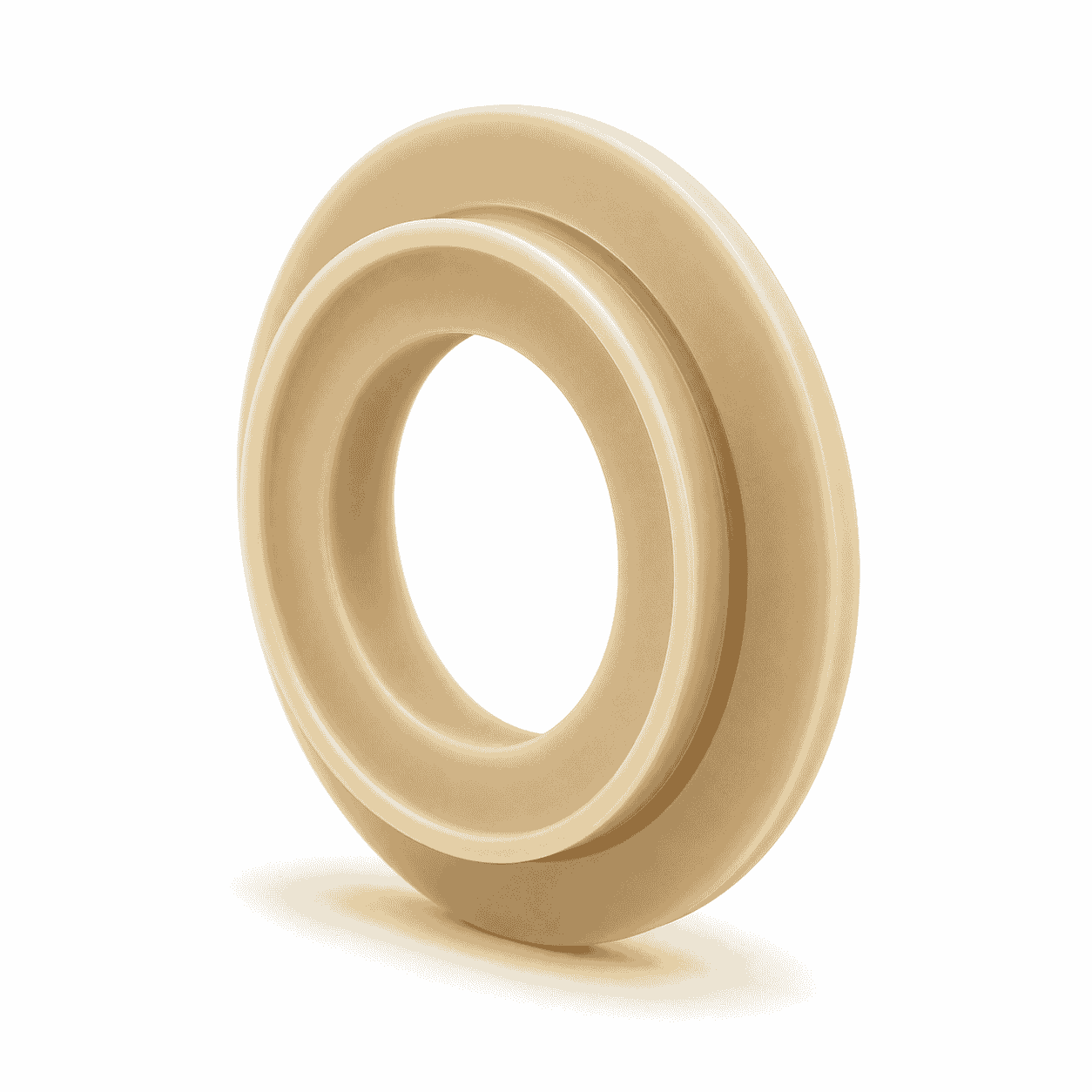
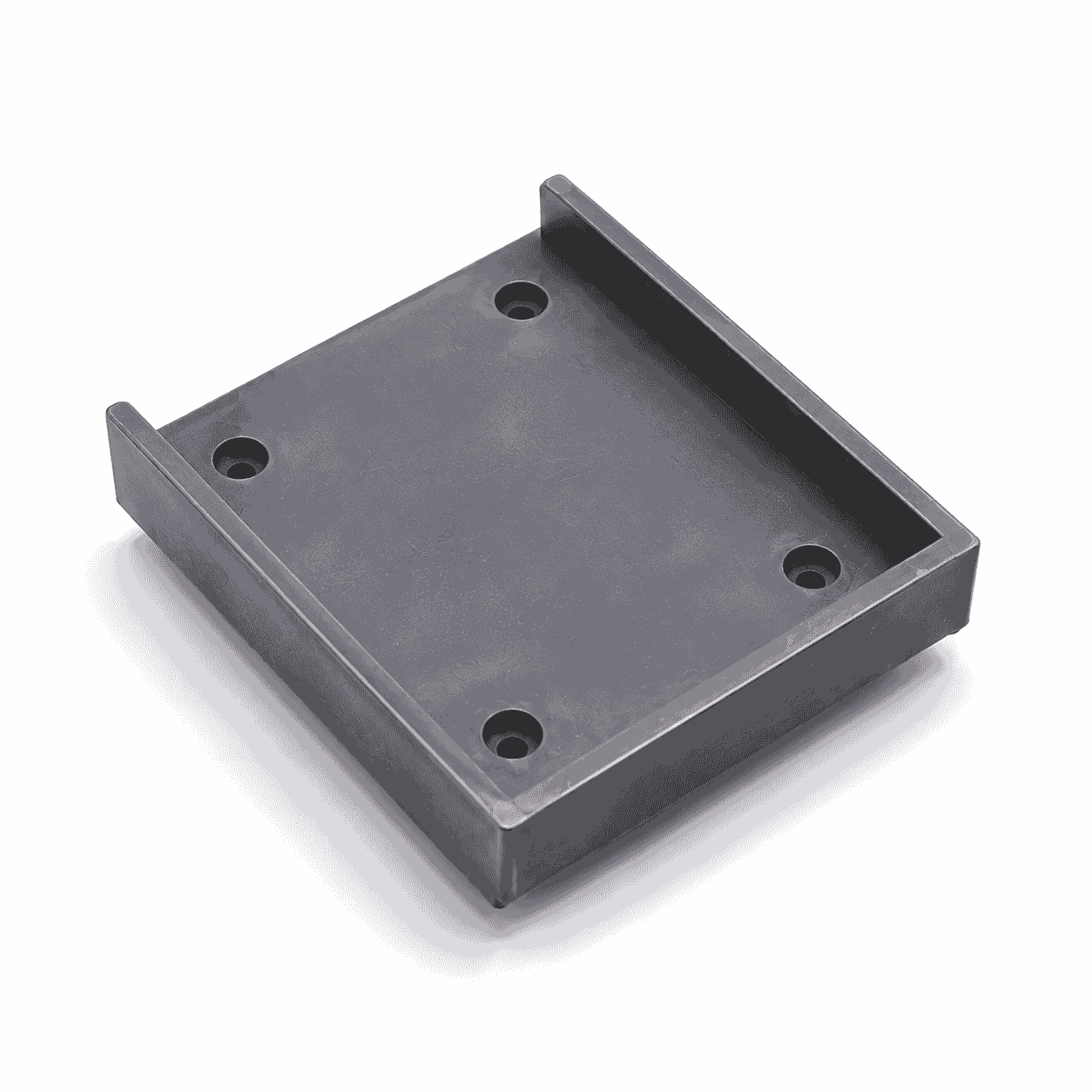
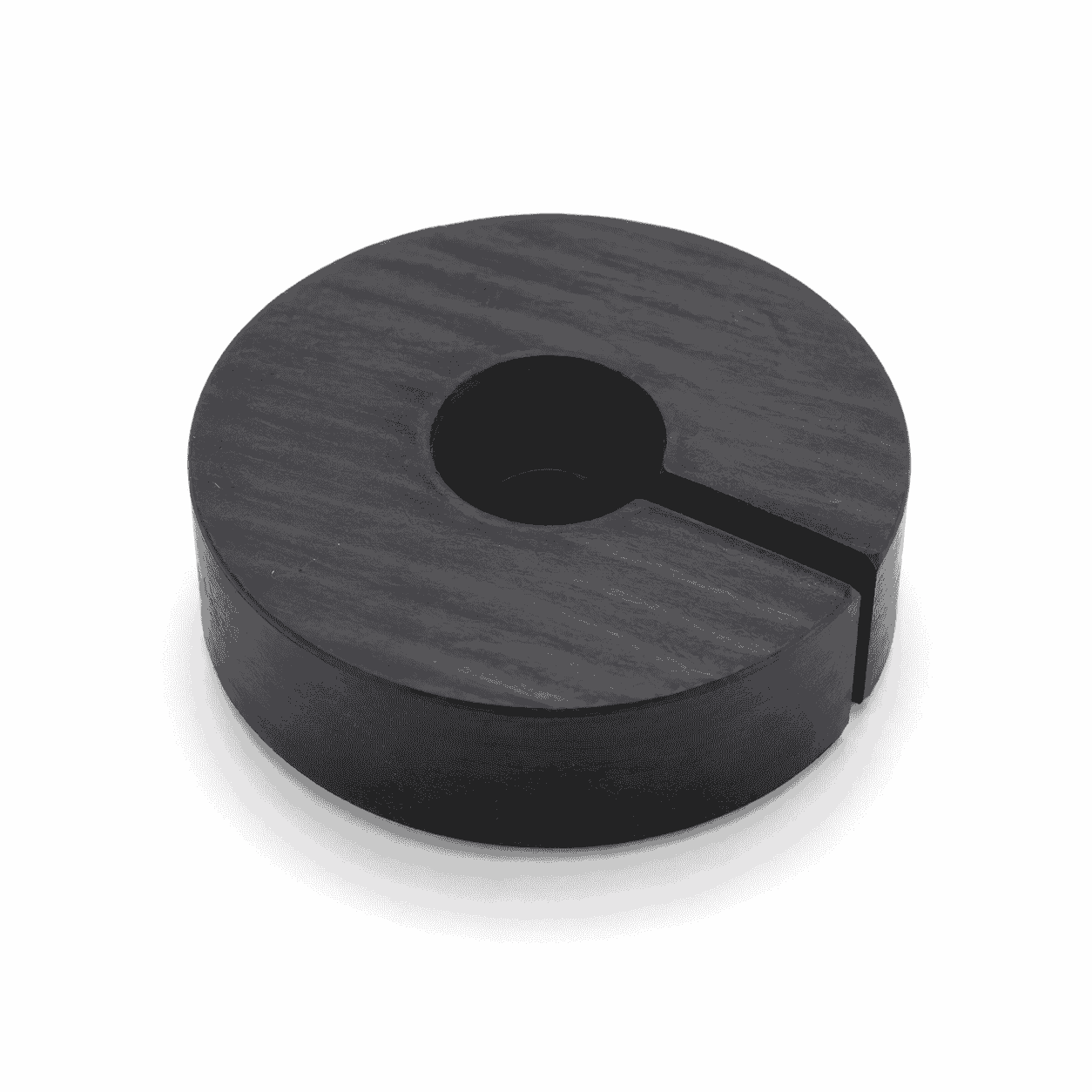
The CNC Machined Nylon Shoulder Washer is a precision engineering plastic component used for positioning, spacing, electrical insulation, load distribution and surface protection in mechanical assemblies. The products shown in the image feature natural-colored annular bodies, large center openings, recessed contact surfaces and integral raised shoulders around the inner bores.
Unlike a conventional thin flat washer, the shoulder-type structure provides both axial separation and radial positioning. The raised cylindrical section can extend into a mounting hole, helping to center a bolt, shaft, pin or metal sleeve while separating it from the surrounding housing.
Depending on the equipment design, the component may function as an insulating washer, spacer washer, thrust washer, locating washer, wear washer or protective mounting interface. Its final function depends on the installation position, contact surfaces, load direction and whether relative movement occurs during operation.
The image is provided as an appearance and structural reference. It does not confirm one universal size, nylon grade, fitting tolerance or load rating. Final specifications should follow the approved drawing, physical sample or verified equipment dimensions.
How the CNC Machined Nylon Shoulder Washer Works
A conventional washer is normally installed between a fastener and a mounting surface to distribute pressure, provide spacing or protect the corresponding component. A shoulder washer performs these functions while also providing an integral sleeve section around the bolt, shaft or pin.
The raised shoulder enters the corresponding installation hole and creates separation between the central metal component and the surrounding housing. This structure can provide both axial and radial insulation in one machined part.
When used as a positioning component, the shoulder helps keep the washer centered and reduces unwanted lateral movement. When used as a spacer, the overall thickness controls the distance between two assembled components. When used as a wear washer, the nylon surface provides a replaceable contact interface.
General information about washer structures and their use for load distribution, spacing, locking and insulation is available from the Wikipedia explanation of washers.
Material Options for the CNC Machined Nylon Shoulder Washer
This component can be machined from Polyamide PA Nylon Rod, nylon sheet, nylon tube or a suitable molded nylon blank. Material options may include PA6 nylon, cast MC nylon, PA66 nylon, oil-filled nylon, MoS₂-filled nylon and other modified polyamide grades.
Nylon is a family of synthetic polymers characterized by repeating amide linkages. Different grades provide different combinations of toughness, rigidity, mechanical strength, wear resistance and machinability. General material information is available from the Wikipedia explanation of nylon.
PA6 may be considered for general-purpose shoulder washers requiring balanced toughness, wear performance and machinability. Cast MC nylon may be suitable for larger-diameter or thicker components, while PA66 may be considered where increased rigidity and mechanical strength are required.
Oil-filled or MoS₂-modified nylon may be evaluated for washers exposed to repeated sliding, oscillating movement or reduced external lubrication. The final material should be selected according to load, movement speed, working temperature, humidity, chemical exposure, insulation requirements and expected service life.
The natural or cream color shown in the image does not independently identify the material grade. Similar-looking nylon components may use different base materials, pigments or additives. Where a particular grade is required, it should be confirmed through the drawing, purchase specification or raw-material certificate.
7 Proven Benefits of the CNC Machined Nylon Shoulder Washer
- Electrical insulation: the nylon body can help separate bolts, shafts, pins and housings in suitable electrical or mechanical assemblies.
- Radial positioning: the integral shoulder enters the mounting hole and helps center the corresponding fastener or shaft.
- Load distribution: the annular contact surface spreads assembly pressure over a wider area.
- Surface protection: the plastic contact face helps protect painted, coated, polished or relatively soft mounting surfaces.
- Reduced metal-to-metal contact: the washer creates a replaceable interface between corresponding metal components.
- Corrosion-free body: nylon does not rust like an ordinary carbon steel washer when exposed to moisture.
- Flexible machining: the bore, shoulder, recess, thickness, groove and outer profile can be produced according to drawings.
Shoulder and Stepped Structure
The integral shoulder is the main structural feature of the CNC Machined Nylon Shoulder Washer. It combines a flat or curved annular contact face with a short cylindrical locating section around the center opening.
The shoulder may perform several functions within one assembly:
- Centering a bolt, shaft or pin
- Locating the washer inside a housing bore
- Separating a metal fastener from a conductive mounting plate
- Preventing lateral movement during assembly
- Protecting the edge of a mounting hole
- Controlling the installation depth
- Providing axial and radial insulation
- Creating a replaceable wear surface
The shoulder outside diameter must correspond to the mounting-hole diameter and required fitting clearance. Excessive clearance may cause movement, vibration or inaccurate positioning. An excessively tight fit may make installation difficult or deform the nylon component.
The shoulder height should also match the thickness of the corresponding plate or housing. If the shoulder is too long, it may interfere with the mating component. If it is too short, it may not provide sufficient radial separation.
Available Washer Structures
The product can be manufactured in different forms according to the mechanical assembly and installation requirements.
- Flat nylon washer
- Nylon shoulder washer
- Stepped nylon washer
- Flanged nylon washer
- Thick spacer washer
- Thin insulating washer
- Recessed annular washer
- Counterbored nylon washer
- Curved-face nylon washer
- Nylon thrust washer
- Split nylon washer
- Washer with positioning holes or grooves
The pictured product has a relatively thick annular body, rounded outer profile, recessed surface and integral locating shoulder. The finished geometry can be adjusted according to the corresponding shaft, bolt, housing and available installation space.
Typical Applications
The CNC Machined Nylon Shoulder Washer can be used in machinery and equipment requiring electrical insulation, positioning, spacing, load distribution, wear isolation or surface protection.
- Electrical cabinets and switchgear
- Motor and electrical-equipment mounting
- Battery and power-system assemblies
- Conveyor systems
- Packaging and filling machinery
- Automation equipment
- Textile and printing machinery
- Roller, shaft and pin assemblies
- Industrial hinges and pivot mechanisms
- Door and movable-panel systems
- Agricultural and construction machinery
- Chemical-equipment assemblies
- Mechanical maintenance replacement parts
In selected low-speed applications, the component may also be used as a thrust washer between rotating or oscillating parts. In this arrangement, the annular face supports an axial contact load while helping reduce direct metal-to-metal contact.
Application suitability must be determined according to the actual load, speed, contact pressure, temperature and operating environment. A nylon shoulder washer should not automatically be treated as a replacement for every metal washer, bearing washer or sealing component.
Difference Between a Shoulder Washer and a Gasket
A shoulder washer is normally used for positioning, spacing, insulation, load distribution and wear protection. A gasket is primarily designed to create a fluid or gas seal between mating surfaces.
Although both products may have a ring-shaped appearance, their working principles and material requirements are different. A rigid nylon washer should not be described as a pressure-sealing gasket unless its sealing structure and compression performance have been specifically tested.
The product shown in the image is more accurately described as a machined shoulder washer, locating washer, insulating washer or wear washer rather than a soft sealing gasket.
Fit and Clearance Considerations
The center opening should match the corresponding bolt, shaft, sleeve or pin. Depending on the application, the bore may use a clearance fit, locating fit or another specified tolerance.
The shoulder outside diameter controls the fit inside the housing or mounting hole. A small amount of clearance may be required where easy installation and removal are important. A closer fit may be selected where accurate positioning is required.
The overall washer thickness determines the axial spacing between assembled components. Thickness variation may affect alignment, preload, clamping force or operating clearance, especially when several washers are used in one assembly.
Nylon can absorb moisture and may experience dimensional changes in humid or water-contact environments. Temperature changes can also influence the finished dimensions. Appropriate fitting clearance should therefore be considered for precision assemblies.
Long-term compressive load may cause gradual deformation in an engineering plastic washer. The contact area, wall thickness, unsupported length and fastening pressure should be reviewed before selecting the finished dimensions.
CNC Machining Options
Through our CNC Plastic Machining service, the CNC Machined Nylon Shoulder Washer can be produced by turning, boring, drilling, milling, grooving, chamfering and deburring.
Available machining details include:
- Outside diameter
- Inside diameter
- Overall thickness
- Shoulder outside diameter
- Shoulder height
- Straight or stepped center bore
- Recessed annular surfaces
- Internal and external grooves
- Rounded or curved contact faces
- Mounting and positioning holes
- Edge chamfers and rounded transitions
- Specified surface-finish requirements
Products can be manufactured according to technical drawings, physical samples or verified installation dimensions. Prototype quantities and repeat batch production can be arranged after the material, structure, tolerance and quantity requirements are confirmed.
Production and Quality Inspection
For batch production, first-piece inspection should be completed before continuous machining. Important dimensions include outside diameter, inside diameter, overall thickness, shoulder diameter, shoulder height, recess depth and concentricity.
The center bore and contact surfaces should be checked for burrs, sharp edges and excessive machining marks. Suitable chamfers can simplify installation and reduce the risk of scraping the corresponding shaft, bolt or housing.
During batch processing, dimensional sampling helps control variation caused by cutting-tool wear, material temperature and internal material stress. Components with different sizes or drawing numbers should be separated to prevent specification mixing.
Finished products should be cleaned before packaging. Appropriate stacking and protective packaging can reduce contamination, impact and deformation during storage and transportation.
Information Required Before Production
To manufacture the CNC Machined Nylon Shoulder Washer accurately, please provide the outside diameter, inside diameter, overall thickness, shoulder diameter, shoulder height, material grade, dimensional tolerance and required quantity.
Please also provide the bolt or shaft diameter, housing-hole dimensions, installation method, operating load, movement type, working temperature, humidity, insulation requirements and contact medium where available.
The image is provided as an appearance and structural reference only. It does not confirm a universal size, nylon grade, load rating or sealing performance. Final material, dimensions, tolerances and application suitability must follow the approved drawing, physical sample and actual equipment requirements.