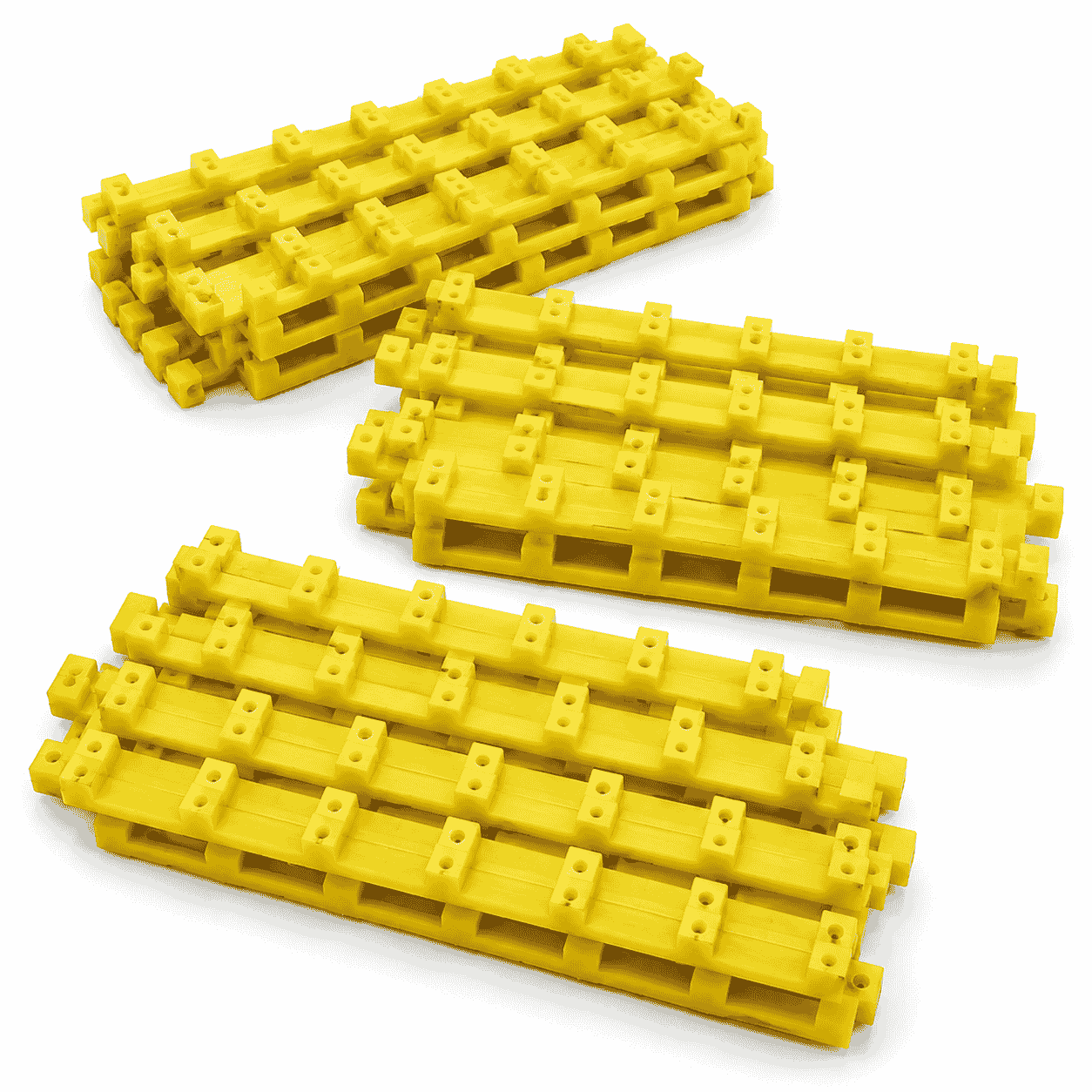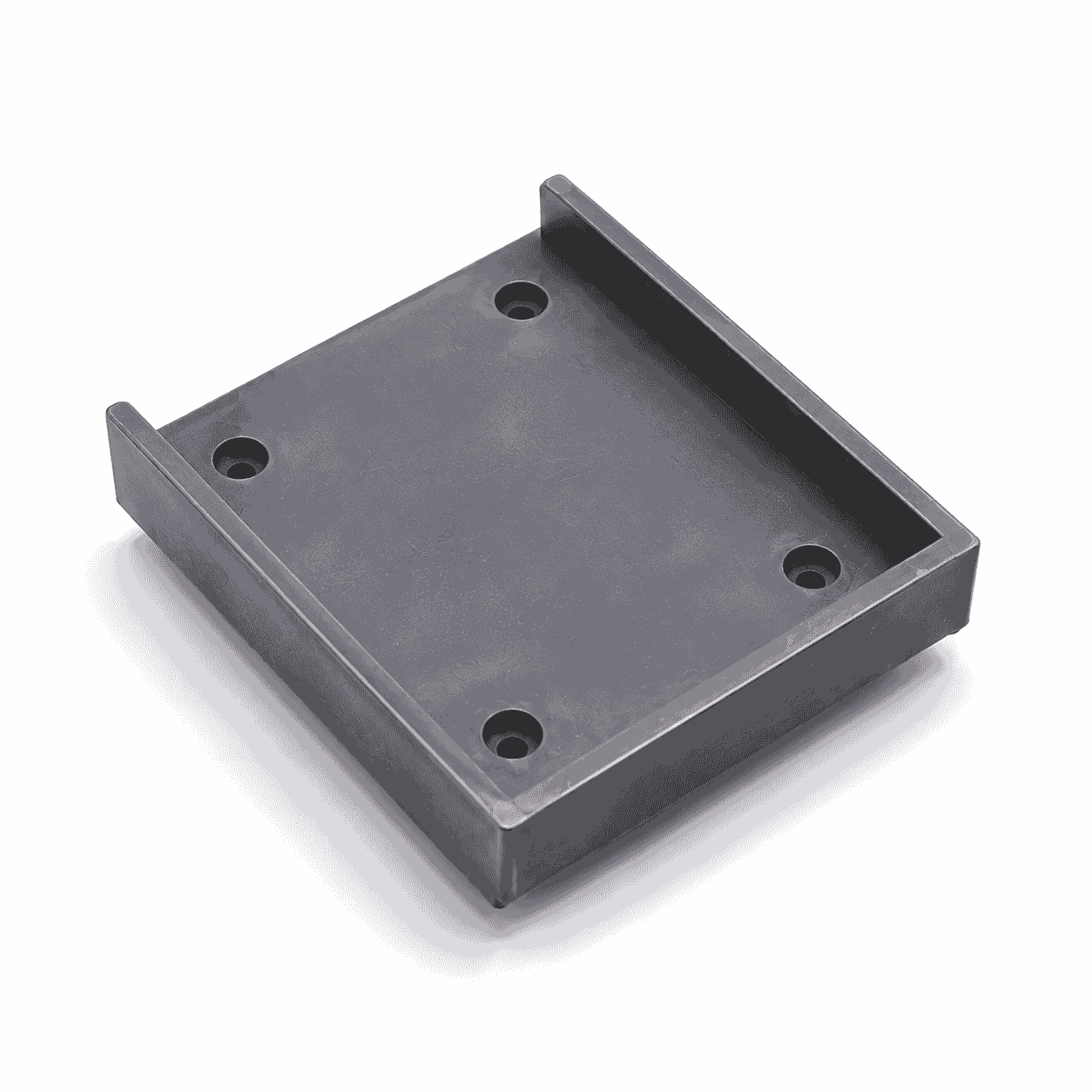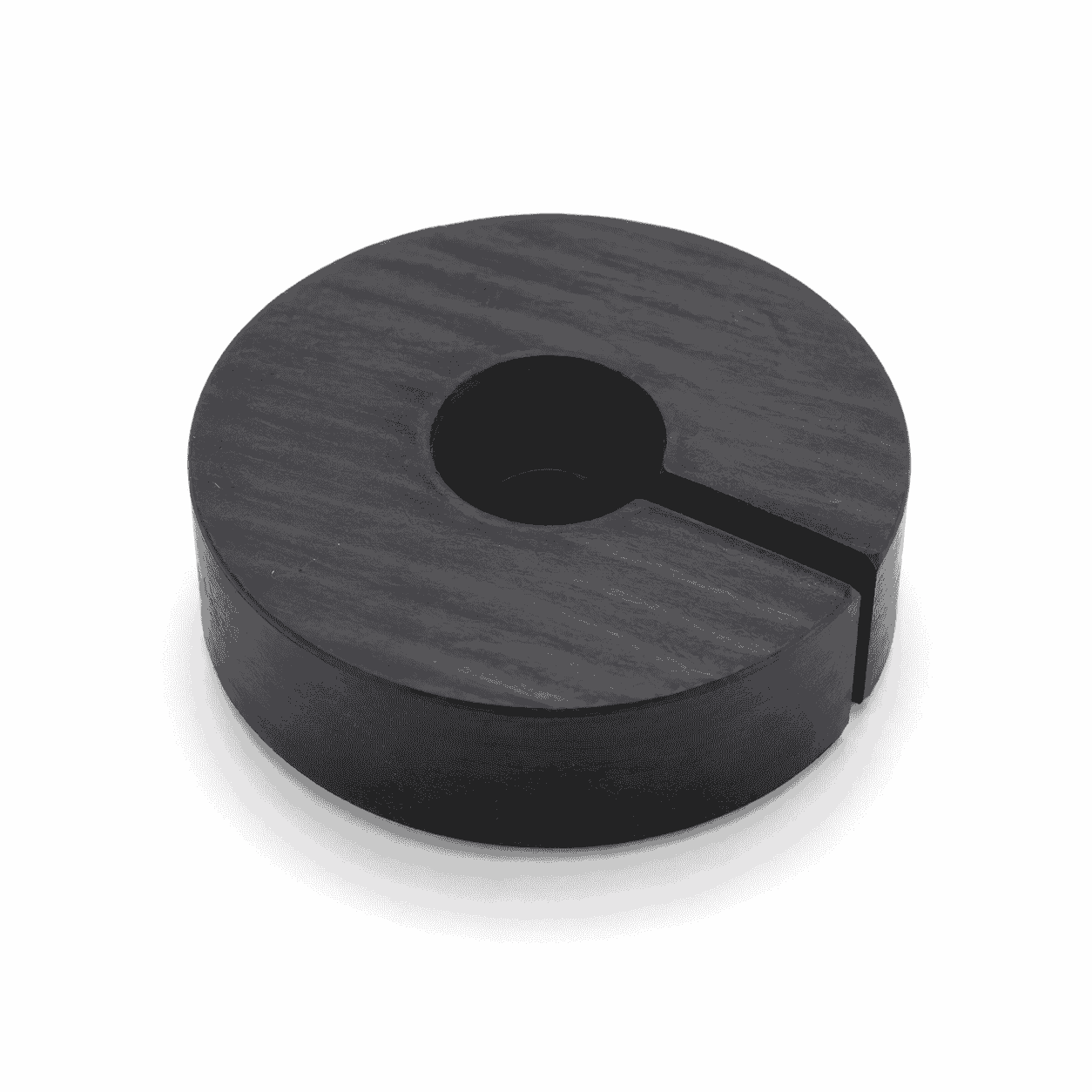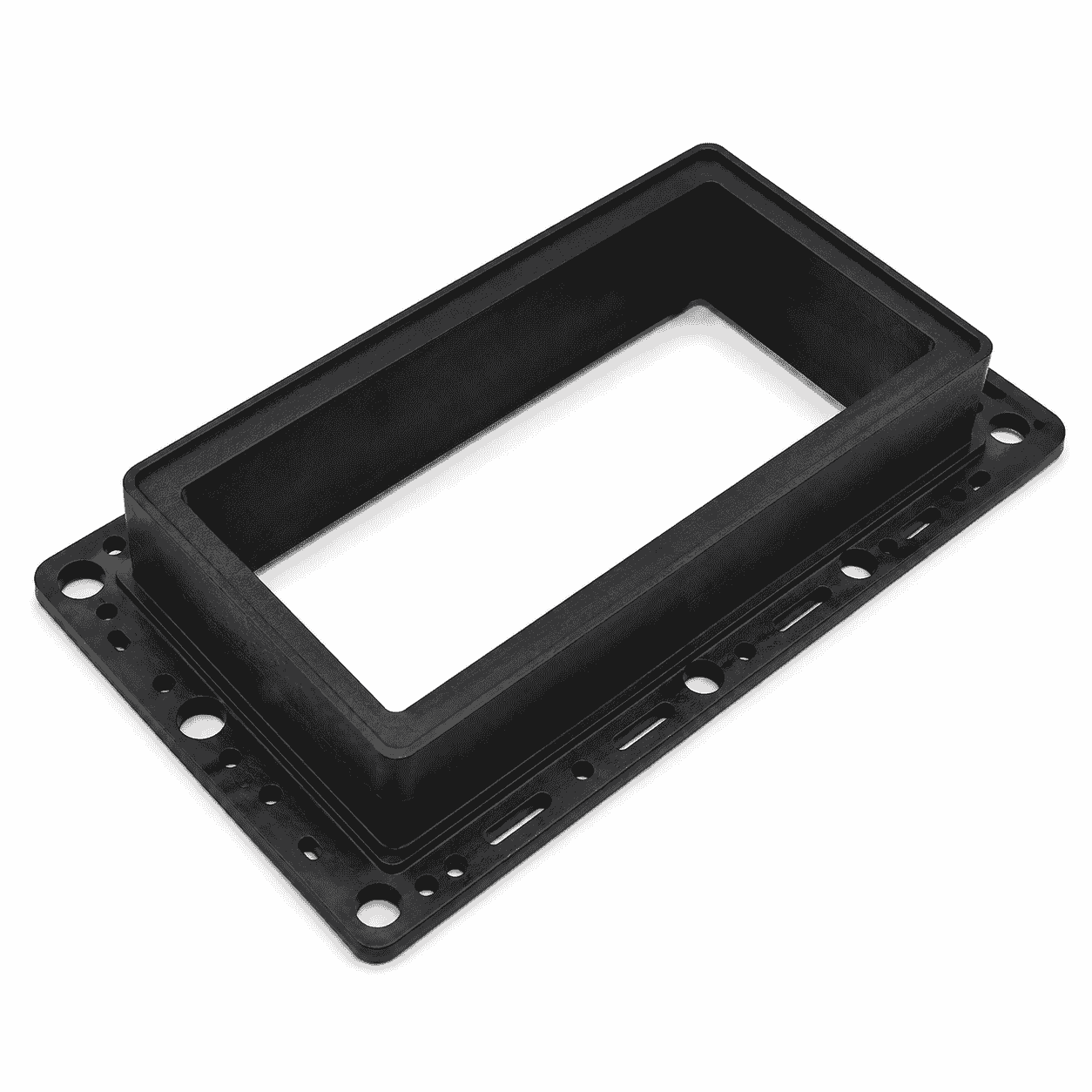


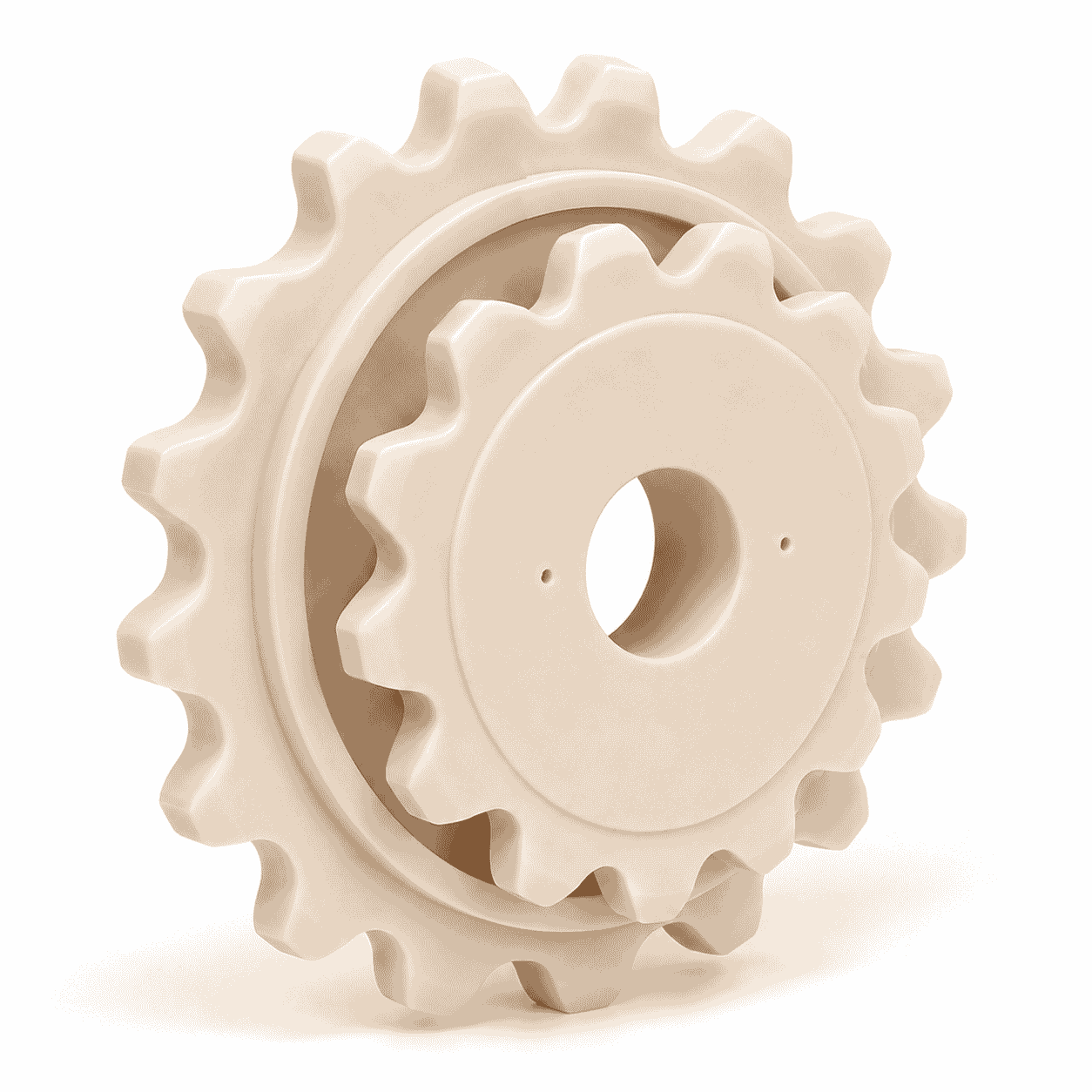
CNC Machined Nylon Drive Sprocket with precision chain teeth and center mounting bore for transmitting rotary motion in conveyor, packaging, automation and material-handling equipment. Available in PA6, MC nylon, PA66 and modified nylon grades, with chain pitch, tooth count, bore, hub, keyway and mounting structure manufactured according to drawings, chain specifications or physical samples.
The CNC Machined Nylon Drive Sprocket is a precision engineering plastic component designed to transmit rotary motion through a compatible roller chain or industrial conveyor chain. The products shown in the image feature natural-colored nylon bodies, accurately machined chain teeth, central mounting bores and several outside diameters and tooth-count configurations.
When the drive sprocket rotates, its teeth engage the chain links and move the chain around the transmission system. Depending on the installation position, the sprocket may operate as a driving sprocket, driven sprocket, idler sprocket, tensioning sprocket or positioning chain wheel.
The pictured batch includes both large and small sprockets, indicating that products can be manufactured according to different transmission ratios, shaft diameters, chain specifications and installation spaces. The image does not confirm a universal chain pitch, tooth profile, nylon grade, rated torque or operating speed.
Final dimensions and material requirements must be based on the approved drawing, physical sample, chain specification or verified equipment installation data.
A sprocket is a profiled wheel with teeth that engage a chain or another perforated transmission element. Unlike two gears, two sprockets do not normally mesh directly with each other. Rotary motion is transferred from one sprocket to another through the connecting chain.
General information about this transmission component is available from the Wikipedia explanation of sprockets.
In a typical chain-drive system, the driving sprocket is connected to a motor, gearbox or powered shaft. The rotating teeth pull the chain, which transfers movement to a driven sprocket or moves attached conveyor components along the required path.
The transmission ratio is influenced by the relationship between the tooth counts of the driving and driven sprockets. Changing the number of teeth can change the output speed and torque relationship, so replacement sprockets should normally retain the original tooth count unless the complete transmission system has been recalculated.
The tooth profile of the CNC Machined Nylon Drive Sprocket must match the corresponding chain. A sprocket should not be selected only by its outside diameter because chains with different pitches and roller dimensions may require completely different tooth geometries.
Important chain and sprocket parameters include:
An incorrectly matched tooth profile may cause poor chain engagement, impact, vibration, climbing, accelerated wear or chain disengagement. The original chain model or complete dimensional drawing should therefore be provided before machining.
Additional information about chains driven by toothed sprockets is available from the Wikipedia explanation of roller chains.
This product can be machined from Polyamide PA Nylon Rod, cast nylon plate, nylon tube or a suitable molded nylon blank. Available options may include PA6 nylon, cast MC nylon, PA66 nylon, oil-filled nylon, MoS₂-filled nylon and other modified polyamide grades.
Nylon is a family of synthetic polymers containing repeating amide linkages. Different grades provide different combinations of toughness, rigidity, mechanical strength, wear resistance and machinability. General material information is available from the Wikipedia explanation of nylon.
PA6 may be considered for general-purpose chain sprockets requiring balanced toughness and machining performance. Cast MC nylon is commonly evaluated for larger-diameter sprockets and thicker structural components. PA66 may be considered where increased rigidity and mechanical strength are required.
Oil-filled nylon or MoS₂-modified nylon may be evaluated for applications involving repeated chain contact, reduced external lubrication or improved sliding performance. Material suitability must still be confirmed according to load, speed, impact, temperature and environmental conditions.
The natural or cream color visible in the image does not independently identify the nylon grade. Similar-looking sprockets can be manufactured from different formulations. The required grade should be confirmed through the drawing, purchase specification or raw-material certificate.
The sprocket can be manufactured in several forms according to the chain, shaft and equipment structure:
A flat plate sprocket may be installed against a hub, flange or machine plate. An integral-hub sprocket provides additional material around the center bore and may offer more space for a keyway, retaining screw or metal insert.
A split sprocket can be installed around an existing shaft without completely dismantling the transmission system. However, the split position and fastening structure must be designed to maintain tooth alignment and rotational balance.
The central mounting bore connects the sprocket to the drive shaft, driven shaft, bearing or support assembly. The image shows large straight center openings and several smaller auxiliary holes, but the exact function of these features must follow the original drawing.
Available installation structures include:
A plain round bore may be suitable for an idler sprocket or a structure secured by a pin or external flange. A keyway, polygonal bore or metal hub may be required when the component transmits greater torque.
The shaft fit should prevent impact and unwanted rotation without introducing excessive stress into the nylon body. Forcing an undersized bore onto a shaft may crack or deform the hub, while excessive clearance may produce vibration and inaccurate chain engagement.
The CNC Machined Nylon Drive Sprocket can be used in industrial machinery requiring lightweight, corrosion-resistant or relatively low-noise chain transmission.
More examples of engineering plastic components for conveying equipment are available on our Conveyor Systems application page.
A conveyor system moves materials from one location to another and may use chains, sprockets, rollers and guide components according to the required handling process.
Natural-colored nylon sprockets are sometimes used in packaging, food-processing or clean-production equipment, but color alone does not confirm food-contact compliance.
Where the sprocket directly or indirectly contacts food, medicine or drinking-water materials, the nylon grade, pigments, additives and supporting compliance documents must be confirmed before production.
The equipment design should also consider cleaning chemicals, washdown temperature, moisture absorption and the possibility of product residue collecting around the hub or mounting structure.
A nylon sprocket should not automatically be described as permanently lubrication-free. Lubrication requirements depend on the nylon formulation, chain type, speed, load, temperature and surrounding contamination.
Where lubrication is used, it should be compatible with both the nylon and the chain. Excessive contamination, abrasive particles or dry operating conditions may accelerate wear of the tooth flanks and chain joints.
Chain tension must also be controlled. Excessive tension increases tooth and bearing loads, while insufficient tension may cause vibration, chain jumping or poor engagement.
Nylon can absorb moisture and may experience dimensional changes in humid or water-contact environments. This characteristic should be considered when specifying precision bores, metal inserts, tooth width and chain-clearance dimensions.
Operating temperature can also influence stiffness, strength and dimensional stability. A nylon sprocket intended for elevated-temperature machinery should be reviewed using the material supplier’s technical data rather than assigned a universal temperature rating.
Where very low moisture absorption or greater dimensional stability is required, another engineering plastic or a modified nylon formulation may need to be evaluated.
Through our CNC Plastic Machining service, the CNC Machined Nylon Drive Sprocket can be produced by turning, milling, boring, drilling, tooth-profile machining, keyway machining, contour machining, chamfering and deburring.
Available machining details include:
Production can be based on two-dimensional drawings, three-dimensional models, physical samples or a confirmed chain specification. Where the original tooth profile is complex, providing the chain sample together with the original sprocket can reduce the risk of incorrect engagement.
For batch manufacturing, first-piece inspection should be completed before continuous processing. Important inspection items include:
The teeth should be inspected for burrs, sharp edges, incomplete machining, cracks and irregular spacing. Burrs around the tooth flanks may interfere with chain engagement and should be removed without altering the required profile.
During batch processing, dimensional sampling helps control variation caused by tool wear, raw-material temperature and internal stress. Sprockets with different tooth counts, chain pitches or bore specifications should be clearly identified and packaged separately.
The chain and sprocket should be inspected periodically for tooth wear, chain elongation, cracks, deformation, loose shaft connections, abnormal noise and misalignment.
When the tooth profile becomes visibly hooked, uneven or excessively thin, replacing only the chain or only the sprocket may result in poor engagement. The condition of the complete chain-drive system should be evaluated together.
Shaft alignment and sprocket parallelism are important. Misalignment may cause one side of the chain to carry more load, resulting in uneven tooth wear and additional side pressure.
A nylon sprocket should not automatically be used as a direct replacement for every steel sprocket. High-torque, high-speed, high-temperature, shock-loaded or safety-critical systems require a complete engineering review.
The finished product should not be assigned a torque capacity or service life solely from the outside diameter or tooth count. Performance depends on the material grade, chain specification, hub design, shaft connection, operating speed, temperature and duty cycle.
If the original equipment uses a metal sprocket, changing to nylon may alter stiffness, thermal expansion, wear behaviour and allowable torque. The material substitution should be confirmed before production.
To manufacture the CNC Machined Nylon Drive Sprocket accurately, please provide the chain model, chain pitch, roller diameter, tooth count, sprocket thickness, center bore, hub dimensions, shaft connection, nylon grade and required quantity.
Please also provide the equipment model, installation position, driving or driven function, operating speed, expected torque, working temperature, humidity, lubrication method and required material certification where available.
The image is provided as an appearance and batch-production reference only. It does not confirm a universal chain specification, tooth profile, nylon grade, torque capacity or equipment compatibility. Final specifications must follow the approved drawing, chain data, physical sample and actual operating requirements.
Check drawings for full specifications and confirm materials according to service conditions to prevent product defects.
Inspect all key processing steps and fully verify dimensions, holes, grooves and fitting surfaces.
Deburr, chamfer and clean products for easy installation. Ensure uniform quality among batch products.
Choose appropriate packaging solutions based on product features to protect goods from collision, deformation and mixing during transit.
Unlike metal parts, engineering plastic components still require strict control over dimensions, holes, edges, surface, materials and assembly performance for equipment use.
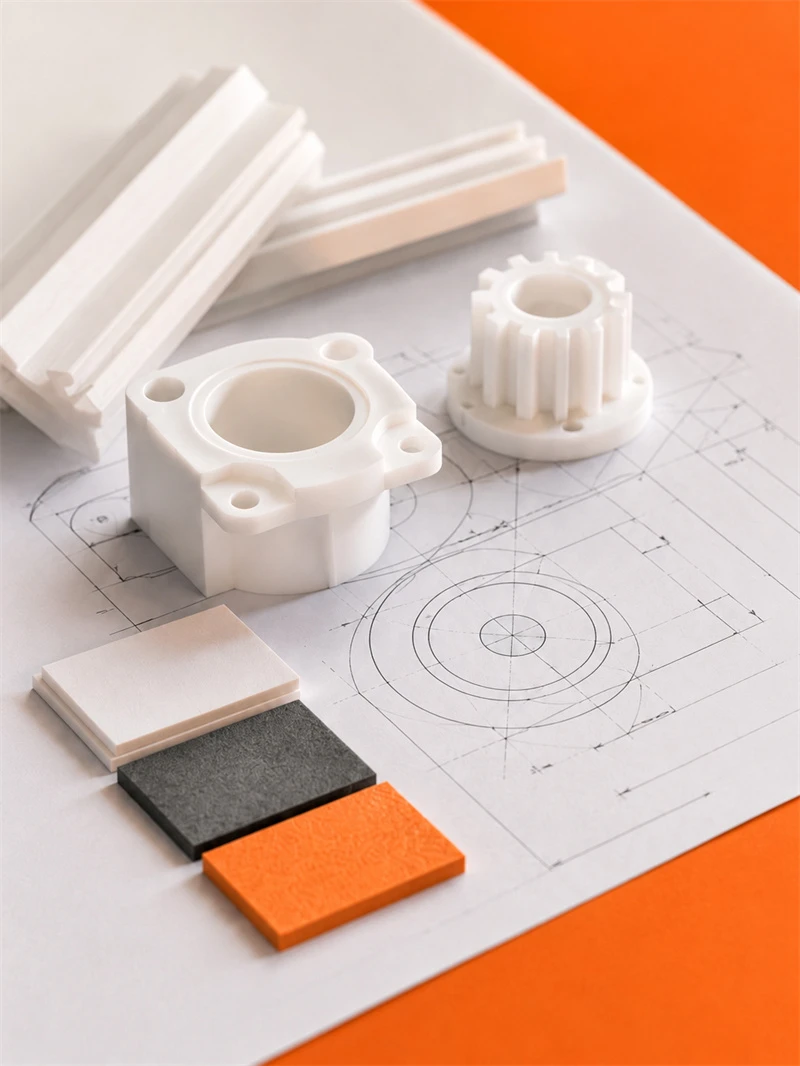
Engineering plastic parts suit friction, guide, support, buffer, anti-corrosion and insulation areas. We supply UHMWPE, POM, PA, PP/PE components for conveyor, food, mining, machinery, chemical and cable systems, with custom OEM service available.
Stay updated with our latest industry insights, company updates and featured articles.
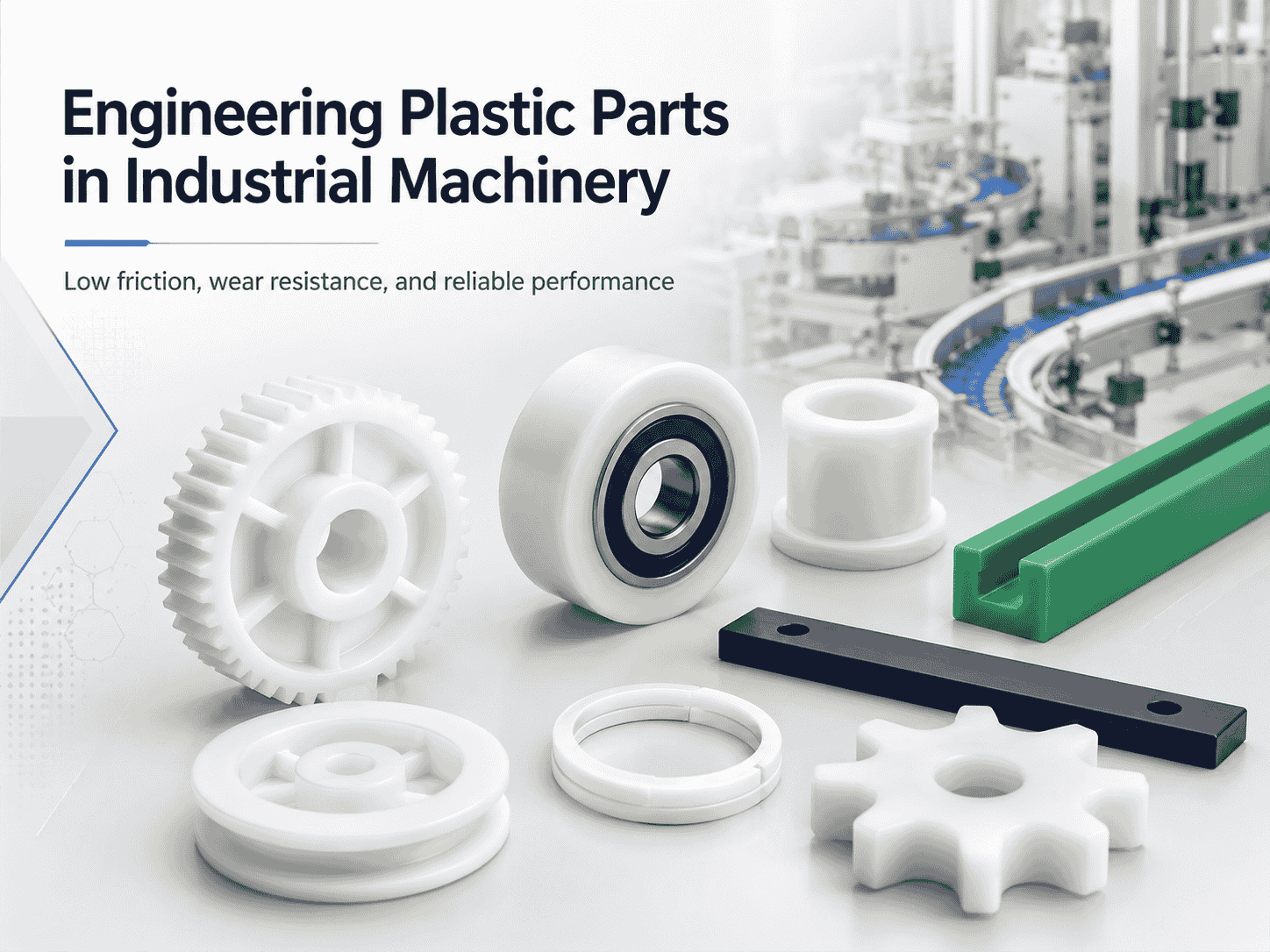
Engineering plastics are increasingly used in industrial machinery, automated production lines, conveyor systems, packaging equipment, and food-processing machines. Materials such as nylon, UHMWPE, POM, and
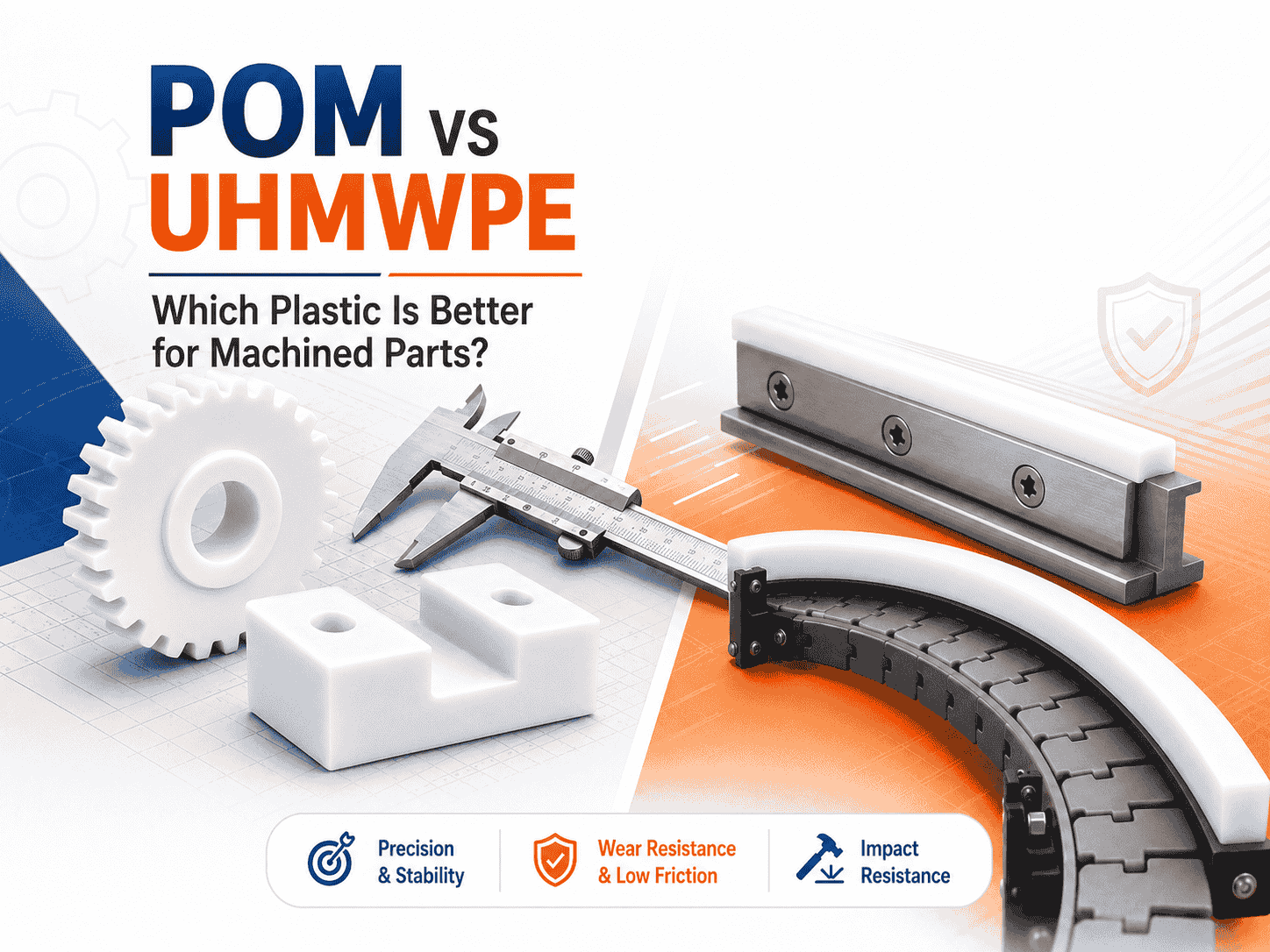
Both are lightweight, corrosion-resistant, wear-resistant, and suitable for CNC machining. However, they perform very differently
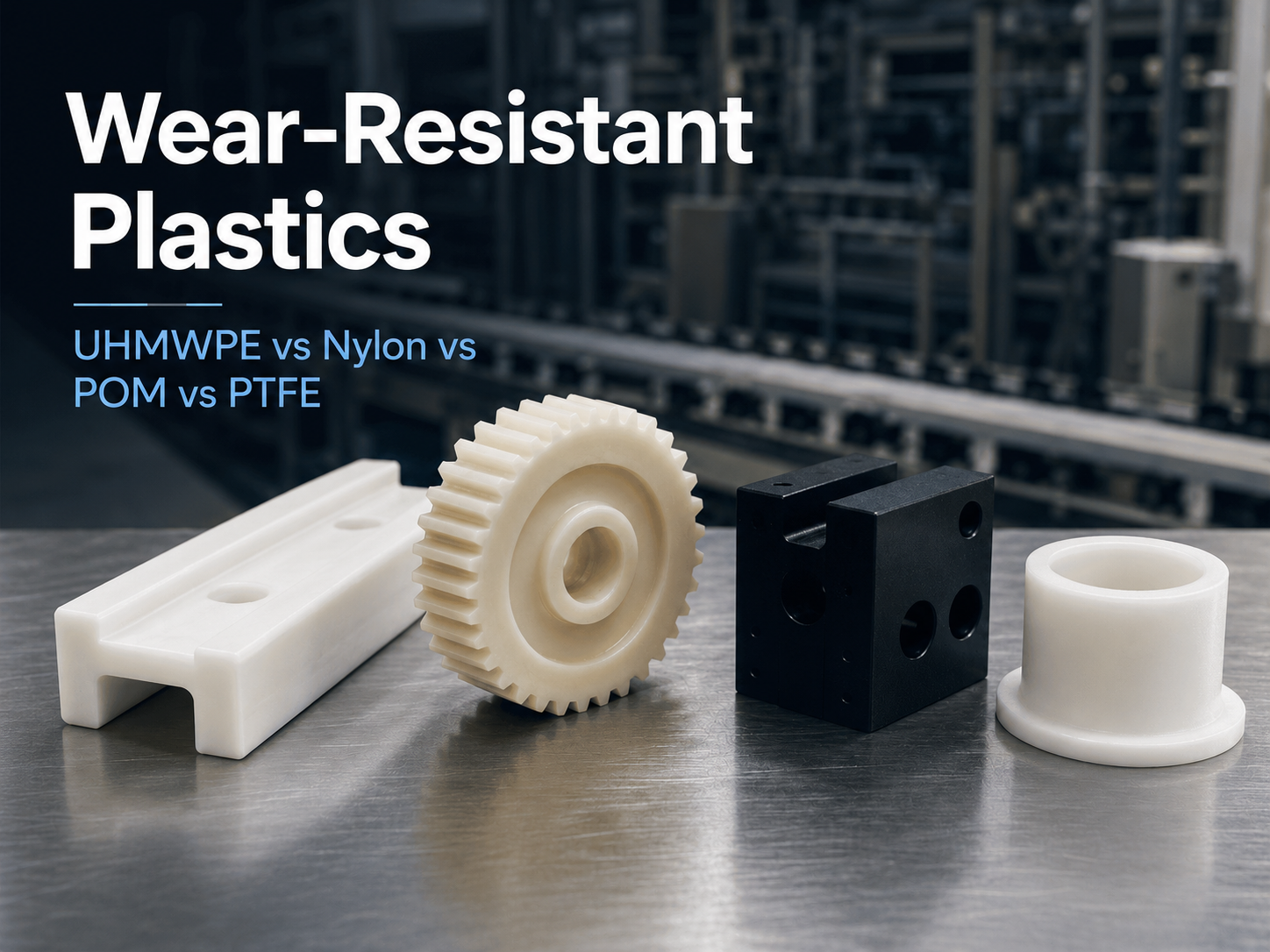
Wear is a common cause of failure in conveyor systems, packaging machinery, automated equipment, mining
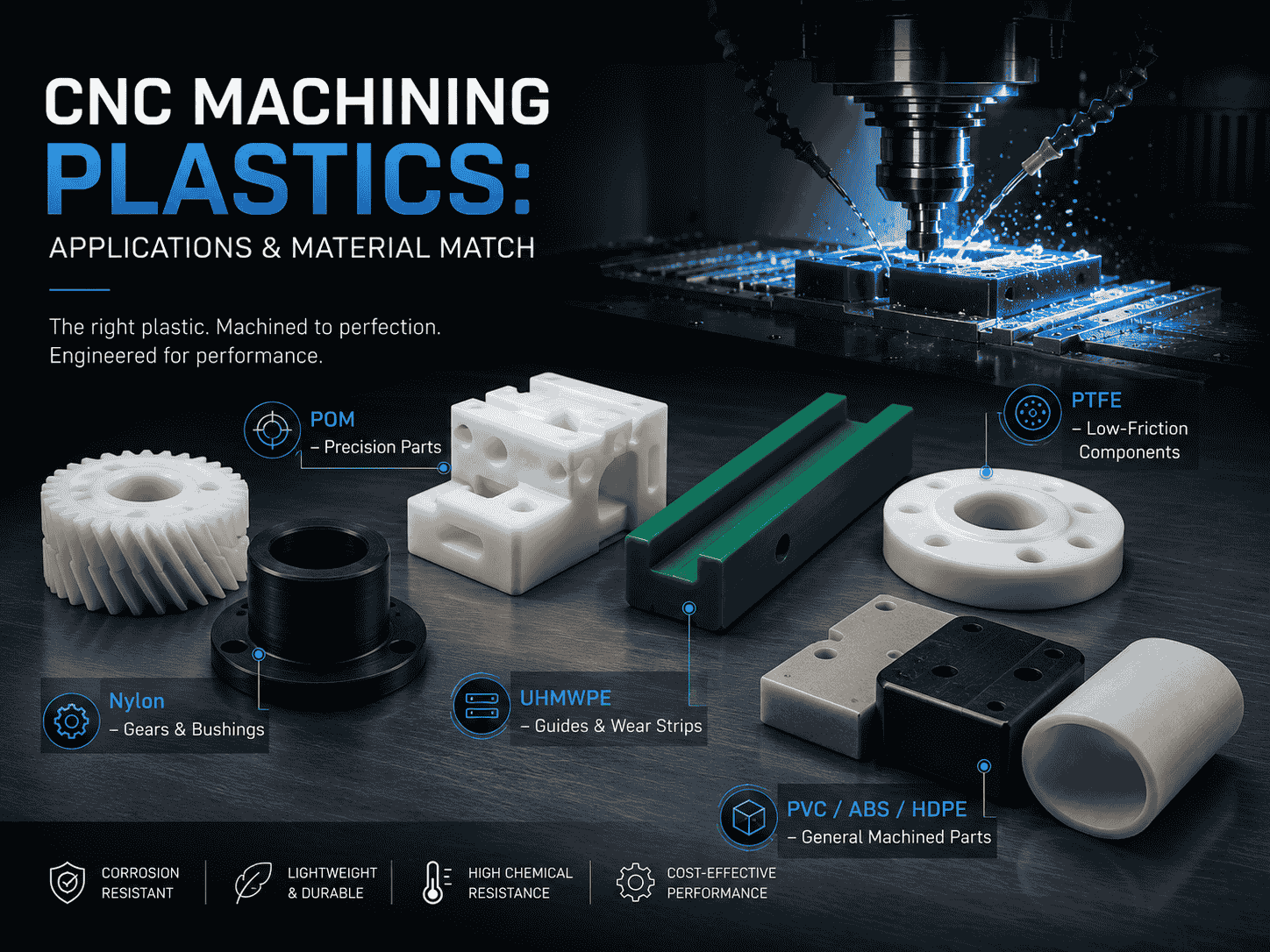
CNC machining is widely used to produce plastic prototypes, low-volume parts, replacement components, jigs, fixtures,
Both are lightweight, corrosion-resistant, wear-resistant, and suitable for CNC machining. However, they perform very differently
Wear is a common cause of failure in conveyor systems, packaging machinery, automated equipment, mining
CNC machining is widely used to produce plastic prototypes, low-volume parts, replacement components, jigs, fixtures,
Need UHMWPE sheets & custom plastic machined/OEM parts?Send specs & material needs, free quote within 24h.