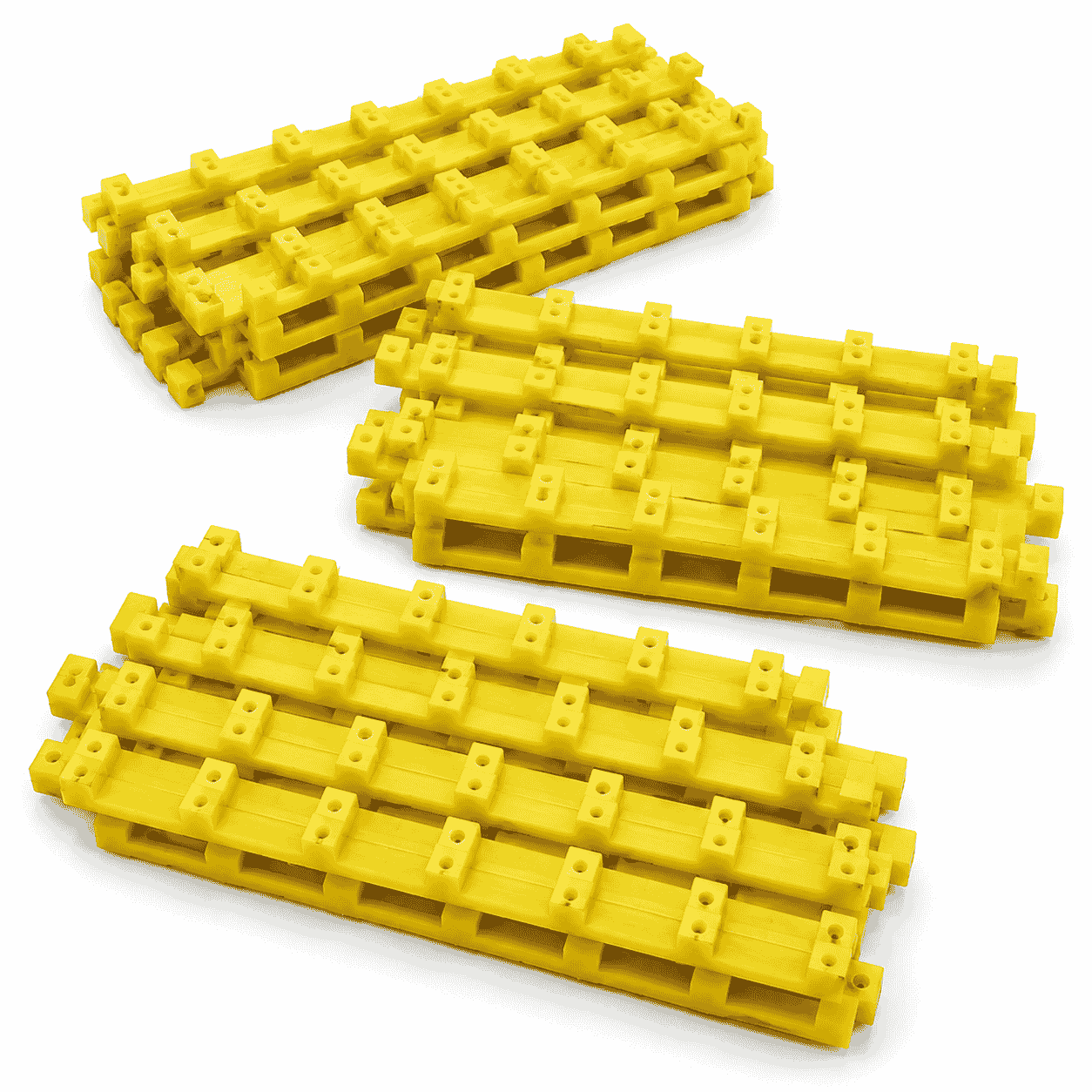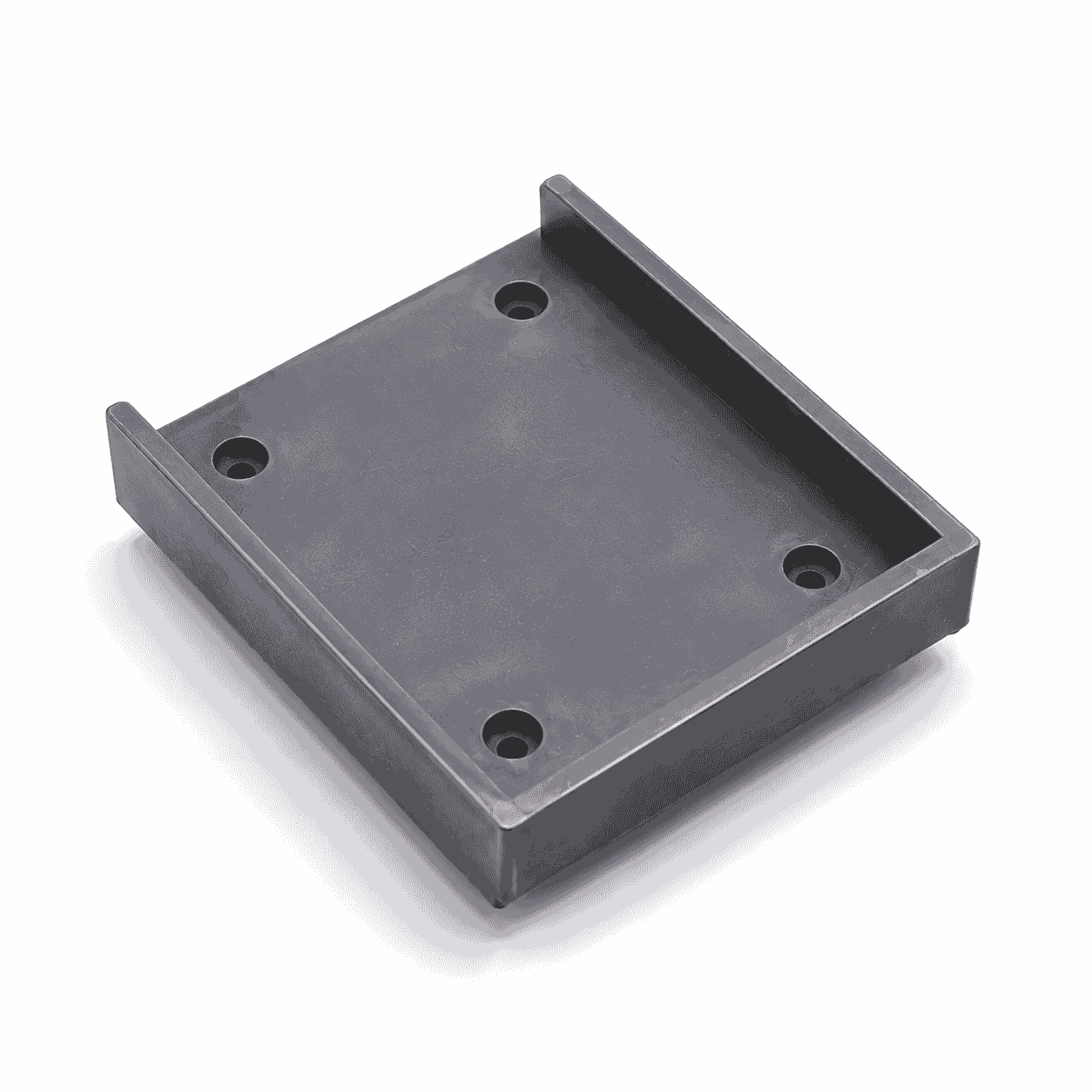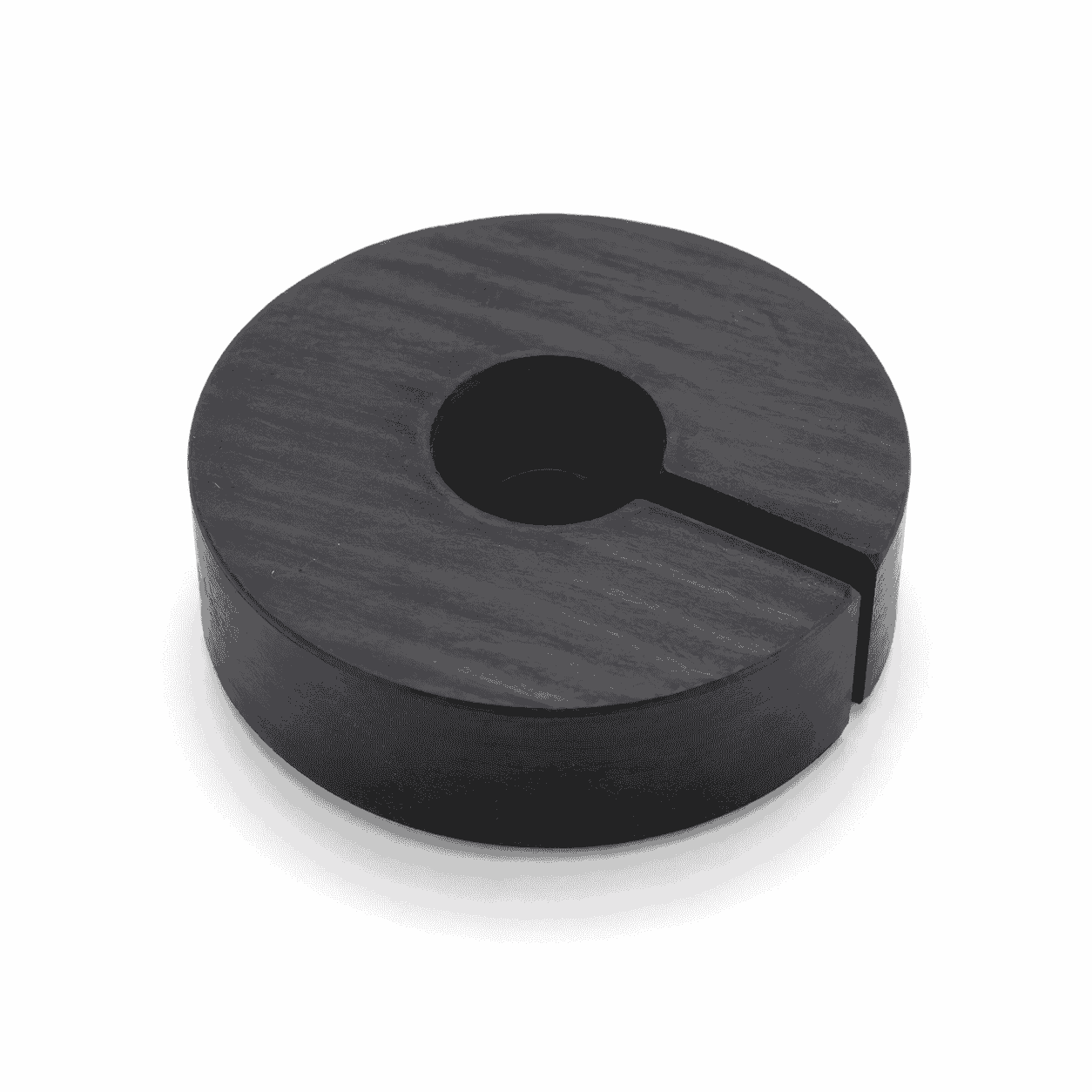
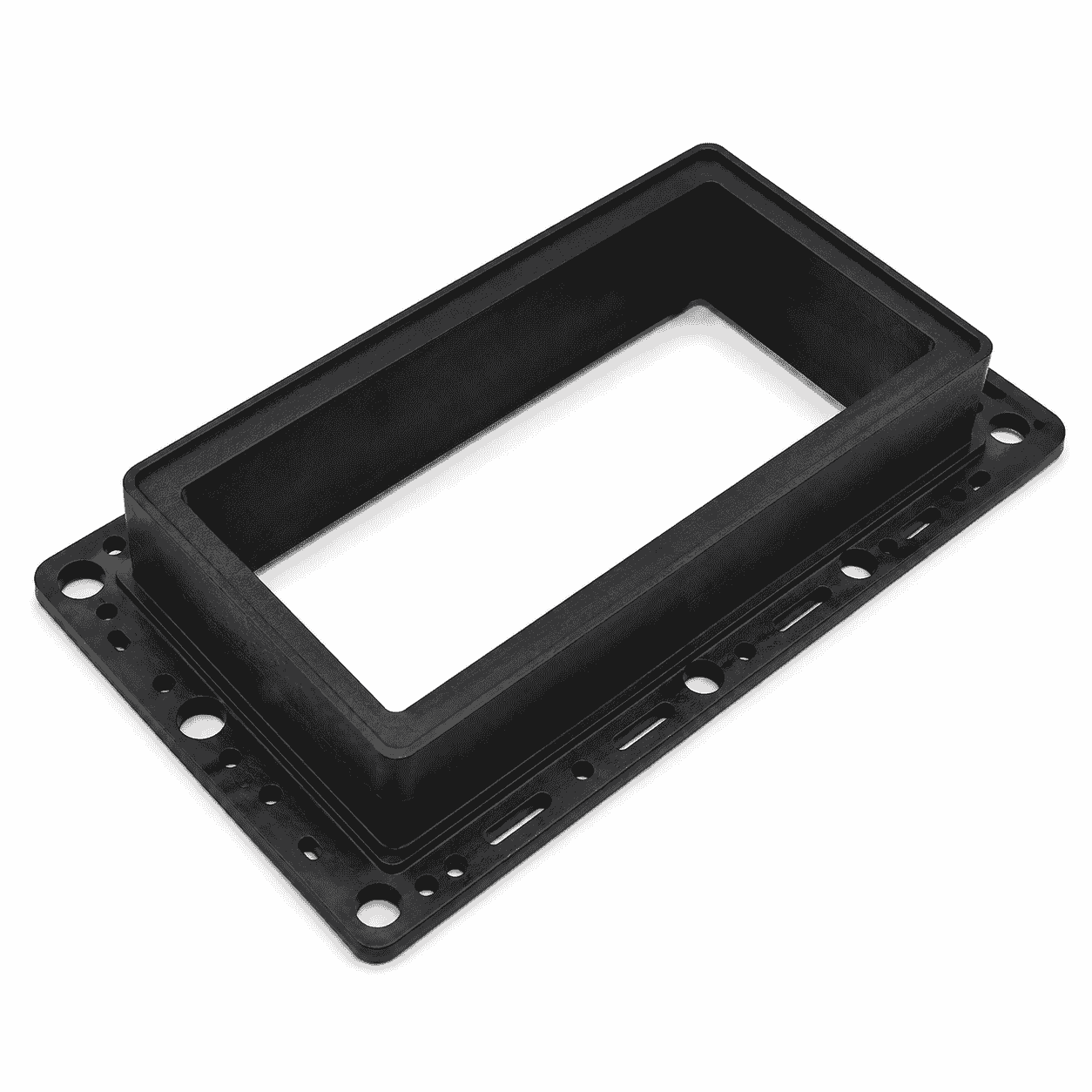
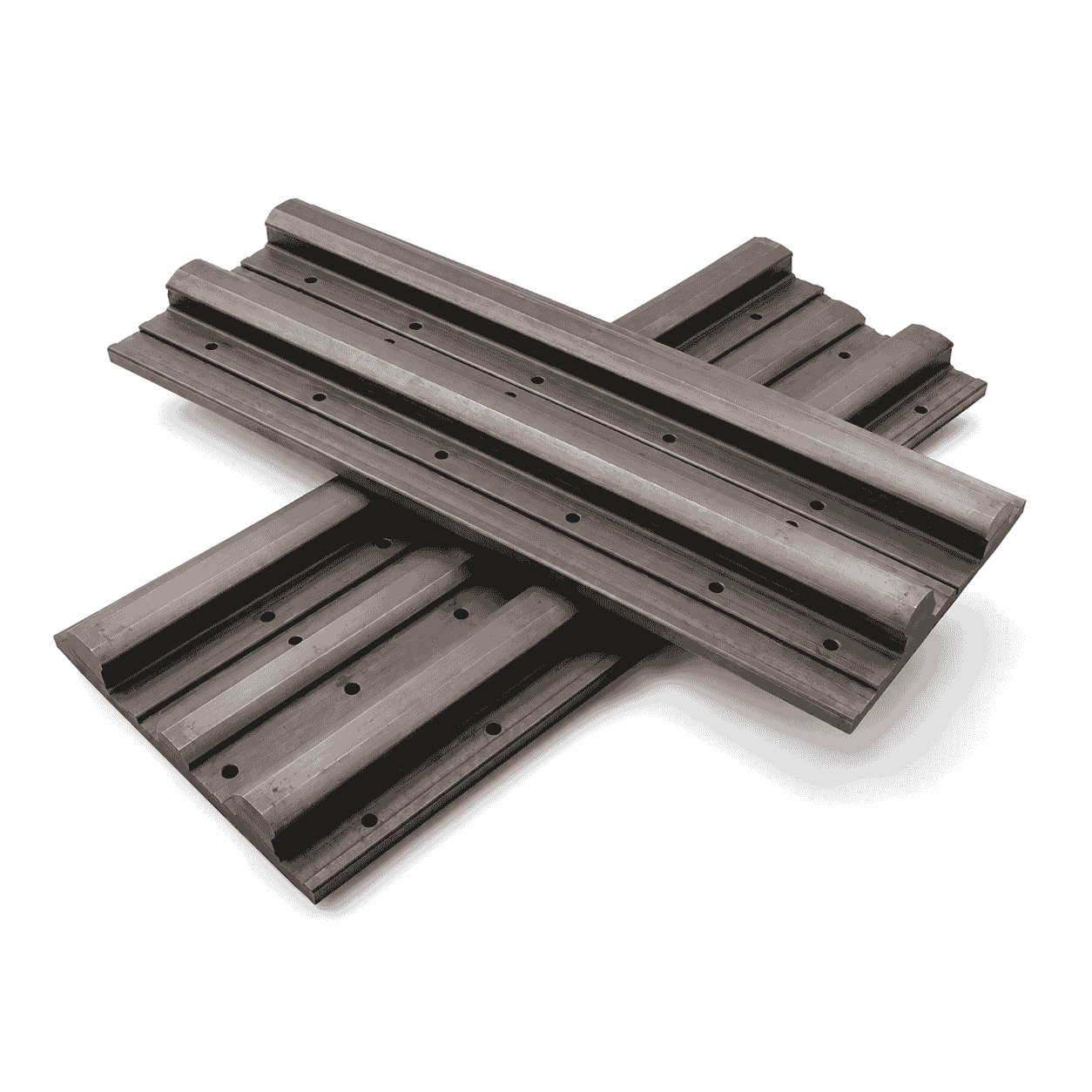
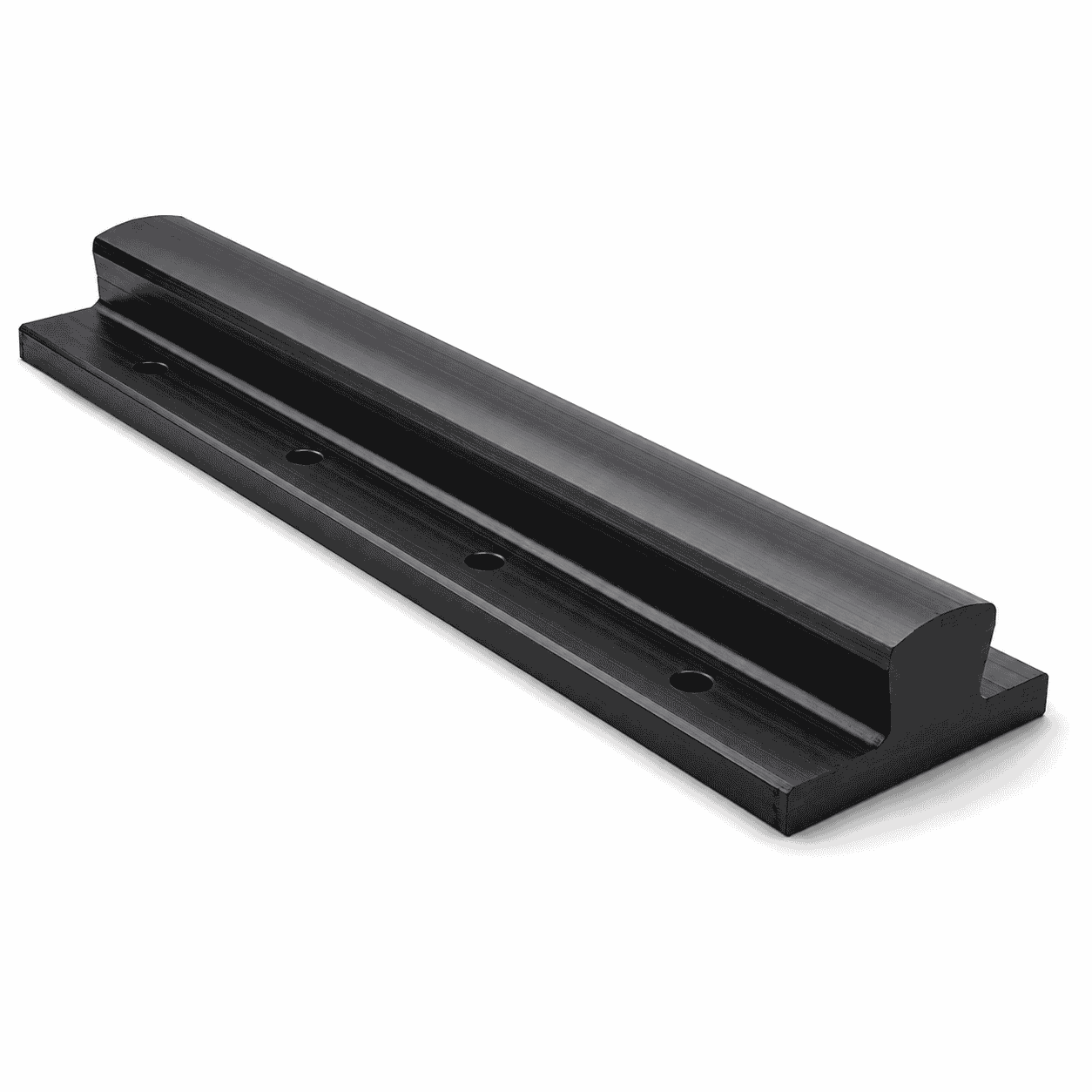
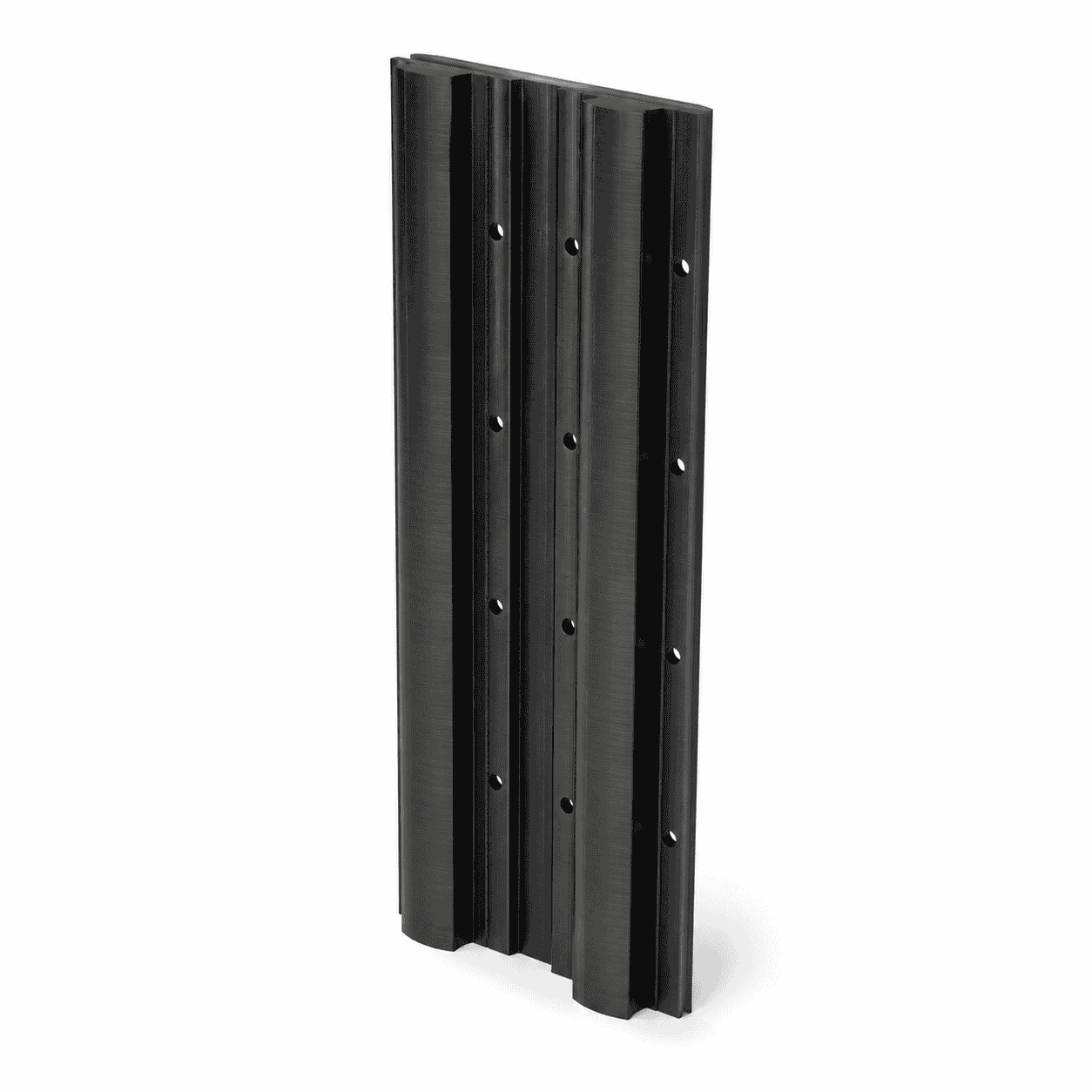
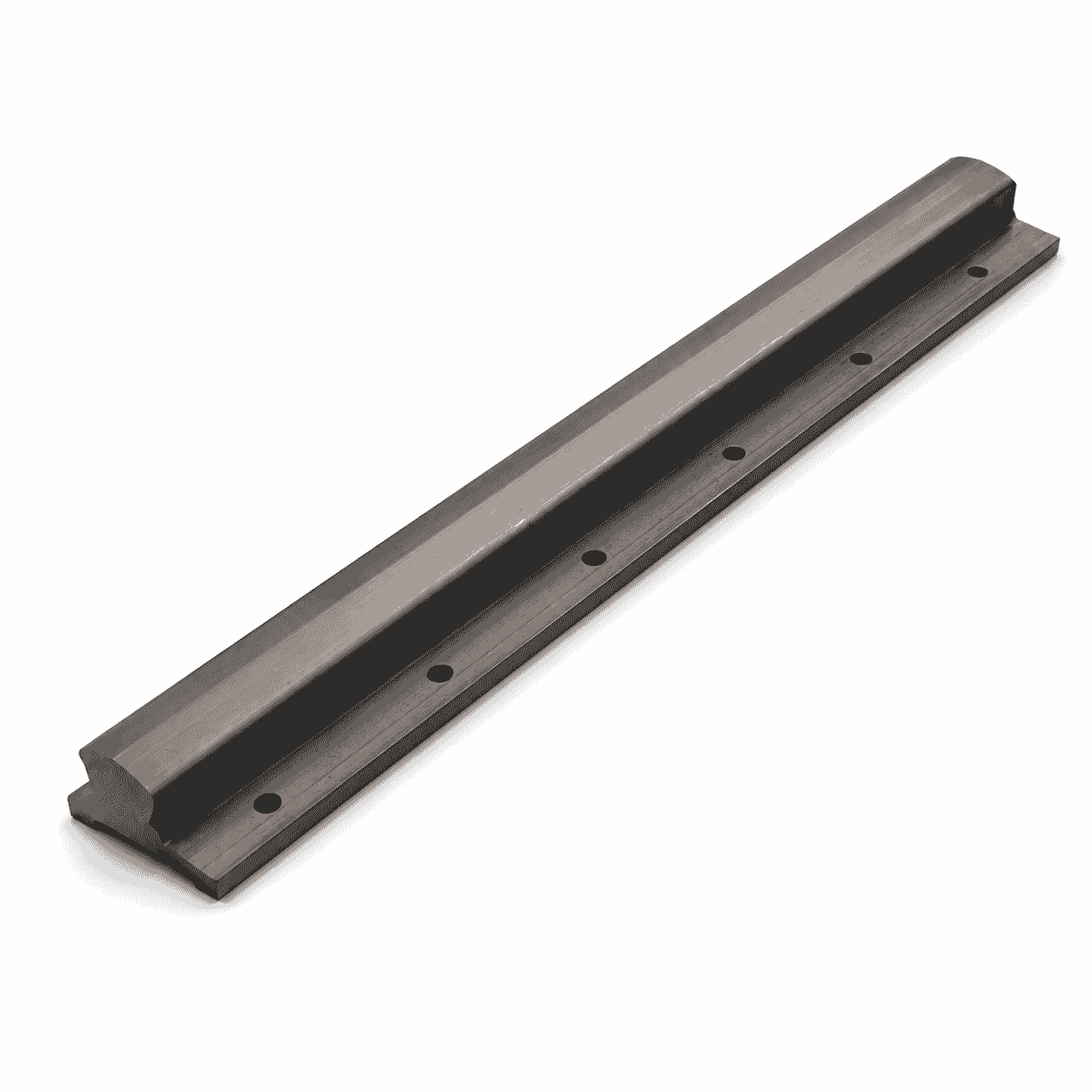
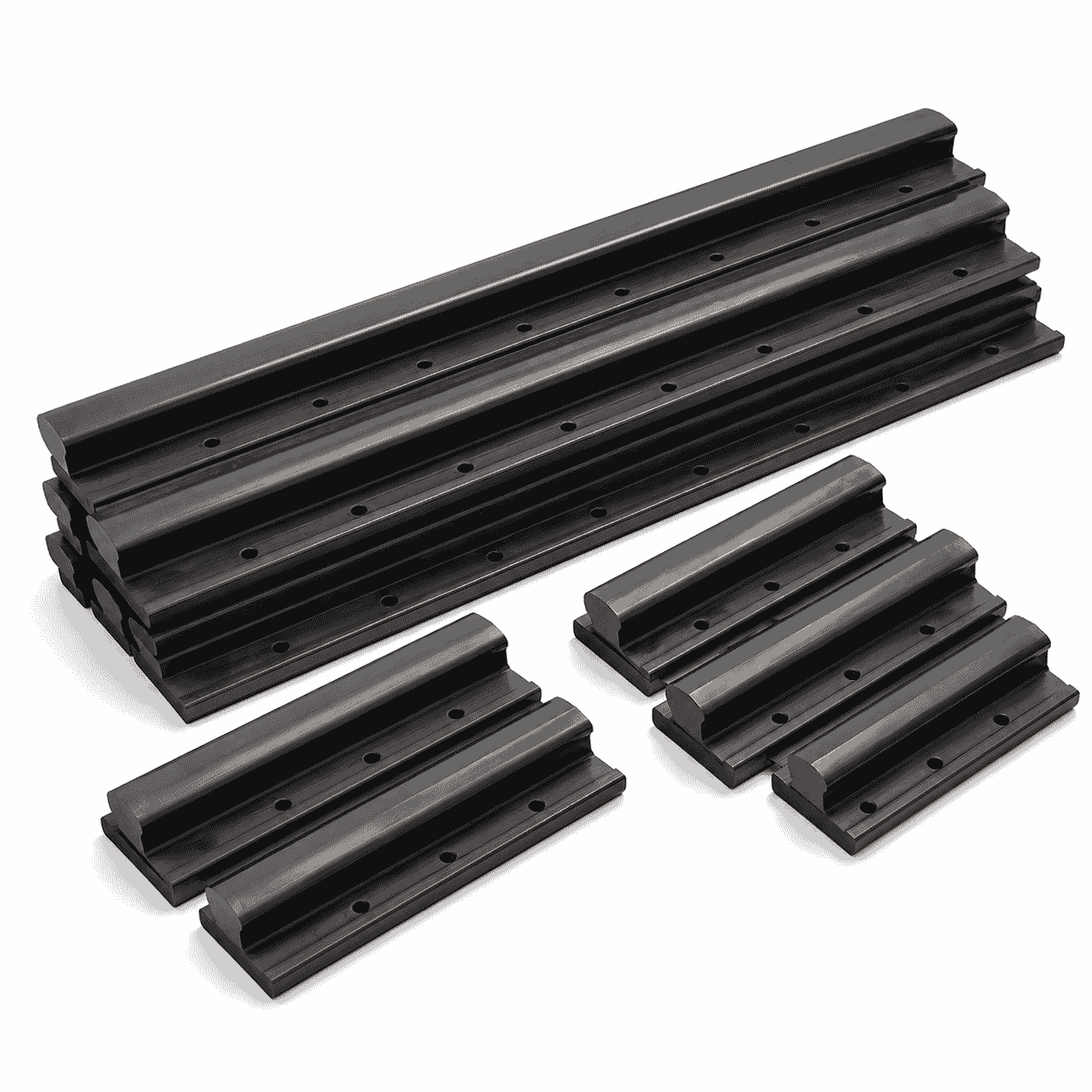
Heavy Duty Nylon Slider is a long CNC-machined guide and wear component featuring raised load-bearing surfaces, longitudinal grooves and distributed mounting holes.
It is used in heavy industrial machinery to support moving structures, maintain guide clearance, reduce metal-to-metal friction and protect expensive equipment surfaces. Material, profile, length, grooves and hole positions can be produced according to drawings or samples.
Heavy Duty Nylon Slider is a CNC-machined engineering plastic component designed for load support, linear guidance, clearance adjustment and wear protection in heavy industrial equipment. Its elongated profile, longitudinal guide surfaces and distributed mounting holes allow it to be securely installed between moving and fixed mechanical structures.
The Heavy Duty Nylon Slider helps separate metal components that would otherwise slide directly against each other. During equipment movement, the nylon part supports the load, maintains the required guide clearance and reduces direct wear on more expensive steel structures.
The products shown feature long machined bodies, raised guide surfaces, longitudinal grooves and multiple fixing holes. Their length, cross-sectional profile, groove position and hole spacing can be manufactured according to equipment drawings, installation samples or measured dimensions.
Unlike a standard flat wear pad, this Heavy Duty Nylon Slider uses a profiled cross section to match the corresponding guide rail, frame, beam or moving assembly. The raised surfaces and grooves can provide both vertical support and lateral guidance.
Typical structural features include:
The mounting holes are distributed along the length of the slider to reduce local lifting, movement or deformation during operation. Hole diameter, counterbore depth and spacing should be matched to the fasteners and supporting structure.
The main purpose of a Heavy Duty Nylon Slider is not only to reduce friction. It can perform several functions within a heavy mechanical guide system:
Nylon is part of the polyamide engineering plastic family. Properly selected engineering nylon provides a useful combination of strength, toughness, wear resistance and machinability, making it suitable for many mechanical sliding and load-support applications.
The material can withstand repeated sliding contact and is suitable for replaceable wear components. This helps reduce wear on steel guide rails, frames and telescopic structures.
Compared with softer general-purpose plastics, nylon offers higher rigidity and load-bearing capacity. It can be used for larger and thicker sliders that must withstand repeated mechanical loading.
The smooth machined surface helps reduce sliding resistance. Depending on the operating conditions, modified or oil-filled nylon can also be selected to improve sliding performance.
Nylon has greater elasticity than steel and can absorb part of the impact generated during equipment movement. This can reduce vibration transmission and operating noise.
Nylon components are significantly lighter than equivalent steel parts, making long sliders easier to handle, install and replace during equipment maintenance.
Nylon does not rust and can operate in many environments involving oils, greases and general industrial contamination. Chemical compatibility should still be confirmed for strong acids or special chemicals.
Longitudinal grooves, raised guide surfaces, counterbores, mounting holes and special cross sections can be produced through computer numerical control machining.
The material grade should be selected according to load, moving speed, humidity, temperature, lubrication and dimensional requirements. Common options include:
Material sheets for machining are available from our Polyamide PA Nylon Sheet category.
Traditional steel-to-steel sliding assemblies may experience rapid surface wear, abnormal noise, corrosion, difficult lubrication and expensive structural repairs. Installing a replaceable Heavy Duty Nylon Slider can help address these problems.
Heavy Duty Nylon Sliders can be used in many types of industrial machinery where load-bearing structures require controlled sliding movement.
Typical applications include:
The final application must be confirmed from the equipment drawing because the same profile may perform different supporting, guiding or limiting functions in different machines.
Our CNC Plastic Machining service supports long nylon sliders and other engineering plastic components manufactured from drawings or physical samples.
Available machining operations include:
To ensure that the Heavy Duty Nylon Slider fits the equipment correctly, the following information should be confirmed before machining:
Long nylon sliders require attention to raw-material stress, straightness and machining sequence. Excessive one-sided machining may release internal stress and affect the final straightness of the component.
During production, the overall dimensions, groove profile, hole spacing, counterbore depth, straightness and fitting surfaces should be inspected. Finished parts are deburred, cleaned and separated according to their specifications before packaging.
For batch orders, consistent machining references and inspection standards help maintain interchangeability between replacement sliders and reduce installation problems at the equipment site.
Nylon absorbs moisture from the surrounding environment. Moisture absorption may cause changes in dimensions, stiffness and mechanical properties. For long sliders, humid environments or applications with tight assembly tolerances, moisture exposure and fitting clearance should be considered during material selection and product design.
For extremely wet environments, very low-friction requirements or highly precise dimensional applications, UHMWPE, POM or another engineering plastic may be considered after evaluating the actual working conditions.
Check drawings for full specifications and confirm materials according to service conditions to prevent product defects.
Inspect all key processing steps and fully verify dimensions, holes, grooves and fitting surfaces.
Deburr, chamfer and clean products for easy installation. Ensure uniform quality among batch products.
Choose appropriate packaging solutions based on product features to protect goods from collision, deformation and mixing during transit.
Unlike metal parts, engineering plastic components still require strict control over dimensions, holes, edges, surface, materials and assembly performance for equipment use.
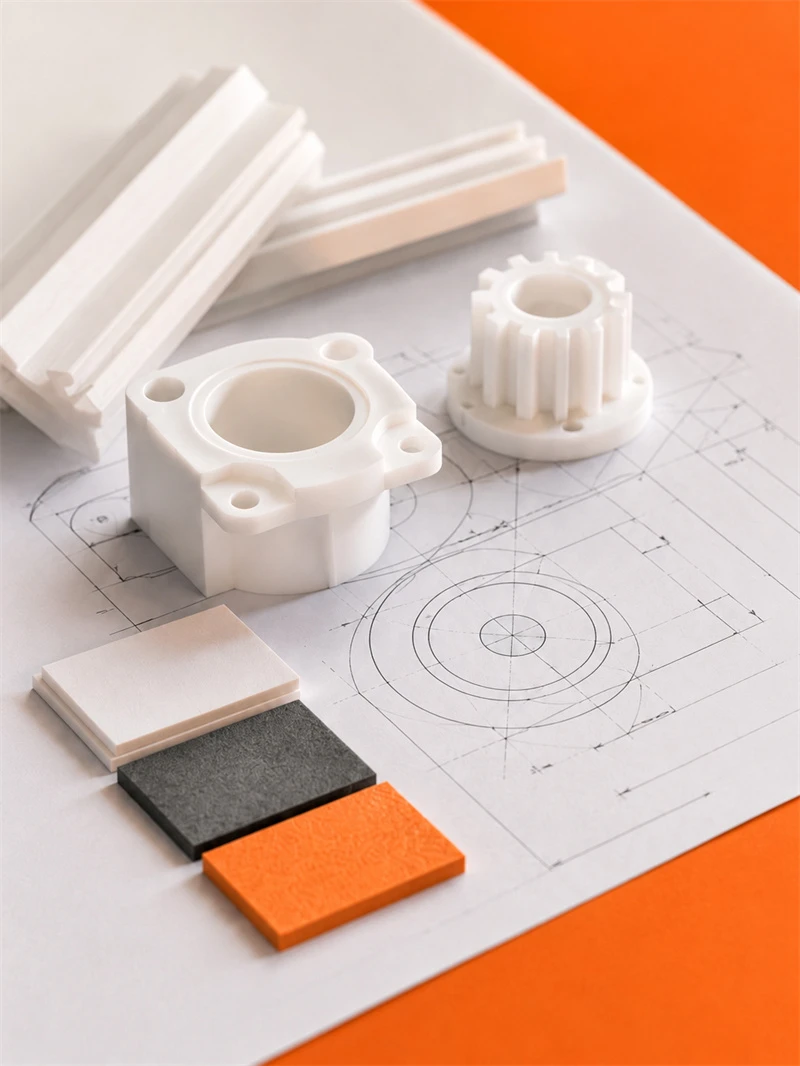
Engineering plastic parts suit friction, guide, support, buffer, anti-corrosion and insulation areas. We supply UHMWPE, POM, PA, PP/PE components for conveyor, food, mining, machinery, chemical and cable systems, with custom OEM service available.
Stay updated with our latest industry insights, company updates and featured articles.
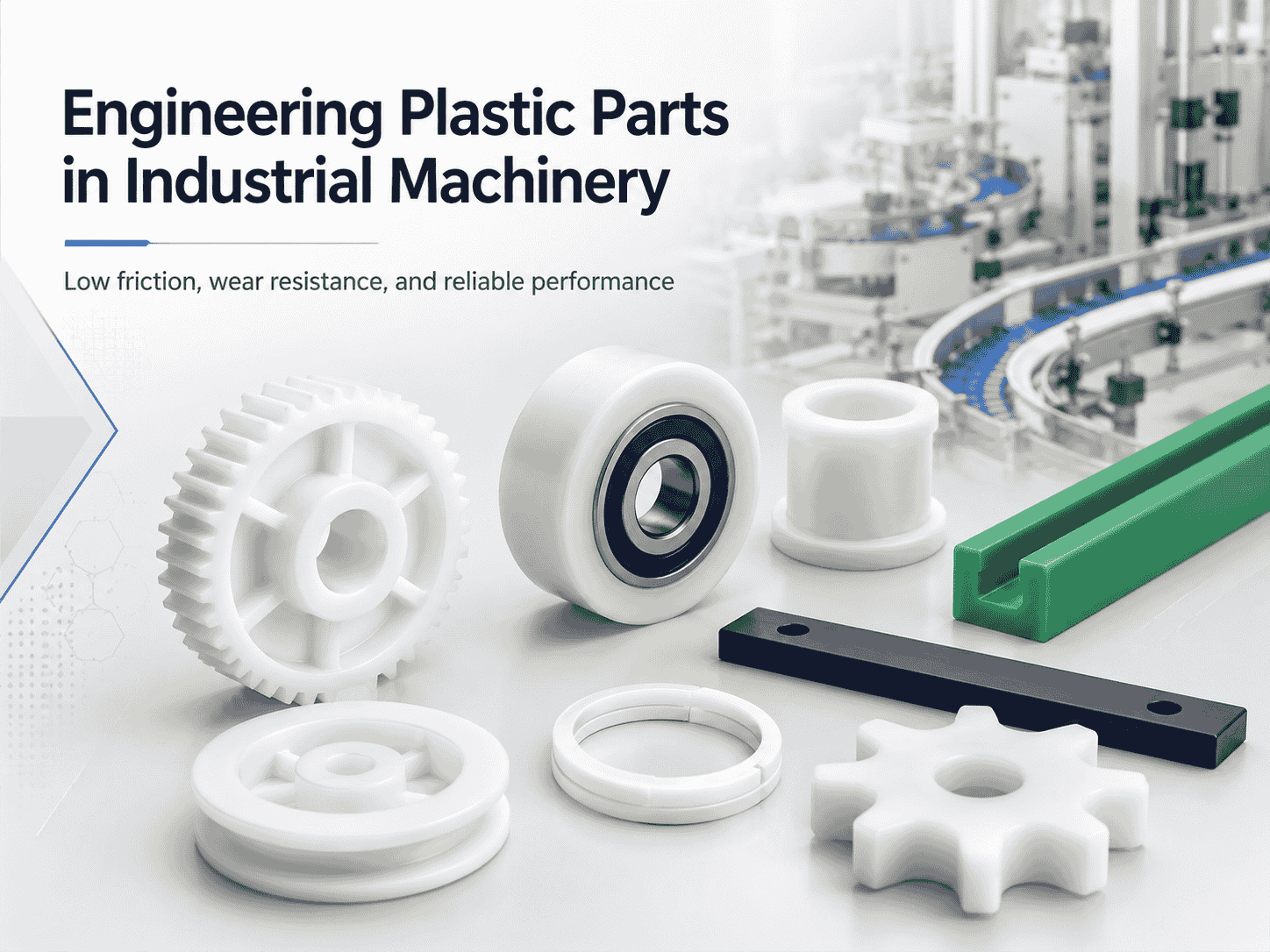
Engineering plastics are increasingly used in industrial machinery, automated production lines, conveyor systems, packaging equipment, and food-processing machines. Materials such as nylon, UHMWPE, POM, and
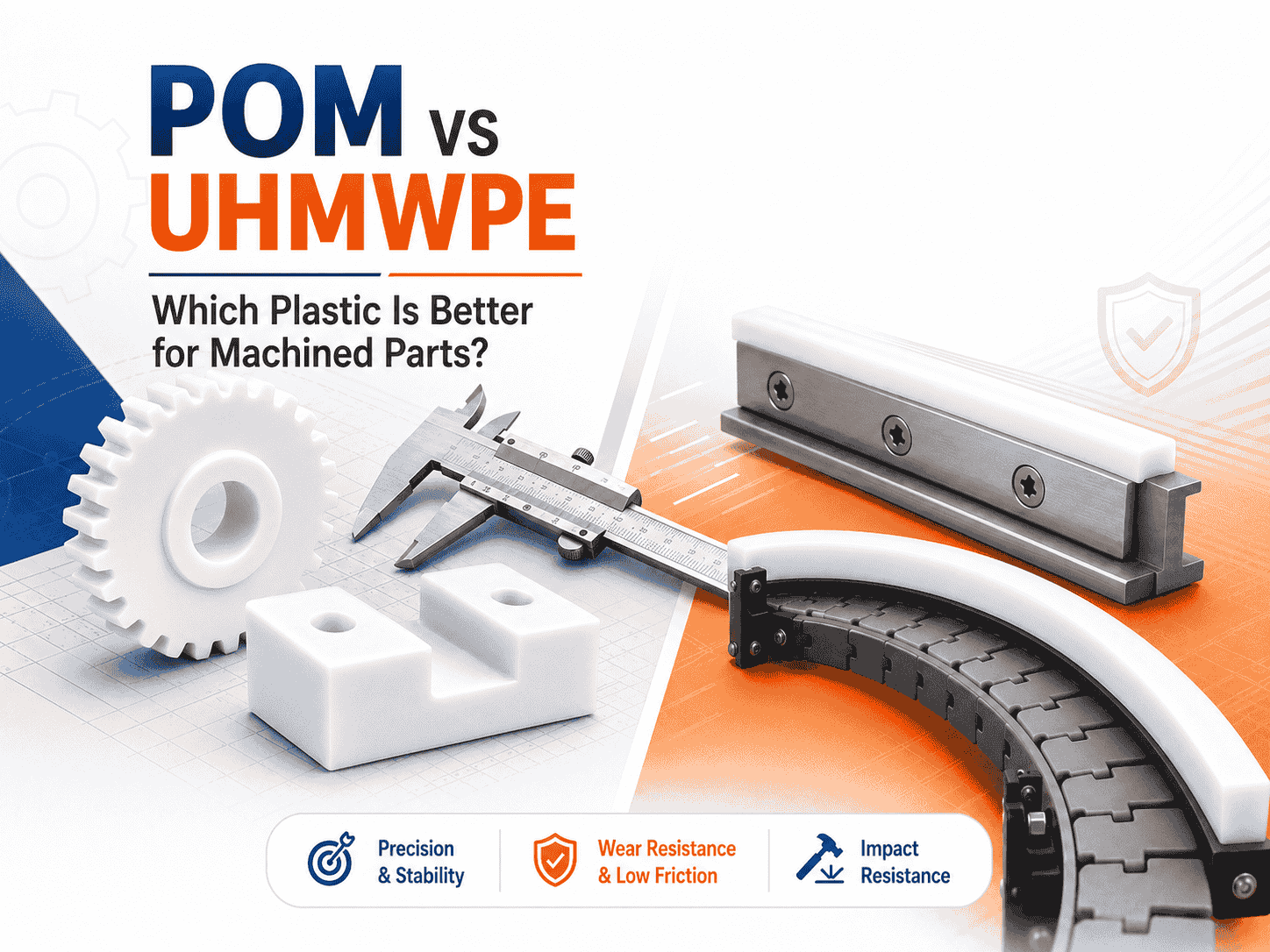
Both are lightweight, corrosion-resistant, wear-resistant, and suitable for CNC machining. However, they perform very differently
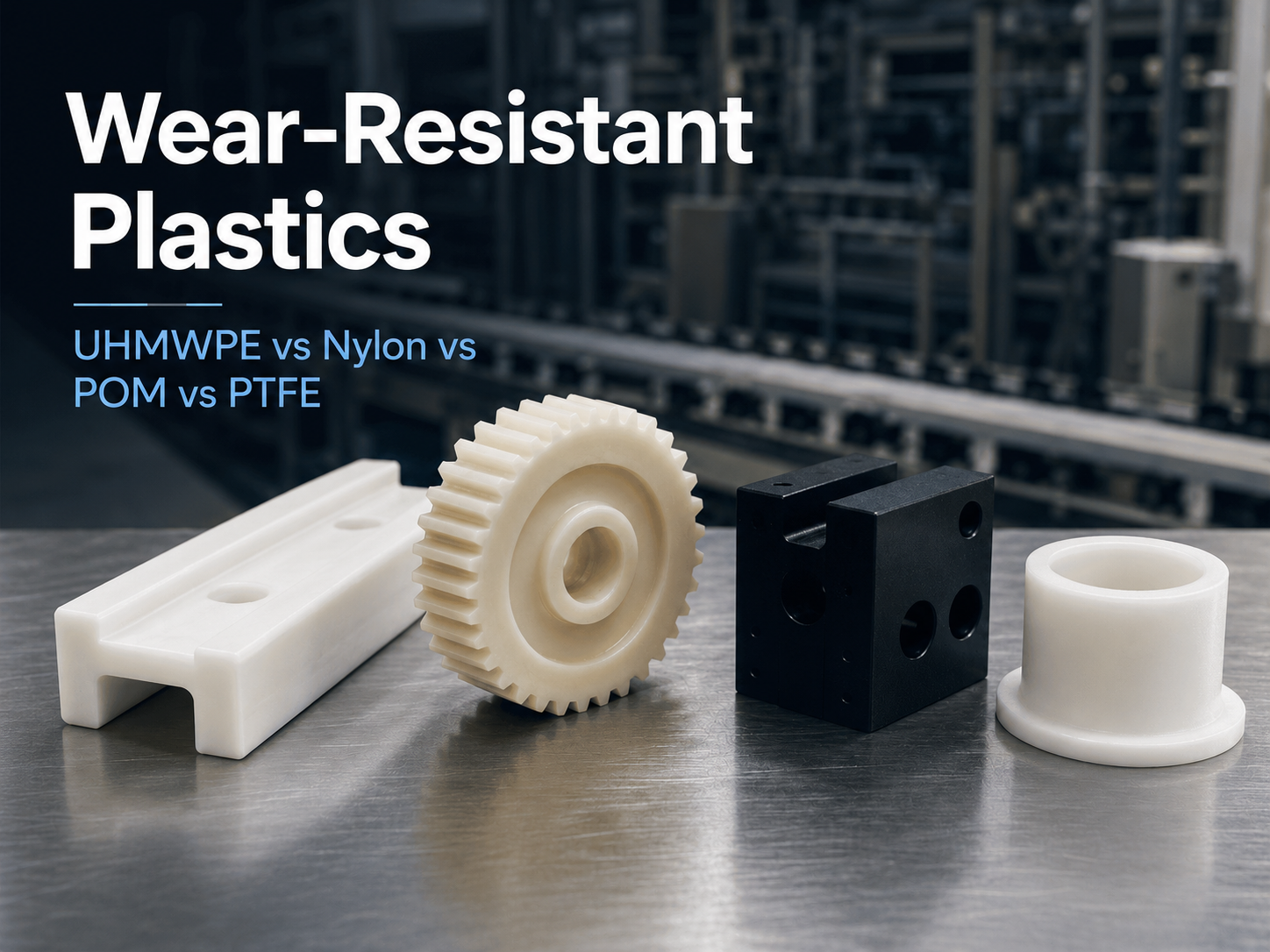
Wear is a common cause of failure in conveyor systems, packaging machinery, automated equipment, mining
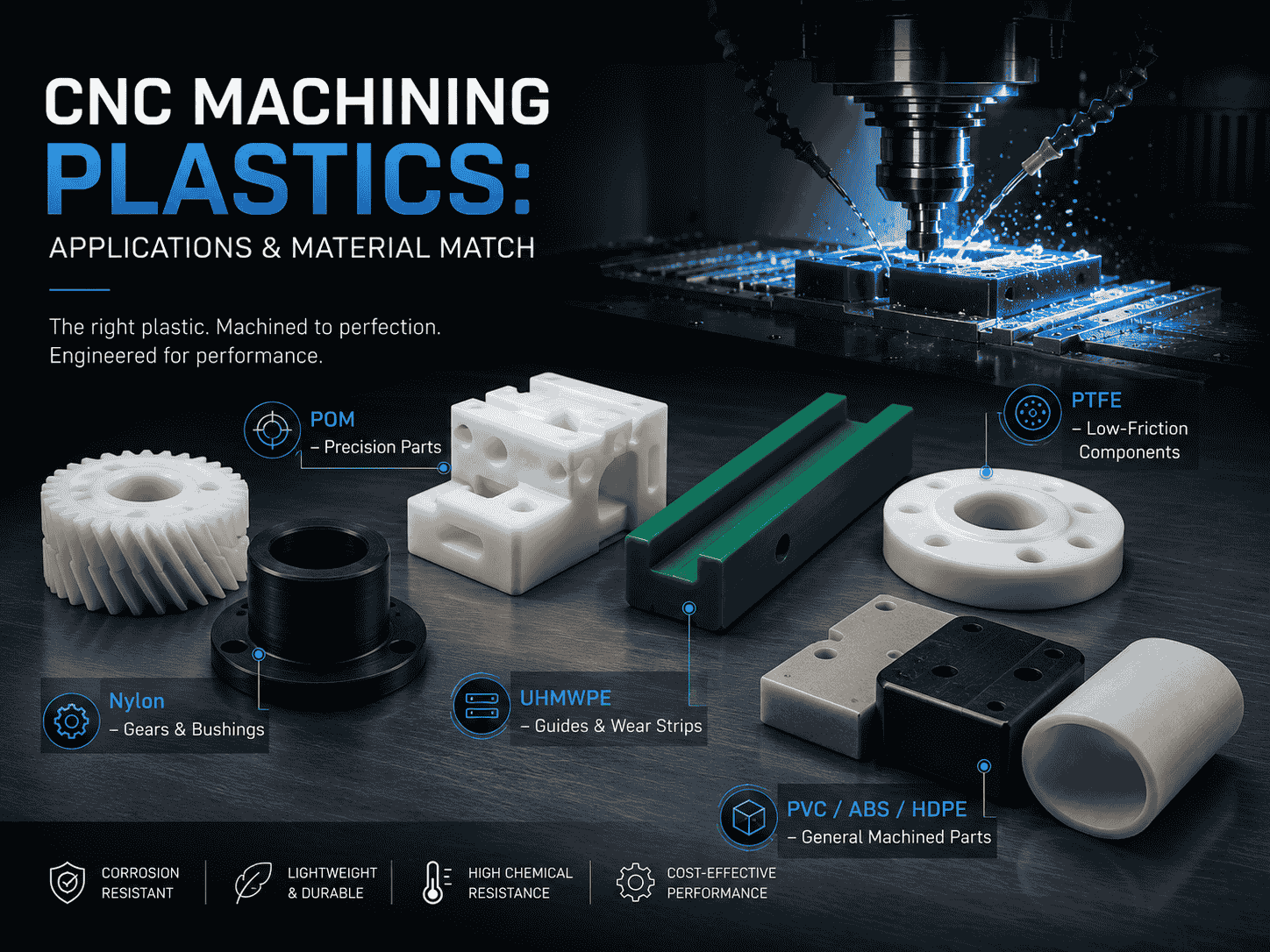
CNC machining is widely used to produce plastic prototypes, low-volume parts, replacement components, jigs, fixtures,
Both are lightweight, corrosion-resistant, wear-resistant, and suitable for CNC machining. However, they perform very differently
Wear is a common cause of failure in conveyor systems, packaging machinery, automated equipment, mining
CNC machining is widely used to produce plastic prototypes, low-volume parts, replacement components, jigs, fixtures,

Need UHMWPE sheets & custom plastic machined/OEM parts?Send specs & material needs, free quote within 24h.