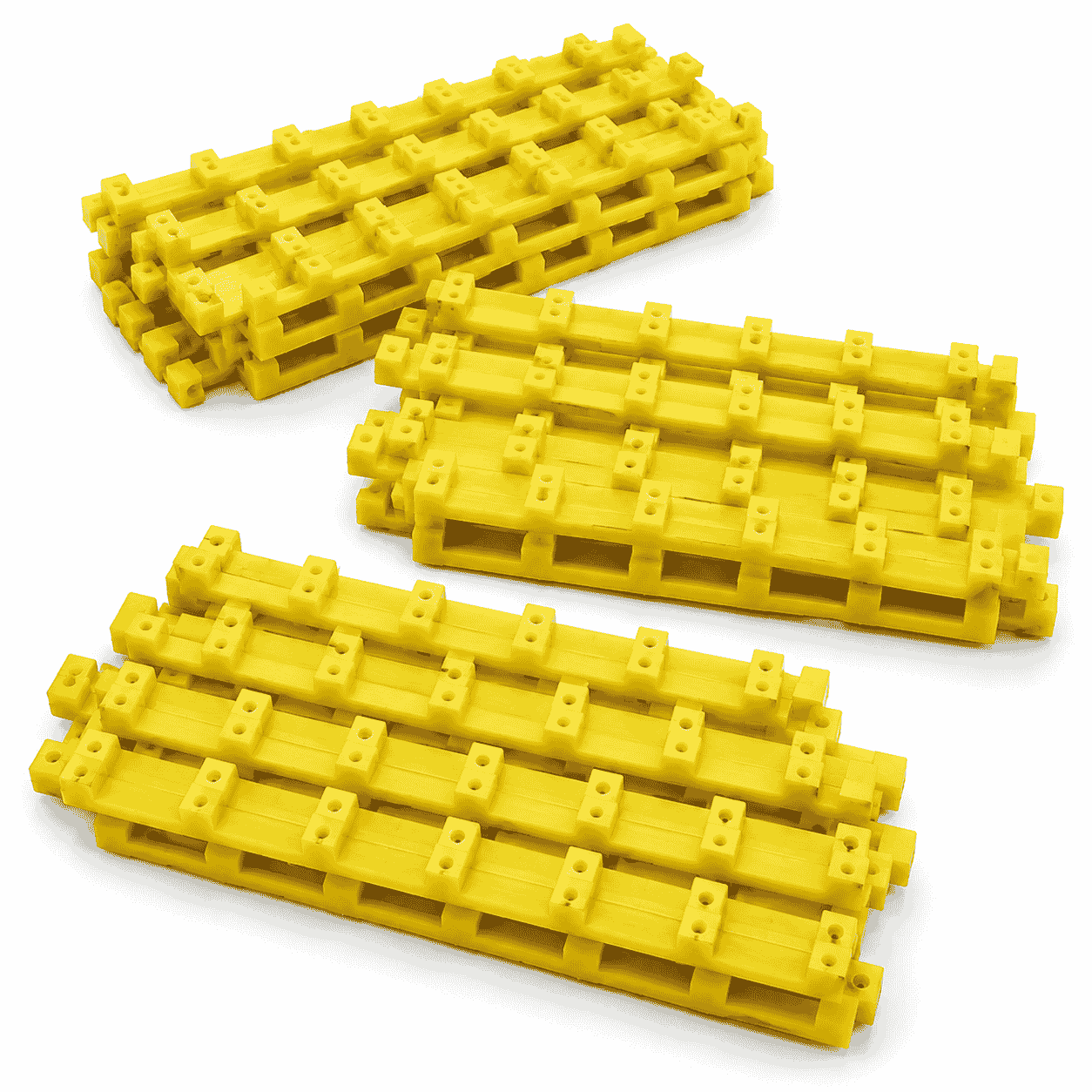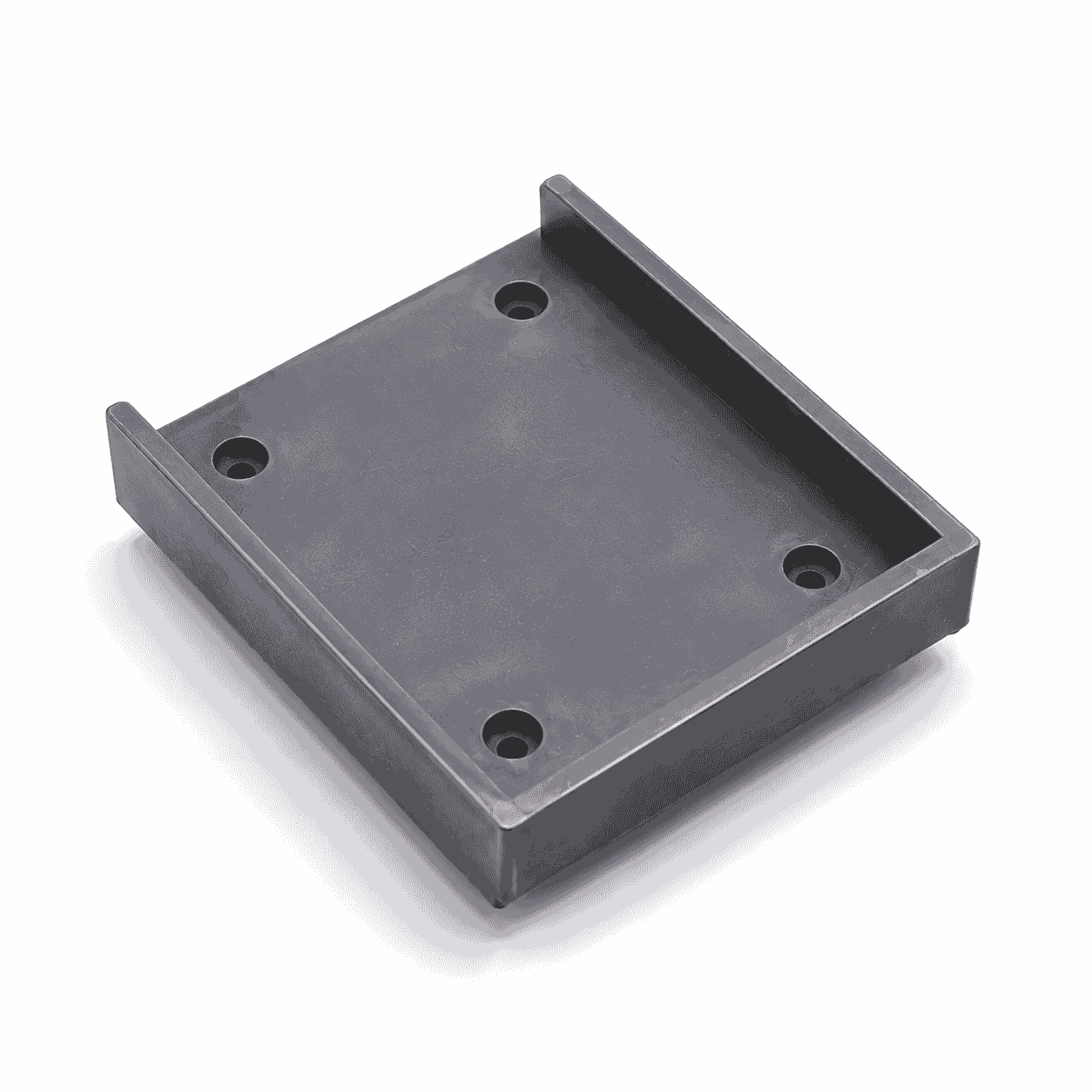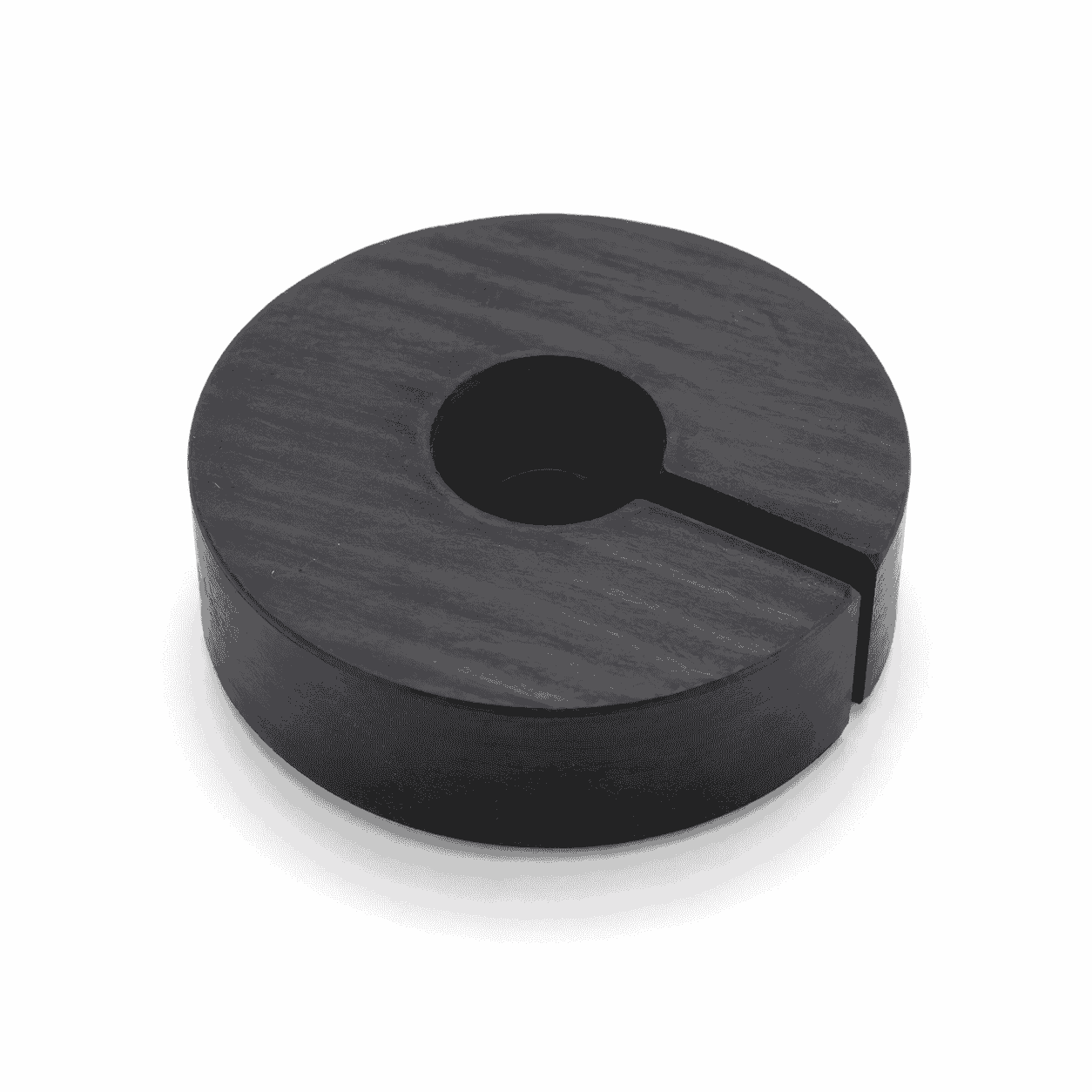
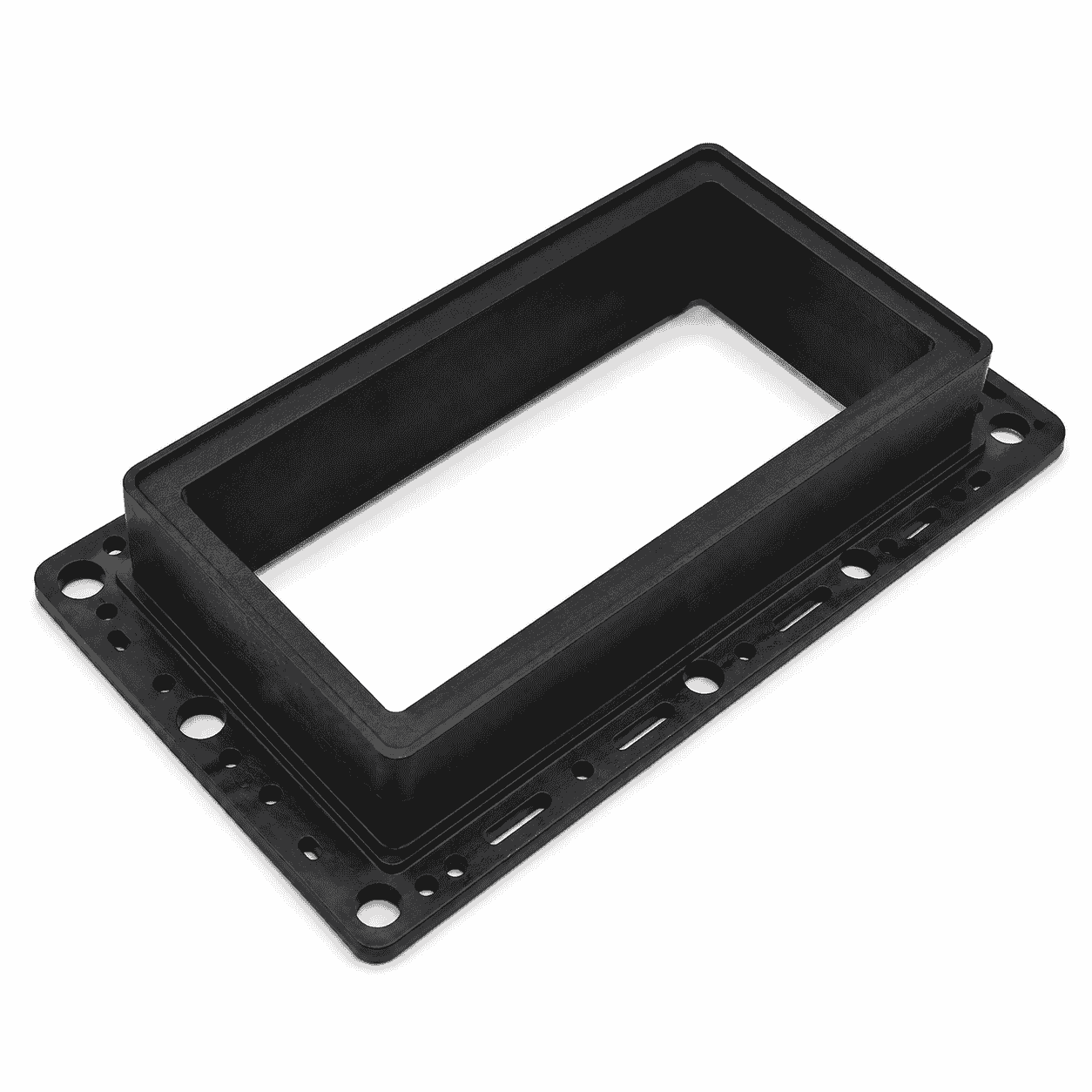
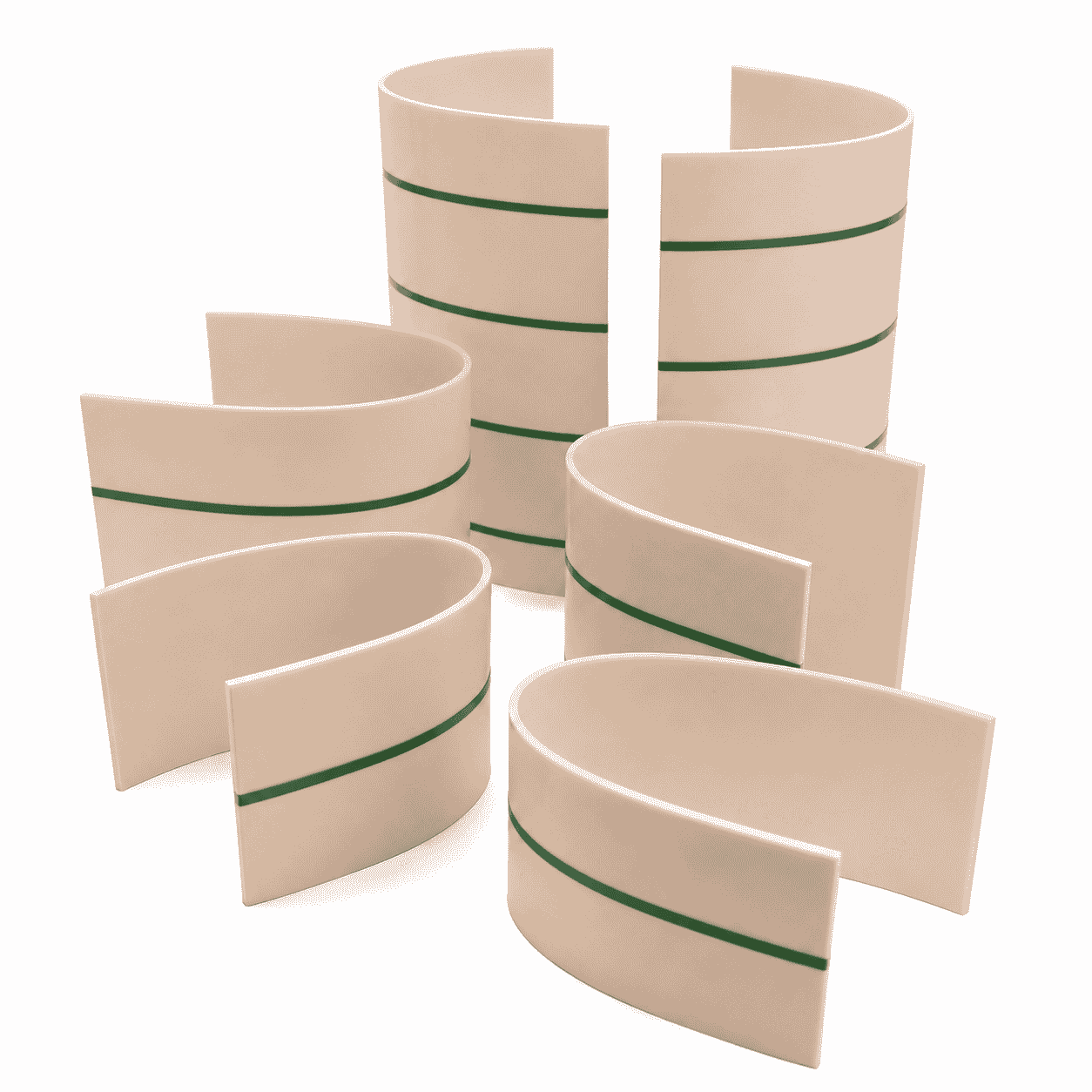
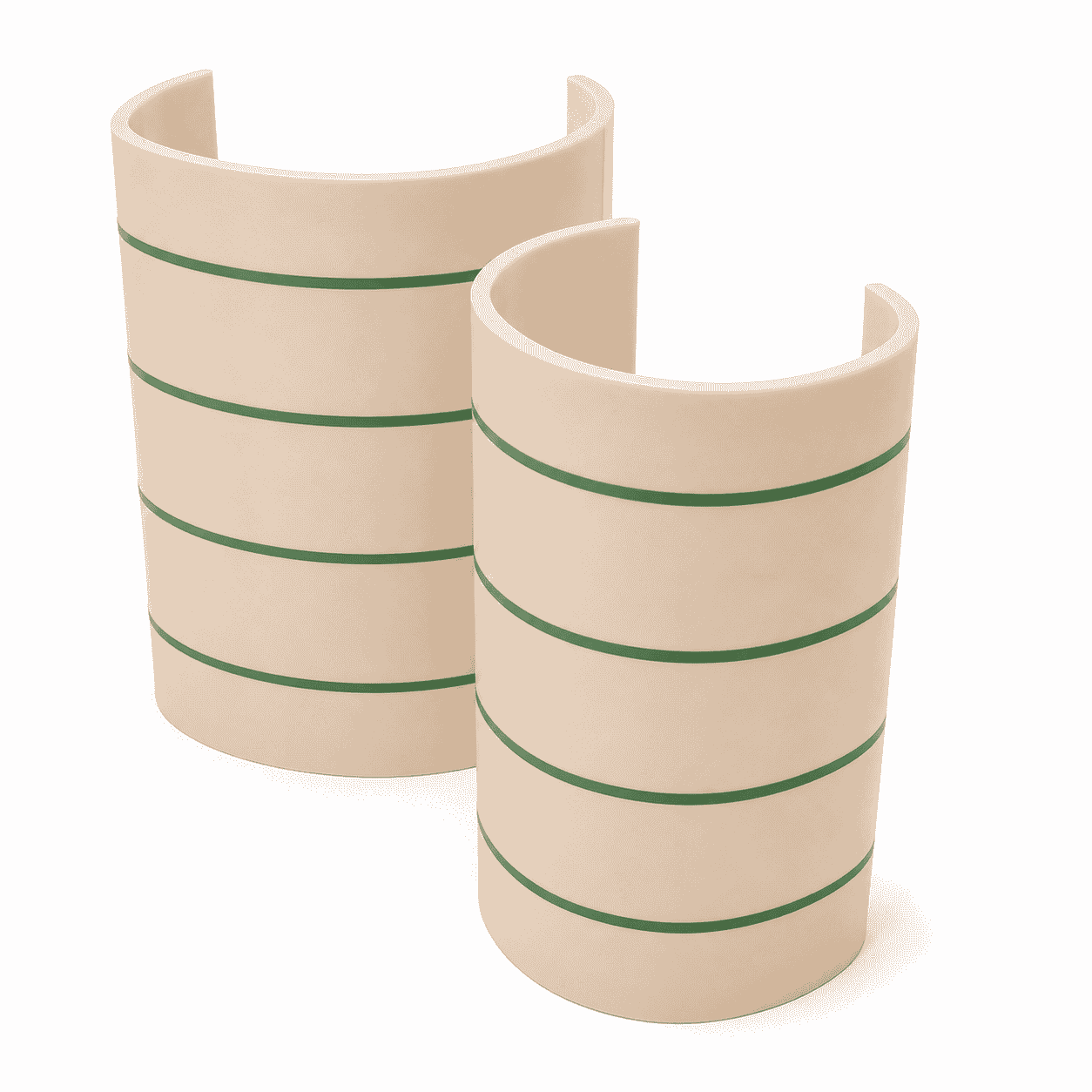
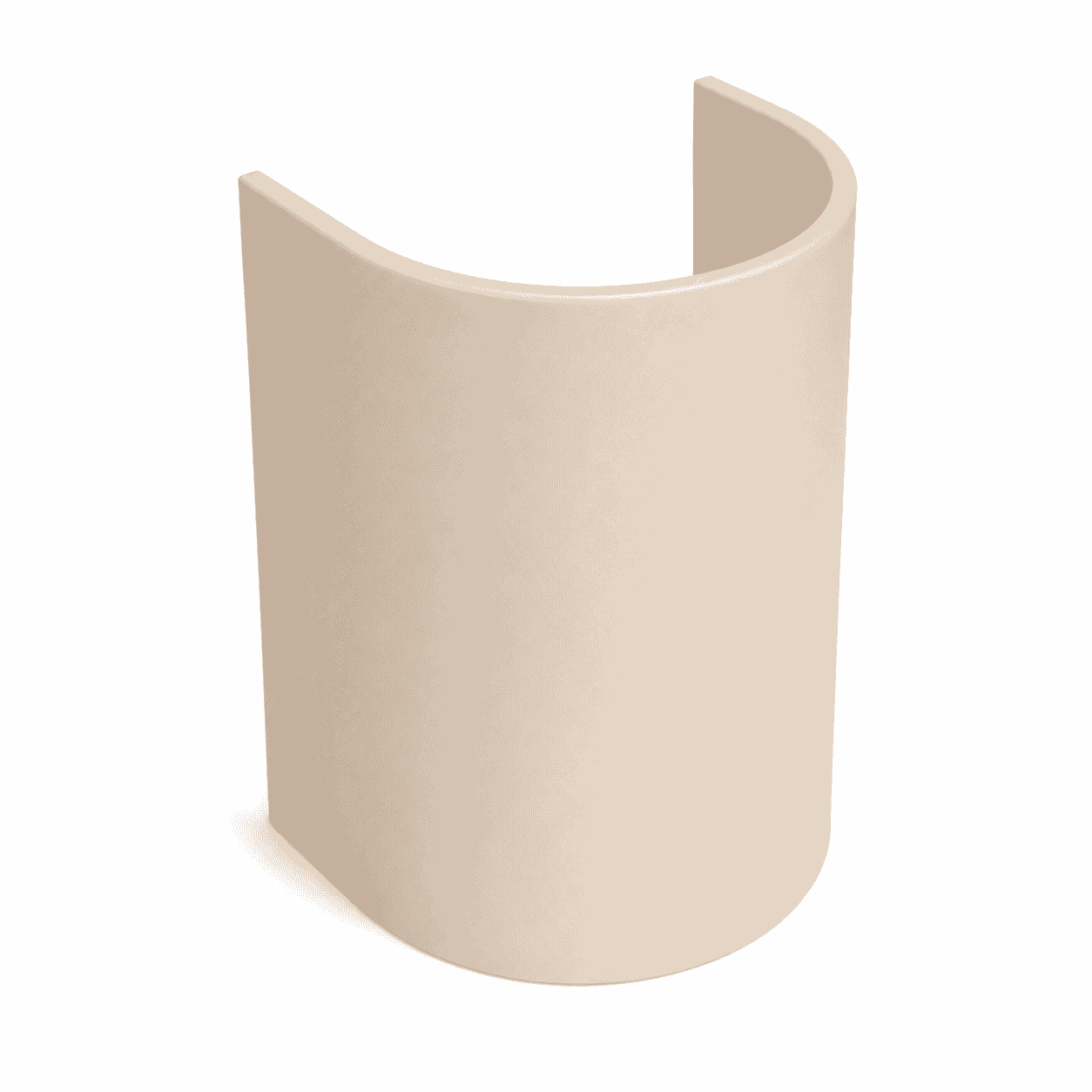
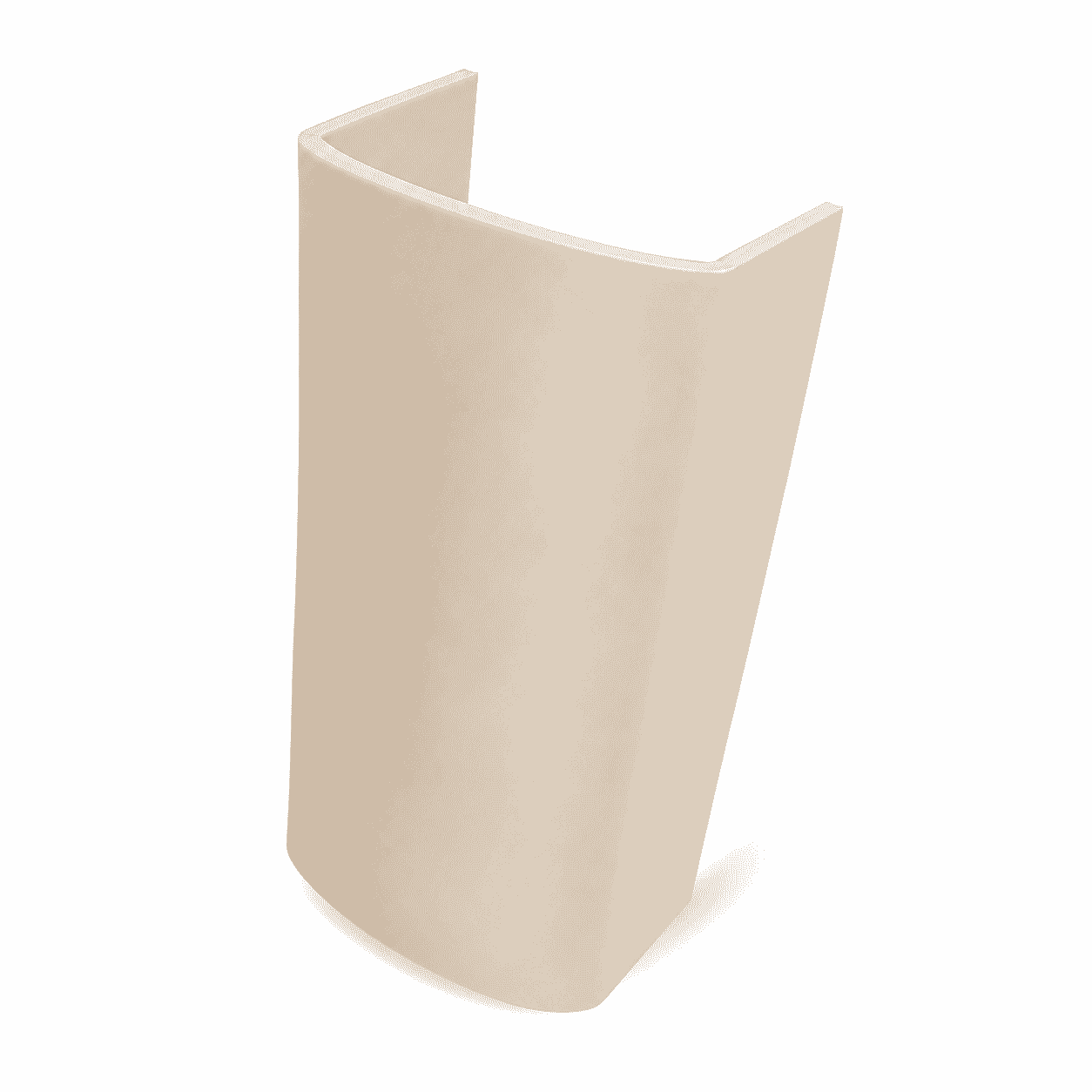
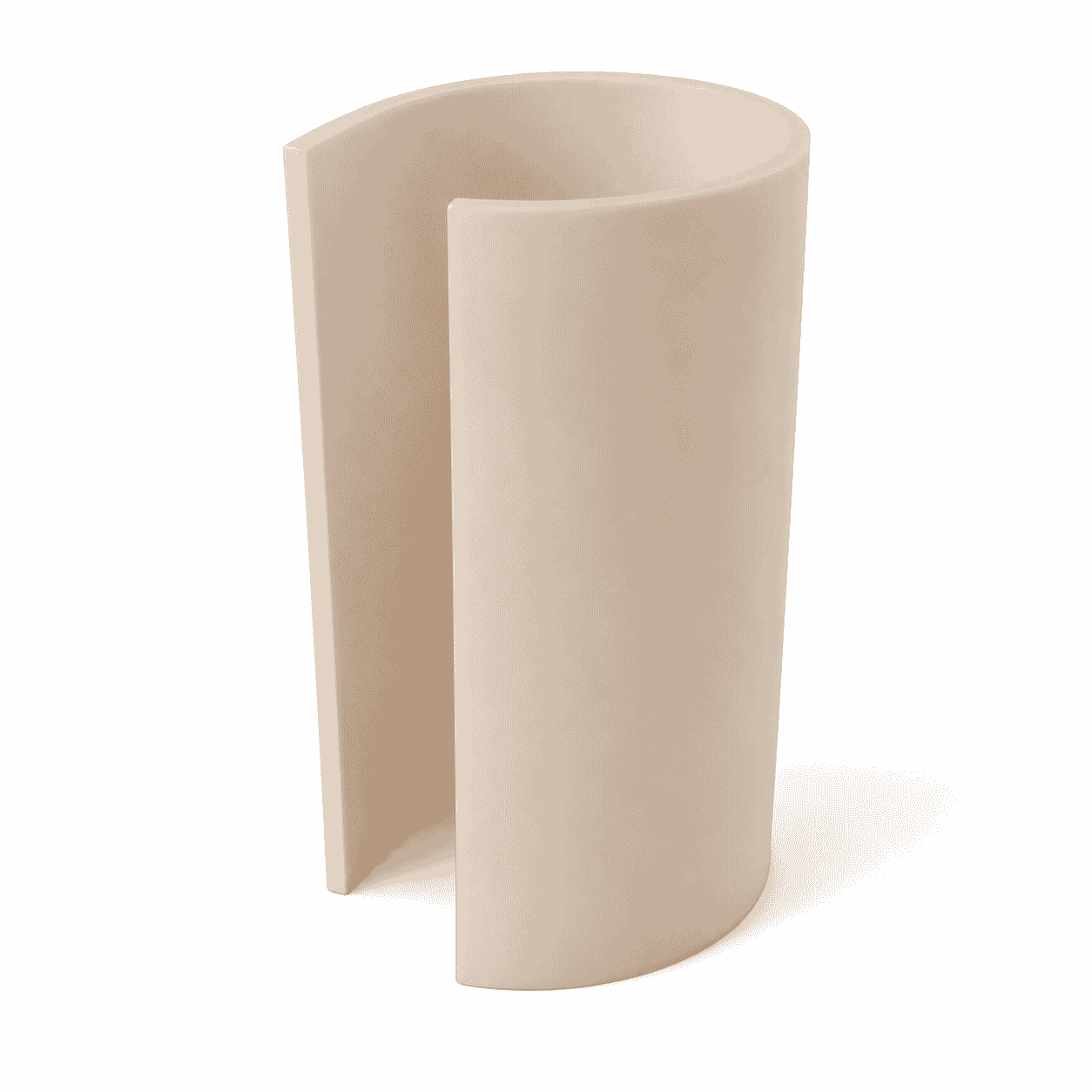
Nylon U-Shaped Liner Plate is a curved engineering plastic liner used in troughs, guide channels, equipment shells and industrial machinery. It provides a replaceable protective surface that helps reduce wear, hard contact, vibration and damage to the original metal structure.
Available in MC nylon, PA6, PA66 and modified wear-resistant nylon, with custom thicknesses, lengths, radii, opening angles, mounting holes and machined structures produced according to drawings or samples.
Nylon U-Shaped Liner Plate is a curved engineering plastic component designed to fit U-shaped troughs, guide channels, equipment housings and other cylindrical or semi-cylindrical structures. It creates a replaceable protective layer between the processed material and the original metal structure.
The products shown are manufactured from thick natural-colored nylon material and formed into large U-shaped or curved sections. Depending on the equipment design, the liner can be produced with different inner radii, outer radii, thicknesses, lengths and opening angles.
The main purpose of the Nylon U-Shaped Liner Plate is to reduce direct wear on the equipment body, isolate metal-to-material contact and simplify future maintenance. When the working surface becomes worn, the liner can be replaced without replacing the complete steel trough, shell or machine frame.
The Nylon U-Shaped Liner Plate uses a continuous curved profile rather than a conventional flat plate. Its inner or outer arc is manufactured to match the corresponding equipment surface.
Typical structural options include:
The photographed products do not show visible mounting holes. Depending on the application, they may be clamped, inserted into a matching structure or machined with mounting holes before final installation.
The liner separates the conveyed material or moving component from the original metal surface. This helps reduce direct abrasion on steel troughs, guide channels, shells and equipment frames.
The smooth curved surface can guide materials or mechanical components through the required path. It is suitable for structures where a continuous U-shaped support or guide surface is required.
Using a nylon liner can reduce harsh contact between metal structures and processed materials. This may help lower impact noise and vibration transmission in suitable operating conditions.
The replaceable nylon surface helps protect expensive welded or machined steel structures from scratches, impact marks and repeated friction damage.
The liner can also act as a spacing or fitting component between two structures. Its thickness can be adjusted to help maintain the required assembly clearance.
After long-term operation, only the worn liner section normally needs to be removed and replaced. This can simplify maintenance compared with repairing the complete metal body.
Nylon is part of the polyamide material family. Engineering nylon provides a useful combination of mechanical strength, toughness, wear resistance and machinability for industrial components.
More information about available nylon materials can be found in our Polyamide PA Nylon Sheet category.
Nylon provides greater load-bearing capacity and rigidity than many softer general-purpose plastics. It is suitable for thick liner sections that must maintain their curved profile during installation and operation.
The material is suitable for many guiding, sliding and protective applications involving repeated surface contact. The actual service life depends on load, material type, speed and contact conditions.
Nylon can absorb part of the impact generated by moving materials or mechanical structures. This helps reduce hard contact against the supporting steel body.
A nylon liner is lighter than a comparable solid metal liner, making large curved sections easier to handle, transport, install and replace.
Nylon does not rust and can be used in many general industrial environments involving moisture, lubricants and ordinary equipment contamination. Chemical compatibility must still be checked for special acids, alkalis or solvents.
After the U-shaped profile is formed, the component can be cut, drilled, milled, slotted or finished according to the installation drawing. Our CNC Plastic Machining service supports additional hole, groove and fitting-surface machining.
Unprotected steel troughs and guide structures may experience abrasion, corrosion, surface scratching, impact noise and difficult maintenance. Installing a Nylon U-Shaped Liner Plate can help address these problems.
Nylon U-Shaped Liner Plate components can be used in different types of industrial machinery and material-handling equipment.
Possible applications include:
For applications involving ore, coal, grain, powder or other bulk materials, additional information is available from our Mining and Bulk Material Handling application page.
These are possible application categories based on the U-shaped structure. The exact function of the photographed product must be confirmed from its equipment drawing and installation position.
The material grade should be selected according to the load, temperature, humidity, impact, wear condition and required dimensional stability.
The natural beige color shown in the image does not by itself confirm the exact nylon grade. Material identification should be based on the production specification, drawing or material certificate.
Nylon is generally selected when the liner requires greater rigidity, mechanical strength and profile support. UHMWPE may be considered when lower friction, lower moisture absorption and strong impact resistance are more important.
Alternative liner materials are available from our UHMWPE Sheet category. The material should be selected according to the actual operating conditions rather than color or appearance alone.
You can also review the basic material definition of nylon and the principles of friction, lubrication and wear in tribology.
A Nylon U-Shaped Liner Plate can be manufactured through different processes depending on its thickness, radius, quantity and tolerance requirements.
For thick or long liners, forming temperature, fixture shape and cooling conditions must be controlled to reduce springback, twisting and dimensional deviation.
To manufacture the Nylon U-Shaped Liner Plate correctly, the following information should be confirmed:
Important inspection items include liner thickness, overall length, opening width, inner radius, outer radius, straightness, edge condition and profile consistency.
If mounting holes or grooves are required, their diameter, spacing, depth and relationship to the curved profile should also be checked. Finished parts should be deburred and protected against excessive compression or deformation during transportation.
For batch production, forming fixtures and consistent inspection references help maintain dimensional consistency between individual liner sections.
Nylon can absorb moisture from the surrounding environment, which may affect dimensions and mechanical properties. Moisture exposure and installation clearance should therefore be considered for humid environments or equipment with strict fitting requirements.
Large curved liners may also experience springback after forming. The final radius should be determined according to the material grade, thickness, forming process and installation method.
Applications involving high temperatures, severe abrasive particles, strong chemicals or highly precise dimensions require a separate material and structural evaluation before production.
The Nylon U-Shaped Liner Plate is a large curved engineering plastic component used to protect, guide and isolate industrial equipment surfaces. Its U-shaped profile can match troughs, channels, shells and other curved structures while providing a replaceable wear surface.
Different lengths, thicknesses, radii, opening angles, holes and installation structures can be produced according to drawings, samples and actual working conditions.
Check drawings for full specifications and confirm materials according to service conditions to prevent product defects.
Inspect all key processing steps and fully verify dimensions, holes, grooves and fitting surfaces.
Deburr, chamfer and clean products for easy installation. Ensure uniform quality among batch products.
Choose appropriate packaging solutions based on product features to protect goods from collision, deformation and mixing during transit.
Unlike metal parts, engineering plastic components still require strict control over dimensions, holes, edges, surface, materials and assembly performance for equipment use.
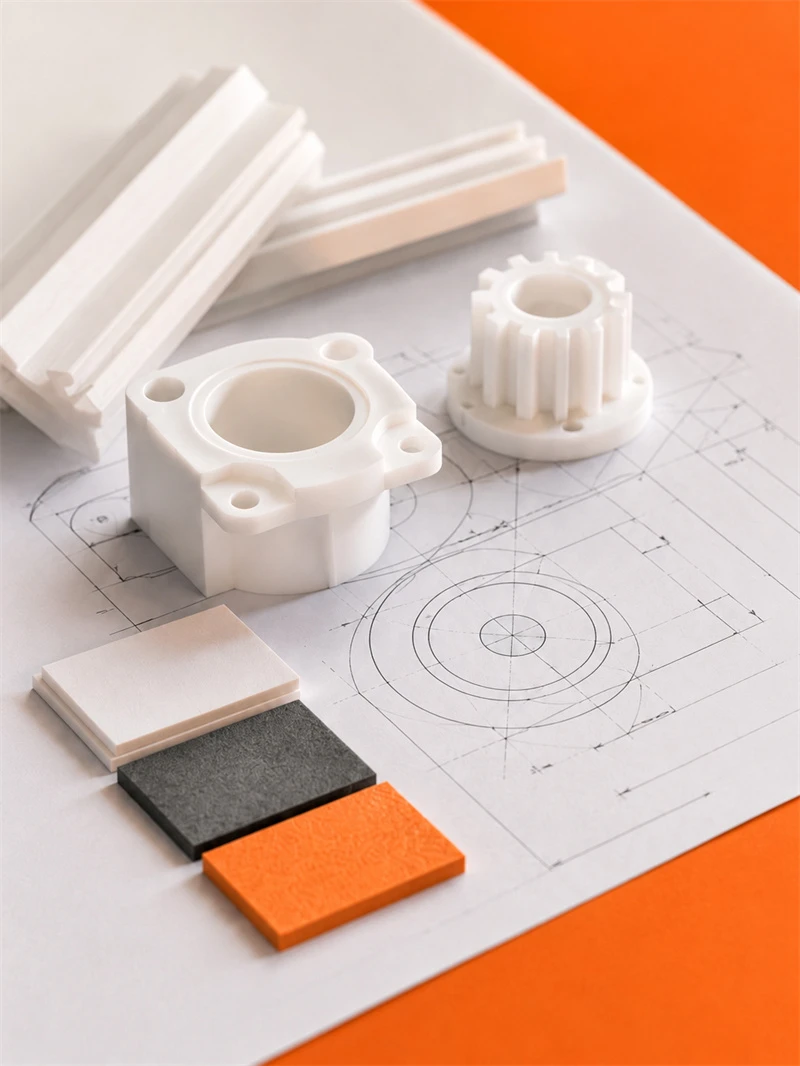
Engineering plastic parts suit friction, guide, support, buffer, anti-corrosion and insulation areas. We supply UHMWPE, POM, PA, PP/PE components for conveyor, food, mining, machinery, chemical and cable systems, with custom OEM service available.
Stay updated with our latest industry insights, company updates and featured articles.
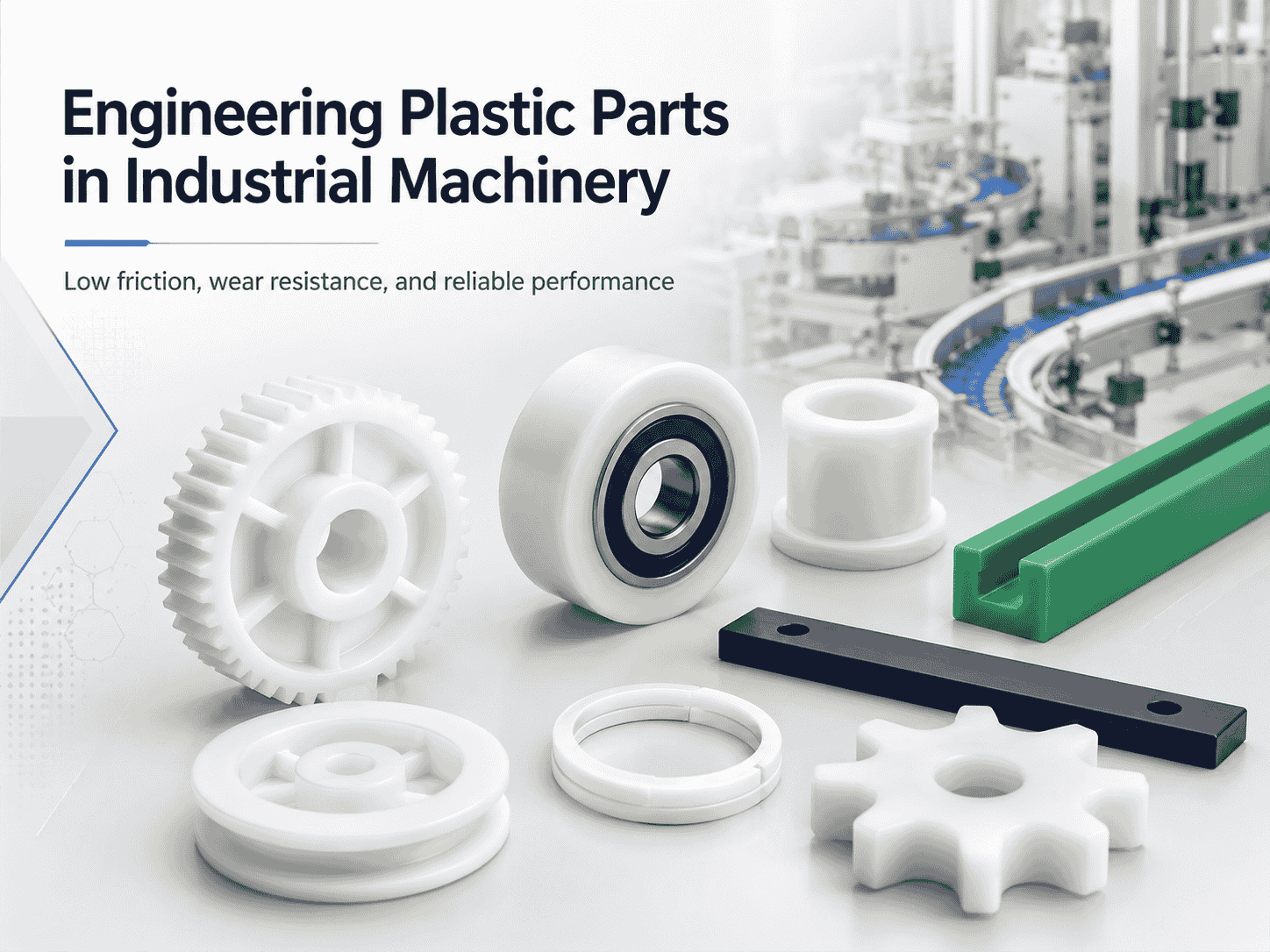
Engineering plastics are increasingly used in industrial machinery, automated production lines, conveyor systems, packaging equipment, and food-processing machines. Materials such as nylon, UHMWPE, POM, and
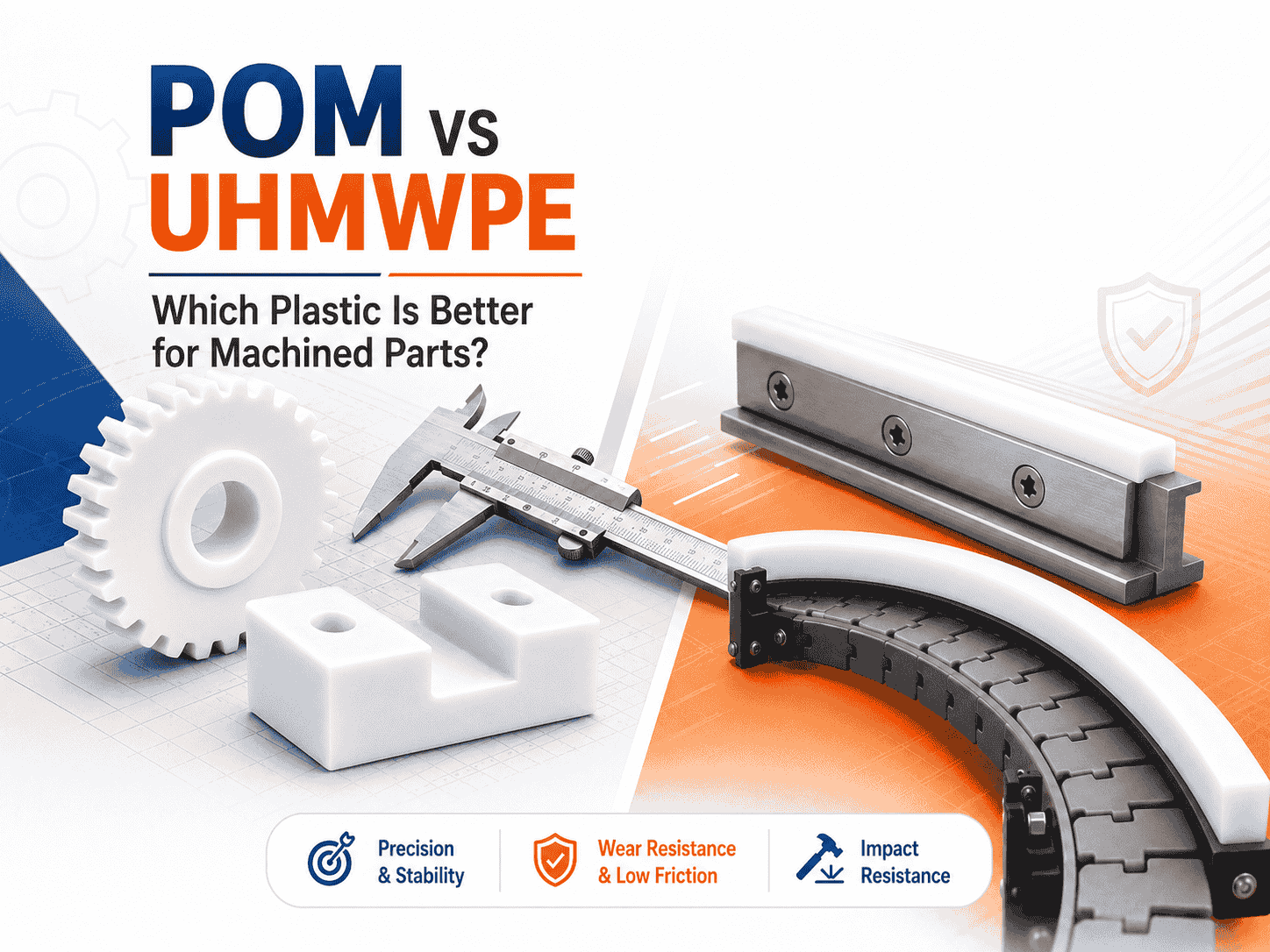
Both are lightweight, corrosion-resistant, wear-resistant, and suitable for CNC machining. However, they perform very differently
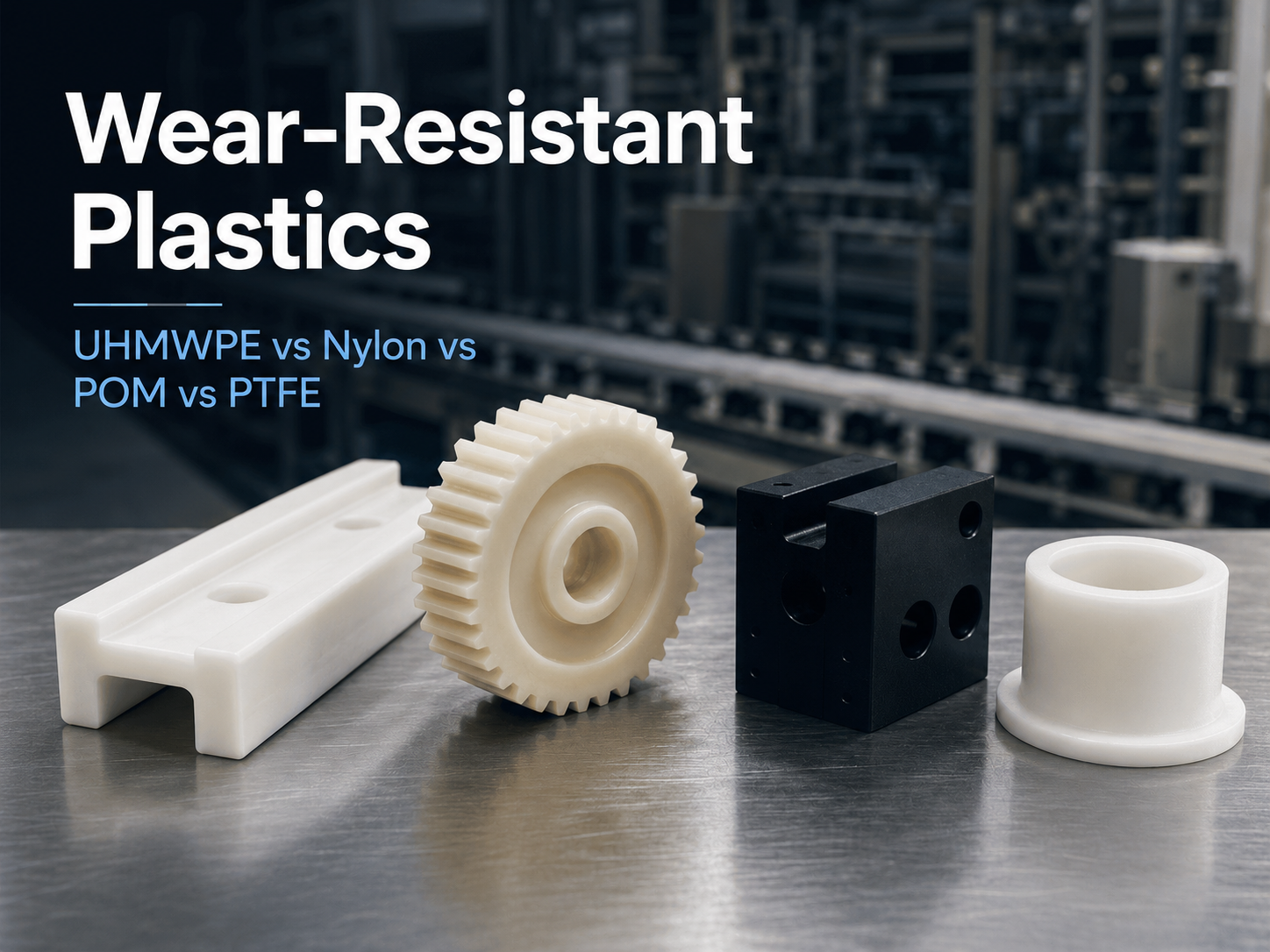
Wear is a common cause of failure in conveyor systems, packaging machinery, automated equipment, mining
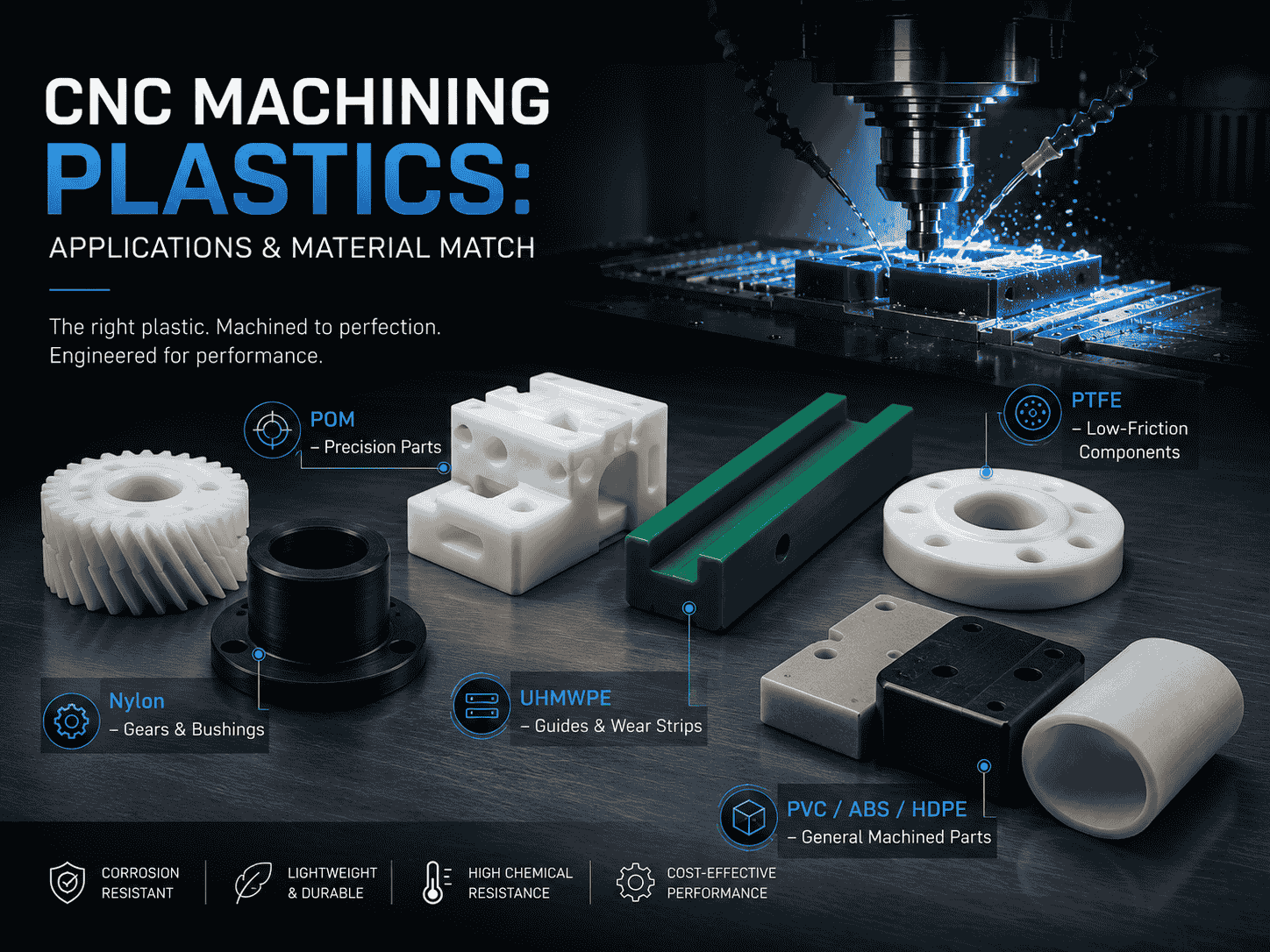
CNC machining is widely used to produce plastic prototypes, low-volume parts, replacement components, jigs, fixtures,
Both are lightweight, corrosion-resistant, wear-resistant, and suitable for CNC machining. However, they perform very differently
Wear is a common cause of failure in conveyor systems, packaging machinery, automated equipment, mining
CNC machining is widely used to produce plastic prototypes, low-volume parts, replacement components, jigs, fixtures,

Need UHMWPE sheets & custom plastic machined/OEM parts?Send specs & material needs, free quote within 24h.