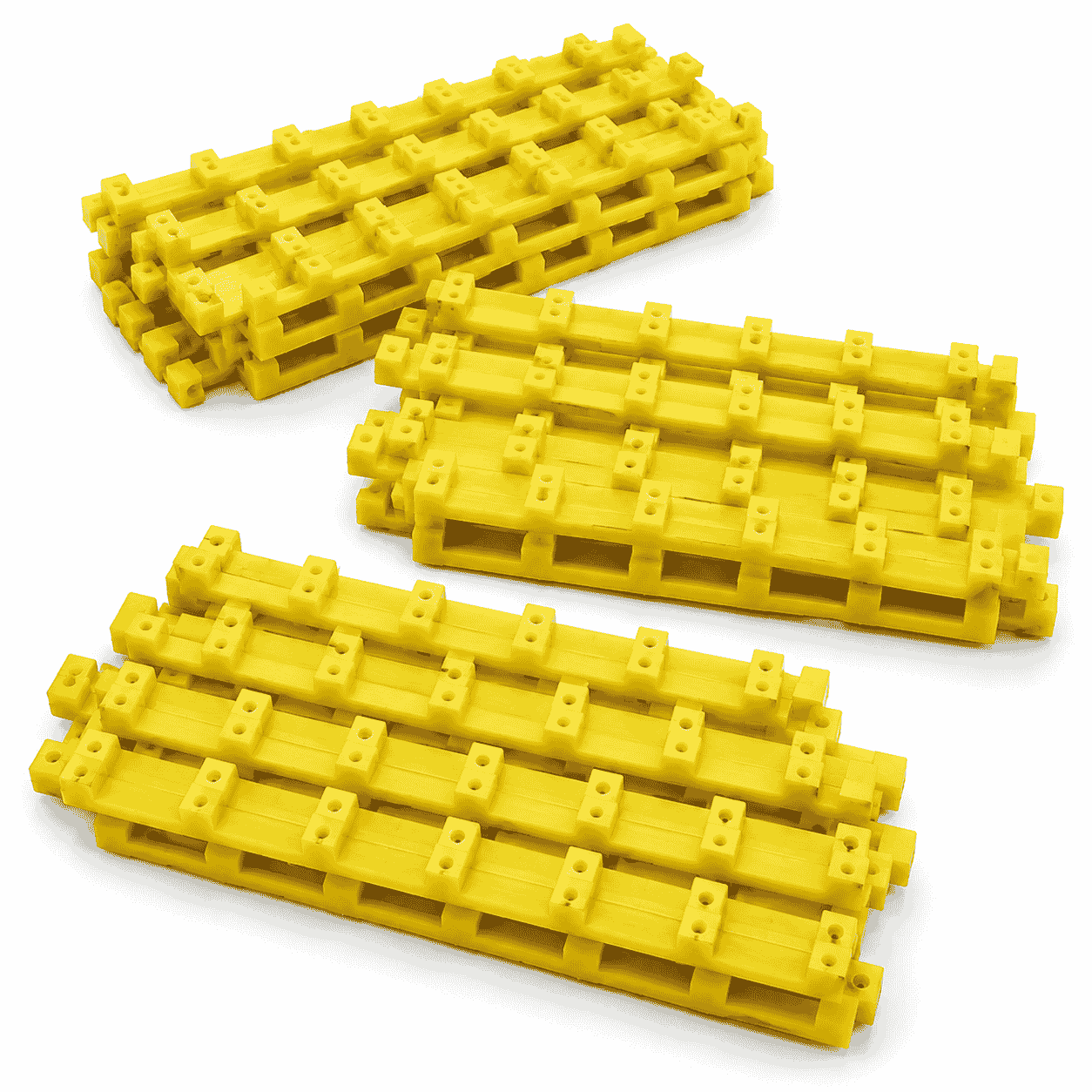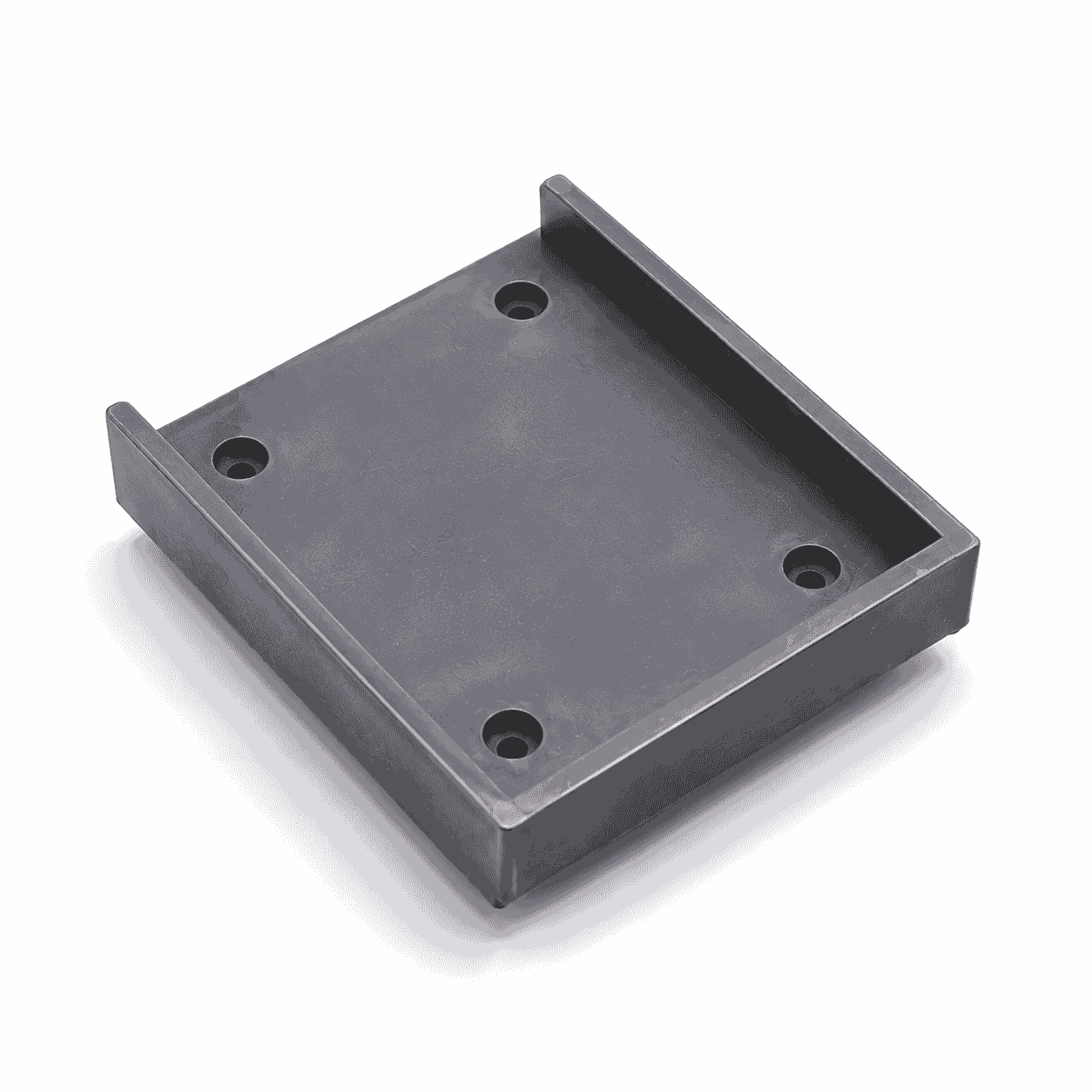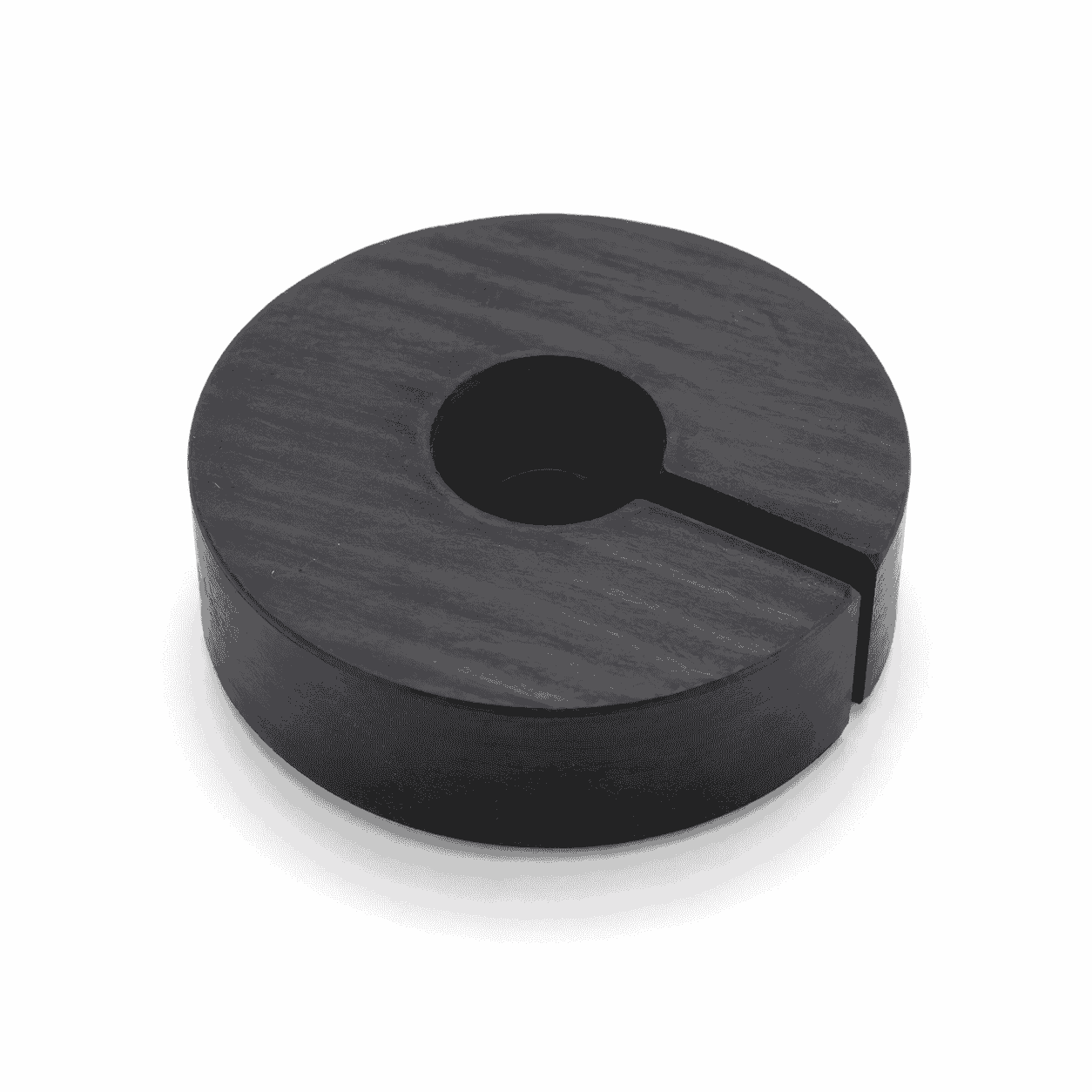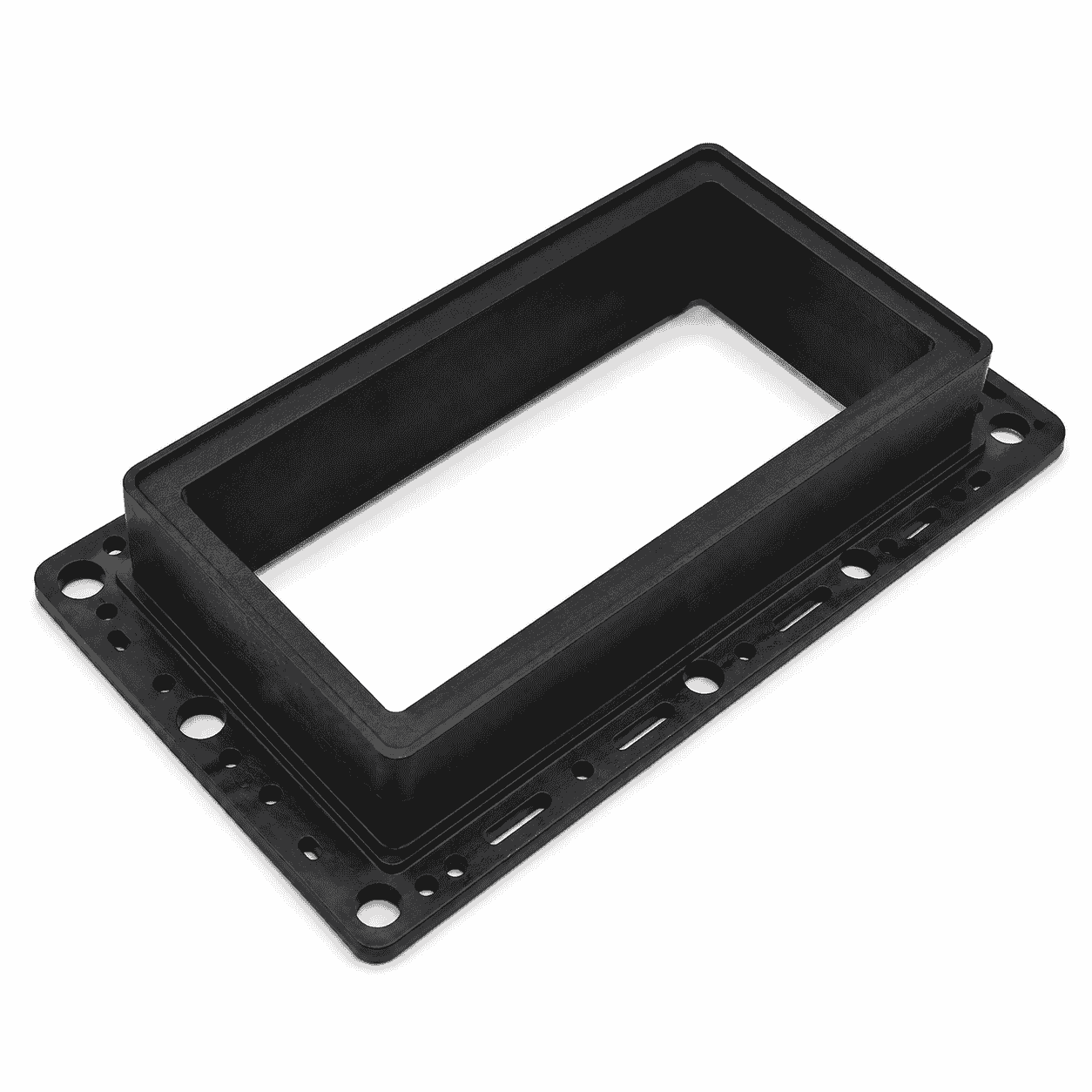


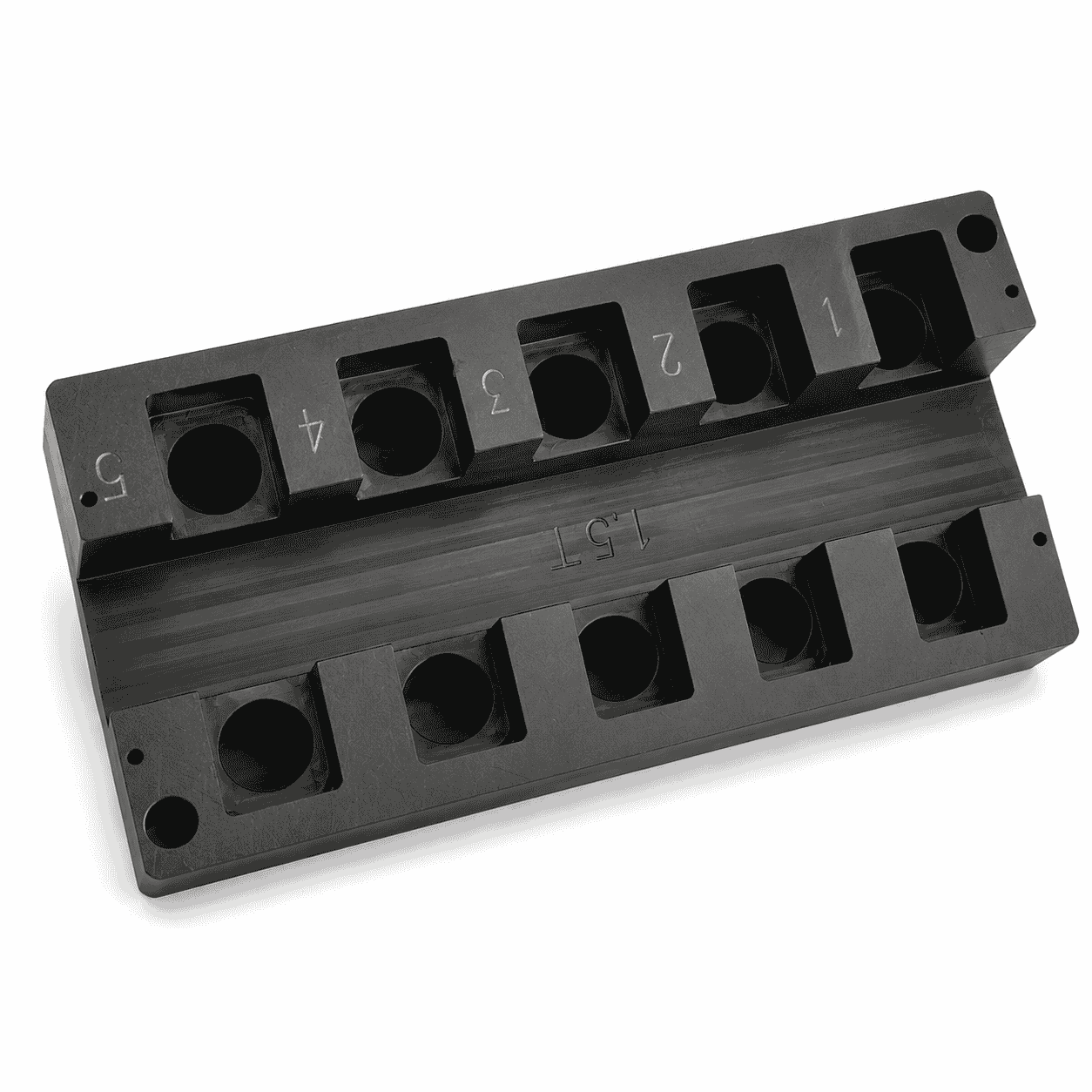
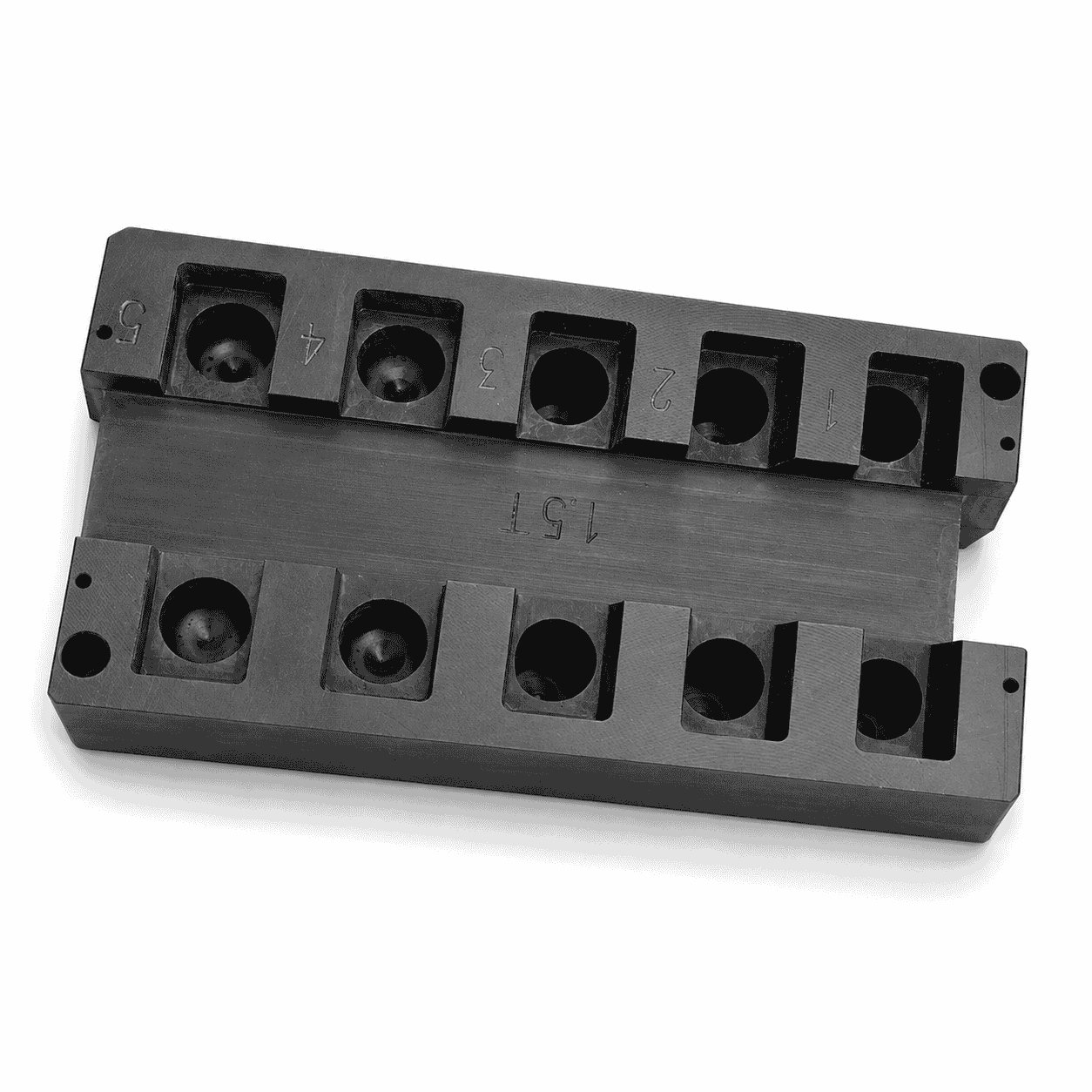
CNC Machined Plastic Fixture Plate is a custom engineering plastic workholding component used for repeatable workpiece positioning, support, separation, assembly and inspection.
Available in POM, UHMWPE, nylon and other engineering plastics, with custom locating pockets, support surfaces, mounting holes, station numbers and multi-position structures manufactured according to drawings or physical samples.
CNC Machined Plastic Fixture Plate is a custom engineering plastic workholding component used to locate, support, separate and retain workpieces during assembly, inspection, testing, machining and automated production processes.
The fixture plate can contain multiple locating stations, profiled pockets, support surfaces, mounting holes and numbered positions. Each station is manufactured to match the corresponding workpiece geometry, helping operators or automated equipment place components in a consistent position during repeated production cycles.
The overall dimensions, station quantity, pocket profile, center distance, mounting structure and material grade can be manufactured according to technical drawings, 3D models, physical samples and actual operating requirements.
A fixture is a workholding or supporting device used to locate and support a workpiece in a defined position. A CNC Machined Plastic Fixture Plate performs this function using accurately machined engineering plastic surfaces instead of a completely metal structure.
Depending on the process, the fixture plate may be used as:
The plate does not necessarily apply high clamping force. Some designs mainly provide positioning and support, while separate clamps, covers, cylinders or fastening components secure the workpieces.
A custom fixture plate can combine several functional structures in one component. Common design options include:
The pocket profile should support the workpiece at stable contact points without creating excessive local pressure. Appropriate clearance must also be provided for loading, unloading, dimensional variation and thermal expansion.
The machined pockets and locating surfaces place each component in a defined position and orientation. This helps maintain consistent workpiece alignment between production cycles.
Several workpieces can be arranged on one fixture plate. A multi-station structure is useful for batch assembly, inspection, testing, transfer and automated handling.
Individual stations maintain spacing between adjacent components. This helps prevent collision, scratching and incorrect placement during handling or processing.
Engineering plastic contact surfaces can reduce direct contact between finished workpieces and hard metal tooling. This is useful for components with painted, polished, plated or otherwise sensitive surfaces.
Locating pockets and guide surfaces help operators position components before bolts, seals, connectors, covers or related parts are installed.
The fixture plate can hold parts in a repeatable orientation during dimensional measurement, visual inspection, camera inspection, leak testing or functional testing.
Consistent pocket positions allow robotic arms, pneumatic grippers and pick-and-place systems to access each workpiece using repeatable coordinates.
The plastic fixture can act as a replaceable contact component inside a larger metal tooling system. Worn or damaged plates can be replaced without rebuilding the complete machine frame.
CNC Machined Plastic Fixture Plate components are suitable for various types of automation equipment and industrial machinery.
Typical applications include:
The exact fixture function should be determined according to the complete equipment assembly and process requirements.
The material should be selected according to dimensional accuracy, mechanical load, clamping force, impact, sliding conditions, temperature, humidity and chemical exposure.
Polyoxymethylene POM Sheet is commonly selected for precision fixture plates requiring rigidity, dimensional stability and accurate machining.
Wikipedia describes polyoxymethylene, also known as acetal or POM, as an engineering thermoplastic used in precision components requiring stiffness, low friction and dimensional stability.
Typical advantages include:
POM is often suitable for assembly fixtures, inspection fixtures, locating blocks and tooling plates requiring repeatable dimensions.
UHMWPE Sheet can be selected for fixture plates requiring low friction, high impact resistance and reduced workpiece scratching.
General information about the material is available from Wikipedia’s explanation of ultra-high-molecular-weight polyethylene.
Typical advantages include:
UHMWPE is less rigid than POM. Fixture thickness, support spacing and clamping pressure should therefore be evaluated carefully when precise positioning is required.
Polyamide PA Nylon Sheet can be selected where the fixture requires mechanical strength, toughness, wear resistance and thicker load-bearing structures.
Nylon belongs to the polyamide family of polymers.
Typical advantages include:
Nylon absorbs moisture from the surrounding environment. Moisture-related dimensional changes should be considered for locating pockets, pin holes and other structures with tight tolerances.
Metal tooling remains necessary for high clamping loads, high temperatures and heavily loaded machining processes. Engineering plastic fixture plates provide advantages in suitable positioning, assembly and inspection applications.
A correctly designed CNC Machined Plastic Fixture Plate can help solve common production and assembly problems, including:
Each CNC Machined Plastic Fixture Plate can be manufactured according to the corresponding component and production process.
Available custom options include:
Our CNC Plastic Machining service supports fixture plates manufactured according to 2D drawings, 3D models and physical samples.
Computer numerical control uses programmed instructions to control machine-tool movements and manufacture repeatable component profiles.
Available machining operations include:
To manufacture the CNC Machined Plastic Fixture Plate correctly, the following information should be provided or confirmed:
When the original technical drawing is unavailable, a replacement fixture plate can be reproduced from an existing sample. Wear, compression and permanent deformation on the used fixture should be evaluated before dimensions are copied.
Important inspection points include:
Providing both the old fixture and the corresponding workpiece helps verify the original locating relationship and prevents worn dimensions from being reproduced.
Important inspection items for a CNC Machined Plastic Fixture Plate include:
Where possible, the completed fixture plate should be checked using the corresponding workpiece, inspection gauge or dimensional model before delivery.
The accuracy and load capacity of a plastic fixture plate cannot be determined from material name alone. They are affected by plate thickness, support structure, pocket geometry, mounting method, clamping pressure, temperature and duration of loading.
Engineering plastics may expand with temperature or deform gradually under continuous pressure. Tight-fit pockets should include appropriate clearance, and high-load areas may require metal inserts, additional support or a reinforced fixture frame.
For precision inspection, high-temperature processing, heavy cutting or safety-critical workholding, the complete tooling structure should be evaluated before selecting an engineering plastic fixture plate.
CNC Machined Plastic Fixture Plate is a custom workholding component used to locate, support, separate and retain workpieces during assembly, inspection, testing, machining and automated production.
POM, UHMWPE, nylon and other engineering plastics can be selected according to dimensional accuracy, friction, impact, stiffness, humidity and operating-load requirements.
The station quantity, pocket profile, support structure, mounting holes, locating surfaces, identification marks and material grade can be manufactured according to drawings, physical samples and actual production requirements.
Check drawings for full specifications and confirm materials according to service conditions to prevent product defects.
Inspect all key processing steps and fully verify dimensions, holes, grooves and fitting surfaces.
Deburr, chamfer and clean products for easy installation. Ensure uniform quality among batch products.
Choose appropriate packaging solutions based on product features to protect goods from collision, deformation and mixing during transit.
Unlike metal parts, engineering plastic components still require strict control over dimensions, holes, edges, surface, materials and assembly performance for equipment use.
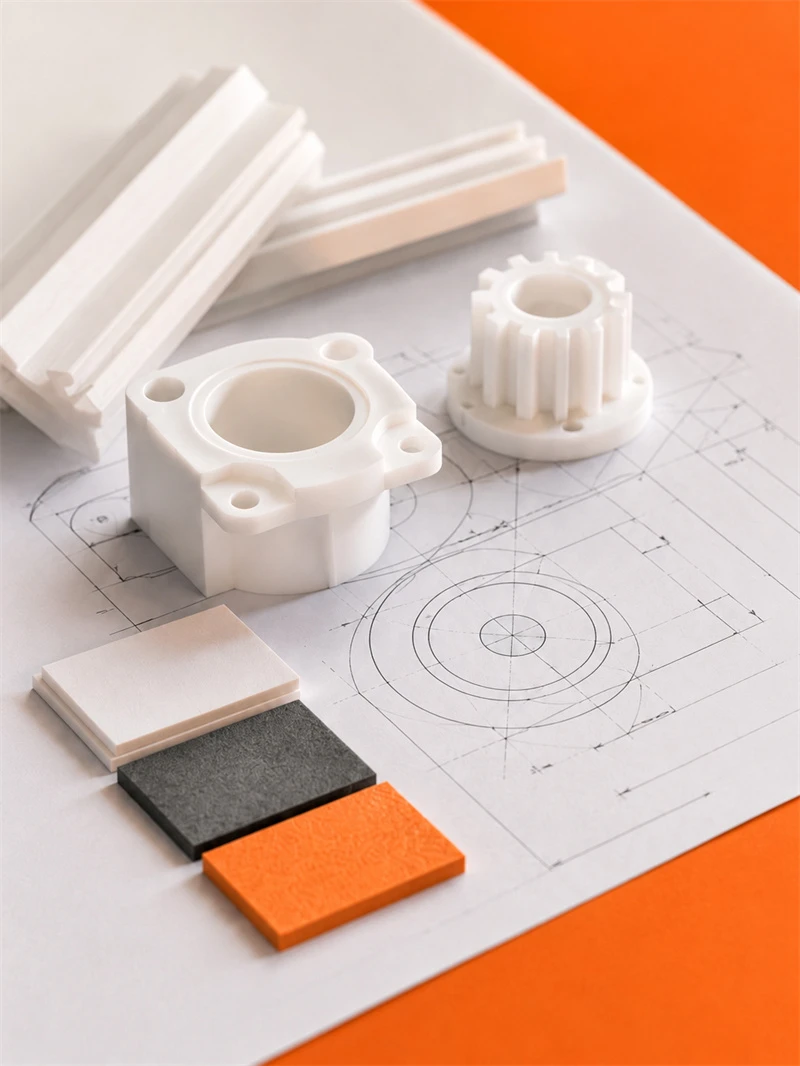
Engineering plastic parts suit friction, guide, support, buffer, anti-corrosion and insulation areas. We supply UHMWPE, POM, PA, PP/PE components for conveyor, food, mining, machinery, chemical and cable systems, with custom OEM service available.
Stay updated with our latest industry insights, company updates and featured articles.
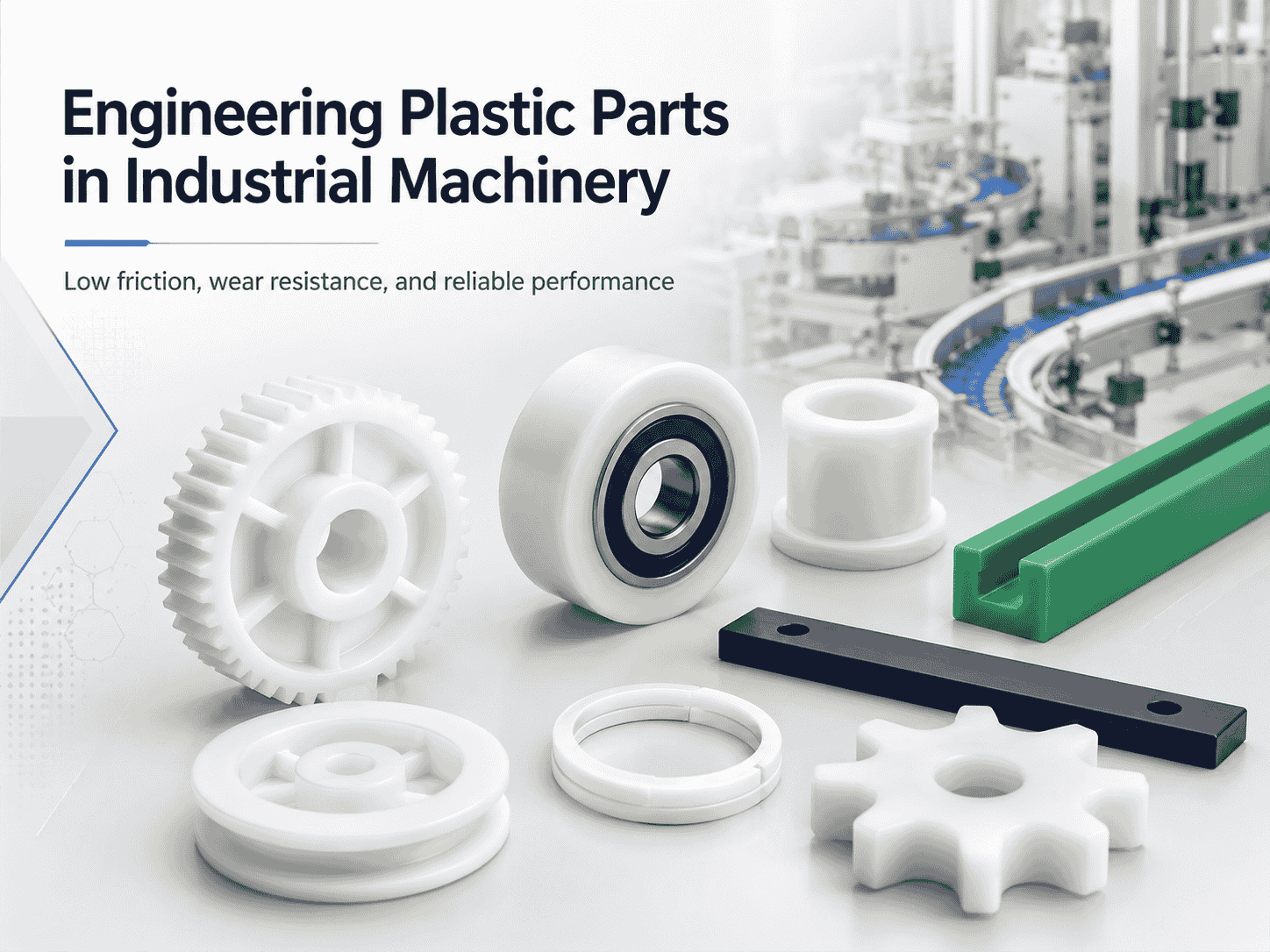
Engineering plastics are increasingly used in industrial machinery, automated production lines, conveyor systems, packaging equipment, and food-processing machines. Materials such as nylon, UHMWPE, POM, and
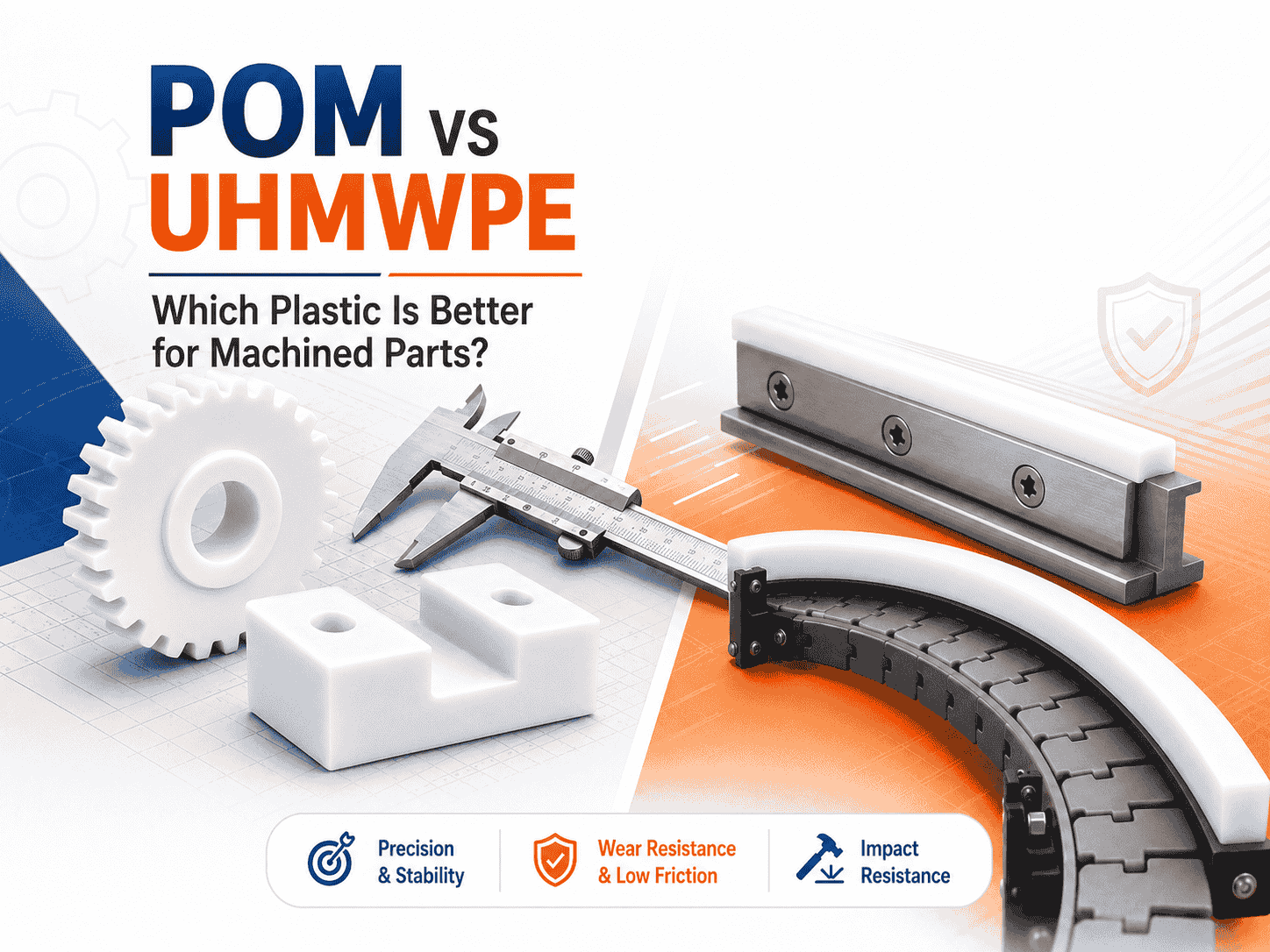
Both are lightweight, corrosion-resistant, wear-resistant, and suitable for CNC machining. However, they perform very differently
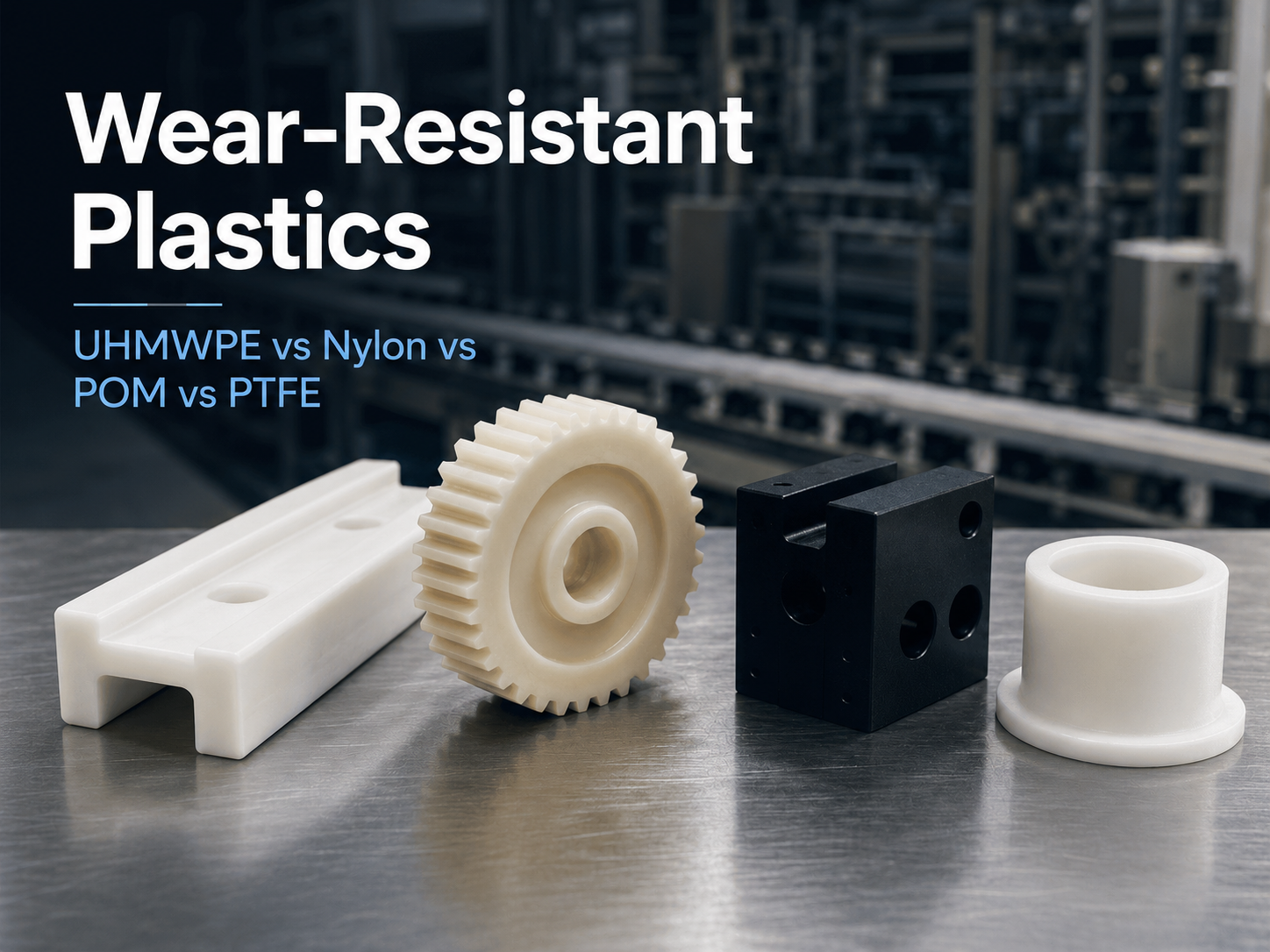
Wear is a common cause of failure in conveyor systems, packaging machinery, automated equipment, mining
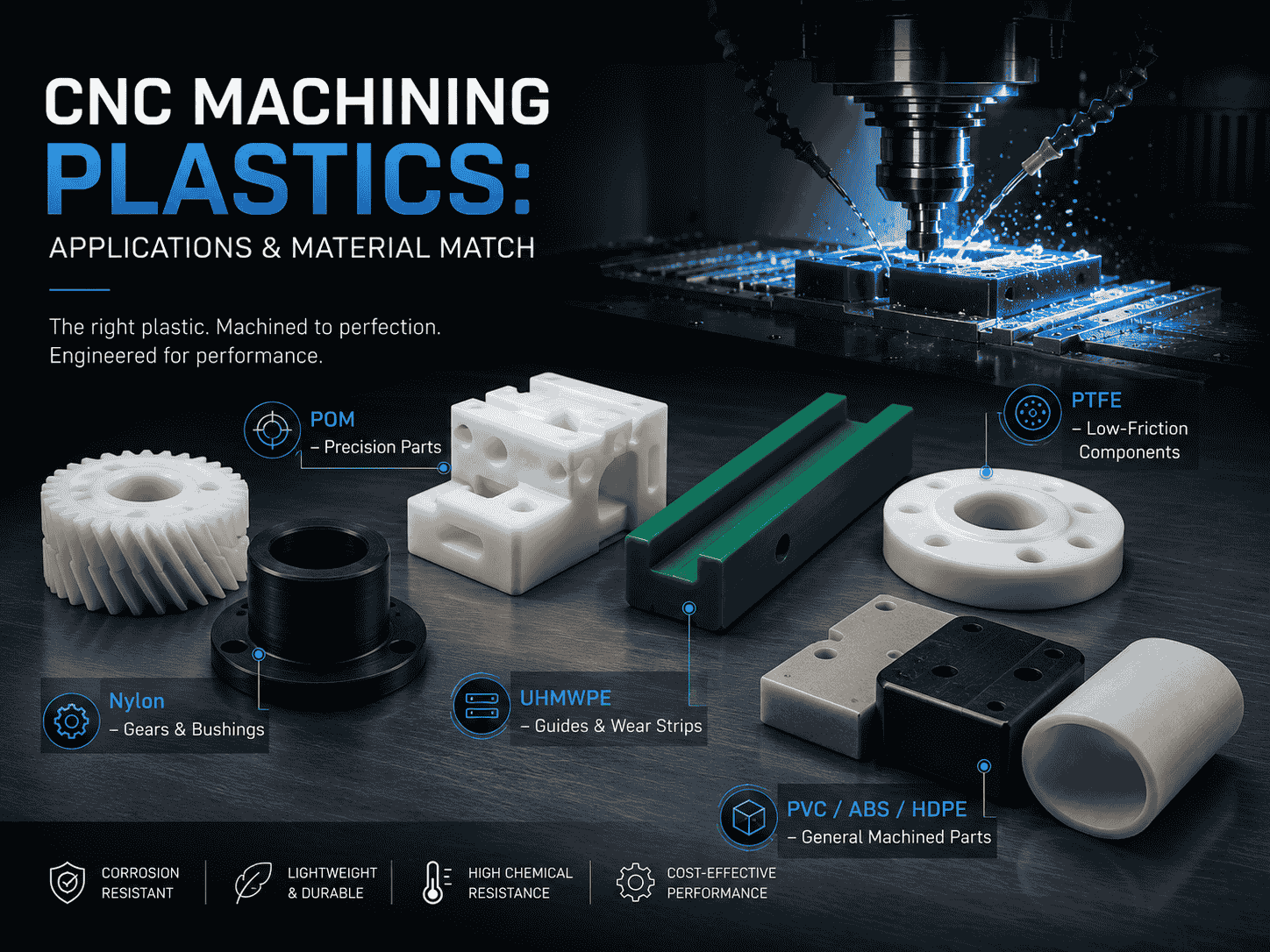
CNC machining is widely used to produce plastic prototypes, low-volume parts, replacement components, jigs, fixtures,
Both are lightweight, corrosion-resistant, wear-resistant, and suitable for CNC machining. However, they perform very differently
Wear is a common cause of failure in conveyor systems, packaging machinery, automated equipment, mining
CNC machining is widely used to produce plastic prototypes, low-volume parts, replacement components, jigs, fixtures,
Need UHMWPE sheets & custom plastic machined/OEM parts?Send specs & material needs, free quote within 24h.